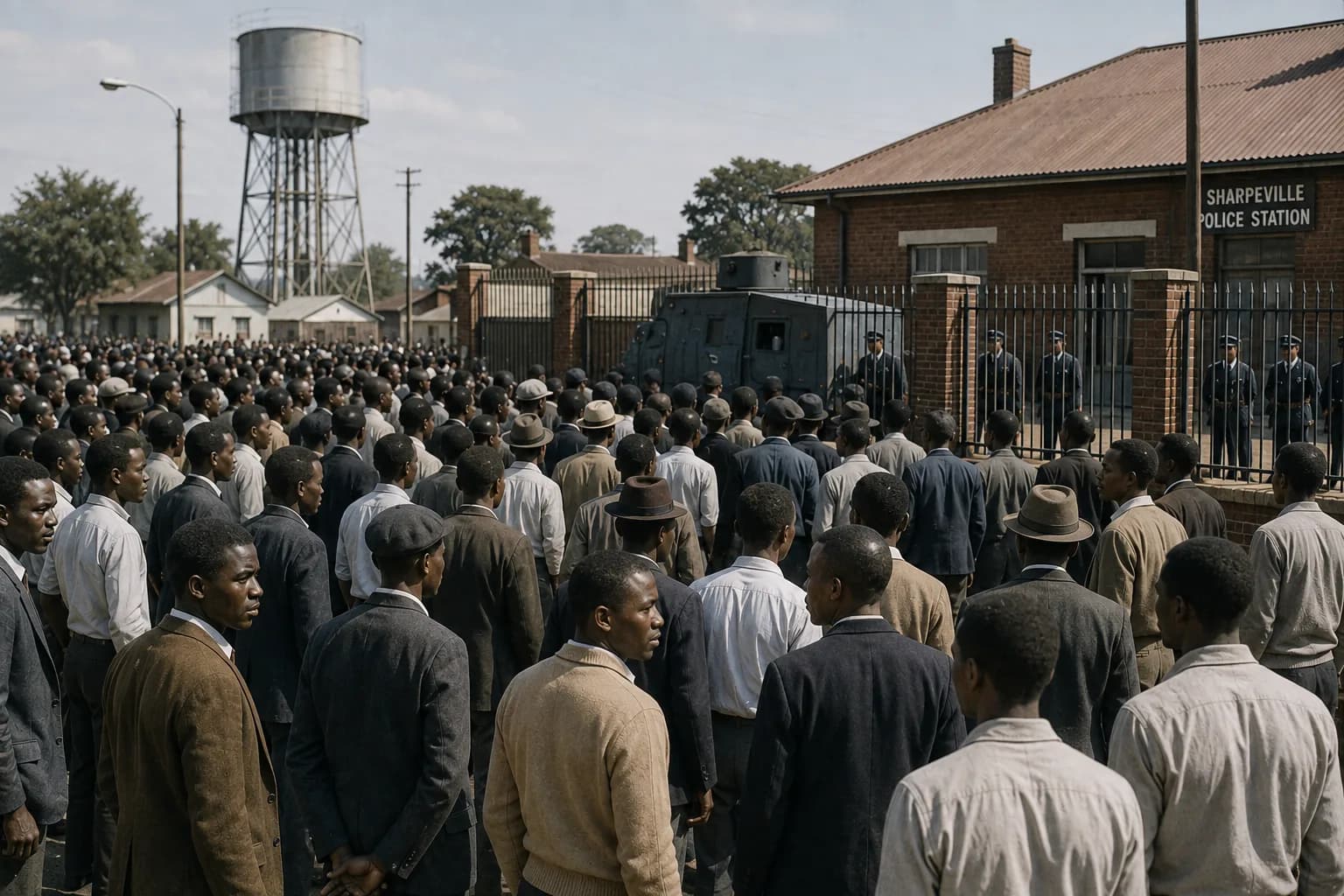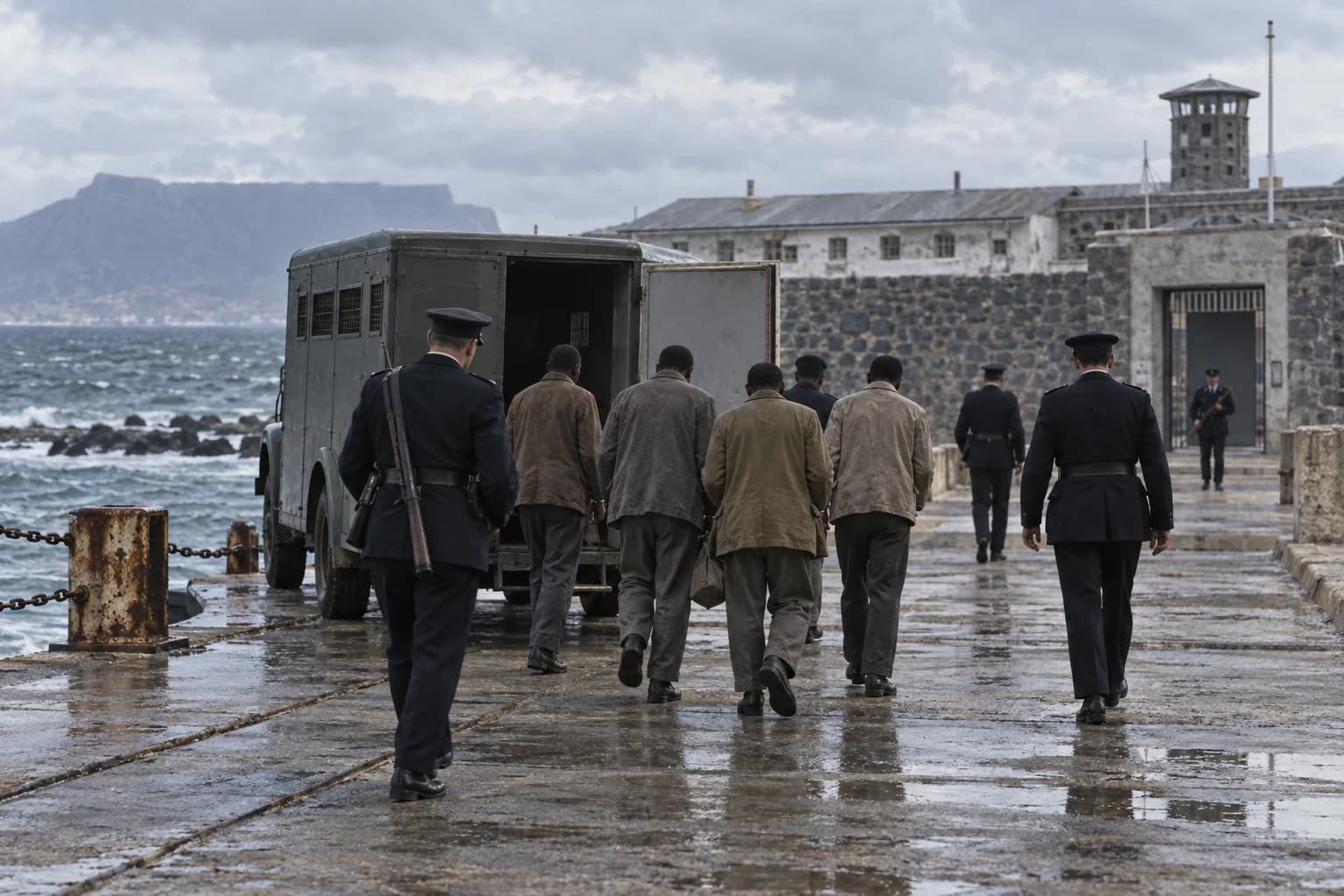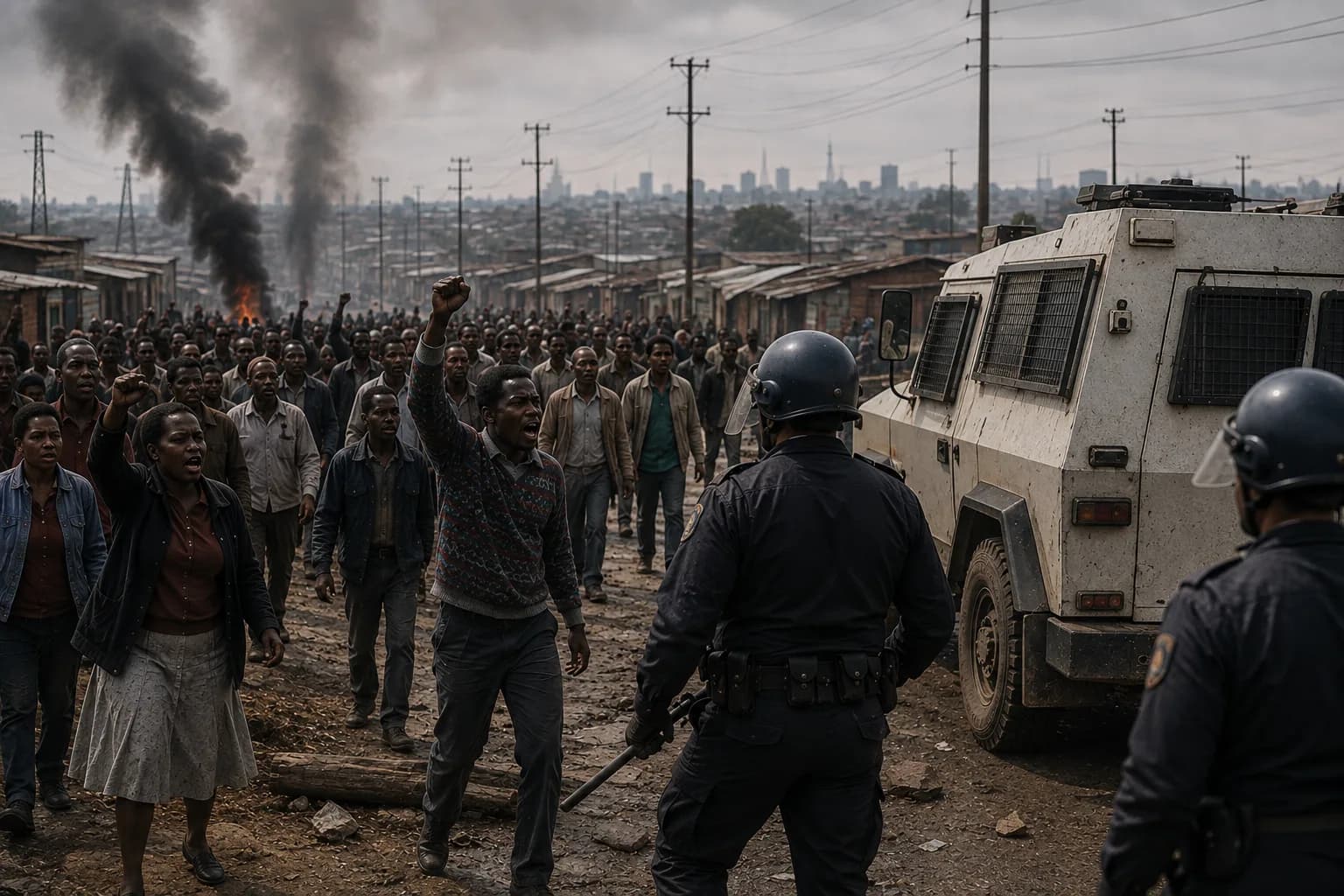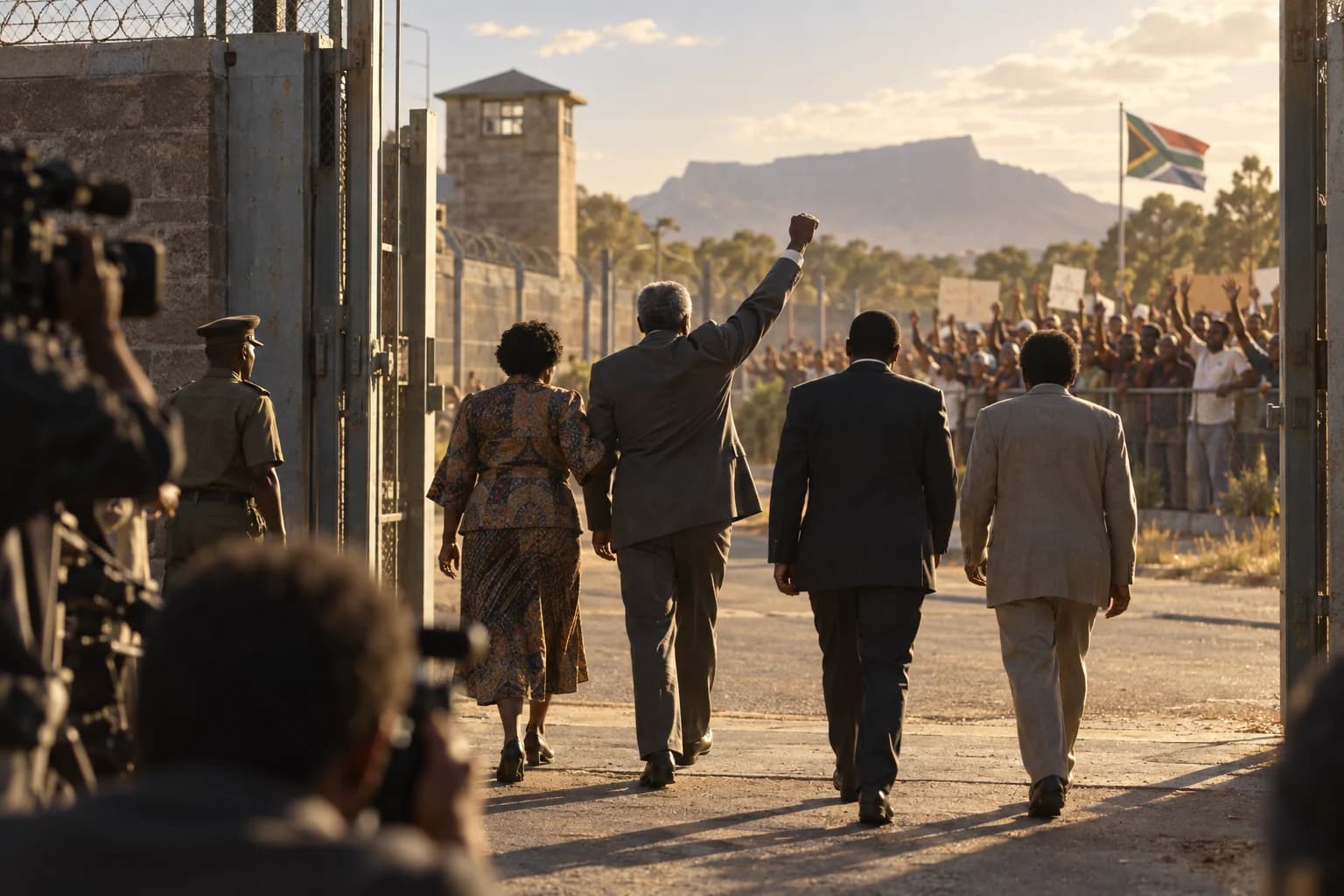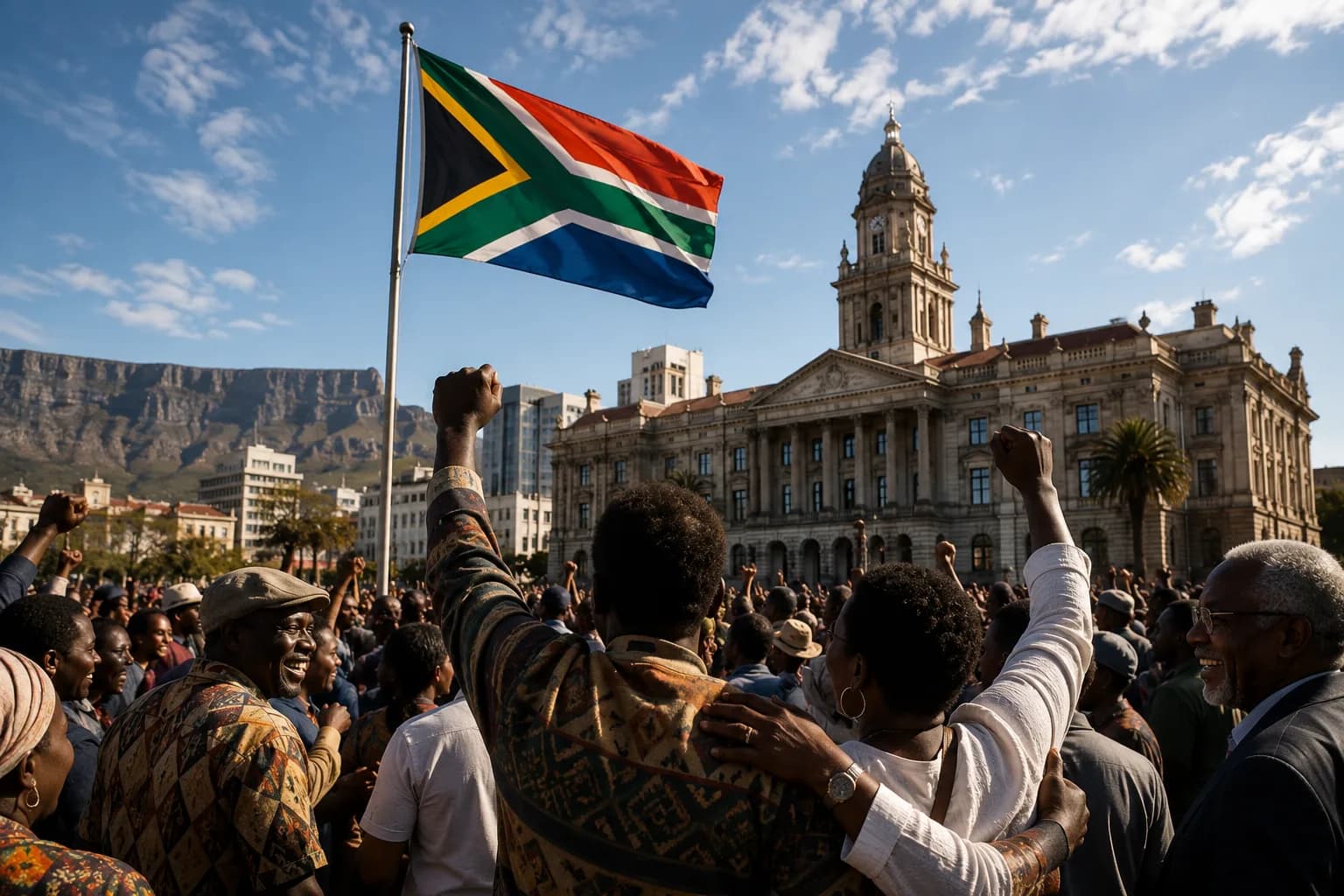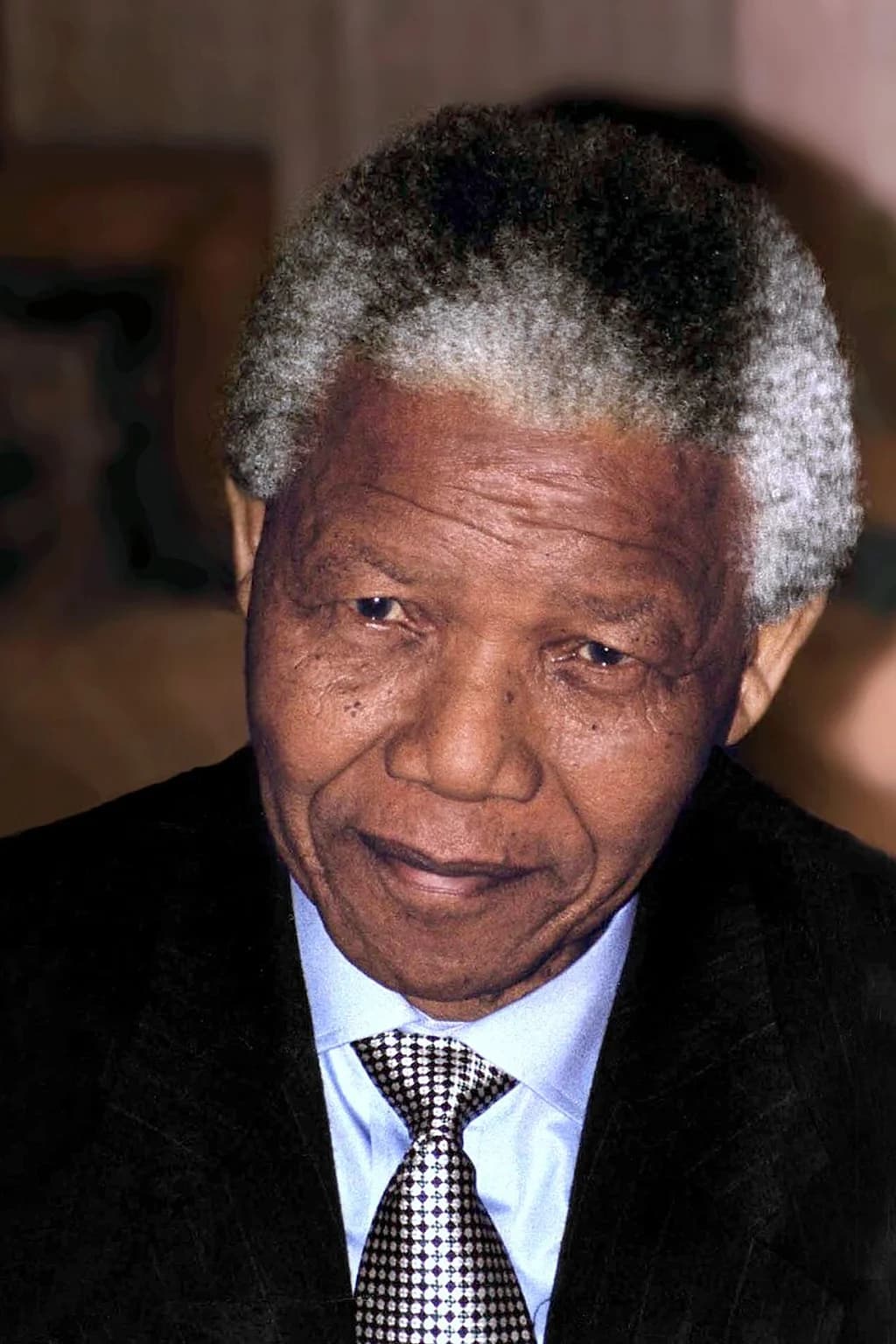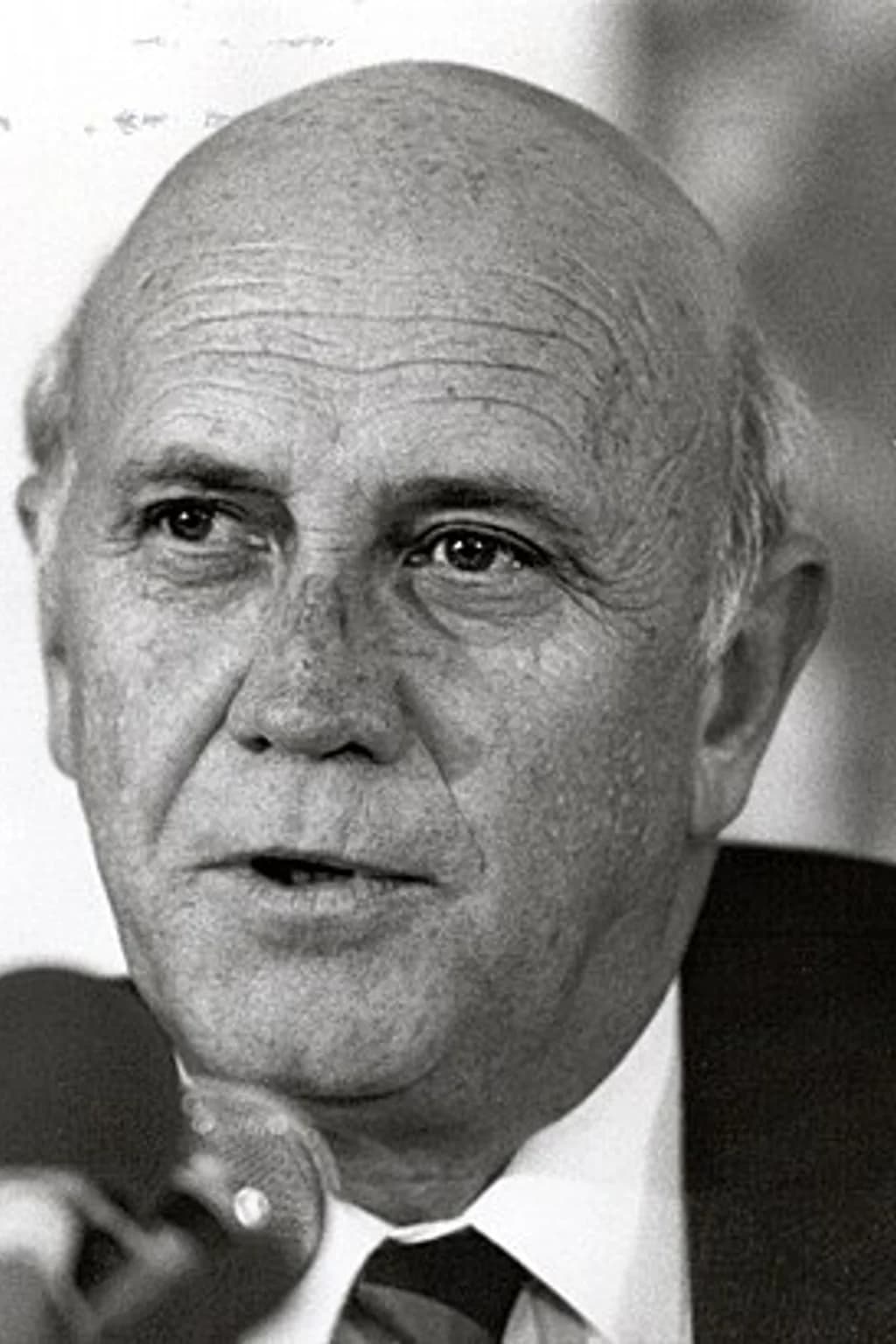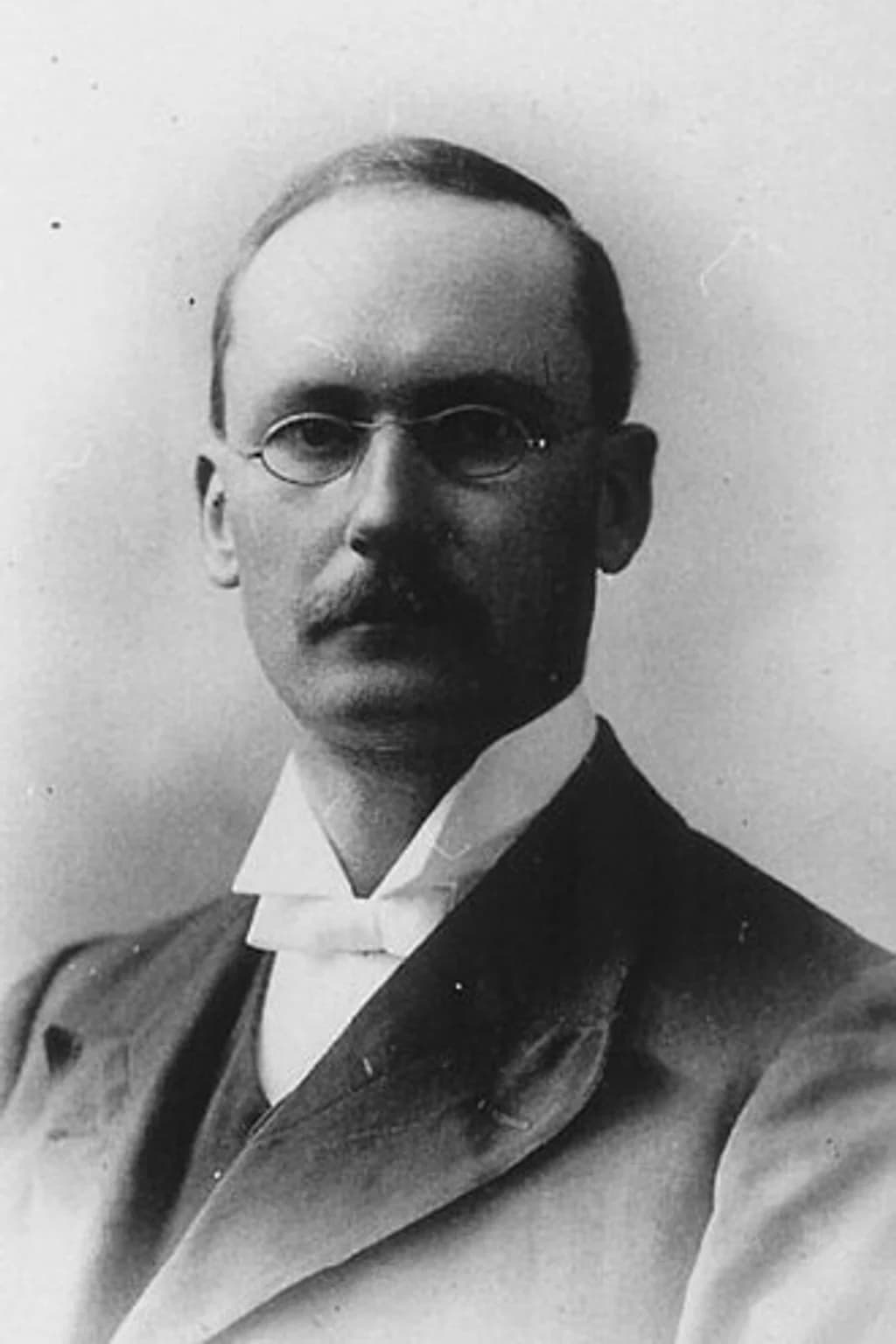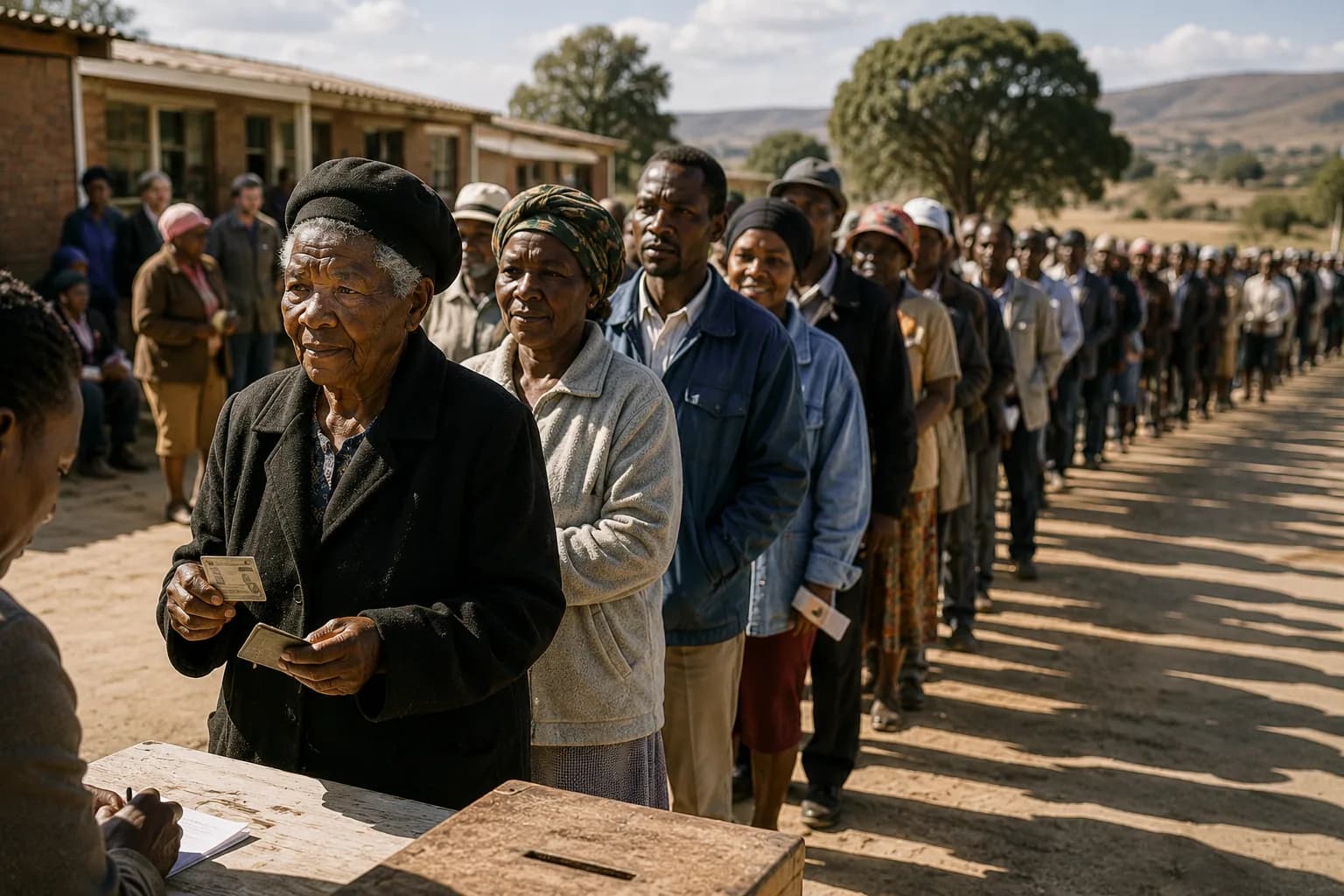
South Africans queueing with identity documents in a rural setting during the transition from apartheid rule.
Premium Story

Apartheid South Africa

Follow South Africa from the foundations of white minority rule to apartheid law, resistance, repression, negotiation and democratic election.

11 chapters · 20 min read

Next
Context

Introduction

What you'll learn: You will follow how apartheid was built through law, challenged through resistance, weakened by pressure and finally replaced by democratic government.

Key forces

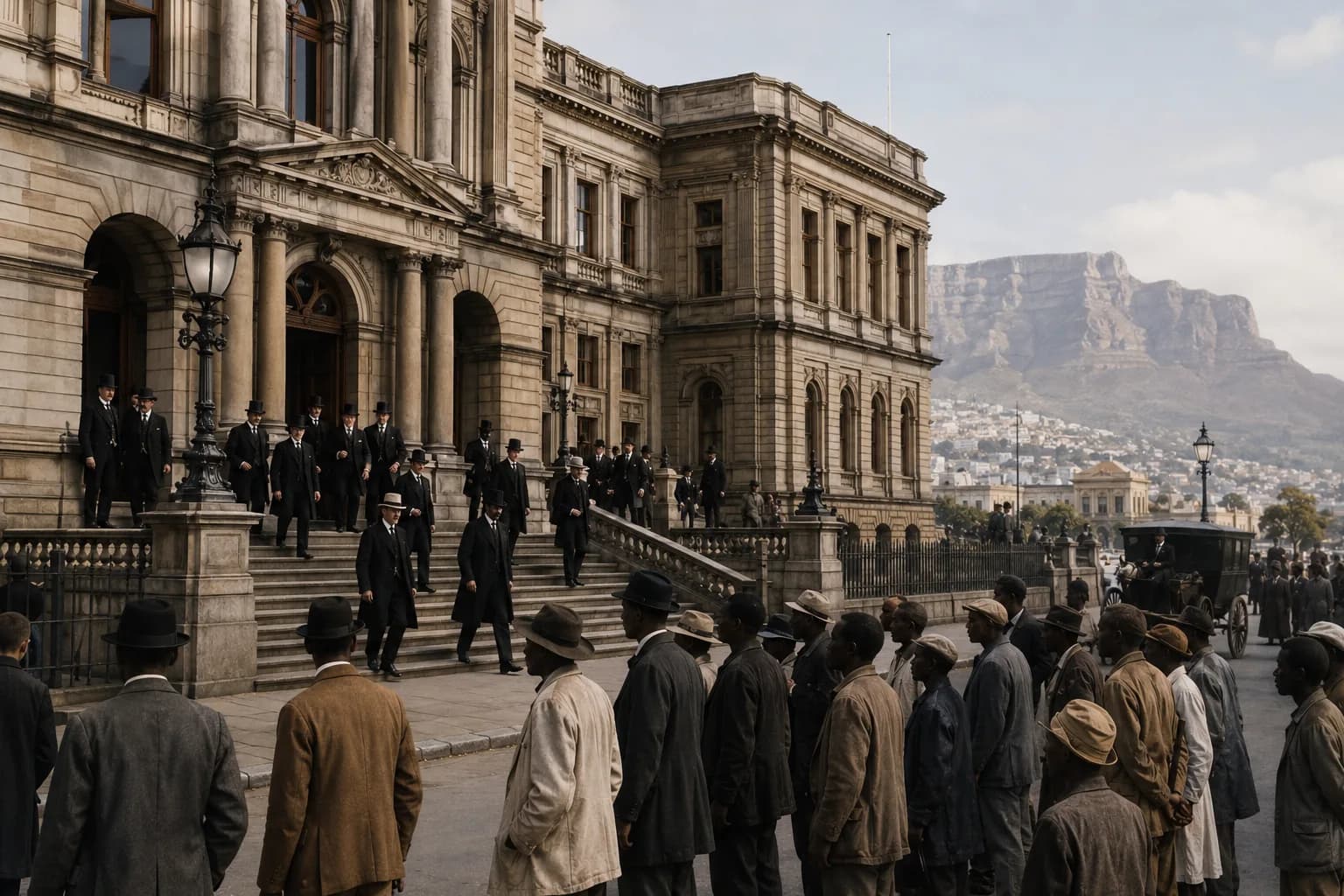
Black South Africans line up outside a Cape Town government building while white officials leave the steps
1910 CE
Step 1 of 101910 CEAccessible mode

The Foundations of Minority Rule

In 1910, the Union of South Africa brought four colonies into one state. It also confirmed who would hold power.

The new Union joined , , and under a single government. It was presented as a step toward stability after war, but that stability was built around white political control.

Most Black South Africans had no vote in the new system. kept a limited property-based franchise that some Black and Coloured voters could still use, but and excluded them, and the Union parliament could narrow those rights later.

Land inequality was just as important. White farmers, mining interests and the state already controlled most productive land and labour. In 1913, the Natives Land Act would restrict African land ownership to small reserved areas, deepening dispossession.

Apartheid had not yet become official policy, but the architecture of exclusion was already visible.

The Union therefore created more than a new country. It created a political order in which the Black majority could be governed, taxed, moved and employed without equal power over the state.

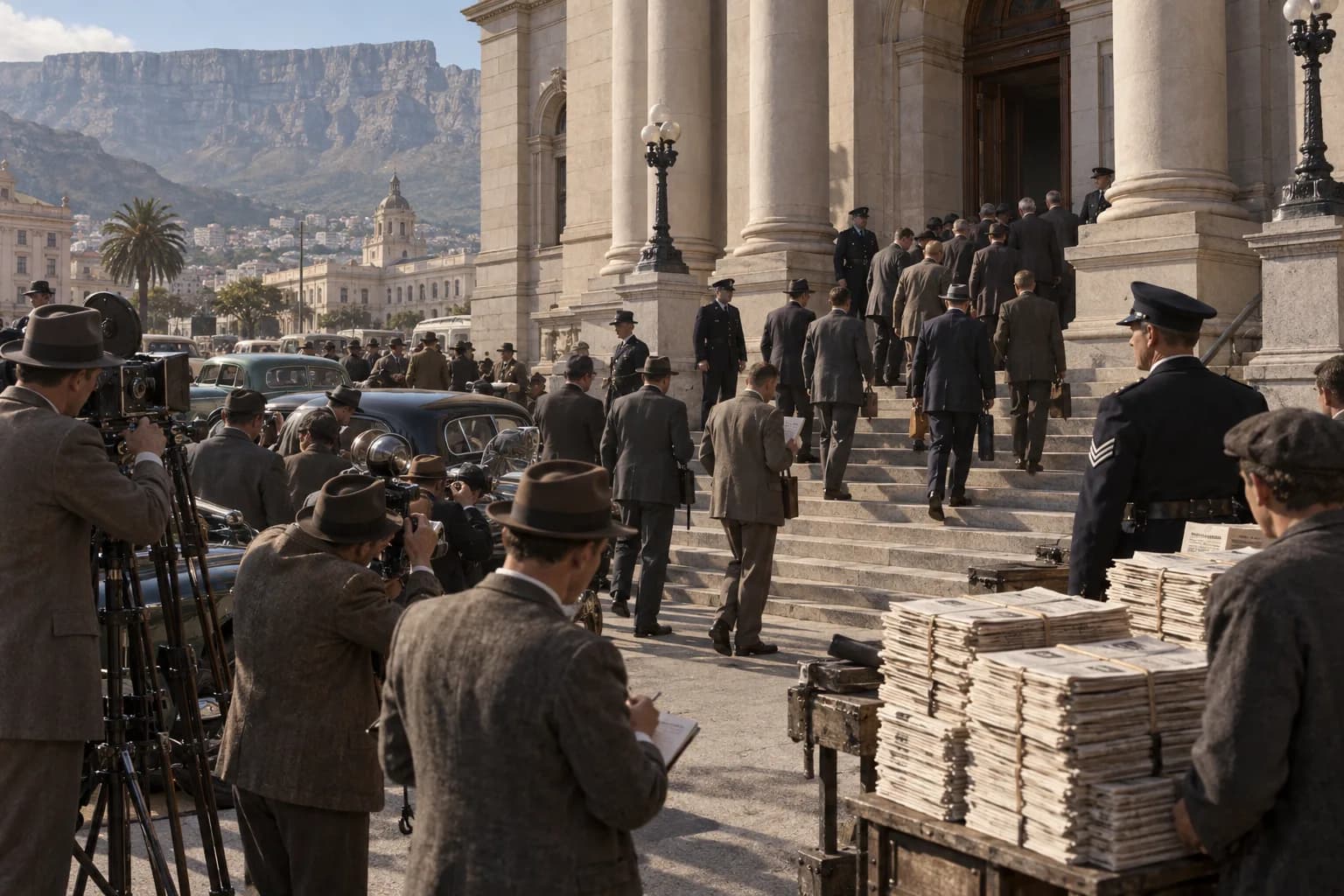
Politicians, reporters, police, and newspaper sellers gather outside a Cape Town government building after the 1948 election.
1948 CE
Step 2 of 101948 CEAccessible mode

Apartheid Comes to Power

In 1948, the National Party won South Africa's white-only election and turned apartheid into official policy.

Segregation already existed. Black South Africans faced restrictions on land, movement, work and political rights. But the National Party promised to organise those restrictions more completely.

The party drew support from many Afrikaner voters who feared Black urbanisation, competition for jobs, cultural decline and the loss of white control. Its answer was apartheid, an Afrikaans word meaning apartness.

Apartheid did not simply mean separation in daily life. It meant using the state to classify people by race, assign rights by race and preserve white minority rule through law.

After 1948, segregation became a governing programme.

The National Party had not won permission from South Africa's majority. Most South Africans could not vote. That contradiction shaped the whole apartheid period.

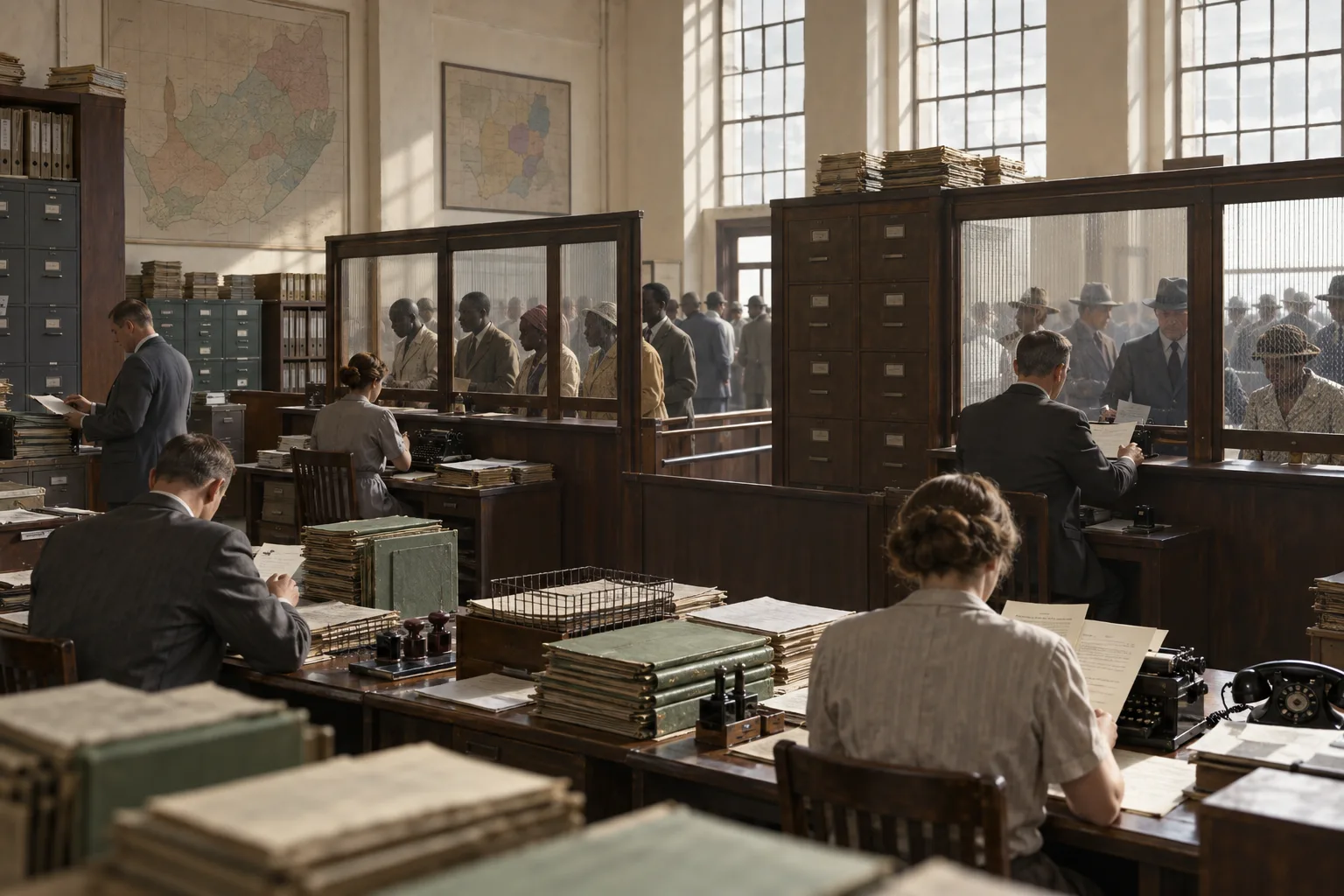
South Africans queue at administrative counters while clerks file race-classification documents in a government records office.
1950 CE
Step 3 of 101950 CEAccessible mode

Apartheid Becomes Law

In the early 1950s, apartheid became a chain of laws that reached into almost every part of life.

The Population Registration Act classified South Africans by race. A person's official category could shape where they lived, whom they could marry, which school they attended and what rights they had.

The Group Areas Act forced racial separation in towns and cities. Communities could be removed from homes and neighbourhoods if the state declared an area reserved for another group.

Pass laws and labour controls restricted Black movement. The state tried to decide who could enter cities, who could remain there and who would be treated as belonging to rural reserves or later homelands.

Apartheid law turned belonging into a permit.

Other laws attacked political rights and resistance. The state could ban organisations, silence activists and punish opposition as a threat to order. Separation was enforced by police, courts, documents and fear.

Premium

You've reached the turning point

The opening chapters show how white minority rule hardened into apartheid law. Premium follows the resistance map: Sharpeville, Rivonia, Soweto, emergency rule, Mandela's release and the democratic election that ended institutionalised apartheid.

Continue into the reversals, crises and human stakes that make the story matter.

Unlock full story

What Premium unlocks next

  1. 4The Defiance Campaign
  2. 5The Sharpeville Massacre
  3. 6Mandela Sentenced to Life
  4. 7The Soweto Uprising
  5. 8Apartheid Under Siege
  6. 9Mandela Walks Free
  7. 10South Africa Votes

Browse stories

Browse stories for free

Explore the people connected to this turning point or enjoy one of our free stories.

Unlock full storyBrowse stories

References

Sources & Further Reading

Reliable sources, primary-source collections and reading paths connected to this page.

Sources used

  1. South African History Online, A history of Apartheid in South Africa,” Open source
  2. South African History Online, 1910-1924: African nationalism and working-class and popular protests,” Open source
  3. South African History Online, Apartheid becomes official policy,” Open source
  4. South African History Online, Segregationist Legislation Timeline 1950-1959,” Open source
  5. South African History Online, Defiance Campaign 1952,” Open source
  6. South African History Online, Sharpeville,” Open source
  7. Nelson Mandela Foundation, Nelson Mandela sentenced to life imprisonment 44 years ago,” Open source
  8. South African History Online, Chapter 2 - The Soweto Uprising of June 1976: A Turning Points Event,” Open source
  9. South African History Online, State of Emergency - 1985,” Open source
  10. Nelson Mandela Foundation, Nelson Mandela's release from prison: 33 years on,” Open source
  11. South African History Online, South Africa's first democratic elections,” Open source

Further reading

  1. Deborah Posel, The Making of Apartheid, 1948-1961: Conflict and Compromise, Oxford University Press.
  2. Leonard Thompson, A History of South Africa, Yale University Press.
  3. Encyclopaedia Britannica, Search results for Apartheid South Africa,” Open source
  4. WorldCat, Library holdings for Apartheid South Africa,” Open source

Primary sources

  1. Library of Congress, Search results for Apartheid South Africa,” Open source

Reviewed claim sources

Loading reviewed claim sources...

A weekly route through history

Find out first about the latest published stories, feature notes and occasional Premium offers in one weekly email.