People

P. W. Botha

P. W. Botha was South Africa's apartheid-era prime minister and state president, known for security rule, limited reforms, states of emergency and resistance to majority rule.

Born
1916 CE
Died
2006 CE
Role
State President of South Africa

Prime minister and state president of South Africa (1916-2006)

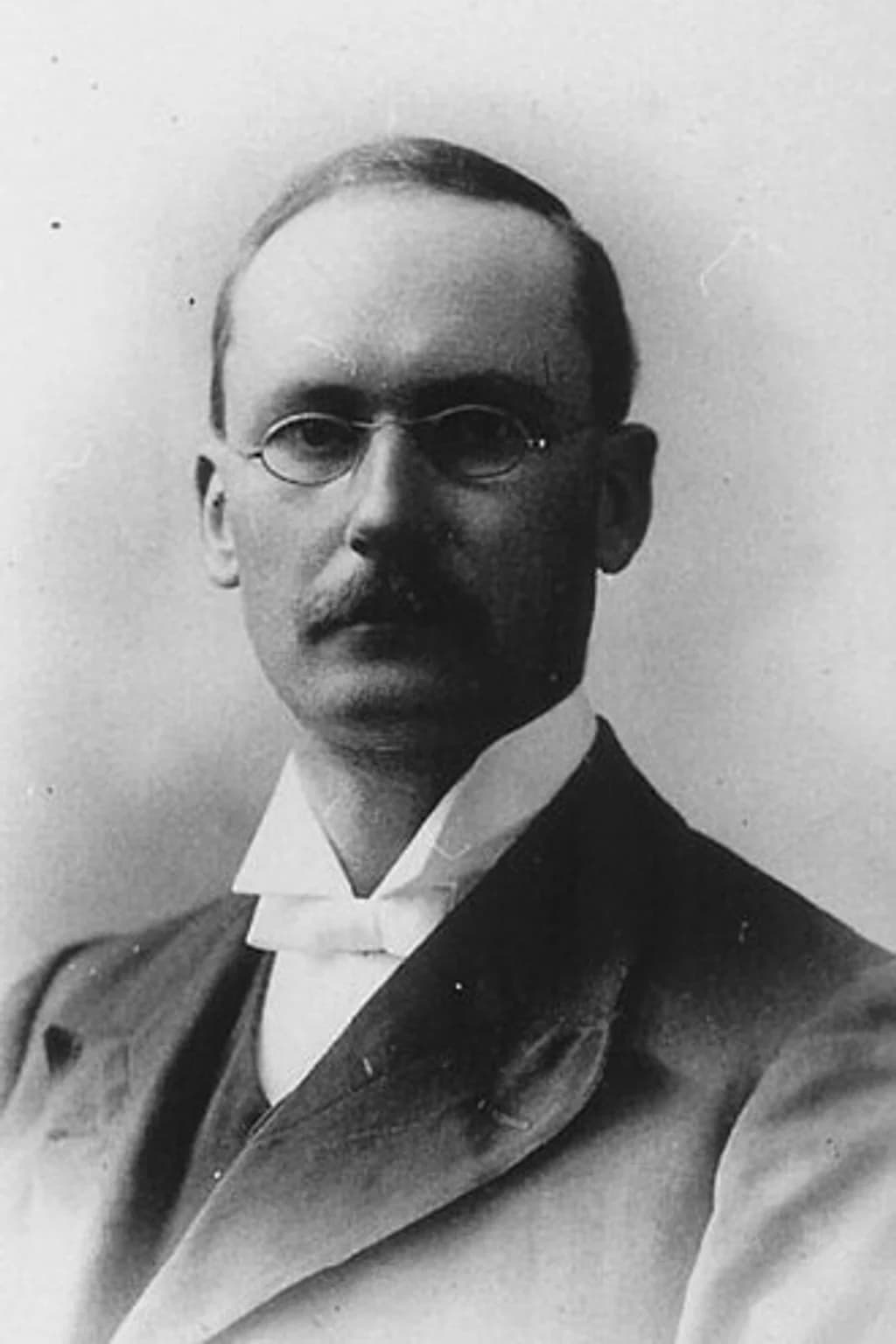
Portrait photograph of P. W. Botha
Historical photograph

A real historical or editorial image is used here. Source, licence and transformation details are publicly recorded. Image policy Attribution

Quick answer

P. W. Botha was South Africa's apartheid-era prime minister and state president, known for security rule, limited reforms, states of emergency and resistance to majority rule.

Born
1916 CE
Died
2006 CE
Role
State President of South Africa
Years
1916-2006 CE
Quick facts

Profile details

Additional identity and tagging details that are not already covered in the introduction.

Full name
Pieter Willem Botha
Also known as
PW Botha
Facts

P. W. Botha timeline facts

Selected specifics from this profile's life story.

1916
National Party organiser

Pieter Willem Botha was born in the Orange Free State and rose through the National Party as an organiser and parliamentarian.

1966-1978
Security state

As defence minister, Botha helped strengthen the security institutions that shaped late apartheid government.

1985-1986
State of emergency

As township revolt and international pressure mounted, Botha's government used emergency powers, detention and force.

1989-2006
Fall and refusal

Botha lost power in 1989 and remained defiant about his apartheid-era record after leaving office.

Life Journey

The hard face of late apartheid

Follow Botha through National Party organisation, security rule, limited reform and the crisis of the 1980s.

Complete chronology

1916

National Party organiser

Pieter Willem Botha was born on 12 January 1916 near Paul Roux in the Orange Free State. He entered politics through Afrikaner nationalist organisation and became known as a forceful National Party operator. Botha entered Parliament in 1948, the same year the National Party won power and made apartheid official policy. His career therefore ran almost exactly alongside the apartheid state itself, from its electoral breakthrough to its late crisis.
1966-1978

Security state

Botha served as minister of defence from 1966 and became closely associated with the security thinking of the apartheid state. South Africa faced liberation struggles in the region, international criticism and growing internal opposition. Botha's answer emphasised preparedness, military strength and a belief that the state faced a total onslaught from enemies at home and abroad. This worldview helped shape the later politics of the 1980s, when security institutions became increasingly central to government.

1978

Prime minister

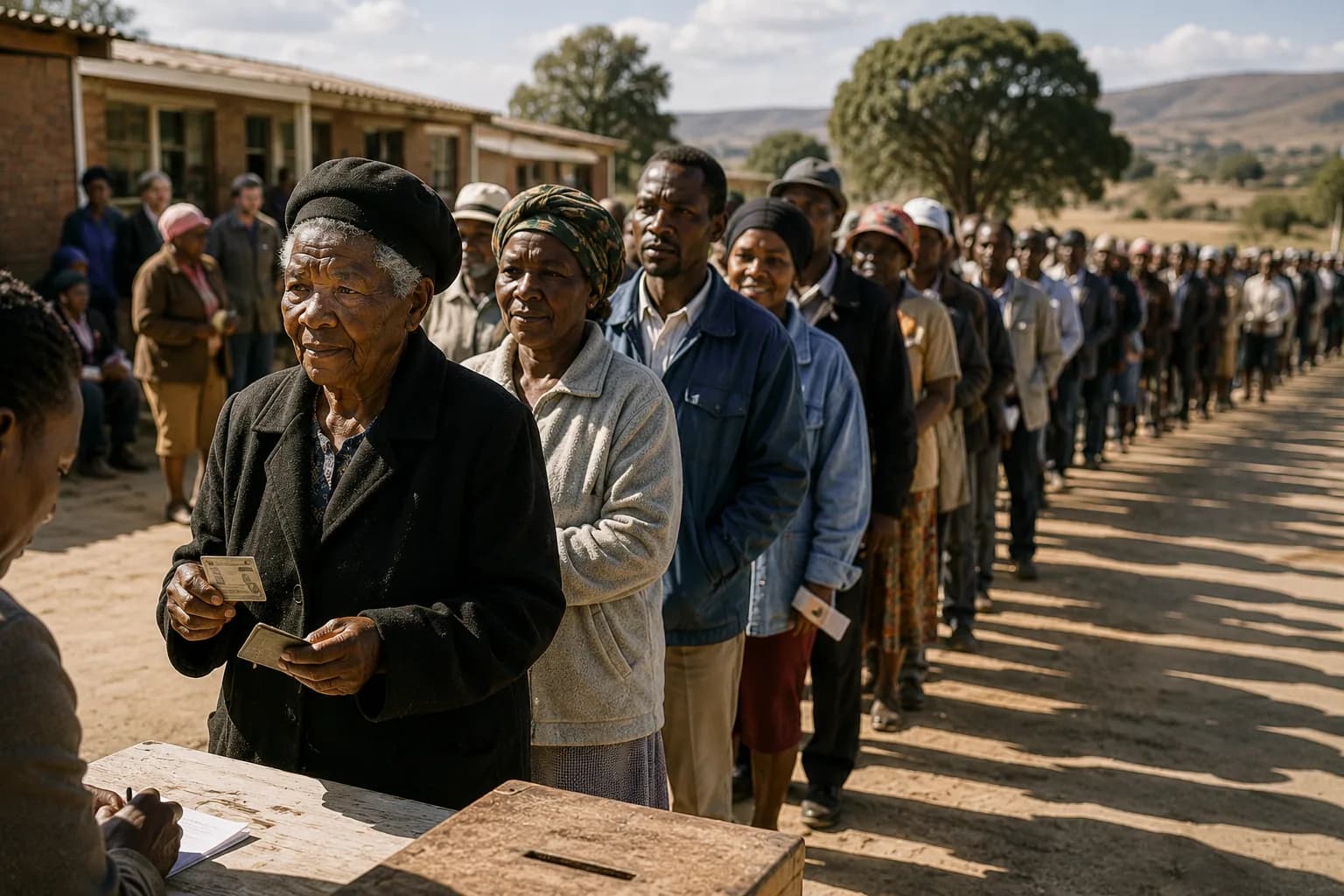
Botha became prime minister in 1978, after the Soweto uprising had shown the depth of Black opposition and the limits of old apartheid management. He recognised that some apartheid rules damaged South Africa's economy and international position. His government relaxed certain measures and later introduced a tricameral parliament for white, Coloured and Indian representation. But the Black majority remained excluded from national power. Reform without majority rule became a way to adapt white control rather than end it.

1985-1986

State of emergency

By the mid-1980s, apartheid was under intense strain. Township uprisings, civic organisations, trade unions, school boycotts, sanctions and divestment campaigns made the country harder to govern. Botha's government responded with states of emergency, mass detentions, censorship and security force power. The state remained dangerous, but its authority looked increasingly brittle. Botha's famous refusal to make dramatic concessions in 1985 deepened the sense that the government could not imagine a political settlement equal to the scale of the crisis.

1989-2006

Fall and refusal

Botha suffered a stroke in 1989 and lost the National Party leadership to F. W. de Klerk. He resisted the loss of authority before resigning the presidency. After the end of apartheid, he remained a symbol of hardline white rule. He refused to give the Truth and Reconciliation Commission the kind of submission it sought and continued to defend much of his record. Botha died in 2006. His significance lies not only in what he did, but in what his failure showed: repression and limited reform could delay majority rule, but they could not make apartheid governable forever.

Continue in context

Connected stories

Move from the profile into the wider events and settings this figure belongs to.

Tertiary paths

Content note

This profile is written for educational use and connects to related Stories of History pages. The main portrait uses a real historical or editorial image, with source and licence details recorded for attribution review. Image policy Image attribution

References

Sources & Further Reading

Reliable reference works, archives and reading paths connected to this profile.

Sources used

  1. South African History Online, Pieter Willem Botha,” accessed August 2026.Open source
  2. Encyclopaedia Britannica, P.W. Botha,” accessed August 2026.Open source

Further reading

  1. Encyclopaedia Britannica, Search results for P. W. Botha,” accessed June 2026.Open source
  2. WorldCat, Books and library holdings for P. W. Botha,” accessed June 2026.Open source

Primary sources

  1. Library of Congress, Search results for P. W. Botha,” accessed June 2026.Open source

Reviewed claim sources

Loading reviewed claim sources...

A weekly route through history

Find out first about the latest published stories, feature notes and occasional Premium offers in one weekly email.