People

F. W. de Klerk

F. W. de Klerk was South Africa's last apartheid-era state president, known for unbanning liberation movements, releasing Nelson Mandela and negotiating the transition to democracy.

Born
1936 CE
Died
2021 CE
Role
State President of South Africa

State president of South Africa (1936-2021)

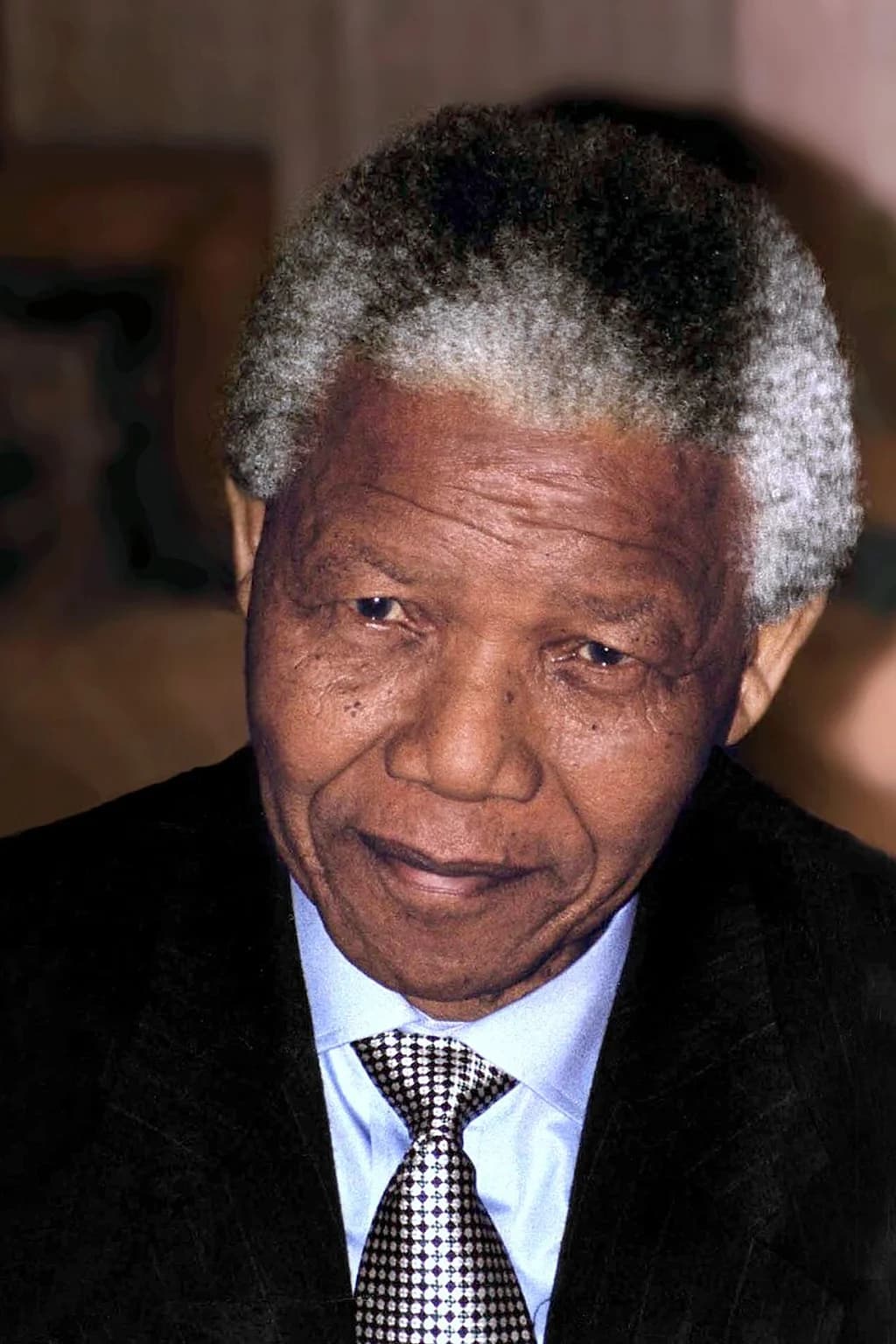
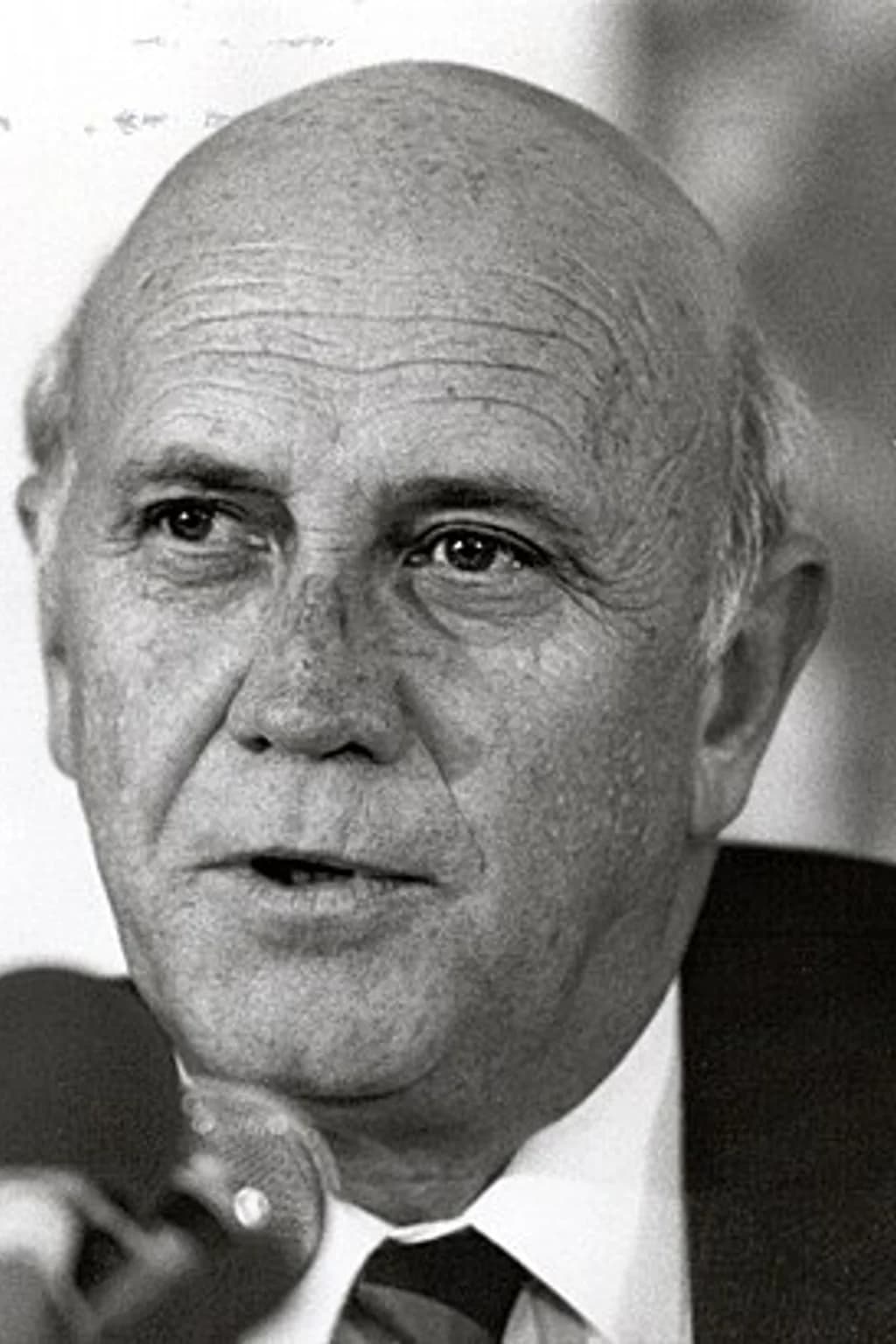
Portrait photograph of F. W. de Klerk
Licensed archival image

A real historical or editorial image is used here. Source, licence and transformation details are publicly recorded. Image policy Attribution

Quick answer

F. W. de Klerk was South Africa's last apartheid-era state president, known for unbanning liberation movements, releasing Nelson Mandela and negotiating the transition to democracy.

Born
1936 CE
Died
2021 CE
Role
State President of South Africa
Years
1936-2021 CE
Quick facts

Profile details

Additional identity and tagging details that are not already covered in the introduction.

Full name
Frederik Willem de Klerk
Also known as
FW de Klerk
Facts

F. W. de Klerk timeline facts

Selected specifics from this profile's life story.

1936
National Party roots

Frederik Willem de Klerk was born into an Afrikaner political family and entered public life through the National Party establishment.

1970s-1980s
Cabinet ascent

De Klerk held senior government posts as South Africa faced revolt, sanctions and growing doubts about apartheid's future.

1990
February speech

On 2 February 1990, de Klerk unbanned liberation movements and opened the way for Mandela's release.

1993-2021
Transition and legacy

De Klerk shared the Nobel Peace Prize with Mandela, served in the Government of National Unity and left a contested legacy.

Life Journey

The president who opened negotiations

Follow de Klerk from National Party insider to the negotiated end of apartheid.

Complete chronology

1936

National Party roots

Frederik Willem de Klerk was born in Johannesburg on 18 March 1936. His family belonged to the Afrikaner political world that helped sustain the National Party, and his father served in government. De Klerk trained as a lawyer, entered Parliament in 1972 and rose within a party committed to apartheid. This background matters because he was not an outsider brought in to dismantle the system. He was a product of the institutions, assumptions and loyalties of white minority rule.

1970s-1980s

Cabinet ascent

During the 1970s and 1980s, de Klerk served in several ministerial roles and became part of the governing elite trying to manage apartheid under pressure. Township revolt, international sanctions, divestment campaigns, economic weakness and the costs of repression made permanent white minority rule harder to defend even among some of its managers. De Klerk did not begin as an anti-apartheid democrat. His significance lies in how a cautious party insider came to accept that the old system could no longer be preserved in its existing form.

1989

State president

P. W. Botha's final years were marked by emergency rule, international isolation and internal National Party tension. After Botha suffered a stroke and lost party leadership, de Klerk emerged as the figure able to carry the government into a new strategy. He became state president in 1989. The office gave him the authority to change the terms of South African politics. Whether motivated by conviction, pressure, calculation or all three, de Klerk recognised that negotiation with banned liberation movements had become unavoidable.

1990

February speech

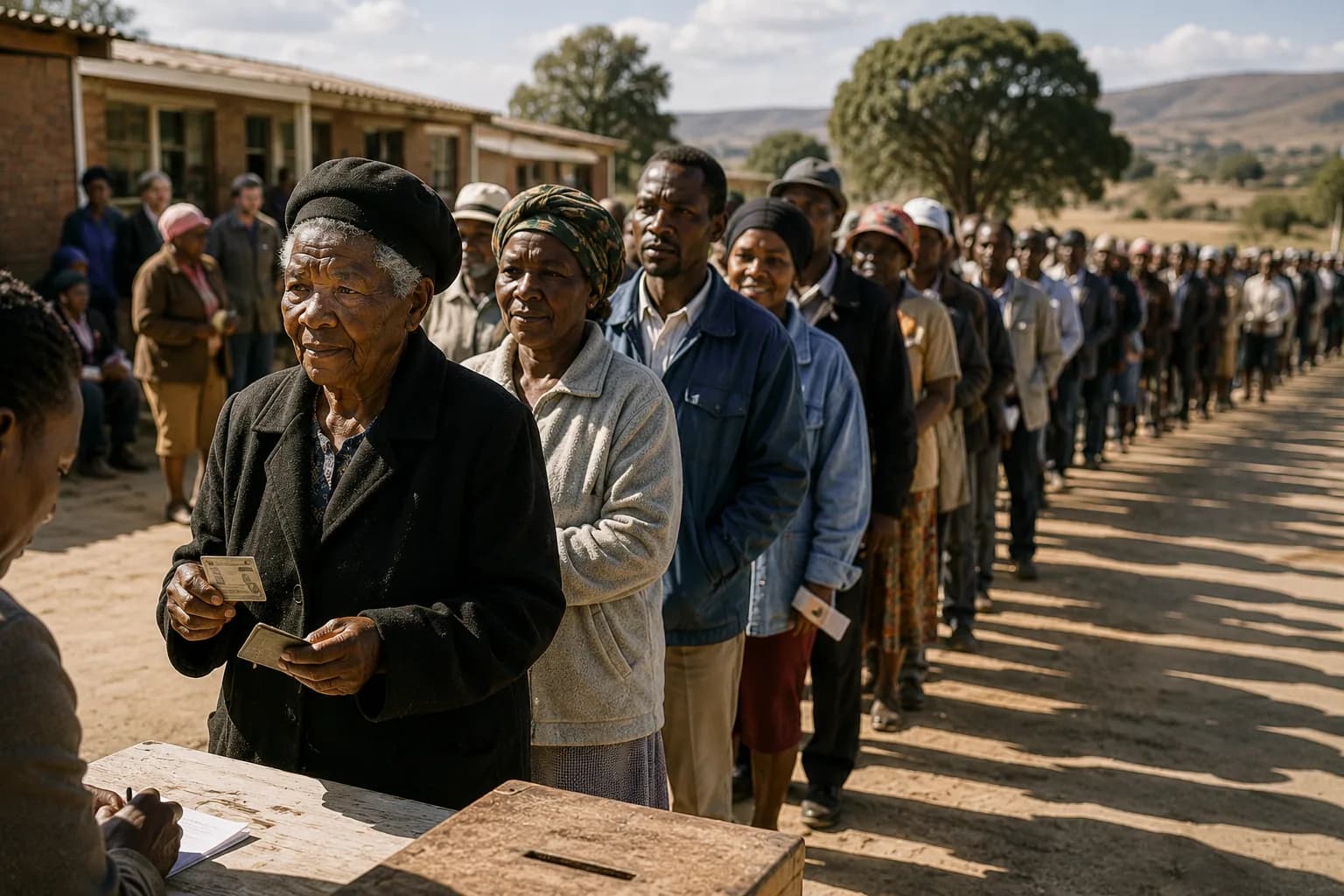
On 2 February 1990, de Klerk announced the unbanning of the ANC, PAC, South African Communist Party and other organisations. He also signalled the release of political prisoners and the start of a negotiated process. Nelson Mandela walked free nine days later. The decision did not end apartheid at once, and it did not end violence. It did change the arena. South Africa's future would now be fought through negotiation, mass pressure, constitutional design and contested political organisation rather than through a frozen ban on majority rule.

1993-2021

Transition and legacy

De Klerk and Mandela shared the Nobel Peace Prize in 1993, a recognition of the negotiated path away from apartheid. After the 1994 election, de Klerk served as deputy president in the Government of National Unity before the National Party withdrew from it. His legacy remains contested. He helped unlock the transition and accepted the end of white minority rule, but he had also belonged to and defended the system whose damage South Africa had to overcome. That tension makes him essential to the story: he was both a beneficiary of apartheid power and one of the leaders who helped end its institutional rule.

Continue in context

Connected stories

Move from the profile into the wider events and settings this figure belongs to.

Tertiary paths

Content note

This profile is written for educational use and connects to related Stories of History pages. The main portrait uses a real historical or editorial image, with source and licence details recorded for attribution review. Image policy Image attribution

References

Sources & Further Reading

Reliable reference works, archives and reading paths connected to this profile.

Sources used

  1. South African History Online, Frederik Willem de Klerk,” accessed August 2026.Open source
  2. Encyclopaedia Britannica, F.W. de Klerk,” accessed August 2026.Open source

Further reading

  1. Encyclopaedia Britannica, Search results for F. W. de Klerk,” accessed June 2026.Open source
  2. WorldCat, Books and library holdings for F. W. de Klerk,” accessed June 2026.Open source

Primary sources

  1. Library of Congress, Search results for F. W. de Klerk,” accessed June 2026.Open source

Reviewed claim sources

Loading reviewed claim sources...

A weekly route through history

Find out first about the latest published stories, feature notes and occasional Premium offers in one weekly email.