People

Nelson Mandela

Nelson Mandela was a South African anti-apartheid leader, Rivonia Trial defendant, political prisoner, Nobel Peace Prize winner and the country's first democratic president.

Born
1918 CE
Died
2013 CE
Role
President of South Africa

Anti-apartheid leader and president of South Africa (1918-2013)

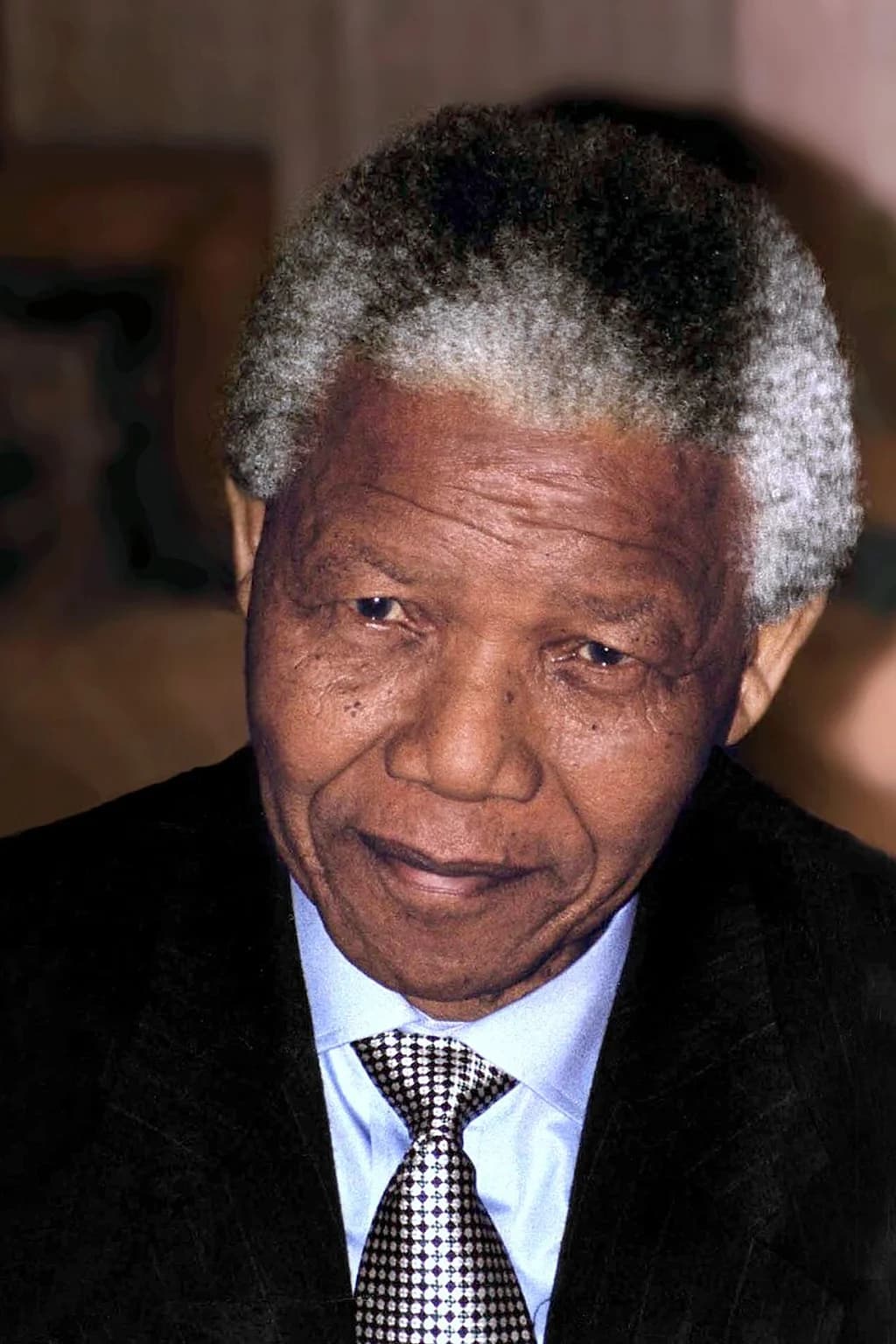
Portrait photograph of Nelson Mandela
Licensed archival image

A real historical or editorial image is used here. Source, licence and transformation details are publicly recorded. Image policy Attribution

Quick answer

Nelson Mandela was a South African anti-apartheid leader, Rivonia Trial defendant, political prisoner, Nobel Peace Prize winner and the country's first democratic president.

Born
1918 CE
Died
2013 CE
Role
President of South Africa
Years
1918-2013 CE
Quick facts

Profile details

Additional identity and tagging details that are not already covered in the introduction.

Full name
Nelson Rolihlahla Mandela
Also known as
Rolihlahla Mandela, Madiba
Facts

Nelson Mandela timeline facts

Selected specifics from this profile's life story.

1918
Thembu beginnings

Nelson Rolihlahla Mandela was born in the Transkei and grew up in a Thembu royal household before entering mission schools and university life.

1944-1952
ANC organiser

Mandela joined the ANC Youth League and became one of the organisers who pushed African nationalism toward mass action.

1964-1990
Robben Island

Mandela spent 27 years in prison, most famously on Robben Island, while his imprisonment became a global symbol of apartheid's injustice.

1990-1999
Democratic president

Mandela was released in 1990, helped negotiate the transition, won the 1994 election and became South Africa's first democratic president.

Life Journey

From prisoner to president

Follow Mandela through resistance, imprisonment, negotiation and the democratic election of 1994.

Complete chronology

1918

Thembu beginnings

Nelson Rolihlahla Mandela was born on 18 July 1918 at Mvezo in the Transkei. His early life was shaped by Thembu authority, rural community, mission education and the contradictions of colonial South Africa. After his father died, Mandela was connected to the Thembu regency, giving him a close view of leadership, custom and public responsibility. Education widened his world, first through Methodist institutions and then through studies that took him toward Fort Hare and Johannesburg. The move to the city mattered deeply. Johannesburg exposed him to African urban politics, law, labour control and the sharper edge of racial exclusion.
1944-1952

ANC organiser

In the 1940s, Mandela joined a generation of younger African National Congress activists who wanted a more forceful politics. With figures such as Walter Sisulu, Oliver Tambo and Anton Lembede, he helped build the ANC Youth League and press for mass mobilisation. This was not yet the Mandela of prison legend. It was a young lawyer and organiser learning how meetings, discipline, alliances and public defiance could make apartheid harder to govern. During the 1952 Defiance Campaign, Mandela became a prominent organiser of civil disobedience against unjust laws. The campaign brought new visibility but also banning orders, surveillance and prosecution.

1964

Rivonia

The Sharpeville massacre and the banning of the ANC closed much of the legal political space in which Mandela had worked. In 1961, Umkhonto we Sizwe was formed to pursue sabotage against state infrastructure, and Mandela became closely associated with that turn. He was arrested in 1962 and later brought into the Rivonia Trial with other leading activists after the police raid on Liliesleaf Farm. In court, Mandela defended the long history of peaceful resistance, explained why some activists had turned to sabotage, and described a democratic ideal for which he was prepared to die. On 12 June 1964, he and seven others were sentenced to life imprisonment.

1964-1990

Robben Island

Prison was meant to remove Mandela and the Rivonia generation from political life. It did remove them from ordinary organisation, but it did not remove their authority. Robben Island became a hard school of discipline, debate and endurance. Mandela's reputation grew outside prison through the work of exiled ANC leaders, internal activists, international campaigners and the widening moral isolation of apartheid South Africa. His image could be simplified into a saintly symbol, but the real Mandela remained political: strategic, disciplined, capable of compromise, and careful about the relationship between principle and power.

1990-1999

Democratic president

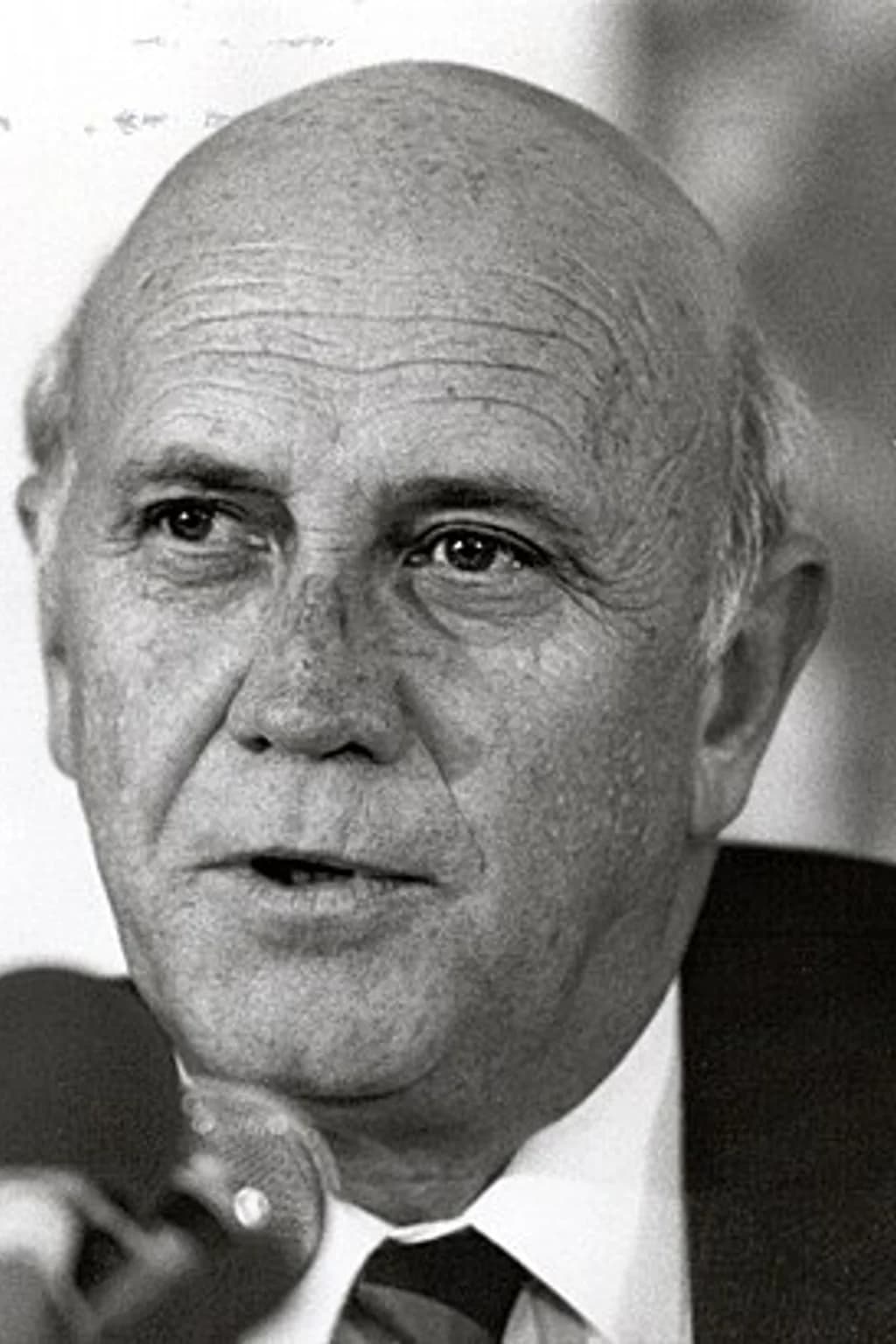
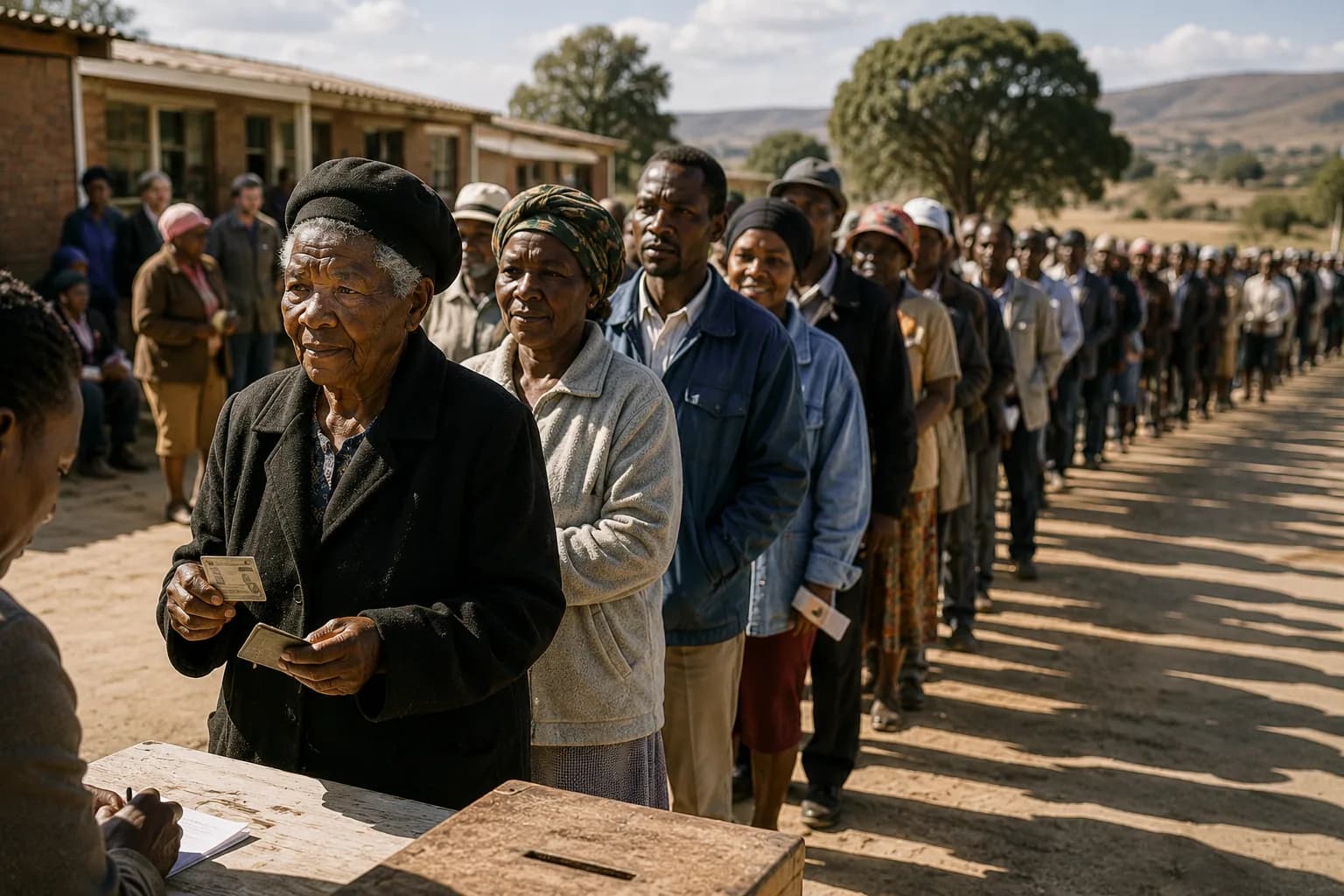
Mandela walked free on 11 February 1990 into a country still marked by violence, fear and uncertainty. He had to reconnect with the ANC, manage expectations among supporters, negotiate with F. W. de Klerk's government and help prevent political conflict from destroying the transition. In 1993, he and de Klerk shared the Nobel Peace Prize. In April 1994, South Africans voted in the first national election based on universal adult suffrage, and Mandela became president. His presidency could not undo apartheid's material damage in one term, but it gave the new democracy a powerful language of citizenship, reconciliation and constitutional rule.

Continue in context

Connected stories

Move from the profile into the wider events and settings this figure belongs to.

Tertiary paths

Content note

This profile is written for educational use and connects to related Stories of History pages. The main portrait uses a real historical or editorial image, with source and licence details recorded for attribution review. Image policy Image attribution

References

Sources & Further Reading

Reliable reference works, archives and reading paths connected to this profile.

Sources used

  1. Nelson Mandela Foundation, Biography of Nelson Mandela,” accessed August 2026.Open source
  2. South African History Online, Nelson Rolihlahla Mandela,” accessed August 2026.Open source

Further reading

  1. Encyclopaedia Britannica, Search results for Nelson Mandela,” accessed June 2026.Open source
  2. WorldCat, Books and library holdings for Nelson Mandela,” accessed June 2026.Open source

Primary sources

  1. Library of Congress, Search results for Nelson Mandela,” accessed June 2026.Open source

Reviewed claim sources

Loading reviewed claim sources...

A weekly route through history

Find out first about the latest published stories, feature notes and occasional Premium offers in one weekly email.