People

D. F. Malan

D. F. Malan was a South African National Party leader and prime minister whose 1948 election victory made apartheid official state policy.

Born
1874 CE
Died
1959 CE
Role
Prime Minister of South Africa

Prime minister of South Africa (1874-1959)

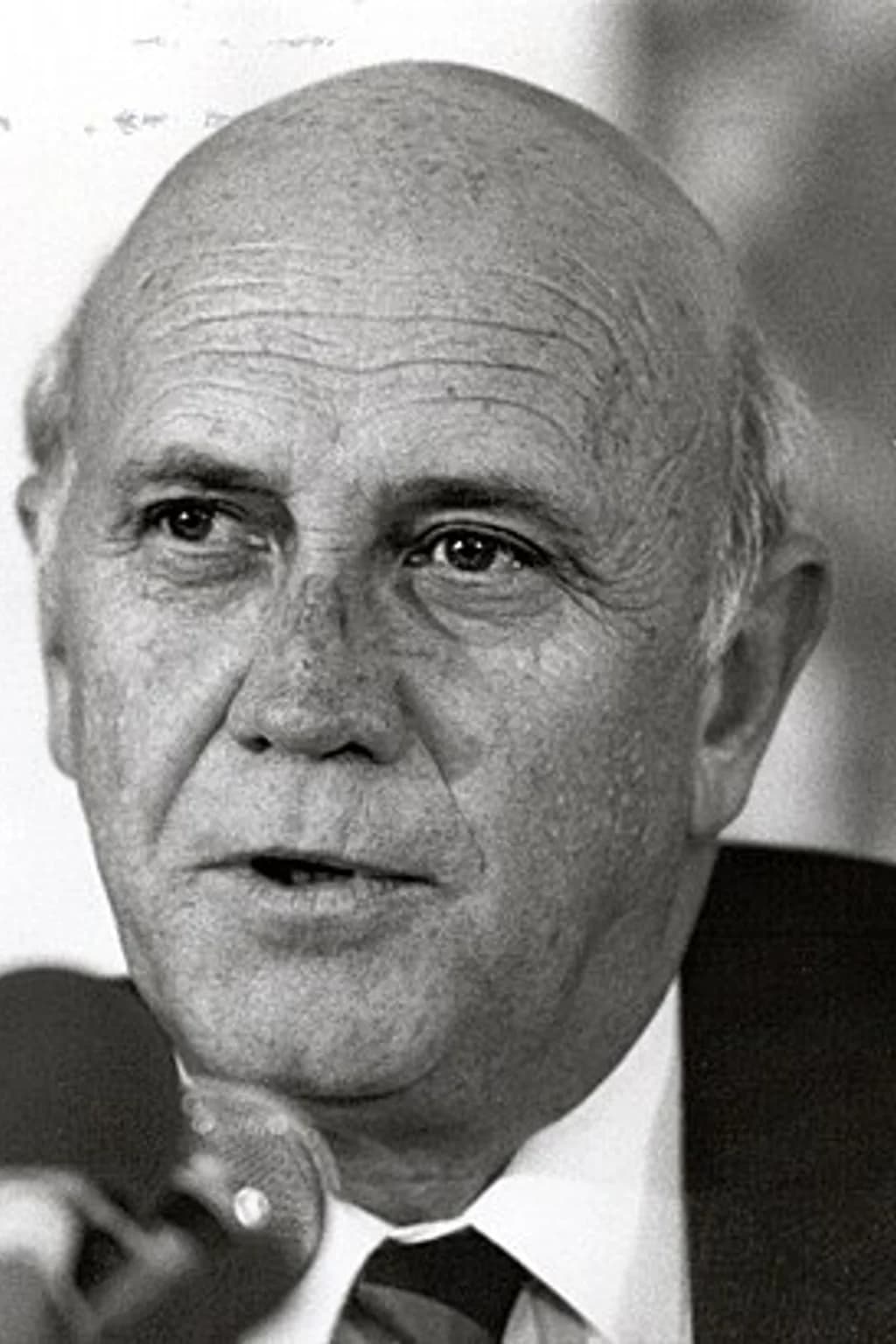
Portrait photograph of D. F. Malan
Historical photograph

A real historical or editorial image is used here. Source, licence and transformation details are publicly recorded. Image policy Attribution

Quick answer

D. F. Malan was a South African National Party leader and prime minister whose 1948 election victory made apartheid official state policy.

Born
1874 CE
Died
1959 CE
Role
Prime Minister of South Africa
Years
1874-1959 CE
Quick facts

Profile details

Additional identity and tagging details that are not already covered in the introduction.

Full name
Daniel Francois Malan
Also known as
DF Malan
Facts

D. F. Malan timeline facts

Selected specifics from this profile's life story.

1874
Minister and nationalist

Daniel Francois Malan was born in the Cape and trained as a Dutch Reformed minister before entering Afrikaner nationalist politics.

1915-1934
Party builder

Malan helped build the National Party's Afrikaner base and became a leading opponent of political fusion with pro-British forces.

1948-1954
Apartheid law

As prime minister, Malan oversaw the early apartheid laws that classified people by race and separated public and private life.

1954-1959
Legacy

Malan retired in 1954, leaving successors to deepen the apartheid system he had brought to power.

Life Journey

The politician who made apartheid official

Follow Malan from Afrikaner nationalist politics to the 1948 victory that formalised apartheid.

Complete chronology

1874

Minister and nationalist

Daniel Francois Malan was born on 22 May 1874 at Riebeeck West in the Cape Colony. He trained for the Dutch Reformed ministry, a path that placed him inside the cultural and religious world of Afrikaner nationalism. Malan's early public life was not only parliamentary. It was built through church, language politics, journalism and the effort to give Afrikaner identity a more organised political voice after war and imperial defeat.
1915-1934

Party builder

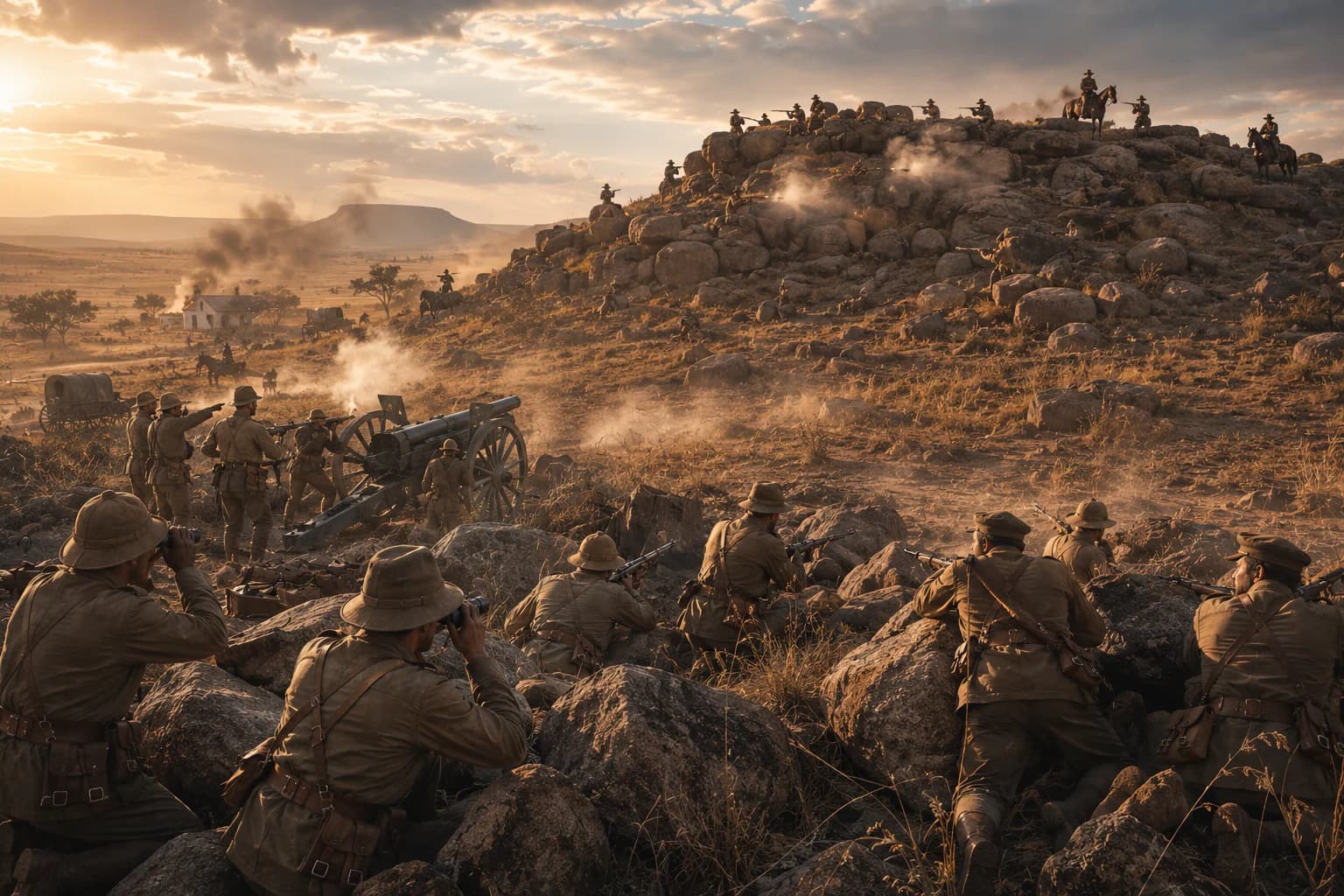
Malan became closely associated with the National Party founded by J. B. M. Hertzog and with Die Burger, the Afrikaans newspaper that helped articulate nationalist politics. He entered Parliament and rose through party organisation. When political fusion in the 1930s brought Hertzog's National Party together with Jan Smuts's South African Party, Malan led the purified or breakaway National Party current that refused the compromise. That decision kept a sharper Afrikaner nationalist identity alive through the years before the Second World War and gave Malan a platform from which to challenge Smuts after 1945.

1948

Election victory

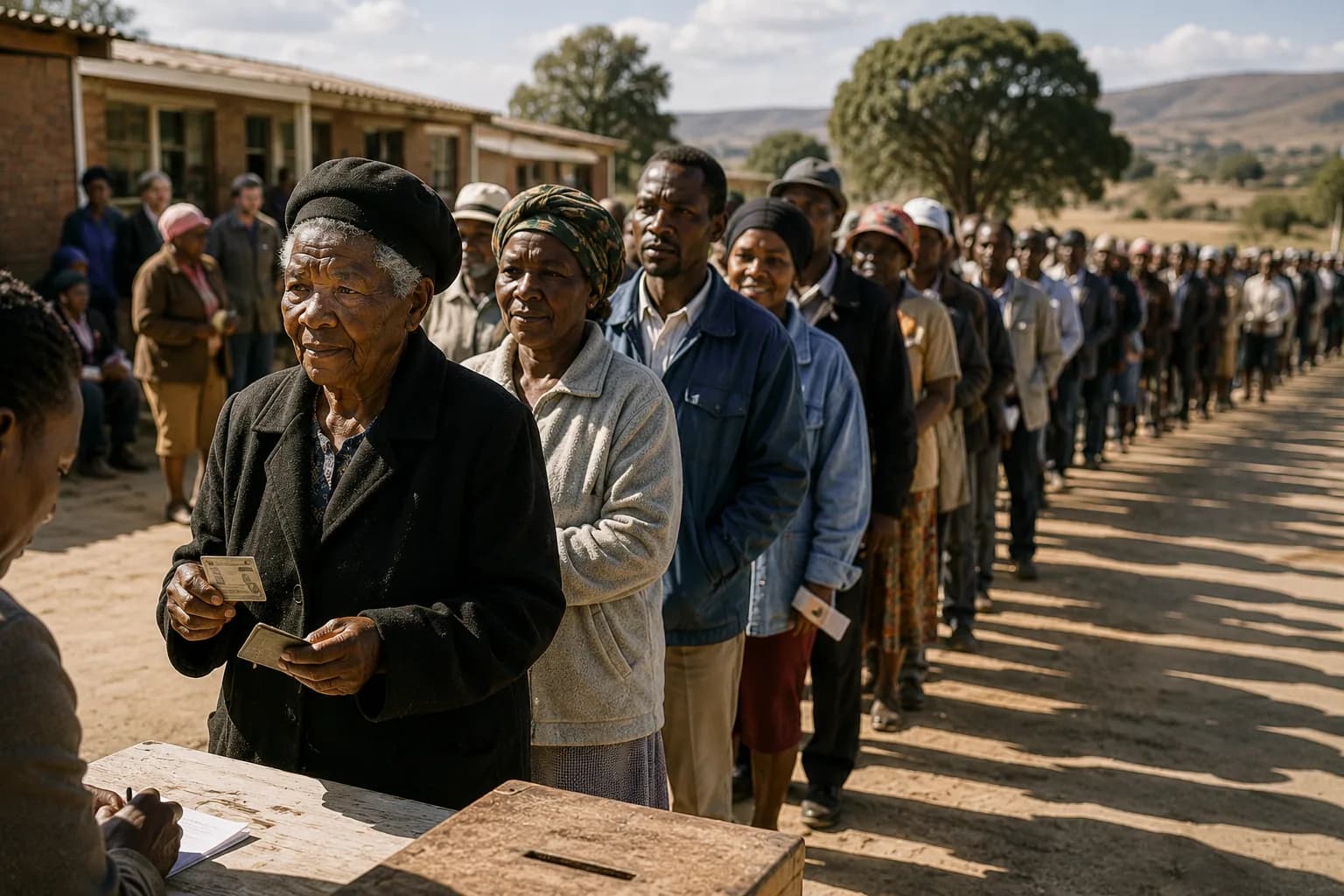
The 1948 election was fought inside a white electorate, while the Black majority had no national vote. Malan's National Party appealed to white fears about urbanisation, labour competition, social mixing and the future of Afrikaner power. Its victory did not invent segregation. South Africa already had land restrictions, pass controls, unequal voting rights and racial labour systems. What changed was the explicit promise to organise separation more thoroughly. Apartheid became the language and programme of government.

1948-1954

Apartheid law

Malan's government began turning apartheid from slogan into administration. Measures such as the Prohibition of Mixed Marriages Act, the Immorality Amendment Act, the Population Registration Act and the Group Areas Act helped classify South Africans by race and police intimacy, residence and belonging. These laws were not scattered prejudices. They worked together to make racial hierarchy searchable, enforceable and routine. Malan did not design every later feature of apartheid, but his premiership gave the system its early national legal frame.

1954-1959

Legacy

Malan retired as prime minister in 1954 and died in 1959. His successors, especially J. G. Strijdom and Hendrik Verwoerd, would push apartheid further through removals, homeland policy and harsher repression. Yet Malan remains central because he converted a political movement into governing authority at the decisive moment. He showed how older segregation, Afrikaner nationalist grievance and white minority fear could be joined into a state programme that shaped South Africa for nearly half a century.

Continue in context

Connected stories

Move from the profile into the wider events and settings this figure belongs to.

Tertiary paths

Content note

This profile is written for educational use and connects to related Stories of History pages. The main portrait uses a real historical or editorial image, with source and licence details recorded for attribution review. Image policy Image attribution

References

Sources & Further Reading

Reliable reference works, archives and reading paths connected to this profile.

Sources used

  1. South African History Online, Daniel Francois Malan,” accessed August 2026.Open source
  2. Encyclopaedia Britannica, Daniel F. Malan,” accessed August 2026.Open source

Further reading

  1. Encyclopaedia Britannica, Search results for D. F. Malan,” accessed June 2026.Open source
  2. WorldCat, Books and library holdings for D. F. Malan,” accessed June 2026.Open source

Primary sources

  1. Library of Congress, Search results for D. F. Malan,” accessed June 2026.Open source

Reviewed claim sources

Loading reviewed claim sources...

A weekly route through history

Find out first about the latest published stories, feature notes and occasional Premium offers in one weekly email.