People

Winston Churchill

Sir Winston Churchill was British Prime Minister during World War II. His wartime leadership, speeches, alliance with Roosevelt and Stalin, and warnings about Nazi Germany made him one of modern Britain's defining figures.

Born
1874 CE
Died
1965 CE
Role
British Prime Minister

British Prime Minister (1874–1965)

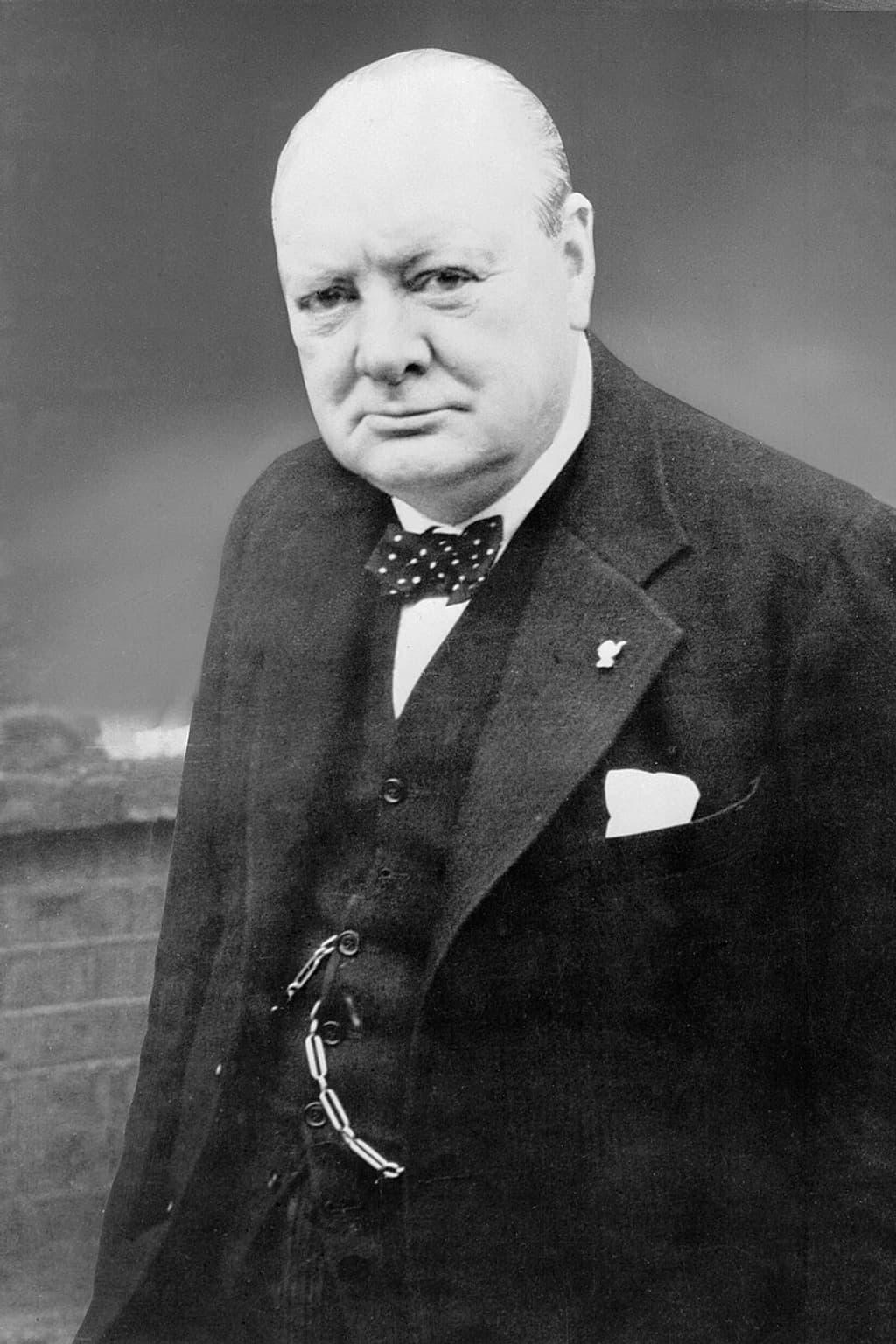
Portrait photograph of Sir Winston Churchill
Historical photograph

A real historical or editorial image is used here. Source, licence and transformation details are publicly recorded. Image policy Attribution

Quick answer

Sir Winston Churchill was British Prime Minister during World War II. His wartime leadership, speeches, alliance with Roosevelt and Stalin, and warnings about Nazi Germany made him one of modern Britain's defining figures.

Born
1874 CE
Died
1965 CE
Role
British Prime Minister
Years
1874-1965 CE
Quick facts

Profile details

Additional identity and tagging details that are not already covered in the introduction.

Full name
Sir Winston Churchill
Facts

Winston Churchill timeline facts

Selected specifics from this profile's life story.

1874
Aristocratic Birth

Winston Churchill was born at Blenheim Palace in 1874 into the Marlborough family, a privileged world that gave him a name, expectations, and early proximity to power.

1910s-1930s
Early Setbacks

The Dardanelles disaster, party changes, and controversial positions left Churchill brilliant but mistrusted during long stretches of his career.

1940-1945
Wartime Leadership

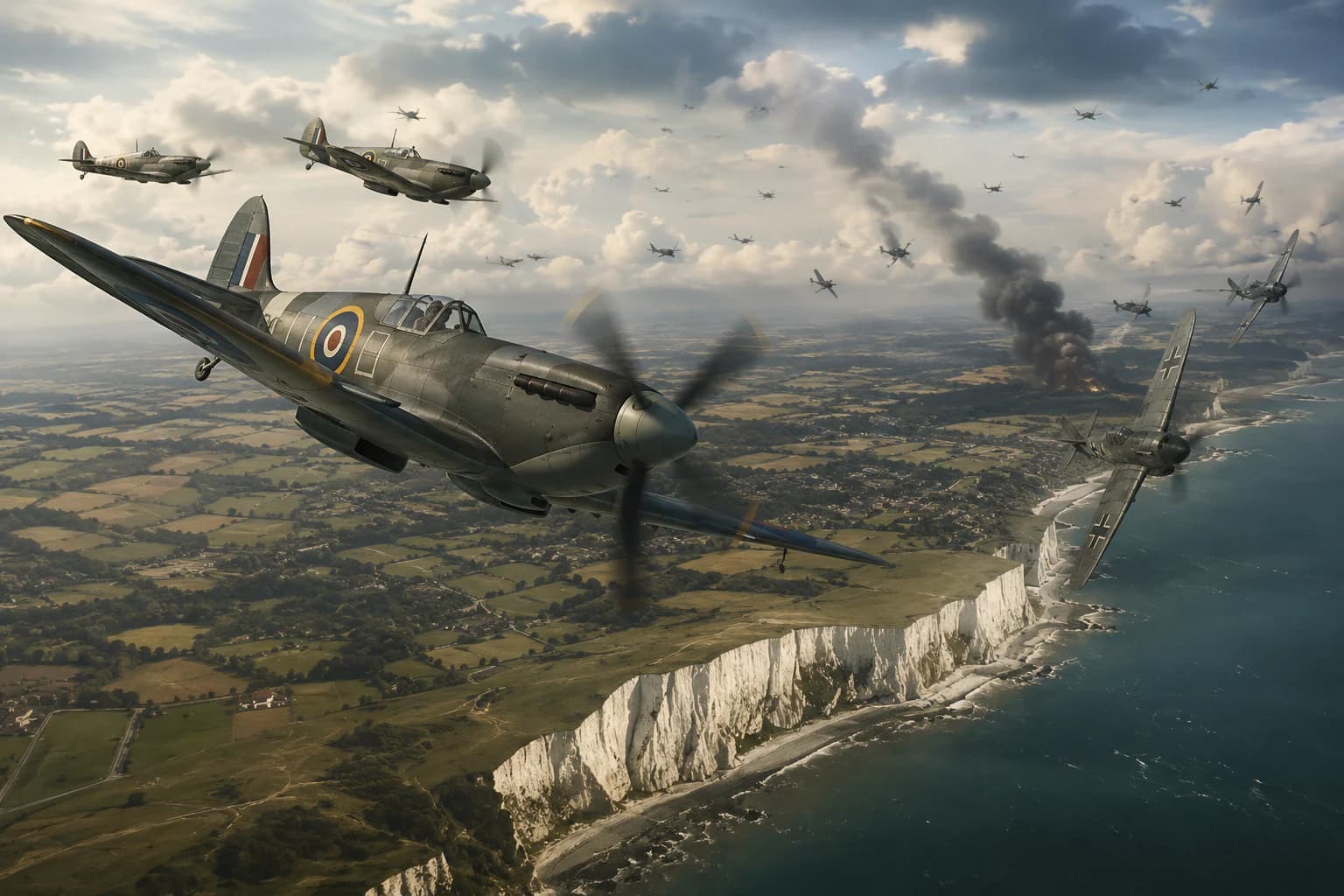
Churchill sustained morale during the Blitz, backed the Battle of Britain, and helped hold together the Grand Alliance with the United States and Soviet Union.

after 1951
Later Years and Legacy

Churchill returned as prime minister from 1951 to 1955, warned of an Iron Curtain, won the Nobel Prize in Literature, and remained a contested symbol after his death in 1965.

Life Journey

A life of persistence, crisis leadership, and enduring influence

Follow the story in a more continuous narrative, with a reading mode that matches how much depth you want.

Complete chronology

1874

Aristocratic Birth

Winston Churchill's biography begins with advantage, but not with ease. Born to Lord Randolph Churchill and Jennie Jerome, he inherited a famous aristocratic name and an American family connection, yet his childhood was emotionally distant and his schooling uneven. Harrow and Sandhurst mattered because they gave structure to an ambition that was already restless. Churchill wanted recognition intensely, partly because he felt starved of approval. That hunger helps explain the pace of his early life: soldier, correspondent, author, politician. He treated danger as a route into history and language as the way to make others notice he had been there.
1890s

Military and Writing

Churchill's early career unfolded across the battlefields and frontiers of the British Empire. He served in the army, reported from conflicts, and wrote books that made his name familiar before he entered Parliament. His escape from Boer captivity in 1899 was especially useful to his legend, turning him into a national celebrity. These experiences sharpened his confidence and his faults. He admired courage, action, and imperial power, but he also learned how public opinion could be shaped by narrative. Churchill did not merely experience events; he converted them into speeches, memoirs, and political opportunity.

1900

Entry into Politics

Elected Conservative MP for Oldham in 1900, Churchill quickly proved too independent to be easily contained. His opposition to protectionist tariff reform helped push him toward the Liberals, where he served at the Board of Trade and then as Home Secretary and First Lord of the Admiralty. Alongside David Lloyd George, he supported parts of the New Liberal reform programme, including labour exchanges and social insurance. This phase complicates any simple portrait of Churchill as only a wartime Conservative icon. He was ambitious, opportunistic, intellectually energetic, and willing to cross party lines when conviction and career pointed in the same direction.

1910s-1930s

Early Setbacks

Churchill's career nearly broke during World War I. As First Lord of the Admiralty he championed the Dardanelles campaign, intended to knock the Ottoman Empire out of the war and open a route to Russia. The Gallipoli failure brought heavy casualties and political disgrace. He resigned, served briefly on the Western Front, and slowly returned to office, but the wound remained. In the 1920s and 1930s he was often out of step: returning to the Conservatives, serving as Chancellor, defending empire, opposing Indian self-government, and attacking Edward VIII's abdication critics in ways many colleagues found reckless. His later greatness did not erase these failures; it rose from a career already marked by serious error.

late 1930s

Return to Government

During the 1930s Churchill became one of the loudest parliamentary critics of Britain's slow rearmament and concessions to Nazi Germany. He was not always right about everything, and his imperial assumptions limited his judgement in other areas, but on Hitler he saw a danger many hoped could be managed. The Munich Agreement of 1938 deepened his argument that appeasement bought time at a moral and strategic cost. When war came in 1939, Neville Chamberlain brought him back as First Lord of the Admiralty. The signal to the navy was famously simple: Churchill was back. A politician many had treated as a relic had become suddenly necessary.

1940

Becomes Prime Minister

Churchill entered Downing Street at the worst possible moment and therefore at the moment made for him. Germany's offensive in western Europe shattered assumptions, France was close to defeat, and Britain faced the prospect of invasion or negotiated submission. Within the War Cabinet, Lord Halifax favoured exploring mediation through Mussolini; Churchill resisted. His importance in May 1940 was not that he had a plan to win immediately. It was that he refused to define survival as negotiation from weakness. His speeches in those weeks gave language to a policy of endurance, but the policy came first: Britain would keep fighting while it still had empire, navy, air force, credit, and hope of American support.

1940-1945

Wartime Leadership

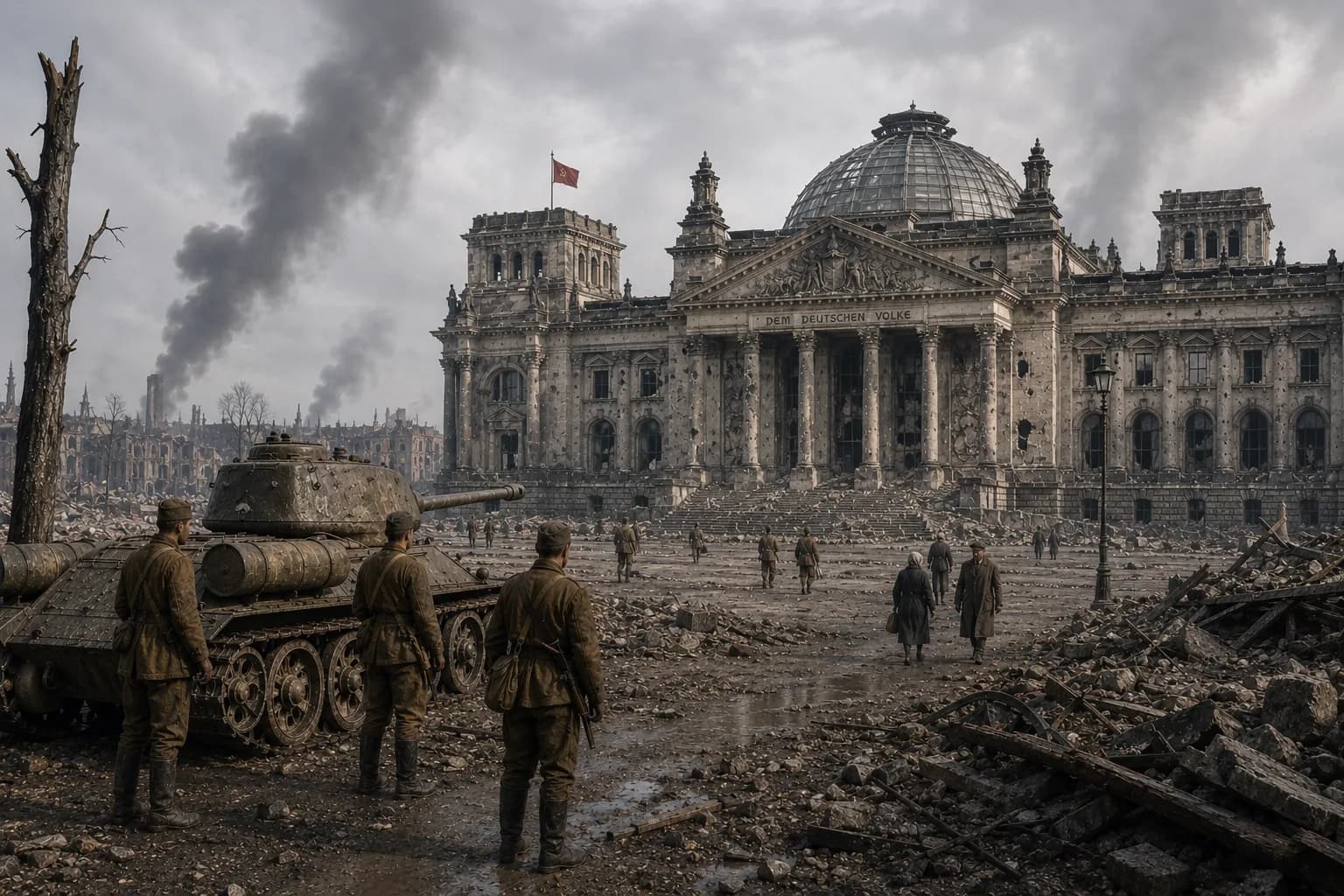
Churchill's wartime achievement was emotional, strategic, and diplomatic. He could be impulsive, exhausting, and sometimes wrong on military detail, yet he understood the political meaning of resistance. During the Battle of Britain and the Blitz, he made public endurance part of national identity. After 1941 his task changed: he had to keep Britain central in an alliance increasingly dominated by the United States and the Soviet Union. His relationships with Franklin Roosevelt and Joseph Stalin were full of calculation and strain. He sought victory over Hitler while trying to preserve British influence in a world where imperial power was already weakening. The triumph of 1945 therefore contained a paradox: Churchill helped save Britain, but not the global Britain he had imagined.

1945

Post-War Defeat

Churchill's defeat in July 1945 was not national ingratitude. It was a sign that wartime leadership and peacetime reconstruction required different promises. Clement Attlee's Labour Party offered the welfare state, full employment, nationalisation, and implementation of the Beveridge vision. Churchill remained associated with victory, but also with the interwar past and a Conservative Party many voters distrusted on social policy. The result was decisive. It showed that Churchill's bond with the public was profound but conditional. People could honour the man who had voiced resistance and still choose another government to build the country after the bombing stopped.

after 1951

Later Years and Legacy

Churchill's second premiership was quieter, shaped by age, Cold War anxiety, and the management of decline. His 1946 Iron Curtain speech had already helped frame the ideological division of Europe. Back in office, he sought summit diplomacy while Britain adjusted to rationing's end, nuclear weapons, and a reduced imperial position. He retired in 1955 and died in 1965, receiving a state funeral. His legacy is unusually powerful because it rests on real achievement and selective memory. He remains the leader of 1940, the writer of magnificent prose, and the defender of parliamentary democracy against Nazism. He is also the imperial politician whose views on race, empire, and protest sit uneasily with modern values. To ask why Churchill was important is to face both truths together.

Continue in context

Connected stories

Move from the profile into the wider events and settings this figure belongs to.

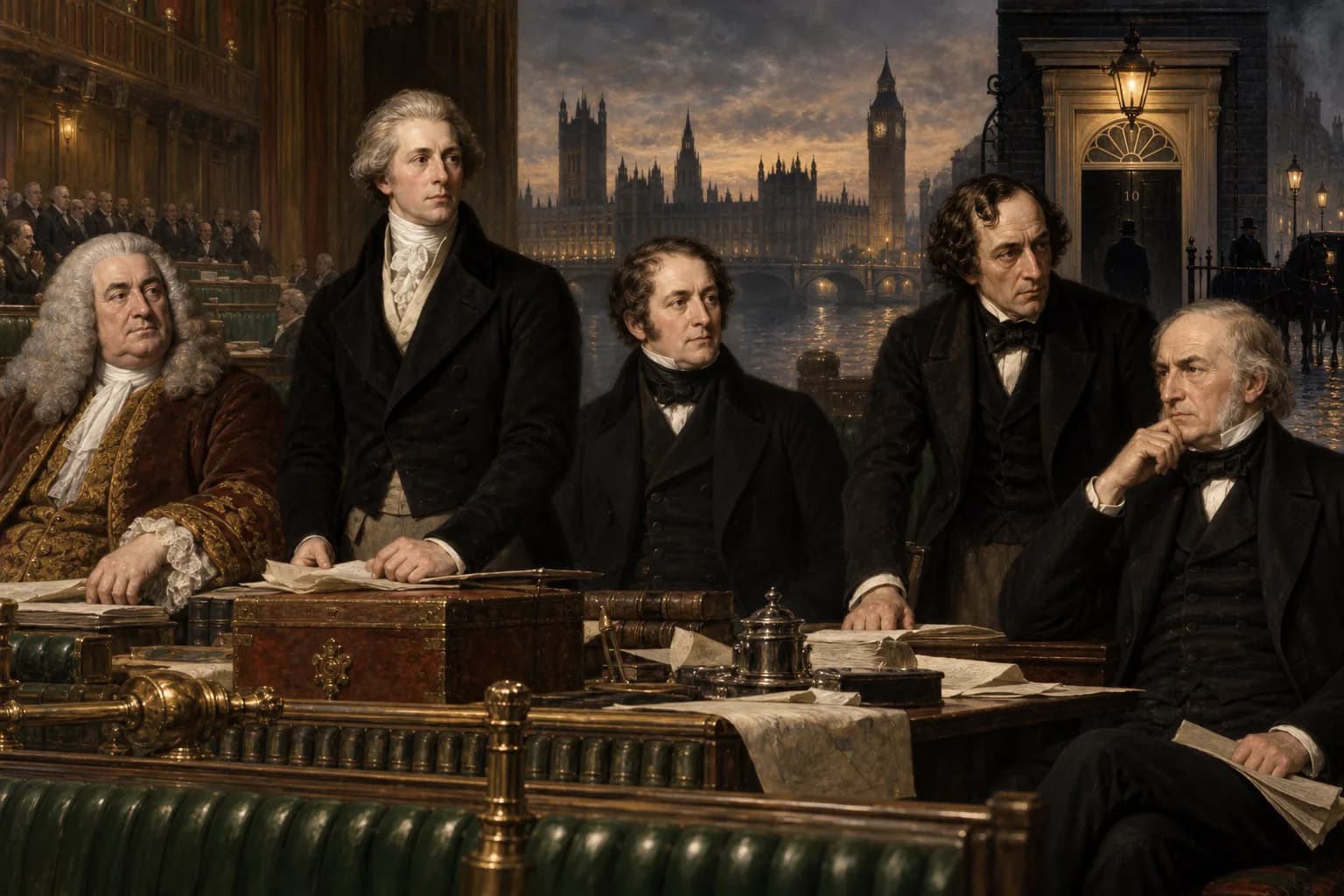
British Prime Ministers lineage
LineagePrime ministers in sequence
British Prime Ministers
1721 CE–present

Explore British prime ministers from Walpole to the present.

View lineage
Tertiary paths

Content note

This profile is written for educational use and connects to related Stories of History pages. The main portrait uses a real historical or editorial image, with source and licence details recorded for attribution review. Image policy Image attribution

References

Sources & Further Reading

Reliable reference works, archives and reading paths connected to this profile.

Sources used

  1. Encyclopaedia Britannica, Winston Churchill,” accessed June 2026.Open source
  2. Imperial War Museums, Winston Churchill,” accessed June 2026.Open source

Further reading

  1. Martin Gilbert, Churchill: A Life, Henry Holt, 1991.

Primary sources

  1. Churchill Archives Centre, Churchill Papers,” accessed June 2026.Open source

Reviewed claim sources

Loading reviewed claim sources...

Defining related moments

A weekly route through history

Find out first about the latest published stories, feature notes and occasional Premium offers in one weekly email.