People

Hugh Dowding

Hugh Dowding was a British air chief marshal. He built Fighter Command's defensive system and led it through the Battle of Britain.

Born
1882 CE
Died
1970 CE
Role
RAF Fighter Command leader

British air chief marshal (1882-1970)

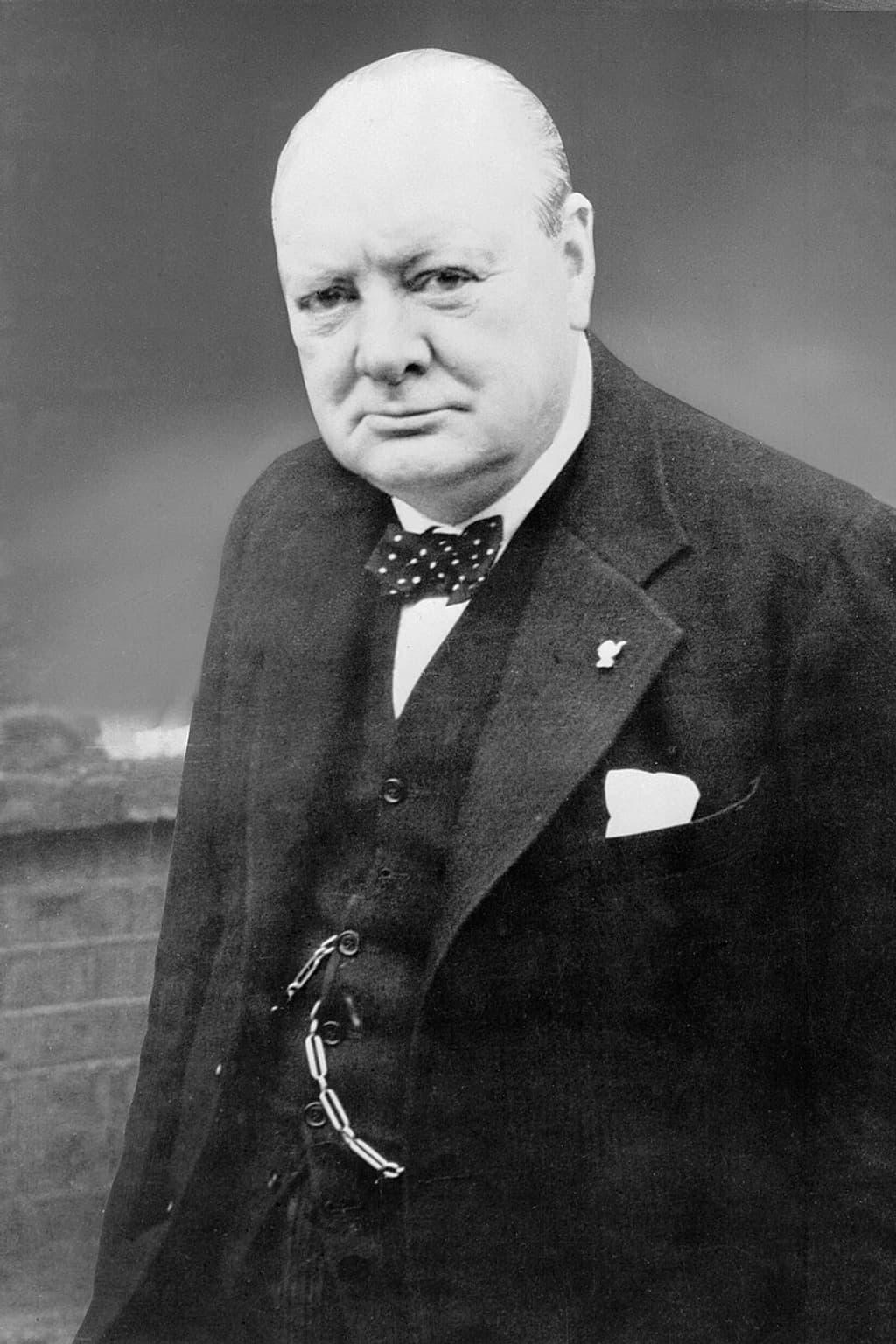
Portrait photograph of Hugh Dowding
Historical photograph

A real historical or editorial image is used here. Source, licence and transformation details are publicly recorded. Image policy Attribution

Quick answer

Hugh Dowding was a British air chief marshal. He built Fighter Command's defensive system and led it through the Battle of Britain.

Born
1882 CE
Died
1970 CE
Role
RAF Fighter Command leader
Years
1882-1970 CE
Quick facts

Profile details

Additional identity and tagging details that are not already covered in the introduction.

Full name
Hugh Caswall Tremenheere Dowding
Also known as
Lord Dowding, Air Chief Marshal Dowding
Facts

Hugh Dowding timeline facts

Selected specifics from this profile's life story.

1882
Scottish beginnings

Hugh Dowding was born in Moffat, Scotland, and grew up before powered flight became a military reality.

1936
Building Fighter Command

As head of RAF Fighter Command, Dowding developed the structure that would defend Britain against air attack.

1940
Command disputes

Dowding's methods were challenged by senior RAF figures, especially during debates over how fighter squadrons should be deployed.

Long-term
Enduring legacy

Dowding is remembered as the commander whose planning helped Britain survive one of its most dangerous moments.

Life Journey

The quiet architect of Britain's air defence

Follow the story in a more continuous narrative, with a reading mode that matches how much depth you want.

Complete chronology

1882

Scottish beginnings

Hugh Caswall Tremenheere Dowding was born in Moffat, Dumfriesshire, in 1882, into a world still ruled by cavalry, infantry, empire and steam. His early life offered no obvious sign that he would become one of the decisive air commanders of the twentieth century. Educated in Britain and trained for the army, he belonged to the generation of officers who had to adapt as flight moved from experiment to weapon. That transition mattered. Dowding did not inherit a ready-made air force; he helped shape one while aviation itself was still young, fragile and contested.
1910s

Early airman

After service in the Royal Artillery, Dowding learned to fly and joined the Royal Flying Corps. The First World War rapidly changed the meaning of aviation, turning aircraft into tools of reconnaissance, interception and attack. Dowding served in flying and command roles, gaining experience at a time when air forces were improvising tactics under pressure. He was not simply a daring pilot; he became a thoughtful officer interested in organisation, equipment and control. That practical concern with systems would later matter more than personal glamour.

1936

Building Fighter Command

Dowding became commander-in-chief of RAF Fighter Command in 1936, as Europe moved toward war and Britain faced the possibility of attack from the air. His achievement was not one invention but an integrated defensive system. Radar stations, the Observer Corps, sector control rooms, telephone links, plotting tables, fighter squadrons and disciplined command procedures were brought together into a working network. The result was sometimes called the Dowding System. It allowed Britain to detect raids, direct fighters efficiently and conserve limited aircraft and pilots. In 1940, that system would become one of Britain's most important weapons.

1940

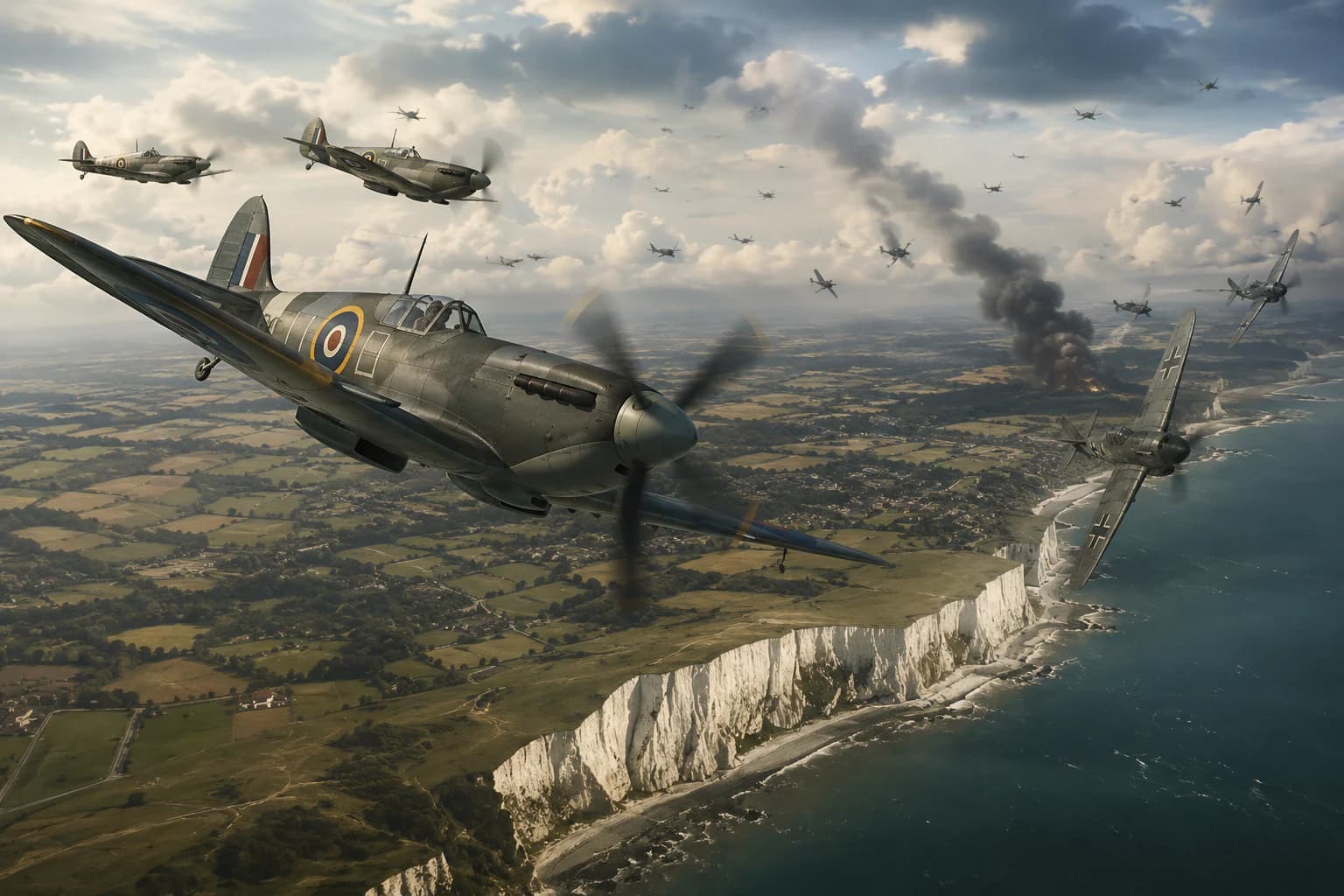
Battle of Britain

In the summer and autumn of 1940, Dowding faced the central test of his career. Germany had defeated France, Britain stood exposed, and invasion depended on the Luftwaffe gaining control of the skies. Dowding's forces were outnumbered, but his system allowed Fighter Command to meet raids without wasting strength. Hurricanes and Spitfires became famous, yet their effectiveness depended on the less visible network that guided them into battle. Dowding insisted on careful husbanding of pilots and aircraft, resisting pressures that might have exhausted his command. The battle did not destroy the Luftwaffe, but it denied Germany the air superiority needed for invasion.

1940

Command disputes

Dowding's success did not protect him from criticism. Within the RAF, arguments grew over tactics, especially the so-called Big Wing debate associated with Trafford Leigh-Mallory and Douglas Bader. Dowding and Keith Park favoured rapid interception by available squadrons, while critics wanted larger formations to meet German raids in greater strength. The dispute mixed tactics, personality and institutional politics. Dowding could appear distant and stubborn, and his manner did not always help him defend his position. Soon after the battle, he was removed from Fighter Command, a decision that remains one of the more controversial personnel changes of Britain's wartime leadership.

1940s-1970

Later life

Dowding was raised to the peerage as Baron Dowding in 1943, but his most important operational work was already behind him. In later life he became known for his interest in spiritualism and animal welfare, aspects of his personality that sometimes coloured public memory of him. Yet these later beliefs should not obscure his professional achievement. He had recognised that modern air defence required information, speed, decentralised control and restraint. Dowding died in 1970, long after the battle that made his name, but his reputation continued to grow as historians looked beyond pilots and aircraft to the command system that made victory possible.

Long-term

Enduring legacy

Hugh Dowding's historical importance lies in the way he linked technology, organisation and strategic judgement. The Battle of Britain is often told through the bravery of pilots, and rightly so, but their courage operated inside a system he had built and defended. By preserving Fighter Command, he helped prevent a German invasion and gave Britain the chance to remain in the war until wider alliances could form. His story shows that decisive leadership is not always theatrical. Sometimes it is administrative, patient and exacting, visible only when a crisis reveals that the right preparations were made in time.

Continue in context

Connected stories

Move from the profile into the wider events and settings this figure belongs to.

Tertiary paths

Content note

This profile is written for educational use and connects to related Stories of History pages. The main portrait uses a real historical or editorial image, with source and licence details recorded for attribution review. Image policy Image attribution

References

Sources & Further Reading

Reliable reference works, archives and reading paths connected to this profile.

Further reading

  1. Encyclopaedia Britannica, Search results for Hugh Dowding,” accessed June 2026.Open source
  2. WorldCat, Books and library holdings for Hugh Dowding,” accessed June 2026.Open source

Primary sources

  1. Library of Congress, Search results for Hugh Dowding,” accessed June 2026.Open source

Reviewed claim sources

Loading reviewed claim sources...

A weekly route through history

Find out first about the latest published stories, feature notes and occasional Premium offers in one weekly email.
