People

Seleucus I Nicator

Seleucus I Nicator was a Macedonian general and Successor of Alexander the Great. He recovered Babylon in 312 BC, founded the Seleucid Empire, created new cities including Seleucia and Antioch, and died in 281 BC.

Born
c. 358 BCE
Died
281 BCE
Role
Hellenistic king

Founder of the Seleucid Empire (c. 358 BC-281 BC)

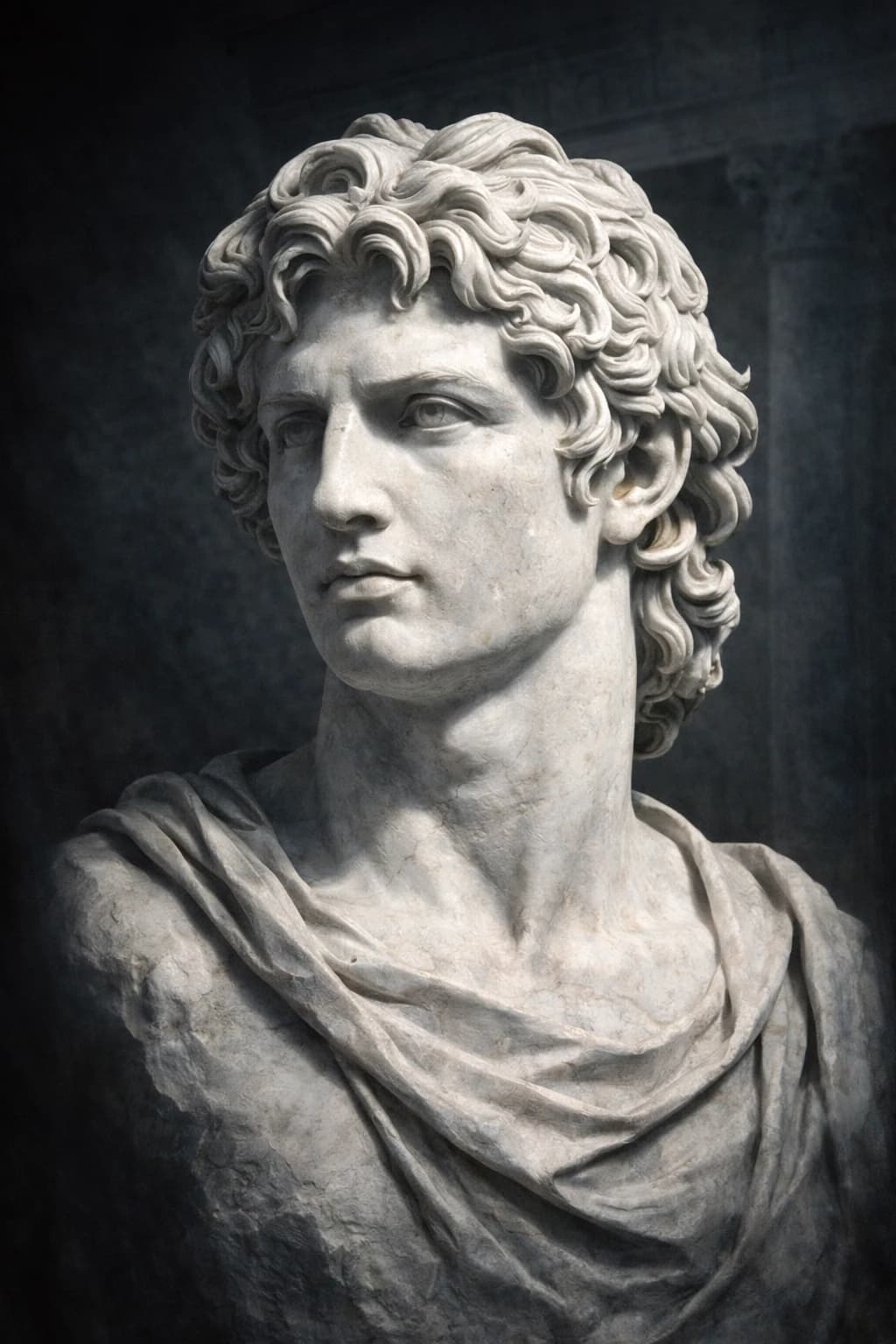
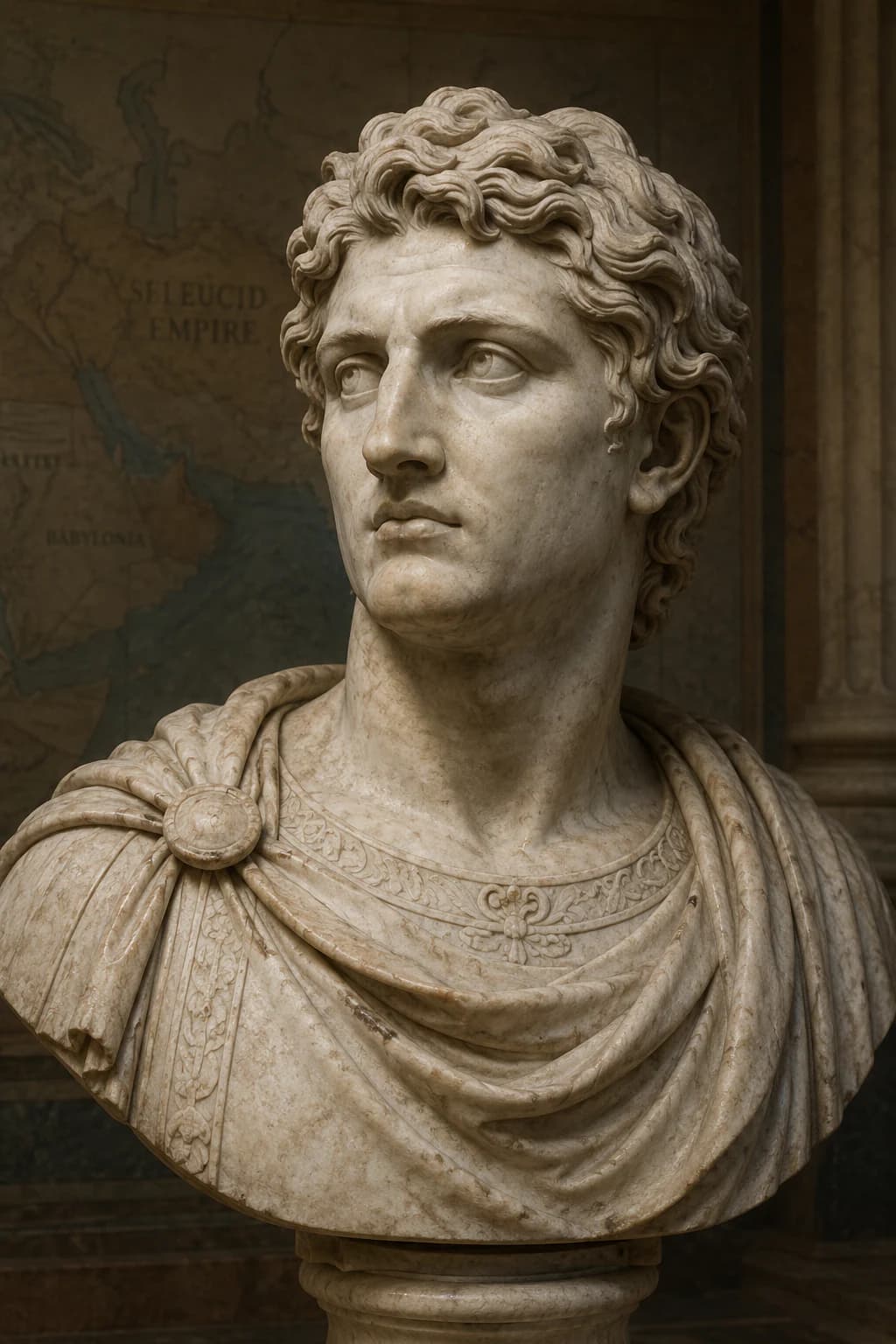
AI-generated portrait of Seleucus I Nicator as a Hellenistic ruler
AI-assisted historical reconstruction

An illustrative reconstruction based on historical context. It is not a photograph or documentary likeness. Image policy

Quick answer

Seleucus I Nicator was a Macedonian general and Successor of Alexander the Great. He recovered Babylon in 312 BC, founded the Seleucid Empire, created new cities including Seleucia and Antioch, and died in 281 BC.

Born
c. 358 BCE
Died
281 BCE
Role
Hellenistic king
Years
c. 358-281 BCE
Quick facts

Profile details

Additional identity and tagging details that are not already covered in the introduction.

Also known as
Seleucus, Seleucus I, Seleucus Nicator
Region
Syria, Mesopotamia, Persia, Syria, Mesopotamia, and Persia
Facts

Seleucus I Nicator timeline facts

Selected specifics from this profile's life story.

334-323 BC
In Alexander's army

Seleucus served in Alexander's campaigns and became one of the commanders positioned to inherit power after 323 BC.

312 BC
Babylon and return

Seleucus regained Babylon in 312 BC, a date later treated as the beginning of the Seleucid era.

305-281 BC
Empire builder

Seleucus founded cities and governed a vast kingdom that stretched through Syria, Mesopotamia, Persia, and parts of Central Asia.

After 281 BC
A contested inheritance

Seleucus died in 281 BC, but his dynasty shaped western Asia for generations through cities, armies, courts, and cultural exchange.

Life Journey

The founder of the eastern Hellenistic kingdom

Follow Seleucus from Alexander's army to the creation of the Seleucid Empire.

Complete chronology

334-323 BC

In Alexander's army

Seleucus rose within the Macedonian army during the campaigns that took Alexander across the Persian Empire. Like other Successors, his authority after Alexander's death came from a mixture of military reputation, personal networks, and command over troops. He was not the first figure to dominate the settlement after Babylon, but he proved one of the most durable.

312 BC

Babylon and return

Seleucus's decisive breakthrough was the recovery of Babylon in 312 BC after a period of exile and shifting alliances. Babylon gave him access to the wealth, prestige, and administrative depth of Mesopotamia. From there he expanded east and west, turning a foothold into an empire. The Seleucid era later counted from this return, showing how central Babylon was to dynastic memory.

305-281 BC

Empire builder

Seleucus took the royal title with the other Successors and built the largest of the Hellenistic kingdoms. Its scale was both strength and burden. He founded and refounded cities, including Seleucia on the Tigris and Antioch on the Orontes, to anchor administration, settlement, and military control. Greek and Macedonian elites governed within landscapes shaped by older Persian, Babylonian, Iranian, and local traditions.

After 281 BC

A contested inheritance

Seleucus was killed in 281 BC shortly after defeating Lysimachus and approaching Macedon. His death prevented him from adding the old Macedonian homeland to his empire, but the Seleucid dynasty survived. Its rulers faced revolts, dynastic conflict, Parthian expansion, and Roman pressure, yet their cities and institutions made Hellenistic culture a lasting force across western Asia.

Continue in context

Connected stories

Move from the profile into the wider events and settings this figure belongs to.

Tertiary paths

Content note

This profile is written for educational use and connects to related Stories of History pages. The main portrait is an AI-assisted historical reconstruction, included as an illustrative aid rather than documentary evidence. Image policy

References

Sources & Further Reading

Reliable reference works, archives and reading paths connected to this profile.

Further reading

  1. Encyclopaedia Britannica, Search results for Seleucus I Nicator,” accessed June 2026.Open source
  2. WorldCat, Books and library holdings for Seleucus I Nicator,” accessed June 2026.Open source

Primary sources

  1. Library of Congress, Search results for Seleucus I Nicator,” accessed June 2026.Open source

Reviewed claim sources

Loading reviewed claim sources...

A weekly route through history

Find out first about the latest published stories, feature notes and occasional Premium offers in one weekly email.