People

Chandragupta Maurya

Chandragupta Maurya founded the Maurya Empire around 322-321 BC after overthrowing the Nanda dynasty in Magadha. His rule joined conquest, administration, diplomacy with Seleucus I Nicator, and the imperial capital at Pataliputra.

Born
c. 340 BCE
Died
c. 297 BCE
Role
Mauryan emperor

Founder of the Maurya Empire (c. 340 BC-c. 297 BC)

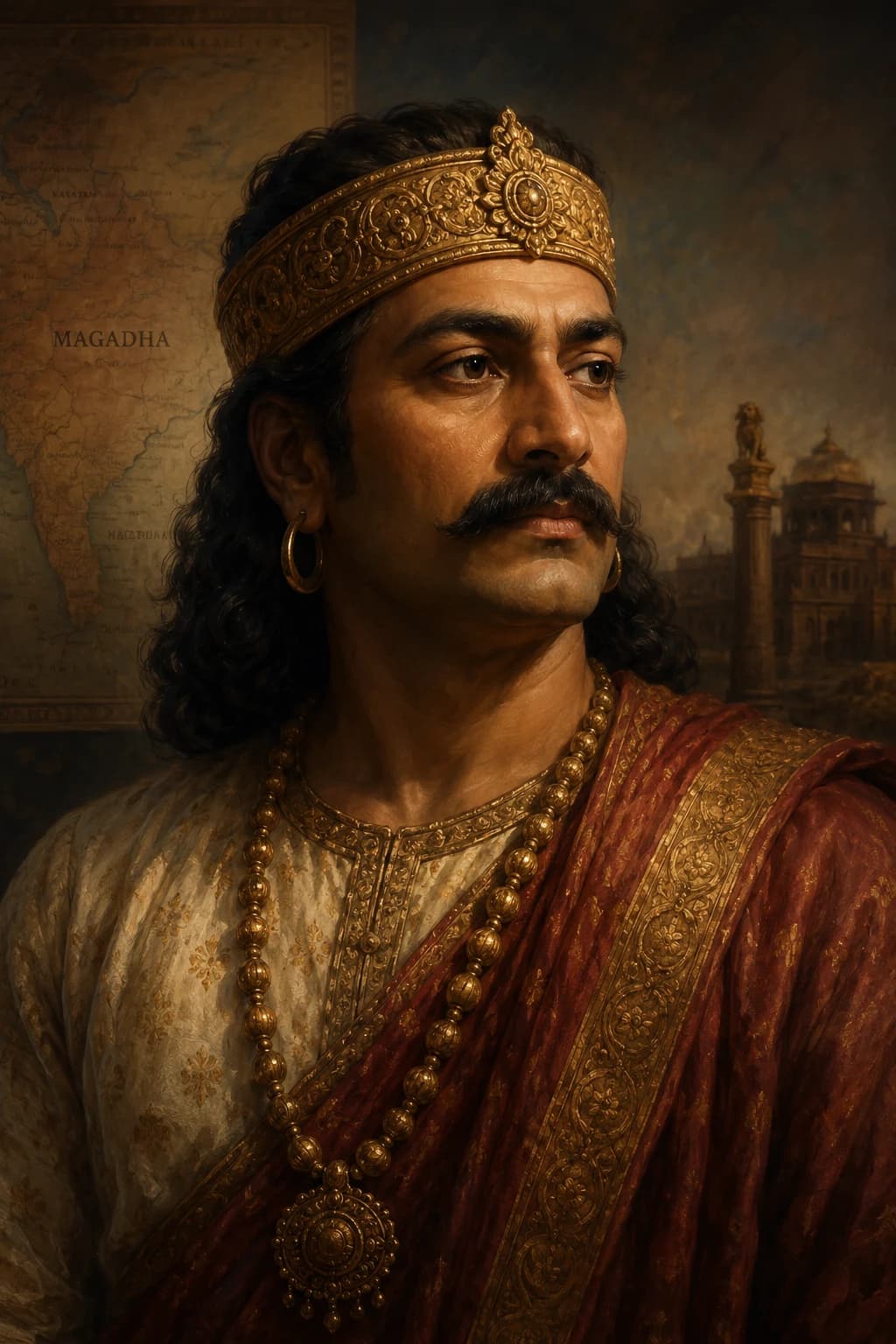
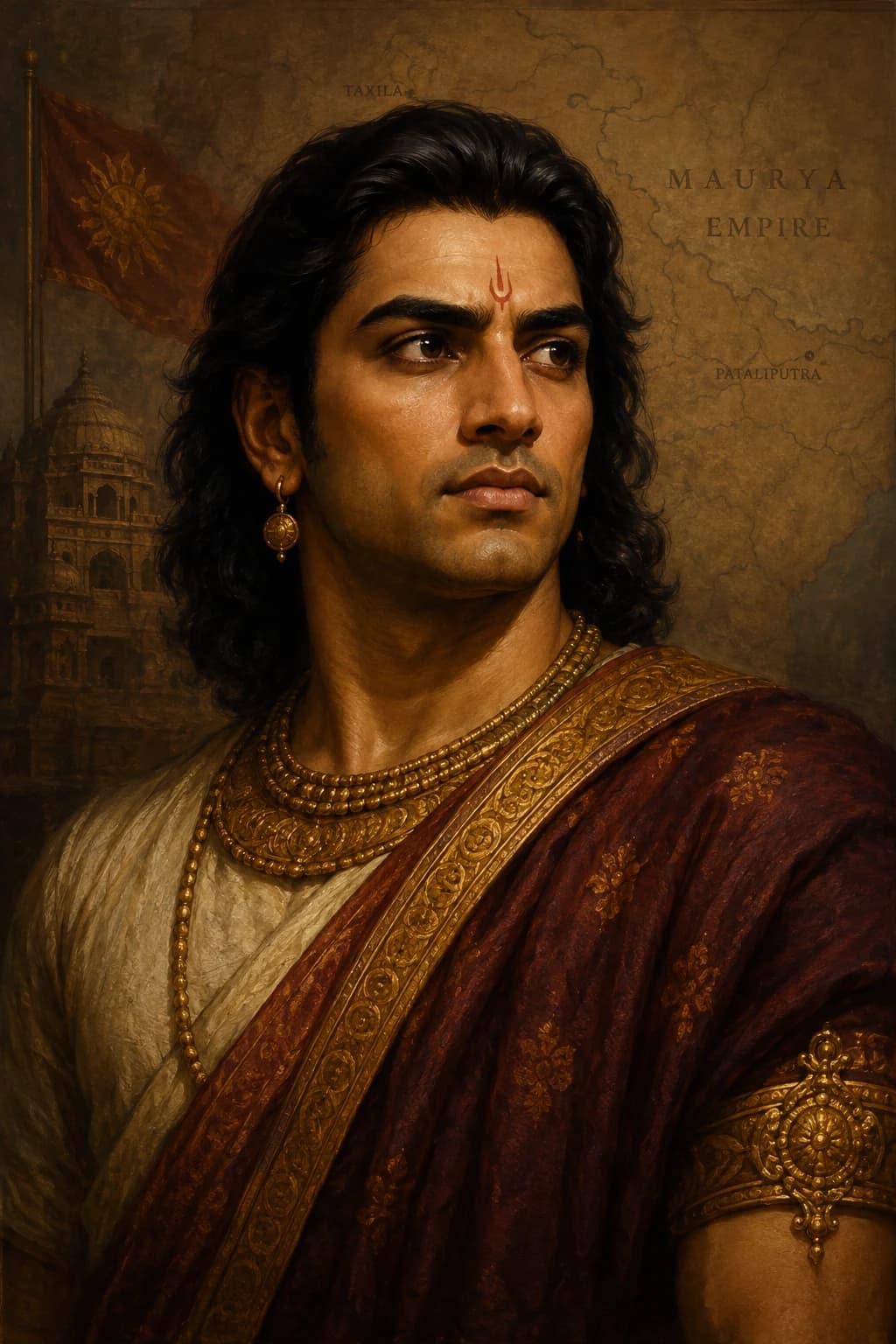
AI-generated portrait of Chandragupta Maurya in ancient Indian royal attire
AI-assisted historical reconstruction

An illustrative reconstruction based on historical context. It is not a photograph or documentary likeness. Image policy

Quick answer

Chandragupta Maurya founded the Maurya Empire around 322-321 BC after overthrowing the Nanda dynasty in Magadha. His rule joined conquest, administration, diplomacy with Seleucus I Nicator, and the imperial capital at Pataliputra.

Born
c. 340 BCE
Died
c. 297 BCE
Role
Mauryan emperor
Years
c. 340-c. 297 BCE
Quick facts

Profile details

Additional identity and tagging details that are not already covered in the introduction.

Also known as
Chandragupta, Sandrokottos, Sandracottus
Region
Magadha, Northern India, South Asia, Magadha and northern India
Facts

Chandragupta Maurya timeline facts

Selected specifics from this profile's life story.

c. 340-322 BC
A World of Openings

Chandragupta emerged in a politically unsettled northern India where Magadha was powerful but vulnerable.

c. 322-321 BC
Overthrowing the Nandas

Chandragupta overthrew the Nanda dynasty and took control of Magadha and Pataliputra.

c. 321-297 BC
Building an Imperial State

Chandragupta turned conquest into durable rule through administration, taxation, armies, roads, and provincial control.

After c. 297 BC
Founder Remembered

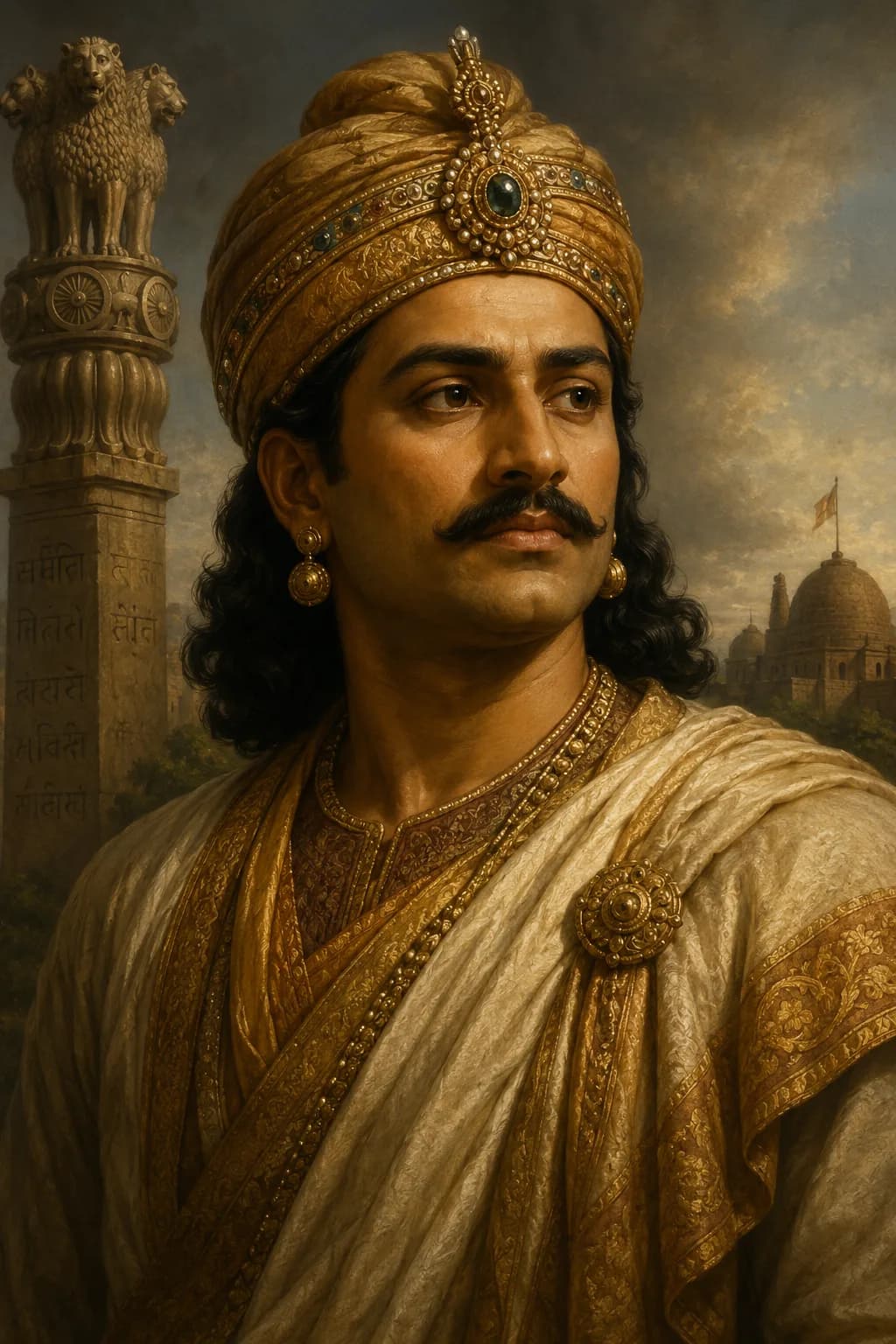
Chandragupta left an empire that Bindusara preserved and Ashoka later made famous through conquest, remorse, and dharma.

Life Journey

From Magadhan revolt to imperial foundation

Follow Chandragupta from uncertain origins to the creation of the Maurya Empire.

Complete chronology

c. 340-322 BC

A World of Openings

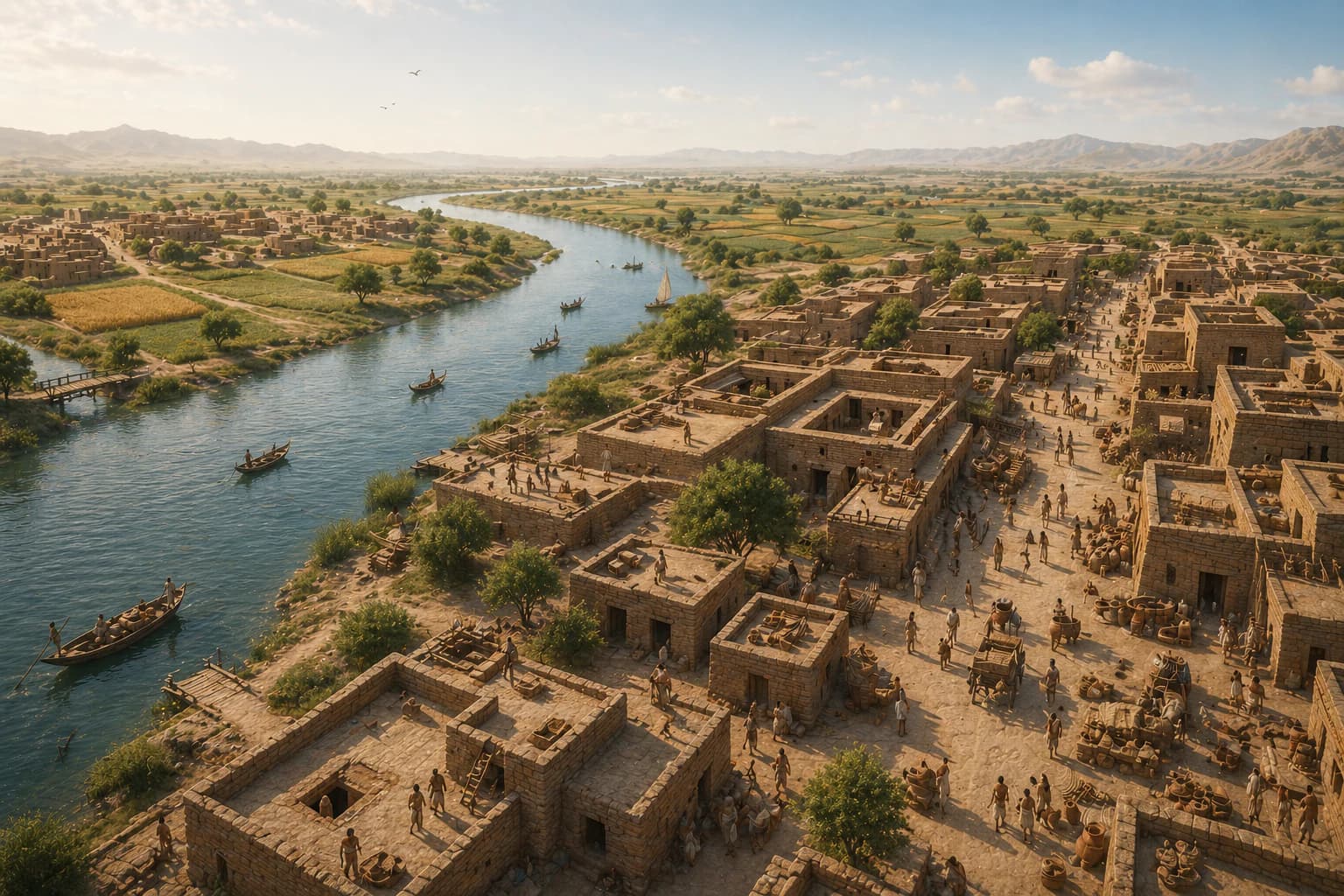
Chandragupta's early life is difficult to reconstruct because later Greek, Jain, Buddhist, and Sanskrit traditions preserve different memories of his origins. What matters historically is the political opening he entered. Magadha controlled wealth, armies, and the Ganges plain, but Nanda rule was remembered as unpopular and vulnerable. Chandragupta became the focus of opposition in a world where ambition needed allies, resources, and a plan.
c. 322-321 BC

Overthrowing the Nandas

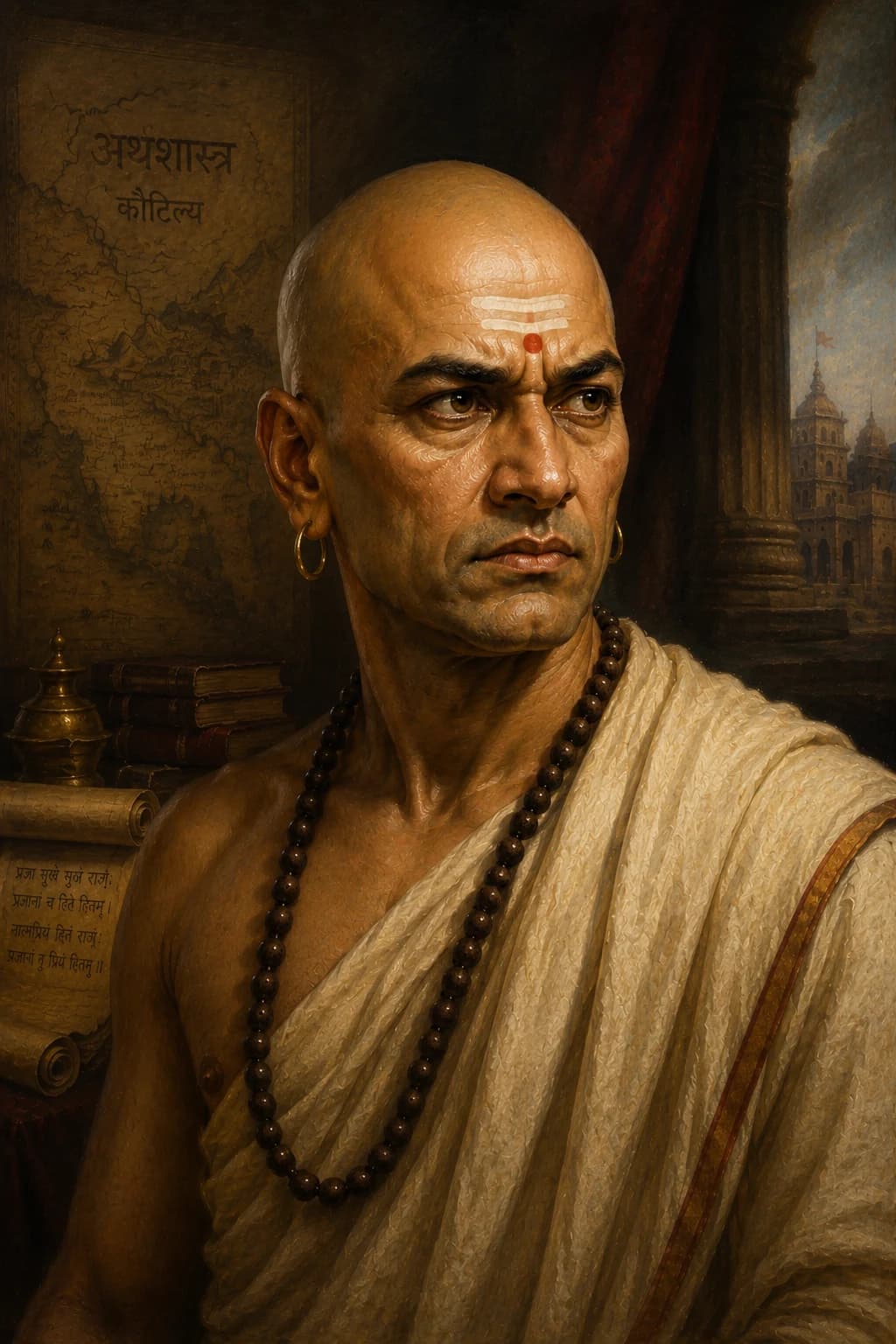
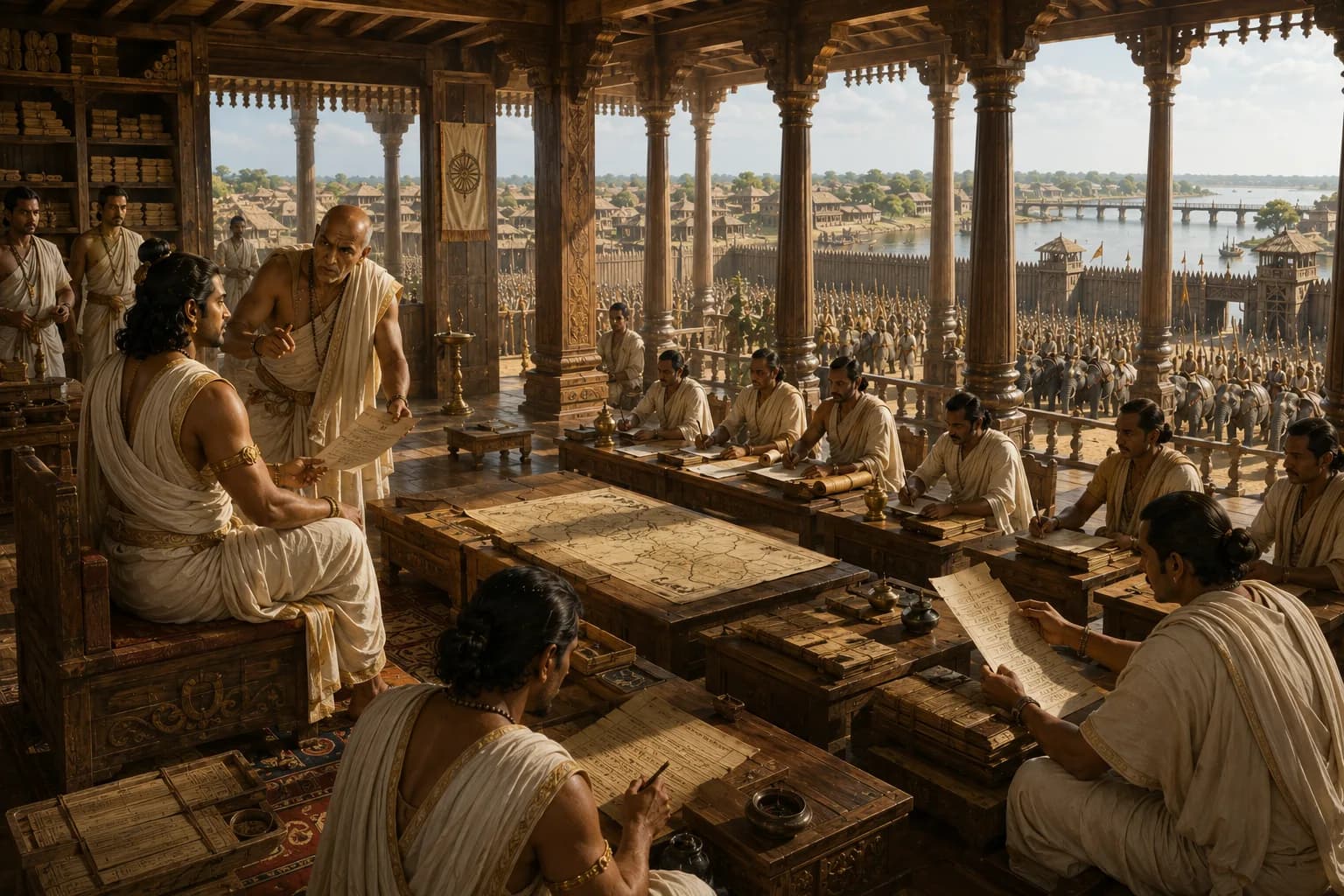
The overthrow of the Nandas gave Chandragupta more than a throne. It gave him Pataliputra, access to the resources of the eastern Ganges plain, and the administrative inheritance of one of ancient India's strongest kingdoms. Later tradition connects this success with Chanakya, also called Kautilya or Vishnugupta, though the details are difficult to separate from political memory. The result was clear: a new dynasty had seized the centre from which a much larger empire could be built.

c. 305 BC

The Western Frontier

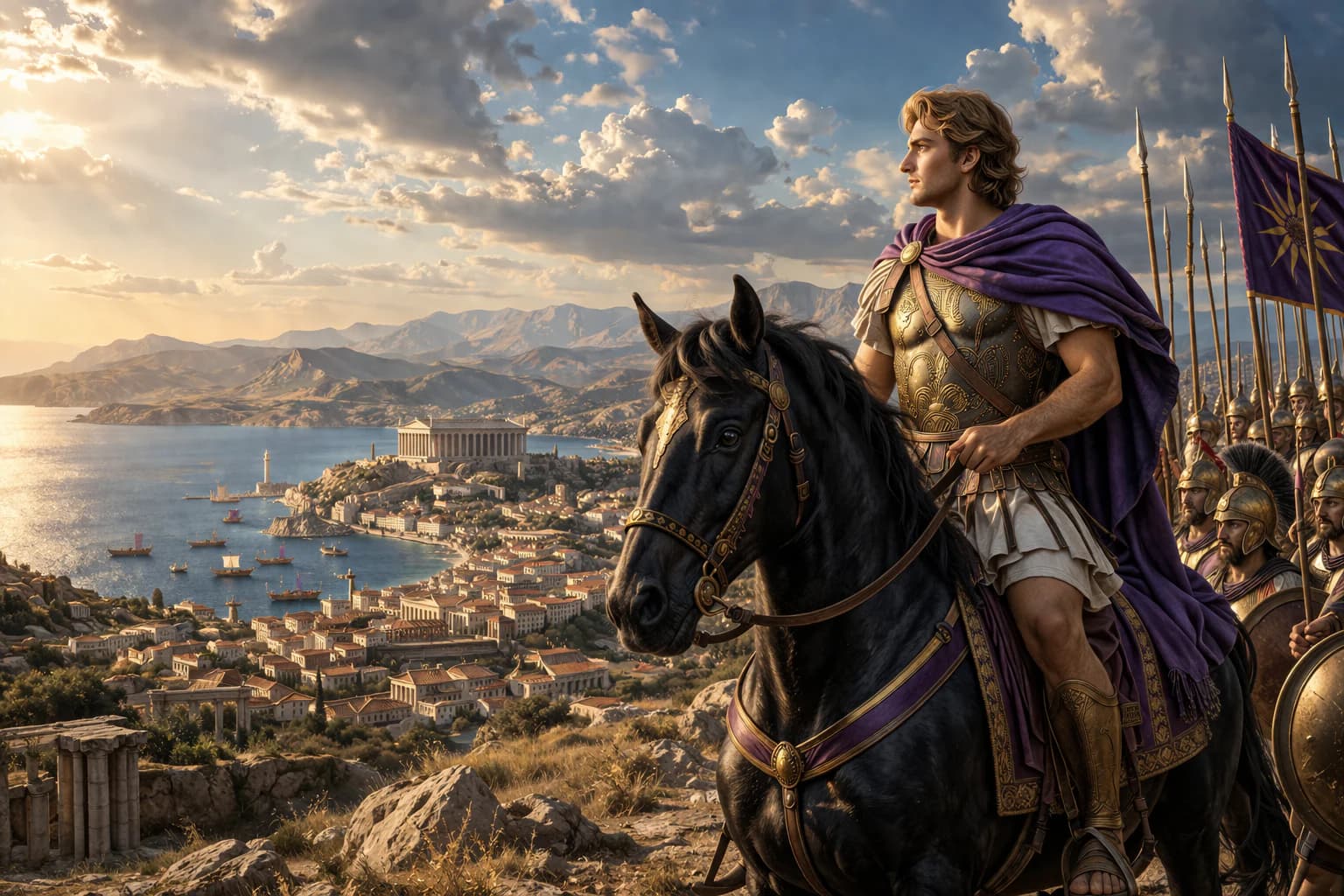
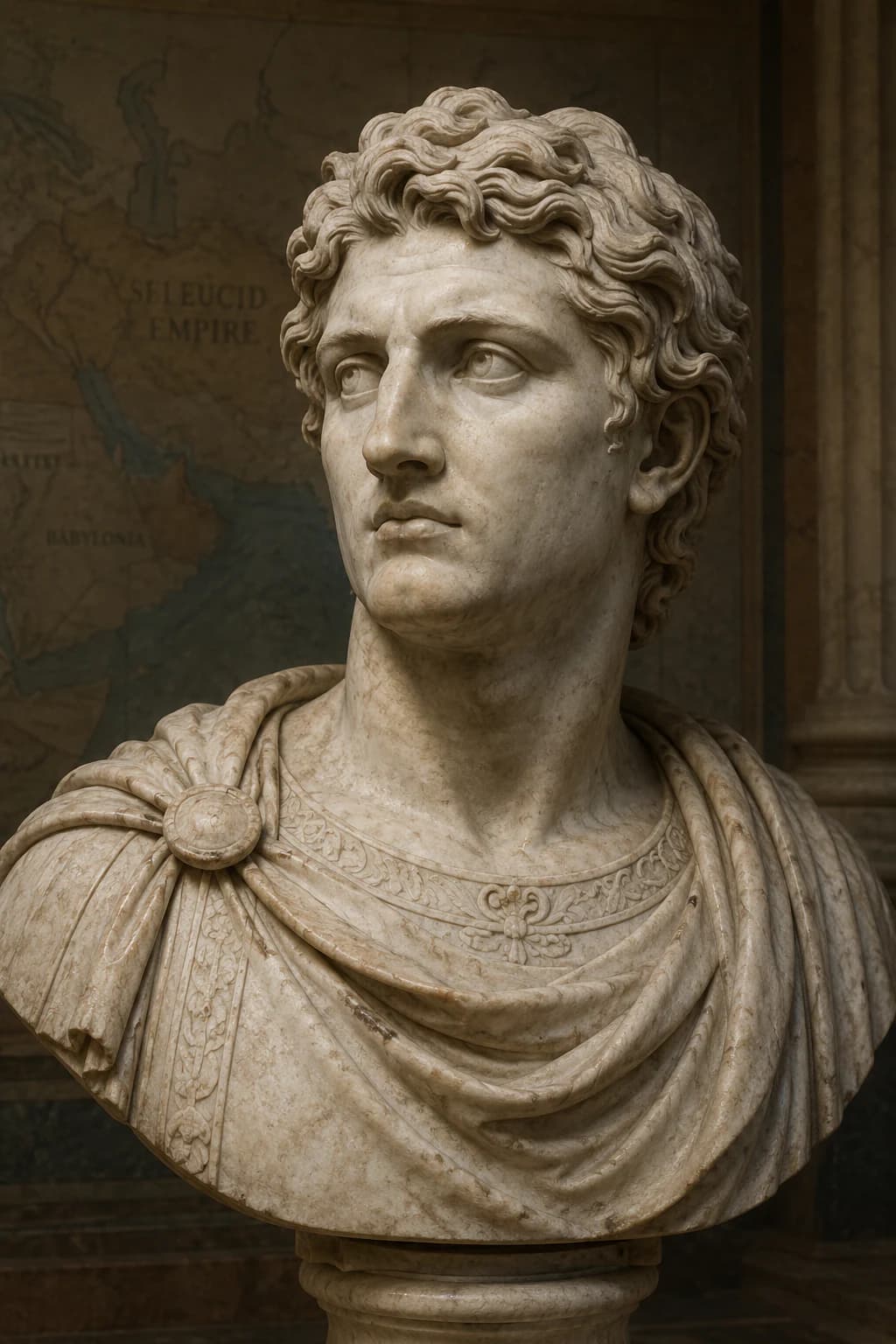
After Alexander the Great's death, his commanders fought over the eastern edges of his empire. Seleucus I Nicator tried to secure those frontiers, but Chandragupta had already made the Mauryan state a major power. Their conflict ended in a settlement that favoured the Mauryas: Chandragupta gained or confirmed control over northwestern territories, while Seleucus received war elephants that later mattered in Hellenistic warfare. Diplomacy followed, including Greek envoys at the Mauryan court.

c. 321-297 BC

Building an Imperial State

Chandragupta's achievement was not simply defeating rivals. He helped create a structure capable of governing across distance. The Mauryan state drew on Magadha's resources, royal authority at Pataliputra, military organisation, officials, taxation, roads, and intelligence gathering. The Arthashastra tradition associated with Kautilya should be used carefully as evidence, but it captures the hard political world in which Mauryan power was remembered: disciplined, practical, and intensely concerned with survival.

After c. 297 BC

Founder Remembered

Chandragupta's later life is remembered differently across traditions, including Jain accounts that place him in a religious setting near the end of his life. Whatever the exact details, his political legacy was enormous. Bindusara inherited a functioning imperial structure, and Ashoka later ruled at its greatest moral and symbolic height. Chandragupta made subcontinental unity imaginable in a new way. Later rulers could compete with, adapt, or remember the Mauryan model, but they could not ignore it.

Continue in context

Connected stories

Move from the profile into the wider events and settings this figure belongs to.

Tertiary paths

Content note

This profile is written for educational use and connects to related Stories of History pages. The main portrait is an AI-assisted historical reconstruction, included as an illustrative aid rather than documentary evidence. Image policy

References

Sources & Further Reading

Reliable reference works, archives and reading paths connected to this profile.

Further reading

  1. Encyclopaedia Britannica, Search results for Chandragupta Maurya,” accessed June 2026.Open source
  2. WorldCat, Books and library holdings for Chandragupta Maurya,” accessed June 2026.Open source

Primary sources

  1. Library of Congress, Search results for Chandragupta Maurya,” accessed June 2026.Open source

Reviewed claim sources

Loading reviewed claim sources...

A weekly route through history

Find out first about the latest published stories, feature notes and occasional Premium offers in one weekly email.