People

Antigonus the One-Eyed

Antigonus the One-Eyed, or Antigonus I Monophthalmus, was a Macedonian general and Successor of Alexander the Great. He controlled much of Asia Minor and Syria, claimed the royal title in 306 BC, and died at the Battle of Ipsus in 301 BC.

Born
c. 382 BCE
Died
301 BCE
Role
Hellenistic king

Macedonian Successor king (c. 382 BC-301 BC)

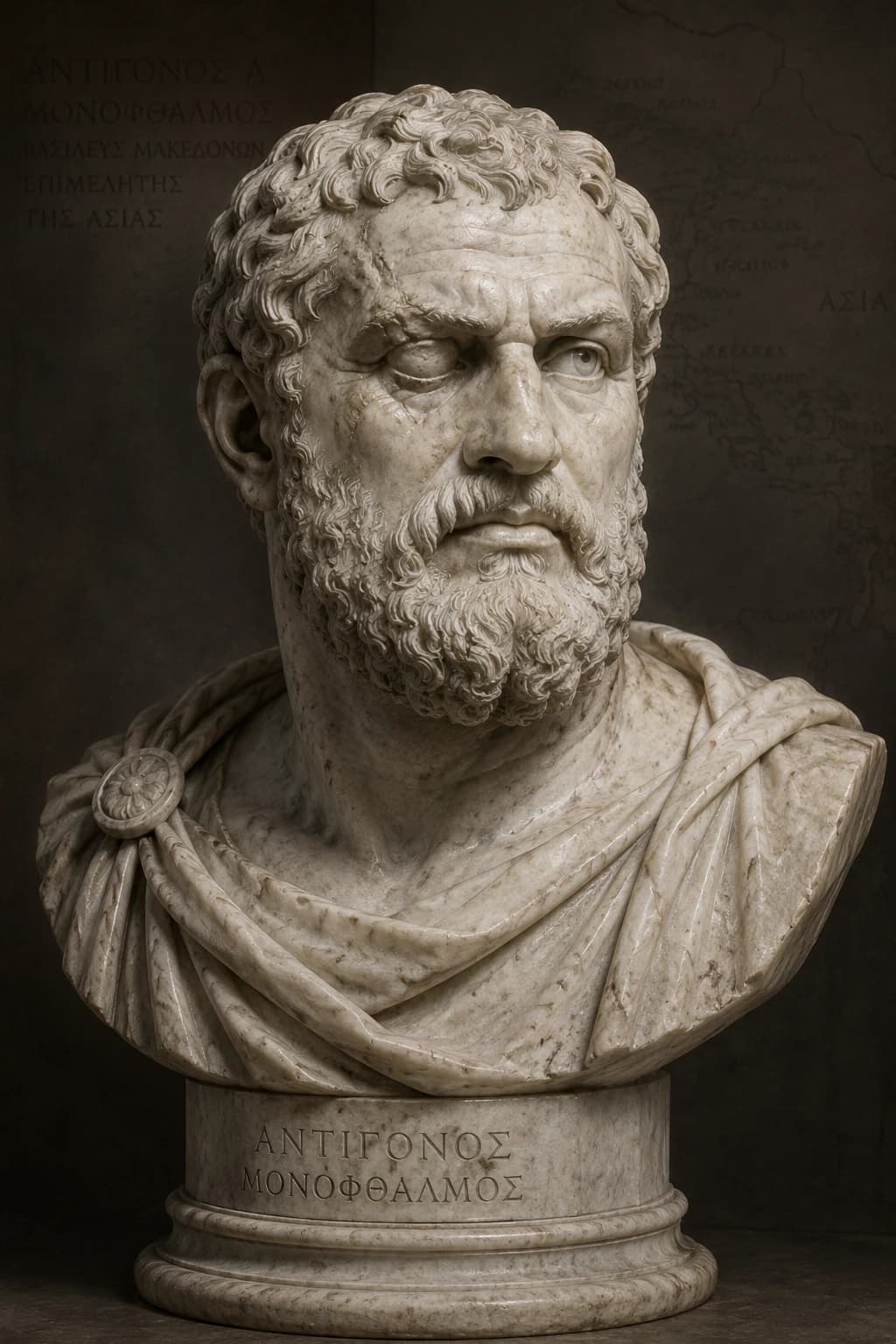
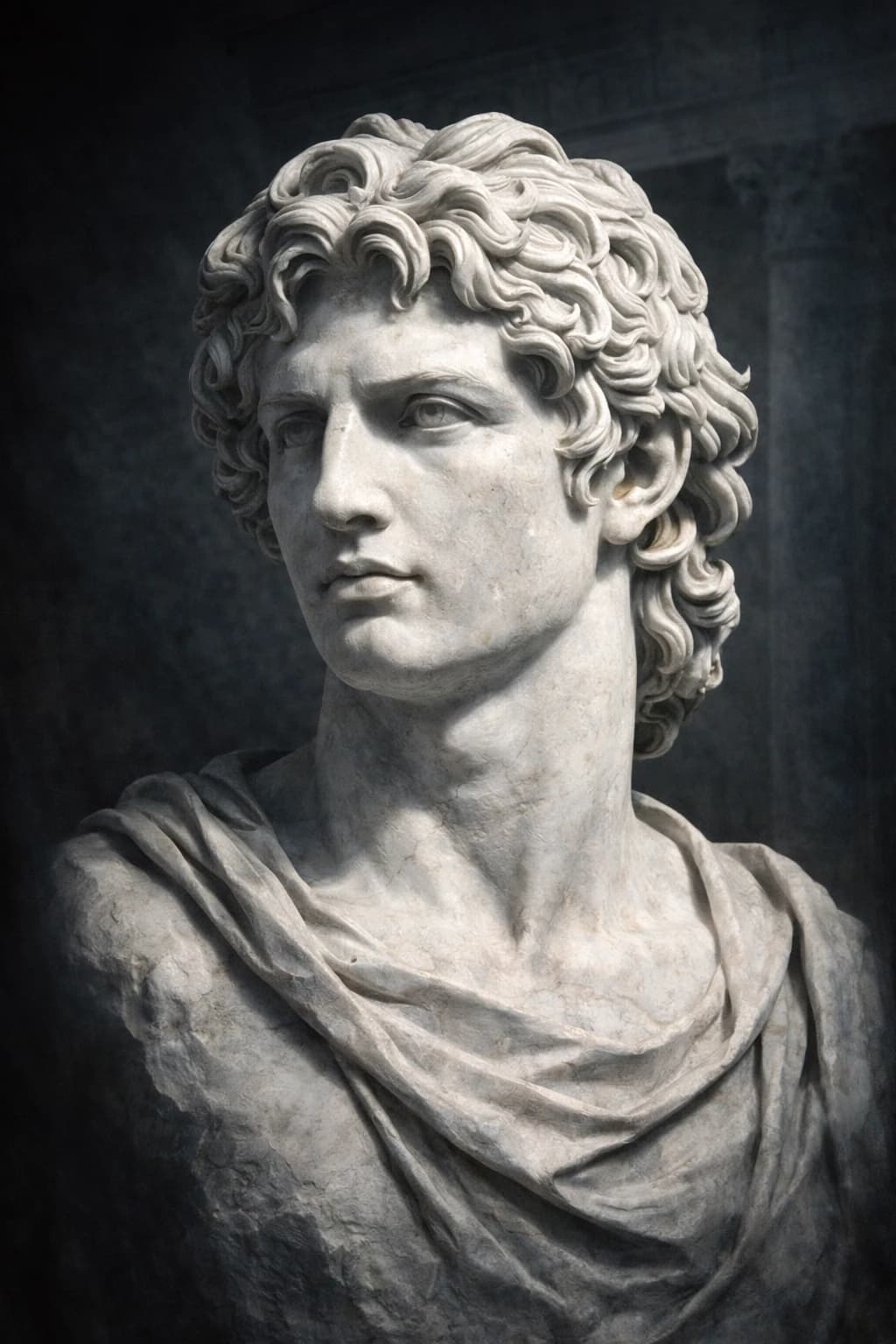
AI-generated portrait of Antigonus the One-Eyed as a Hellenistic ruler
AI-assisted historical reconstruction

An illustrative reconstruction based on historical context. It is not a photograph or documentary likeness. Image policy

Quick answer

Antigonus the One-Eyed, or Antigonus I Monophthalmus, was a Macedonian general and Successor of Alexander the Great. He controlled much of Asia Minor and Syria, claimed the royal title in 306 BC, and died at the Battle of Ipsus in 301 BC.

Born
c. 382 BCE
Died
301 BCE
Role
Hellenistic king
Years
c. 382-301 BCE
Quick facts

Profile details

Additional identity and tagging details that are not already covered in the introduction.

Full name
Antigonus I Monophthalmus
Also known as
Antigonus, Antigonus I
Region
Asia Minor, Syria, Macedon, Asia Minor and Syria
Facts

Antigonus the One-Eyed timeline facts

Selected specifics from this profile's life story.

334-323 BC
Veteran commander

Antigonus served Alexander and emerged after the conquest as a powerful commander in Asia Minor.

320s BC
Master of Asia

During the wars after Alexander's death, Antigonus built a vast power base across Asia Minor, Syria, and nearby regions.

306 BC
Claiming kingship

After a major victory by his son Demetrius, Antigonus took the title king, prompting other Successors to do the same.

301 BC
Death at Ipsus

Antigonus died at the Battle of Ipsus, ending his attempt to dominate the Successor world.

Life Journey

The Successor who nearly reunited Alexander's empire

Follow Antigonus from veteran commander to the great rival of the other Diadochi.

Complete chronology

334-323 BC

Veteran commander

Antigonus belonged to the senior Macedonian generation that had served in the wars of Philip II and Alexander. His nickname, Monophthalmus, means One-Eyed and reflects a wound remembered by later tradition. After Alexander's campaigns, Antigonus held authority in Asia Minor, a region rich in cities, routes, and strategic value. That base made him one of the most formidable figures after 323 BC.

320s BC

Master of Asia

As the first Successor wars unfolded, Antigonus expanded his authority across much of the Asian portion of Alexander's former empire. He was dangerous because he did not merely hold a province; he commanded armies and resources large enough to challenge the whole settlement. Other Successors feared that Antigonus wanted to restore unity under himself. Their alliances repeatedly formed around the need to contain him.

306 BC

Claiming kingship

In 306 BC, after Demetrius defeated Ptolemy's forces near Cyprus, Antigonus and his son took the royal title. This was a turning point. It acknowledged openly what had already become true: Alexander's empire was no longer being governed for the Argead royal family. The Successors were kings in their own right. Antigonus moved first because he had the ambition and resources to claim the inheritance most boldly.

301 BC

Death at Ipsus

At Ipsus in 301 BC, a coalition of Successors defeated Antigonus and Demetrius. Antigonus, already an old man, died on the battlefield. His death ended the greatest attempt to reunite Alexander's empire under one Successor. His family's ambitions survived, however. The Antigonid dynasty eventually ruled Macedon, keeping his name central to the political map of the Hellenistic world.

Continue in context

Connected stories

Move from the profile into the wider events and settings this figure belongs to.

Tertiary paths

Content note

This profile is written for educational use and connects to related Stories of History pages. The main portrait is an AI-assisted historical reconstruction, included as an illustrative aid rather than documentary evidence. Image policy

References

Sources & Further Reading

Reliable reference works, archives and reading paths connected to this profile.

Further reading

  1. Encyclopaedia Britannica, Search results for Antigonus the One-Eyed,” accessed June 2026.Open source
  2. WorldCat, Books and library holdings for Antigonus the One-Eyed,” accessed June 2026.Open source

Primary sources

  1. Library of Congress, Search results for Antigonus the One-Eyed,” accessed June 2026.Open source

Reviewed claim sources

Loading reviewed claim sources...

A weekly route through history

Find out first about the latest published stories, feature notes and occasional Premium offers in one weekly email.