People

Ptolemy I Soter

Ptolemy I Soter was a Macedonian general under Alexander the Great, satrap and later king of Egypt, and founder of the Ptolemaic dynasty. He ruled Egypt after Alexander's death and died in 282 BC.

Born
c. 367 BCE
Died
282 BCE
Role
Hellenistic king

King of Egypt (c. 367 BC-282 BC)

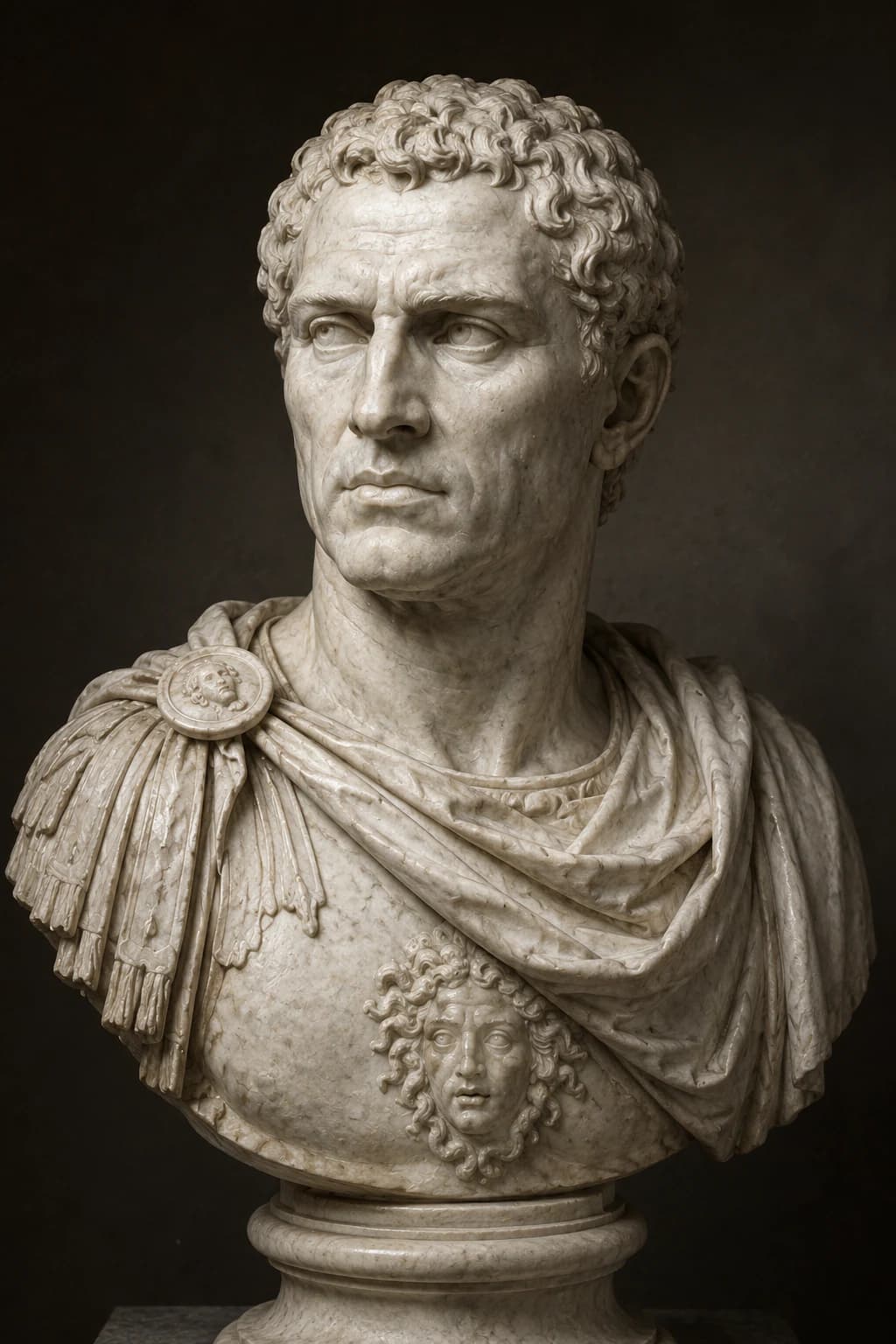
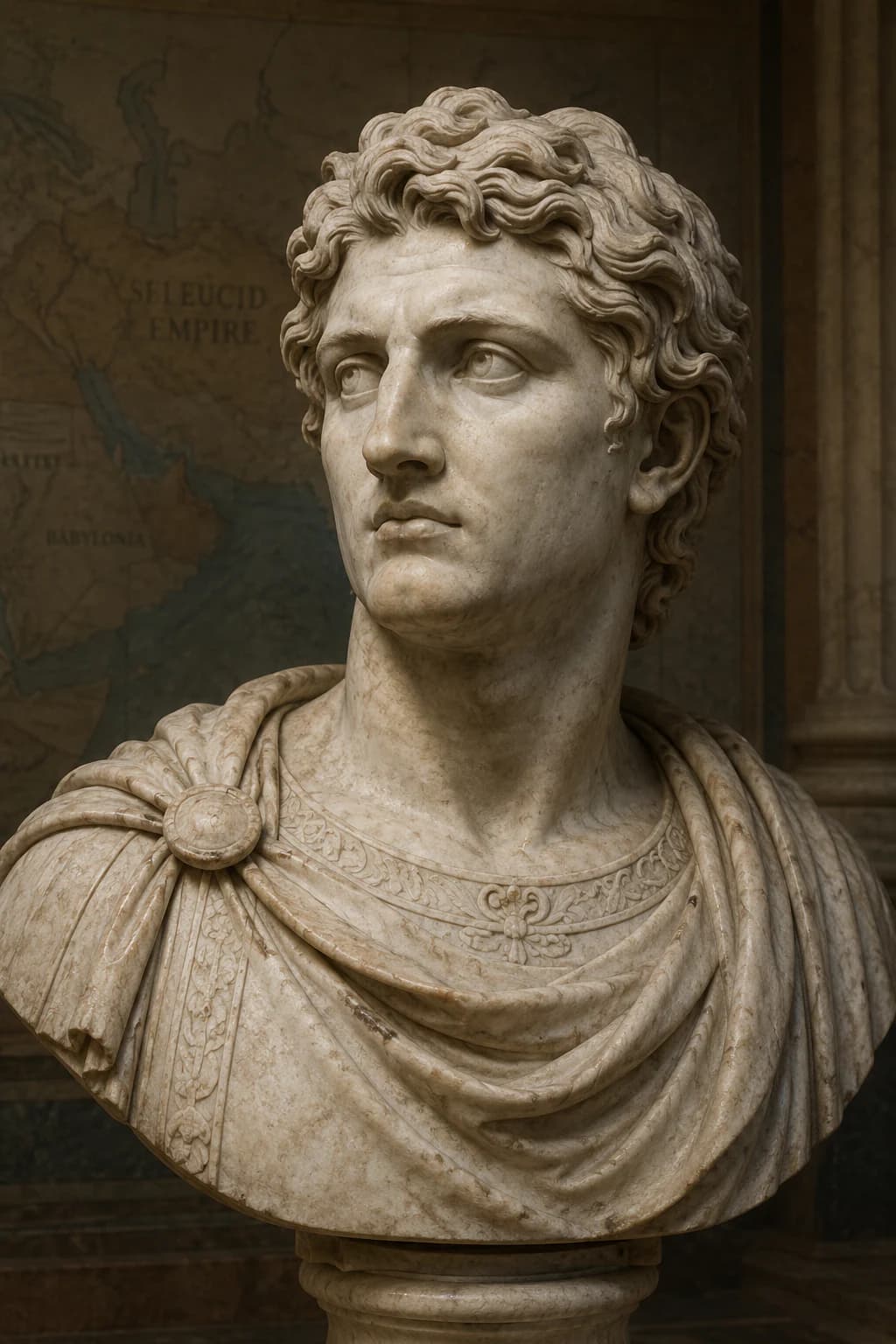
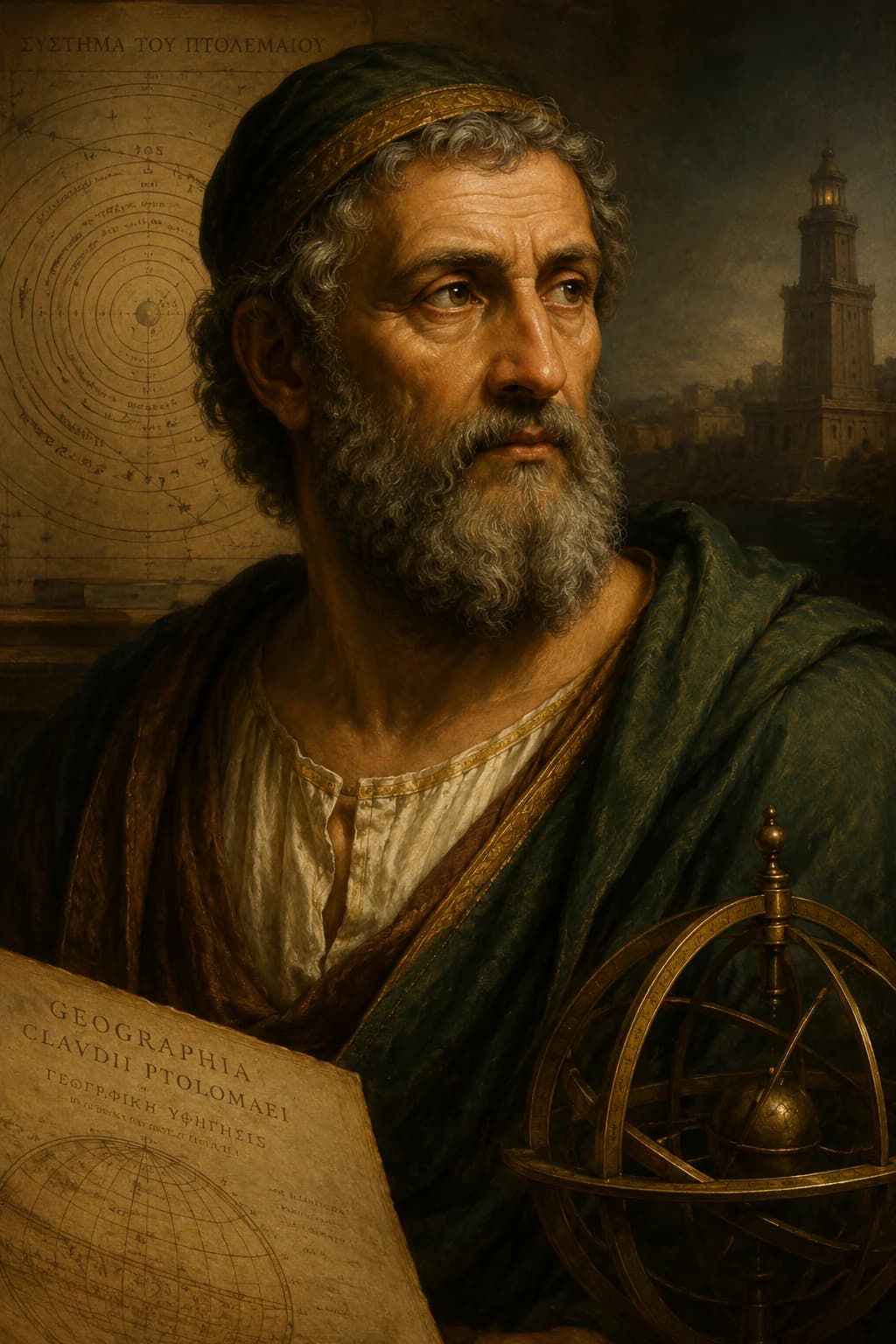
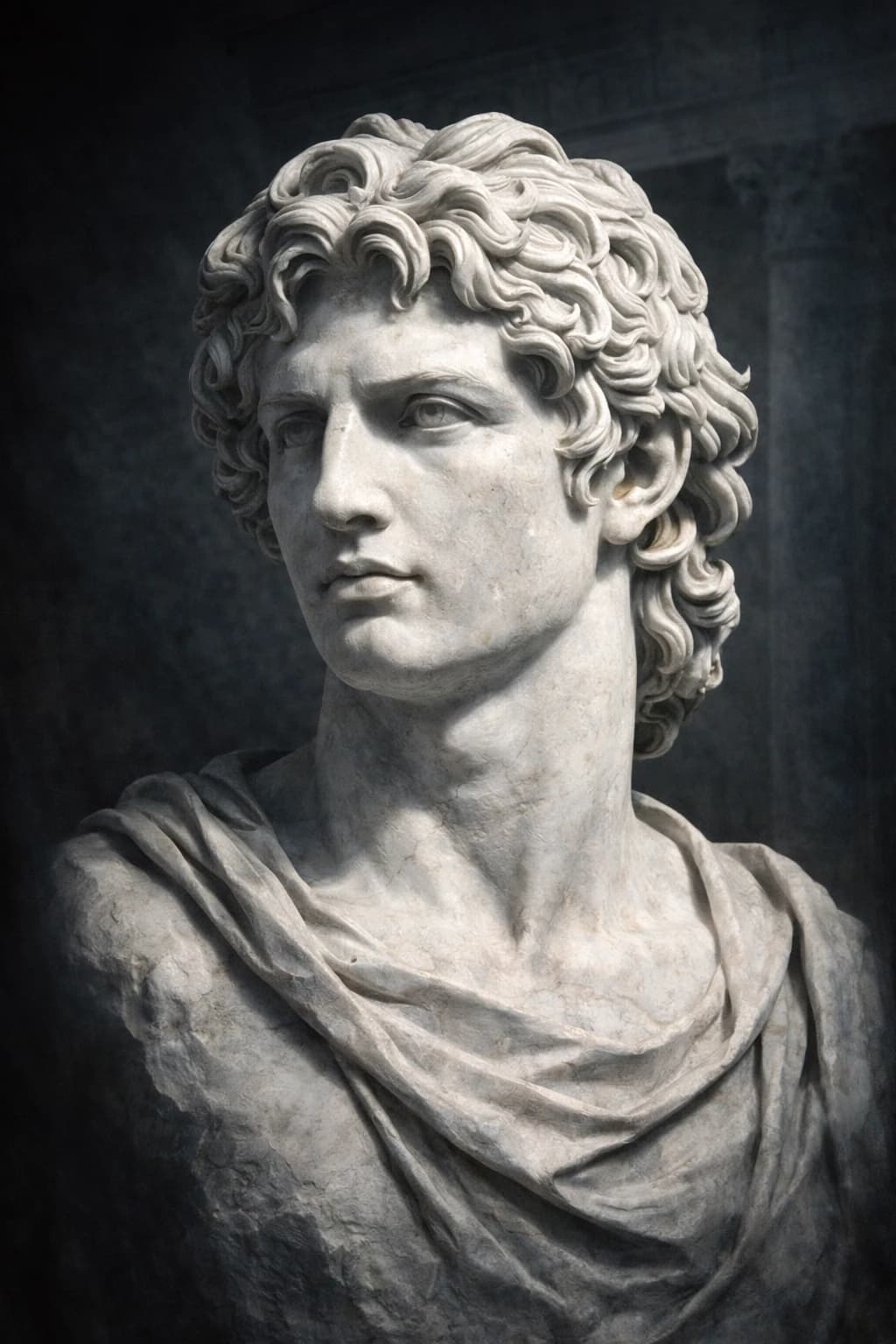
AI-generated portrait of Ptolemy I Soter in Hellenistic dress
AI-assisted historical reconstruction

An illustrative reconstruction based on historical context. It is not a photograph or documentary likeness. Image policy

Quick answer

Ptolemy I Soter was a Macedonian general under Alexander the Great, satrap and later king of Egypt, and founder of the Ptolemaic dynasty. He ruled Egypt after Alexander's death and died in 282 BC.

Born
c. 367 BCE
Died
282 BCE
Role
Hellenistic king
Years
c. 367-282 BCE
Quick facts

Profile details

Additional identity and tagging details that are not already covered in the introduction.

Also known as
Ptolemy, Ptolemy I, Ptolemy Soter
Region
Egypt, Macedon, Eastern Mediterranean, Egypt
Facts

Ptolemy I Soter timeline facts

Selected specifics from this profile's life story.

334-323 BC
Companion of Alexander

Ptolemy served as one of Alexander's close Macedonian companions during the campaigns across Persia, Egypt, and Asia.

323 BC
Taking Egypt

After Alexander's death, Ptolemy received Egypt and quickly turned it into his secure base of power.

c. 321 BC
Alexander's body

Ptolemy intercepted Alexander's body and brought it to Egypt, turning the dead king into a source of legitimacy.

305-282 BC
Ptolemaic dynasty

Ptolemy declared himself king and founded the Ptolemaic dynasty, which ruled Egypt for nearly three centuries.

Life Journey

The general who made Egypt his kingdom

Follow Ptolemy from Alexander's companion to founder of the dynasty that ended with Cleopatra.

Complete chronology

334-323 BC

Companion of Alexander

Ptolemy belonged to the circle of Macedonian nobles and commanders who followed Alexander across the Persian Empire. His later writings on Alexander, known through later authors, helped shape the historical memory of the campaigns. He was not the most dramatic battlefield figure among the Successors, but he was one of the most politically durable. His strength lay in judgment, positioning, and knowing which territory could be defended.

323 BC

Taking Egypt

At the Babylon settlement after Alexander's death, Ptolemy was assigned Egypt. The choice proved decisive. Egypt was wealthy, geographically defensible, and centered on the Nile's agricultural surplus. Ptolemy presented himself carefully to both Greek-Macedonian soldiers and Egyptian subjects, using Alexandria as a royal capital while respecting older Egyptian forms of kingship. He understood that Egypt could support an independent dynasty if he kept it stable.

c. 321 BC

Alexander's body

Ptolemy's seizure of Alexander's body was one of the most symbolic acts of the Successor period. Possessing the conqueror's remains linked Egypt to Alexander's memory and made Alexandria a place of dynastic prestige. The move infuriated Perdiccas, whose failed campaign against Egypt ended in his murder. Ptolemy showed that legitimacy in the Hellenistic world could be built through ritual, memory, and possession as well as through victory.

305-282 BC

Ptolemaic dynasty

By 305 BC, Ptolemy joined the other Successors in taking the royal title. His dynasty blended Macedonian court culture with Egyptian kingship and made Alexandria one of the great cities of the ancient world. The Ptolemies patronized scholarship, trade, temples, and naval power while ruling a population whose daily life remained largely Egyptian. Ptolemy I died in 282 BC, leaving behind the most stable of the Hellenistic kingdoms.

Continue in context

Connected stories

Move from the profile into the wider events and settings this figure belongs to.

Tertiary paths

Content note

This profile is written for educational use and connects to related Stories of History pages. The main portrait is an AI-assisted historical reconstruction, included as an illustrative aid rather than documentary evidence. Image policy

References

Sources & Further Reading

Reliable reference works, archives and reading paths connected to this profile.

Further reading

  1. Encyclopaedia Britannica, Search results for Ptolemy I Soter,” accessed June 2026.Open source
  2. WorldCat, Books and library holdings for Ptolemy I Soter,” accessed June 2026.Open source

Primary sources

  1. Library of Congress, Search results for Ptolemy I Soter,” accessed June 2026.Open source

Reviewed claim sources

Loading reviewed claim sources...

A weekly route through history

Find out first about the latest published stories, feature notes and occasional Premium offers in one weekly email.