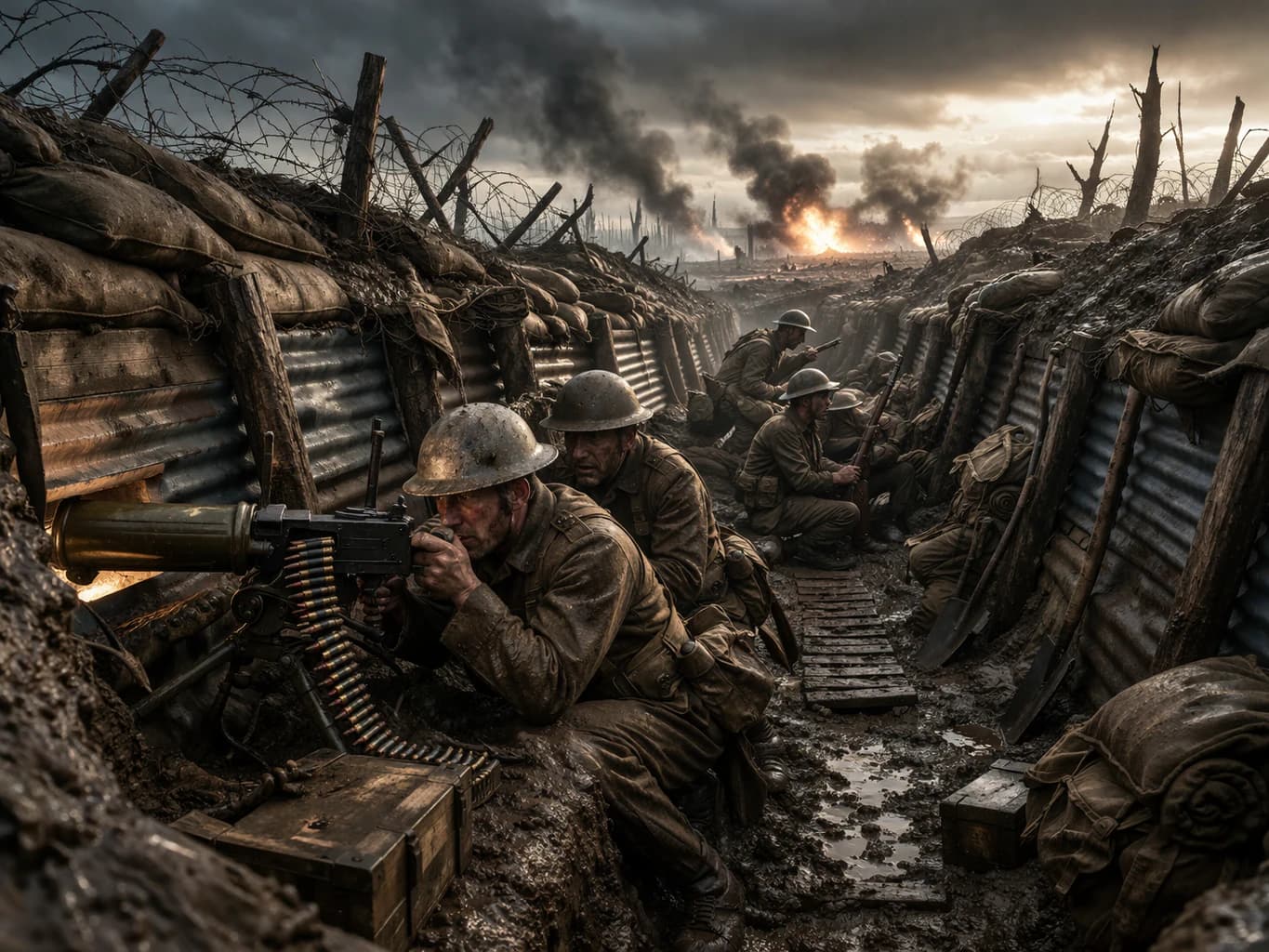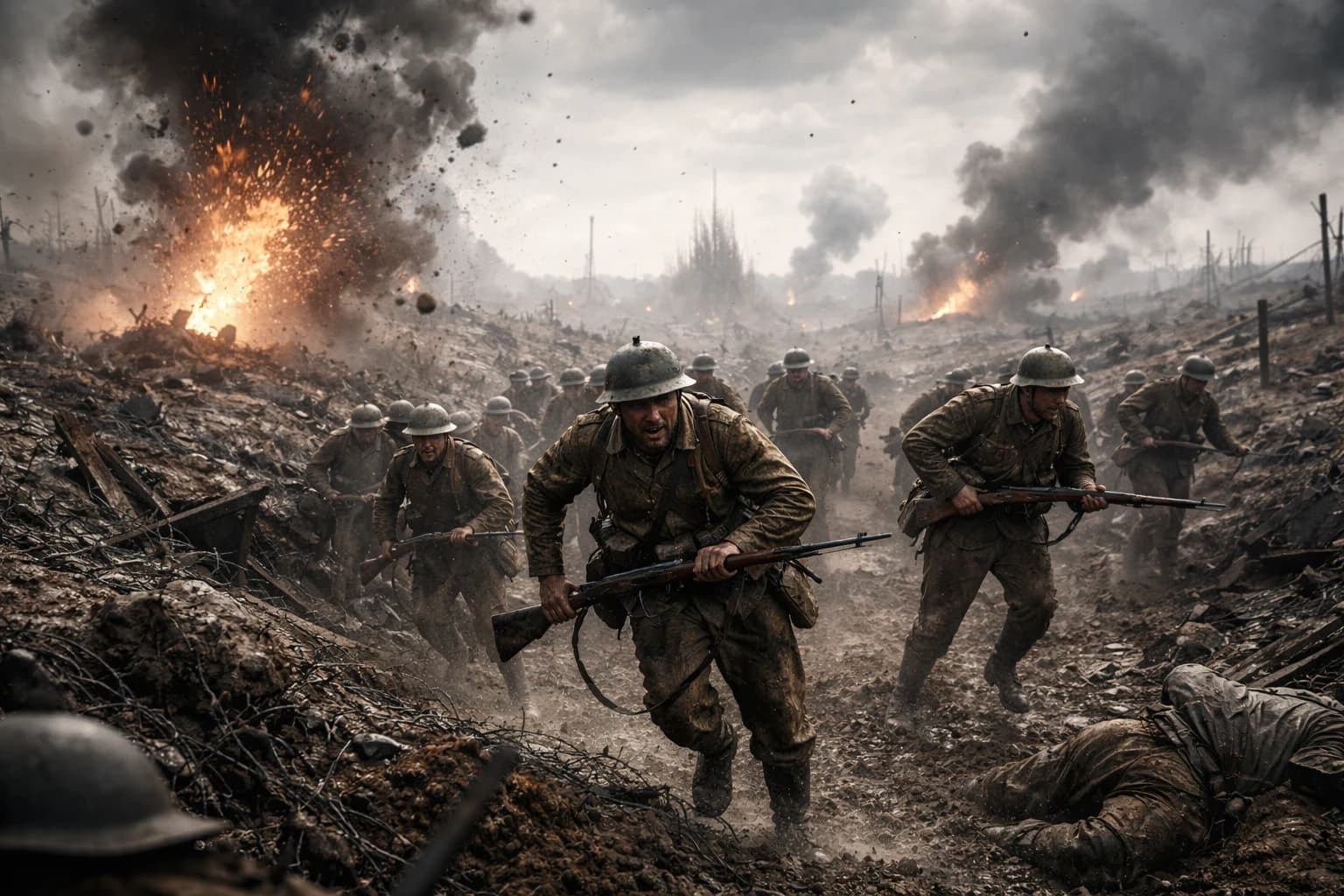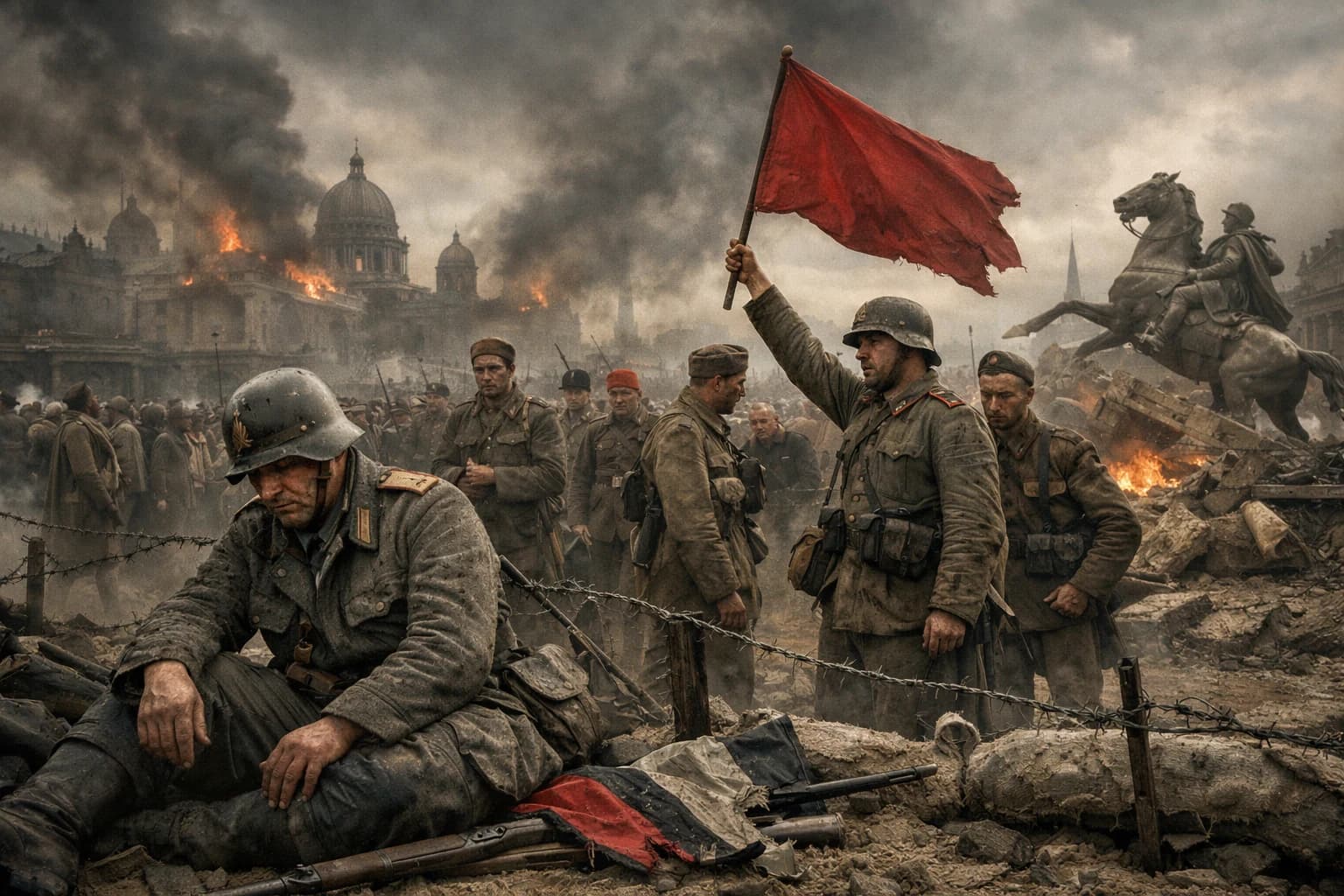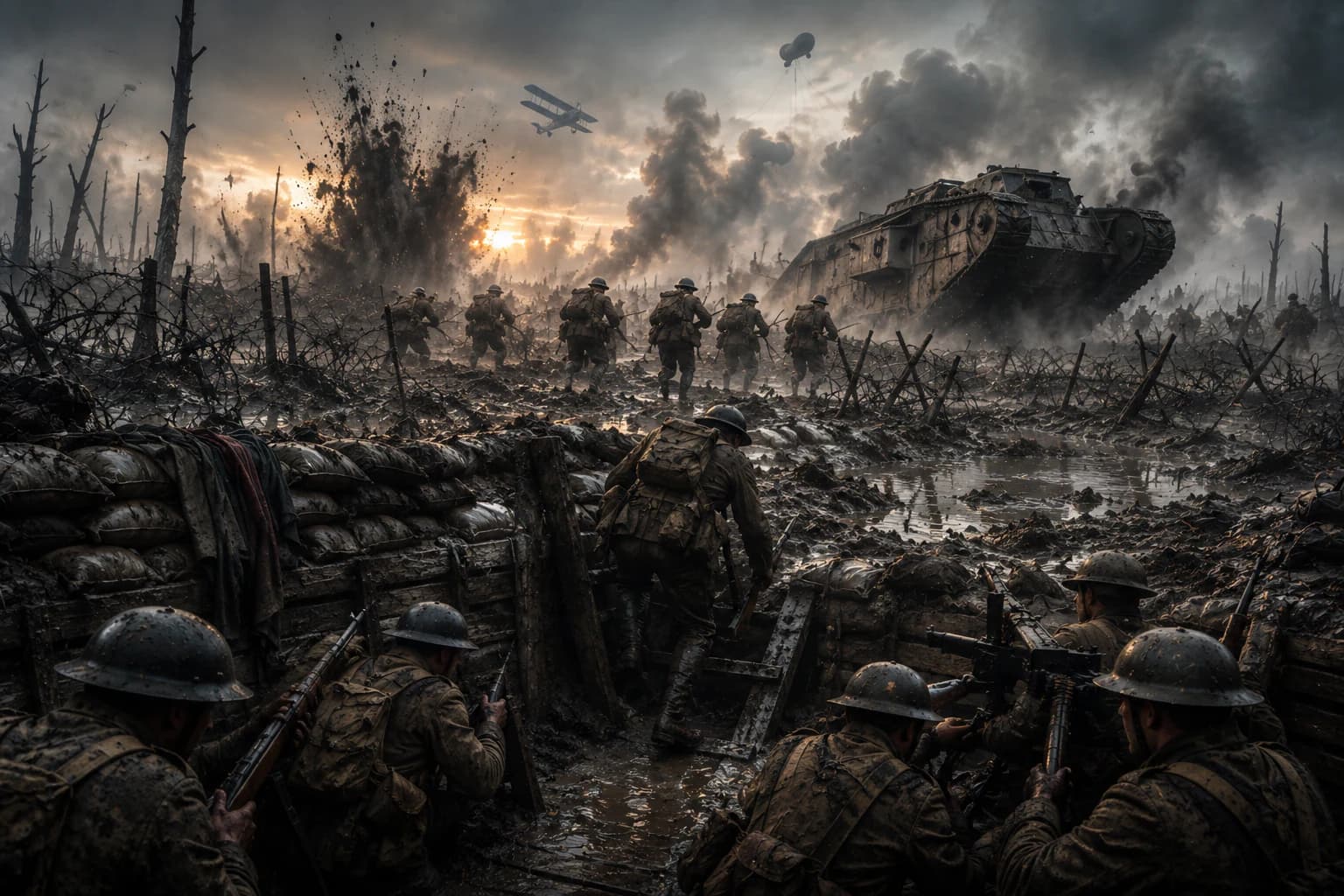
muddy trench lines under heavy shellfire with soldiers advancing across a devastated battlefield
Free Story

The First World War

Follow the First World War from Sarajevo to the trenches, total war, revolution, and armistice.

10 chapters

Next

Content note

This story discusses war, violence, persecution, and death in an educational historical context.

Context

Introduction

Overview

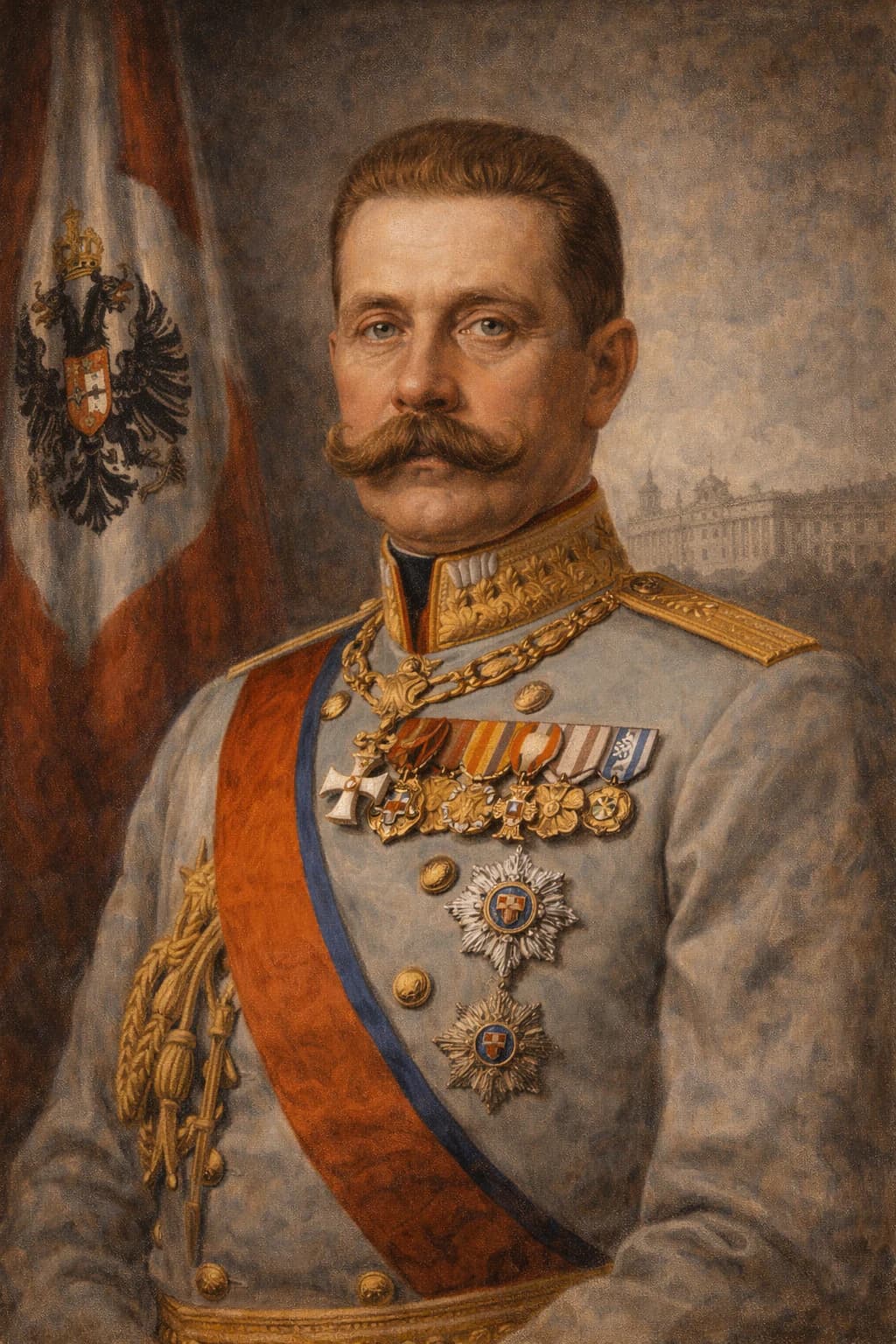
The First World War was a global conflict fought from 1914 to 1918 between rival alliances centred on Europe's great powers. Triggered by the assassination of Archduke Franz Ferdinand, it became a vast industrial war of trenches, artillery, empires, revolution, and mass mobilisation. Its consequences destroyed old monarchies, redrew borders, transformed societies, and created unresolved tensions that helped shape the twentieth century.
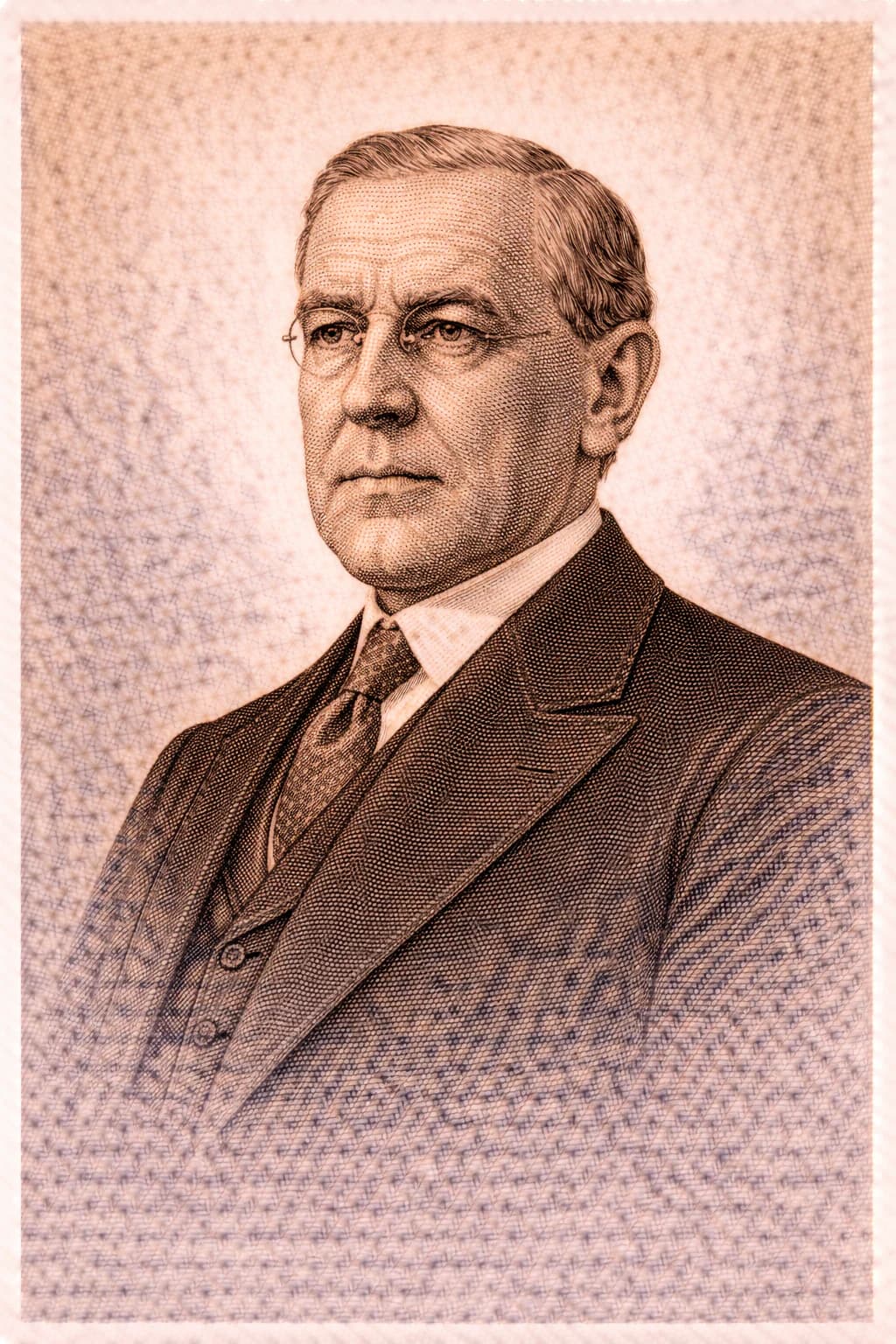
What you’ll learn: You’ll understand how the First World War became a global industrial conflict, why it was so hard to end, and how its aftermath helped create the unstable world of the twentieth century.
Key forces

Why World War I Started
1914 CE
Step 1 of 101914 CEAccessible mode

Why World War I Started

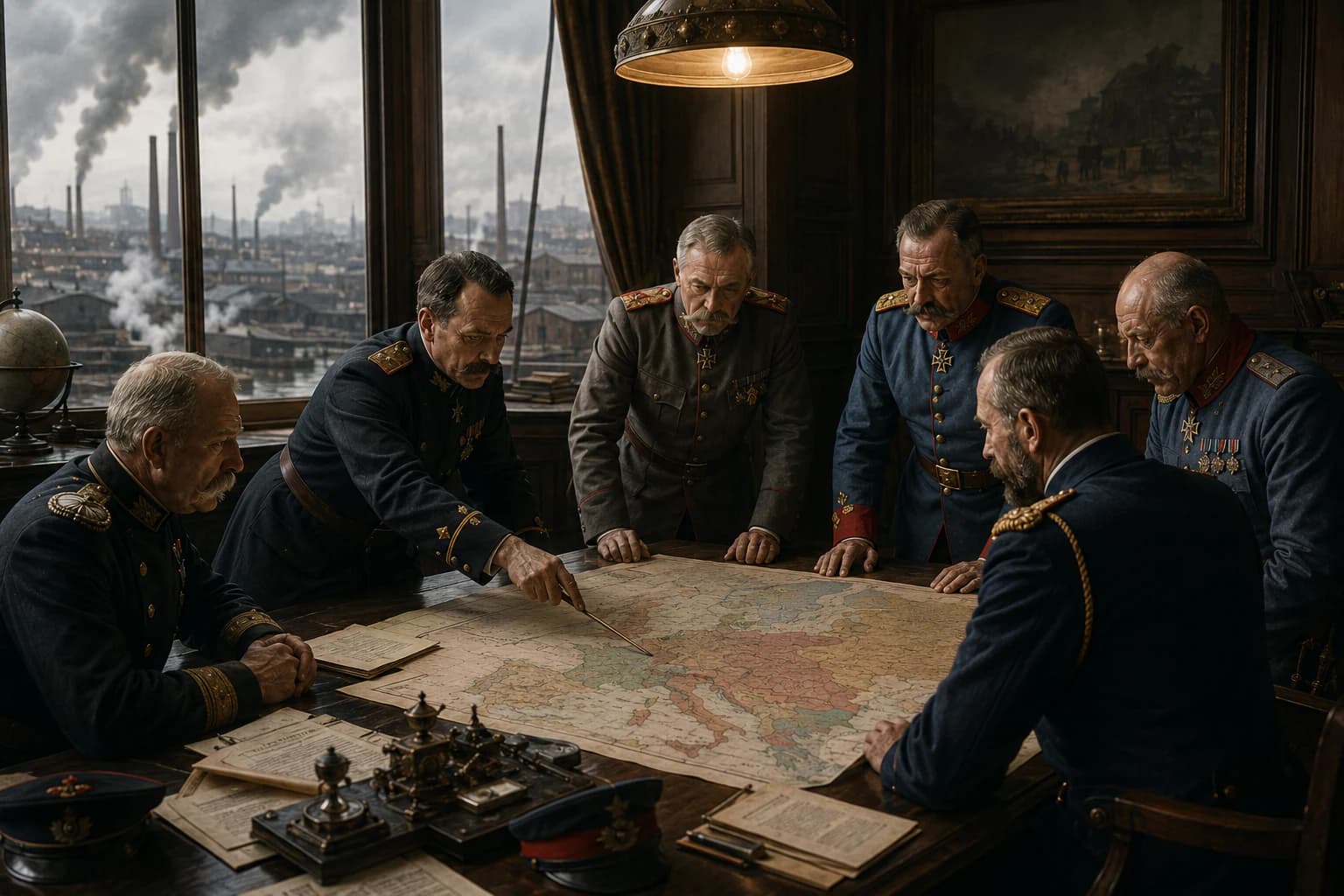
By 1914, Europe looked strong and modern. Under the surface, it was tense, divided, and ready to explode.

The causes of the First World War included rival alliances, militarism, imperial competition, nationalism and instability in the Balkans. For years, the biggest powers had built rival alliance systems. Germany and Austria-Hungary stood together. France and Russia did too. Britain moved closer to France and Russia.

At the same time, armies grew larger, navies expanded, and war plans were drawn up in detail. Leaders feared falling behind their rivals.

Europe was armed, suspicious, and waiting for a spark.

Competition overseas made things worse. Britain, France, and Germany competed for colonies, trade, and power. Nationalist anger also grew, especially in the Balkans, where empires ruled many unhappy peoples.

This changed daily life because whole societies were being shaped for conflict. Taxes, industry, schools, and politics all fed ideas of military strength and national pride.

That is why one crisis in 1914 could trigger a continental war. The system was already unstable, and modern alliances could turn a local fight into a disaster.

Sarajevo Ignites the Crisis
1914 CE
Step 2 of 101914 CEAccessible mode

Sarajevo Ignites the Crisis

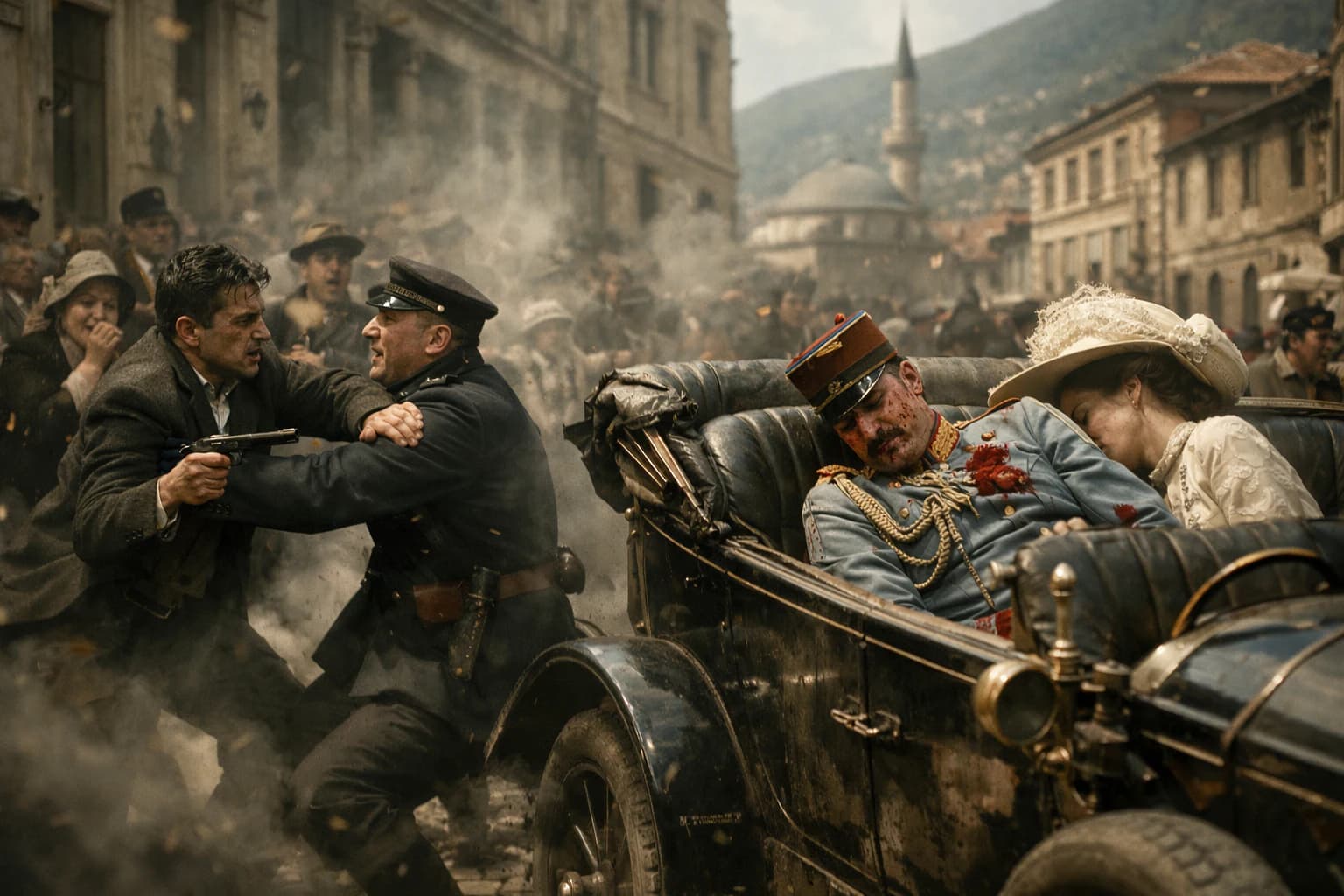
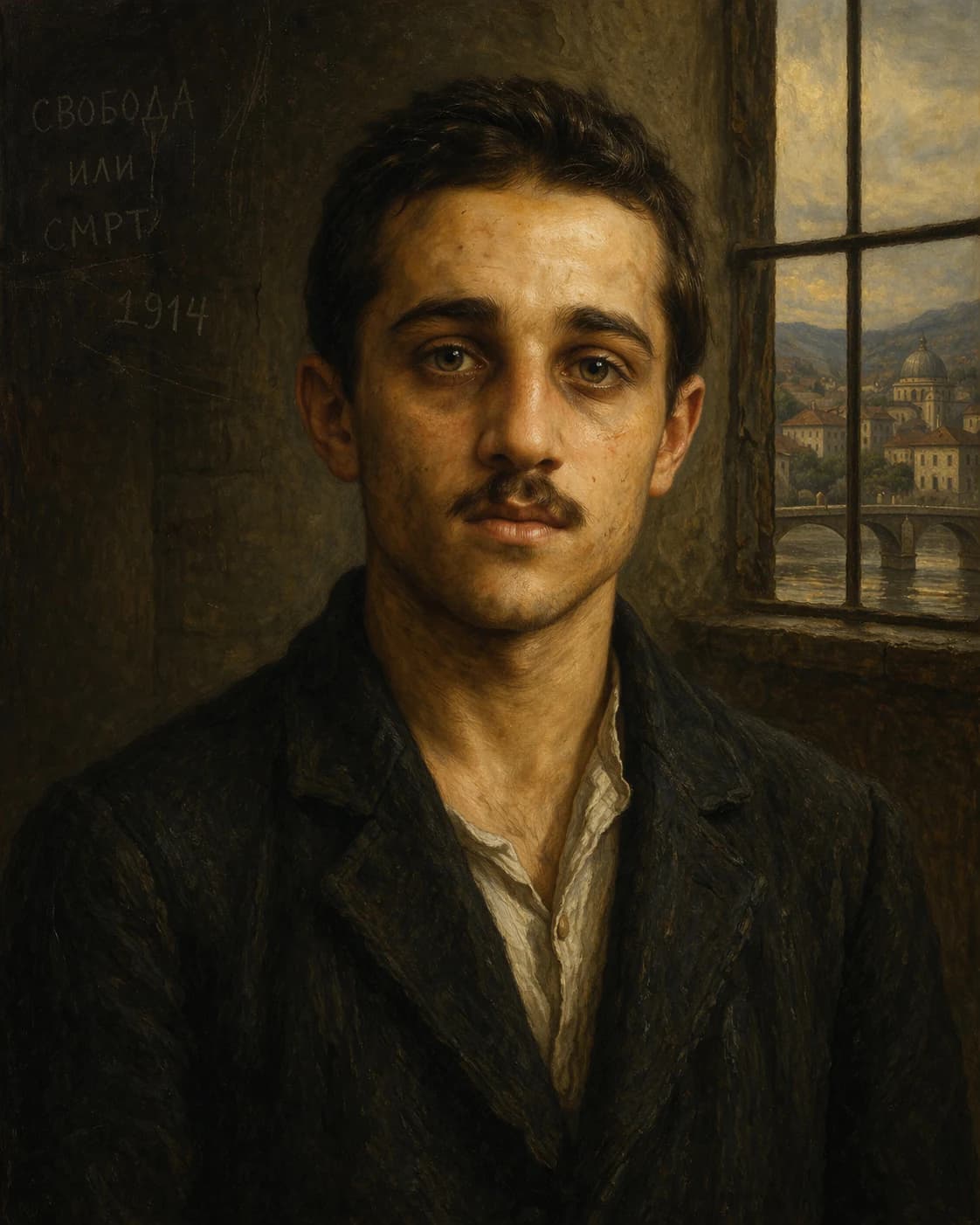
One killing in Sarajevo did not automatically start a world war. It became one because powerful governments kept choosing to raise the stakes.

Before June 1914, Europe was tense but still at peace. Big powers had armies, alliances, and old fears, especially in the Balkans.

After Archduke Franz Ferdinand was assassinated, Austria-Hungary blamed Serbia and wanted to crush it. Germany backed Austria-Hungary, while Russia felt pressure to protect Serbia.

The murder lit the fuse, but leaders carried the fire from capital to capital.

Austria-Hungary sent Serbia a harsh ultimatum. Serbia accepted most of it, but not all. Austria-Hungary declared war. Russia began to mobilise. Germany answered with its own threats and plans.

France supported Russia. Britain hoped to stop the crisis, but once Germany invaded Belgium, London entered the war too. A regional clash had become a continental one.

This still connects to the present because it shows how fast alliances, fear, and rigid military plans can turn one violent event into a much bigger disaster.

War Spreads Across Continents
1914 CE
Step 3 of 101914 CEAccessible mode

War Spreads Across Continents

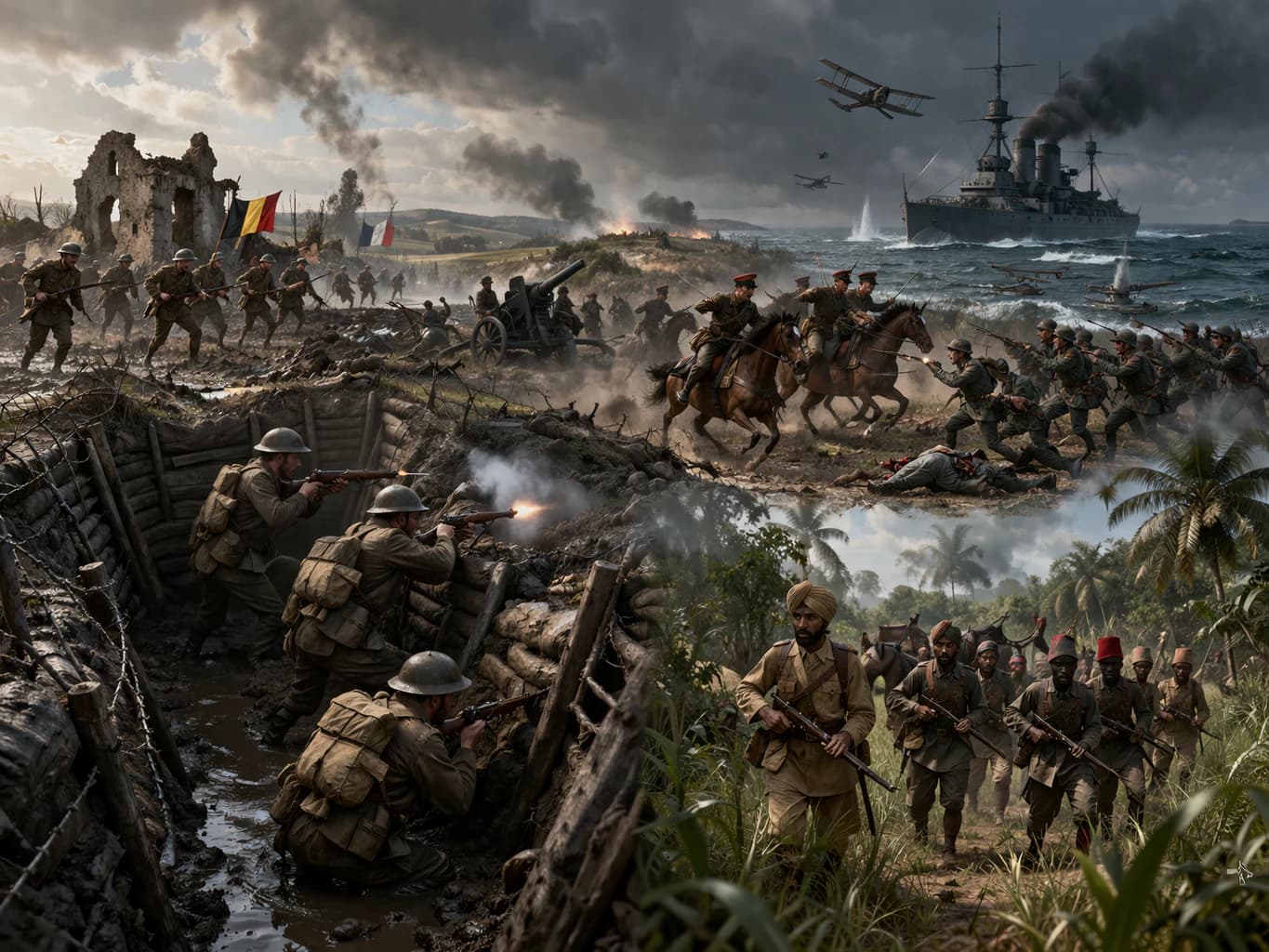
What began as a crisis in Europe did not stay there for long. In months, the war reached oceans, colonies, and people far from the capitals that had declared it.

At first, many saw the fighting as a European struggle between rival empires and alliances. But those empires ruled land and people across the world.

Germany invaded Belgium and pushed into France, while huge battles opened in the east against Russia. Because Britain, France, and Germany had colonies, soldiers, ships, and supplies were pulled in from many places.

A war planned in Europe quickly drew in the world.

Indian troops fought for Britain, African territories became battle zones, Japan moved against German holdings in Asia, and navies hunted each other across distant seas.

This changed the war completely. Millions of people who had little say in European politics now carried its costs, from battlefields to ports and farms.

It helps explain why the First World War was truly global. Its reach reshaped colonies, empires, and international power long after 1914 ended.

The Trenches Harden
1915 CE
Step 4 of 101915 CEAccessible mode

The Trenches Harden

The war was supposed to be quick. Instead, both sides got stuck in the mud.

In 1914, armies expected fast victories. Soldiers marched in bright uniforms and leaders planned bold moves. But by 1915, the front lines in France and Belgium had barely shifted.

New weapons changed everything. Machine guns could cut down waves of attackers in seconds. Heavy artillery blasted the land into craters. Barbed wire slowed soldiers and left them exposed.

It became easier to defend than to attack.

To survive, soldiers dug trenches. These deep lines stretched for miles. Attacking meant climbing out, crossing open ground, and facing constant fire. Most attacks failed with huge losses.

Factories kept both sides supplied with guns, shells, and new troops. This meant the fighting could go on and on without a clear winner.

This stalemate shaped the rest of the war. It showed how modern technology could trap millions in a long, grinding conflict, something still studied in wars today.

Verdun and the Somme
1916 CE
Step 5 of 101916 CEAccessible mode

Verdun and the Somme

In 1916, two huge battles showed how the war had turned into a test of pain, stamina, and survival. and became names people would never forget.

By then, the Western Front was stuck. Long trenches, barbed wire, and machine guns made quick victories almost impossible.

Leaders still believed they could win by draining the other side of men, shells, and willpower. That idea shaped both battles.

The goal was no longer just to move forward. It was to make the other army break first.

At , Germany attacked a place France felt it could never give up. At , Britain and France launched a massive offensive, hoping to relieve and smash German lines.

Instead, both battles became slaughter. Hundreds of thousands were killed or wounded, while gains on the ground stayed small.

and still shape how people remember the First World War: not as fast movement, but as a grinding struggle where endurance itself became a weapon.

Total War on Society
1917 CE
Step 6 of 101917 CEAccessible mode

Total War on Society

By 1917, the war was no longer only at the front. It had reached kitchens, factories, shops, and streets across Europe.

Before this, many civilians were expected to support the war from a distance. But as fighting dragged on, governments needed food, fuel, weapons, and workers on a huge scale.

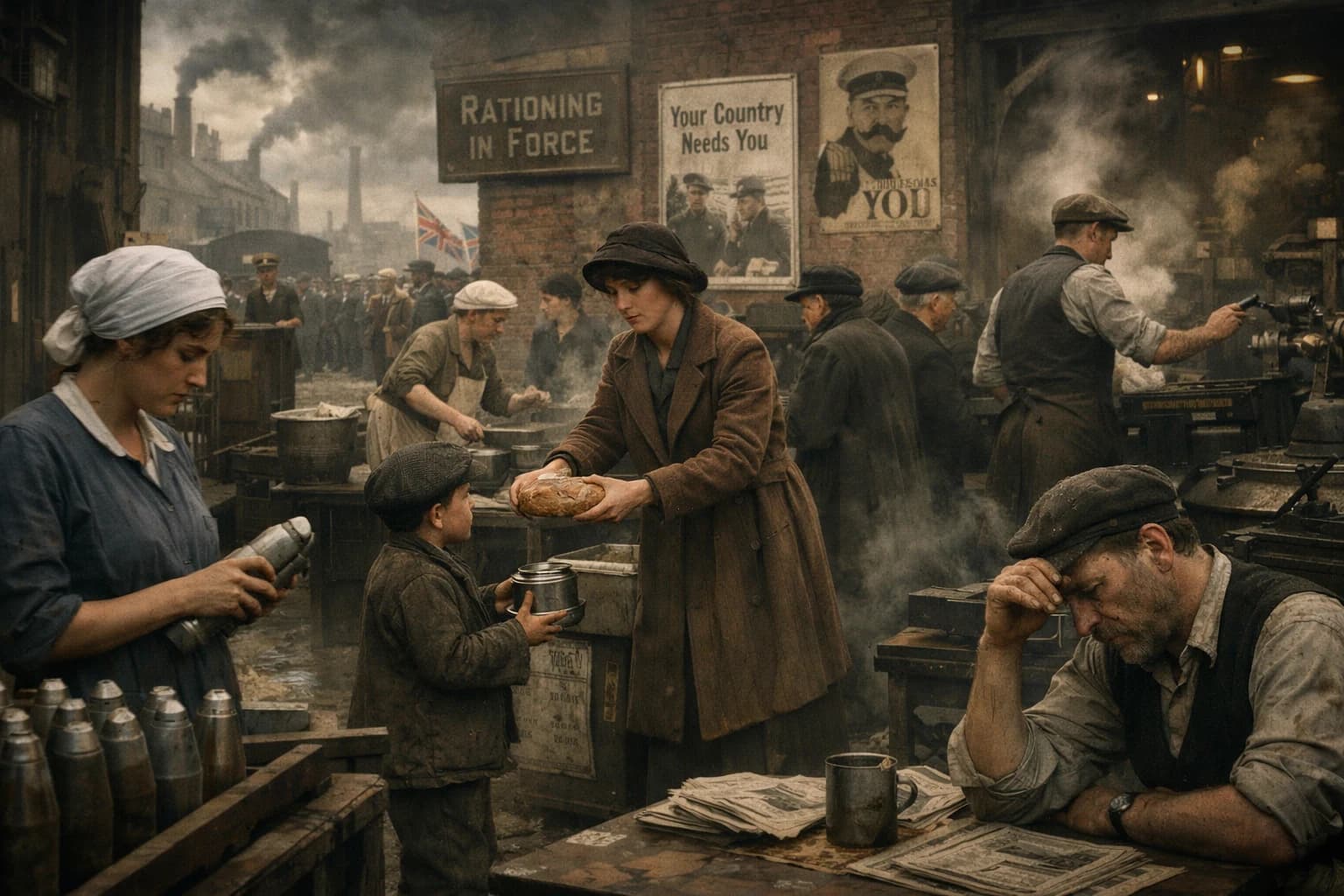
States took tighter control of daily life. They rationed bread and coal, directed industry, censored news, and flooded the public with posters and slogans to keep morale up.

The home front became a battlefield of hunger, work, and pressure.

Millions of women entered jobs once reserved for men, especially in transport, farming, and munitions. Workers were pushed harder, and strikes grew as pay, food, and hours worsened.

This changed family life and politics. Governments gained new power, but people also grew angry, tired, and doubtful.

That strain helped shake old political systems and opened the door to major change, including revolution, reform, and bigger debates over who should have a voice in society.

Revolution Breaks the East
1917 CE
Step 7 of 101917 CEAccessible mode

Revolution Breaks the East

By 1917, Russia was breaking under the weight of war. Hunger, defeat, and anger turned a huge empire into a country in revolt.

Before the revolutions, millions of Russian soldiers were badly led, poorly supplied, and exhausted. At home, food and fuel were scarce, prices soared, and trust in Tsar Nicholas II collapsed.

The war pushed every weakness into the open. Military defeats humiliated the government, while strikes and protests grew in the cities.

War did not just strain Russia. It exposed how fragile the empire already was.

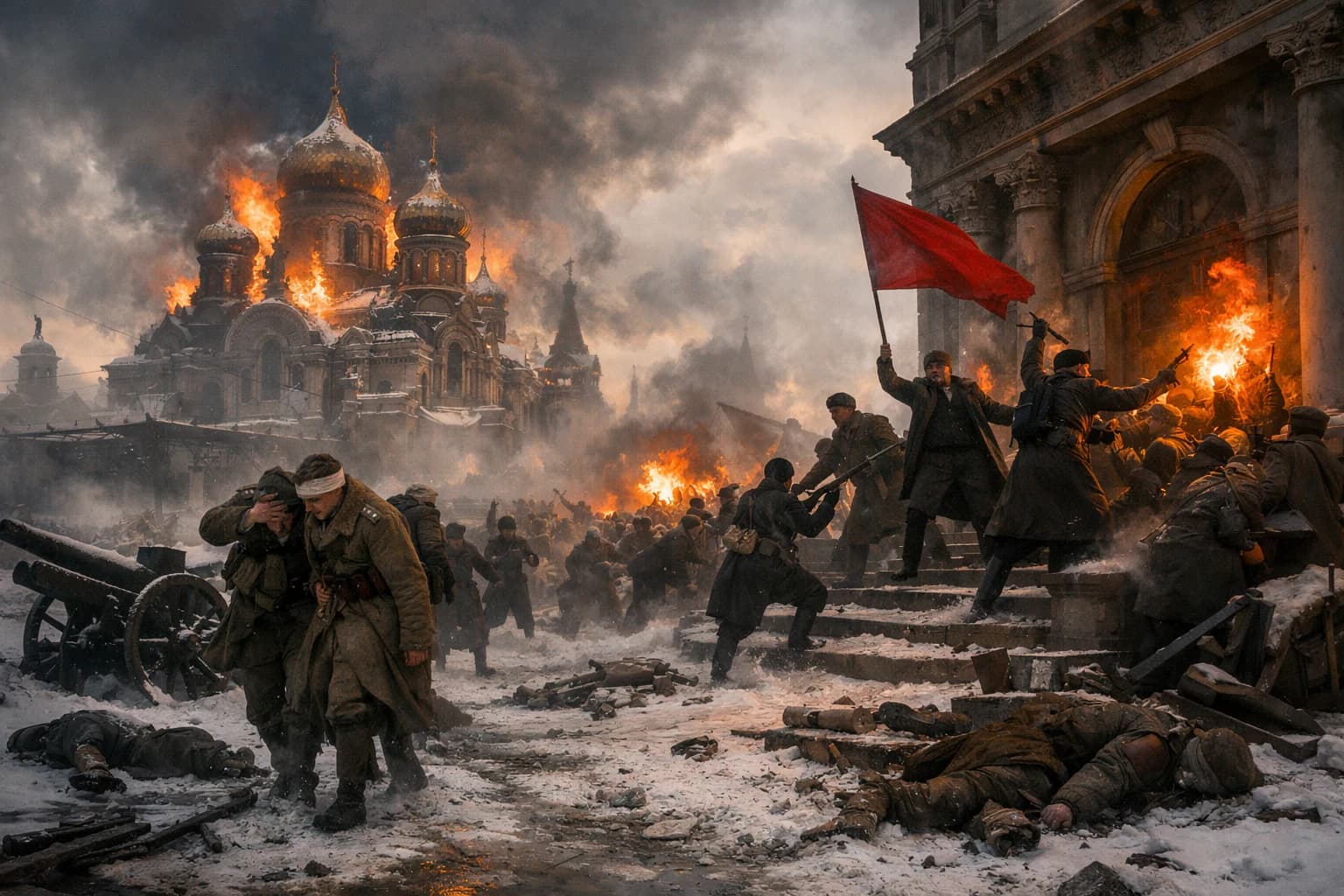
In March 1917, the tsar fell. A temporary government took over but stayed in the war. That choice ruined it. In November, the Bolsheviks seized power, promising peace, land, and bread.

Russia then pulled out of the war. For Russians, that meant civil war and a new communist state. For everyone else, it freed Germany to shift troops west.

This crisis helped shape the twentieth century. It destroyed an empire, changed the war, and opened the path to the Soviet Union.

America Enters the Struggle
1917 CE
Step 8 of 101917 CEAccessible mode

America Enters the Struggle

In 1917, the United States stopped watching the war from a distance and joined it. German submarine attacks and bigger fears about the balance of power pushed America into the fight.

Before this, many Americans wanted to stay out. But the country was already tied to the war through trade, loans, and supplies sent mostly to Britain and France.

Germany changed the situation by using unrestricted submarine warfare. Its U boats sank ships without warning, including vessels linked to American lives and business.

America did not join as a spectator. It joined as a giant.

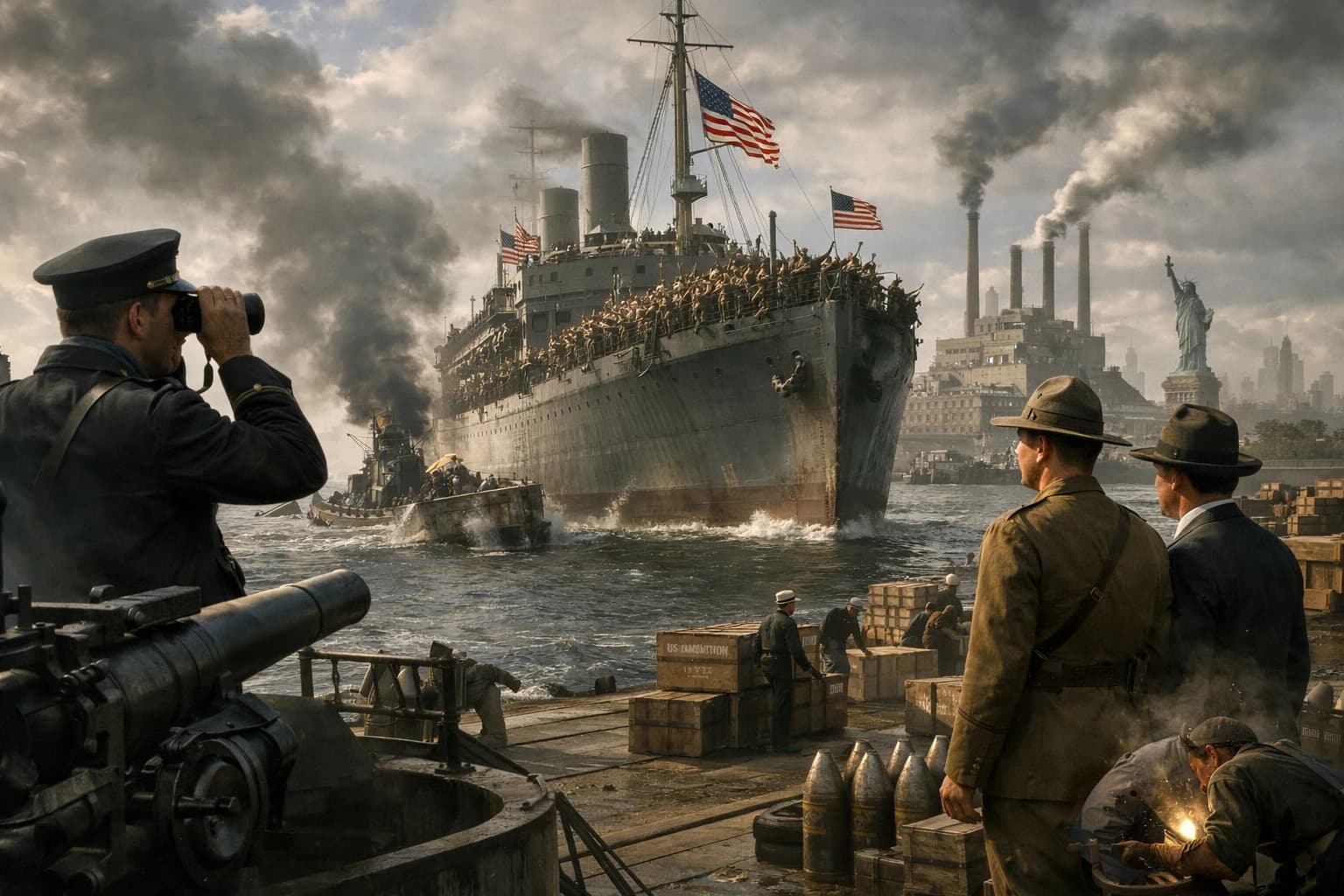
When the United States entered the war in April 1917, its army was still small. But its factories, farms, banks, and shipyards were already powerful, and they could support the Allies on a huge scale.

American troops took time to arrive in large numbers, yet American money, food, steel, and fuel helped keep Britain and France going during a dangerous period.

This still feels familiar today. Wars are shaped not only by battles, but by industry, credit, transport, and the arrival of a new great power.

Empires Fall in Defeat
1918 CE
Step 9 of 101918 CEAccessible mode

Empires Fall in Defeat

In 1918, the war stopped looking like a struggle between armies and started looking like the collapse of whole states. Old empires did not just lose battles. They began to fall apart from the inside.

By then, millions were dead, food was short, and people were exhausted. In Germany, Austria-Hungary, and the Ottoman Empire, civilians were hungry and soldiers were losing faith.

The Allies attacked hard in the final months, and the Central Powers could not keep up. At the same time, many groups inside these empires wanted their own nations, not rule from distant capitals.

The war did not only break armies. It broke empires.

Germany faced mutiny and revolution after defeat in the west. Austria-Hungary split as different peoples declared independence. The Ottoman Empire also collapsed after military failure. Russia's empire had already cracked under war, revolution, and civil conflict.

Kings, emperors, and old ruling systems lost control. New borders, new governments, and new fears appeared almost overnight.

Modern Europe and the Middle East still carry the shape of that breakdown. Many later conflicts grew from the wreckage left in 1918.

A Peace That Unsettled the Century
1918 CE
Step 10 of 101918 CEAccessible mode

A Peace That Unsettled the Century

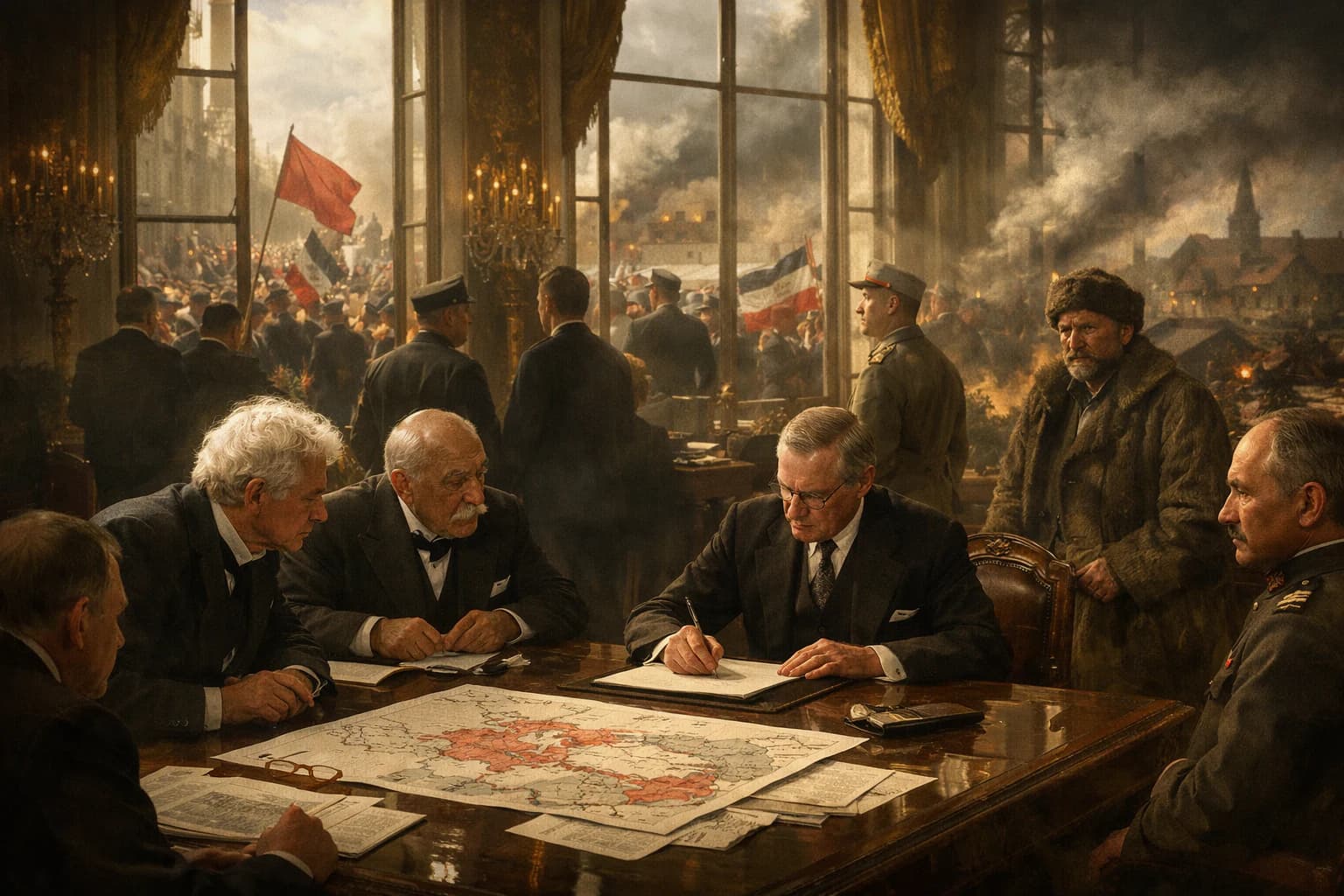
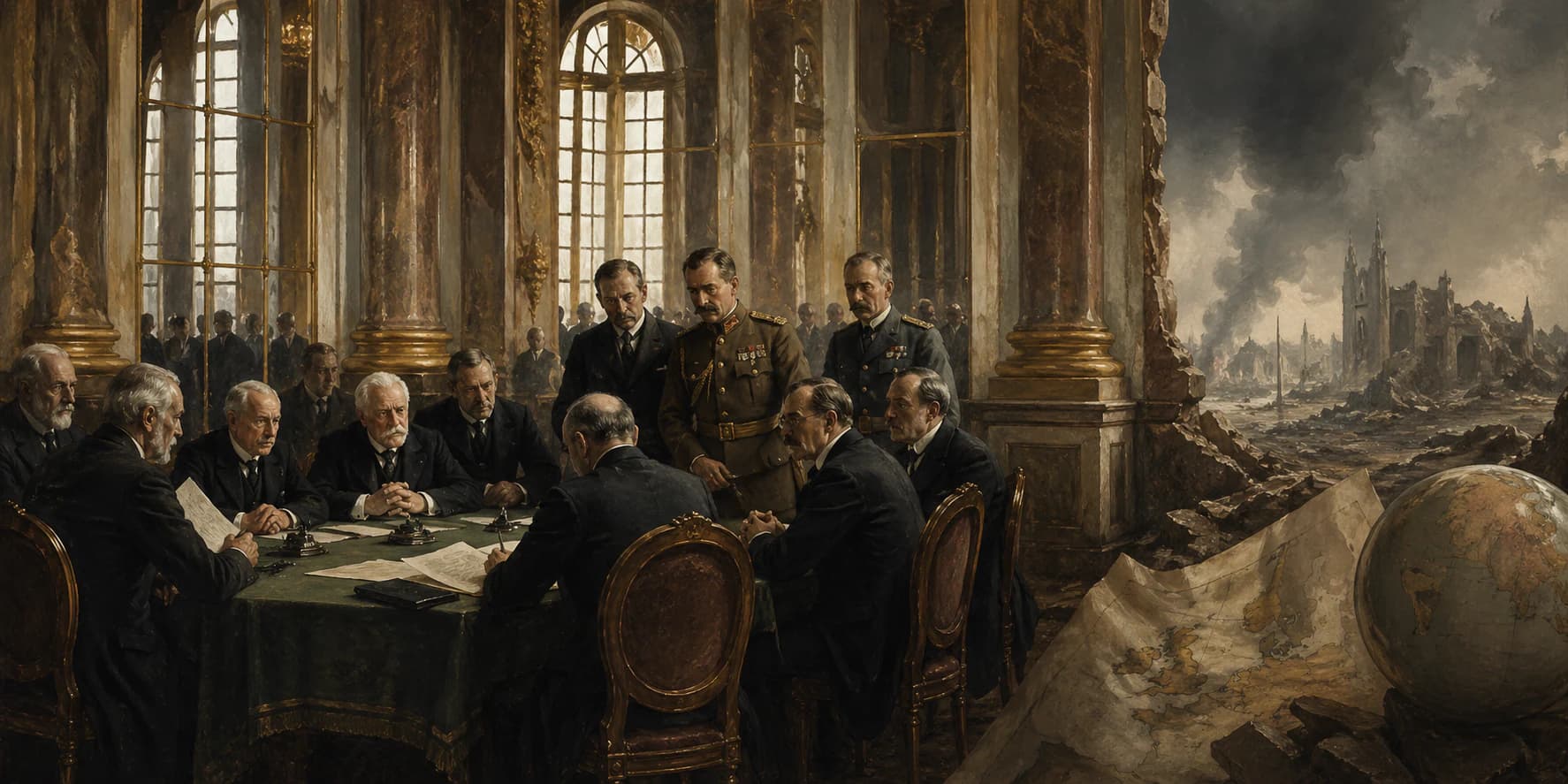
The guns fell silent in 1918, but peace did not bring real calm. In 1919, leaders tried to rebuild Europe, yet the settlement left anger and fear behind.

After four years of slaughter, millions wanted safety, food, and a fresh start. Old empires had collapsed, and whole regions were exhausted.

The victors drew new borders and created new states. They also forced Germany to accept blame, give up land, limit its army, and pay reparations.

The peace ended the war, but it did not heal Europe.

The Treaty of Versailles was meant to prevent another conflict. Instead, many Germans saw it as humiliation, while other peoples felt the new map ignored their needs.

New countries were often weak and divided. Economic crisis, ethnic tension, and fear of revolution made politics unstable across Europe.

The settlement shaped the century that followed. Its resentments and unresolved struggles helped open the road to dictatorship and another world war.

Continue reading

Finished The First World War?

Choose the next story, explore the people behind this one, or trace the line of power that shaped this world.

Browse stories

References

Sources & Further Reading

Reliable sources, primary-source collections and reading paths connected to this page.

Sources used

  1. Imperial War Museums, First World War,” Open source
  2. U.S. National Archives, World War I Records,” Open source

Further reading

  1. Margaret MacMillan, The War That Ended Peace, Random House.

Primary sources

  1. Yale Law School, Avalon Project: World War I Documents,” Open source

Image references

  1. Imperial War Museums, Collection search: First World War,” Open source

A weekly route through history

Find out first about the latest published stories, feature notes and occasional Premium offers in one weekly email.