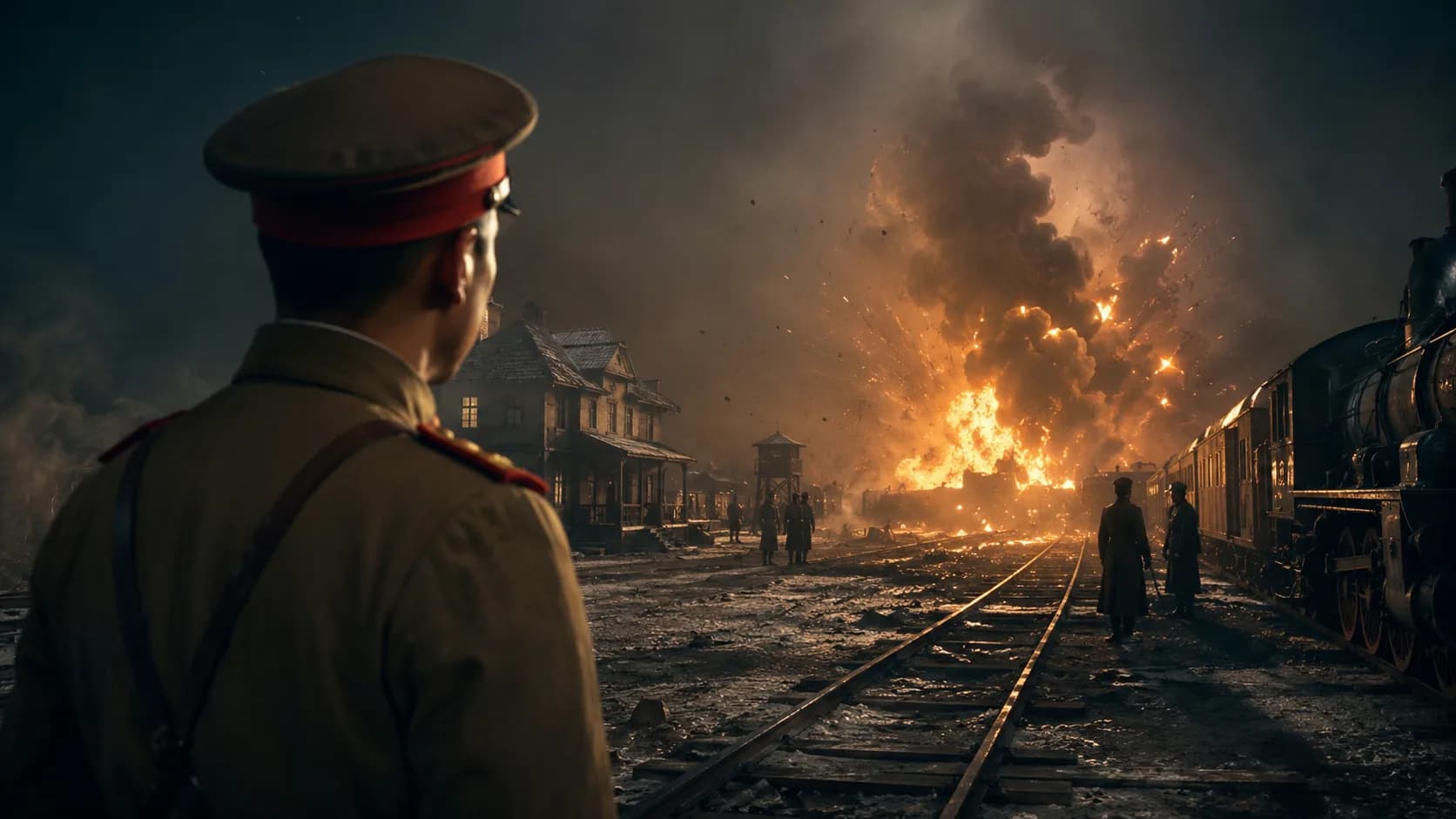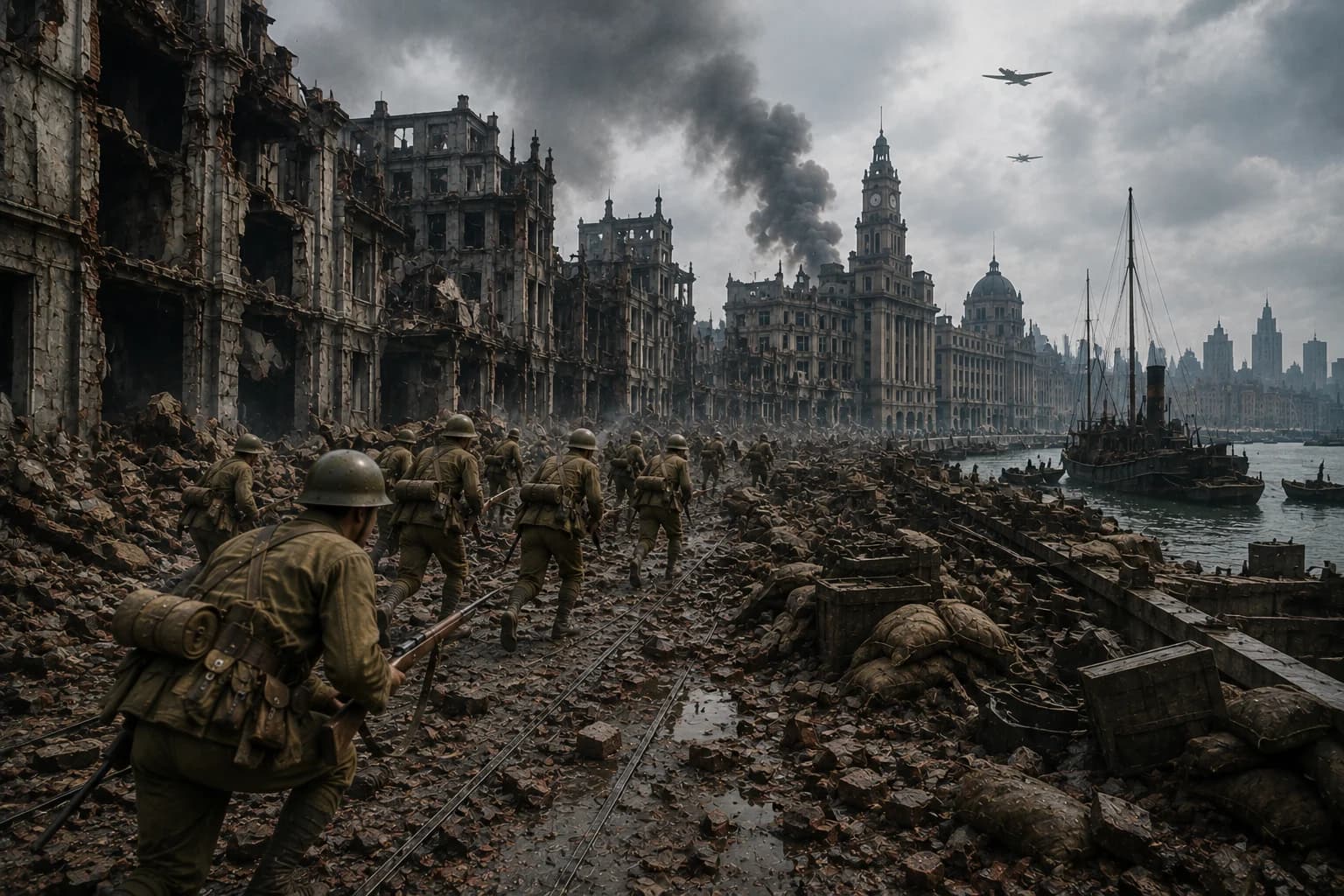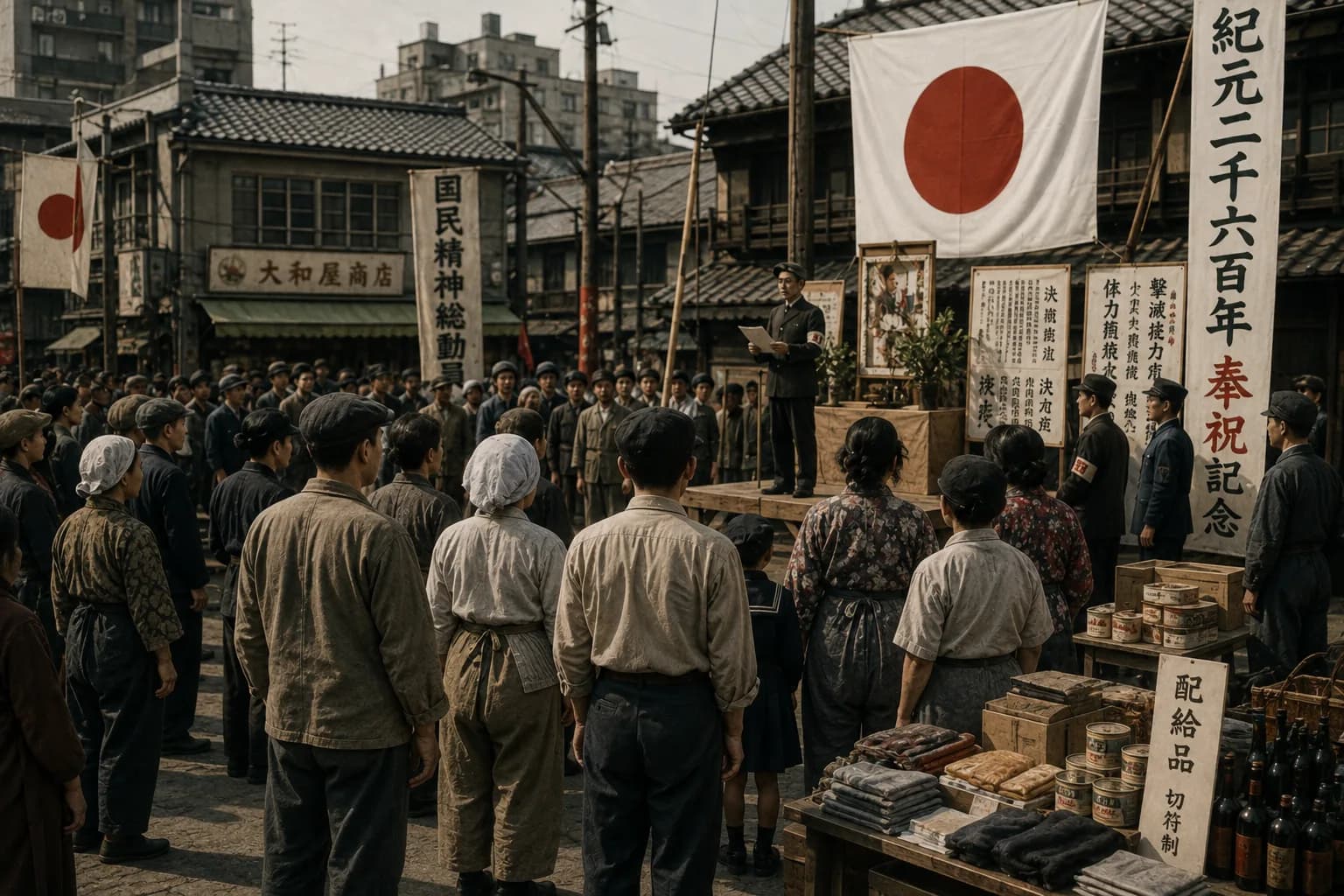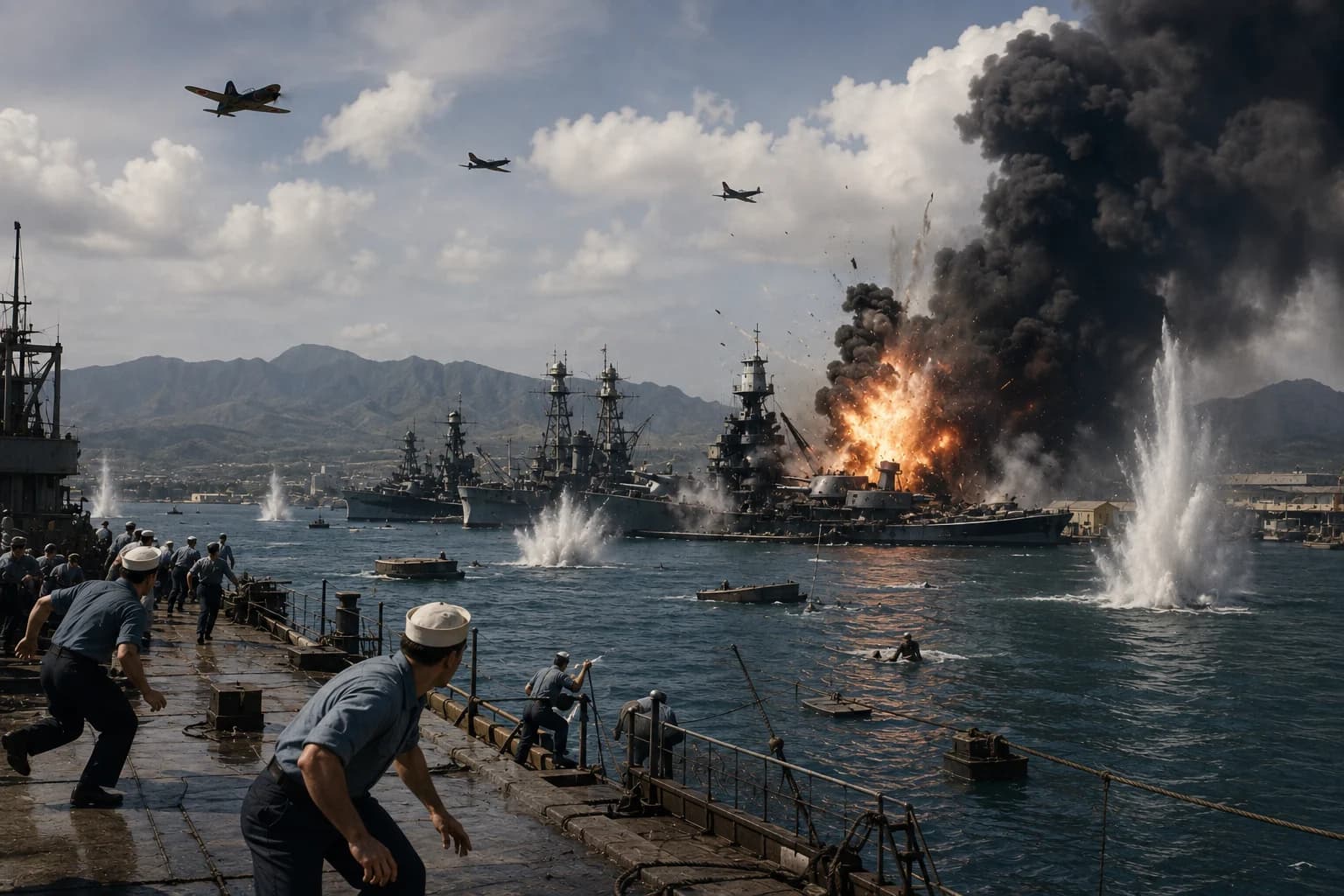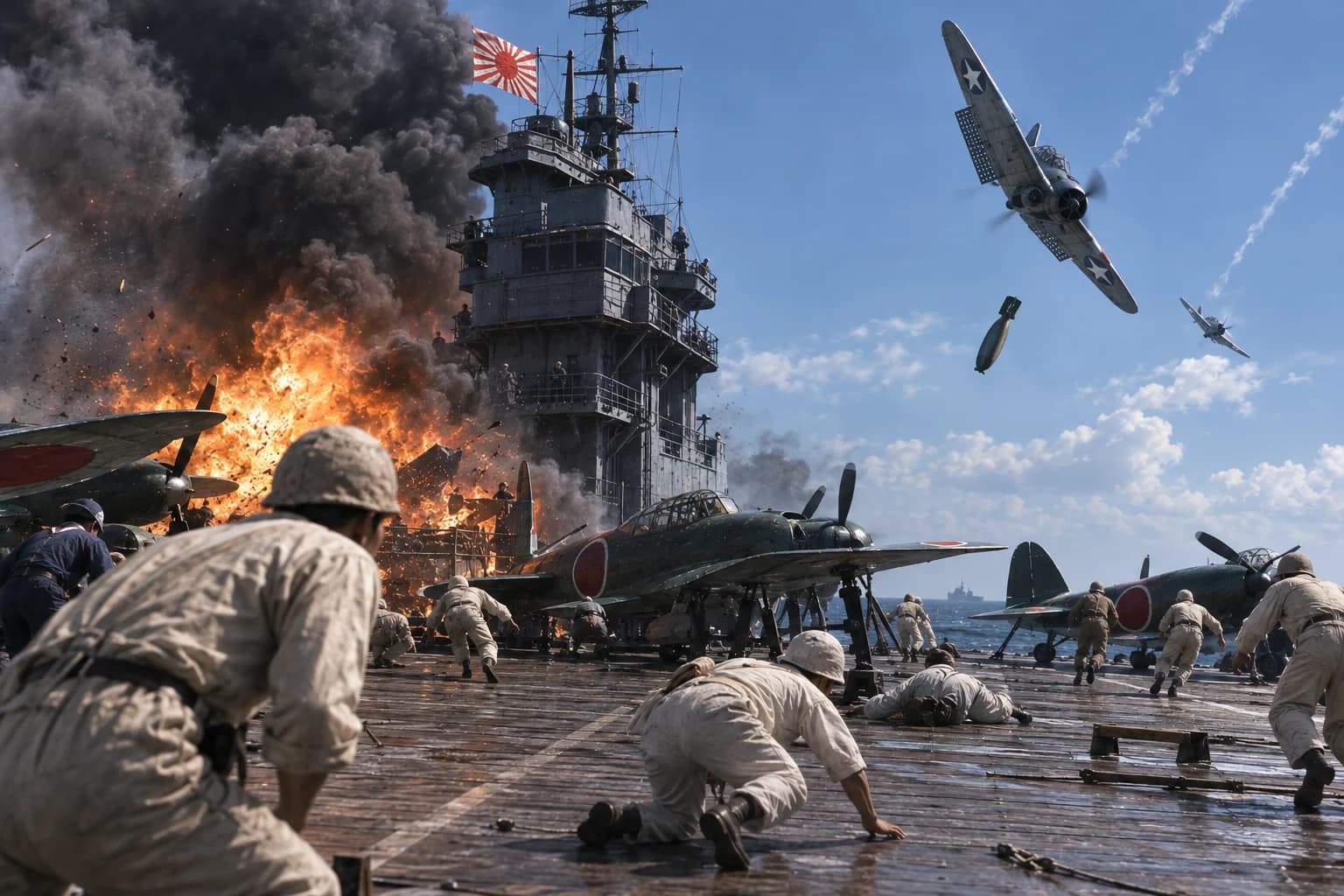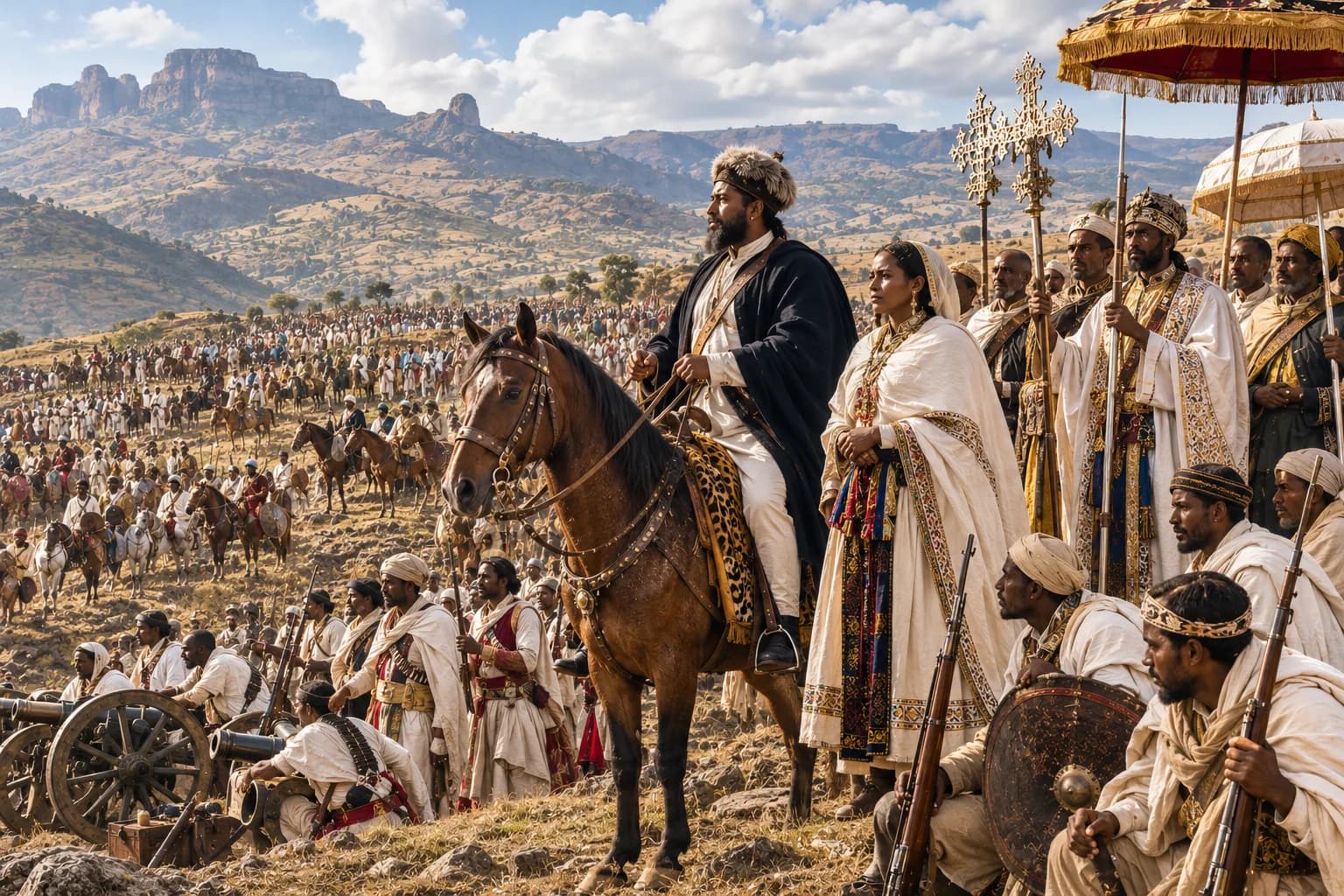
Japanese carrier aircraft on a flight deck at dawn with a warship in the background.
Premium Story

Imperial Japan

Follow Imperial Japan from Meiji state-building and empire-making to militarism, wartime mobilisation and the end of empire.

12 chapters · 20 min read

Next
Context

Introduction

What you'll learn: You will see how Japan's modern state became an empire, how the military gained political momentum, and why the search for security and resources ended in catastrophic defeat.

Key forces

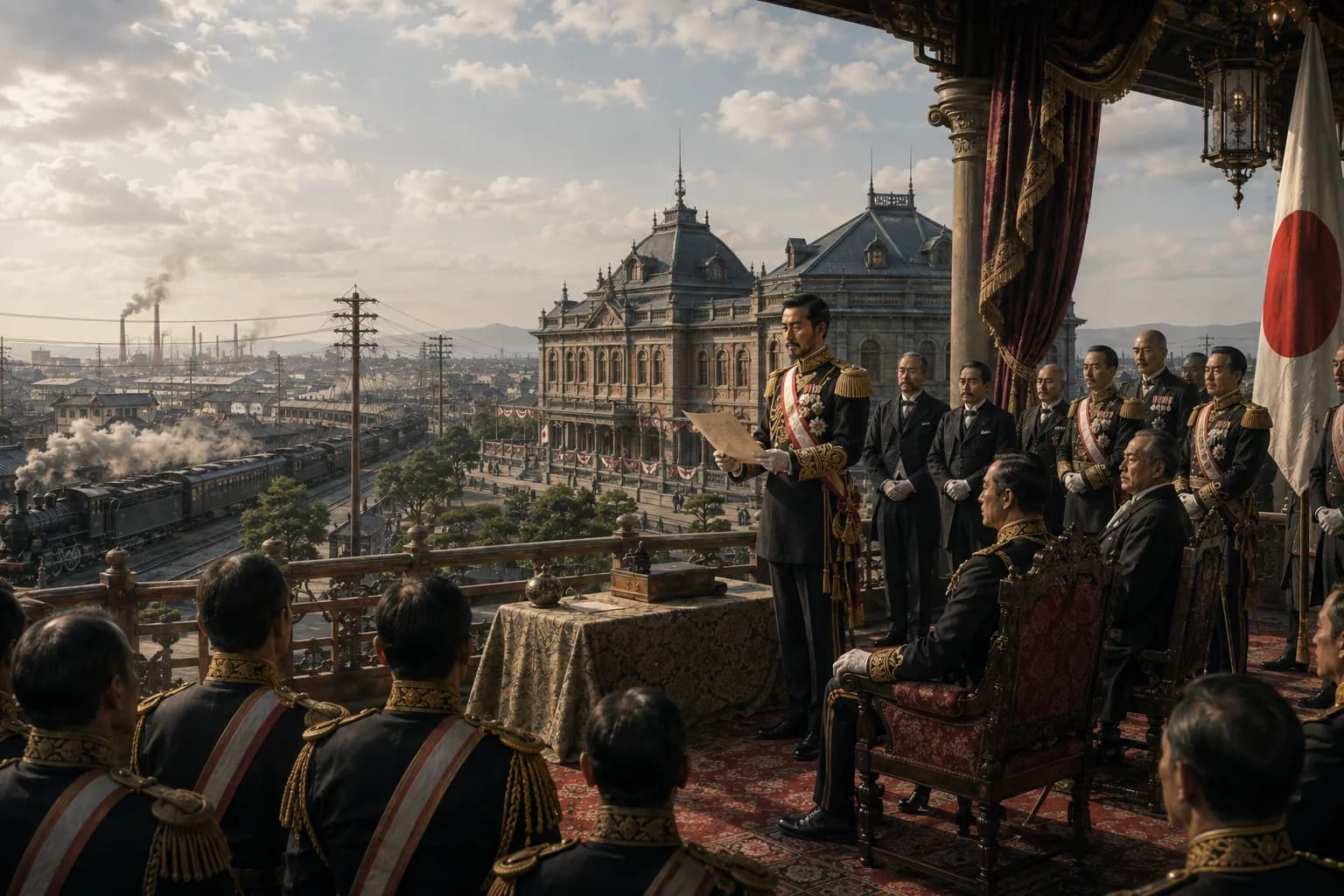
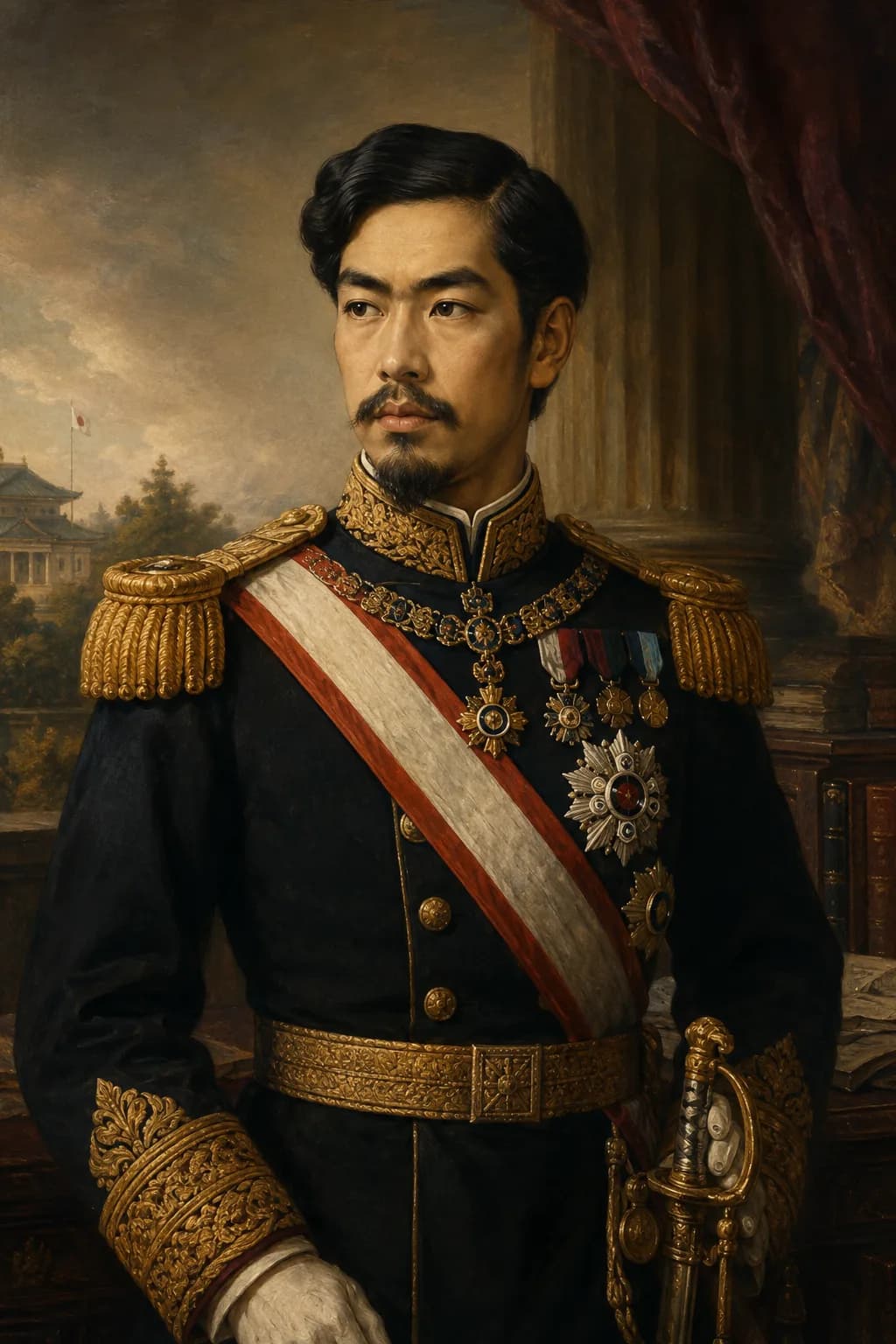
Emperor Meiji and officials overlooking a modernising Japanese city with railways, factories and imperial ceremony.
1868 CE
Step 1 of 111868 CEAccessible mode

The Meiji Restoration

In 1868, the Meiji Restoration began the transformation of Japan into a centralised, modern state.

Power was reorganised around the emperor, and the old domains of the Tokugawa order were replaced by a stronger national government. Reformers believed Japan had to change quickly or risk domination by foreign powers.

The state encouraged industrialisation, built railways and factories, reformed education and adopted selected Western-inspired institutions. Modern government was treated as a tool of national survival.

Conscription was especially important. A national army tied military power to the central state and made defence, discipline and service part of the new political order.

Modernisation was not just reform. It was preparation for survival in an imperial world.

The Meiji settlement therefore gave Japan the foundations of Imperial Japan: a centralised state, a modern military and a determination to compete with the empires that dominated the nineteenth-century world.

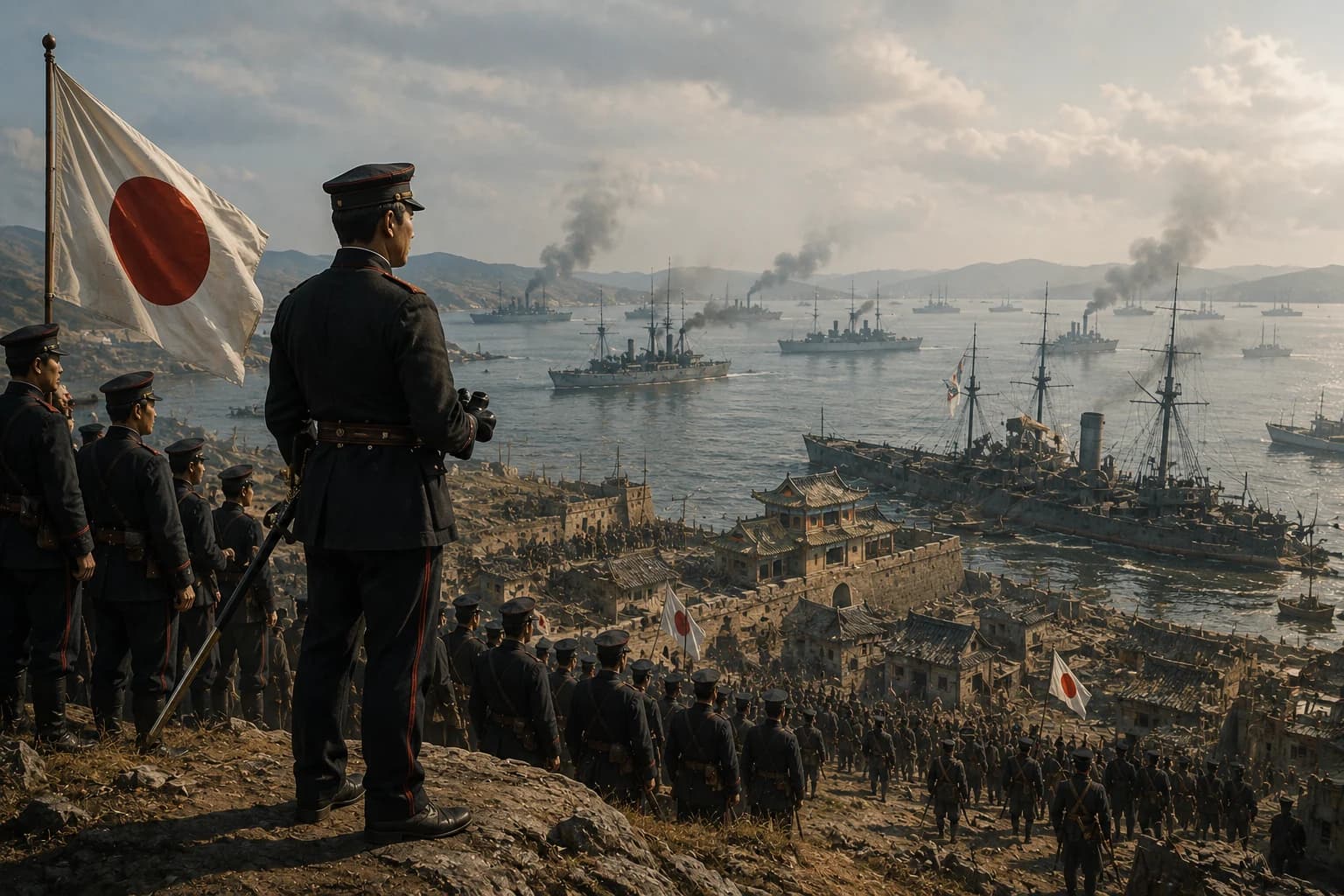
Japanese troops overlooking a harbour after victory in the First Sino-Japanese War.
1895 CE
Step 2 of 111895 CEAccessible mode

The Birth of a Japanese Empire

In 1895, victory in the First Sino-Japanese War showed that Japan's modernisation had become imperial power.

Japan defeated Qing China in a conflict fought over influence in . The result shocked East Asia and announced that Japan was no longer a vulnerable outsider to the imperial order.

The Treaty of Shimonoseki gave Japan and other gains, while was pulled further into Japan's sphere of influence. Overseas possession became part of Japan's national future.

The war strengthened the belief that modern industry, a conscript army and a modern navy could deliver security and status. Victory seemed to prove that national survival depended on expansion.

Modernisation had given Japan power. Empire gave that power a direction.

An ideology grew around this success. National strength, imperial prestige and leadership in East Asia became linked, creating a pattern that would shape Japanese politics for decades.

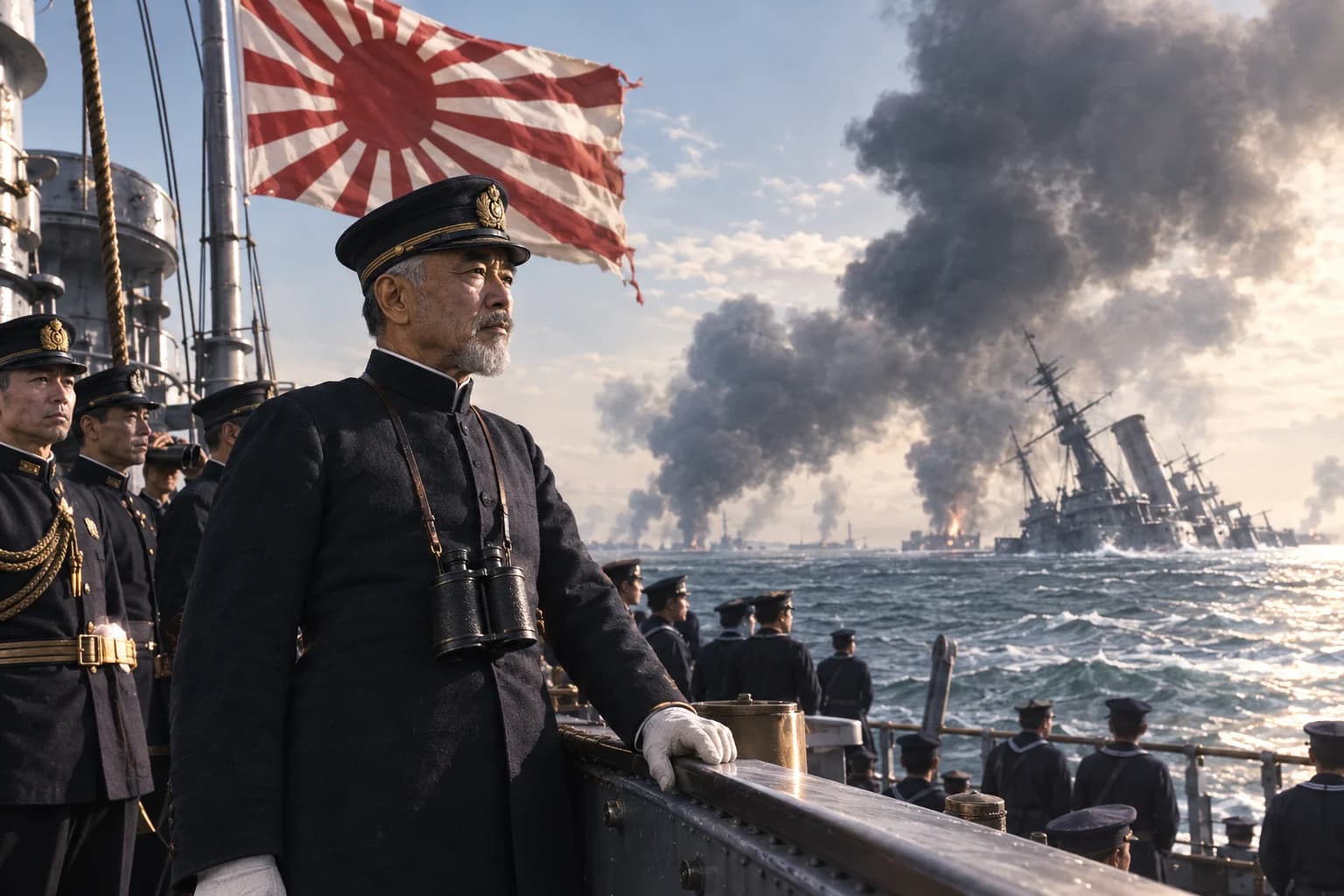
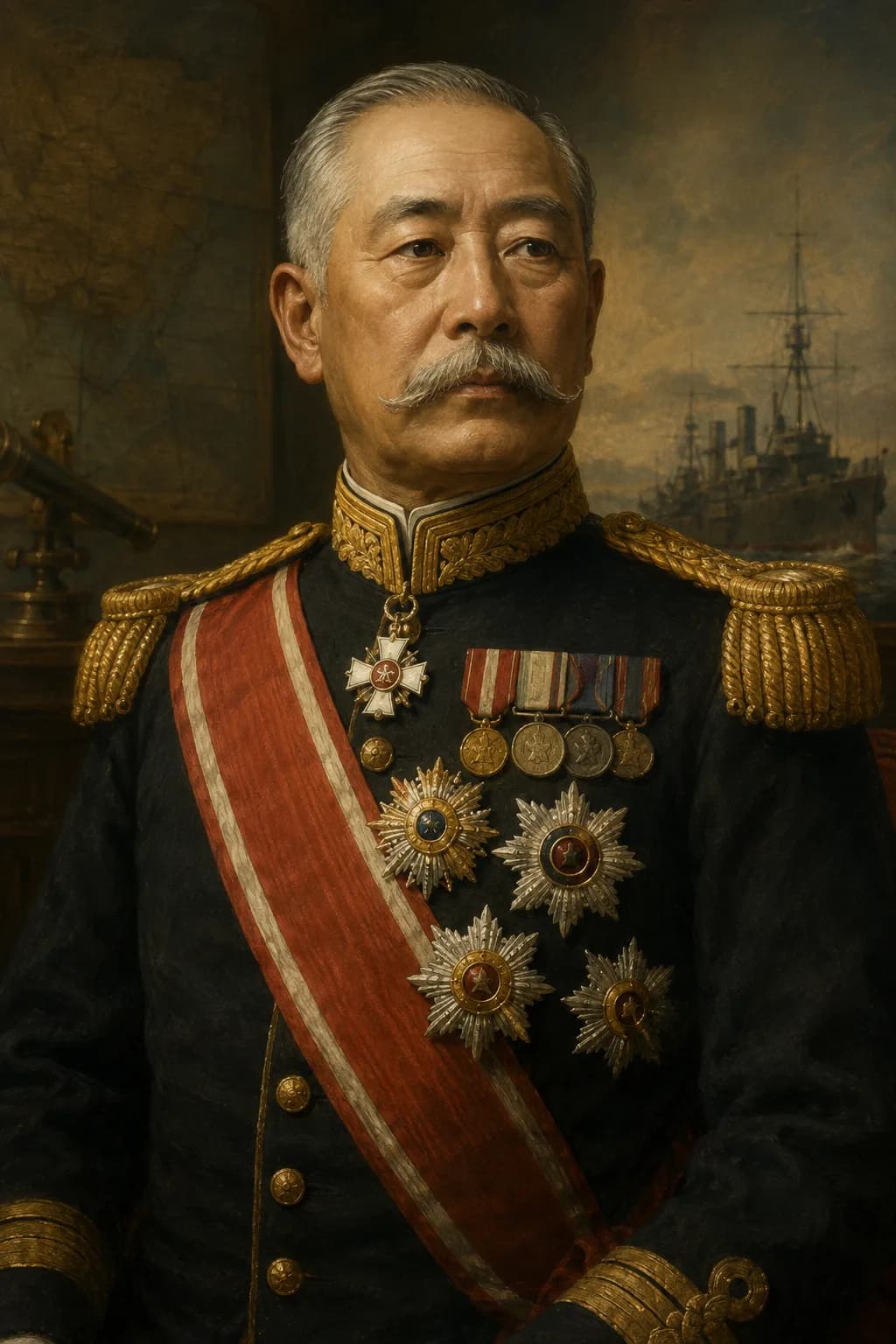
A Japanese admiral watches smoke rise from damaged Russian warships after naval victory.
1905 CE
Step 3 of 111905 CEAccessible mode

Victory Over Russia

In 1905, Japan defeated Russia and proved that it could challenge a European great power.

The Russo-Japanese War was fought over influence in and . Japan's victory gave it a stronger position in both places and greatly increased its international standing.

The defeat of Russia carried enormous symbolic weight. A modern Asian power had beaten one of Europe's great empires in a major war.

At home, victory fed nationalism and pride in the army, navy and emperor-centred state. Many people believed Japan had earned a dominant role in East Asia.

Russia's defeat made empire feel like Japan's reward for modern strength.

But success also raised expectations. and became central to Japanese strategy, and the idea that expansion secured national destiny became harder to restrain.

Premium

You've reached the turning point

The opening chapters show Meiji Japan turning modernisation into imperial power. Premium follows the system under strain: militarism, mobilisation, occupation, war economy and defeat bring the empire to collapse.

Continue into the reversals, crises and human stakes that make the story matter.

Unlock full story

What Premium unlocks next

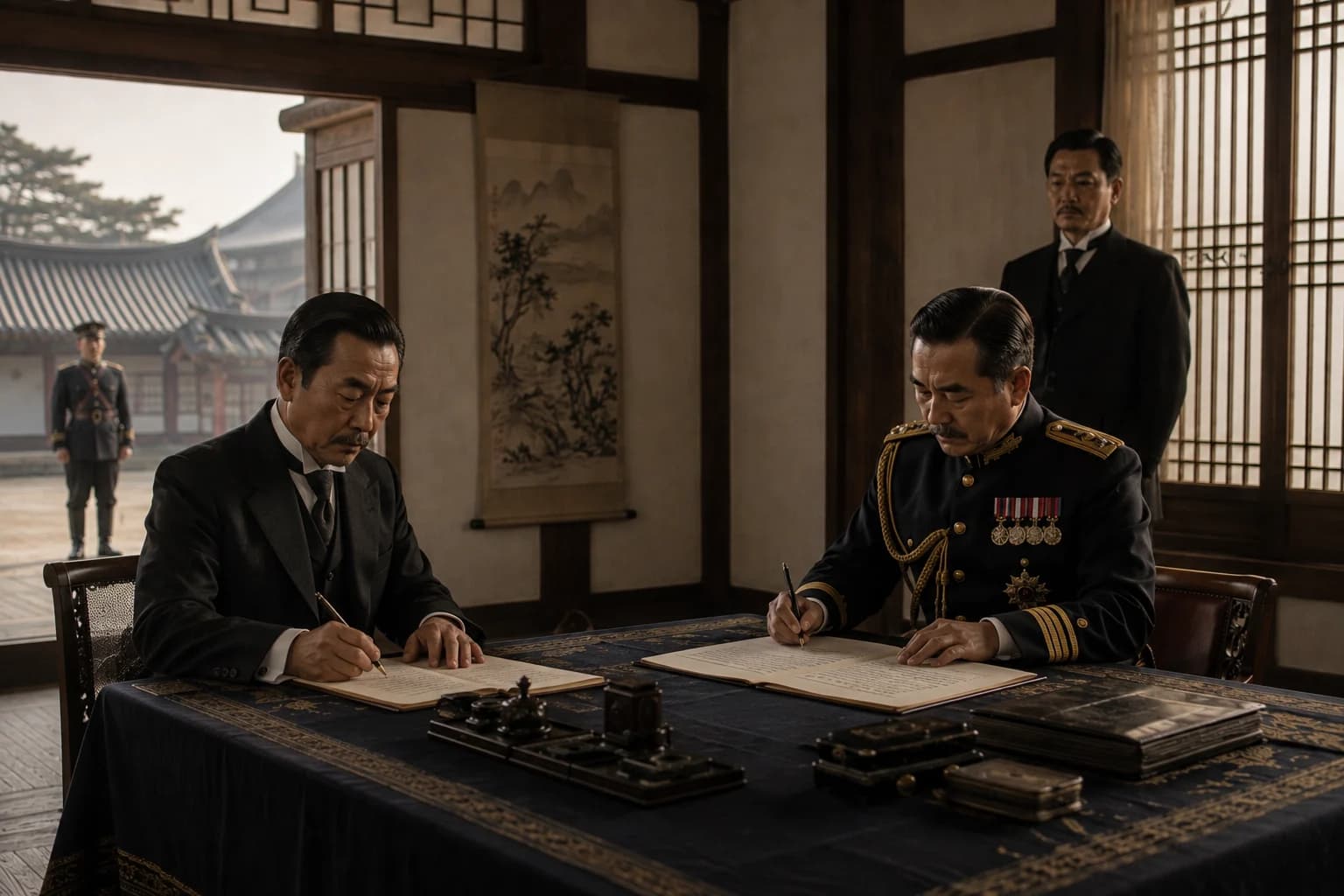
  1. 4The Annexation of Korea
  2. 5Militarism Takes Hold
  3. 6The War for a New Order in Asia
  4. 7The Imperial State at Home
  5. 8The Greater East Asia Co-Prosperity Sphere
  6. 9Empire Under Strain
  7. 10The Imperial System Unravels
  8. 11Surrender and the End of Empire

Browse stories

Browse stories for free

Explore the people connected to this turning point or enjoy one of our free stories.

Unlock full storyBrowse stories

References

Sources & Further Reading

Reliable sources, primary-source collections and reading paths connected to this page.

Further reading

  1. Encyclopaedia Britannica, Search results for Imperial Japan,” Open source
  2. WorldCat, Library holdings for Imperial Japan,” Open source

Primary sources

  1. Library of Congress, Search results for Imperial Japan,” Open source

Reviewed claim sources

Loading reviewed claim sources...

A weekly route through history

Find out first about the latest published stories, feature notes and occasional Premium offers in one weekly email.