People

Emperor Hirohito

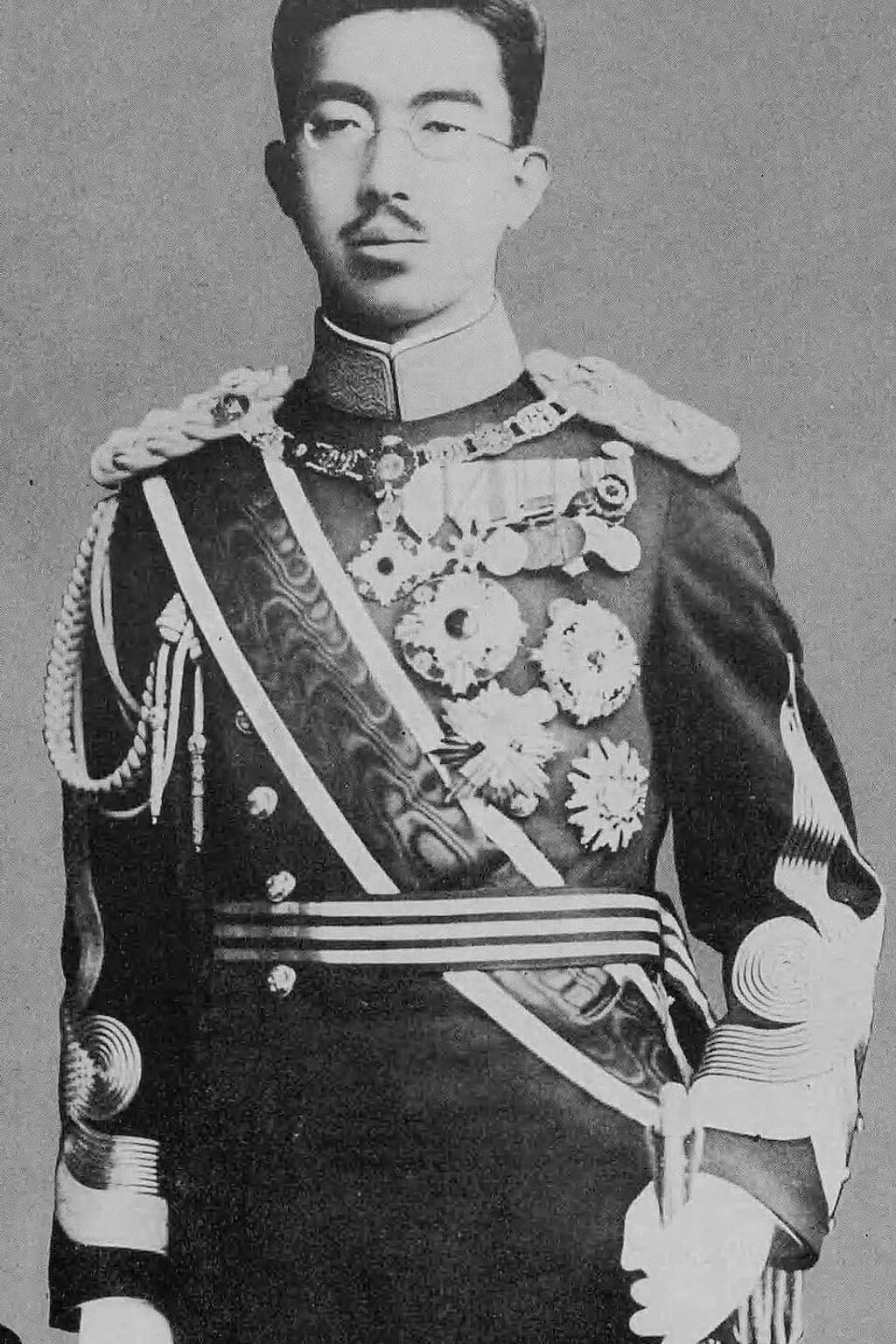
Emperor Hirohito, posthumously Emperor Showa, reigned over Japan from 1926 to 1989. His life spans militarism, the Second World War, surrender in 1945, Allied occupation, constitutional monarchy and Japan's postwar recovery.

Born
1901 CE
Died
1989 CE
Role
Japanese emperor during World War II

Japanese emperor during World War II (1901–1989)

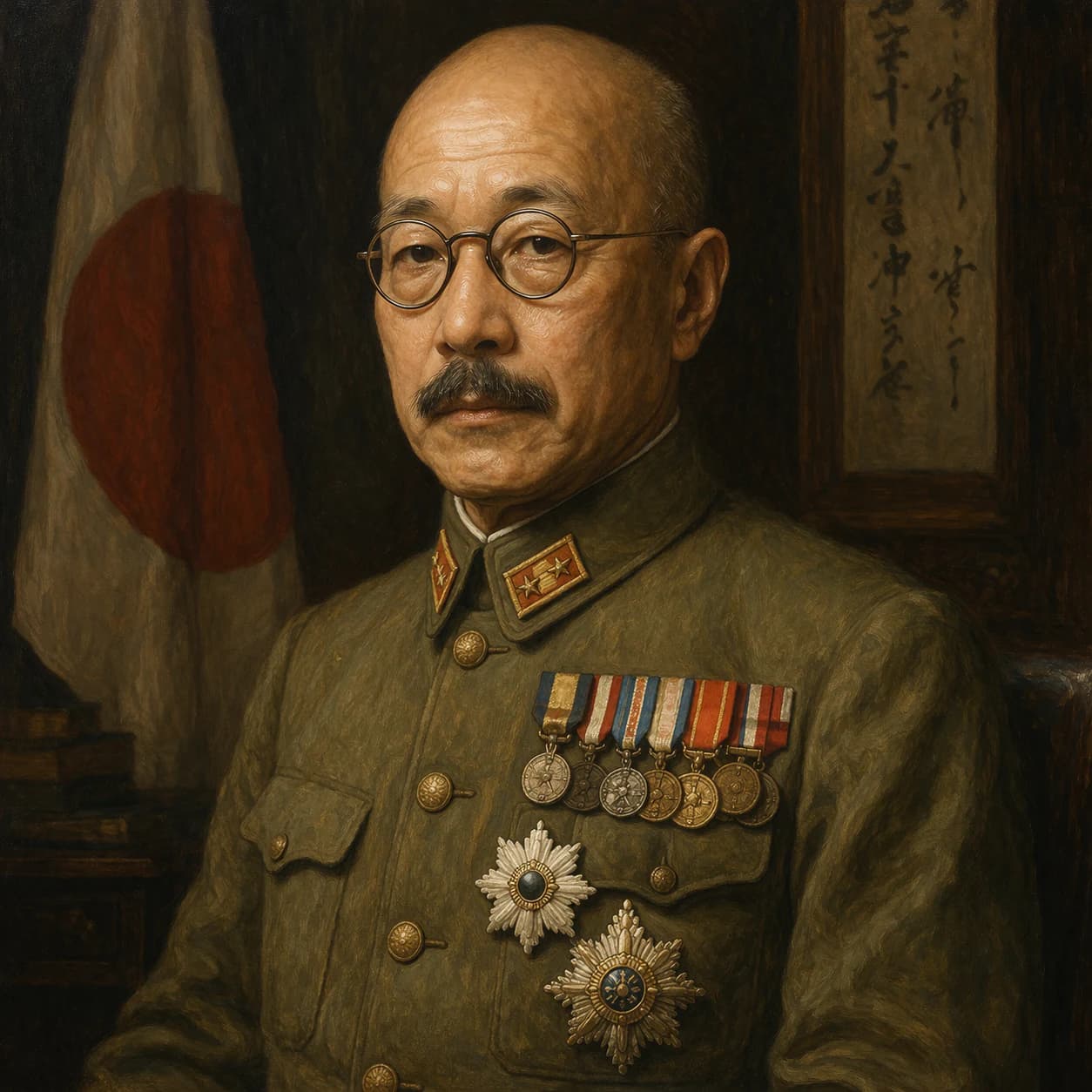
Portrait photograph of Emperor Hirohito
Historical photograph

A real historical or editorial image is used here. Source, licence and transformation details are publicly recorded. Image policy Attribution

Quick answer

Emperor Hirohito, posthumously Emperor Showa, reigned over Japan from 1926 to 1989. His life spans militarism, the Second World War, surrender in 1945, Allied occupation, constitutional monarchy and Japan's postwar recovery.

Born
1901 CE
Died
1989 CE
Role
Japanese emperor during World War II
Years
1901-1989 CE
Facts

Emperor Hirohito timeline facts

Selected specifics from this profile's life story.

1901
Imperial birth

Hirohito was born in Tokyo in 1901, heir to an imperial institution that modern Japan treated as sacred, ancient and central to national identity.

1930s
Rising militarism

In the 1930s, army influence grew through violence, intimidation and expansion in Manchuria, narrowing the space for civilian politics.

1945
Surrender decision

In August 1945, after atomic bombing, Soviet entry into the war and internal deadlock, Hirohito intervened for surrender and spoke to the Japanese public by radio.

After 1989
Complex legacy

Hirohito's legacy remains unresolved: he is tied both to Japan's wartime empire and to the peaceful constitutional state that emerged after defeat.

Life Journey

From imperial rule to symbolic leadership

Follow the story in a more continuous narrative, with a reading mode that matches how much depth you want.

Complete chronology

1901

Imperial birth

Hirohito was born on 29 April 1901, the eldest son of Crown Prince Yoshihito, later Emperor Taisho. Japan had modernized with astonishing speed since the Meiji Restoration, building a constitutional state, an army, a navy and an empire while placing the emperor at the symbolic center of national life. Hirohito's childhood reflected that world. He was separated from ordinary family life early, educated under strict supervision and trained to embody continuity rather than personality. The throne he would inherit was both constitutional and sacred in public language. That ambiguity would define his reign: the emperor was not a normal politician, yet government, army and empire acted in his name.
1910s–1921

Education and exposure

Hirohito's formation was more outward-looking than that of earlier emperors. He studied history, government, military affairs and natural science, developing a lifelong interest in marine biology. In 1921 he traveled to Europe, visiting Britain, France, Italy and other countries. The journey mattered because it exposed him to monarchies that operated with different degrees of public visibility and constitutional restraint. It also signaled Japan's arrival as a great power after victory over Russia and participation in the First World War. Yet travel did not free him from the structure around him. Hirohito returned to a Japanese state in which military prestige, imperial mystique and party politics existed in uneasy balance.

1926

Becoming emperor

Hirohito ascended the throne in December 1926 after serving as regent during his father's illness. The new reign name, Showa, suggested enlightened peace, but the decades ahead would bring the opposite. Japan's constitution gave the emperor a central place in sovereignty, while ministers, generals, admirals and court officials shaped actual policy through complex channels. This structure makes Hirohito's responsibility one of the most debated questions in modern history. He was not a dictator issuing every order, but neither was he irrelevant. He received briefings, asked questions, approved decisions and occupied the sacred apex of a system that made dissent from imperial will extremely difficult.

1930s

Rising militarism

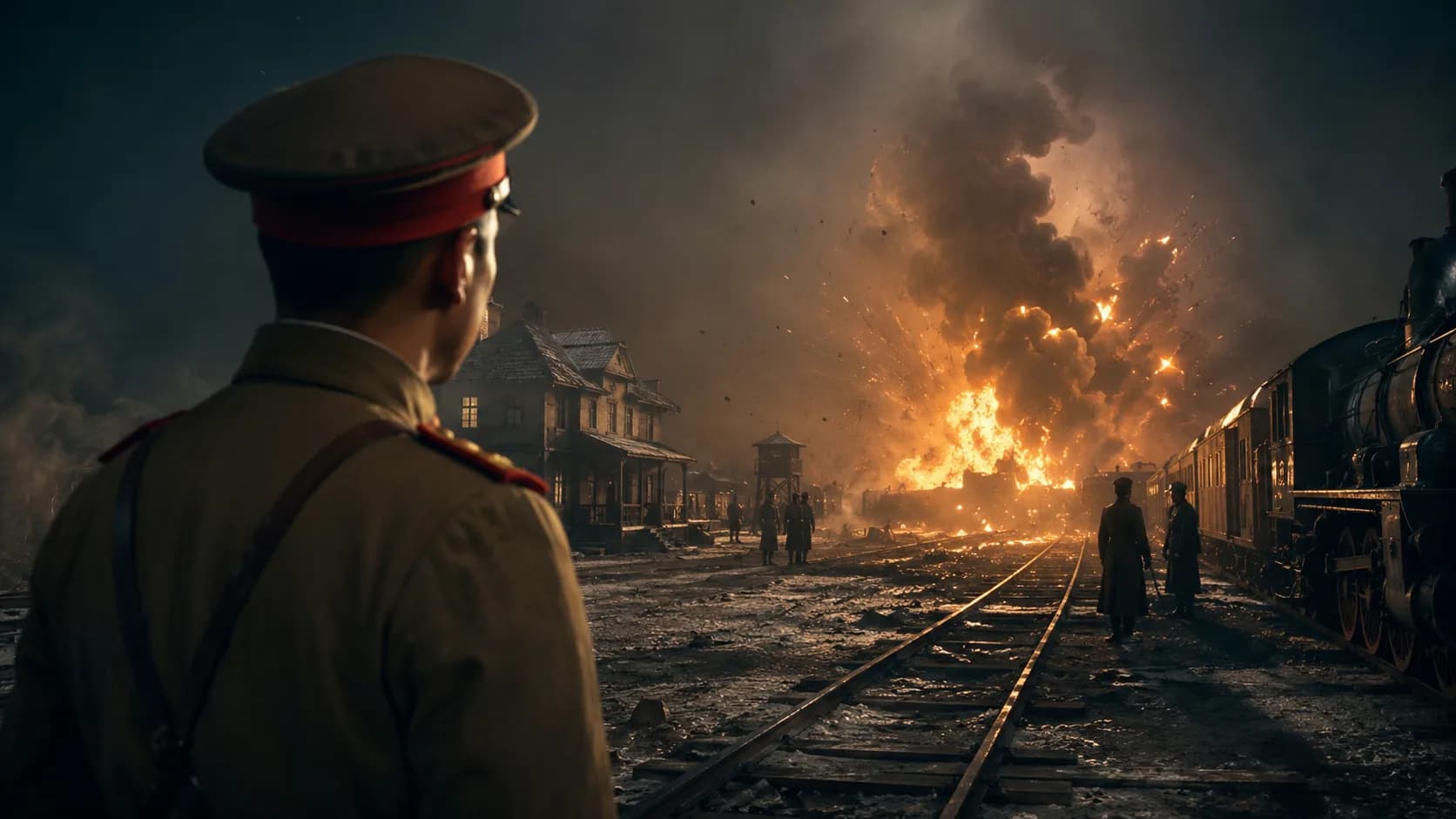
The 1930s pushed Japan toward militarism through a chain of crises rather than a single coup. The Kwantung Army seized Manchuria in 1931, creating Manchukuo and defying the spirit of civilian control. Political assassinations and attempted coups, including the February 26 Incident of 1936, showed how armed radicals could pressure the state from within. Hirohito opposed some insubordination, especially when rebels threatened the court's authority, but the broader movement toward continental expansion continued. The emperor's position remained paradoxical. Military leaders claimed to serve him, and imperial language sanctified policy, while the institutions around him made direct resistance rare, difficult and politically dangerous.

1937–1941

War in Asia

The Marco Polo Bridge Incident in 1937 escalated into full-scale war with China. Japanese forces captured major cities, including Nanjing, where mass killing and atrocities left a lasting stain on Japan's wartime record. The war consumed resources, hardened ideology and drew the population into total mobilization. Hirohito was informed about military operations and remained central to the constitutional order in whose name the war was fought. Historians differ over how far he could have redirected events, but there is no serious way to separate the throne from the system's legitimacy. The China war also trapped Japan strategically. Unable to win a clean victory, leaders sought wider solutions that made wider war more likely.

1941–1945

Second World War

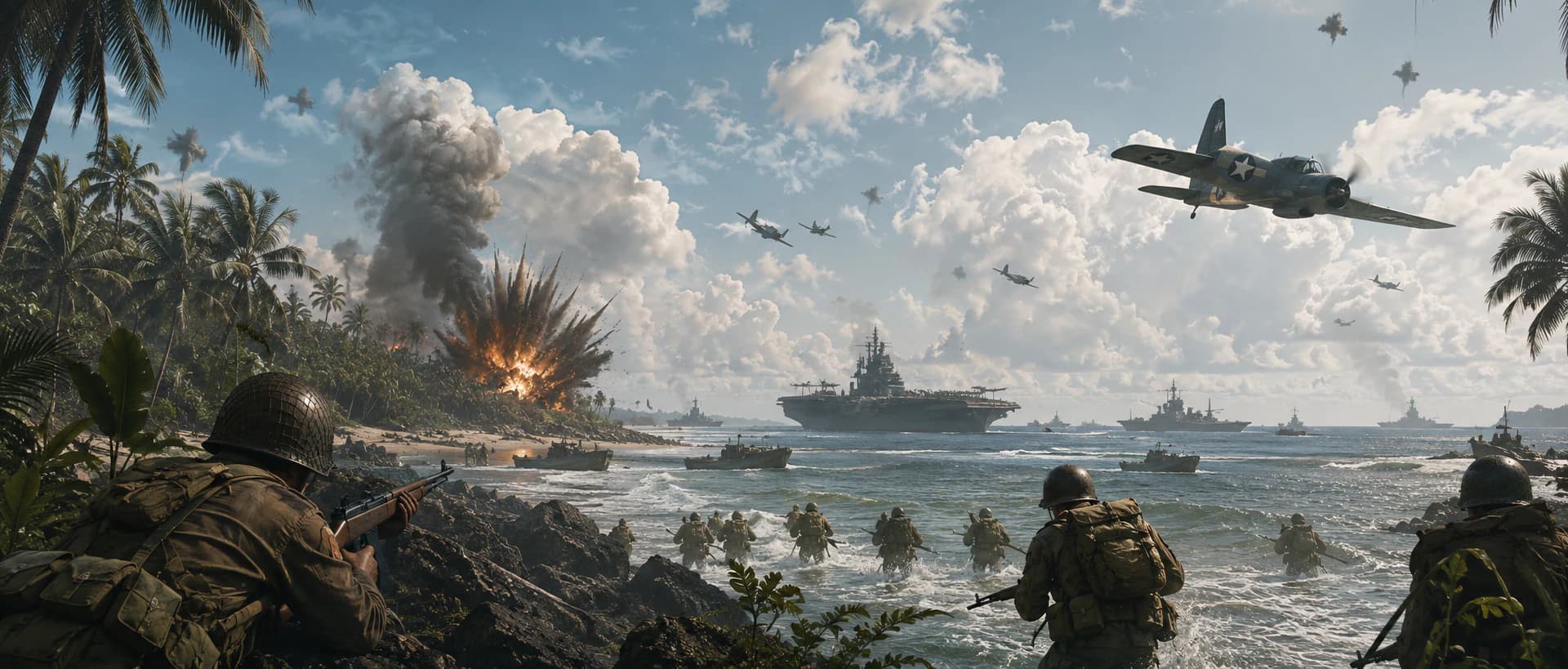
By 1941 Japan faced embargoes, resource shortages and a strategic choice between retreat from expansion and war against stronger industrial powers. Imperial conferences approved the road to war, and Hirohito sanctioned the decisions that led to the attack on Pearl Harbor and the wider offensives across Southeast Asia and the Pacific. Japan's early victories were dramatic, but they rested on fragile assumptions about morale, resources and American willingness to fight. From Midway onward, the balance shifted. Island battles, submarine warfare, bombing and blockade brought devastation closer to Japan itself. Hirohito's role in these decisions remains contested, but his reign cannot be reduced to passive symbolism.

1945

Surrender decision

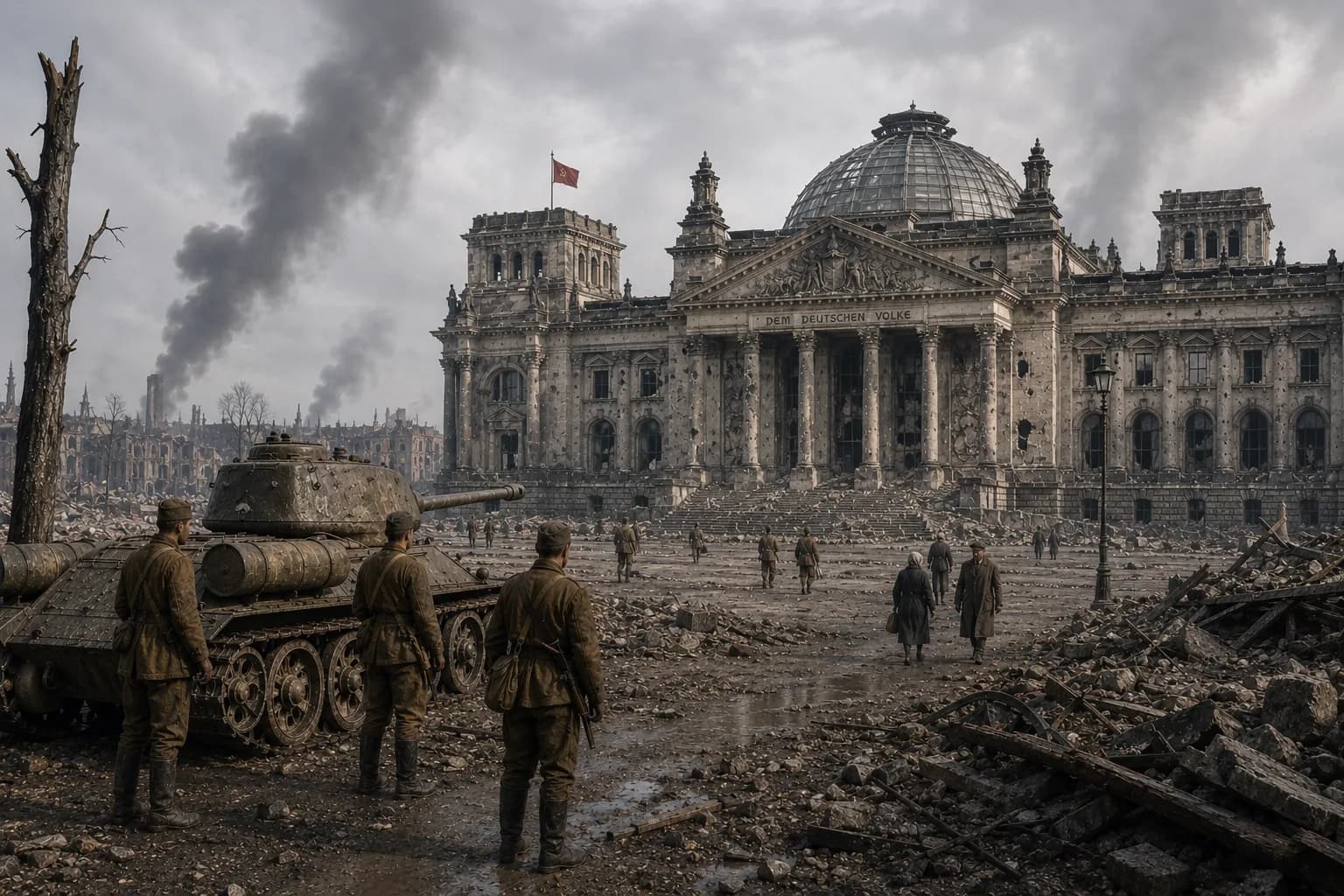
Japan's surrender came after catastrophic bombing, the destruction of Hiroshima and Nagasaki by atomic weapons, Soviet entry into the war and a leadership deadlock over whether to accept Allied terms. Hirohito's intervention in favor of surrender was decisive because only the emperor could break the impasse without making one faction appear to betray the nation. His recorded broadcast of 15 August 1945 was the first time many Japanese people heard an emperor's voice. The language was formal and indirect, but the message was unmistakable: the war was lost. This moment has sometimes been used to soften judgement on Hirohito, but it also raises the painful counterquestion of why such authority was not used earlier.

1945–1970s

Postwar transformation

The occupation under General Douglas MacArthur chose to preserve Hirohito, partly to stabilize surrender and reconstruction. That decision remains controversial. Japanese wartime leaders were tried, but the emperor was not. In 1946 he issued a statement often called the Humanity Declaration, rejecting the idea that the emperor was divine in the political sense used by wartime ideology, though its meaning is more complex than simple renunciation. The 1947 constitution transferred sovereignty to the people and made the emperor a symbol of the state and national unity. Hirohito adapted carefully, touring the country, meeting citizens and embodying continuity while elected institutions governed. The monarchy survived by becoming smaller.

After 1989

Complex legacy

Hirohito died in 1989 after a reign of more than sixty-two years, and his posthumous name, Emperor Showa, covers one of the most dramatic arcs in modern history. Under him, Japan moved through imperial expansion, atrocities, total war, atomic destruction, occupation, democracy, economic growth and global reintegration. The central historical question is responsibility. Some accounts stress the constraints around him and the power of militarist institutions; others emphasize evidence that he was informed, engaged and approving at crucial moments. Both the wartime and postwar Hirohito were real. His life matters because it forces readers to ask how symbolic authority works, how responsibility survives behind institutions, and how nations rebuild without fully resolving the past.

Continue in context

Connected stories

Move from the profile into the wider events and settings this figure belongs to.

Tertiary paths

Content note

This profile is written for educational use and connects to related Stories of History pages. The main portrait uses a real historical or editorial image, with source and licence details recorded for attribution review. Image policy Image attribution

References

Sources & Further Reading

Reliable reference works, archives and reading paths connected to this profile.

Further reading

  1. Encyclopaedia Britannica, Search results for Emperor Hirohito,” accessed June 2026.Open source
  2. WorldCat, Books and library holdings for Emperor Hirohito,” accessed June 2026.Open source

Primary sources

  1. Library of Congress, Search results for Emperor Hirohito,” accessed June 2026.Open source

Reviewed claim sources

Loading reviewed claim sources...

A weekly route through history

Find out first about the latest published stories, feature notes and occasional Premium offers in one weekly email.