Complete chronology
Full overview and deeper context for every journey step.
1887-1911
A China in collapse
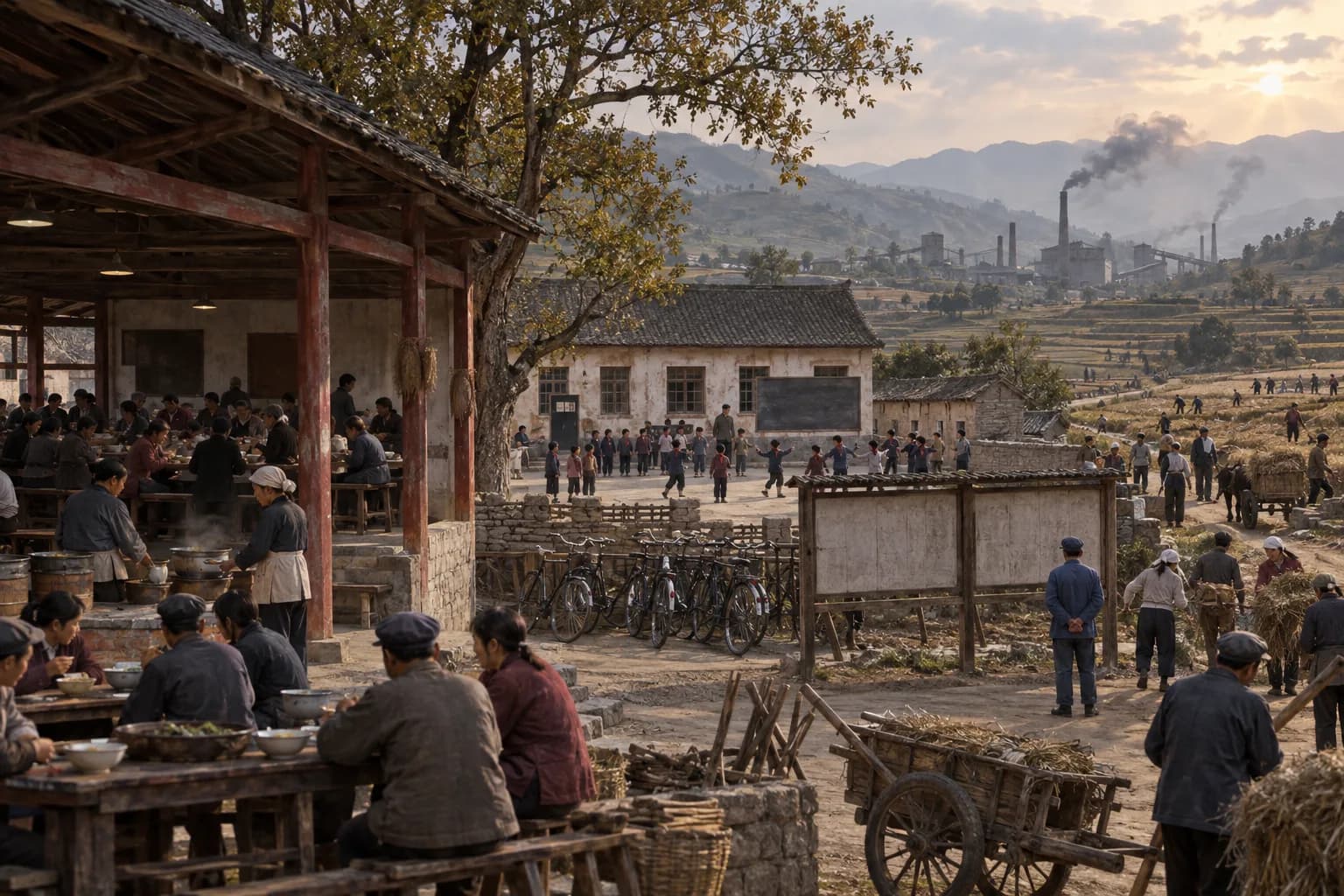
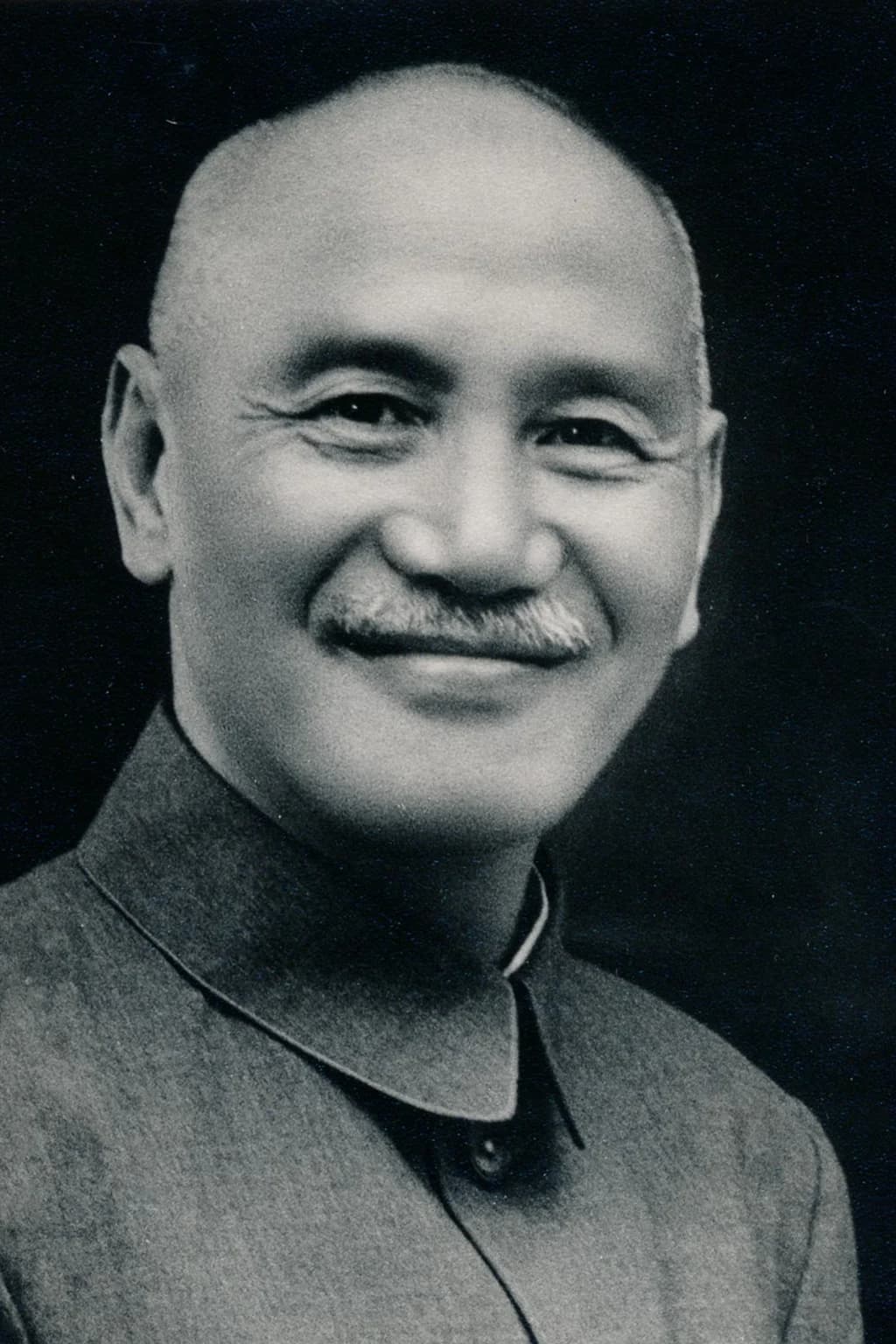
Chiang Kai-shek was born in Xikou, Zhejiang, in 1887, into a China whose old imperial order was losing authority. Foreign privileges, military defeat, fiscal strain, local power holders, and reform failure all weakened the Qing dynasty. Chiang's early life did not predetermine his politics, but it placed him inside a generation that saw national weakness as a personal challenge. He pursued military education in China and Japan, where anti-Qing revolutionary networks and Japanese military modernization shaped his sense that China needed discipline, force, and national revival. The fall of the Qing in 1911 opened the political world he would spend his life trying to command.
Chiang's generation inherited a country where national survival and military power seemed inseparable.
1911-1925
Revolutionary soldier
The Republic of China began with promise but quickly fragmented. Yuan Shikai's authoritarian rule, regional warlords, and competing revolutionary factions left the new state weak. Chiang became associated with Sun Yat-sen's Nationalist Party, the Kuomintang, and built a reputation as a soldier willing to serve the revolutionary cause. His rise accelerated when Sun's movement, with Soviet assistance, created the Whampoa Military Academy near Guangzhou in 1924. Chiang became its commandant, placing him at the center of a new Nationalist army and connecting him to a generation of officers who would later shape Chinese politics and war.
Control of military training gave Chiang a base of power that speeches alone could never provide.
1926-1928
The Northern Expedition
After Sun Yat-sen's death in 1925, the Nationalist movement needed a commander capable of turning revolutionary ambition into territorial control. Chiang led the Northern Expedition from 1926, pushing north from the south against warlords who had divided China into military spheres. The campaign combined battlefield pressure, diplomacy, defections, urban mobilization, and political coercion. It made Chiang the central figure in Nationalist politics. It also exposed the fragile alliance between Nationalists and Communists. In 1927, Chiang turned violently against Communist organizers and labor militants, especially in Shanghai. The purge broke the First United Front and began a long conflict that would define modern China.
Chiang's unification project was built through both military success and political exclusion.
1928-1937
The Nanjing Decade
By 1928 Chiang's government claimed national authority from Nanjing. The decade that followed brought real state-building: diplomacy, infrastructure, currency reform, education, administration, and efforts to recover tariff autonomy. Yet Nationalist China remained incomplete. Regional commanders retained armies and influence. Communist forces survived in rural base areas. Corruption, fiscal weakness, and coercive rule damaged legitimacy. Chiang often prioritized suppressing Communists before confronting Japan directly, a choice his supporters framed as necessary for internal unity and critics condemned as dangerously misplaced. The Nanjing state was stronger than the warlord chaos it replaced, but it was never strong enough to command China without negotiation, pressure, and force.
Partial unification can create authority without giving a leader full control over events.
1931-1932
The Mukden crisis
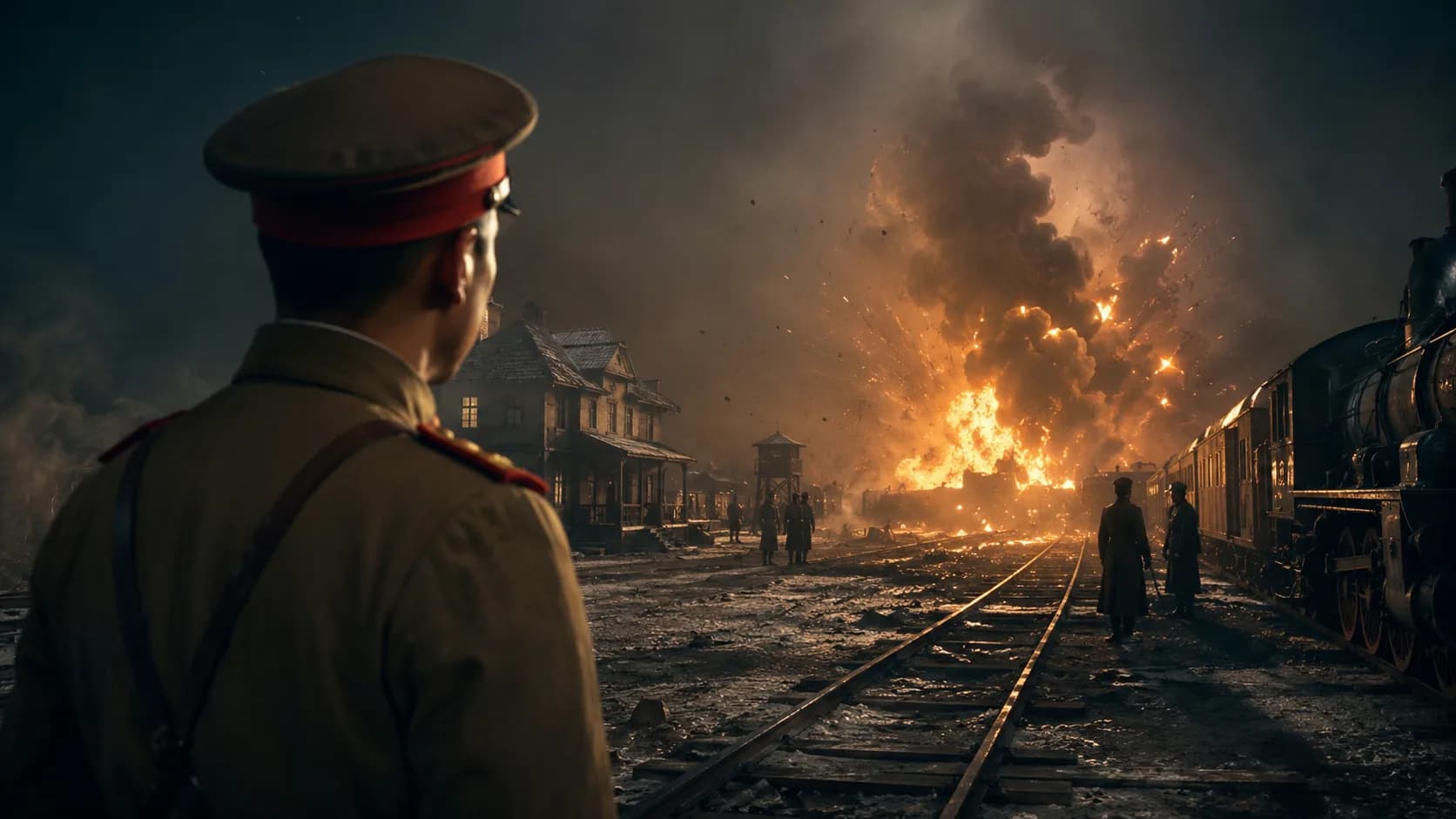
The Mukden Incident of September 1931 was a severe test for Chiang's government. Japanese officers used a small railway explosion as a pretext to occupy Manchuria, where Zhang Xueliang's regional forces held power but remained politically isolated. Chiang's Nationalist state claimed sovereignty over China, yet it lacked the unity, equipment, and strategic position to reverse Japan's operation by force. His policy of limited resistance and appeal to international opinion reflected weakness as much as calculation. To many Chinese critics, however, the loss of Manchuria became evidence that the Nationalist government had failed to defend the nation. The crisis damaged Chiang's prestige and deepened pressure for a united front against Japan.
Mukden showed that claiming national sovereignty was easier than defending it against a prepared imperial army.
1934-1936
Forced toward unity
Chiang's encirclement campaigns placed the Communists under immense pressure and helped force the Long March of 1934-1935. Yet Japan's continuing advance changed the political calculation. Many Chinese believed civil war had to stop until the external threat was confronted. In December 1936, Zhang Xueliang detained Chiang at Xi'an and demanded cooperation with the Communists against Japan. The crisis ended with Chiang's release and the formation of the Second United Front. The agreement was uneasy, tactical, and full of suspicion, but it marked a turning point. Chiang remained anti-Communist, yet Japan's threat now forced him to present himself above all as leader of national resistance.
External danger can compel alliances that ideology and memory make deeply unstable.
1937-1945
War against Japan
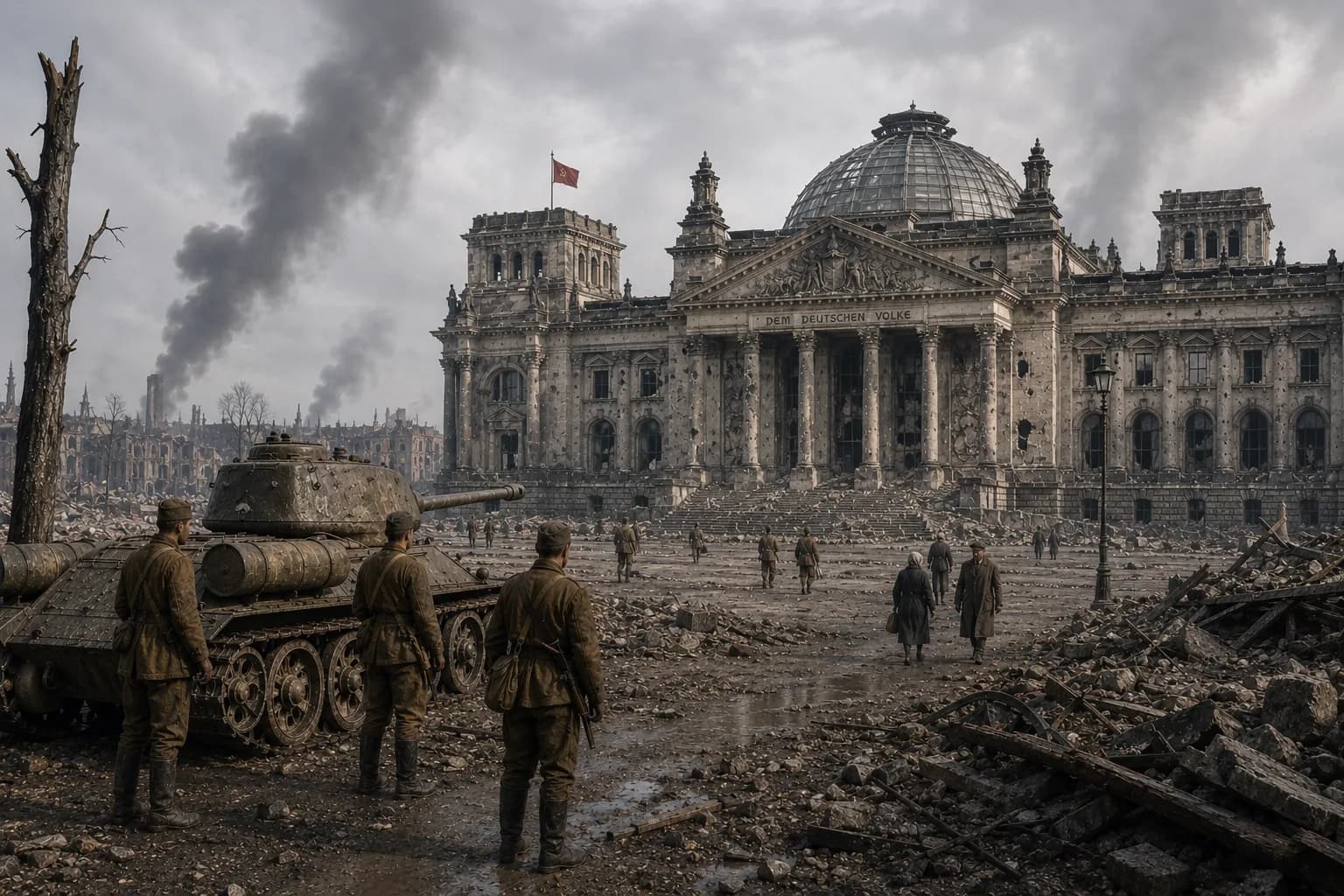
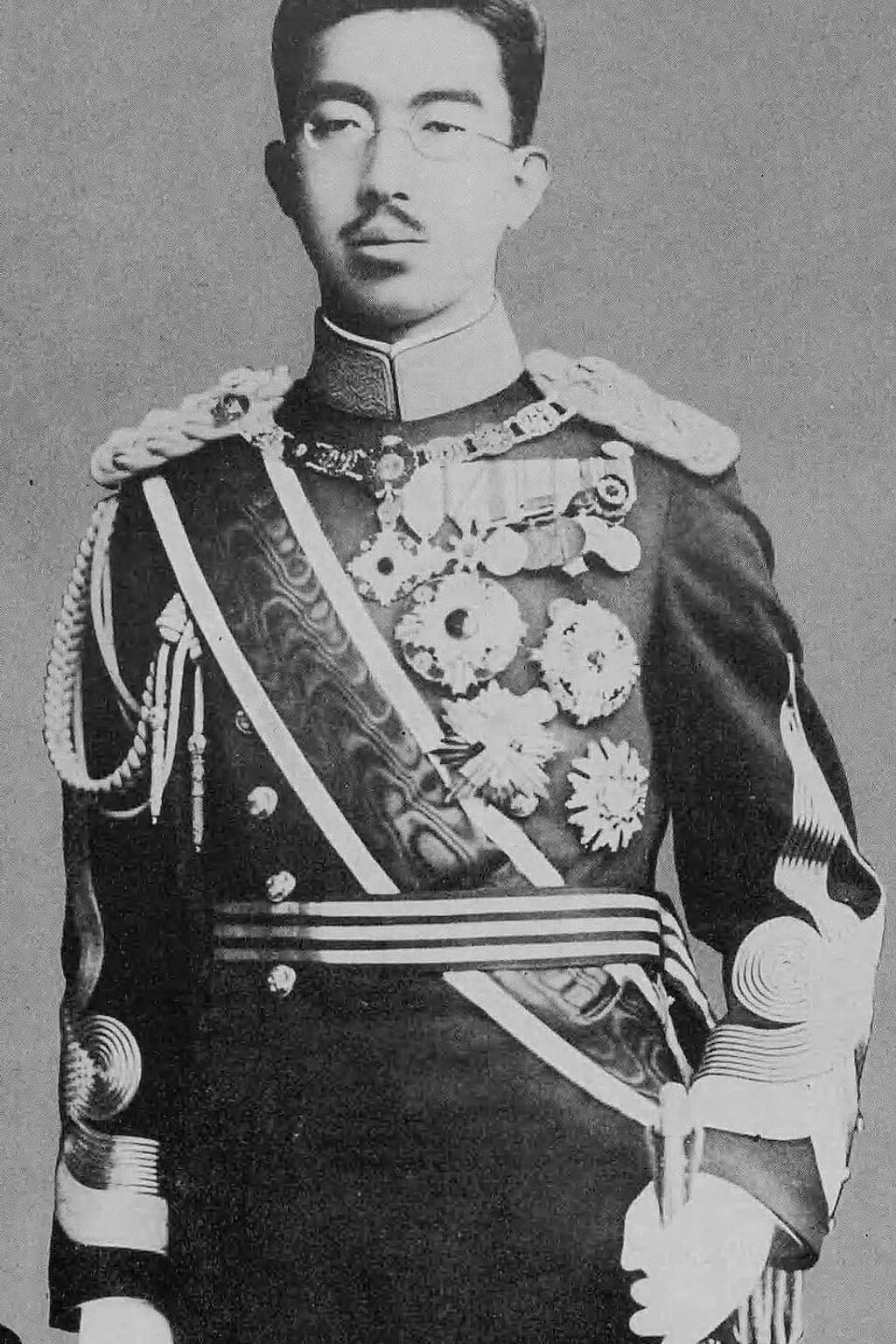
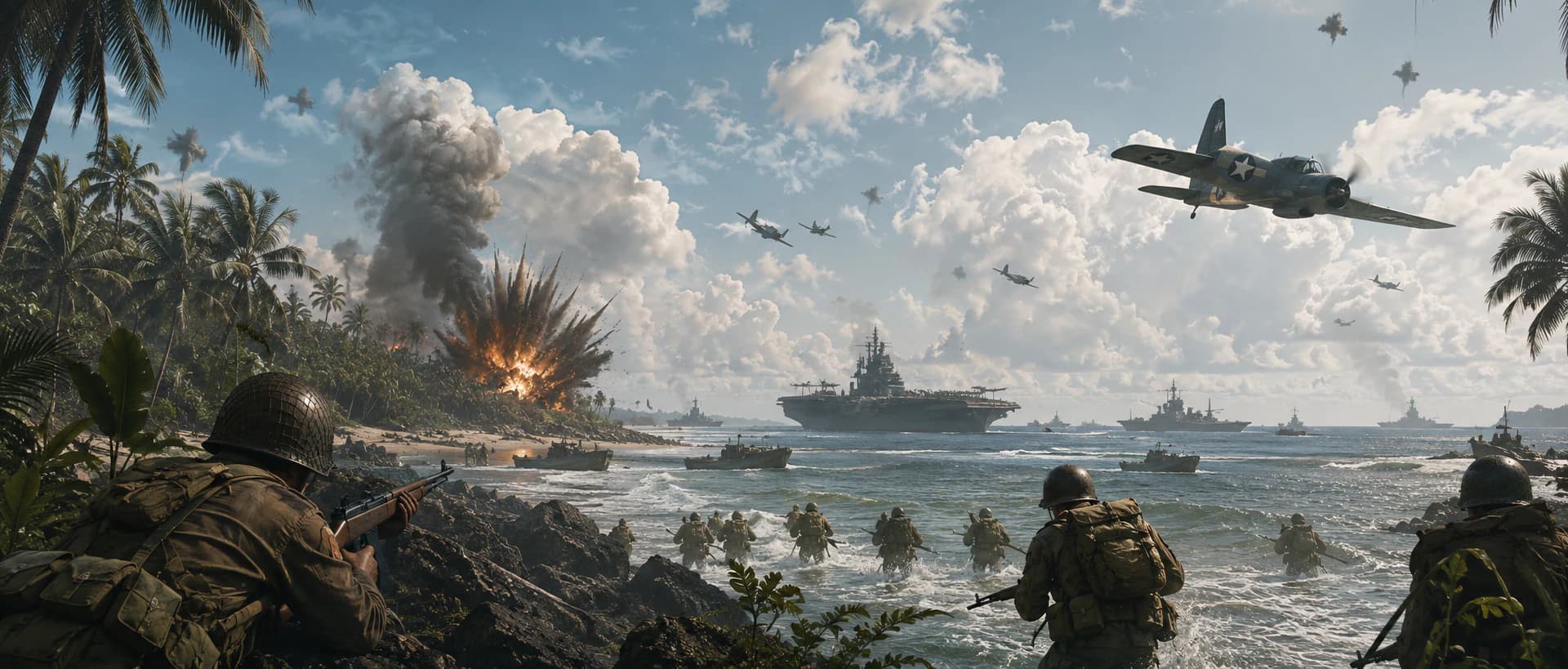
The Marco Polo Bridge Incident in July 1937 escalated into full-scale war between China and Japan. Chiang chose resistance despite the terrible costs. Battles at Shanghai, Nanjing, Wuhan, and across the interior consumed troops, cities, money, and morale. After Nanjing fell and atrocities followed, the Nationalist government moved inland to Chongqing, where it endured bombing, shortage, factional strain, and dependence on foreign aid. Chiang became one of the Allied leaders, meeting Franklin D. Roosevelt and Winston Churchill at Cairo in 1943, but China's war remained brutally difficult. Nationalist forces carried much of the burden of conventional resistance, while Communist power expanded in many rural areas. Victory in 1945 left Chiang internationally recognized but domestically weakened.
Surviving a long war can still leave a government exhausted when victory arrives.
1945-1949
Civil war defeat
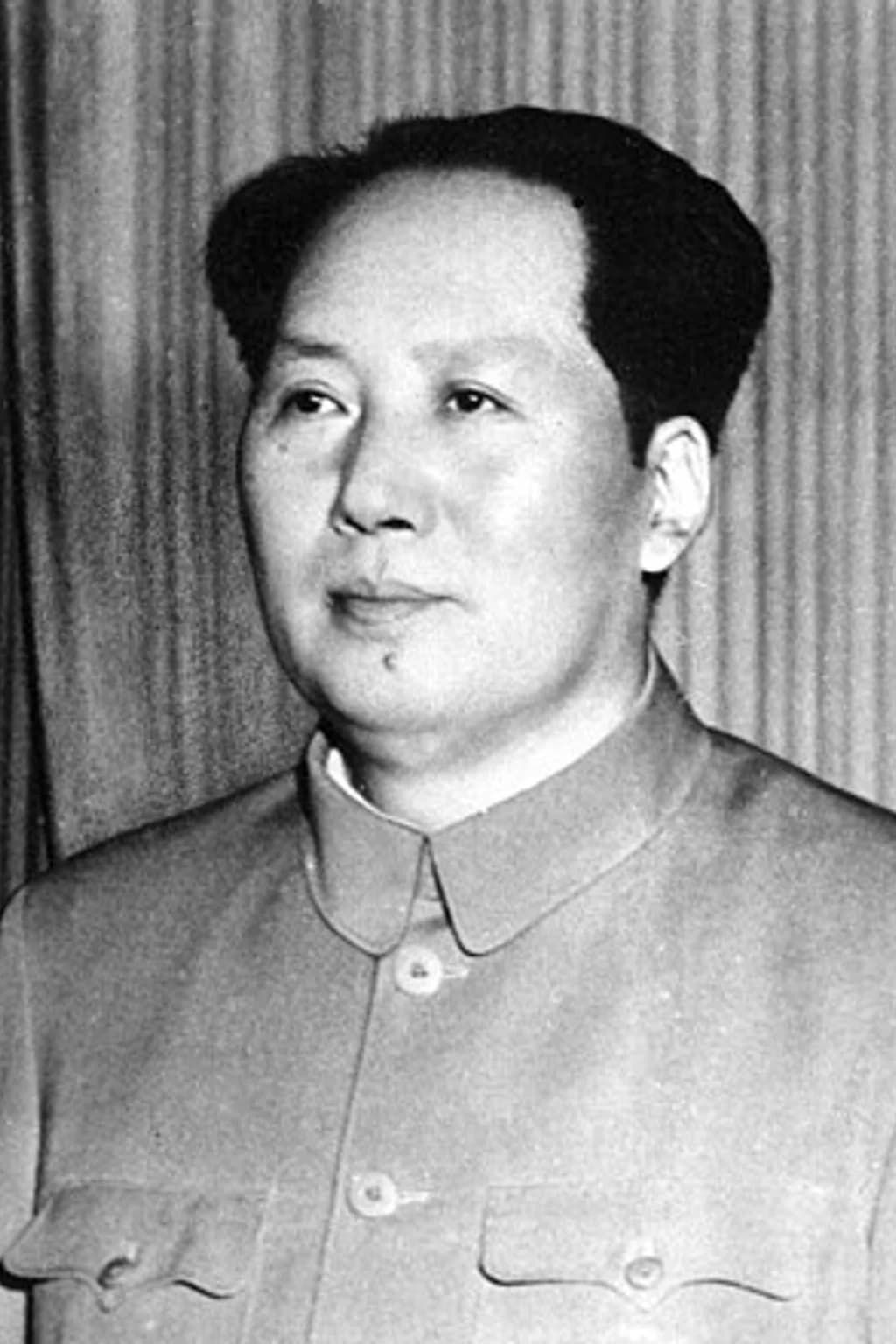
Japan's surrender reopened the unresolved struggle for China. Chiang's Nationalists held international recognition, major cities, and American support, but they faced inflation, corruption, war-weariness, administrative weakness, and Communist armies that had grown during the anti-Japanese war. Mao Zedong's forces won support through rural organization, discipline, land policies, and increasingly effective military operations. Nationalist armies suffered defeats across Manchuria and northern China before the collapse accelerated. In 1949 Mao proclaimed the People's Republic of China in Beijing. Chiang and the Republic of China government retreated to Taiwan, carrying institutions, troops, refugees, and the claim that they still represented China.
Military defeat can expose political weaknesses that had accumulated for years.
1949-1975
Taiwan and contested legacy
On Taiwan, Chiang Kai-shek preserved the Republic of China state while abandoning any practical control over the mainland. His regime imposed martial law, suppressed dissent during the White Terror, and ruled through a party-state built around anti-Communism, military discipline, and the promise of eventual recovery of China. At the same time, the government carried out land reform, stabilized institutions, and laid foundations for later economic growth. Chiang remained internationally important during the Cold War, especially while the United States treated Taiwan as a key anti-Communist ally. He died in 1975. His legacy remains divided: national resistance leader, authoritarian ruler, failed mainland unifier, state-builder in Taiwan, and one of the central rivals whose struggle with Mao shaped twentieth-century China.
Chiang's legacy is difficult because survival, state-building, repression, and defeat all belonged to the same life.