People

Douglas MacArthur

Douglas MacArthur was an American general who commanded Allied forces in the Southwest Pacific during World War II, returned to the Philippines, accepted Japan’s surrender, oversaw the occupation of Japan, and was dismissed by President Harry Truman during the Korean War.

Born
1880 CE
Died
1964 CE
Role
American general

American general (1880–1964)

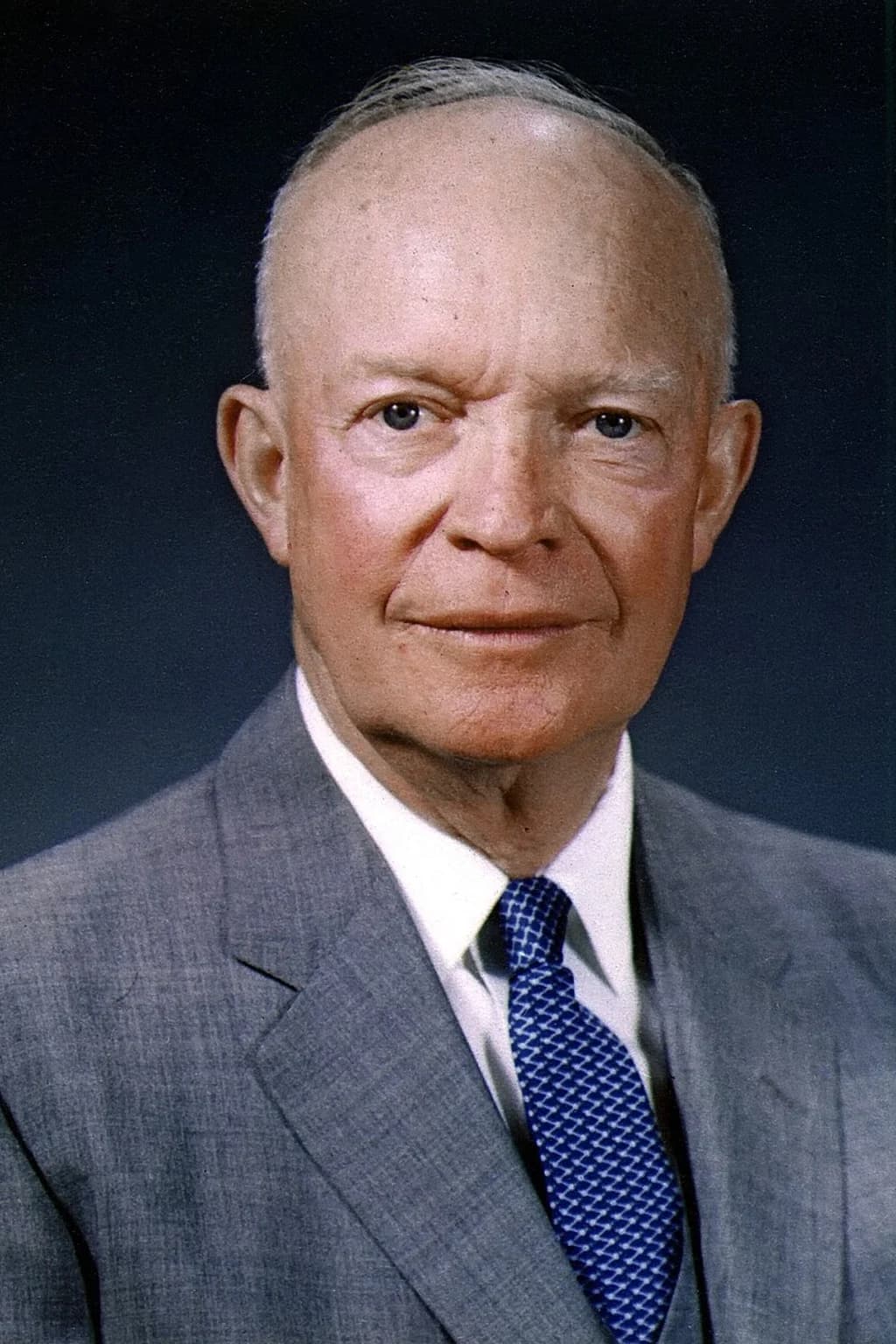
Portrait photograph of Douglas MacArthur
Historical photograph

A real historical or editorial image is used here. Source, licence and transformation details are publicly recorded. Image policy Attribution

Quick answer

Douglas MacArthur was an American general who commanded Allied forces in the Southwest Pacific during World War II, returned to the Philippines, accepted Japan’s surrender, oversaw the occupation of Japan, and was dismissed by President Harry Truman during the Korean War.

Born
1880 CE
Died
1964 CE
Role
American general
Years
1880-1964 CE
Quick facts

Profile details

Additional identity and tagging details that are not already covered in the introduction.

Also known as
General MacArthur, Supreme Commander MacArthur
Facts

Douglas MacArthur timeline facts

Selected specifics from this profile's life story.

1880
Military family roots

Douglas MacArthur was born into a prominent military family, shaping his identity early and placing him on a path toward a life defined by service and command.

1917–1918
First World War

During the First World War, MacArthur gained recognition for bravery and leadership, earning multiple awards and establishing himself as a capable combat commander.

1944–1945
Return to the Philippines

MacArthur fulfilled his pledge by returning to the Philippines, leading Allied forces in a campaign that pushed Japanese troops out of the islands.

1950–1951
Korean War clash

During the Korean War, MacArthur’s disagreement with the U.S. president over strategy led to his dismissal, ending his active military career.

Life Journey

A career of war, exile, return, and authority

Follow the story in a more continuous narrative, with a reading mode that matches how much depth you want.

Complete chronology

1880

Military family roots

Douglas MacArthur was born in Little Rock, Arkansas, in 1880, into a family where the army was not a career option so much as an inheritance. His father, Arthur MacArthur Jr., won the Medal of Honor in the Civil War and later served as a senior officer in the Philippines. His mother, Mary Pinkney Hardy MacArthur, was intensely devoted to her son’s advancement and helped nourish his belief in destiny. Douglas grew up on frontier posts, absorbing the rituals, hierarchies, and loneliness of military life. He learned early that reputation mattered, that command carried theatre as well as responsibility, and that the United States was becoming a Pacific power. Those lessons shaped both his greatness and his flaws: ambition, courage, self-dramatization, and a deep certainty in his own judgement.
1899–1903

West Point excellence

MacArthur entered West Point in 1899 and graduated first in the class of 1903 with one of the academy’s strongest records. His performance confirmed the expectations that had surrounded him since childhood. West Point also exposed him to the pressures of conformity and honour, including a hazing scandal in which he refused to implicate fellow cadets despite personal suffering. The episode strengthened his public image as disciplined and unbreakable. At the academy he mastered engineering, tactics, presentation, and the social grammar of command. He did not merely want to serve in the army; he expected to lead it. That expectation could inspire subordinates, but it also encouraged the imperious style that later made civilian leaders wary.

1903–1917

Early service years

MacArthur’s early service took him through engineering assignments, staff work, the Philippines, Japan, Mexico, and Washington. He saw the U.S. Army at a moment when it was becoming more professional but remained small by European standards. Service under his father in Asia deepened his Pacific orientation, while staff roles taught him how policy, logistics, and politics shape military action before troops ever move. In 1914 he took part in the Veracruz expedition, an episode that added to his reputation for personal bravery. These years mattered because MacArthur became more than a battlefield officer. He learned imperial administration, diplomacy, public image, and the importance of access to senior decision-makers. His career was already blending soldiering with politics.

1917–1918

First World War

During the First World War, MacArthur served with the 42nd Rainbow Division and became one of the American Expeditionary Forces’ most decorated officers. He was known for leading near the front, sometimes without a helmet or gas mask, cultivating an image of fearless visibility. The courage was real; so was the performance. MacArthur understood that soldiers follow symbols as well as orders. He rose to brigadier general and emerged from the war convinced that boldness, morale, and personal leadership could change outcomes. The experience strengthened his belief in decisive manoeuvre and in the commander as a dramatic presence. It also separated him from more cautious officers. MacArthur’s battlefield reputation became a political asset he would draw on for the rest of his life.

1919–1939

Rise to prominence

Between the wars MacArthur became superintendent of West Point, then Army Chief of Staff from 1930 to 1935. He pushed modernization, professional education, and readiness in an era of limited budgets and public reluctance. His record also included controversy. In 1932 he commanded the operation that drove the Bonus Army of veterans from Washington, an action that damaged his reputation and showed how harshly he could interpret disorder. After leaving the chief’s post, he went to the Philippines to help build its army under the Commonwealth government, working closely with Manuel Quezon. He retired from the U.S. Army but remained in the Philippines as a field marshal. By 1941, as Japan’s threat grew, he returned to active U.S. service. The Pacific crisis pulled him back into history.

1941–1942

Fall of the Philippines

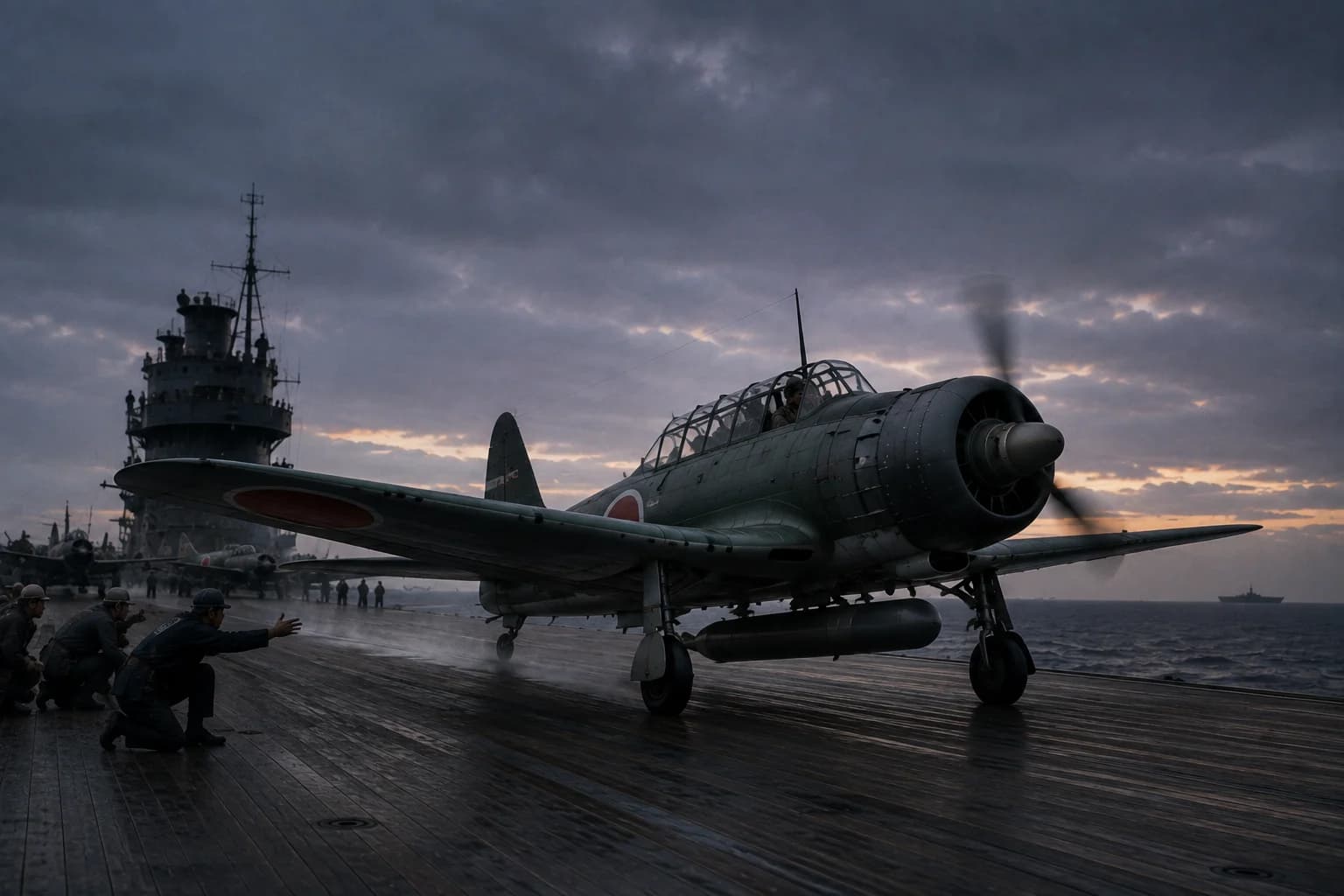
The Japanese attack in December 1941 exposed the vulnerability of American and Filipino forces in the Philippines. MacArthur’s command suffered from inadequate preparation, air losses, supply problems, and the overwhelming speed of Japanese operations. His forces retreated to Bataan and Corregidor, enduring siege, hunger, and bombardment. President Franklin Roosevelt ordered MacArthur to leave for Australia in March 1942, a decision made to preserve a commander who could lead the wider Pacific war but one that left many soldiers to captivity and the Bataan Death March. MacArthur’s statement, usually remembered as I shall return, turned defeat into a vow. It was both morale-building and self-mythologizing. The loss of the Philippines haunted his strategy and became the emotional centre of his war.

1944–1945

Return to the Philippines

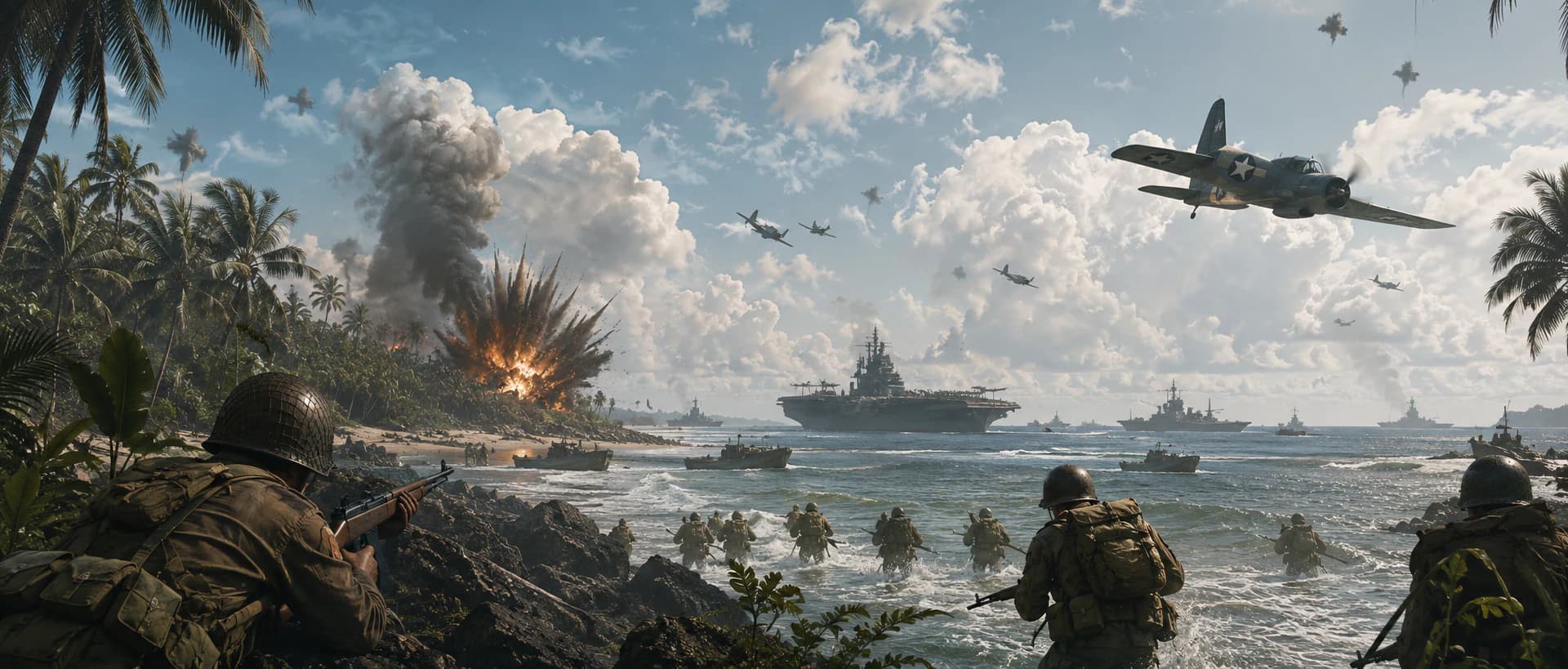
As Supreme Commander in the Southwest Pacific Area, MacArthur led a campaign of island advances along New Guinea and toward the Philippines, often bypassing Japanese strongpoints rather than attacking every position directly. His strategy competed with the central Pacific drive led by Admiral Chester Nimitz, and debates over the best route to Japan carried military, political, and personal stakes. MacArthur insisted that liberating the Philippines was a moral obligation as well as a strategic necessity. In October 1944 he waded ashore at Leyte in a carefully staged and unforgettable return. The campaign was costly, including the Battle of Leyte Gulf and brutal fighting on land, but it restored American control and vindicated his pledge. For MacArthur, strategy and symbol had become inseparable.

1945–1951

Rebuilding Japan

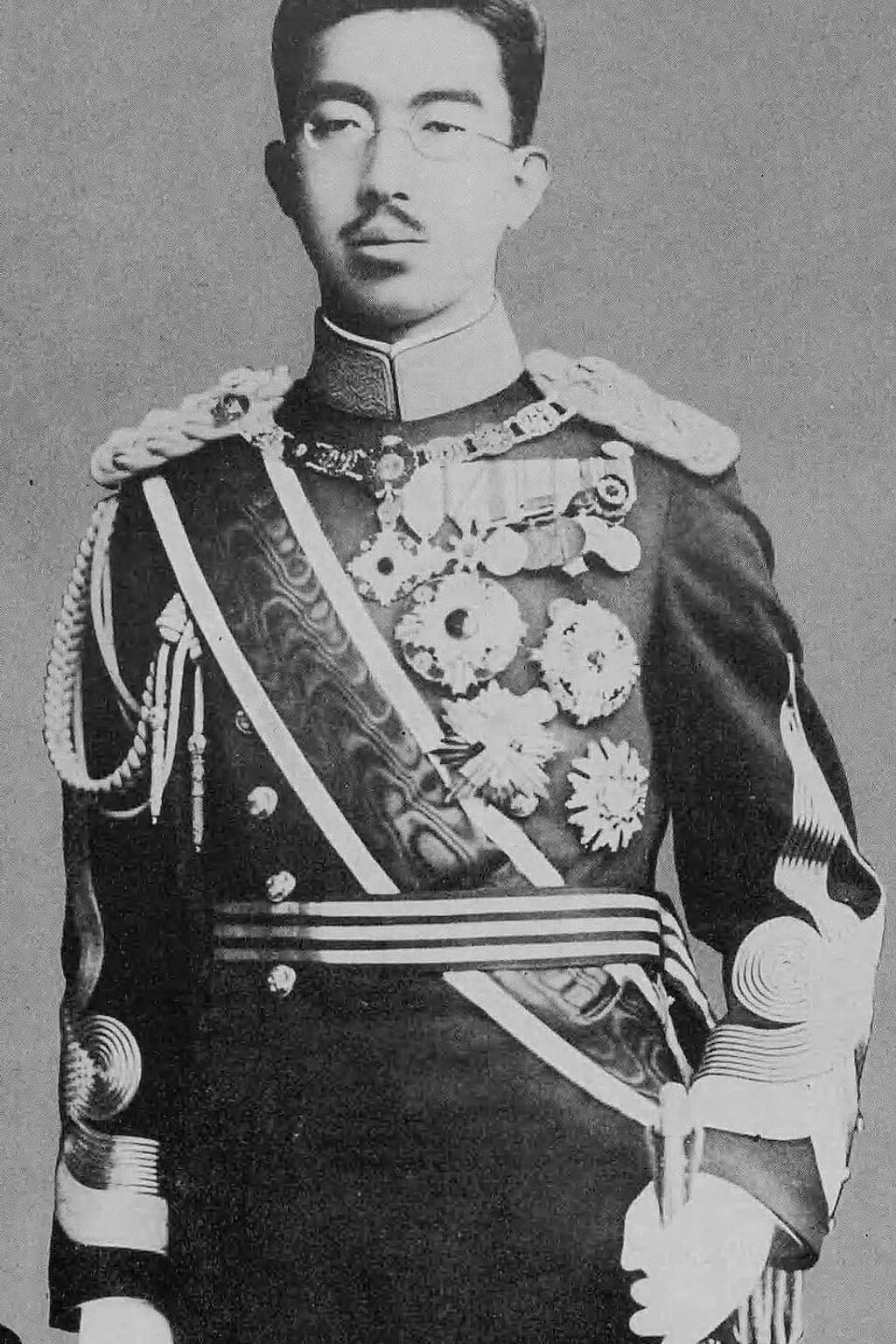
After Japan’s surrender in 1945, MacArthur accepted the formal surrender aboard the USS Missouri and became Supreme Commander for the Allied Powers in occupied Japan. The assignment required a different kind of command. He preserved Emperor Hirohito as a symbol to aid stability, oversaw demilitarization, encouraged land reform, expanded rights for women, supported labour reforms, and guided the creation of Japan’s postwar constitution, including Article 9’s renunciation of war. The occupation was not MacArthur’s work alone; Japanese officials, American reformers, and changing Cold War priorities all shaped it. Still, his authority was extraordinary. He ruled indirectly but powerfully, combining paternal confidence with strategic restraint. The result helped turn a defeated militarist empire into a constitutional democracy and key U.S. ally.

1950–1951

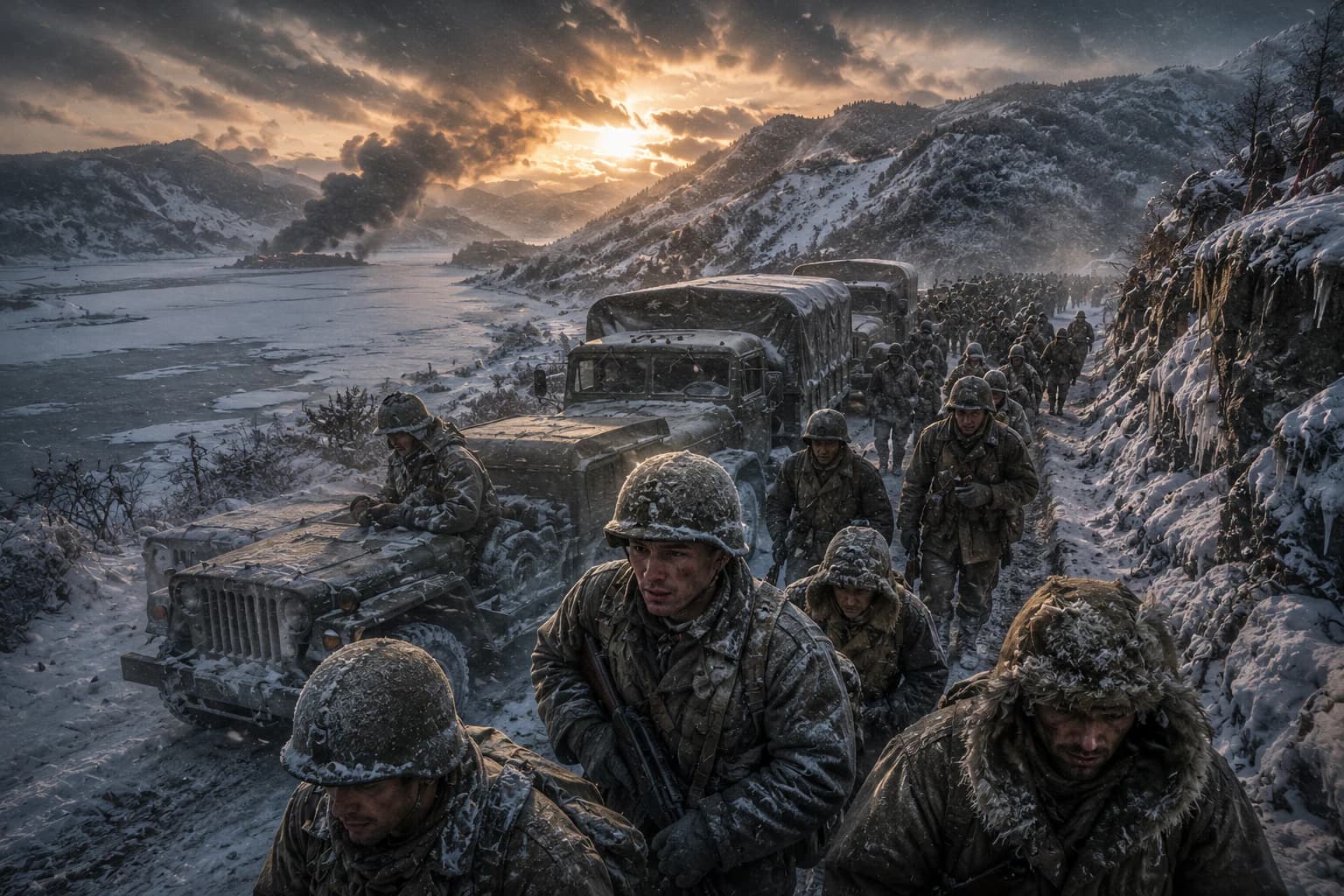
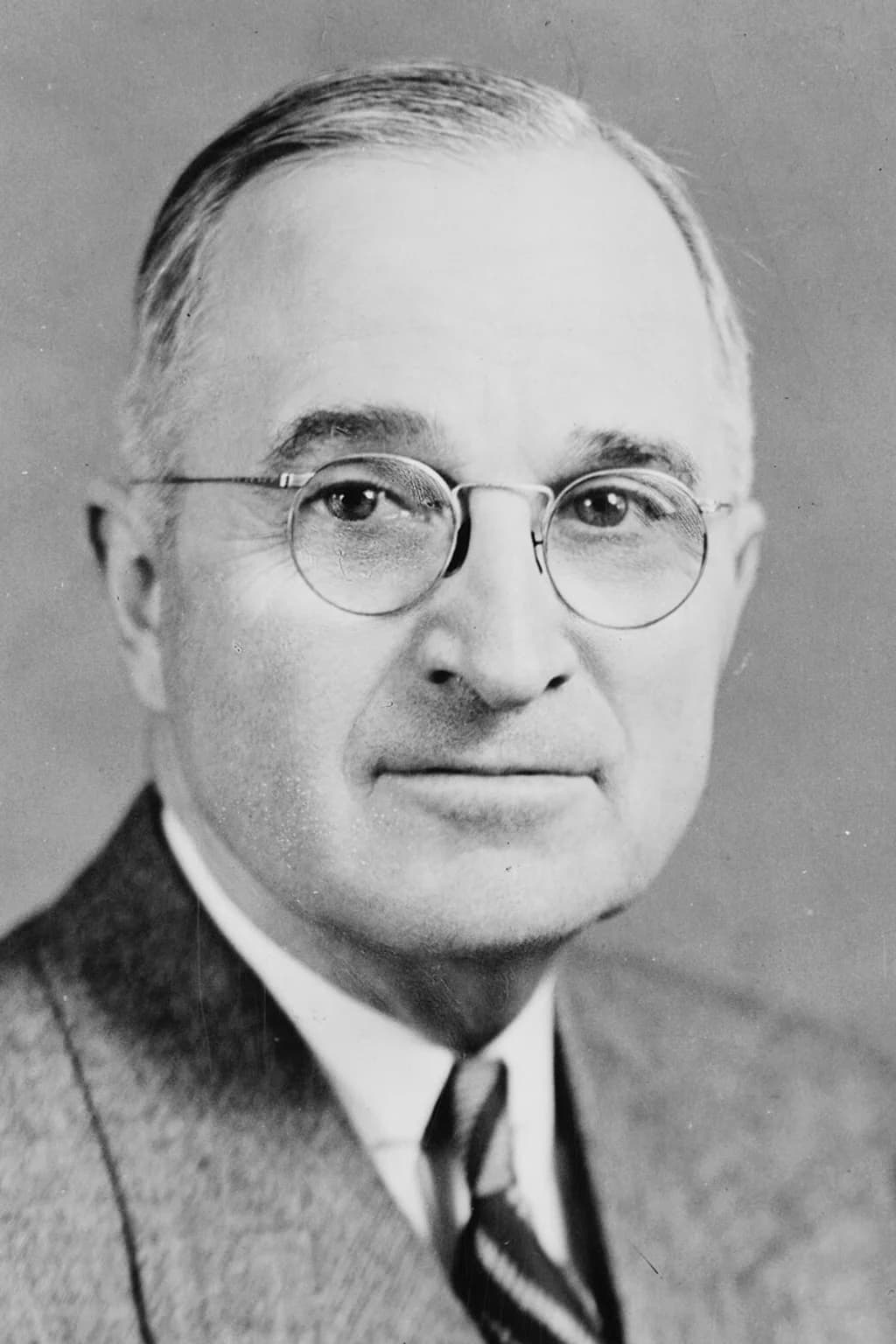
Korean War clash

The Korean War gave MacArthur one final dramatic campaign and one final collision with authority. After North Korea invaded the South in 1950, United Nations forces were pushed into the Pusan perimeter. MacArthur’s Inchon landing was a brilliant amphibious stroke that reversed the war and restored Seoul. But success led to overreach. UN forces advanced toward the Yalu River, Chinese forces intervened, and the war widened dangerously. MacArthur advocated measures that risked escalation against China, while President Harry Truman sought a limited war to avoid global conflict with the communist bloc. MacArthur’s public challenges to policy made the dispute constitutional as well as strategic. Truman dismissed him in April 1951, affirming civilian control over the military. MacArthur returned to a hero’s welcome, but his active career was over. His legacy remains enormous: liberator, occupier, strategist, egotist, and cautionary tale about brilliance without restraint.

Continue in context

Connected stories

Move from the profile into the wider events and settings this figure belongs to.

Tertiary paths

Content note

This profile is written for educational use and connects to related Stories of History pages. The main portrait uses a real historical or editorial image, with source and licence details recorded for attribution review. Image policy Image attribution

References

Sources & Further Reading

Reliable reference works, archives and reading paths connected to this profile.

Further reading

  1. Encyclopaedia Britannica, Search results for Douglas MacArthur,” accessed June 2026.Open source
  2. WorldCat, Books and library holdings for Douglas MacArthur,” accessed June 2026.Open source

Primary sources

  1. Library of Congress, Search results for Douglas MacArthur,” accessed June 2026.Open source

Reviewed claim sources

Loading reviewed claim sources...

A weekly route through history

Find out first about the latest published stories, feature notes and occasional Premium offers in one weekly email.