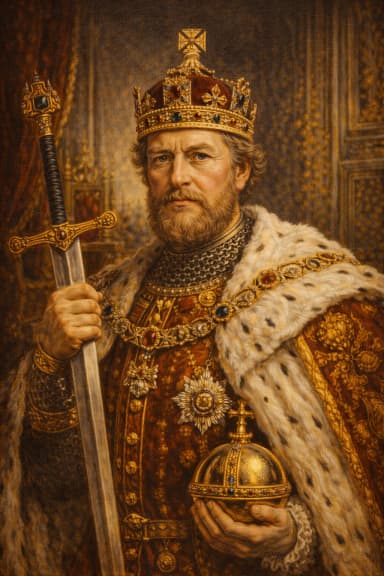
MONARCH 1
William I
1066–1087 · Norman
William the Conqueror seized the English throne in 1066 and transformed the kingdom’s aristocracy, landholding, and government.
View profileLineage
Explore the English and British monarchs timeline from William the Conqueror in 1066 to Charles III today. Follow the kings and queens in order, grouped by dynasty, reign, and royal house.
MONARCH 1
1066–1087 · Norman
William the Conqueror seized the English throne in 1066 and transformed the kingdom’s aristocracy, landholding, and government.
View profile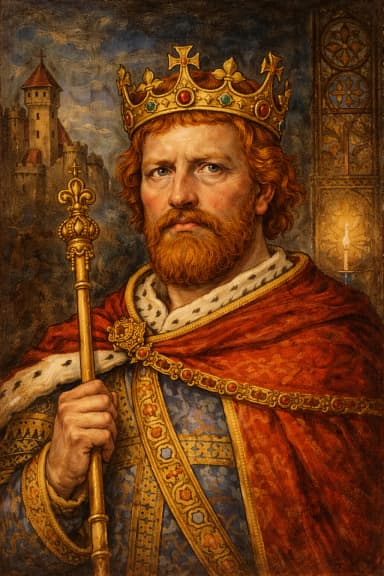
MONARCH 2
1087–1100 · Norman
William Rufus ruled with energy and controversy, consolidating royal authority but dying suddenly in the New Forest.
View profile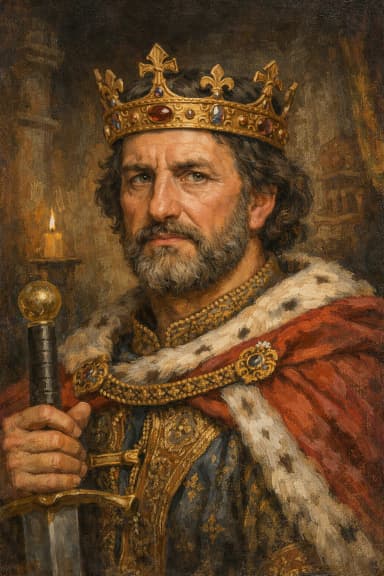
MONARCH 3
1100–1135 · Norman
Henry I strengthened royal administration and legal order, but his death without a clear male heir triggered succession conflict.
View profile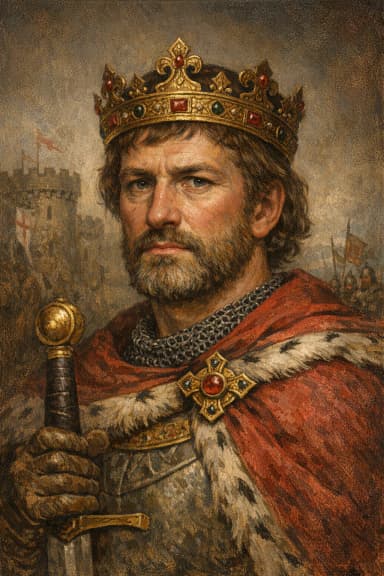
MONARCH 4
1135–1154 · Blois
Stephen’s contested accession led to civil war, remembered as the Anarchy, before the succession passed to the future Henry II.
View profile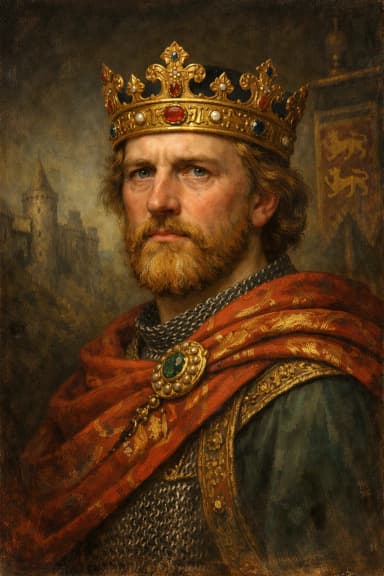
MONARCH 5
1154–1189 · Plantagenet
Henry II founded the Angevin empire and reshaped royal justice, though conflict with Thomas Becket shadowed his reign.
View profile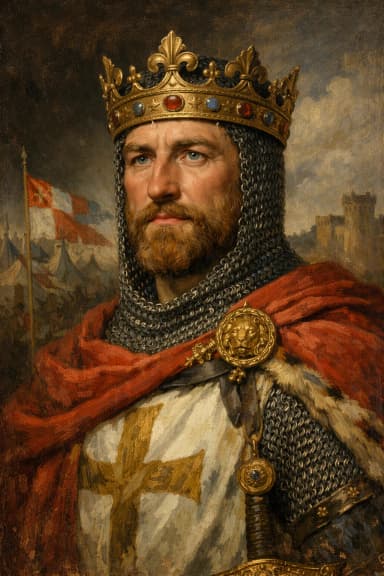
MONARCH 6
1189–1199 · Plantagenet
Richard the Lionheart became famous for crusading and warfare, spending comparatively little of his reign in England.
View profile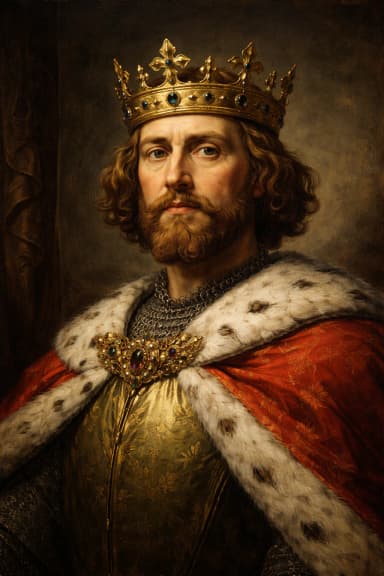
MONARCH 7
1199–1216 · Plantagenet
John lost major continental lands and faced rebellion that forced him to seal Magna Carta in 1215.
View profile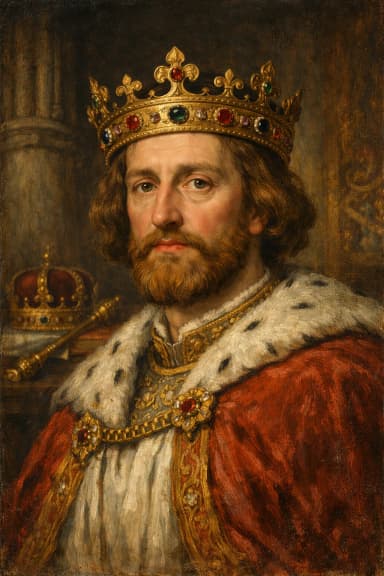
MONARCH 8
1216–1272 · Plantagenet
Henry III ruled for over half a century, facing baronial unrest and setting the stage for stronger parliamentary traditions.
View profile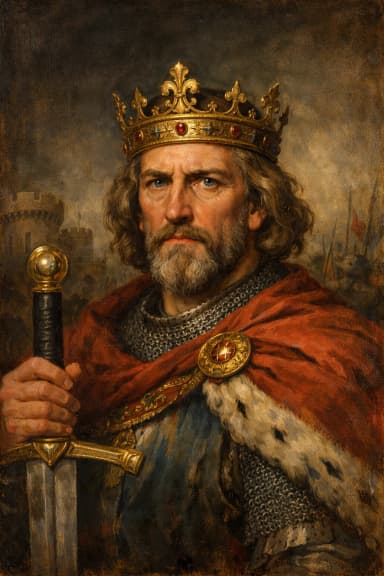
MONARCH 9
1272–1307 · Plantagenet
Edward I expanded English power into Wales, campaigned in Scotland, and left a major mark on law and government.
View profile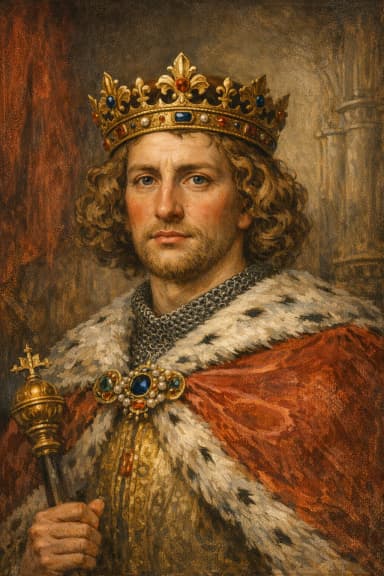
MONARCH 10
1307–1327 · Plantagenet
Edward II’s troubled reign included military defeat, factional politics, and eventual deposition.
View profile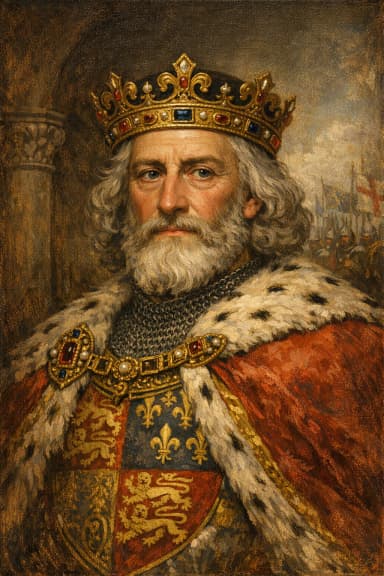
MONARCH 11
1327–1377 · Plantagenet
Edward III revived royal authority and launched the Hundred Years’ War, shaping England’s medieval military identity.
View profile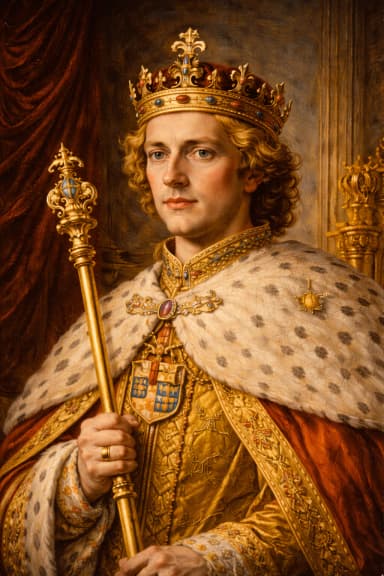
MONARCH 12
1377–1399 · Plantagenet
Richard II’s artistic court and increasingly autocratic rule ended when he was deposed by Henry Bolingbroke.
View profile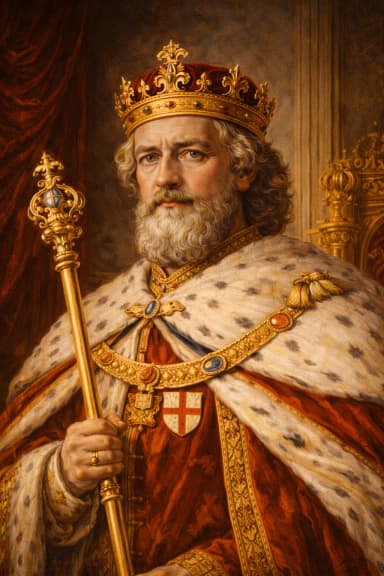
MONARCH 13
1399–1413 · Lancaster
Henry IV founded the Lancastrian line after seizing the throne, but his reign was challenged by rebellion and instability.
View profile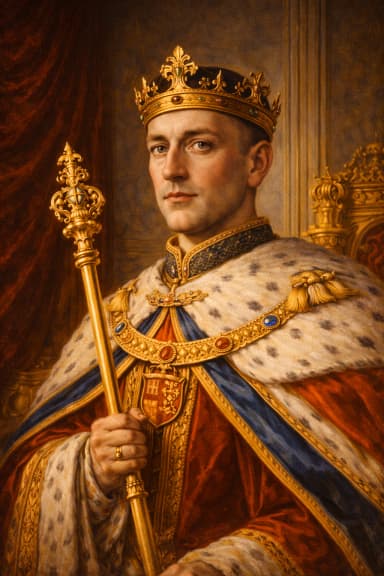
MONARCH 14
1413–1422 · Lancaster
Henry V became England’s warrior king, winning the Battle of Agincourt and renewing English claims in France.
View profile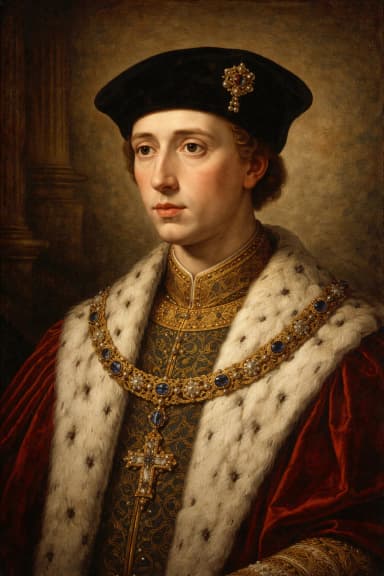
MONARCH 15
1422–1461, 1470–1471 · Lancaster
Henry VI’s weak rule and mental illness helped drive the Wars of the Roses between Lancaster and York.
View profile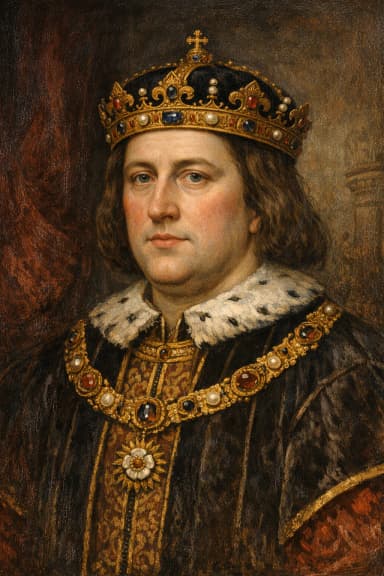
MONARCH 16
1461–1470, 1471–1483 · York
Edward IV restored Yorkist power through battlefield success and firmer kingship after years of civil war.
View profile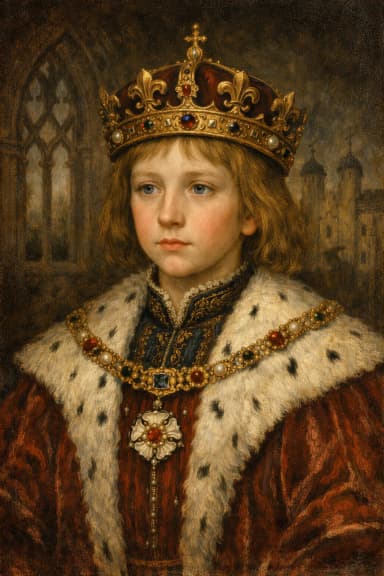
MONARCH 17
1483 · York
Edward V’s reign was brief and uncrowned; he is remembered as one of the Princes in the Tower.
View profile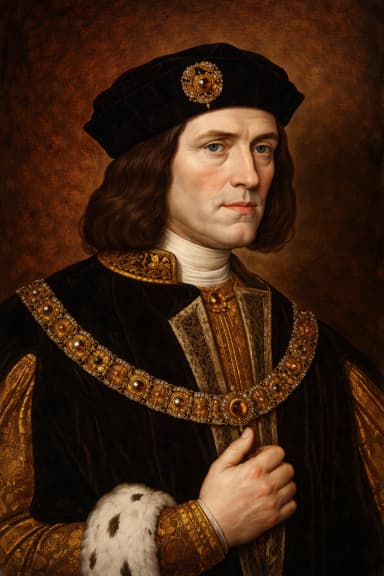
MONARCH 18
1483–1485 · York
Richard III’s short reign ended at Bosworth Field, where the Tudor era began.
View profile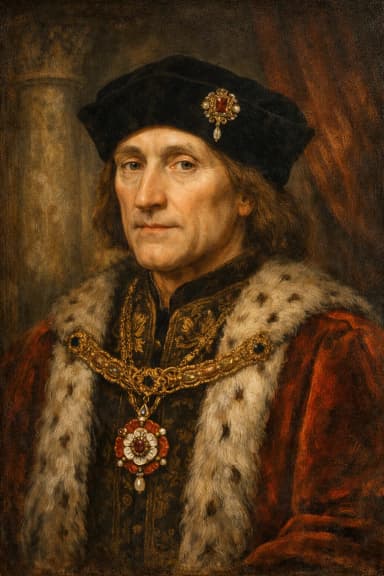
MONARCH 19
1485–1509 · Tudor
Henry VII founded the Tudor dynasty, stabilised the crown, and ended the Wars of the Roses.
View profile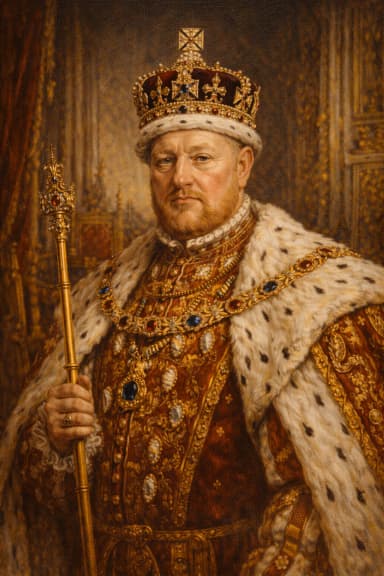
MONARCH 20
1509–1547 · Tudor
Henry VIII broke with Rome, transformed the English church, and remains one of the best-known monarchs in British history.
View profile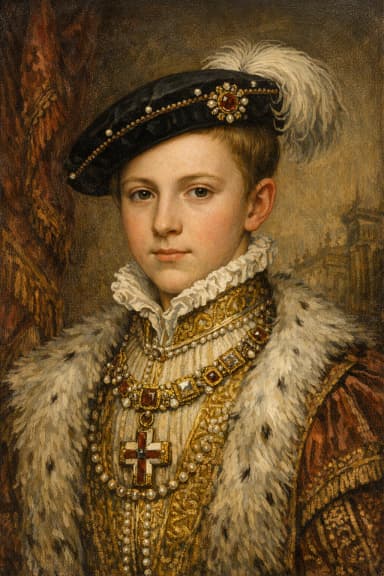
MONARCH 21
1547–1553 · Tudor
Edward VI’s reign advanced Protestant reform, though he died before reaching adulthood.
View profile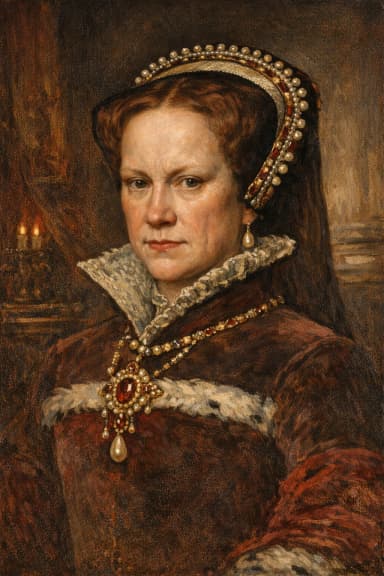
MONARCH 22
1553–1558 · Tudor
Mary I attempted to restore Catholicism and became known to later Protestant memory as ‘Bloody Mary’.
View profile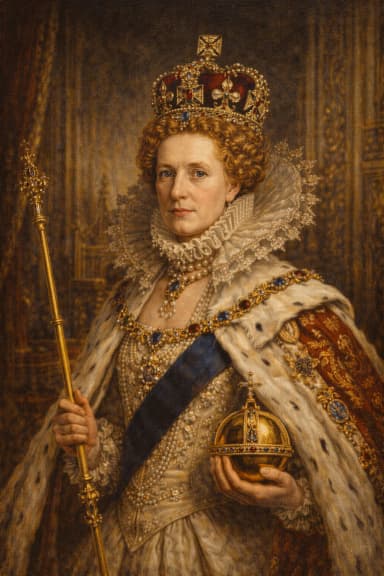
MONARCH 23
1558–1603 · Tudor
Elizabeth I presided over a powerful and culturally influential reign, balancing religion, politics, and international rivalry.
View profile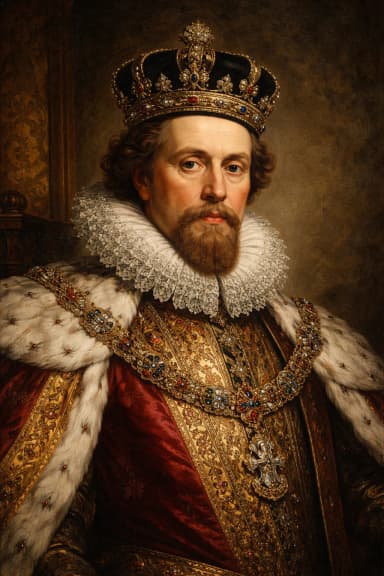
MONARCH 24
1603–1625 · Stuart
James VI of Scotland became James I of England, uniting the crowns and beginning the Stuart era in England.
View profile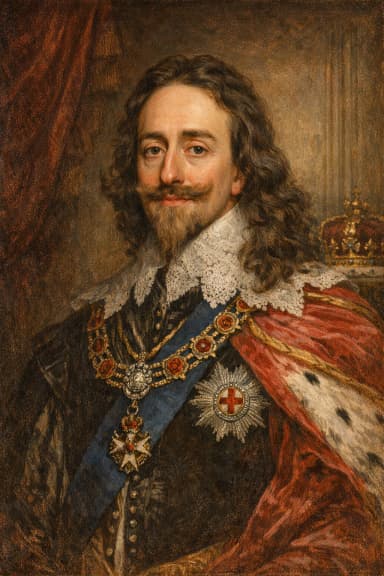
MONARCH 25
1625–1649 · Stuart
Charles I’s clashes with Parliament led to civil war, defeat, and his execution in 1649.
View profile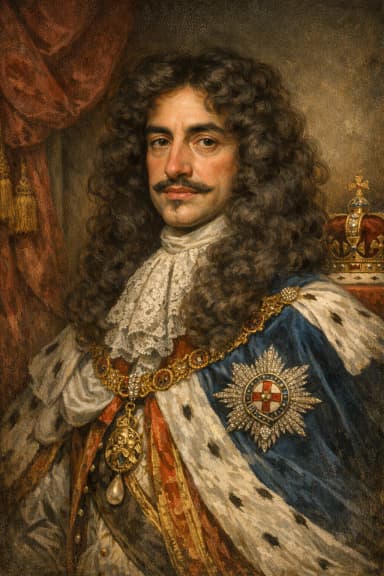
MONARCH 26
1660–1685 · Stuart
After the Interregnum, Charles II restored the monarchy and presided over a politically agile Restoration court.
View profile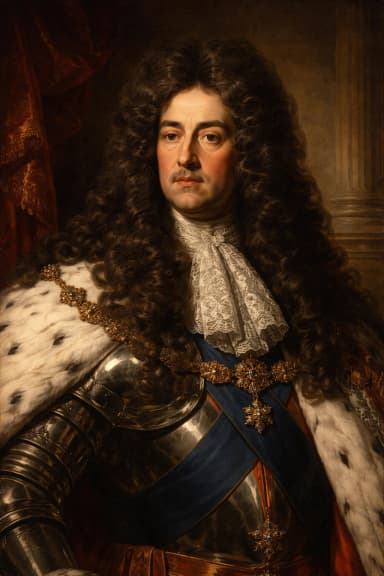
MONARCH 27
1685–1688 · Stuart
James II’s Catholicism and centralising instincts helped provoke the Glorious Revolution.
View profile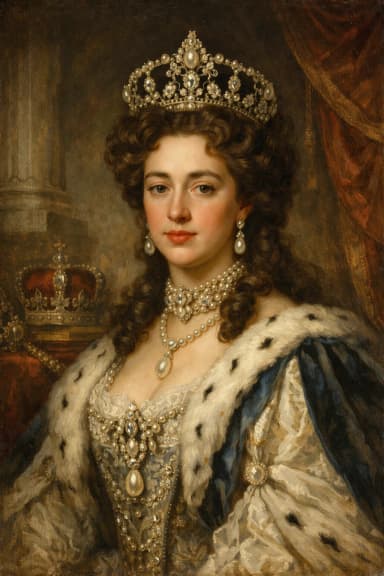
MONARCH 28
1689–1694 · Stuart / Orange
William and Mary ruled jointly after the Glorious Revolution, establishing a stronger constitutional balance between crown and Parliament.
View profile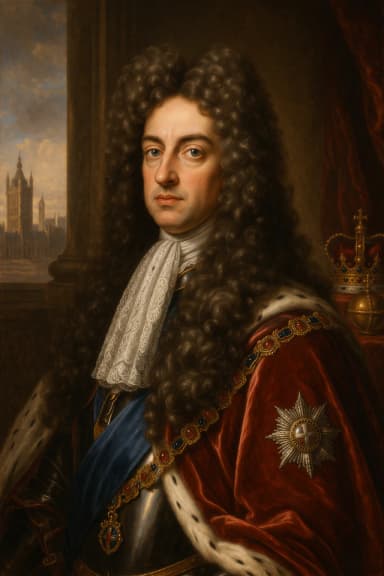
MONARCH 29
1694–1702 · Orange
After Mary’s death, William III continued alone, focusing heavily on European war and the balance of power.
View profile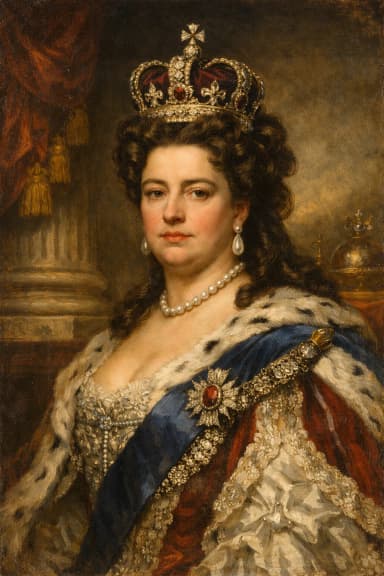
MONARCH 30
1702–1714 · Stuart
Anne became the first monarch of Great Britain after the 1707 union of England and Scotland.
View profile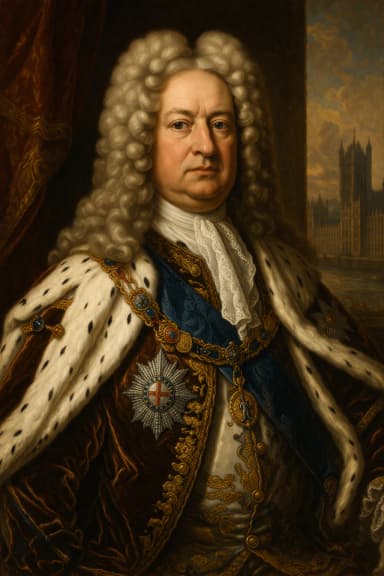
MONARCH 31
1714–1727 · Hanover
George I began the Hanoverian era and ruled in partnership with an increasingly powerful parliamentary system.
View profile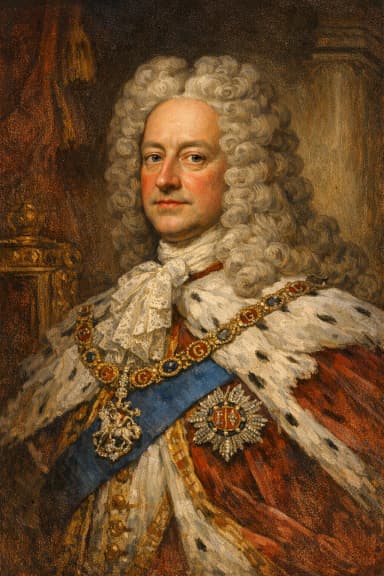
MONARCH 32
1727–1760 · Hanover
George II was the last British monarch to lead troops in battle and reigned during Britain’s expanding imperial power.
View profile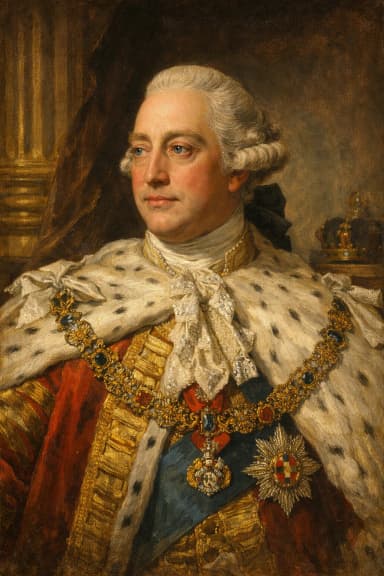
MONARCH 33
1760–1820 · Hanover
George III ruled through the American Revolution, the Napoleonic Wars, and major constitutional strain.
View profile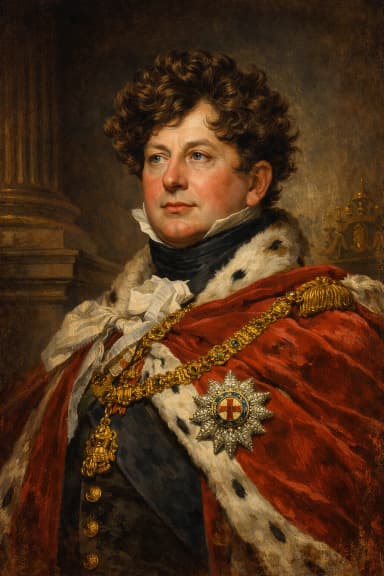
MONARCH 34
1820–1830 · Hanover
George IV is remembered for extravagance, patronage of the arts, and the culture of the Regency period.
View profile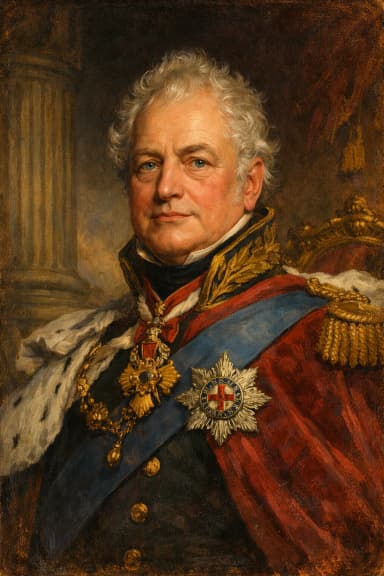
MONARCH 35
1830–1837 · Hanover
William IV’s reign saw the Great Reform Act and a changing relationship between monarchy and Parliament.
View profile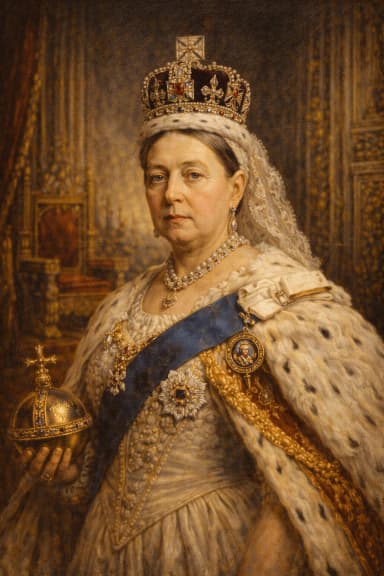
MONARCH 36
1837–1901 · Hanover / Saxe-Coburg and Gotha
Queen Victoria’s long reign became synonymous with industrial growth, empire, and the social tone of the Victorian age.
View profile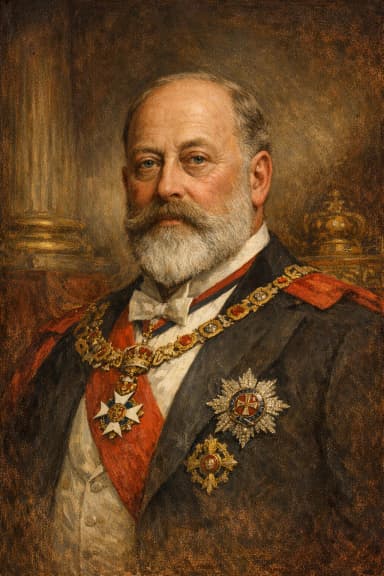
MONARCH 37
1901–1910 · Saxe-Coburg and Gotha
Edward VII ushered in the Edwardian era and played a visible diplomatic role in pre-war Europe.
View profile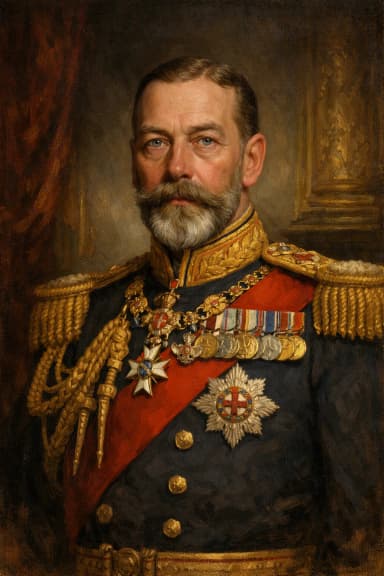
MONARCH 38
1910–1936 · Windsor
George V guided the monarchy through the First World War and renamed the royal house Windsor.
View profile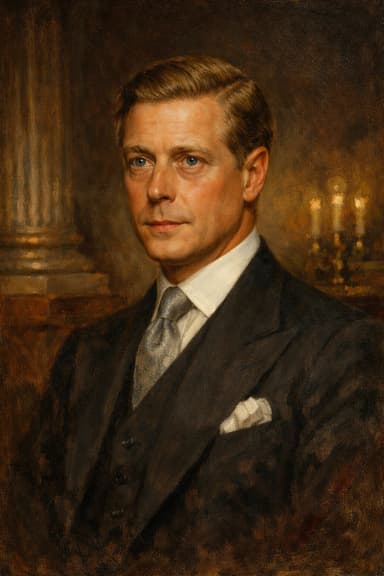
MONARCH 39
1936 · Windsor
Edward VIII abdicated in 1936, producing one of the most dramatic constitutional crises of the modern monarchy.
View profile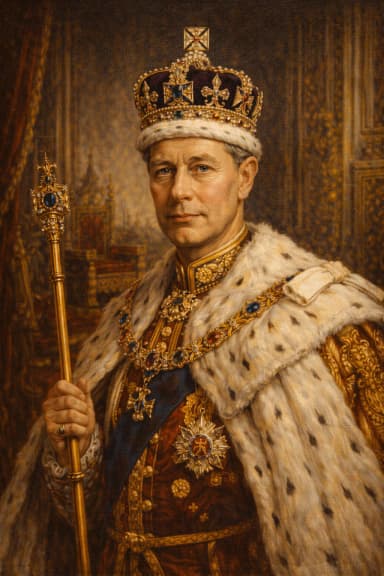
MONARCH 40
1936–1952 · Windsor
George VI restored stability to the crown and became a central wartime figure during the Second World War.
View profile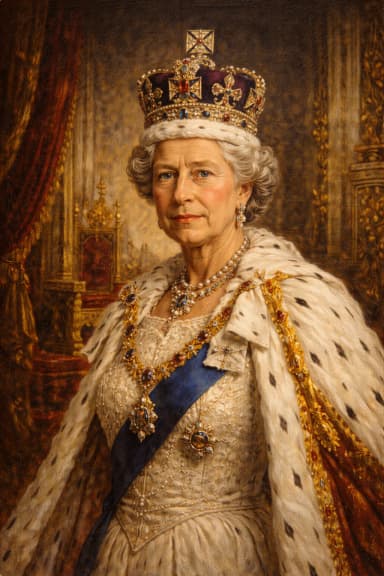
MONARCH 41
1952–2022 · Windsor
Elizabeth II reigned through decolonisation, constitutional evolution, and profound social change over seven decades.
View profile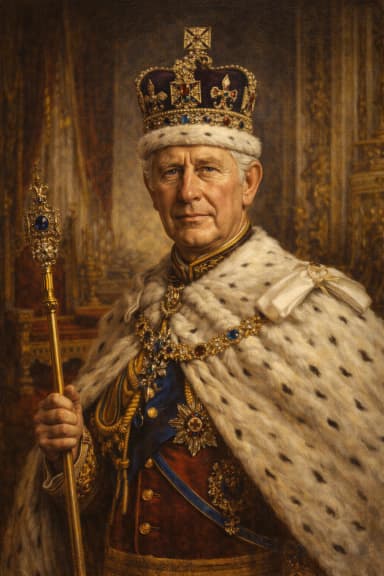
MONARCH 42
2022–present · Windsor
Charles III became king in 2022, inheriting a modern constitutional monarchy shaped by continuity, scrutiny, and change.
View profileQueen Anne is usually counted as the first monarch of Great Britain after the 1707 union of England and Scotland. The longer royal sequence often begins with William I in 1066, when the Norman Conquest reshaped the English crown.
This timeline begins with William I, who became king after the Norman Conquest in 1066.
English monarchs ruled before the 1707 Act of Union. British monarchs formally begin with Queen Anne after England and Scotland united as Great Britain.
Some reigns are complicated by civil war, deposition, joint monarchy, or rival claims to the throne. Henry VI, Edward IV, and William III and Mary II are examples of monarchs whose reigns reflect those political breaks.
Find out first about the latest published stories, feature notes and occasional Premium offers in one weekly email.