People

Zhao Gao

Zhao Gao was a Qin court official who served Qin Shi Huang and Huhai, helped manipulate the succession in 210 BC, dominated Qin Er Shi's court and was killed in 207 BC.

Died
207 BCE
Role
Court official

Qin Court Official (d. 207 BC)

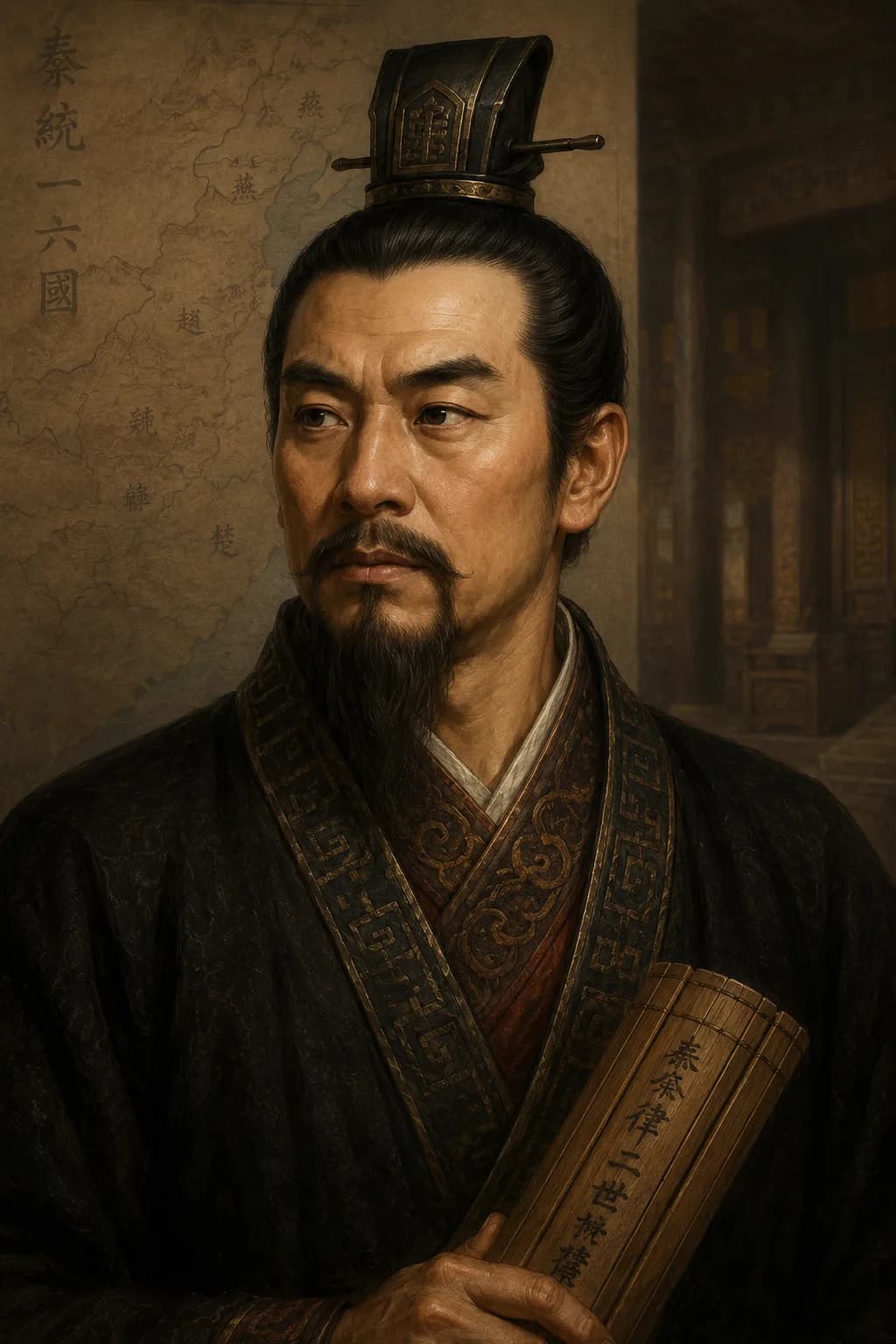
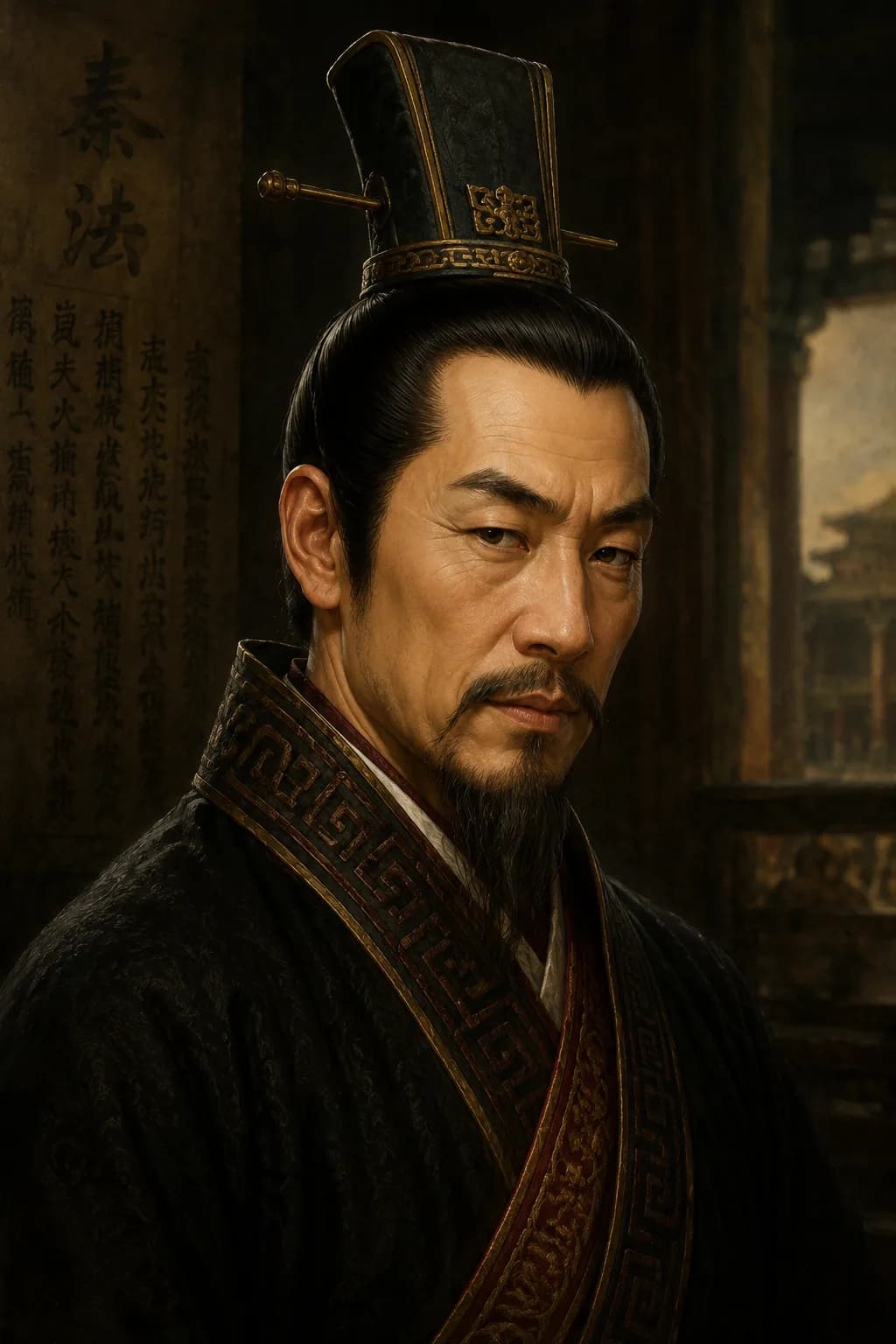
AI-generated portrait of Zhao Gao in dark Qin court robes inside the imperial palace
AI-assisted historical reconstruction

An illustrative reconstruction based on historical context. It is not a photograph or documentary likeness. Image policy

Quick answer

Zhao Gao was a Qin court official who served Qin Shi Huang and Huhai, helped manipulate the succession in 210 BC, dominated Qin Er Shi's court and was killed in 207 BC.

Died
207 BCE
Role
Court official
Years
Died 207 BCE
Quick facts

Profile details

Additional identity and tagging details that are not already covered in the introduction.

Also known as
Chao Kao
Facts

Zhao Gao timeline facts

Selected specifics from this profile's life story.

-220s
Inside the Qin Court

Zhao Gao rose inside Qin's palace administration and became closely connected to Huhai, one of Qin Shi Huang's younger sons.

-210
Death on the Road

When Qin Shi Huang died while travelling, Zhao Gao helped keep the death secret and pushed Huhai's claim to the throne.

-208
Destroying Li Si

Zhao Gao turned against Li Si, the experienced chancellor, and had him executed as Qin's political order deteriorated.

-207
A Fatal End

Zhao Gao helped remove Qin Er Shi, but Ziying soon had him killed as Qin's last ruler tried to escape his control.

Life Journey

From palace insider to architect of Qin's final crisis

Follow the story in a more continuous narrative, with a reading mode that matches how much depth you want.

Complete chronology

-220s

Inside the Qin Court

Zhao Gao's early life is difficult to recover because later histories remember him through the disaster of Qin's collapse. He is often described as a eunuch or palace official, though some details are uncertain. What matters politically is his location inside the court. He worked close to imperial carriages, seals, documents and the daily routines of palace power. He also became associated with Huhai, a younger son of Qin Shi Huang, reportedly teaching him legal codes and procedures. Zhao Gao's influence grew from access: the ability to know where documents moved, who saw the emperor and how decisions could be shaped before they became public.

-210

Death on the Road

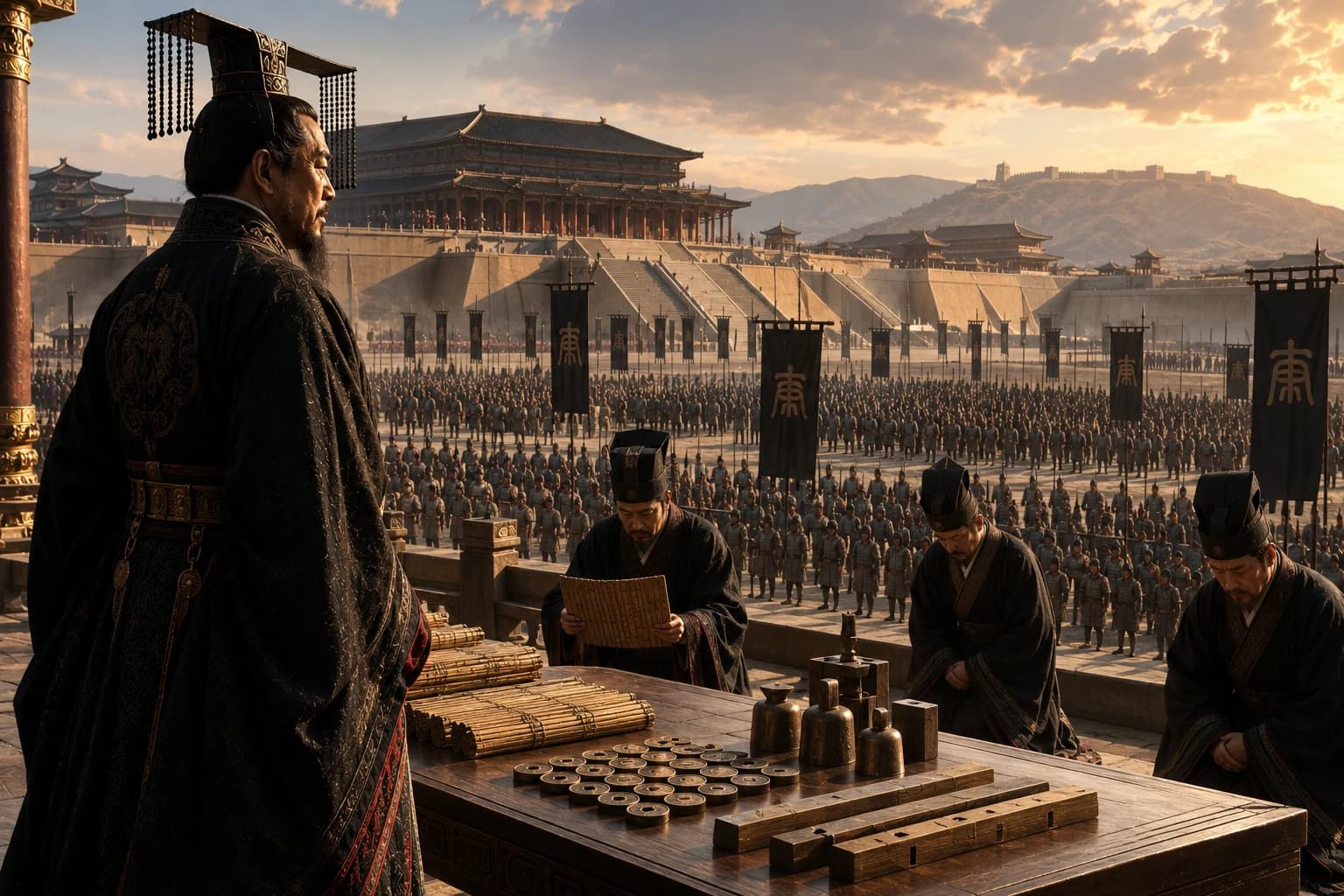
Qin Shi Huang died in 210 BC while away from Xianyang. The moment exposed a fatal weakness in Qin's hard centralisation: so much depended on the emperor's person that his death could not be handled openly. Traditional accounts say Zhao Gao, Li Si and Huhai concealed the death, altered or suppressed the intended succession and ordered Fusu to die. The details come through hostile sources, but the political result is clear. Huhai became Qin Er Shi, the Second Emperor, while Zhao Gao emerged as one of the decisive figures behind the throne. Qin had conquered the world of rival kings, but it could not secure its own transfer of power.

-209

Power Behind Qin Er Shi

Once Huhai became Qin Er Shi, Zhao Gao's influence expanded. Sources describe him encouraging purges of potential rivals, royal relatives and senior officials, while persuading the emperor to withdraw from regular court contact. This kind of palace politics was especially dangerous because rebellions were spreading outside the capital. Qin needed clear judgement, flexible policy and trusted commanders. Instead, the centre became more secretive and punitive. Zhao Gao's power did not create every problem Qin faced. Harsh labour demands, resentment of law and regional rebellion were already serious. But his dominance made the dynasty less able to respond intelligently to crisis.

-208

Destroying Li Si

Li Si had helped build Qin's imperial government, but that record did not save him. Zhao Gao accused him of treason, and Li Si was executed in 208 BC. The elimination of such an experienced minister showed how far Qin court politics had decayed. Legalist order had promised predictability through law, but at the centre of power accusation became a weapon. Zhao Gao's victory over Li Si gave him even greater control, yet it left the state poorer in talent at the moment rebellions were approaching the heartland. The more Zhao Gao secured himself, the less secure Qin became.

-207

A Fatal End

By 207 BC, rebellion had reached a point Qin could not contain. Zhao Gao feared being blamed for disaster and forced Qin Er Shi from the throne. He then tried to manage the succession again by elevating Ziying. This final act failed. Ziying had Zhao Gao killed, but the dynasty was already beyond recovery. Liu Bang soon entered the Qin capital region, and the imperial house fell. Zhao Gao's later reputation became a warning about palace manipulation, false speech and power without responsibility. He did not alone destroy Qin, but he became the face of the court failure that made collapse faster and harder to reverse.

Continue in context

Connected stories

Move from the profile into the wider events and settings this figure belongs to.

Tertiary paths

Content note

This profile is written for educational use and connects to related Stories of History pages. The main portrait is an AI-assisted historical reconstruction, included as an illustrative aid rather than documentary evidence. Image policy

References

Sources & Further Reading

Reliable reference works, archives and reading paths connected to this profile.

Further reading

  1. Encyclopaedia Britannica, Search results for Zhao Gao,” accessed June 2026.Open source
  2. WorldCat, Books and library holdings for Zhao Gao,” accessed June 2026.Open source

Primary sources

  1. Library of Congress, Search results for Zhao Gao,” accessed June 2026.Open source

Reviewed claim sources

Loading reviewed claim sources...

A weekly route through history

Find out first about the latest published stories, feature notes and occasional Premium offers in one weekly email.