People

William Pitt the Younger

William Pitt the Younger was Britain's youngest prime minister, taking office at 24. His biography includes financial reform, the French Revolutionary Wars, Irish union, Catholic emancipation and the struggle against Napoleon.

Born
1759 CE
Died
1806 CE
Role
Prime Minister of Great Britain

Britain's youngest Prime Minister at 24 (1759–1806)

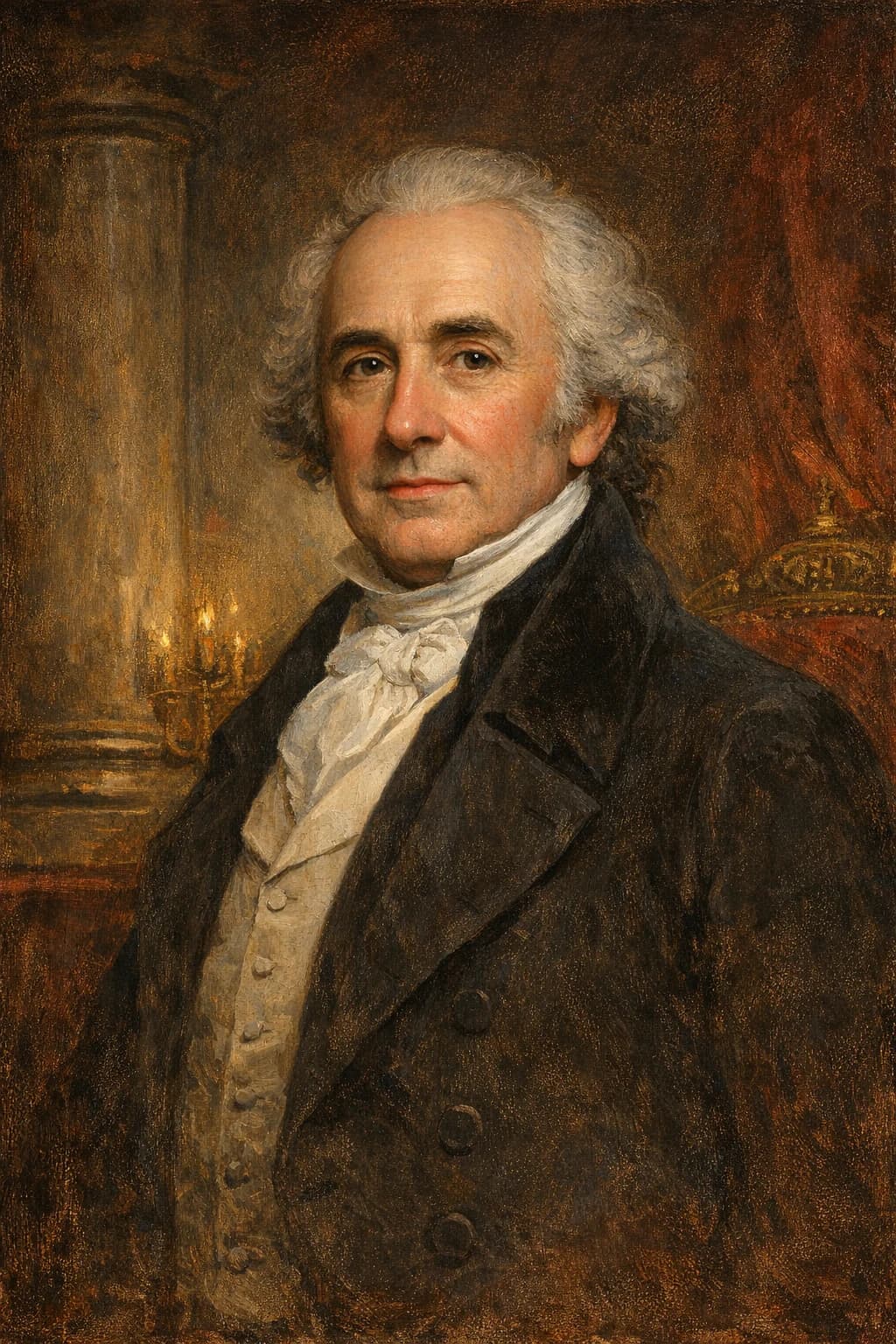
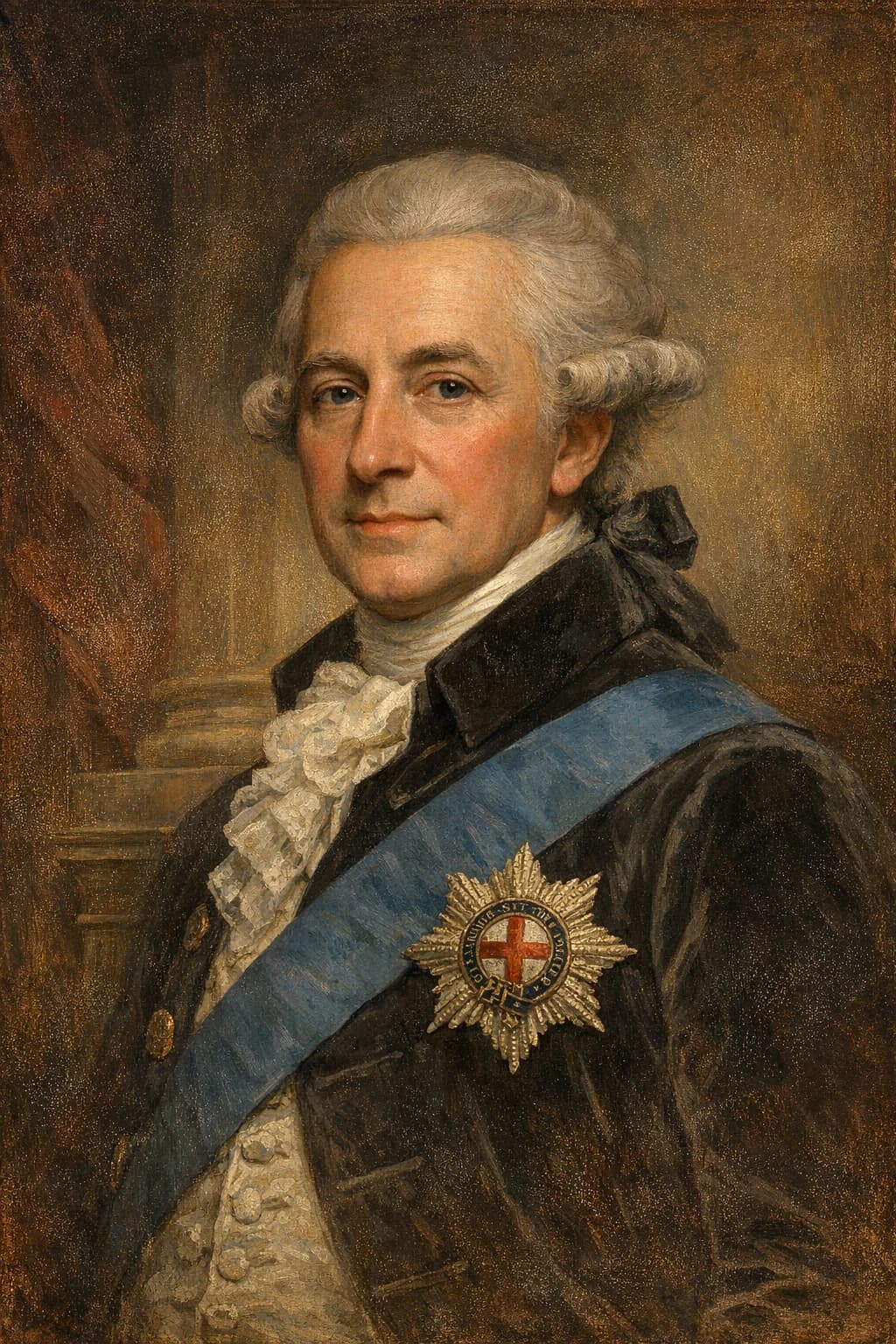
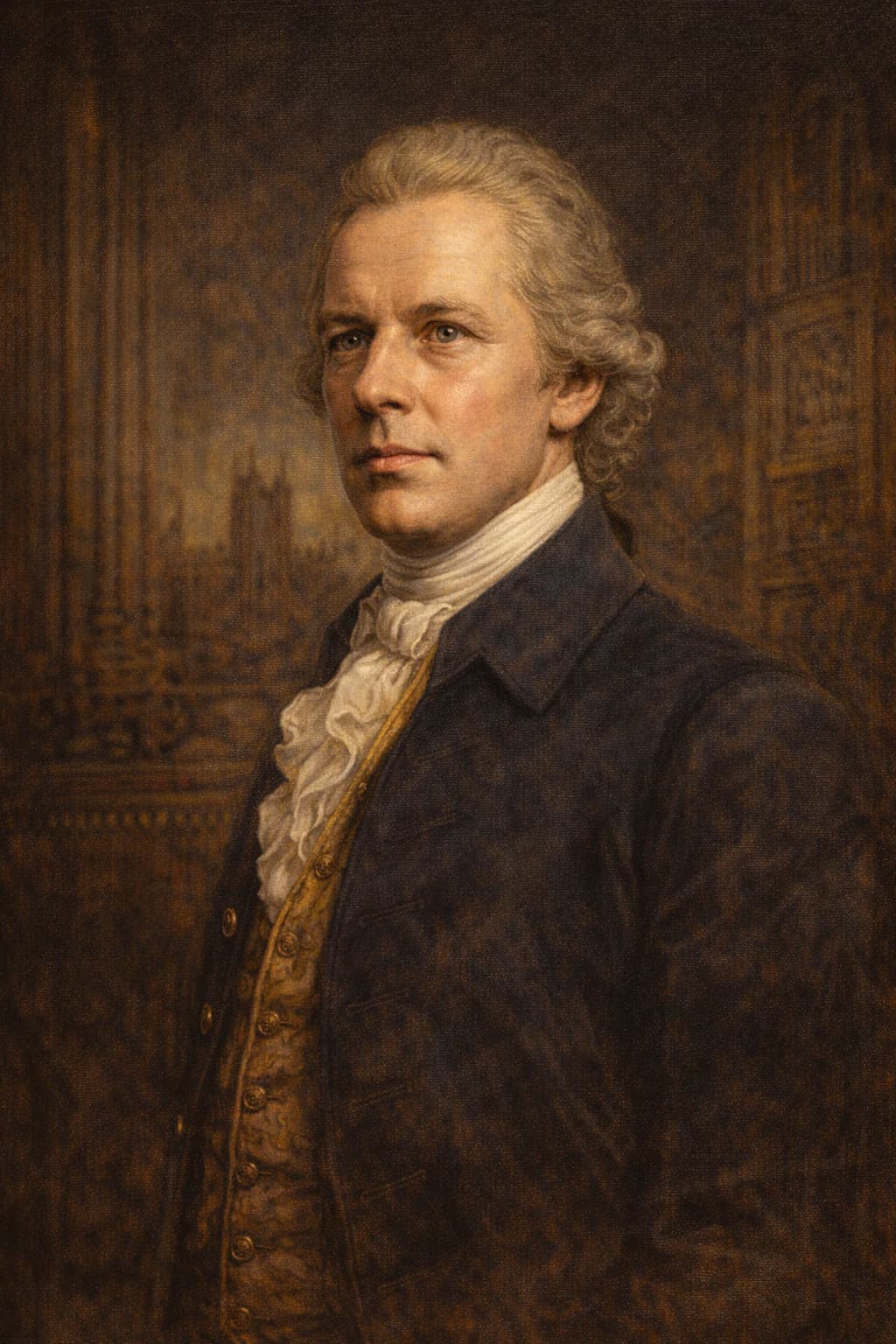
AI-generated portrait of William Pitt the Younger in formal Georgian attire
AI-assisted historical reconstruction

An illustrative reconstruction based on historical context. It is not a photograph or documentary likeness. Image policy

Quick answer

William Pitt the Younger was Britain's youngest prime minister, taking office at 24. His biography includes financial reform, the French Revolutionary Wars, Irish union, Catholic emancipation and the struggle against Napoleon.

Born
1759 CE
Died
1806 CE
Role
Prime Minister of Great Britain
Years
1759-1806 CE
Facts

William Pitt the Younger timeline facts

Selected specifics from this profile's life story.

1759
Political family roots

William Pitt the Younger was born in 1759, the son of William Pitt the Elder, inheriting a political name already associated with empire, oratory and national crisis.

1783
Young prime minister

At twenty-four, Pitt became prime minister in December 1783, survived early attacks and won the 1784 election that gave him real authority.

Late 1790s–1801
Political pressures

Pitt resigned in 1801 after George III refused Catholic emancipation, which Pitt believed should follow the Act of Union with Ireland.

1806
Enduring influence

Pitt died in January 1806 at forty-six, leaving a legacy of financial statecraft, wartime endurance and unresolved questions over reform and Ireland.

Life Journey

Youth, finance, revolution, and war with France

Follow the story in a more continuous narrative, with a reading mode that matches how much depth you want.

Complete chronology

1759

Political family roots

Pitt was born into political inheritance almost too large for a child to carry. His father, the Earl of Chatham, had been Britain's great wartime voice during the Seven Years' War; his mother, Hester Grenville, connected him to another powerful political family. Fragile health kept the younger Pitt at home for much of childhood, but it also placed him close to intense private education. He grew up hearing politics as a language of duty, finance, empire and national survival. The family name opened doors, but it also created expectation. Pitt would spend his life proving that he was not merely Chatham's son.

1770s

Rapid education

Pitt's education compressed youth into preparation. At Pembroke Hall, Cambridge, he displayed a disciplined intelligence that contemporaries found almost unnervingly mature. He studied law at Lincoln's Inn, but Parliament was always the more natural destination. His style was different from his father's volcanic theatricality. The younger Pitt was lucid, controlled, devastatingly logical and often cold. That quality would become one of his greatest strengths in financial policy and one of his weaknesses in human politics. He entered public life with the manner of a man older than his years, which helped Britain accept the astonishing fact of a prime minister barely past adolescence.

1781

Entry into Parliament

Pitt entered the Commons while Britain was reeling from the American war. He supported parliamentary reform, administrative economy and cleaner government, aligning himself with a mood that wanted competence after humiliation. His maiden speeches impressed listeners because they combined youth with command. He became Chancellor of the Exchequer in 1782 and declined office when he felt conditions compromised independence. By 1783, George III saw in him a way to resist the Fox-North Coalition. Pitt's rise was not just personal brilliance; it was the product of a monarchy, public opinion and reformist respectability converging around a young man who looked incorruptible.

1783

Young prime minister

Pitt's appointment looked absurd to enemies. Charles James Fox and other opponents assumed the young minister would collapse under Commons pressure. Instead, Pitt used the king's support, public anger at the Fox-North Coalition and his own debating discipline to survive long enough for a general election. The 1784 result transformed him from royal experiment into national leader. He then built a governing system that mixed crown support, parliamentary management, financial credibility and personal austerity. His youth became part of his appeal: after the old failures of American war, Britain had a minister who seemed to represent renewal without revolution.

1780s

Financial reforms

Pitt's early achievement was financial reconstruction. The American war had left debt, distrust and administrative weakness. As Chancellor as well as prime minister, he simplified customs duties, attacked smuggling by lowering some rates, improved revenue collection and presented himself as guardian of national solvency. His sinking fund was partly financial theatre, but theatre mattered when public credit depended on confidence. He also negotiated the Eden Treaty with France in 1786, briefly imagining a commercial future less dominated by war. These reforms made Britain more resilient. When revolutionary France later forced a vast conflict on Europe, Pitt's fiscal foundations helped Britain keep fighting.

1790s

War challenges

Pitt initially watched the French Revolution with caution rather than immediate hostility, but war in 1793 changed everything. Britain joined coalitions against revolutionary France, funded allies, expanded naval operations and faced fear of radicalism at home. Pitt suspended habeas corpus, supported repressive legislation against seditious activity and abandoned much of the reforming language of his youth. Critics saw betrayal; supporters saw emergency government. The war strained finance, politics and liberty, but Pitt believed defeat by France would be worse. His premiership became a long exercise in endurance: raising money, sustaining coalitions, absorbing military disappointments and keeping the British state intact.

Late 1790s–1801

Political pressures

Ireland became the great domestic settlement Pitt could not complete. After the 1798 rebellion, he pushed through the Act of Union, creating the United Kingdom of Great Britain and Ireland in 1801. Pitt believed union should be accompanied by Catholic emancipation, allowing Catholics fuller political rights and binding Irish elites to the new state. George III, convinced such a concession violated his coronation oath, refused. Pitt resigned rather than abandon the policy openly. The resignation showed both principle and limitation: he could reshape constitutional geography, but not overcome royal conscience. The unresolved Catholic question haunted British and Irish politics for decades.

1804

Return to power

Pitt's return came because Britain again needed the man most associated with national resistance. Napoleon's power had expanded dramatically, and invasion fears gripped Britain. Pitt helped build the Third Coalition with Austria and Russia, hoping to contain France through European alliance backed by British finance. But he was physically worn down by years of work, alcohol, stress and ill health. The coalition collapsed after Napoleon's victory at Austerlitz in December 1805. Pitt reportedly understood the scale of the disaster. He had built Britain's resistance system, but he could not guarantee continental success against Napoleon's military genius.

1806

Enduring influence

Pitt's legacy is larger than his age at death suggests. He professionalised aspects of finance, restored confidence after imperial defeat, helped create the United Kingdom and sustained Britain through the most dangerous opening phase of the wars with France. He also narrowed political liberty during emergency, retreated from parliamentary reform and left Catholic emancipation unresolved. His career is therefore not a simple heroic arc. It is the story of a gifted reformer turned wartime conservative by revolution and fear. Pitt mattered because he strengthened the British state for the struggle Napoleon would continue after him. The victory of 1815 was not his, but the fiscal and political machinery that made it possible owed much to his long discipline.

Continue in context

Connected stories

Move from the profile into the wider events and settings this figure belongs to.

British Prime Ministers lineage
LineagePrime ministers in sequence
British Prime Ministers
1721 CE–present

Explore British prime ministers from Walpole to the present.

View lineage
Tertiary paths

Content note

This profile is written for educational use and connects to related Stories of History pages. The main portrait is an AI-assisted historical reconstruction, included as an illustrative aid rather than documentary evidence. Image policy

References

Sources & Further Reading

Reliable reference works, archives and reading paths connected to this profile.

Further reading

  1. Encyclopaedia Britannica, Search results for William Pitt the Younger,” accessed June 2026.Open source
  2. WorldCat, Books and library holdings for William Pitt the Younger,” accessed June 2026.Open source

Primary sources

  1. Library of Congress, Search results for William Pitt the Younger,” accessed June 2026.Open source

Reviewed claim sources

Loading reviewed claim sources...

A weekly route through history

Find out first about the latest published stories, feature notes and occasional Premium offers in one weekly email.