People

William Petty-Fitzmaurice

William Petty-Fitzmaurice, 2nd Earl of Shelburne, was a Whig Prime Minister who negotiated the Peace of Paris in 1783, accepted American independence and promoted reform-minded imperial policy.

Born
1737 CE
Died
1805 CE
Role
Whig Prime Minister

Whig Prime Minister (1737–1805)

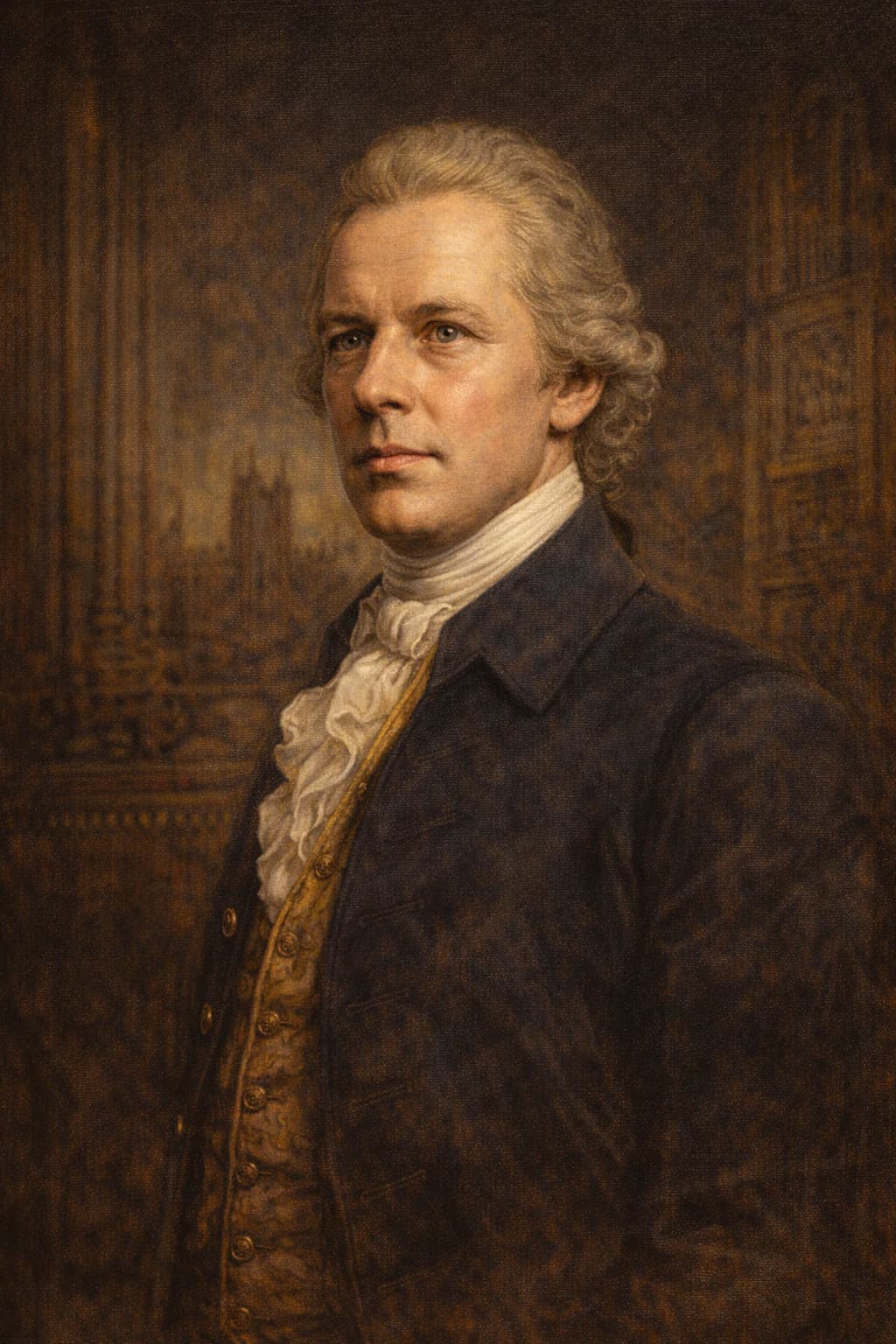
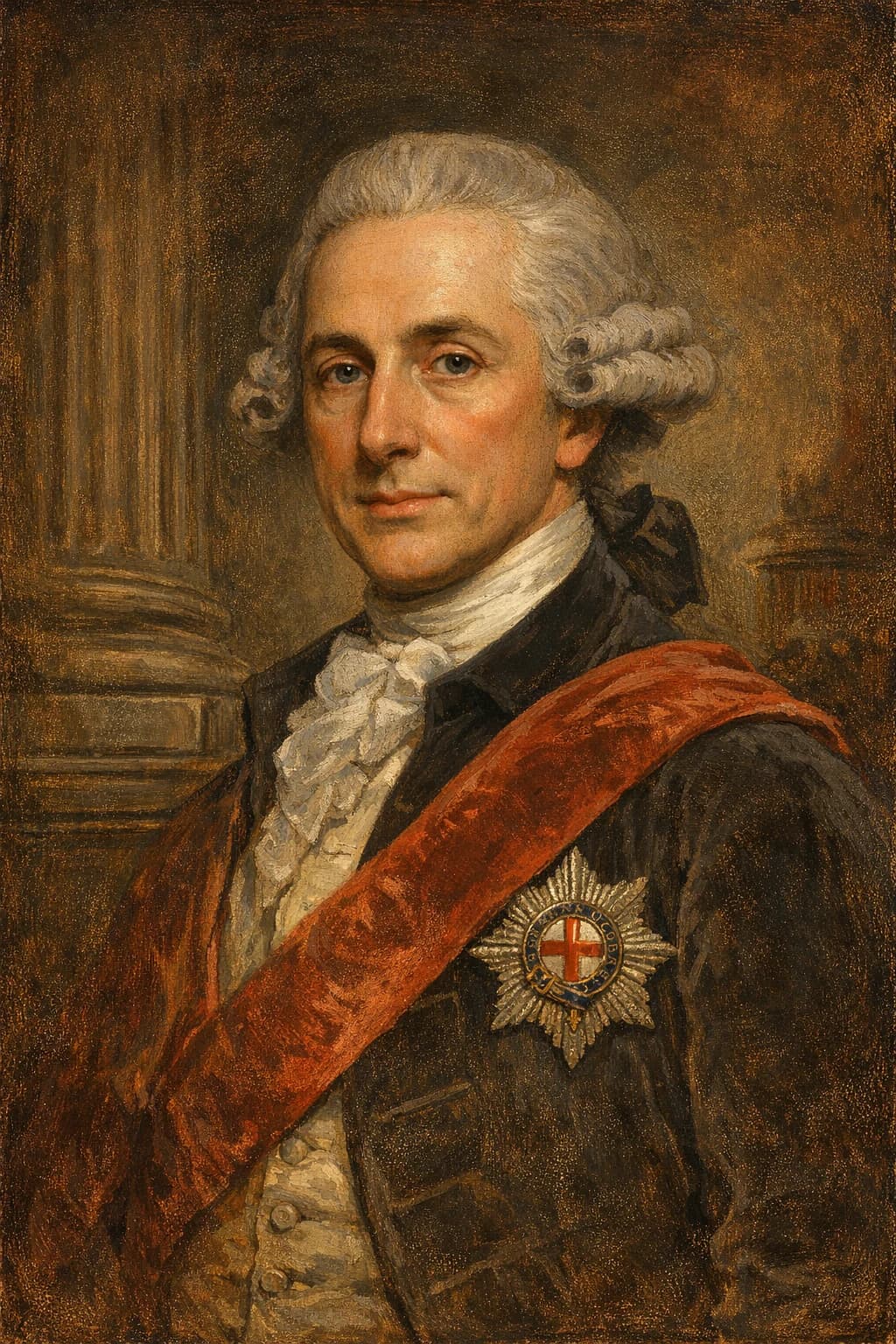
AI-generated portrait of the Earl of Shelburne in formal Georgian attire
AI-assisted historical reconstruction

An illustrative reconstruction based on historical context. It is not a photograph or documentary likeness. Image policy

Quick answer

William Petty-Fitzmaurice, 2nd Earl of Shelburne, was a Whig Prime Minister who negotiated the Peace of Paris in 1783, accepted American independence and promoted reform-minded imperial policy.

Born
1737 CE
Died
1805 CE
Role
Whig Prime Minister
Years
1737-1805 CE
Quick facts

Profile details

Additional identity and tagging details that are not already covered in the introduction.

Full name
William Petty-Fitzmaurice, 2nd Earl of Shelburne
Also known as
Earl of Shelburne, 2nd Earl of Shelburne, Marquess of Lansdowne
Facts

William Petty-Fitzmaurice timeline facts

Selected specifics from this profile's life story.

1737
Aristocratic beginnings

William Petty-Fitzmaurice was born in Dublin in 1737 into an Anglo-Irish aristocratic family with estates, connections and a route into imperial politics.

1766–1768
Rise to office

As Southern Secretary in the 1760s, Shelburne dealt with colonial affairs as tensions with Britain's American colonies sharpened after the Seven Years' War.

1782–1783
Peace negotiations

Shelburne's government negotiated the 1783 Peace of Paris, recognising American independence while trying to preserve future trade and strategic balance.

1784–1805
Later life and legacy

As Marquess of Lansdowne, Shelburne remained an influential reform-minded figure, remembered for seeing that Britain had to adapt after losing America.

Life Journey

Reform, American peace, and the fall of a mistrusted minister

Follow the story in a more continuous narrative, with a reading mode that matches how much depth you want.

Complete chronology

1737

Aristocratic beginnings

Shelburne's origins placed him in the world that governed eighteenth-century Britain and Ireland: aristocratic land, patronage, family interest and parliamentary expectation. He inherited the title Earl of Shelburne in 1761 and later became Marquess of Lansdowne, but his identity was not merely decorative. He was ambitious, intellectually curious and unusually interested in political economy, trade and the practical mechanics of empire. His Anglo-Irish background mattered because it placed him between metropolitan power and imperial periphery. He understood that the British state was not a simple island kingdom but a system of territories, interests and commercial relationships that could be broken by mismanagement.
1750s

Education and ideas

Shelburne absorbed more than the manners of rank. He studied at Oxford, served briefly in the army during the Seven Years' War and developed a network of thinkers, officials and reformers who shaped his political imagination. He admired practical knowledge. Economists, dissenting intellectuals, colonial experts and administrative reformers found in him a patron who wanted information as well as allegiance. This made him interesting and suspect. Eighteenth-century politics still relied heavily on personal connection and factional loyalty; Shelburne preferred analysis, memoranda and long-term design. His interest in freer trade and imperial conciliation later made him seem forward-looking, but to contemporaries it could look cold, secretive and untrustworthy.

1760s

Entry into politics

Shelburne's early career was tied to Pitt the Elder, whose imperial patriotism and suspicion of narrow court politics appealed to him. He entered the House of Lords after inheriting his title and moved quickly through office, including service at the Board of Trade. Yet he was never easy to place. He disliked rigid faction, distrusted the old politics of borough management and cultivated private channels of information. Such independence can look like principle from a distance and intrigue up close. Shelburne gathered able people around him, but he also gathered enemies who believed he was always manoeuvring beyond what he openly said.

1766–1768

Rise to office

Shelburne became Secretary of State for the Southern Department in 1766, responsible for much colonial business at a moment when Britain's empire was expanding and straining at once. The Stamp Act crisis had revealed how fiercely American colonists resisted taxation without representation. Shelburne believed blunt coercion would worsen the crisis and that imperial authority had to be reconciled with colonial interest. He was no democrat seeking American independence, but he saw the empire as a commercial and political system that needed flexibility. His position clashed with harder lines at court and in Parliament. He left office in 1768, but the American question remained the problem that would define his career.

1770s

Years in opposition

In opposition, Shelburne became one of the most important critics of the government's handling of America. He believed ministers misunderstood both colonial society and the limits of coercion across the Atlantic. As the war widened and France, Spain and the Dutch Republic entered against Britain, his warnings looked increasingly practical rather than merely theoretical. Yet opposition did not make him broadly loved. Rockingham Whigs distrusted him, court politicians disliked him, and many colleagues thought his intelligence came wrapped in too much secrecy. Shelburne was often right about the danger of policy, but being right did not make him easy to follow.

1782

Prime ministerial rise

The fall of Lord North after Yorktown opened the way for a peace ministry, first under the Marquess of Rockingham. Shelburne served as Home Secretary, with responsibility for American negotiations, while Charles James Fox handled foreign affairs. Rockingham's death in July 1782 broke the fragile arrangement. George III asked Shelburne to become prime minister, and Fox resigned rather than serve under him. Shelburne therefore took office with the king's support but without a secure parliamentary base. His task was immense: end a global war, manage national humiliation, protect British trade and survive colleagues who suspected him of sacrificing party honour to personal advancement.

1782–1783

Peace negotiations

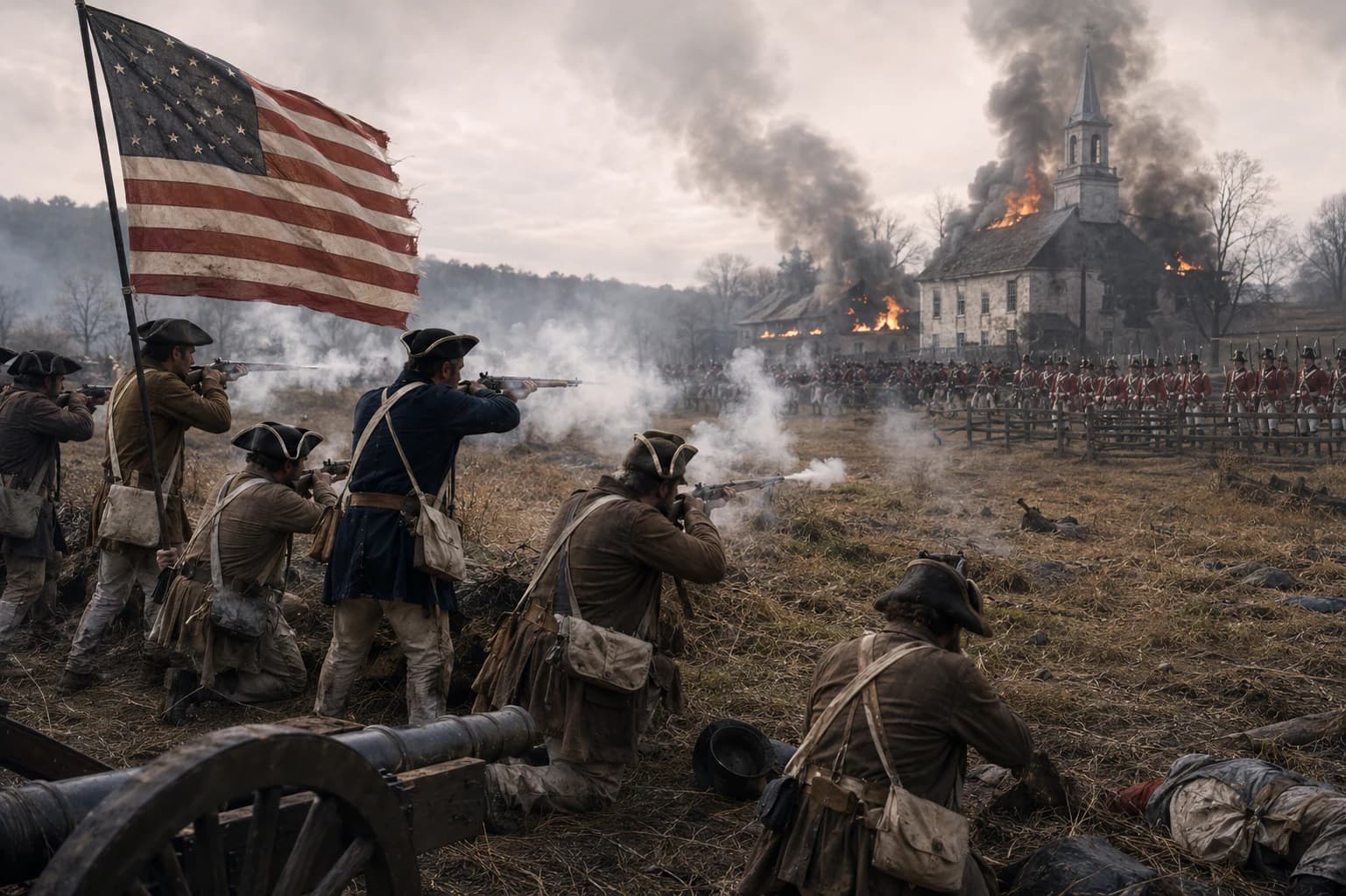
Shelburne accepted what many imperial diehards could not: the United States could not be reconquered at acceptable cost. His negotiators, especially Richard Oswald, dealt with American representatives including Benjamin Franklin, John Jay and John Adams. The settlement recognised American independence and granted generous boundaries to the new republic, while Britain retained Canada and sought to rebuild commercial influence through trade rather than sovereignty. Critics saw surrender. Shelburne saw adaptation. He believed that political separation need not mean economic hostility and that Britain could recover by shifting from coercive empire toward commercial empire. The insight was significant, though the politics of making peace after defeat were unforgiving.

1783

Fall from power

Peace did not save Shelburne because Parliament judged peace through factional hatred as much as strategy. Fox, once North's fierce enemy, joined with North to defeat Shelburne's ministry. The Fox-North Coalition looked to many like an unprincipled alliance, but it had enough parliamentary force to bring him down. Shelburne resigned in April 1783, less than a year after becoming prime minister. His fall revealed the central weakness of his career: he could think beyond many contemporaries, but he could not make enough of them trust him. The statesman who helped end the American war could not build the political coalition needed to shape the postwar order.

1784–1805

Later life and legacy

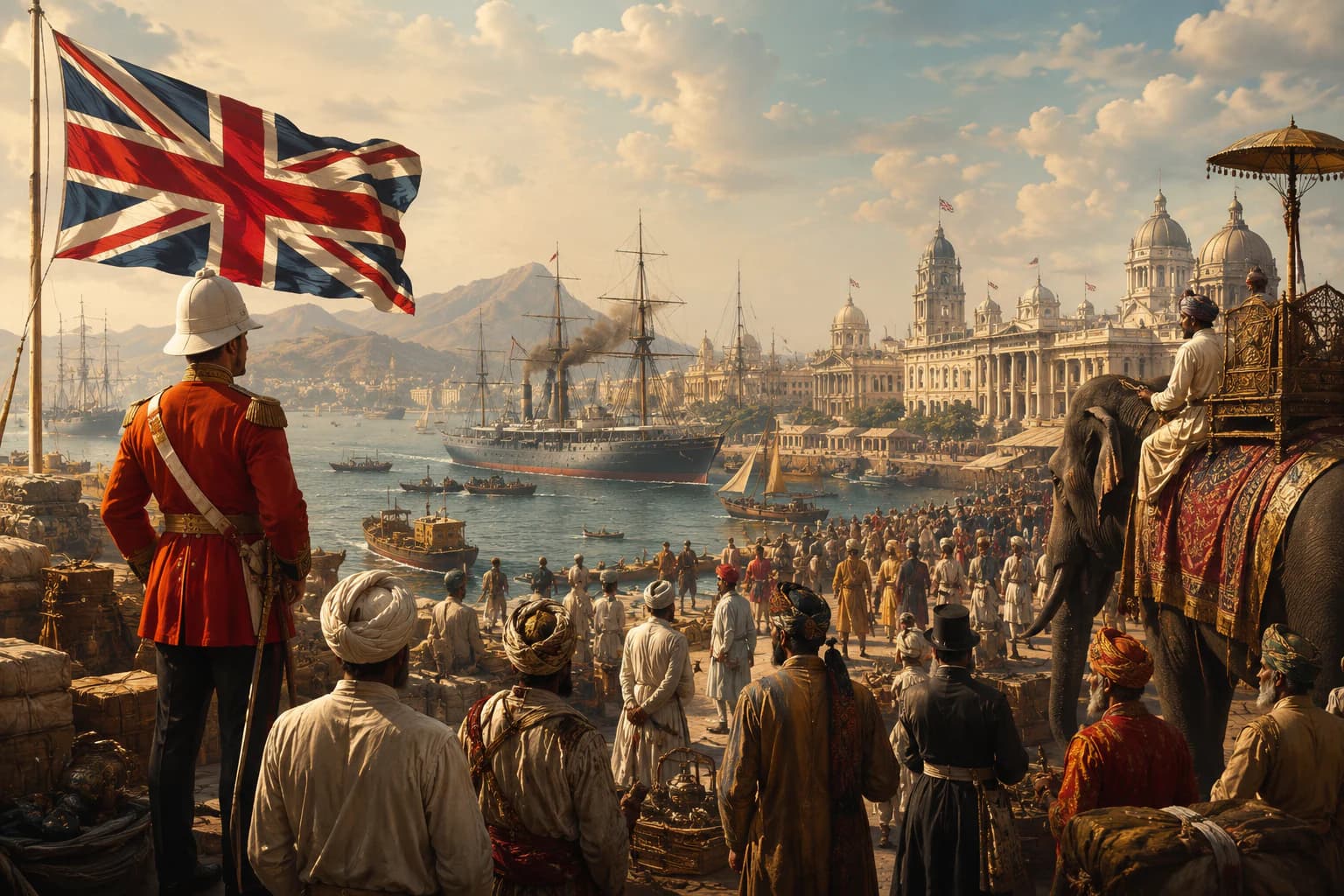
Shelburne was created Marquess of Lansdowne in 1784 and remained a significant, if no longer central, figure until his death in 1805. His circle continued to attract reformers, economists and independent minds, and his broader political instincts anticipated parts of nineteenth-century liberalism: freer trade, administrative reform, religious toleration and empire held together by interest rather than coercion where possible. His reputation has always been divided. To enemies, he was slippery, cold and unreliable. To later historians, he can look like one of the few ministers who understood that losing America required a strategic rethink, not simply mourning. Shelburne's importance lies in that pivot. He helped Britain stop fighting a lost war and begin imagining power after imperial defeat.

Continue in context

Connected stories

Move from the profile into the wider events and settings this figure belongs to.

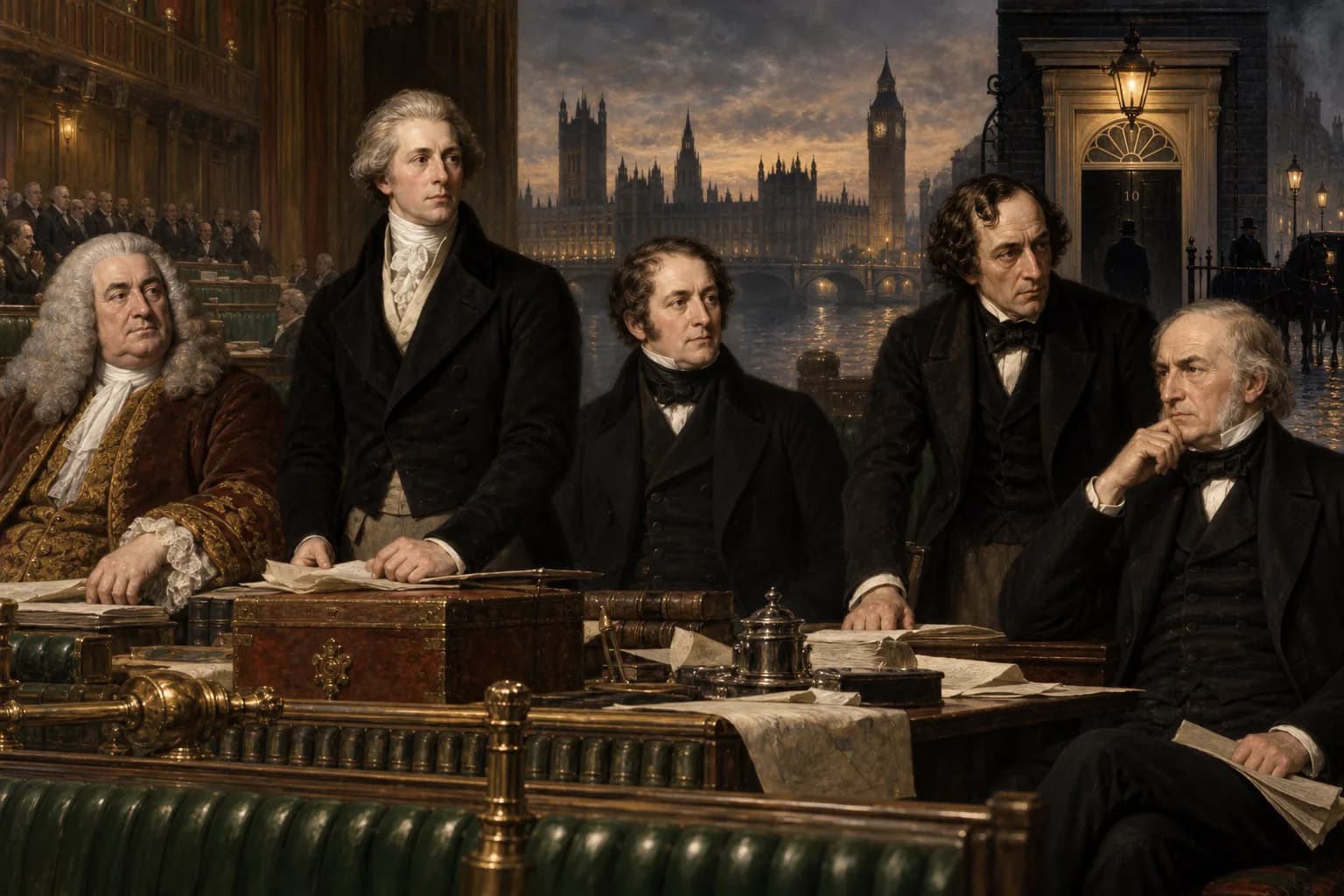
British Prime Ministers lineage
LineagePrime ministers in sequence
British Prime Ministers
1721 CE–present

Explore British prime ministers from Walpole to the present.

View lineage
Tertiary paths

Content note

This profile is written for educational use and connects to related Stories of History pages. The main portrait is an AI-assisted historical reconstruction, included as an illustrative aid rather than documentary evidence. Image policy

References

Sources & Further Reading

Reliable reference works, archives and reading paths connected to this profile.

Further reading

  1. Encyclopaedia Britannica, Search results for William Petty-Fitzmaurice,” accessed June 2026.Open source
  2. WorldCat, Books and library holdings for William Petty-Fitzmaurice,” accessed June 2026.Open source

Primary sources

  1. Library of Congress, Search results for William Petty-Fitzmaurice,” accessed June 2026.Open source

Reviewed claim sources

Loading reviewed claim sources...

A weekly route through history

Find out first about the latest published stories, feature notes and occasional Premium offers in one weekly email.