People

William Cavendish-Bentinck

William Cavendish-Bentinck, 3rd Duke of Portland, was a British Prime Minister twice: in the Fox-North coalition of 1783 and again from 1807 to 1809 during the Napoleonic Wars.

Born
1738 CE
Died
1809 CE
Role
Prime Minister of the United Kingdom

British Prime Minister (1738–1809)

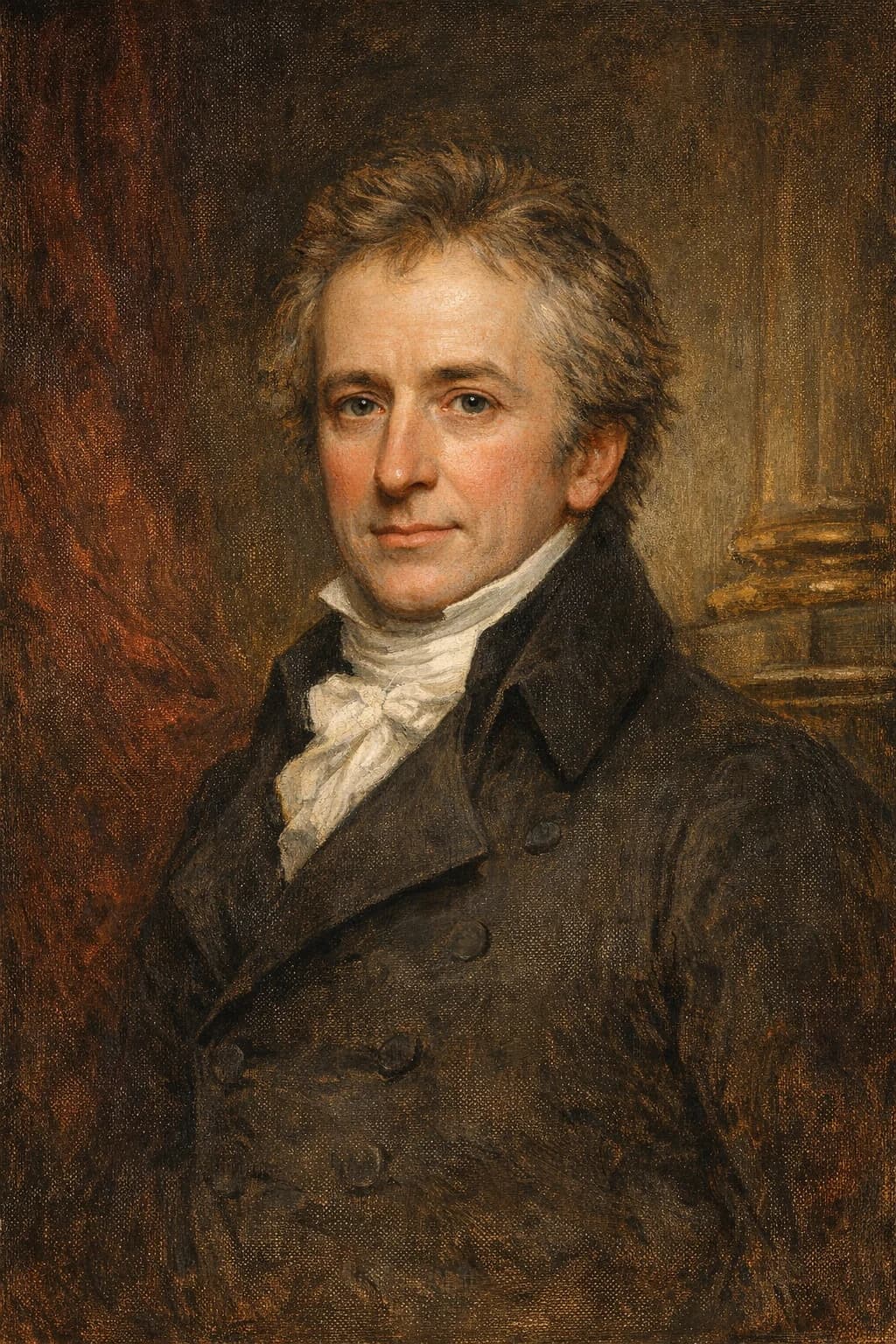
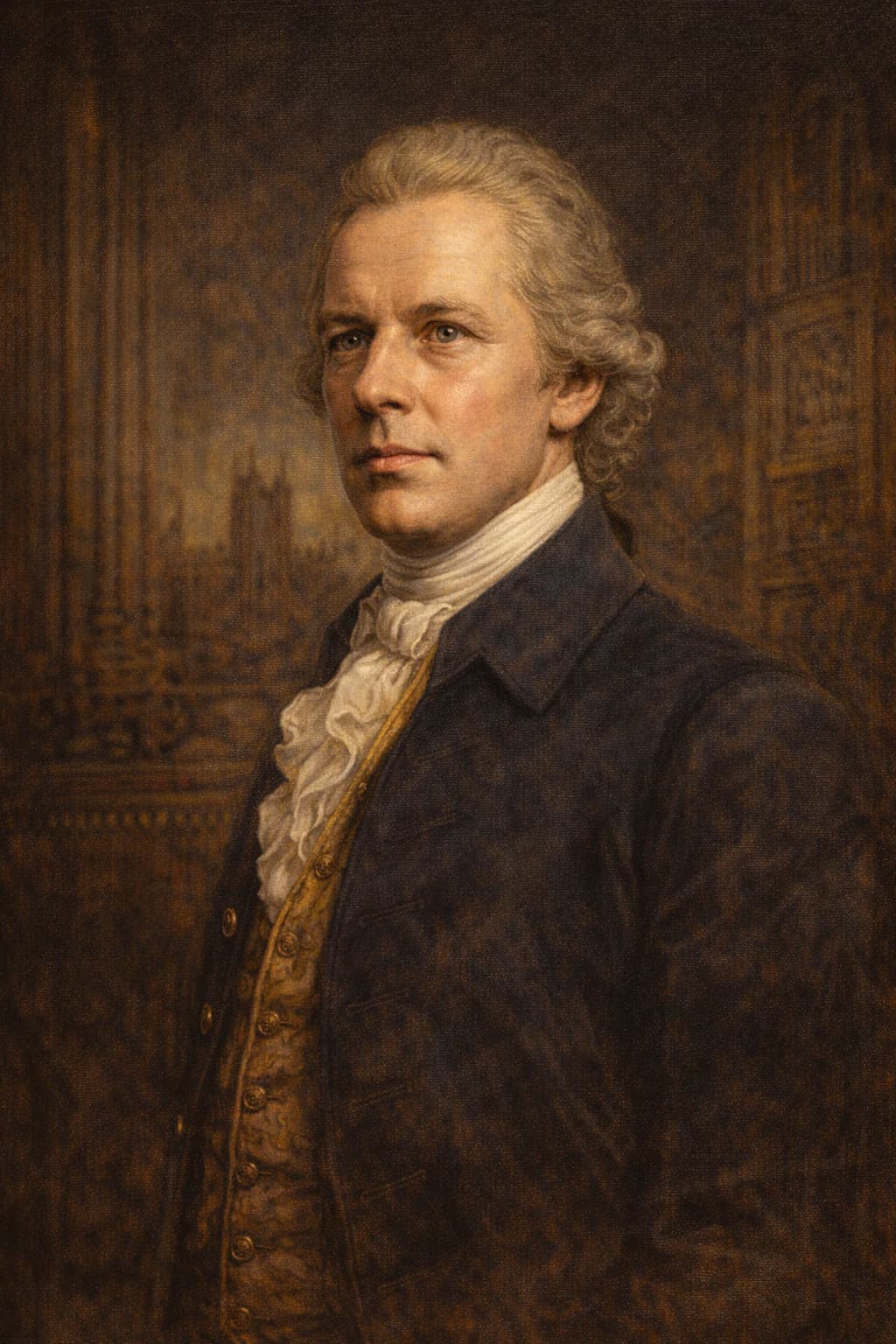
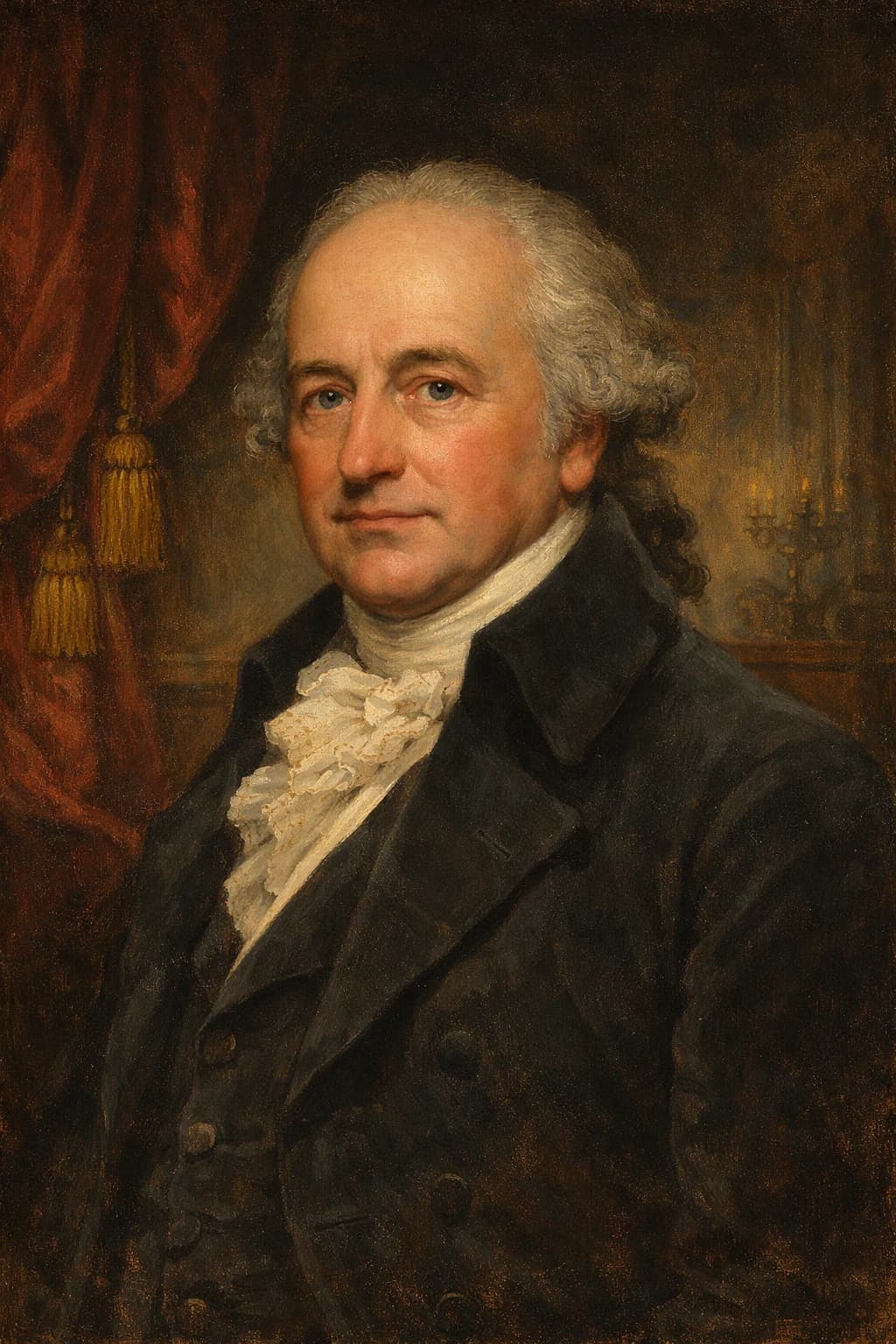
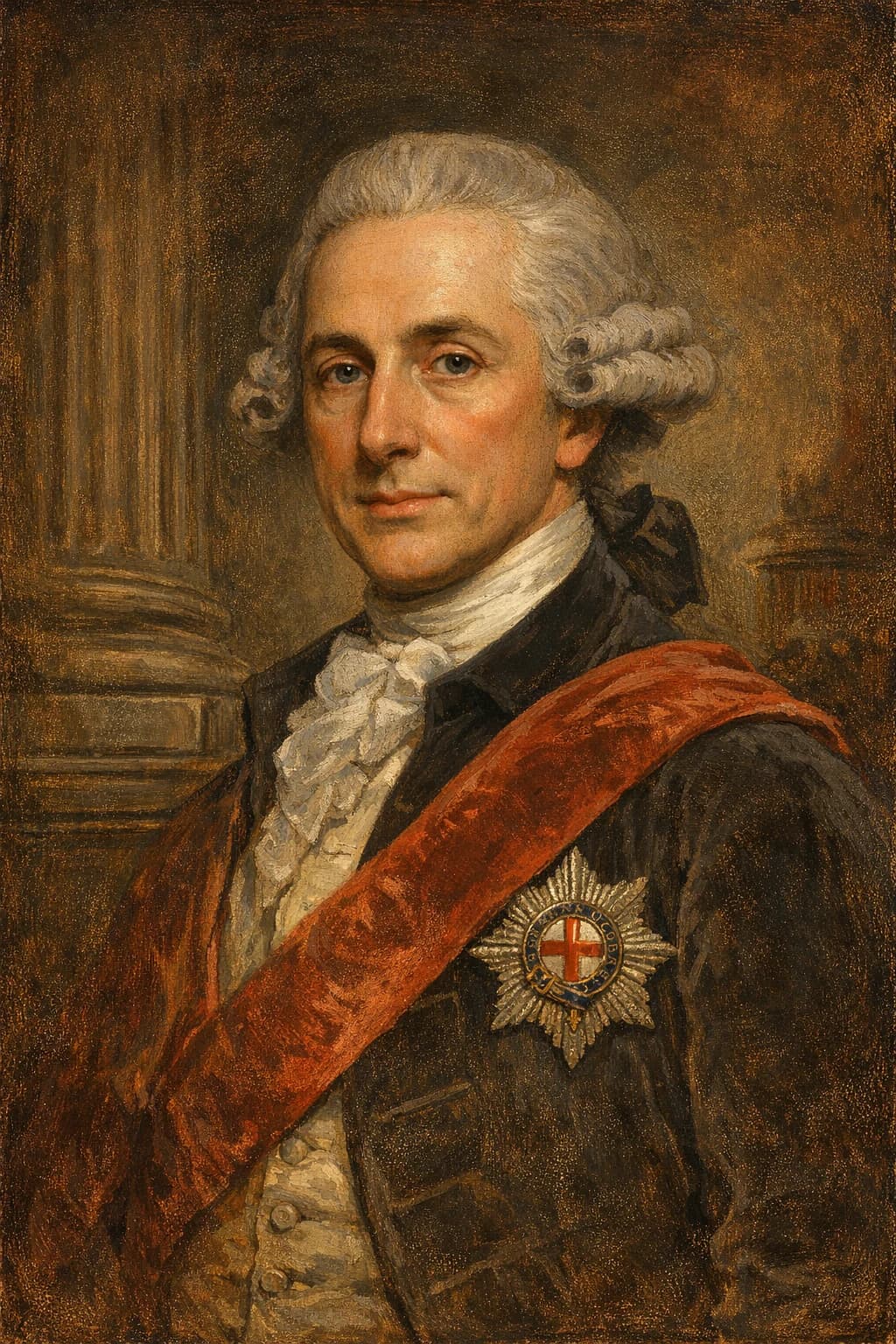
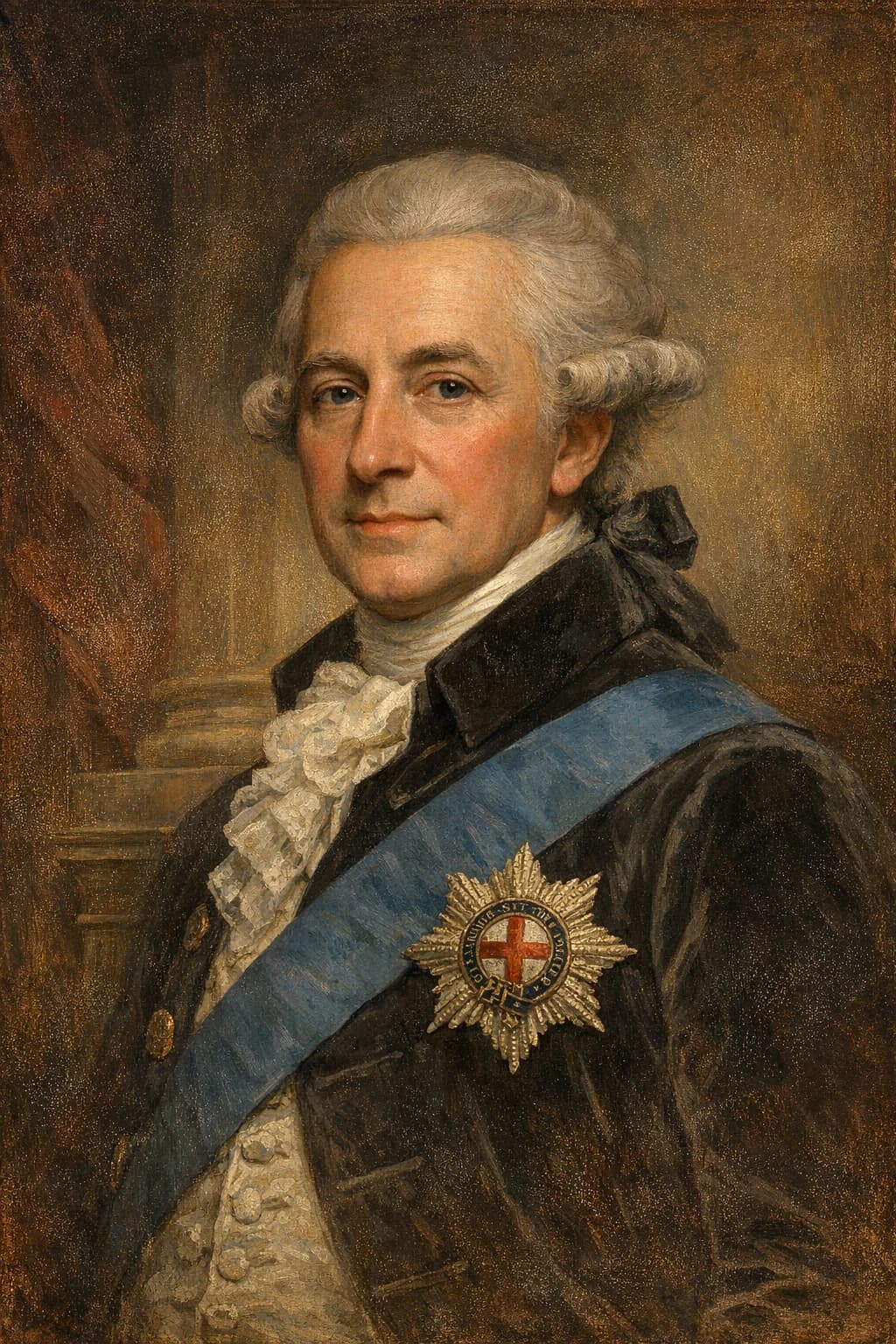
AI-generated portrait of William Cavendish-Bentinck in formal Regency-era attire
AI-assisted historical reconstruction

An illustrative reconstruction based on historical context. It is not a photograph or documentary likeness. Image policy

Quick answer

William Cavendish-Bentinck, 3rd Duke of Portland, was a British Prime Minister twice: in the Fox-North coalition of 1783 and again from 1807 to 1809 during the Napoleonic Wars.

Born
1738 CE
Died
1809 CE
Role
Prime Minister of the United Kingdom
Years
1738-1809 CE
Quick facts

Profile details

Additional identity and tagging details that are not already covered in the introduction.

Full name
William Cavendish-Bentinck, 3rd Duke of Portland
Also known as
Duke of Portland, 3rd Duke of Portland, William Cavendish-Bentinck, Duke of Portland
Facts

William Cavendish-Bentinck timeline facts

Selected specifics from this profile's life story.

1738
Aristocratic birth

William Cavendish-Bentinck was born in 1738 into the Portland dukedom, a world where land, rank and politics were inseparable.

1770s
Growing influence

His aristocratic moderation made him useful as a broker, especially when rival politicians needed a neutral-looking senior figure.

1809
Political strain

His final ministry was weakened by illness, factional rivalry and the duel between Canning and Castlereagh that exposed cabinet breakdown.

Post-1809
Measured legacy

Portland is remembered as a cautious aristocratic broker, important less for vision than for what his premierships reveal about Georgian politics.

Life Journey

Compromise, coalition, and cautious aristocratic leadership

Follow the story in a more continuous narrative, with a reading mode that matches how much depth you want.

Complete chronology

1738

Aristocratic birth

Portland's life began inside the upper machinery of Georgian Britain. As heir to a great aristocratic house, he inherited more than wealth: he inherited borough influence, social expectation, family alliances and a place among the political elite. Such men did not need to win fame before entering public life; their names already carried weight. That privilege shaped his usefulness and his limitations. Portland could reassure factions because he seemed safe, honourable and socially legitimate. He was rarely the driving mind of a ministry, but his rank and temperament made him acceptable when stronger personalities could not agree who should lead.

1750s

Education and outlook

Portland's formation was typical of high aristocratic politics: education, estate responsibility, manners and a sense that public office was part of family duty. He did not become a great parliamentary performer or ideological writer. His strengths were caution, dignity and acceptability. In an age of factional instability, those qualities mattered. British politics still relied heavily on noble houses, patronage and personal honour, and Portland moved naturally in that environment. Yet the same traits that made him a useful figurehead could make him ineffective when events required forceful direction. He was trained to steady systems, not to transform them.

1760s

Entering politics

Portland's early political life unfolded after George III's accession, when the old Whig dominance was breaking apart and new court influence unsettled established families. He became associated with the Rockingham Whigs, who defended aristocratic constitutionalism against what they saw as dangerous royal interference. Portland's value lay in loyalty and status rather than policy invention. He helped give social weight to a faction that included sharper minds and stronger speakers. His career shows how eighteenth-century politics often depended on combinations: great names, Commons managers, intellectual advocates and court brokers all doing different work inside the same cause.

1770s

Growing influence

Portland was not politically empty, but he often mattered because others could gather around him. That quality became increasingly valuable as the American War of Independence, royal pressure and party rivalry destabilised ministries. He could lend respectability to arrangements that might otherwise look too narrow or factional. He was trusted because he did not threaten to dominate. This made him a good chairman of uneasy coalitions and a poor source of decisive initiative. In politics, being acceptable to many can be a path to office, but it can also leave a leader dependent on the energy of colleagues.

1783

First premiership

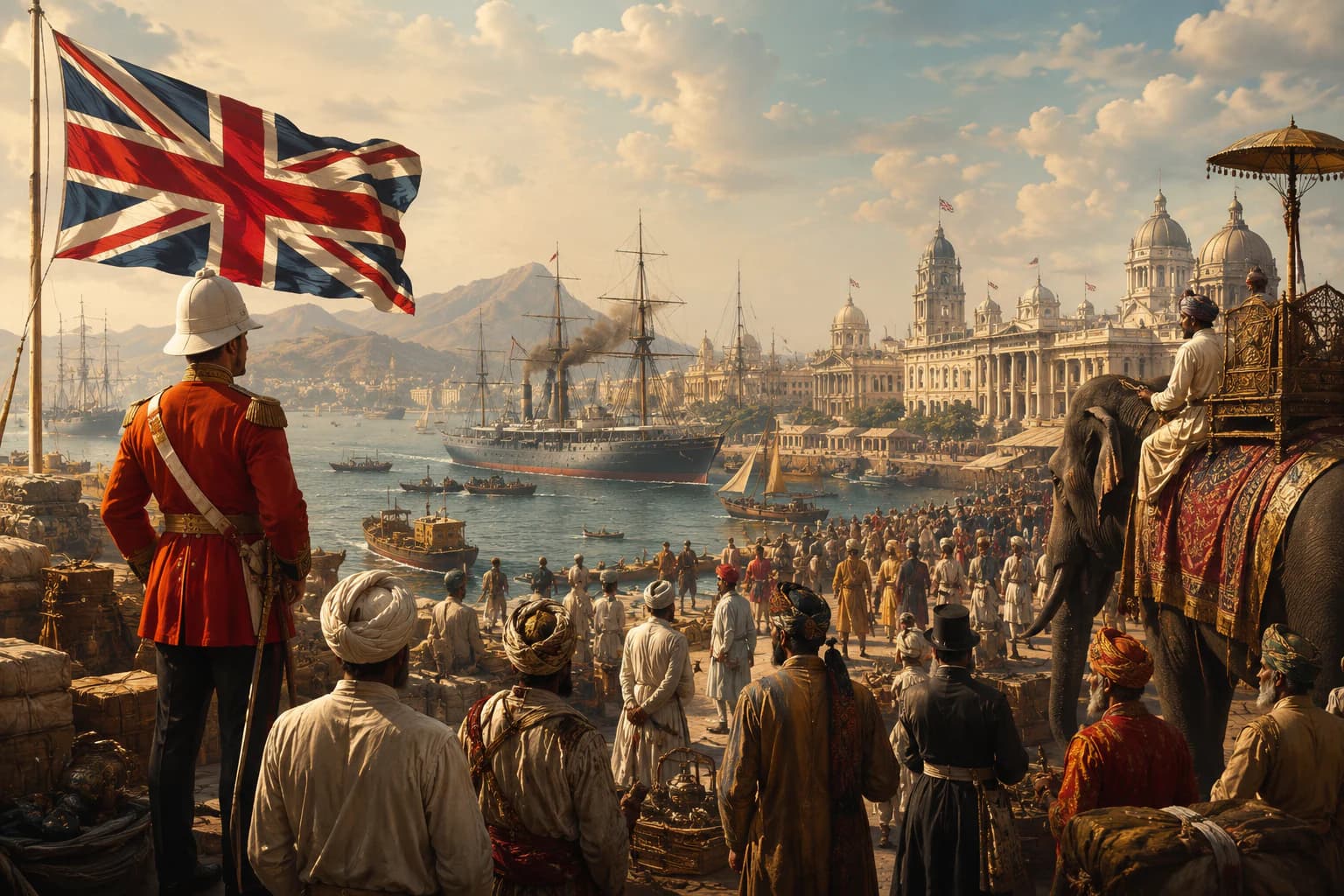
Portland's first premiership came after the fall of Lord North and amid bitter debate over empire, reform and royal power. The Fox-North coalition joined Charles James Fox and Lord North, former enemies whose alliance looked opportunistic to many. Portland served as the acceptable aristocratic head of the ministry, while Fox supplied much of its drive. The coalition's East India Bill threatened to transfer control of the East India Company in ways George III disliked. The king used his influence in the Lords to destroy the bill and then dismissed the ministry. Portland's premiership lasted months, revealing how little formal office mattered when royal hostility and parliamentary fragility converged.

1807–1809

Return to power

Portland's second premiership belonged to a very different world. Britain was at war with Napoleonic France, and domestic politics were strained by the question of Catholic emancipation. George III opposed concessions to Catholics, and the Ministry of All the Talents fell after pressing the issue too far for the king. Portland, elderly and in poor health, became head of a Tory-leaning administration that reassured the monarch and opponents of Catholic relief. Real energy lay with figures such as Spencer Perceval, George Canning and Lord Castlereagh. Portland's role was again stabilising and symbolic: he held a coalition together more than he directed it.

1809

Political strain

By 1809, Portland's government was visibly fraying. The Peninsular War required serious strategic coordination, but the cabinet was divided. Foreign Secretary George Canning manoeuvred against War Secretary Lord Castlereagh, and the conflict ended in a duel after Castlereagh discovered the intrigue. Portland was too ill and weak to impose order. The episode was humiliating because it revealed that the prime minister could no longer manage the men supposedly serving under him. His moderation, once useful, had become passivity. In wartime government, a figurehead could not indefinitely substitute for command.

1809

Retirement and death

Portland's final departure came after his authority had ebbed away. He resigned in October 1809 and died soon afterward in the same year. His career had stretched across the American Revolution, the age of Fox and Pitt, the French Revolutionary wars and the Napoleonic struggle. Yet he left few policies that can be called uniquely his own. That is not the same as irrelevance. Portland's importance lay in the way British politics used aristocratic respectability to bridge factional gaps. Twice he became prime minister because others needed someone safe enough to stand above conflict, even when he could not resolve it.

Post-1809

Measured legacy

William Cavendish-Bentinck, 3rd Duke of Portland, was not a great creative statesman. His historical value is diagnostic. He shows how eighteenth- and early nineteenth-century Britain could treat the premiership as a balancing office before it became the clearly dominant executive role associated with later prime ministers. Portland's rank made him useful, his moderation made him acceptable, and his weakness allowed stronger colleagues to operate around him. His life reminds us that political systems often depend on mediators as well as leaders. But it also shows the limits of mediation when war, ideology and faction demand decision.

Continue in context

Connected stories

Move from the profile into the wider events and settings this figure belongs to.

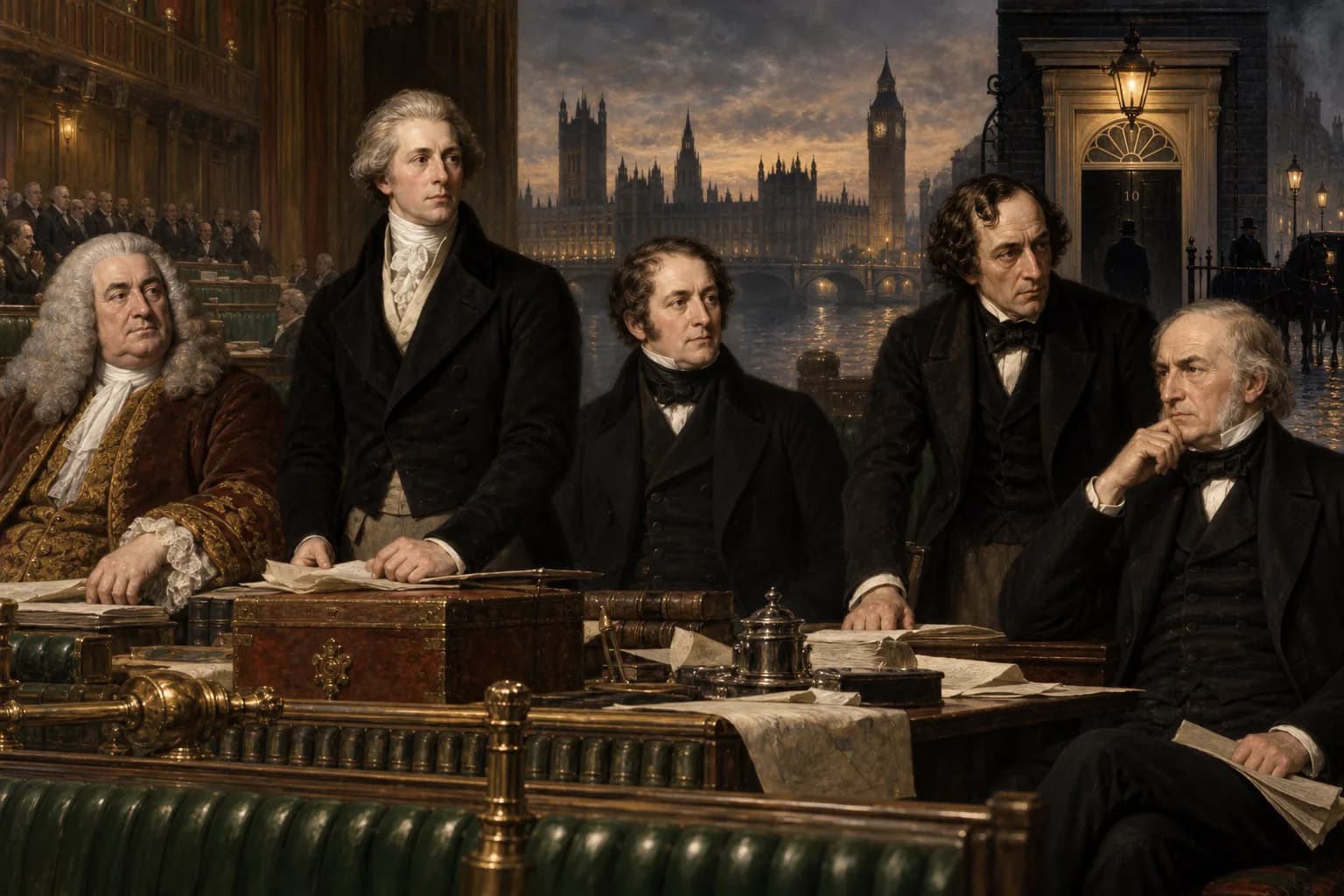
British Prime Ministers lineage
LineagePrime ministers in sequence
British Prime Ministers
1721 CE–present

Explore British prime ministers from Walpole to the present.

View lineage
Tertiary paths

Content note

This profile is written for educational use and connects to related Stories of History pages. The main portrait is an AI-assisted historical reconstruction, included as an illustrative aid rather than documentary evidence. Image policy

References

Sources & Further Reading

Reliable reference works, archives and reading paths connected to this profile.

Further reading

  1. Encyclopaedia Britannica, Search results for William Cavendish-Bentinck,” accessed June 2026.Open source
  2. WorldCat, Books and library holdings for William Cavendish-Bentinck,” accessed June 2026.Open source

Primary sources

  1. Library of Congress, Search results for William Cavendish-Bentinck,” accessed June 2026.Open source

Reviewed claim sources

Loading reviewed claim sources...

A weekly route through history

Find out first about the latest published stories, feature notes and occasional Premium offers in one weekly email.