Aristocratic beginnings
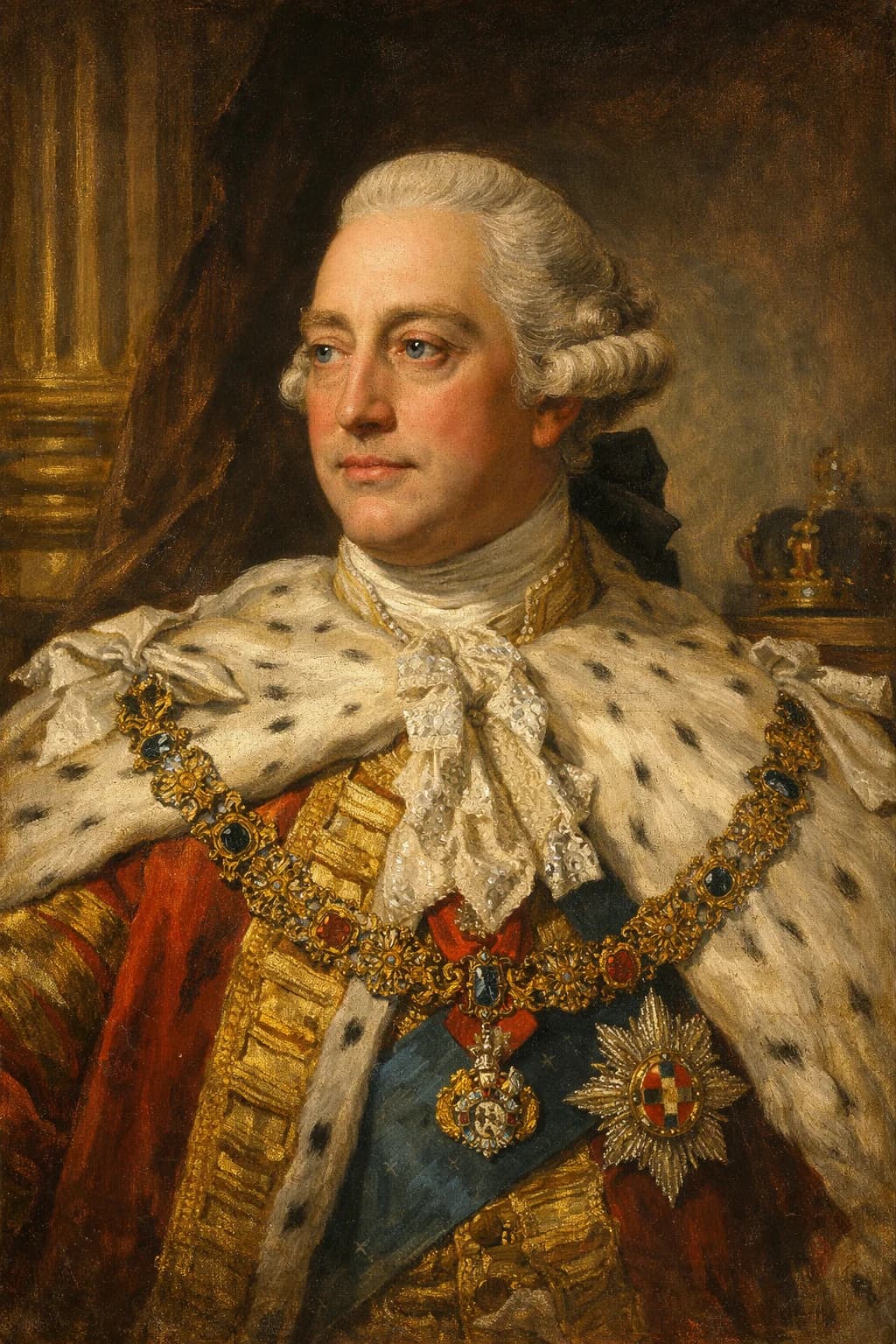
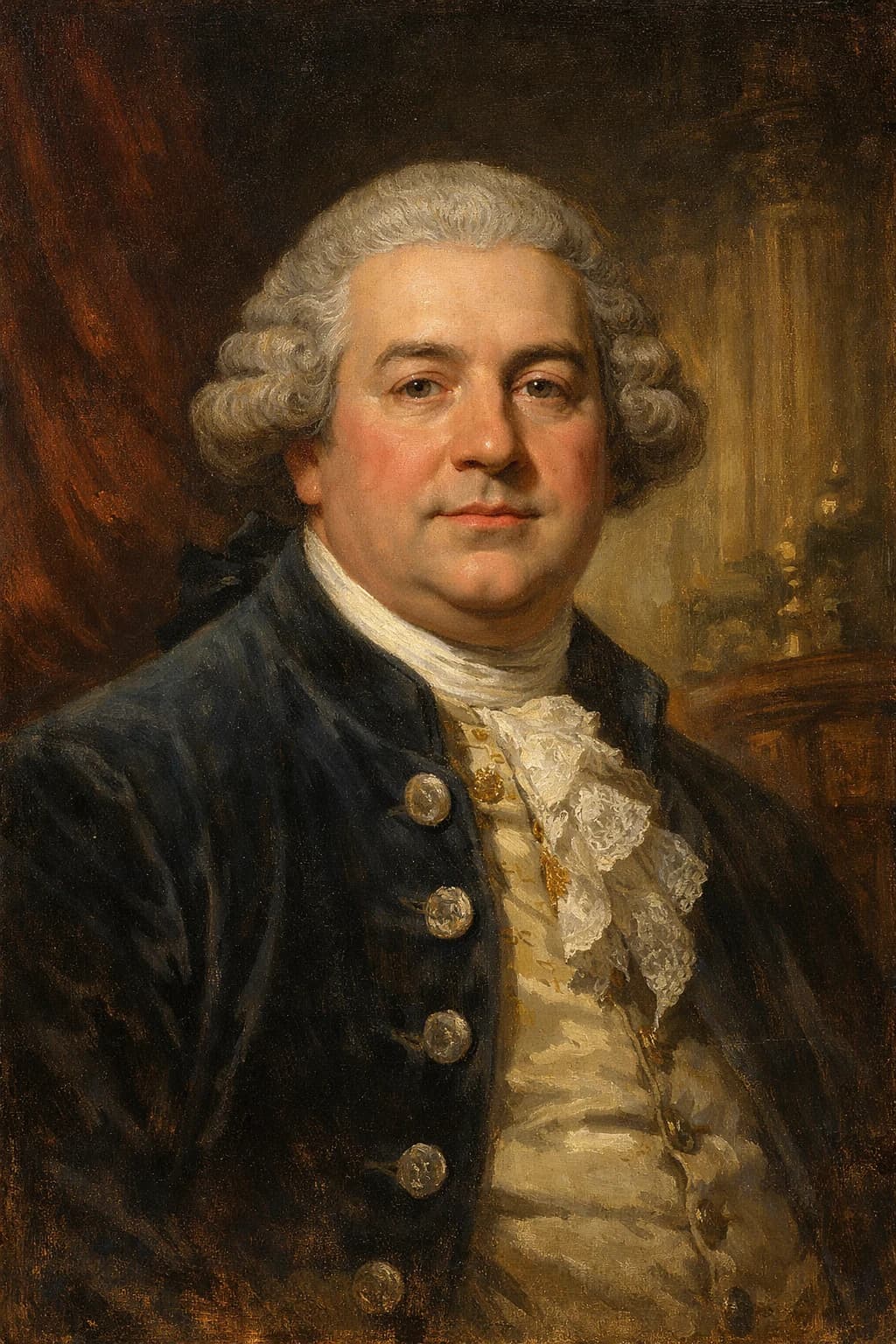
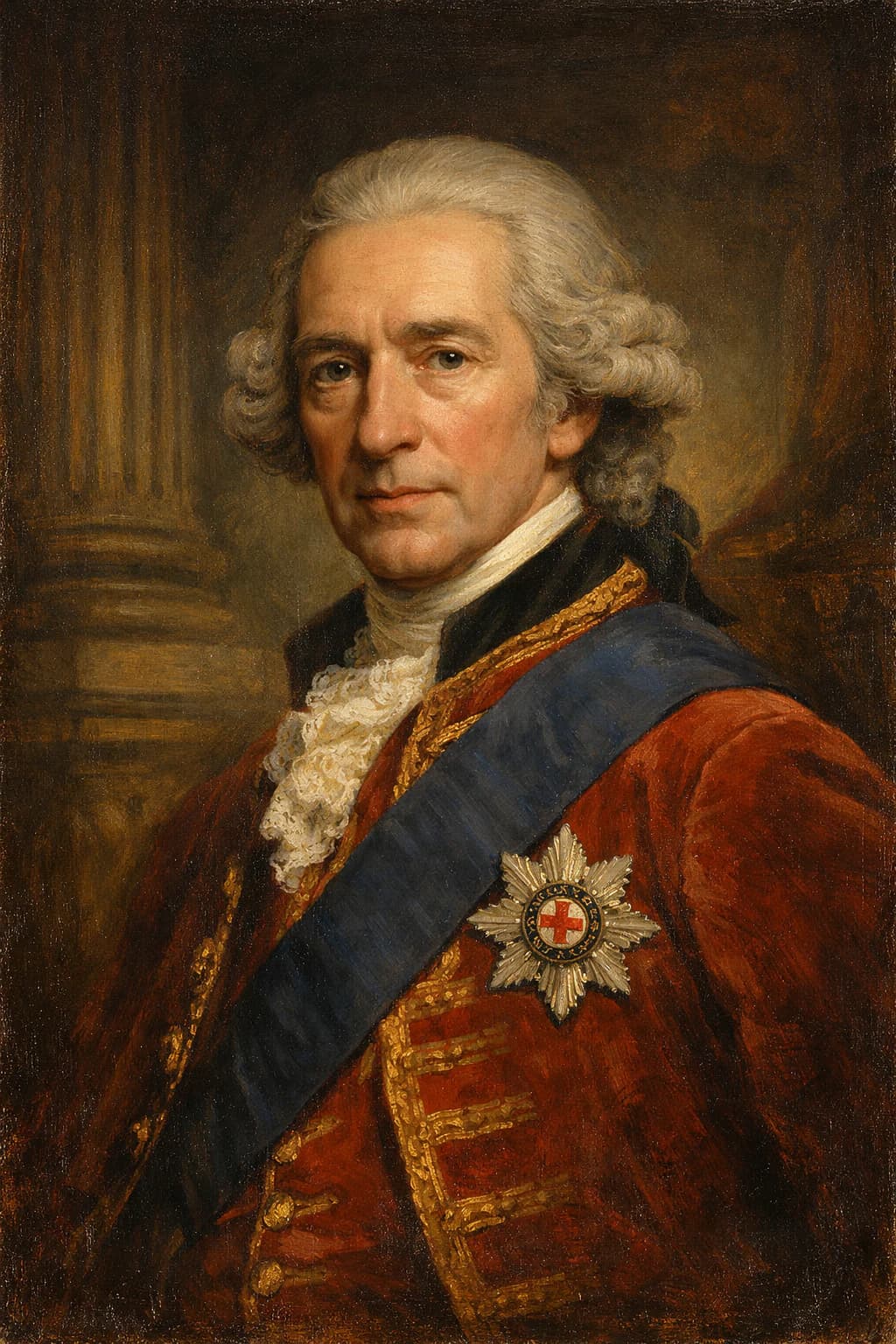
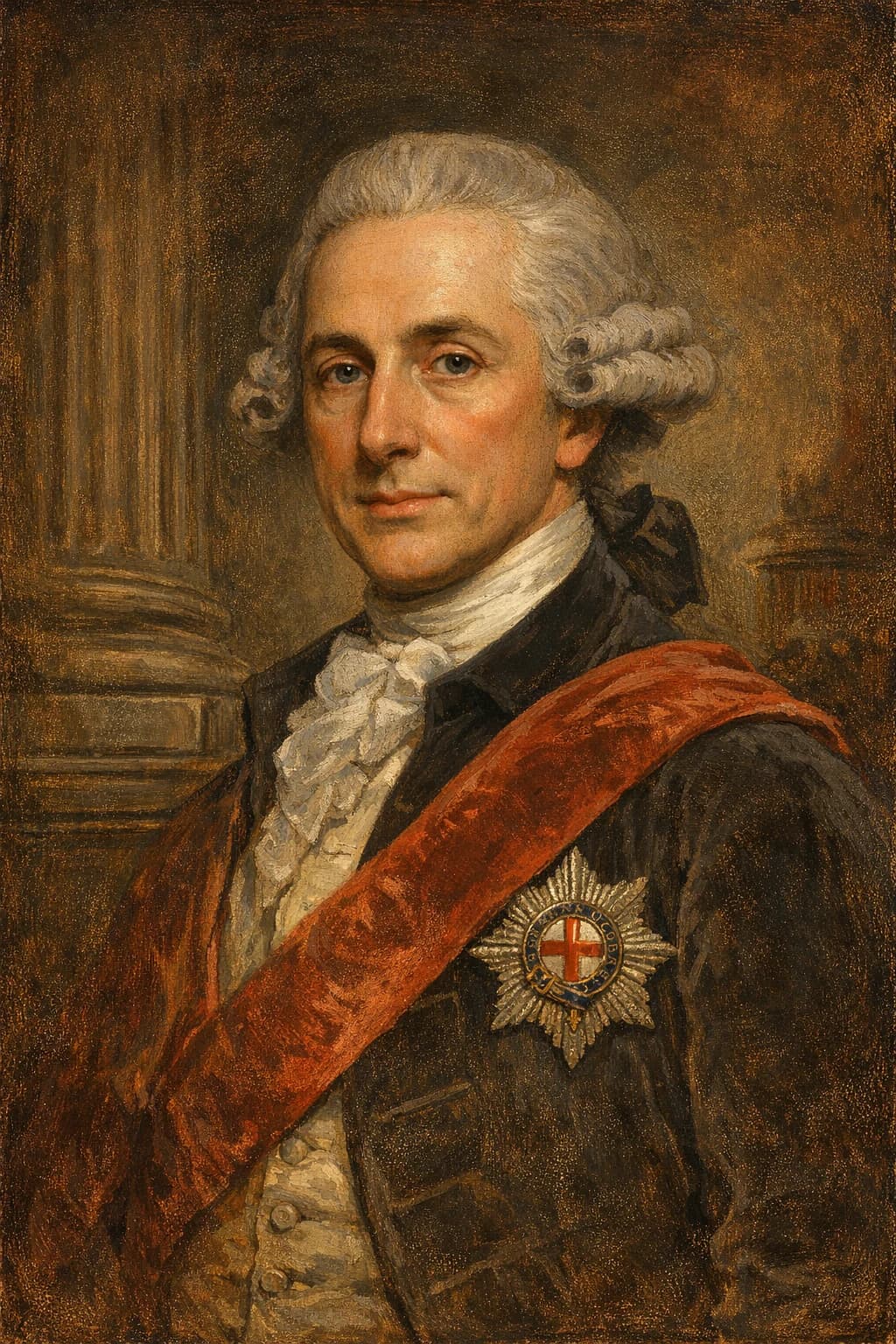
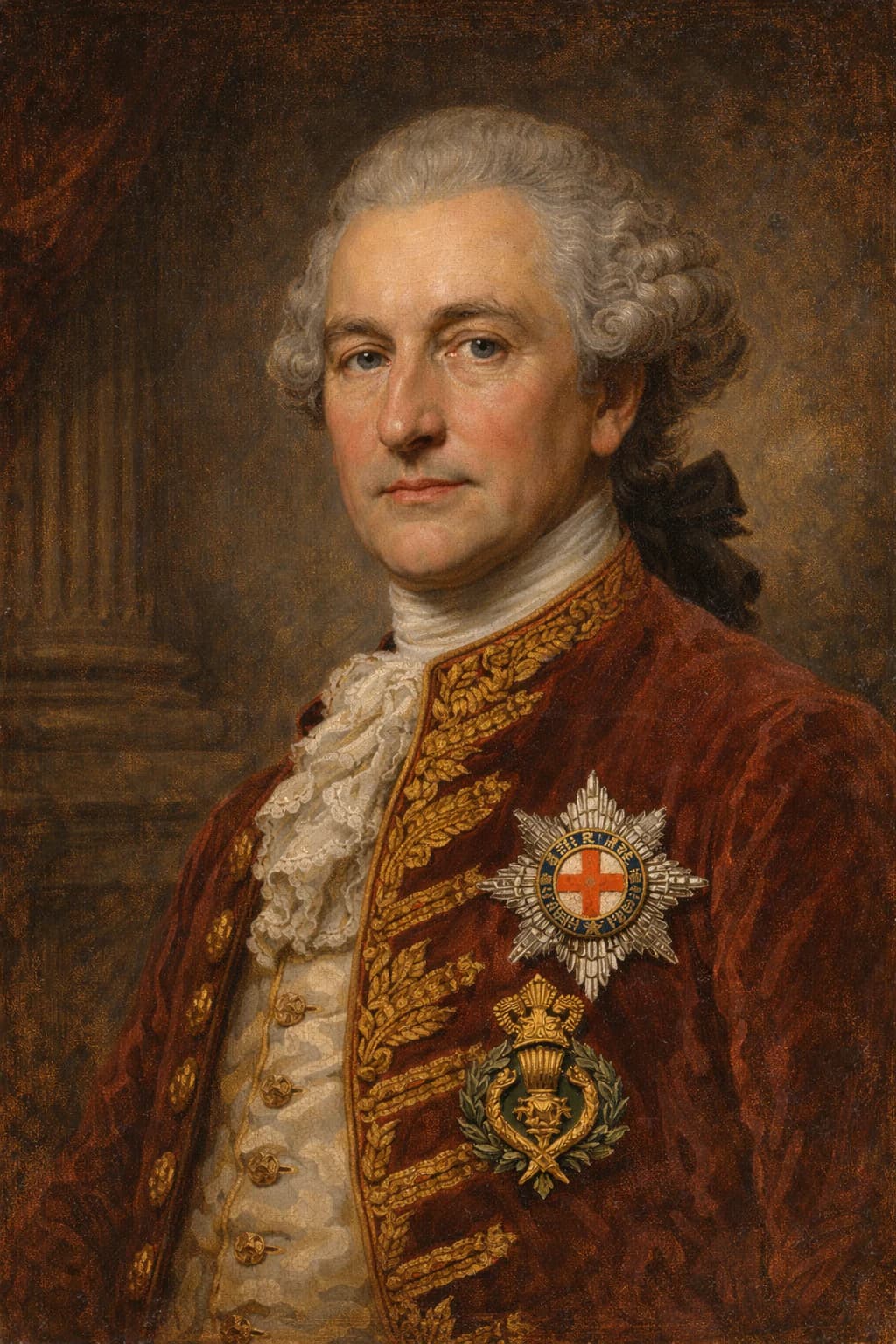
Rockingham's career began with advantages so large that they can obscure his choices. Born Charles Watson-Wentworth in 1730, he inherited Wentworth Woodhouse, vast Yorkshire estates and a place among the greatest Whig landowners in Britain. In eighteenth-century politics, such wealth mattered directly. It sustained electoral influence, patronage, hospitality and independence from the Crown. Rockingham did not need royal favour in order to survive politically, and that freedom shaped his later opposition to George III's attempts to manage government through personal networks. He was not a democratic reformer in the modern sense. He was an aristocrat defending a version of constitutional balance in which ministers should command parliamentary confidence rather than act as instruments of the monarch's private will. His privilege gave him the platform; his significance lies in how he used it.