People

George III

George III was King of Great Britain and Ireland from 1760 to 1820. His reign saw the American Revolution, the French Revolutionary and Napoleonic Wars, the Act of Union, and his later mental illness.

Born
1738 CE
Died
1820 CE
Role
King of Great Britain

King of Great Britain (1738–1820)

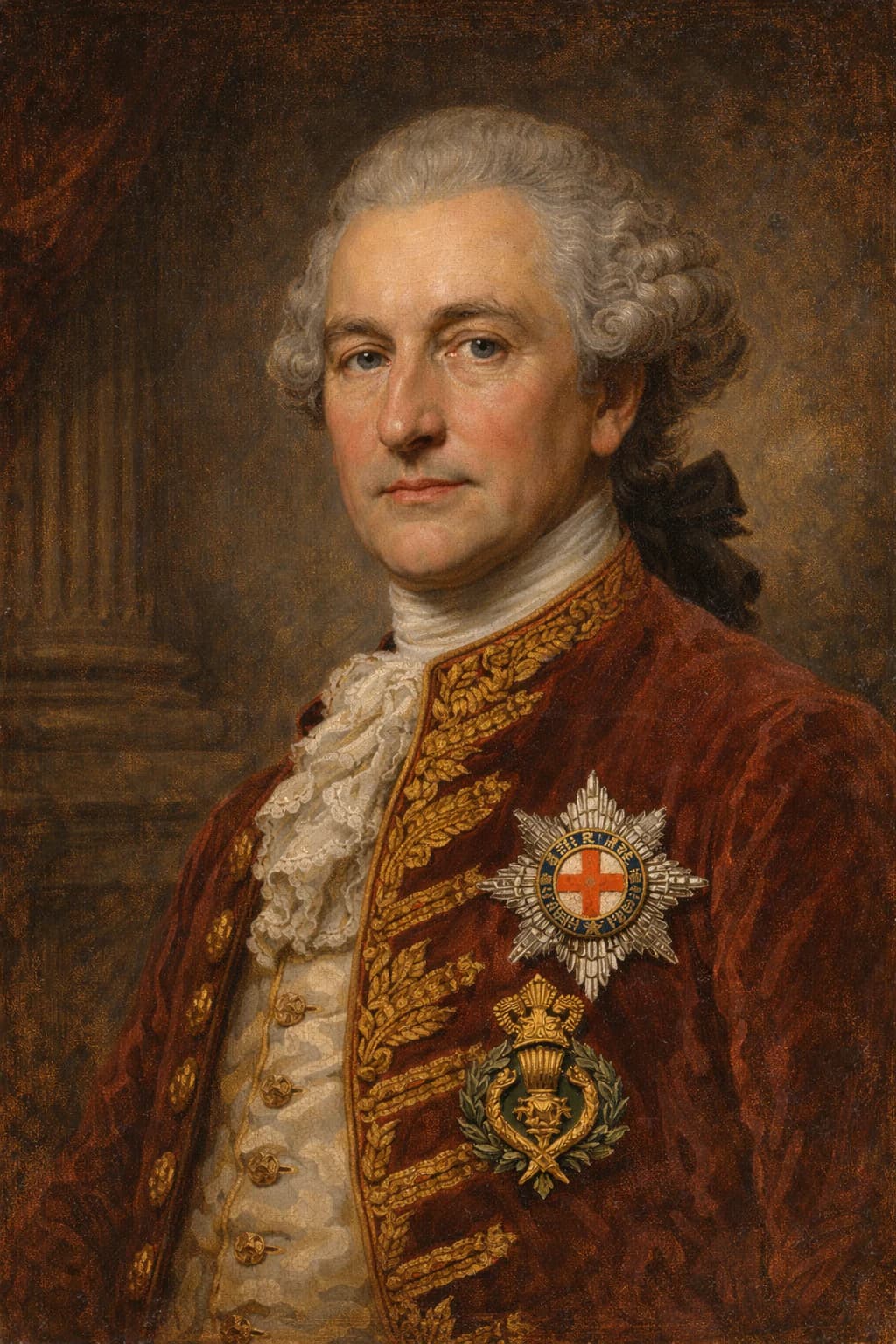
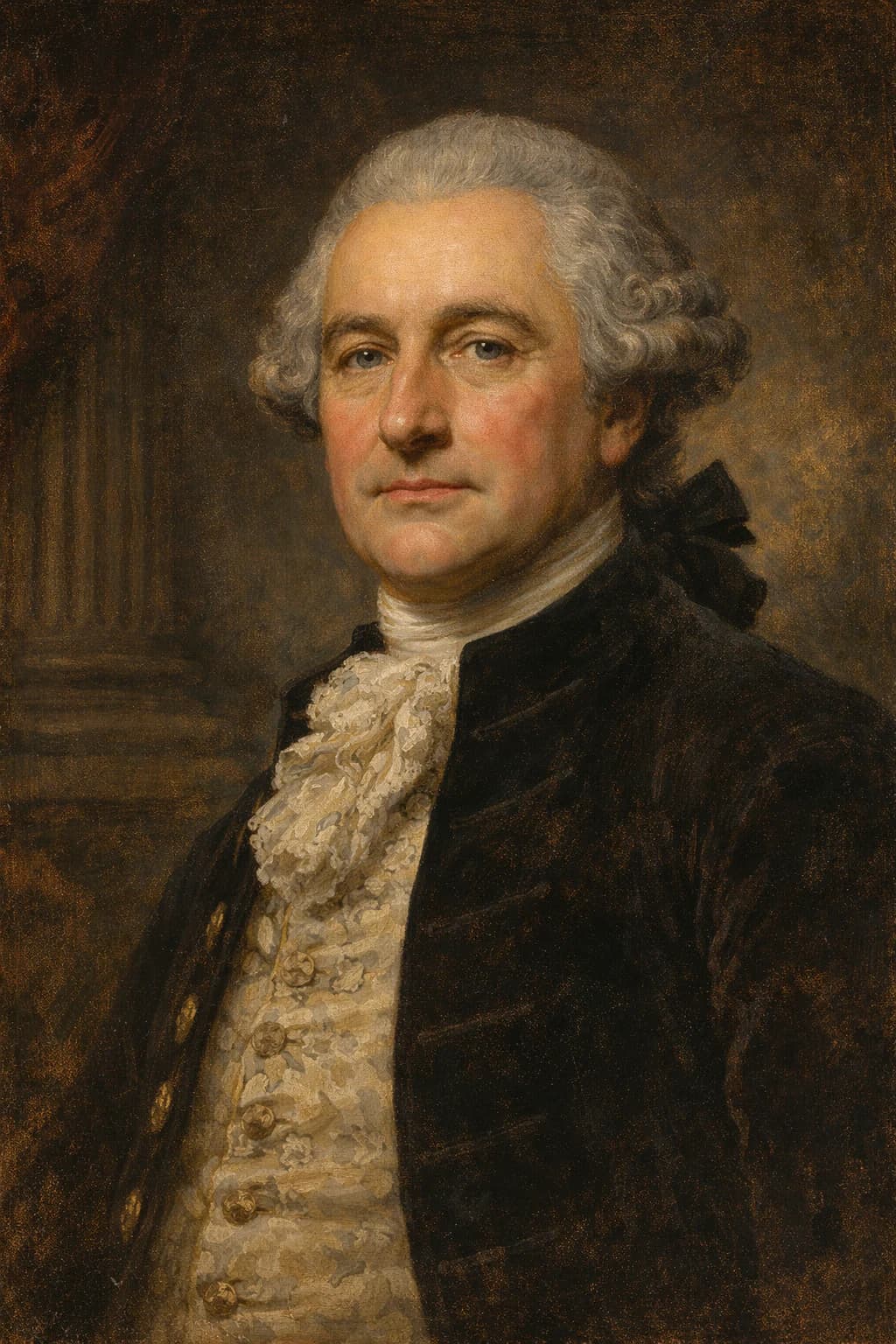
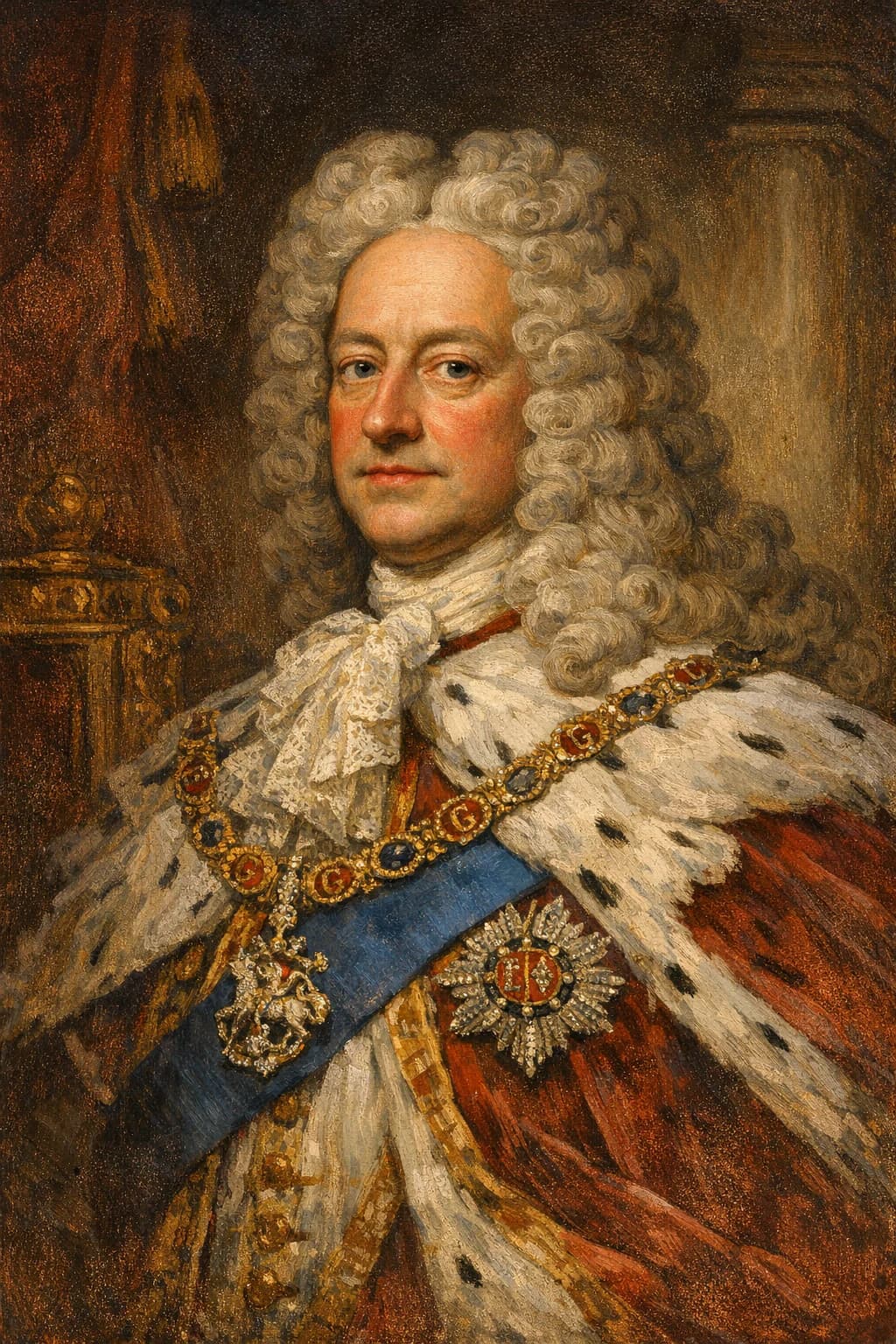
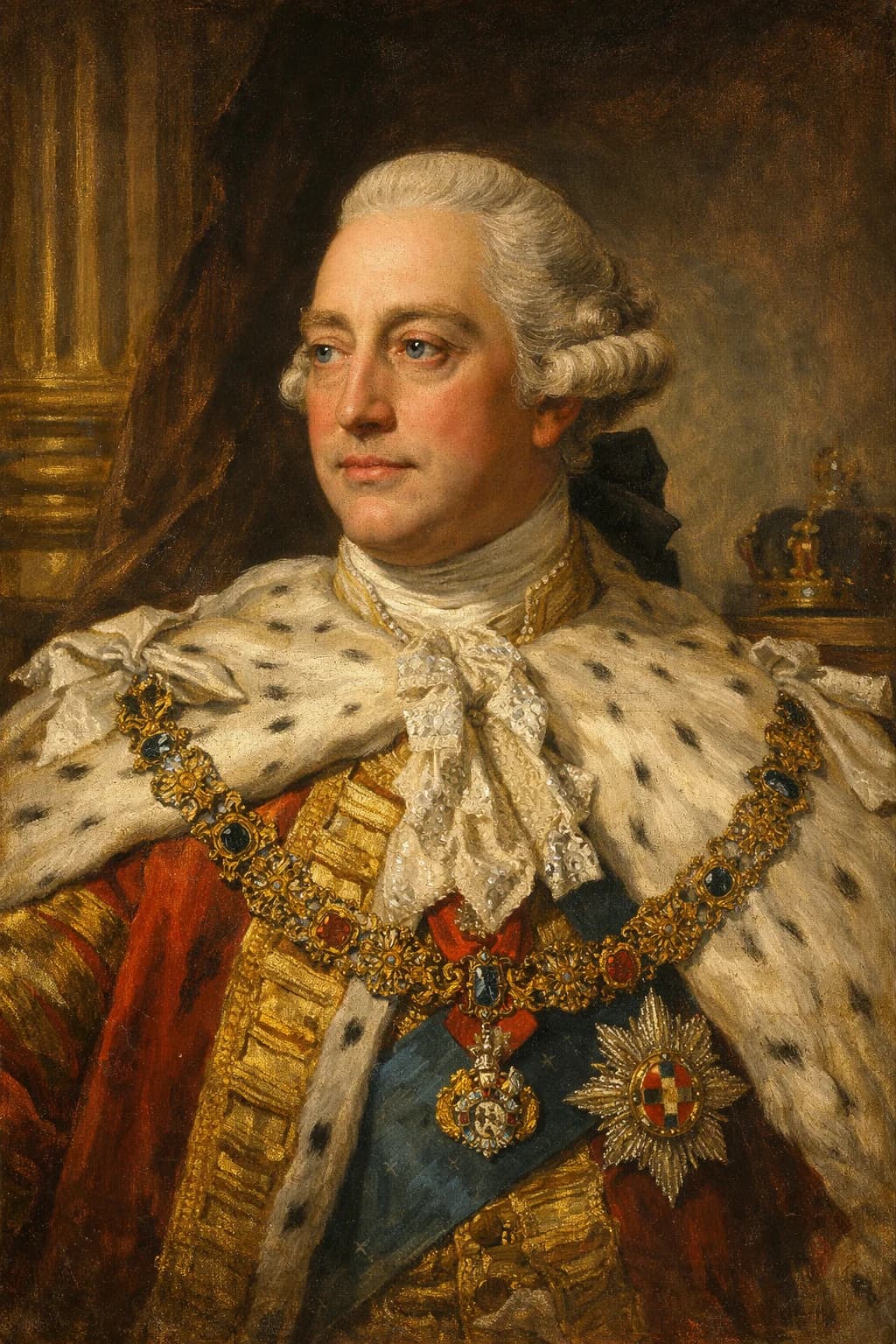
AI-generated portrait of George III in British royal attire
AI-assisted historical reconstruction

An illustrative reconstruction based on historical context. It is not a photograph or documentary likeness. Image policy

Quick answer

George III was King of Great Britain and Ireland from 1760 to 1820. His reign saw the American Revolution, the French Revolutionary and Napoleonic Wars, the Act of Union, and his later mental illness.

Born
1738 CE
Died
1820 CE
Role
King of Great Britain
Years
1738-1820 CE
Quick facts

Profile details

Additional identity and tagging details that are not already covered in the introduction.

Also known as
Mad King George
Facts

George III timeline facts

Selected specifics from this profile's life story.

1738–1760
The English king

George was the first Hanoverian born in England, educated entirely in British culture, and determined to define himself as a British rather than German monarch from the start.

1783–1801
Pitt the Younger's ministry

The appointment of William Pitt the Younger gave George a minister capable of governing effectively for nearly two decades, stabilising both finances and politics.

1800
Act of Union with Ireland

The Act of Union with Ireland was a major constitutional act of George's reign, though his refusal of Catholic emancipation immediately undermined its integrating purpose.

Post-1820
A complicated reign

George III's sixty-year reign saw Britain lose America, defeat Napoleon, begin industrialisation, and develop modern parliamentary government — a record that resists simple judgment.

Life Journey

Sixty years of duty, loss, and eventual darkness

Follow the story in a more continuous narrative, with a reading mode that matches how much depth you want.

Complete chronology

1738–1760

The English king

George III was born in London on 4 June 1738, the first Hanoverian monarch whose identity was formed primarily in Britain. Unlike George I and George II, he did not arrive from Germany with foreign habits and limited English. He was raised to think of himself as a British king, morally serious, domestic, religious and committed to duty. His education was uneven, and he grew up under the strong influence of his mother, Augusta, and her adviser Lord Bute. They encouraged suspicion of the Whig aristocratic families that had dominated politics since 1714. When George came to the throne at twenty-two, he wanted to be constitutional but active: not an absolute ruler, but not a passive ornament either.

1760–1770s

Asserting royal influence

George III began his reign determined to loosen the Whig oligarchy and restore a stronger role for the crown in choosing ministers. He favored Lord Bute, distrusted entrenched aristocratic factions and moved through a sequence of unstable ministries in the 1760s. This was not tyranny in the simple American revolutionary sense; Parliament remained central, and ministers made policy. But George's search for personally acceptable governments produced instability just as imperial tensions required steadiness. The Wilkes affair inflamed arguments over liberty, press freedom and popular politics. Meanwhile, the American colonies were becoming more resistant to taxation and parliamentary authority. The king's active style complicated a system already under strain.

1775–1783

American Revolution

The American Revolution became the defining failure of George's reign. The conflict grew from taxation disputes into a constitutional argument over representation, sovereignty and the rights of colonists within the empire. George did not personally invent every coercive policy, and responsibility was shared by ministers and Parliament. Yet his firm belief that the empire must be preserved made compromise harder once rebellion began. The Declaration of Independence turned him into the symbolic villain of the American cause, even where British politics was more complex than that image allowed. Defeat in 1783 humiliated Britain and devastated George, who considered abdication. The loss did not end British power, but it permanently changed the Atlantic world.

1783–1801

Pitt the Younger's ministry

The appointment of William Pitt the Younger in December 1783 gave George the stable minister he had long needed. Pitt, only twenty-four, survived an early parliamentary challenge and built a durable government around financial reform, administrative discipline and royal confidence. The partnership worked because Pitt respected the crown while commanding the Commons with unusual skill. Together they restored public credit after the American war and stabilized politics after the Fox-North coalition crisis. The relationship was not servile; Pitt had his own authority. But he shared enough of George's instincts on order, economy and resistance to radicalism to make cooperation effective until Catholic emancipation split them in 1801.

1788–1789 and recurrent

Mental illness

In 1788 George suffered a severe episode of mental illness that terrified court and country. He spoke rapidly and incoherently, became agitated and delusional, and endured treatments that now look brutal: restraint, blistering and humiliating interventions by physicians who understood little. The Regency Crisis raised urgent constitutional questions because the king's incapacity had no simple political solution. George recovered in 1789, prompting public celebration and strengthening his popularity. The diagnosis remains debated. The once-fashionable theory of porphyria has been challenged; many historians and clinicians now point toward bipolar disorder or another psychiatric condition. The exact label matters less than the political fact: the health of one man could destabilize the state.

1793–1815

French Revolutionary Wars

The French Revolutionary and Napoleonic Wars dominated George's later reign. The French Revolution horrified him as a threat to monarchy, religion and social order, and he supported sustained resistance to Revolutionary and then Napoleonic France. Pitt's wartime government expanded taxation, borrowing, naval power and state capacity on a scale that changed Britain permanently. George did not direct campaigns, but his commitment to the war mattered constitutionally: ministers knew the crown would support endurance rather than ideological compromise. The wars also intensified repression at home and fear of radicalism. By Waterloo in 1815, Britain had won the long struggle, but George was too incapacitated to understand the victory achieved in his name.

1800

Act of Union with Ireland

The Act of Union with Ireland came into effect in 1801, creating the United Kingdom of Great Britain and Ireland. It followed the 1798 rebellion and reflected British fears that Ireland could become a French-backed security threat. Pitt believed union should be accompanied by Catholic emancipation, allowing Catholics greater political rights and making the new settlement more legitimate to Ireland's majority population. George refused, insisting that emancipation would violate his coronation oath to defend the Protestant constitution. Pitt resigned. Union without emancipation solved an immediate strategic problem while deepening a political grievance. It was one of the clearest moments when George's conscience and rigidity carried long consequences.

1810–1820

Final incapacity

The death of his youngest daughter Amelia in 1810 preceded George's final collapse. In 1811 the Prince of Wales became Regent, beginning the Regency while the king lived on at Windsor, increasingly blind, deaf and mentally unreachable. Accounts of his last years are painful: confused conversations, music in darkness, delusions and isolation from the public world he had served so obsessively. Queen Charlotte remained alive until 1818, though George sometimes believed she was dead. His incapacity lasted through Napoleon's defeat, postwar unrest and the changing culture of monarchy. The man who had tried to embody duty became a hidden figure, alive but politically absent.

Post-1820

A complicated reign

George III died on 29 January 1820 after a reign of nearly sixty years. His legacy resists simple judgment. Americans remember the king they rejected; British memory long softened him into the dutiful farmer-king overcome by illness. Both images are partial. George lost the American colonies, obstructed Catholic emancipation and struggled to understand political change. He also helped stabilize monarchy after early Hanoverian foreignness, supported the long fight against Napoleon, patronized science and agriculture, and lived a private life of unusual domestic seriousness by royal standards. To ask why George III was important is to see a monarchy becoming national, constitutional and emotionally public, while the old powers of crown and conscience still shaped events.

Continue in context

Connected stories

Move from the profile into the wider events and settings this figure belongs to.

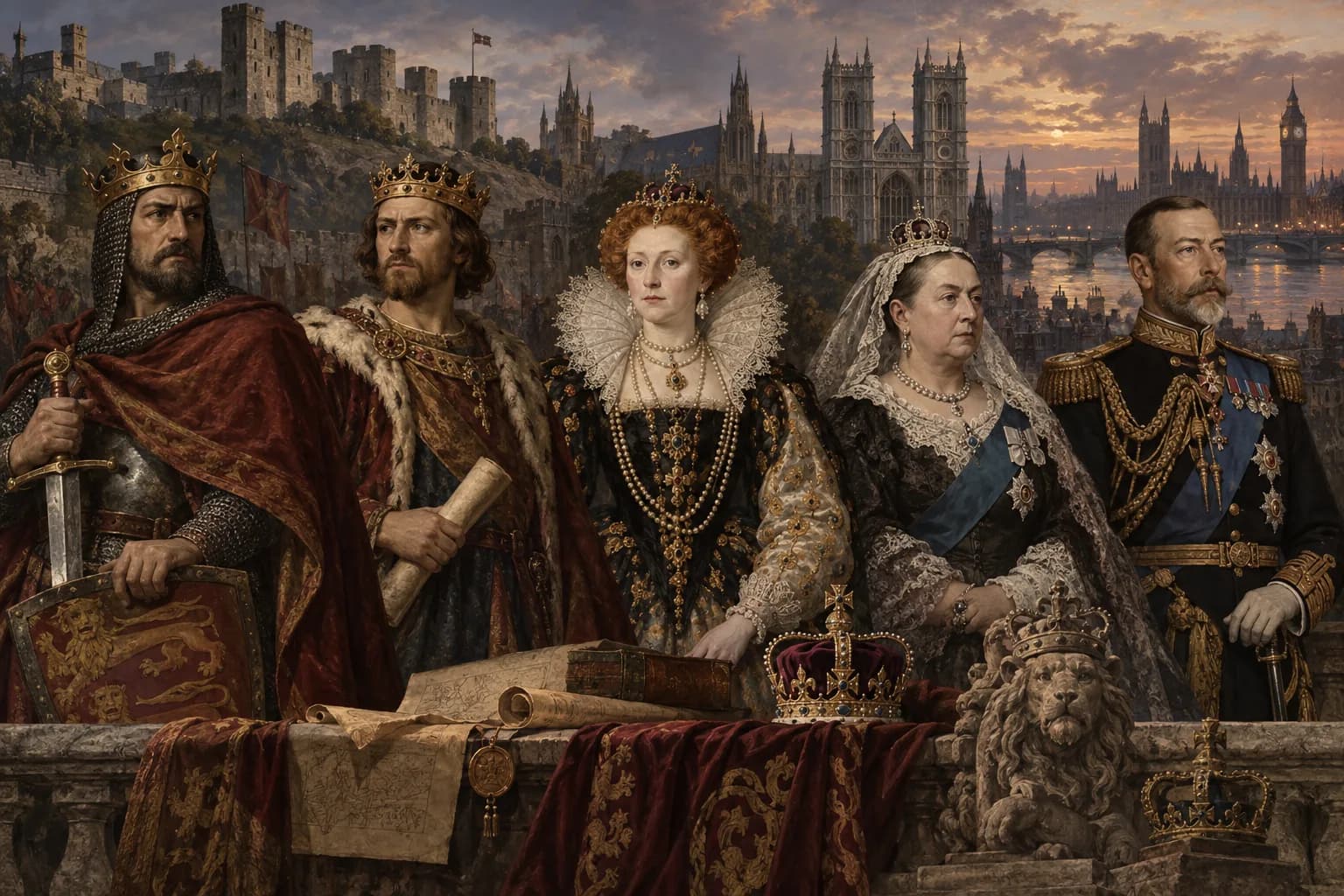
British Monarchs lineage
Lineage42 rulers
British Monarchs
1066 CE–present

Trace the English and later British monarchy from William I to today.

View lineage
Tertiary paths

Content note

This profile is written for educational use and connects to related Stories of History pages. The main portrait is an AI-assisted historical reconstruction, included as an illustrative aid rather than documentary evidence. Image policy

References

Sources & Further Reading

Reliable reference works, archives and reading paths connected to this profile.

Further reading

  1. Encyclopaedia Britannica, Search results for George III,” accessed June 2026.Open source
  2. WorldCat, Books and library holdings for George III,” accessed June 2026.Open source

Primary sources

  1. Library of Congress, Search results for George III,” accessed June 2026.Open source

Reviewed claim sources

Loading reviewed claim sources...

A weekly route through history

Find out first about the latest published stories, feature notes and occasional Premium offers in one weekly email.