People

Henry Addington

Henry Addington, later 1st Viscount Sidmouth, was British Prime Minister from 1801 to 1804. He negotiated the Peace of Amiens, struggled against Napoleon after war resumed, and later became a controversial Home Secretary associated with repression after Peterloo.

Born
1757 CE
Died
1844 CE
Role
British Prime Minister

British Prime Minister (1757–1844)

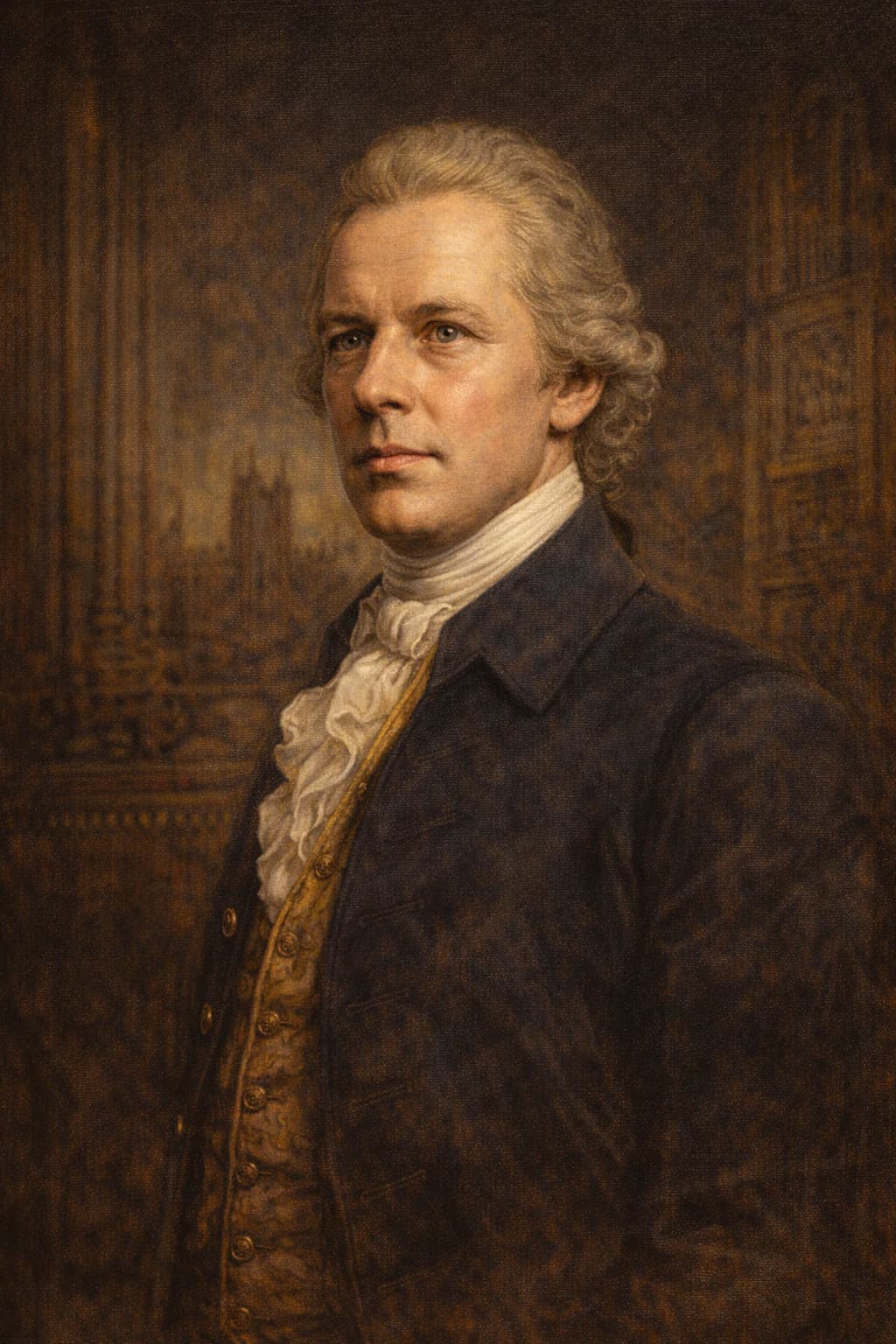
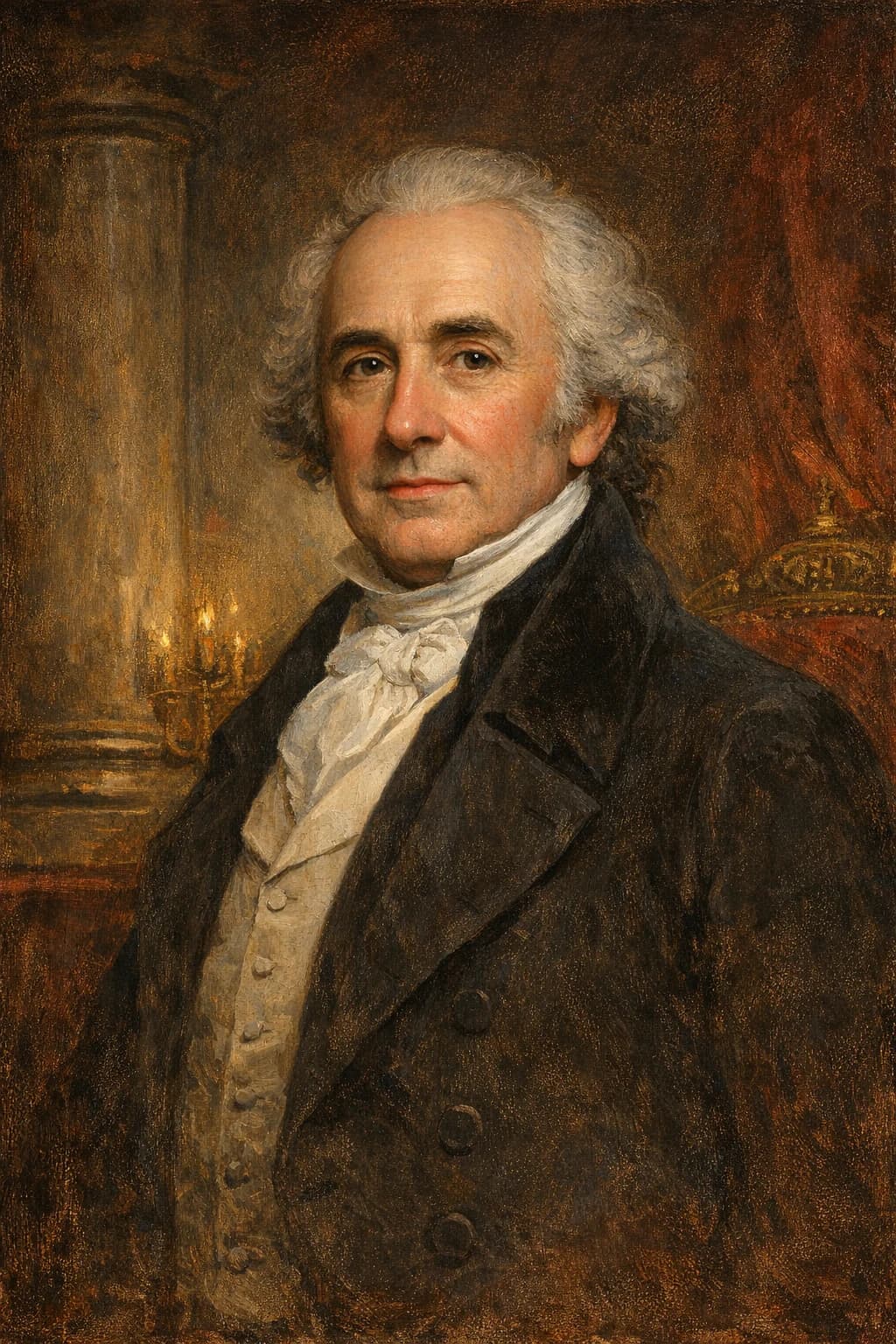
AI-generated portrait of Henry Addington in formal Georgian attire
AI-assisted historical reconstruction

An illustrative reconstruction based on historical context. It is not a photograph or documentary likeness. Image policy

Quick answer

Henry Addington, later 1st Viscount Sidmouth, was British Prime Minister from 1801 to 1804. He negotiated the Peace of Amiens, struggled against Napoleon after war resumed, and later became a controversial Home Secretary associated with repression after Peterloo.

Born
1757 CE
Died
1844 CE
Role
British Prime Minister
Years
1757-1844 CE
Quick facts

Profile details

Additional identity and tagging details that are not already covered in the introduction.

Full name
Henry Addington, 1st Viscount Sidmouth
Also known as
Viscount Sidmouth, 1st Viscount Sidmouth, Henry Addington, Viscount Sidmouth
Facts

Henry Addington timeline facts

Selected specifics from this profile's life story.

1757
Family Foundations

Henry Addington was born in 1757 into a connected professional family, close enough to elite politics to understand power before he entered Parliament.

1789–1801
Speaker of the House

As Speaker from 1789 to 1801, Addington gained respect for fairness and control during the French Revolutionary Wars.

1804
Loss of Power

After war resumed, Addington struggled to command confidence and resigned in 1804, allowing Pitt to return as prime minister.

1820s–1844
Final Years and Legacy

Addington died in 1844, remembered as a cautious prime minister and a controversial defender of order rather than a transformative statesman.

Life Journey

From steady parliamentarian to cautious wartime leader

Follow the story in a more continuous narrative, with a reading mode that matches how much depth you want.

Complete chronology

1757

Family Foundations

Addington's father, Dr Anthony Addington, was a respected physician with links to leading political families, including that of William Pitt the Elder. Henry therefore grew up near power without belonging to the highest aristocratic world that dominated eighteenth-century government. That position shaped him. He learned the habits of respectability, loyalty, and careful advancement rather than the theatrical self-fashioning of a great noble. His friendship with William Pitt the Younger, formed early, later mattered enormously. Addington's career would be built less on ideology or brilliance than on trust: the trust of colleagues who found him steady, courteous, and procedurally reliable.


1770s–1780s

Education and Law

Addington was educated at Winchester College and Brasenose College, Oxford, and trained at Lincoln's Inn. He was not a political philosopher or a dazzling parliamentary orator. His strength lay in order: rules, forms, precedence, and the careful management of business. In Georgian politics that mattered. Parliament was a theatre of speeches, but it was also a machine of procedure, patronage, and timing. Addington's legal formation gave him a temperament comfortable with moderation and process. The same qualities that made him useful in the Commons would later make him look inadequate in wartime leadership, where procedure alone could not answer Napoleon.

1784

Entry to Parliament

Addington's entry into the Commons came in the same year Pitt consolidated his own power after the crisis of the Fox-North coalition. The younger Pitt valued men who were loyal, competent, and unlikely to create drama. Addington fitted that need perfectly. He did not try to dominate the chamber with the brilliance of Burke, Fox, or Pitt himself. Instead, he became a manager of confidence: dependable in attendance, sound in procedure, and personally acceptable to many. This was not glamorous politics, but it was effective politics in a system where trust and access could carry a man further than public charisma.

1789–1801

Speaker of the House

The Speakership suited Addington better than almost any other office. He presided over the Commons during years of ideological fear, war with Revolutionary France, repression at home, and intense party conflict. The role required discipline without flamboyance, firmness without obvious faction, and a command of procedure that allowed business to continue when passions ran high. Addington performed it well enough to become widely respected. This reputation would later make him look like a safe successor when Pitt resigned in 1801. Yet the skills of a Speaker were not the same as those of a war leader. The very neutrality that had made him effective in the chair gave little preparation for commanding a divided cabinet and a global conflict.

1801

Unexpected Premiership

Pitt resigned when George III refused to accept Catholic emancipation after the Act of Union with Ireland. Addington, personally close to Pitt and acceptable to the king, emerged as the replacement. His premiership was not born from a popular movement or a commanding parliamentary programme. It was an attempt to preserve stability when the great minister had stepped aside. Addington inherited war exhaustion, financial pressure, and the unresolved challenge of Napoleon Bonaparte. He also inherited Pitt's shadow. Supporters praised his calm and integrity; critics saw him as a caretaker occupying an office too large for him.

1802

Peace Negotiated

Amiens was Addington's central achievement and his central vulnerability. After years of war, many Britons welcomed peace, lower pressure, and the possibility of recovery. The treaty returned some conquests, left France dominant on the continent, and rested on mutual suspicion rather than durable settlement. To Addington's defenders, it was a sensible pause bought in exhausting circumstances. To his critics, especially as Napoleon's ambitions continued, it looked naive and strategically weak. The truth sits between those positions. Britain needed breathing space, but the peace did not resolve the underlying contest. When war resumed in 1803, Addington no longer looked like the man who had delivered relief. He looked like the man who had failed to prepare for the inevitable.

1804

Loss of Power

Renewed war demanded mobilisation, finance, invasion defence, and political authority. Addington could manage business, but he could not inspire confidence on the scale required. Pitt's supporters increasingly treated him as an interlude, and the personal friendship between Pitt and Addington soured into rivalry and hurt. Parliamentary attacks sharpened, doubts spread, and the king's favour could not compensate for the loss of political momentum. Addington resigned in 1804. His fall shows the difference between respectability and authority: he was not disgraced, but he had failed to convince the country that he could lead Britain through the decisive phase of the Napoleonic struggle.

1812–1822

Home Secretary Role

Addington returned to prominence as Viscount Sidmouth, serving as Home Secretary during the difficult postwar years. Britain faced unemployment, radical meetings, food distress, demands for parliamentary reform, and elite fear of revolution. Sidmouth interpreted unrest primarily as a threat to order. His office expanded surveillance, used informers, supported prosecutions, and backed coercive measures such as the suspension of habeas corpus and the Six Acts after the Peterloo massacre of 1819. Supporters believed he was preventing revolutionary disorder; critics saw him as the face of reaction. His later career therefore complicates the image of the mild, cautious prime minister. When he believed the constitution was threatened, Addington could be severe.

1820s–1844

Final Years and Legacy

Addington's historical reputation has rarely been glamorous. He lacked Pitt's command, Fox's brilliance, and later reformers' sense of political transformation. Yet dismissing him as merely mediocre misses why he mattered. He embodied a type of British governing figure produced by the late Georgian constitution: personally respectable, procedurally skilled, loyal to monarchy and church, anxious about revolution, and more comfortable preserving institutions than remaking them. His premiership gave Britain the brief Peace of Amiens; his Home Office career linked him to the repressive politics of the postwar state. Addington's legacy is therefore one of limits. He could steady a chamber and defend a system, but when history demanded imagination, he usually reached for order.

Continue in context

Connected stories

Move from the profile into the wider events and settings this figure belongs to.

British Prime Ministers lineage
LineagePrime ministers in sequence
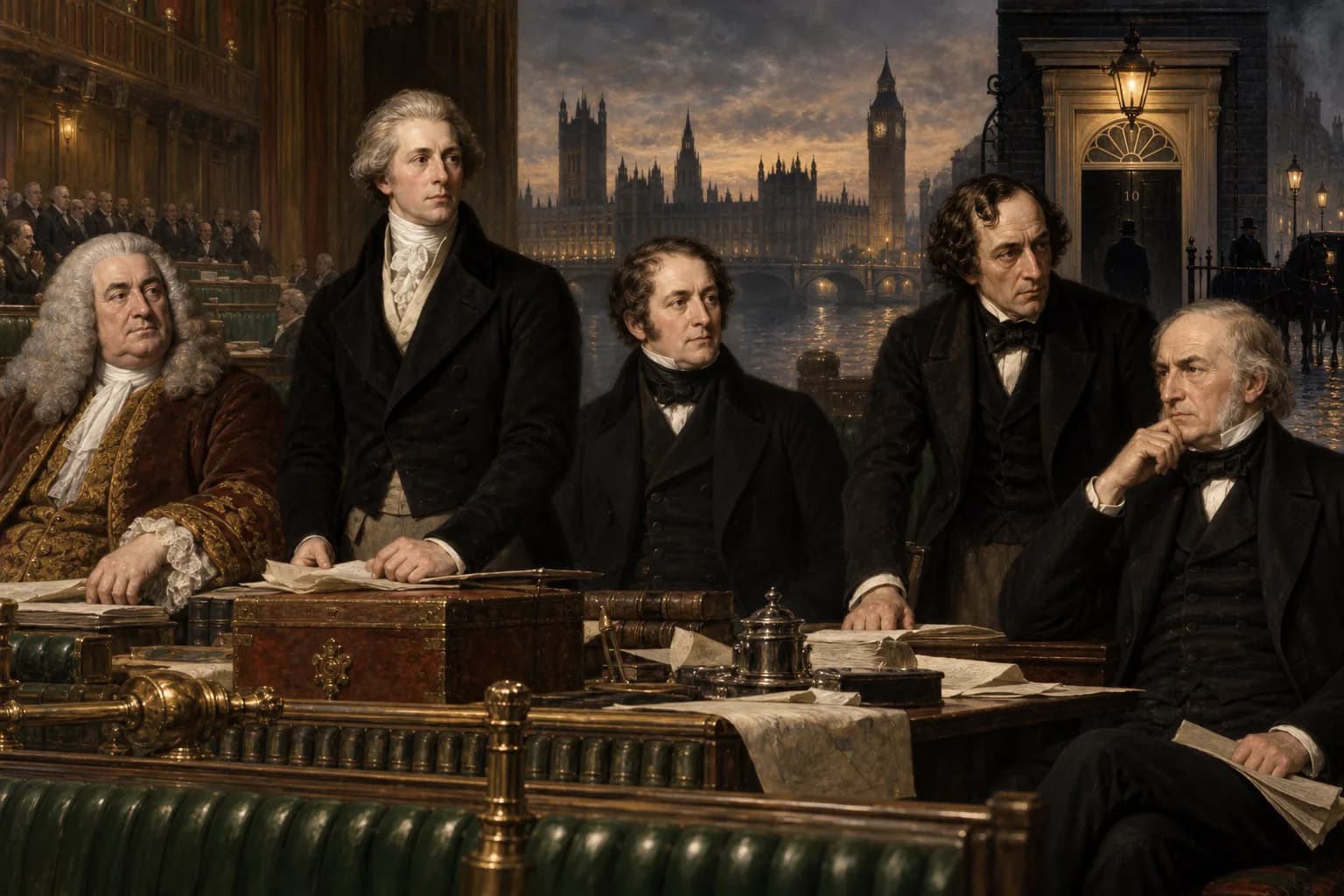
British Prime Ministers
1721 CE–present

Explore British prime ministers from Walpole to the present.

View lineage
Tertiary paths

Content note

This profile is written for educational use and connects to related Stories of History pages. The main portrait is an AI-assisted historical reconstruction, included as an illustrative aid rather than documentary evidence. Image policy

References

Sources & Further Reading

Reliable reference works, archives and reading paths connected to this profile.

Further reading

  1. Encyclopaedia Britannica, Search results for Henry Addington,” accessed June 2026.Open source
  2. WorldCat, Books and library holdings for Henry Addington,” accessed June 2026.Open source

Primary sources

  1. Library of Congress, Search results for Henry Addington,” accessed June 2026.Open source

Reviewed claim sources

Loading reviewed claim sources...

A weekly route through history

Find out first about the latest published stories, feature notes and occasional Premium offers in one weekly email.