People

Arthur Wellesley

Arthur Wellesley, 1st Duke of Wellington, was the British field marshal who defeated Napoleon at Waterloo, led the Peninsular War campaign, and later served as Prime Minister.

Born
1769 CE
Died
1852 CE
Role
British field marshal

British field marshal (1769–1852)

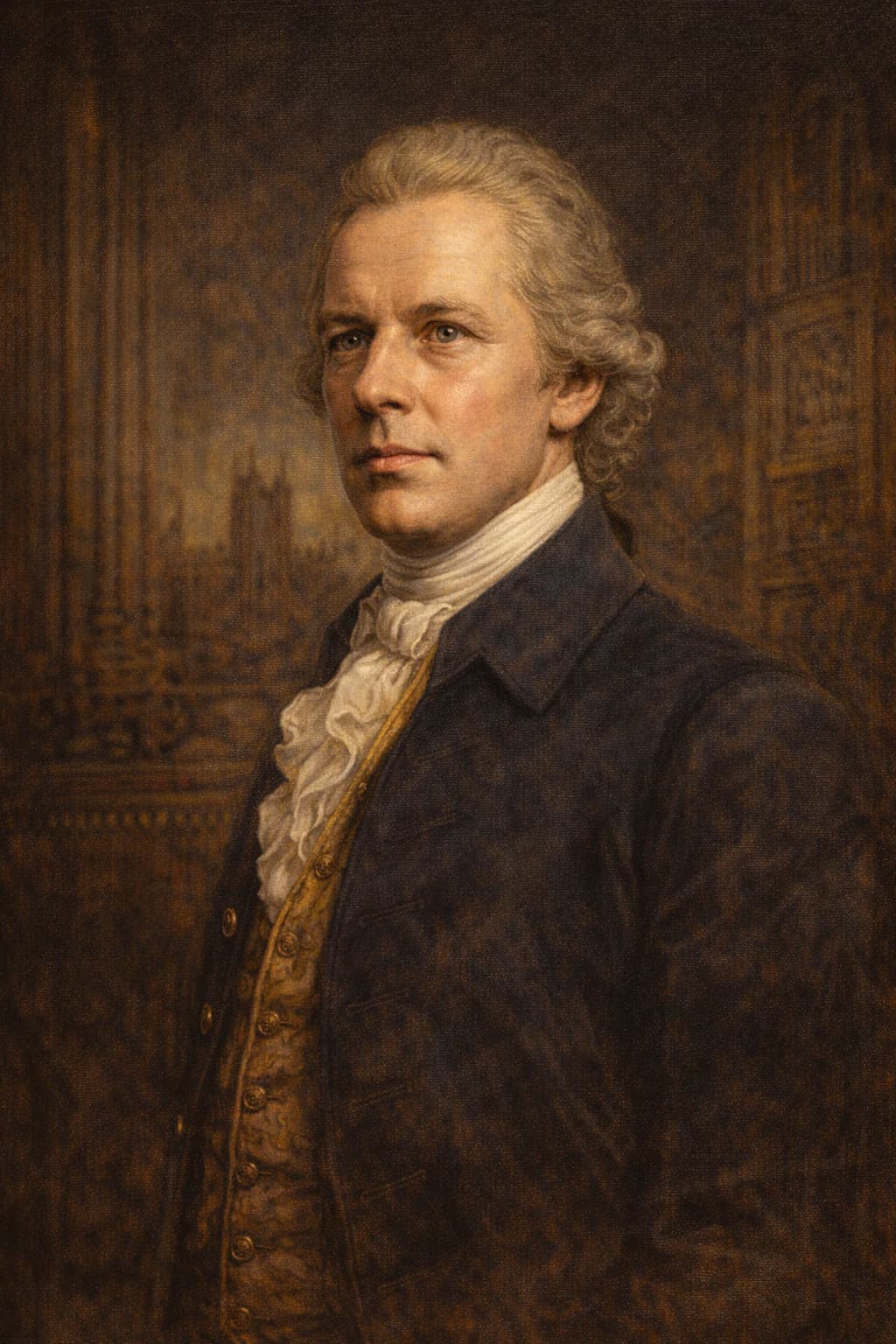
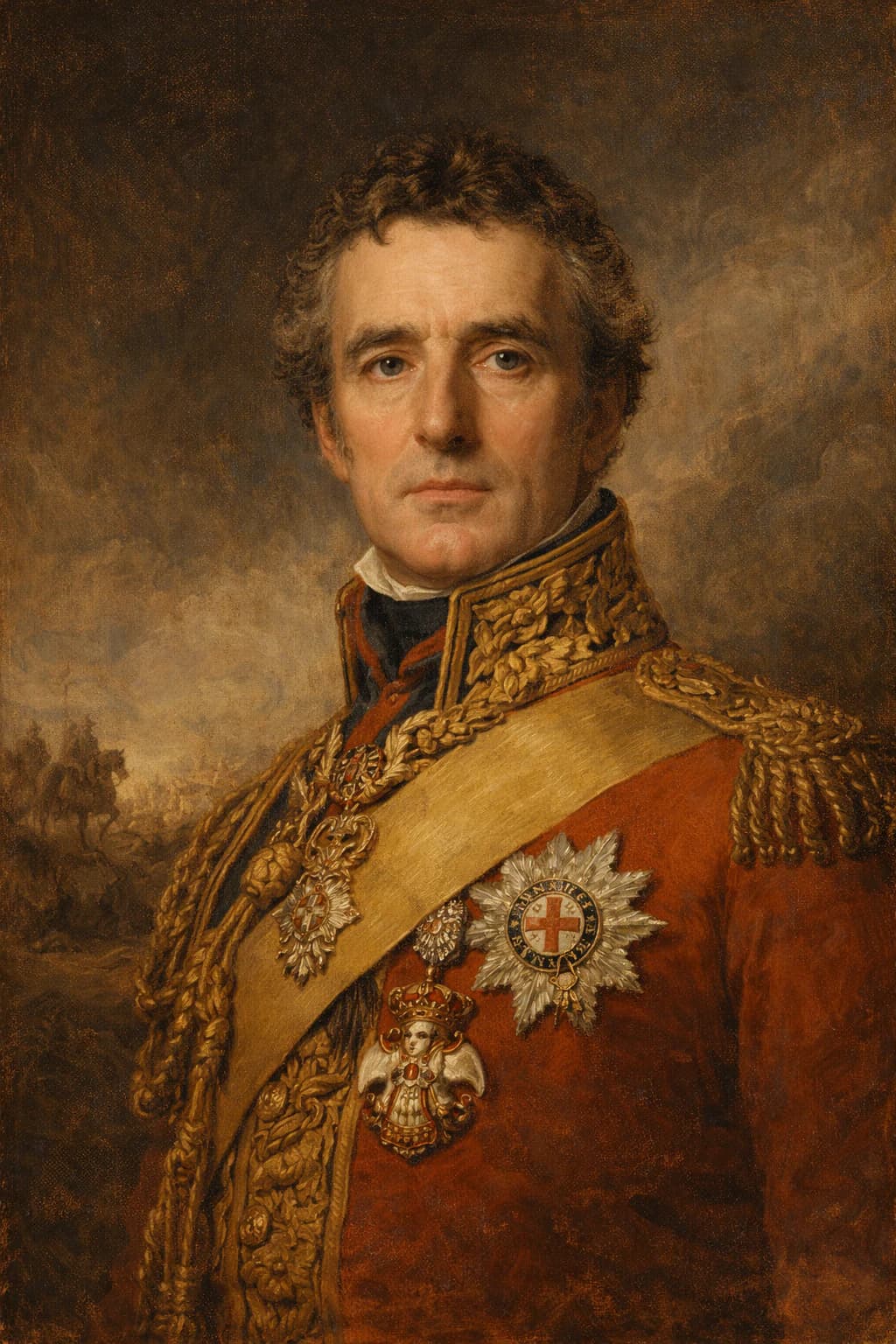
AI-generated portrait of the Duke of Wellington in military uniform
AI-assisted historical reconstruction

An illustrative reconstruction based on historical context. It is not a photograph or documentary likeness. Image policy

Quick answer

Arthur Wellesley, 1st Duke of Wellington, was the British field marshal who defeated Napoleon at Waterloo, led the Peninsular War campaign, and later served as Prime Minister.

Born
1769 CE
Died
1852 CE
Role
British field marshal
Years
1769-1852 CE
Quick facts

Profile details

Additional identity and tagging details that are not already covered in the introduction.

Full name
Arthur Wellesley, 1st Duke of Wellington
Also known as
Duke of Wellington, 1st Duke of Wellington, Arthur Wellesley, Duke of Wellington
Facts

Arthur Wellesley timeline facts

Selected specifics from this profile's life story.

1769
Anglo-Irish Beginnings

Arthur Wellesley was born into an Anglo-Irish aristocratic family, giving him connections but not immediate distinction in a crowded and competitive society.

1797–1805
Campaigns in India

In India, he gained practical experience commanding troops and managing complex campaigns, establishing himself as a capable and reliable leader.

1820s
Shift to Politics

After his military career, he entered politics, using his authority to influence national decisions during a period of social and political change.

1852
Enduring Legacy

At his death, he was remembered as both a military hero and a national figure whose influence extended beyond the battlefield.

Life Journey

From disciplined officer to decisive victor at Waterloo

Follow the story in a more continuous narrative, with a reading mode that matches how much depth you want.

Complete chronology

1769

Anglo-Irish Beginnings

Arthur Wellesley was born in 1769 into the Anglo-Irish Protestant Ascendancy, a world close to power but not automatically at its center. His family, the Wesleys later Wellesleys, had rank and connections, yet Arthur was not the obvious star among the children. His elder brother Richard seemed destined for high office, while Arthur's own youth gave few signs of the military precision that later made him famous. That background matters because Wellington's biography was never a simple rise from obscurity. He benefited from class, family, and patronage, but he also had to prove himself in a system crowded with ambitious men. His early reserve, emotional control, and dislike of theatrical display became part of his public identity: not a romantic hero by temperament, but a hard, observant professional who learned to turn caution into strength.
1780s

Formative Education

Wellesley's education passed through Eton and then military training in France, where he acquired polish without becoming an intellectual celebrity. He was not remembered as a brilliant student, and later legend sometimes exaggerates his early dullness to make the mature commander look more surprising. What he did acquire was discipline: attention to routine, respect for hierarchy, and a taste for practical competence over grand theory. In the British Army of the late eighteenth century, where commissions could be bought and social standing mattered, this was not enough by itself. But it gave him a foundation. Wellington's later genius lay in details many flashier commanders found boring: supply, terrain, timing, intelligence, and keeping soldiers alive long enough to fight effectively. His formation was therefore less dramatic than decisive, building habits that suited long campaigns rather than single bursts of glory.

1787

Entry into Army

Wellesley entered the army in 1787, beginning in a military culture where money and connection opened the first doors but battlefield credibility still had to be earned. He also sat in the Irish Parliament, moving early between military and political worlds. Service in the Low Countries during the French Revolutionary Wars exposed him to the weaknesses of poorly coordinated coalition warfare. He saw confusion, bad supply, uncertain command, and the cost of underestimating French armies transformed by revolution. These experiences did not make him famous, but they educated him sharply. He learned that courage without organization wasted lives, that allies had to be managed as carefully as enemies, and that an army's stomach often mattered as much as its bayonets. The officer who emerged was ambitious, unsentimental, and increasingly convinced that preparation could defeat brilliance.

1797–1805

Campaigns in India

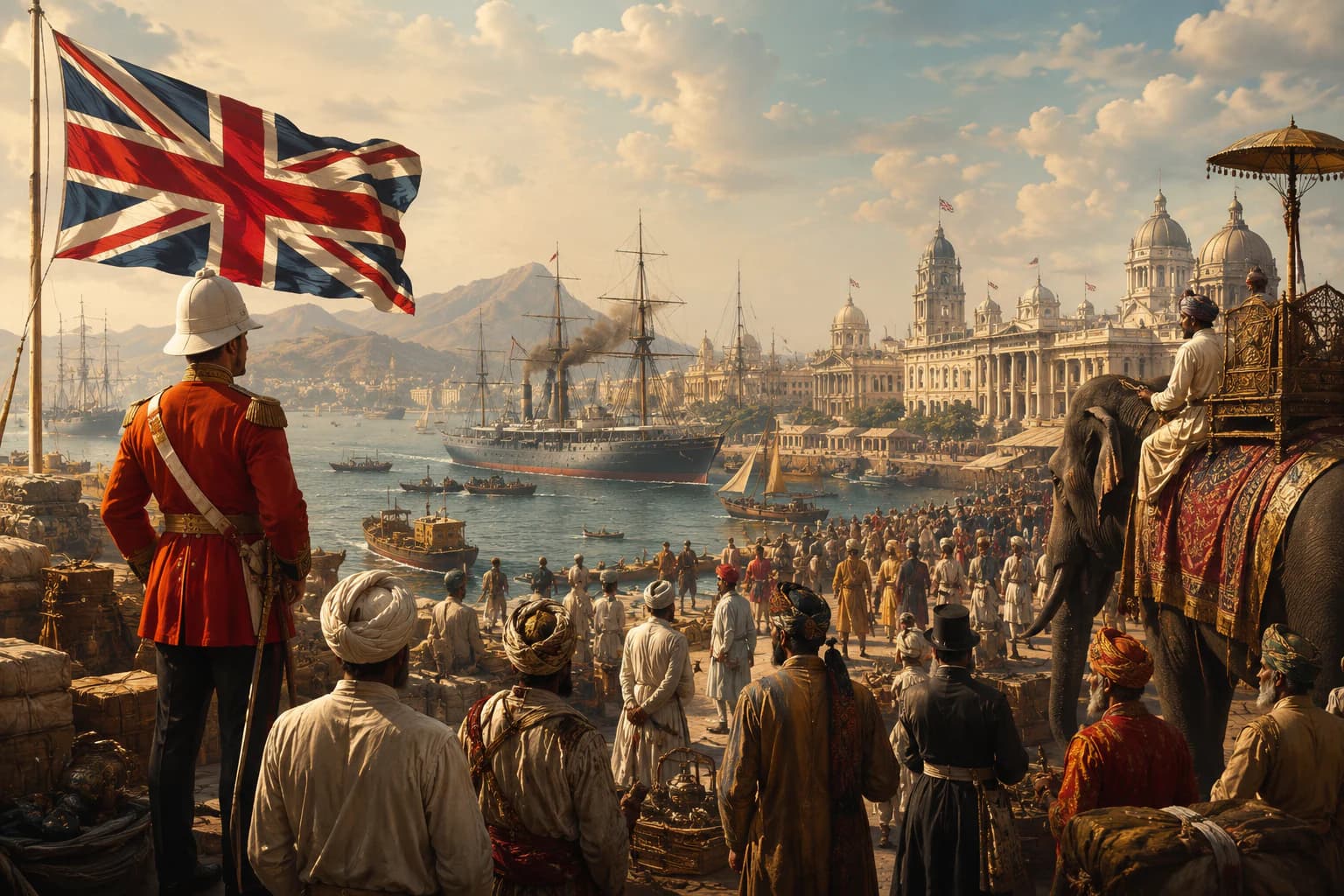
India made Wellesley. He arrived in a world where the East India Company was expanding from commercial power into territorial empire, and his brother Richard, as Governor-General, pursued an aggressive policy against Indian states. Arthur commanded in campaigns against Tipu Sultan's Mysore and later the Maratha Confederacy, winning a difficult victory at Assaye in 1803. The battle was costly and dangerous, and Wellington later regarded it as one of his hardest fights. India also trained him beyond tactics. He had to move troops across huge distances, secure supplies, negotiate with allies, understand local politics, and administer conquered territory. These campaigns were part of British imperial expansion, not neutral exercises in military skill, and they had profound consequences for Indian powers. For Wellesley personally, they provided the command experience that made his later European victories possible.

1808–1814

Peninsular Leadership

The Peninsular War turned Wellesley from a successful imperial officer into Britain's indispensable general. Sent to Portugal in 1808, he faced the problem that had broken many of Napoleon's enemies: how to fight French armies without being destroyed by their speed, confidence, and veteran command. Wellington's answer was strategic patience. He used Portugal's geography, built the Lines of Torres Vedras to protect Lisbon, worked with Portuguese and Spanish allies, and forced the French to operate in hostile country under constant strain. Victories at Talavera, Salamanca, Vitoria, and elsewhere showed that French imperial power could be worn down and beaten. His methods were not glamorous. They depended on discipline, supply, defensive strength, and choosing the moment to attack. But they helped turn Spain and Portugal into a draining front that weakened Napoleon's wider system.

1815

Battle of Waterloo

Waterloo on 18 June 1815 fixed Wellington permanently in British memory, but it was not a lone duel won by one man. Napoleon had returned from exile and tried to defeat the allied armies before they could fully combine. Wellington chose a defensive position south of Brussels and held it through repeated French attacks, relying on infantry squares, reverse slopes, stubborn allied troops, and the survival of key farms such as Hougoumont and La Haye Sainte. The arrival of Prussian forces under Blucher was decisive, turning endurance into victory. Wellington understood this. He called the battle a close-run thing, not an easy triumph. Waterloo ended Napoleon's final bid for power and helped shape the European settlement after decades of war. It also made Wellington a national symbol: the commander who could remain cold under pressure while history shook around him.

1820s

Shift to Politics

Wellington's move into politics was natural for a man of his rank and reputation, but it exposed the limits of military authority in civil life. He served in diplomatic and ministerial roles after the Napoleonic Wars, becoming a senior Conservative figure at a time when Britain faced pressure over Catholic rights, parliamentary reform, economic distress, and public agitation. He distrusted rapid change because he associated disorder with revolutionary Europe and war. Yet he was not simply rigid. Wellington could accept reform when he believed refusal would endanger the state. His difficulty lay in tone and instinct. Soldiers obey orders; politicians count votes, read opinion, and bargain with opponents. Wellington remained respected, even revered, but his habit of command could appear blunt and unsympathetic in a society becoming more politically vocal.

1828–1830

Prime Ministership

Wellington became prime minister in 1828 and soon faced the issue that defined his government: Catholic emancipation. Ireland's Catholic majority remained excluded from full political rights, and Daniel O'Connell's mobilization made continued resistance dangerous. Wellington and Robert Peel concluded that concession was necessary to avoid civil conflict, even though many Conservatives regarded it as betrayal. The Roman Catholic Relief Act of 1829 was therefore both a major reform and an act of conservative crisis management. On parliamentary reform, however, Wellington was far less flexible. His opposition to changes in representation made him a target of public anger and helped bring down his ministry in 1830. His premiership shows the paradox of his politics: he could retreat from principle to preserve order, but he struggled to understand that order itself sometimes required broader consent.

1852

Enduring Legacy

Wellington died in 1852 and received a state funeral of extraordinary scale. By then, he had become more than a retired general or former prime minister. He was a national monument in human form, linked to Waterloo, resistance to Napoleon, imperial service, and the image of British steadiness under pressure. His political legacy was more mixed. He helped pass Catholic emancipation, opposed parliamentary reform, and represented an aristocratic order that was already adapting under pressure. His military reputation also deserves nuance. He was a brilliant commander, but his victories depended on allied armies, local resistance, imperial resources, and soldiers whose suffering he did not sentimentalize. Wellington matters because he shows how war-winning authority can shape a nation long after war ends, while also revealing how hard it is to translate battlefield mastery into democratic politics.

Continue in context

Connected stories

Move from the profile into the wider events and settings this figure belongs to.

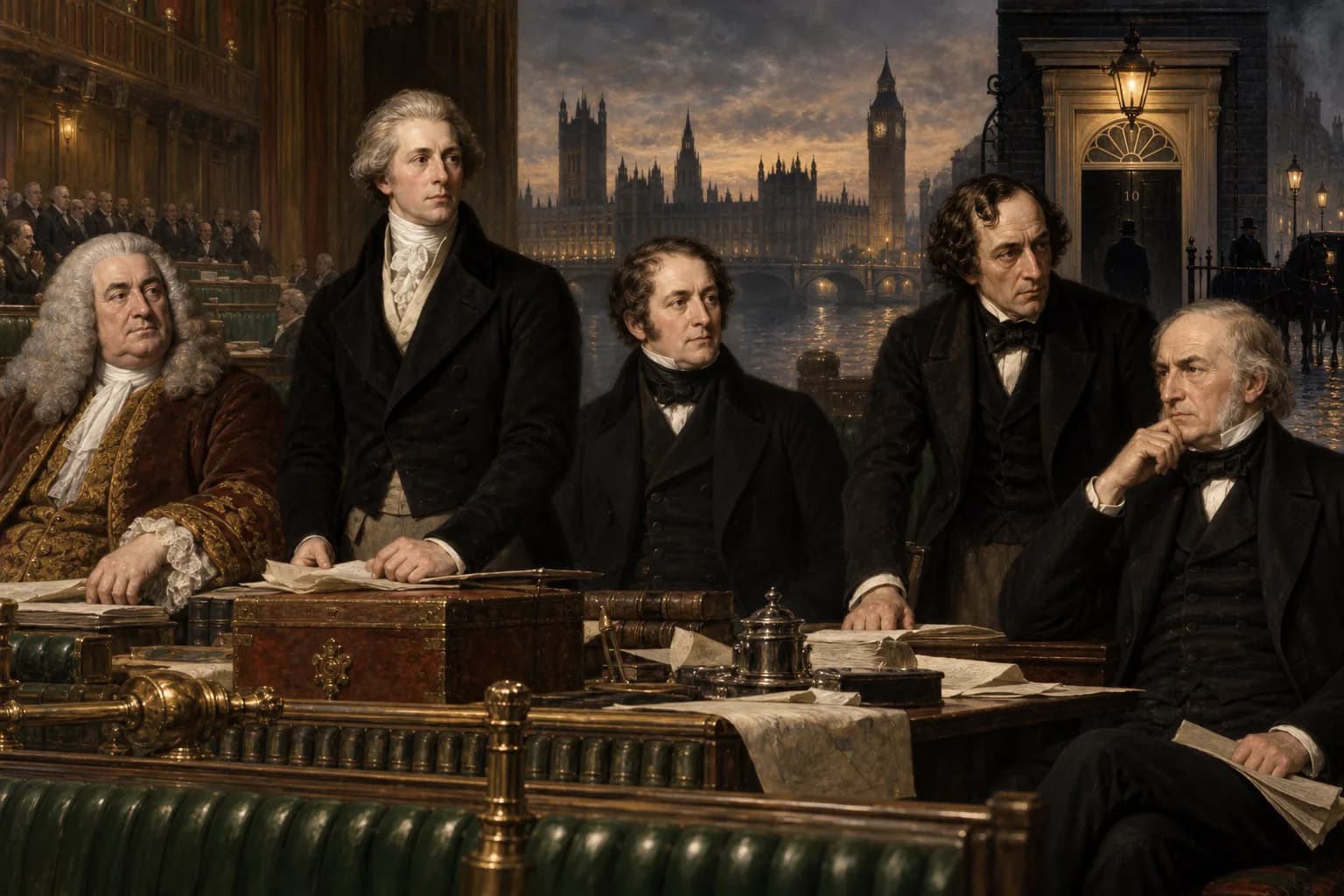
British Prime Ministers lineage
LineagePrime ministers in sequence
British Prime Ministers
1721 CE–present

Explore British prime ministers from Walpole to the present.

View lineage
Tertiary paths

Content note

This profile is written for educational use and connects to related Stories of History pages. The main portrait is an AI-assisted historical reconstruction, included as an illustrative aid rather than documentary evidence. Image policy

References

Sources & Further Reading

Reliable reference works, archives and reading paths connected to this profile.

Further reading

  1. Encyclopaedia Britannica, Search results for Arthur Wellesley,” accessed June 2026.Open source
  2. WorldCat, Books and library holdings for Arthur Wellesley,” accessed June 2026.Open source

Primary sources

  1. Library of Congress, Search results for Arthur Wellesley,” accessed June 2026.Open source

Reviewed claim sources

Loading reviewed claim sources...

A weekly route through history

Find out first about the latest published stories, feature notes and occasional Premium offers in one weekly email.