People

Robert Peel

Sir Robert Peel was a British Conservative Prime Minister and reformer. He founded the Metropolitan Police, reshaped criminal law, issued the Tamworth Manifesto and repealed the Corn Laws in 1846.

Born
1788 CE
Died
1850 CE
Role
Conservative Prime Minister

Conservative Prime Minister (1788–1850)

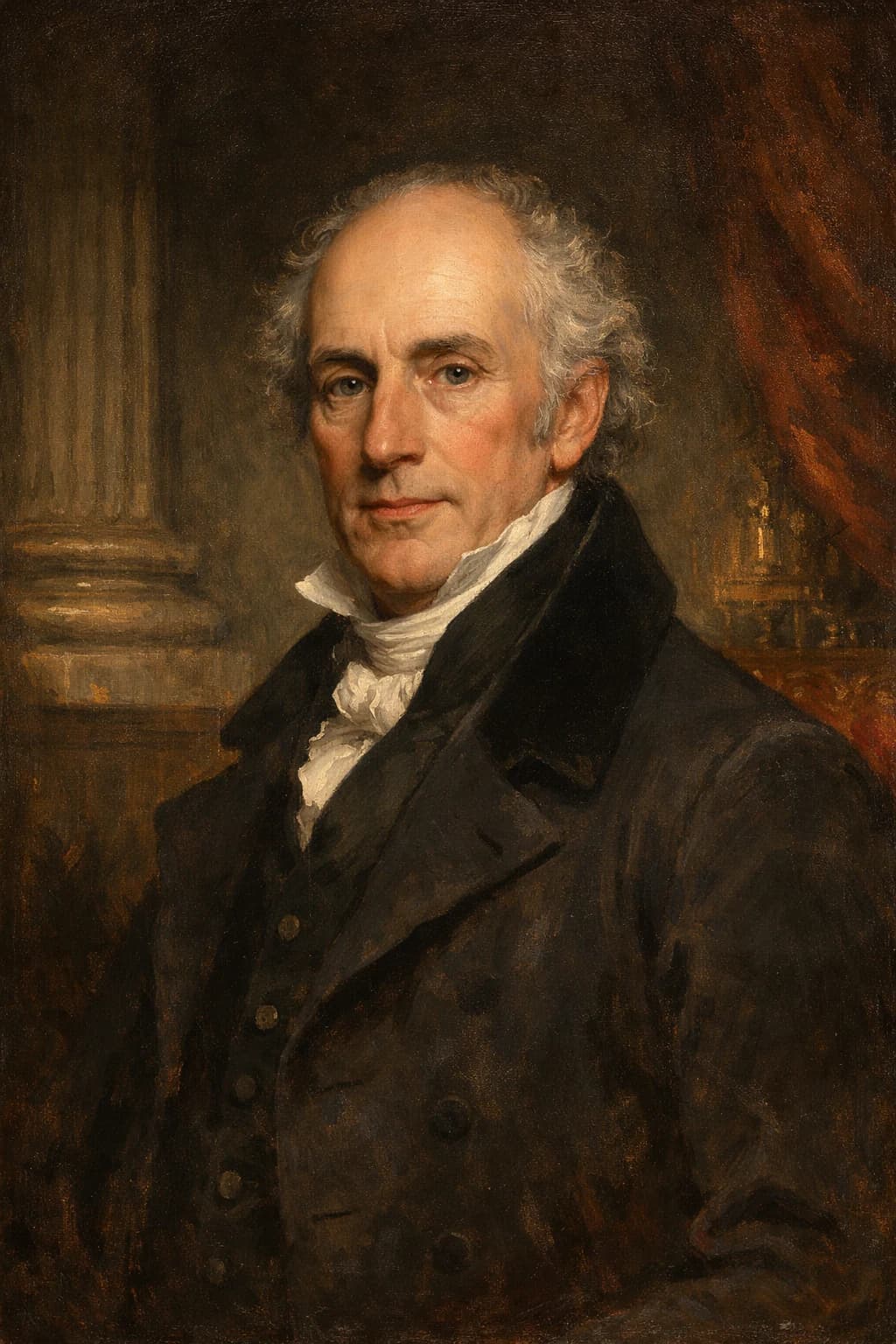
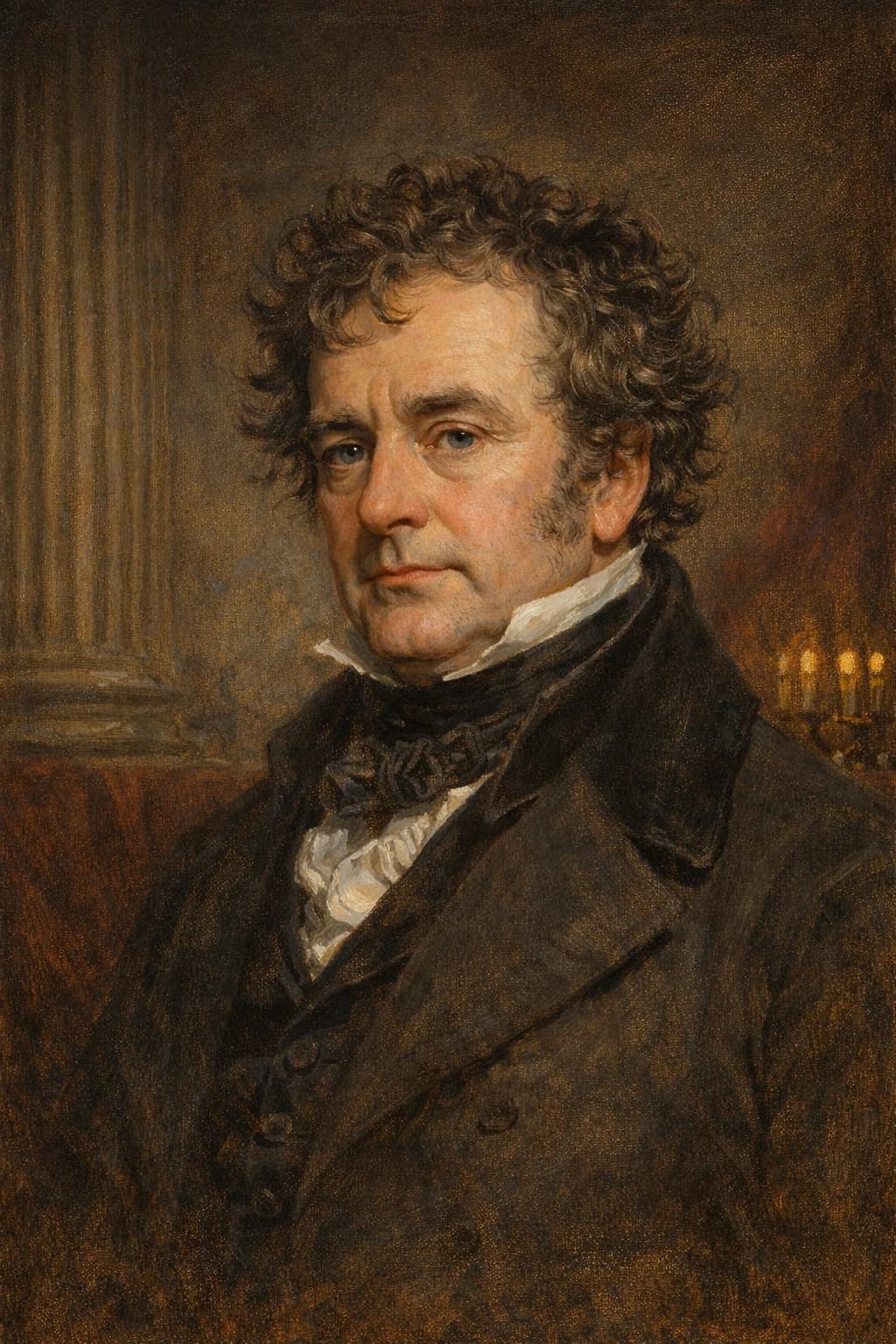
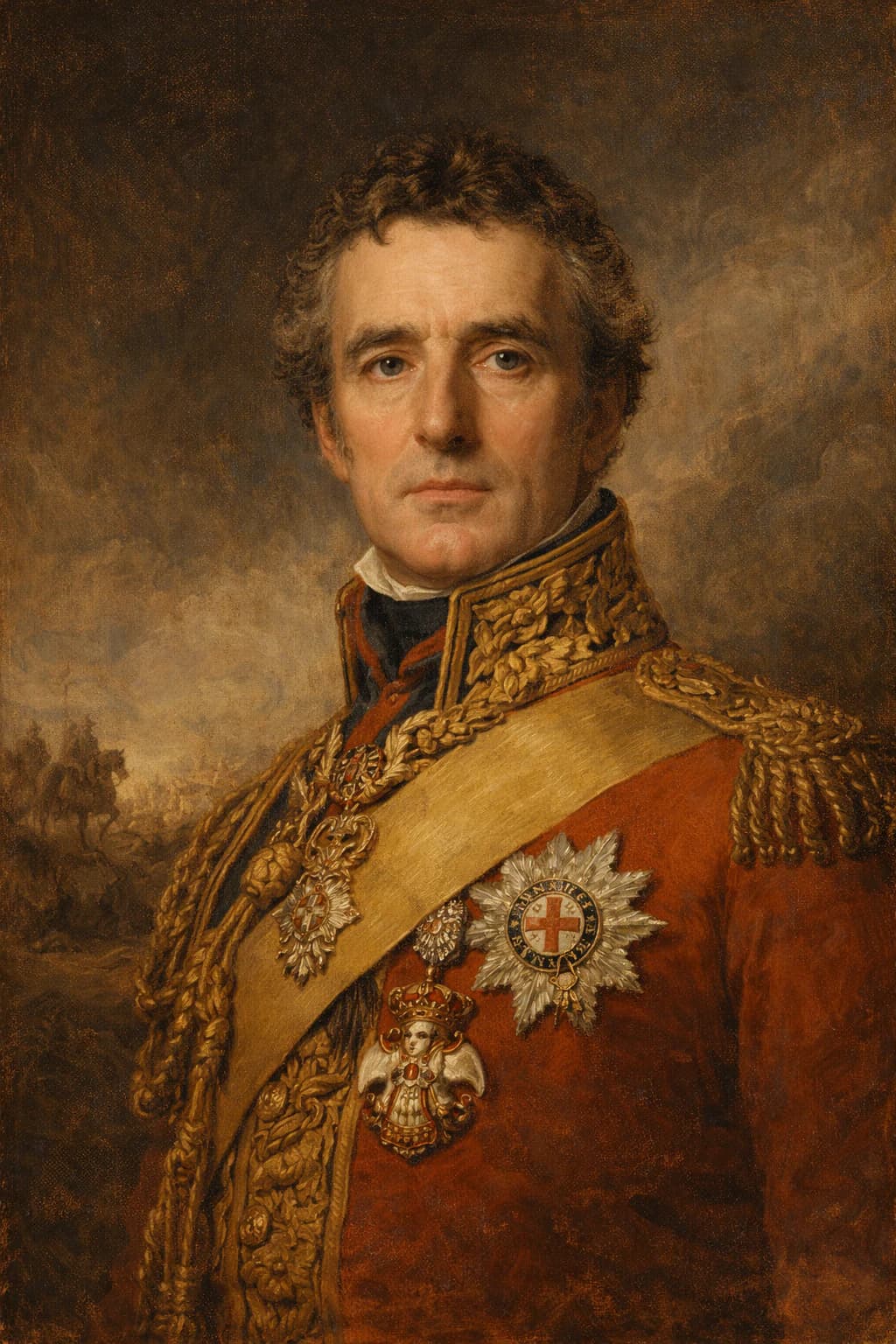
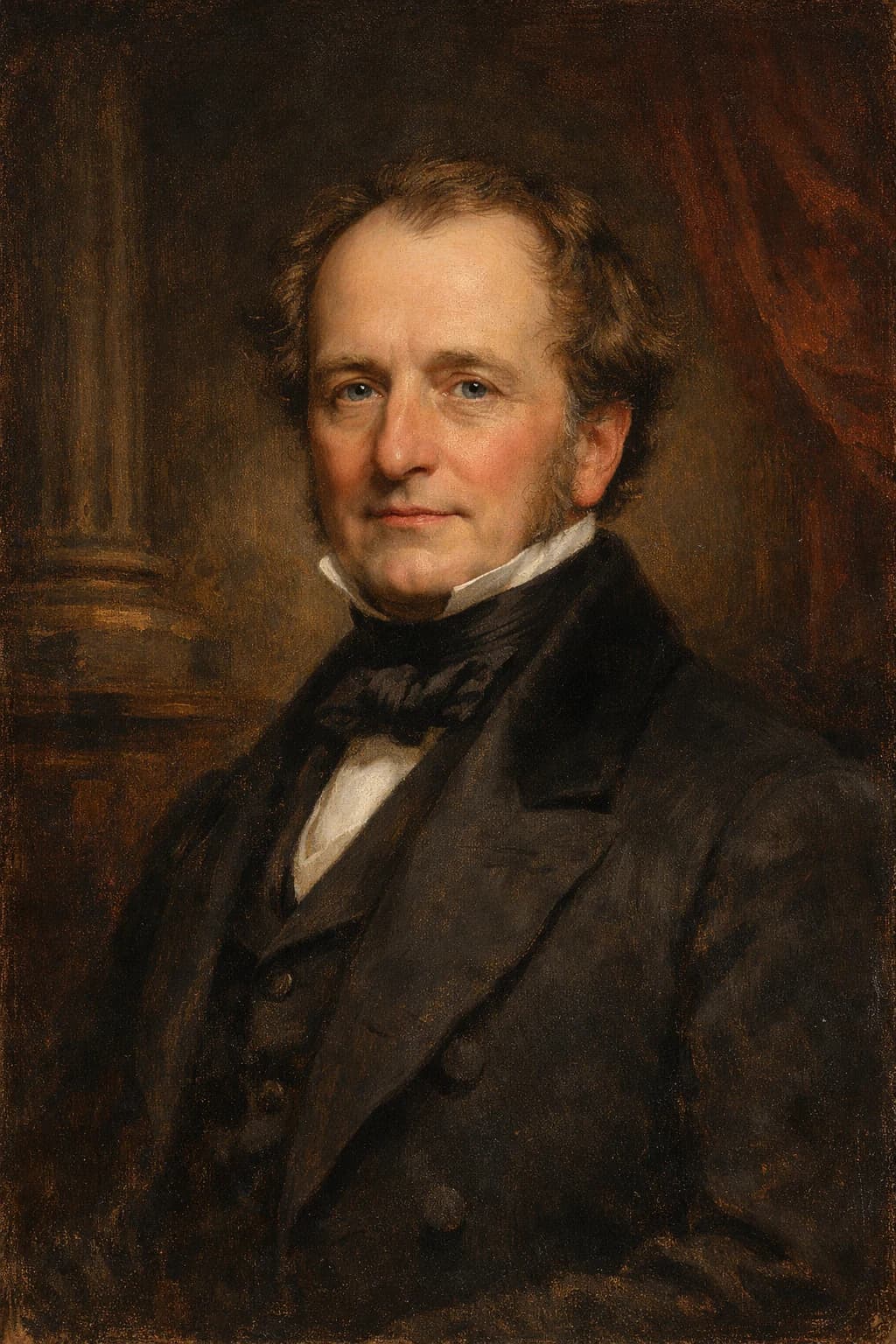
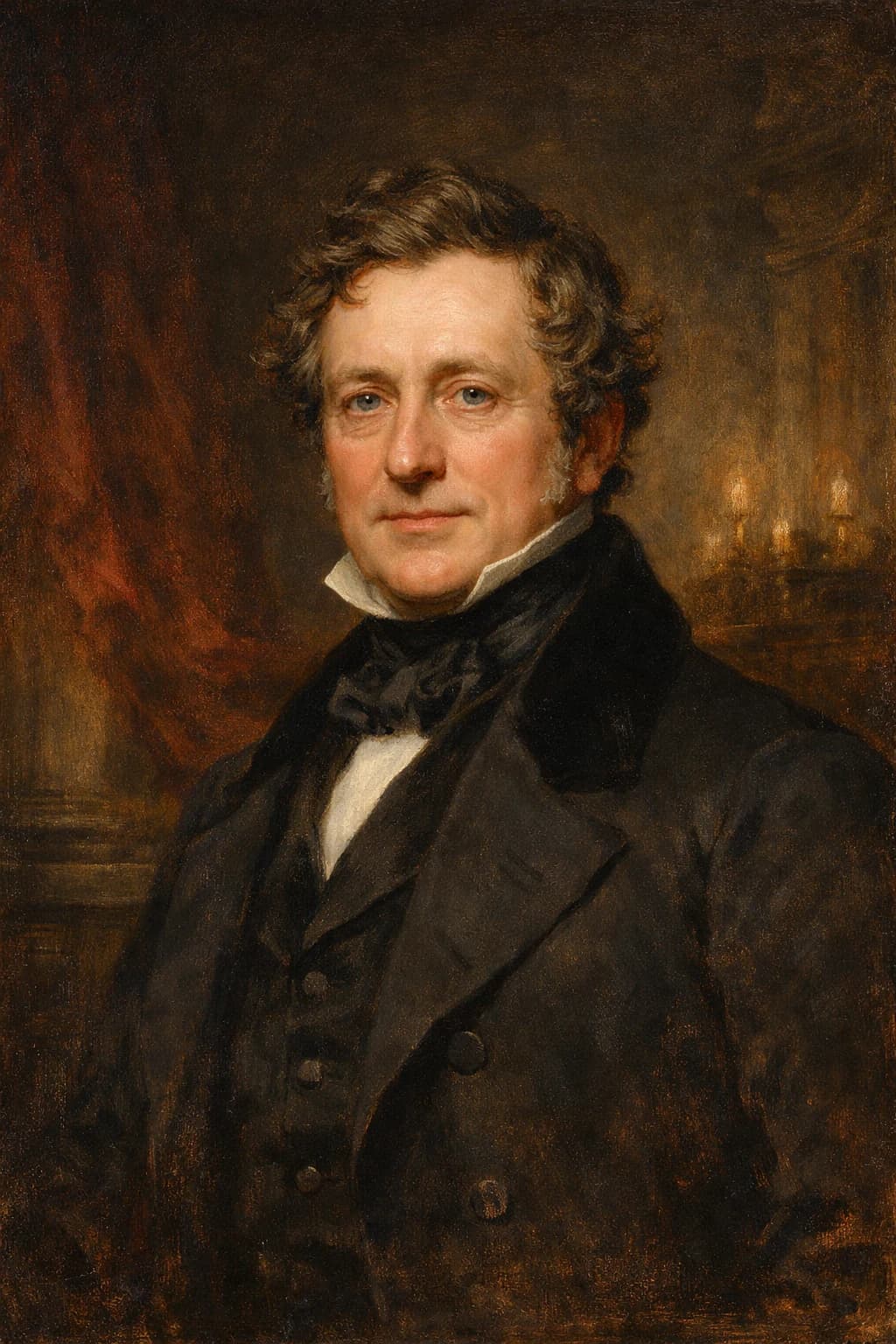
AI-generated portrait of Sir Robert Peel in formal Victorian attire
AI-assisted historical reconstruction

An illustrative reconstruction based on historical context. It is not a photograph or documentary likeness. Image policy

Quick answer

Sir Robert Peel was a British Conservative Prime Minister and reformer. He founded the Metropolitan Police, reshaped criminal law, issued the Tamworth Manifesto and repealed the Corn Laws in 1846.

Born
1788 CE
Died
1850 CE
Role
Conservative Prime Minister
Years
1788-1850 CE
Quick facts

Profile details

Additional identity and tagging details that are not already covered in the introduction.

Full name
Sir Robert Peel
Also known as
Prime Minister Peel, Peel
Facts

Robert Peel timeline facts

Selected specifics from this profile's life story.

1788
Industrial Upbringing

Robert Peel was born in 1788 into a wealthy Lancashire manufacturing family, giving him a view of Britain shaped by industry as well as landed power.

1820s
Criminal Law Reforms

As Home Secretary in the 1820s, Peel modernised criminal law, reduced capital offences and tried to make justice more credible and enforceable.

1841–1846
Second Premiership

Returning to office in 1841, Peel restored the income tax, reduced tariffs and pushed Britain toward freer trade and stronger public finance.

1850
Enduring Legacy

Peel died in 1850 after a riding accident, leaving a legacy in policing, free trade, party realignment and evidence-led Conservative reform.

Life Journey

Reform, policing, Conservatism and the price of principle

Follow the story in a more continuous narrative, with a reading mode that matches how much depth you want.

Complete chronology

1788

Industrial Upbringing

Peel entered politics from an unusual corner of the governing class. His father, Sir Robert Peel, was a hugely successful cotton manufacturer, not an old aristocrat whose wealth came mainly from land. That distinction mattered. The younger Peel inherited money, education and access, but he also grew up near the forces transforming Britain: factories, urban growth, market volatility, worker unrest and the rising importance of commerce. He was no radical. His instincts were conservative, moralistic and orderly. Yet he understood that a state built only to defend old arrangements would become brittle. Peel's later career repeatedly returned to the same problem: how could government preserve authority in a country being remade by industry, population growth and political pressure?


1800–1808

Elite Education

Peel's education gave him both confidence and polish. At Harrow and Oxford he developed the habits that later marked his public life: command of detail, respect for procedure, and a preference for carefully reasoned argument over theatrical performance. He was not a romantic tribune. He was a manager of institutions, and he treated government as a craft requiring evidence, preparation and self-control. That style could make him seem cold, but it also made him trusted with difficult offices at a young age. Peel belonged to a generation that had watched the French Revolution and Napoleonic war make order feel precious. His political imagination began from that anxiety, but his method was improvement rather than mere repression.

1809

Early Parliament Career

Peel became an MP at twenty-one, entering a Parliament still dominated by patronage, property and war. His early service as Chief Secretary for Ireland was formative. Ireland exposed him to sectarian tension, poverty, coercion, Catholic grievance and the limits of governing by force alone. Peel resisted Catholic emancipation for years and was closely associated with Protestant conservatism, yet the pressure of Irish politics taught him that refusal could carry its own dangers. He also became known for administrative seriousness. In an age of great orators, he made reputation through work: mastering papers, managing offices and giving colleagues confidence that he could handle complexity without panic.

1820s

Criminal Law Reforms

The early nineteenth-century criminal code was severe, tangled and often ineffective. Many offences technically carried the death penalty, but juries and judges sometimes avoided conviction because the punishment was disproportionate. Peel's reforms as Home Secretary simplified statutes, reduced the number of capital crimes and improved prison and policing administration. He was not a sentimental humanitarian; he wanted law to command obedience. But he recognised that law loses authority when it is too brutal, inconsistent or archaic to be applied honestly. This was Peel at his most characteristic: reform in the service of order. By making punishment more proportionate, he strengthened rather than weakened the state.

1829

Founding Modern Policing

Peel's name is permanently attached to policing because the Metropolitan Police Act of 1829 created a new model for urban order. London had relied on watchmen, parish constables and fragmented arrangements that struggled with the scale of a modern capital. Peel's police were uniformed, organised and visible. Their purpose was not simply to catch offenders after crimes but to deter crime through presence and trust. The nickname bobbies preserved his connection to the force. Public suspicion was real: many Britons feared a continental-style police state. Peel's model therefore depended on restraint as well as authority. The police had to look civilian, disciplined and accountable enough to be accepted by the people they served.

1834–1835

First Premiership

Peel's first premiership came after the 1832 Reform Act had changed the political landscape. The old Tory reflex of blanket resistance no longer looked viable. In the Tamworth Manifesto, Peel accepted the reformed constitution and offered a Conservatism that would preserve institutions by correcting proven abuses. It was a crucial moment in the birth of the modern Conservative Party. Peel's government, however, lacked a Commons majority and soon fell. The term was short, but the lesson lasted: a governing right had to speak to a broader electorate, defend the constitution through practical improvement and avoid appearing merely nostalgic for unreformed privilege.

1841–1846

Second Premiership

Peel's second ministry was the real test of his governing philosophy. Britain faced deficits, commercial uncertainty and pressure for economic change. Peel reintroduced income tax as a temporary measure to stabilise finances, then used the fiscal space to reduce duties on hundreds of imported goods. He also supported the Bank Charter Act of 1844, strengthening rules around note issue and monetary stability. These measures reveal Peel's faith in disciplined finance, cheaper trade and administrative clarity. They also moved him away from many landowning Conservatives whose economic worldview depended on protection. Peel did not set out to destroy his party, but his policies increasingly suggested that national interest and party interest might diverge.

1846

Repeal Crisis

The Corn Laws protected British grain producers by restricting cheaper imports, raising food prices in the name of agricultural security. By the mid-1840s, Anti-Corn Law League agitation, economic argument and the catastrophe of the Irish potato famine made protection harder to defend. Peel concluded that repeal was necessary, both to relieve food pressure and to align policy with broader free-trade reform. Many Conservatives saw betrayal. Landed supporters believed he had abandoned the class and party that had placed him in power. Peel passed repeal with Whig and Radical support, while protectionist Conservatives turned against him. On the same night repeal cleared its final Commons hurdle, his government was defeated on an Irish coercion bill. The political cost was immediate.

1850

Enduring Legacy

Peel never returned to office after 1846, but the Peelites remained a significant force. Their separation from protectionist Conservatives helped reshape Victorian politics and later fed into Liberal realignment. Peel died in 1850 after falling from his horse, before the full consequences of his choices could unfold. His legacy is unusually practical. Every discussion of modern policing returns to his London reforms. Every account of nineteenth-century free trade turns on his repeal of the Corn Laws. Every history of Conservatism must reckon with his argument that preservation sometimes requires timely concession. He was not universally loved, and he could be stiff, cautious and politically destructive to allies. Yet his importance lies in the seriousness with which he treated government: facts mattered, administration mattered, and national necessity could outweigh party survival.

Continue in context

Connected stories

Move from the profile into the wider events and settings this figure belongs to.

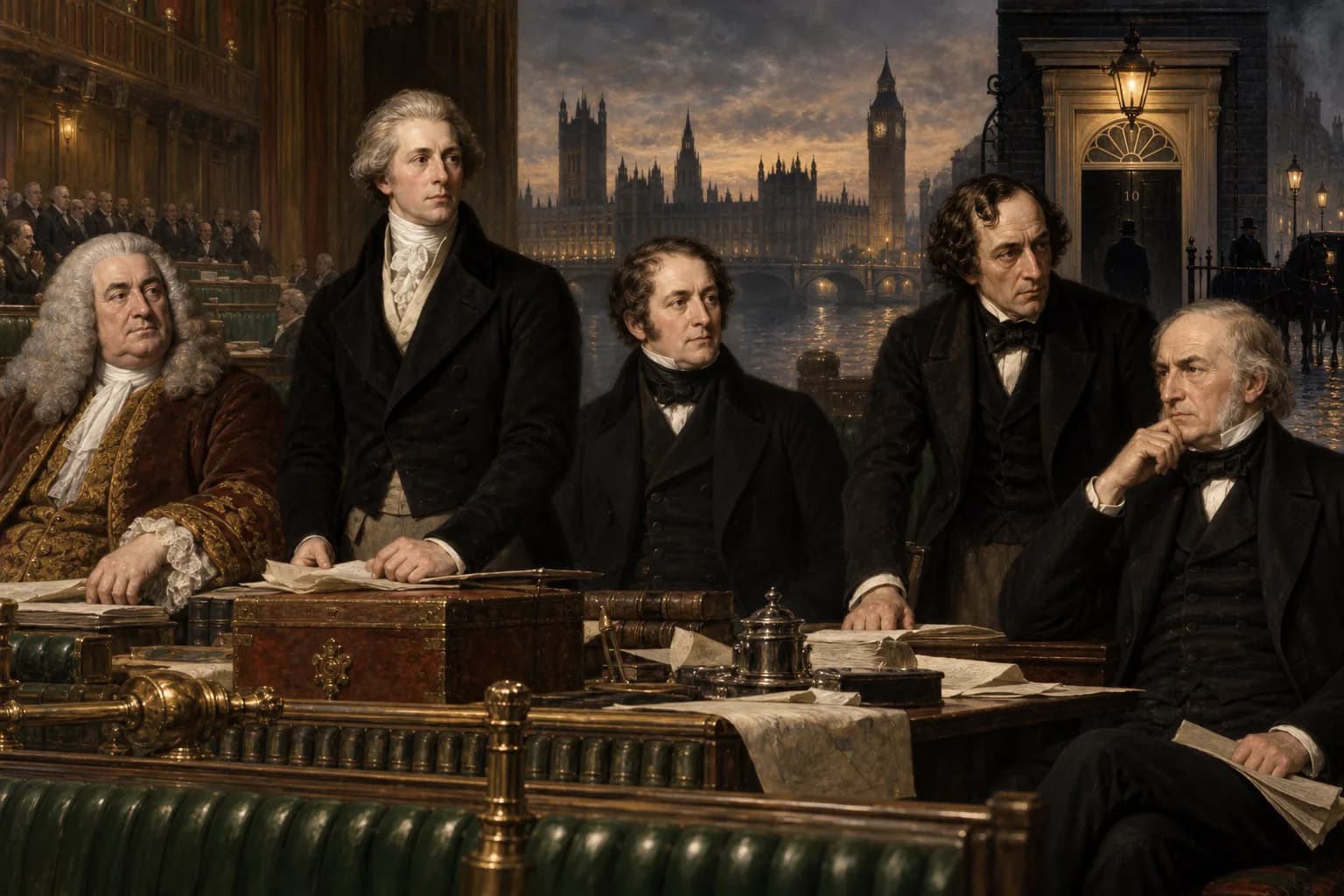
British Prime Ministers lineage
LineagePrime ministers in sequence
British Prime Ministers
1721 CE–present

Explore British prime ministers from Walpole to the present.

View lineage
Tertiary paths

Content note

This profile is written for educational use and connects to related Stories of History pages. The main portrait is an AI-assisted historical reconstruction, included as an illustrative aid rather than documentary evidence. Image policy

References

Sources & Further Reading

Reliable reference works, archives and reading paths connected to this profile.

Further reading

  1. Encyclopaedia Britannica, Search results for Robert Peel,” accessed June 2026.Open source
  2. WorldCat, Books and library holdings for Robert Peel,” accessed June 2026.Open source

Primary sources

  1. Library of Congress, Search results for Robert Peel,” accessed June 2026.Open source

Reviewed claim sources

Loading reviewed claim sources...

A weekly route through history

Find out first about the latest published stories, feature notes and occasional Premium offers in one weekly email.