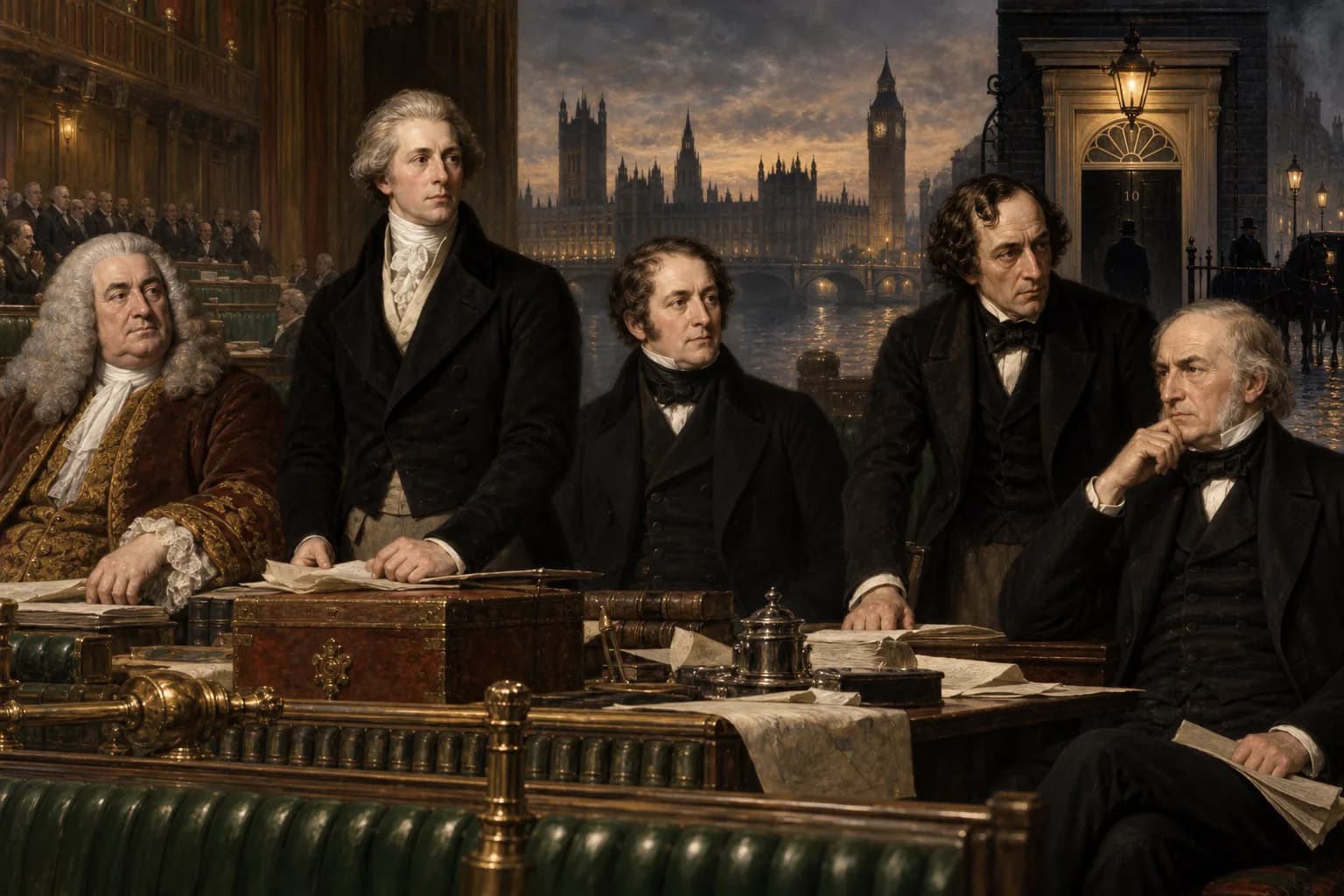
People

Charles Grey

Charles Grey, 2nd Earl Grey, was the Whig Prime Minister who led Britain through the Great Reform Act of 1832, the first major overhaul of parliamentary representation in the modern era. An aristocratic reformer shaped by the age of Fox, the French Revolution and industrial change, he helped move Britain away from rotten borough politics without embracing full democracy.

Born
1764 CE
Died
1845 CE
Role
Prime Minister of the United Kingdom

British Prime Minister and Whig politician (1764–1845)

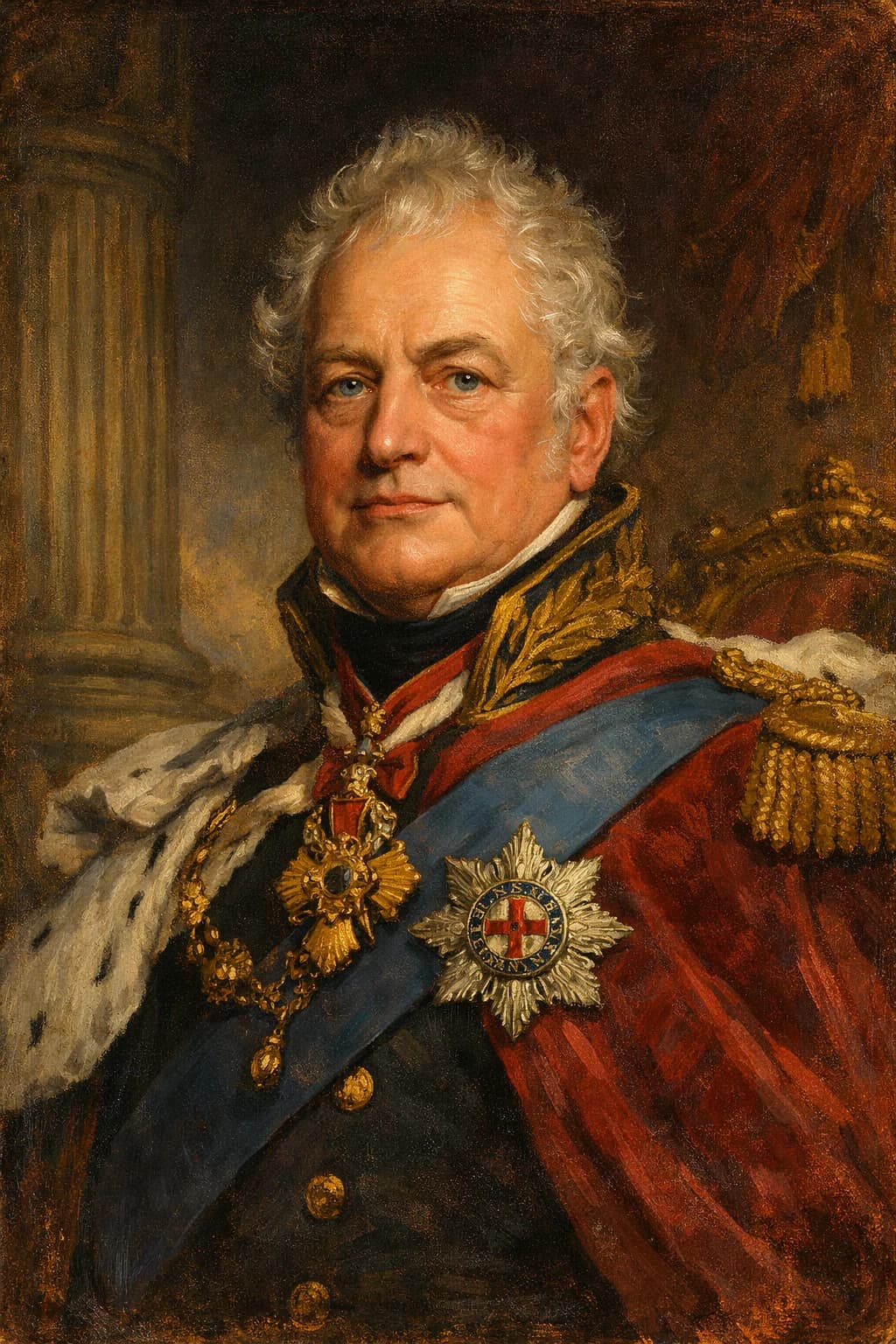
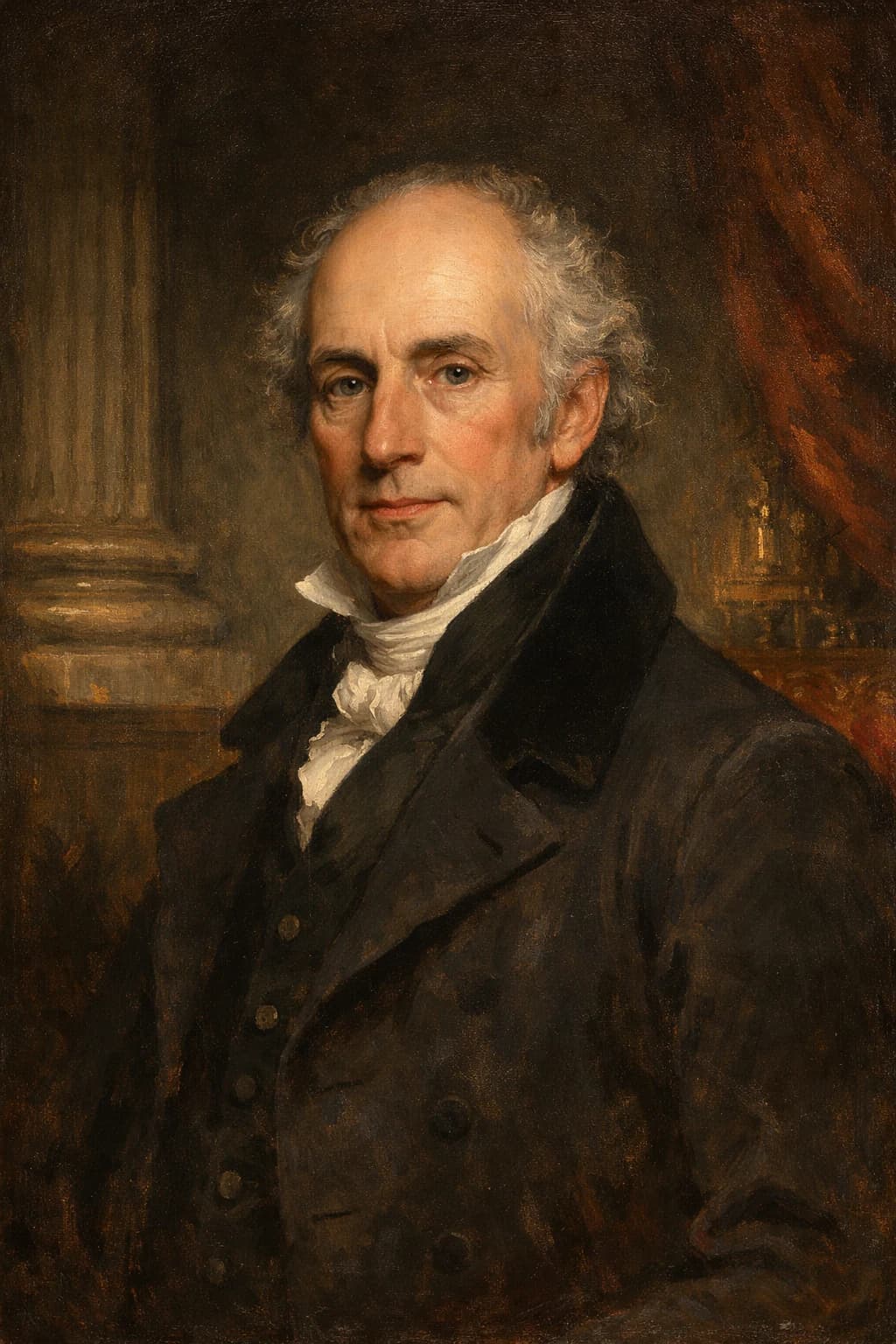
AI-generated portrait of Earl Grey in formal Regency-era attire
AI-assisted historical reconstruction

An illustrative reconstruction based on historical context. It is not a photograph or documentary likeness. Image policy

Quick answer

Charles Grey, 2nd Earl Grey, was the Whig Prime Minister who led Britain through the Great Reform Act of 1832, the first major overhaul of parliamentary representation in the modern era. An aristocratic reformer shaped by the age of Fox, the French Revolution and industrial change, he helped move Britain away from rotten borough politics without embracing full democracy.

Born
1764 CE
Died
1845 CE
Role
Prime Minister of the United Kingdom
Years
1764-1845 CE
Quick facts

Profile details

Additional identity and tagging details that are not already covered in the introduction.

Full name
Charles Grey, 2nd Earl Grey
Also known as
Earl Grey, 2nd Earl Grey, Charles Grey, Earl Grey
Facts

Charles Grey timeline facts

Selected specifics from this profile's life story.

1764
Northumberland beginnings

Charles Grey was born into a powerful political family in Northumberland, giving him rank, connections and an early route into national affairs.

1806-1807
Power within reach

He entered high office in the Ministry of All the Talents, gaining executive experience before the government quickly collapsed.

1831-1832
The Reform Act struggle

Grey's defining battle came over parliamentary reform, as he pushed the 1832 bill through fierce resistance from opponents in the Lords.

1834-1845 and after
Afterlife of a name

Grey retired to private life with his reforming reputation secure, and his name later became even more widely known through the tea linked to it.

Life Journey

A timeline of reform, power and reluctant fame

Follow the story in a more continuous narrative, with a reading mode that matches how much depth you want.

Complete chronology

1764

Northumberland beginnings

He entered the world at Falloden in Northumberland in 1764, heir to a family already woven into the ruling class of Britain. That background mattered from the start. It gave him education, confidence and access to networks that ordinary men could never touch. Yet privilege alone did not explain his later role. Many aristocrats drifted comfortably through public life; Grey developed a sharper political purpose under the influence of Charles James Fox and the reforming Whig tradition. The mixture of inherited status and personal ambition shaped the rest of his career. He would argue for change from inside the establishment rather than from outside it, which made him both useful to reformers and suspect to defenders of the old order.

1786-1792

A young Whig

Grey reached the House of Commons in his early twenties and did not behave like a decorative newcomer. He spoke with assurance, aligned with the Foxite Whigs and made himself visible in debates that mattered. Britain in these years was tense, argumentative and increasingly shaped by events across the Channel. Grey came to prominence just as the language of liberty, representation and constitutional balance was becoming politically explosive. He was not yet the seasoned statesman of later decades, but he already showed the combination that would define him: aristocratic bearing, parliamentary skill and a real impatience with stagnant institutions. His rise was fast because he looked built for leadership long before power actually came within reach.

1790s

Reform in dangerous times

The French Revolution transformed British politics by turning abstract arguments into immediate threats. Reform no longer sounded merely tidy or constitutional; to many in power it seemed like the first step toward disorder. Grey continued to support changes to representation, which made him stand out in a climate hardening around caution and repression. He had to navigate a difficult line. Too timid, and reform would die; too reckless, and he would be dismissed as irresponsible. These years taught him political endurance. He learned that timing mattered as much as conviction, and that even sensible reform could be postponed for a generation if it became entangled with national panic. That lesson would shadow his later triumphs.

1806-1807

Power within reach

Grey's first real taste of top-level government came when the broad anti-Pitt coalition formed the Ministry of All the Talents. He served as foreign secretary and, for a brief period, looked part of a generation that might reshape British politics. The experience was important even though the ministry did not last. It showed that Grey was more than an opposition speaker; he could operate at the center of policy and cabinet management. At the same time, its failure revealed how fragile reformist alignments could be in a monarchy-and-aristocracy system still designed to resist decisive change. Power came into view, then slipped away. Grey left the episode more seasoned, but also with a better sense of how much resistance entrenched structures could still muster.

1807

From Commons to Lords

The death of his father lifted Grey into the peerage as the 2nd Earl Grey and with it came a major change in his political world. In the Commons he had been a direct combatant, visible in the rough daily contest of party and persuasion. In the Lords he possessed status but lost some of that immediacy. Grey now had to lead from a chamber less connected to public opinion while still presenting himself as a believable advocate of reform. The shift did not end his influence, but it altered the way he exercised it and deepened the tension between his rank and his politics.

1830

Prime minister at last

Grey reached the premiership in 1830 not as a dazzling novelty but as an elder statesman finally called upon when the old system was plainly creaking. Britain faced unrest, economic difficulty and a political structure that no longer matched its population or interests. Rotten boroughs survived while major industrial towns lacked proper representation. Grey led a Whig government that understood the danger of delay. He was not a democratic radical in the later sense, but he saw that refusing all adjustment might invite a much more profound rupture. His government therefore approached reform as both principle and necessity. That combination gave his ministry its energy. It also meant any failure would be felt not as routine disappointment but as a national warning signal.

1831-1832

The Reform Act struggle

The fight over reform became the central drama of Grey's life. The bill did not glide through on the strength of logic or public goodwill. It met obstruction, alarm and repeated attempts to blunt or bury it. Crowds mobilized, tempers sharpened and the political system looked close to seizure, especially during the Days of May in 1832 when the king initially refused to create enough peers to overcome resistance in the Lords. Grey resigned, Wellington failed to form a workable anti-reform ministry, and public pressure made retreat dangerous. Grey returned with the leverage he needed. The Reform Act of 1832 did not create modern democracy: working-class men, women and many urban labourers remained excluded. But it redistributed seats, enfranchised major industrial towns and made further reform thinkable. Grey's name became tied to the breach that proved Britain's constitution could be altered without revolution.

1833-1834

Retreat from office

Victory did not make governing easier. Once reform had passed, the coalition of interests behind Grey's ministry became harder to hold together. His government carried the Slavery Abolition Act of 1833, one of the most consequential moral and imperial measures of the age, though it compensated enslavers rather than the enslaved and introduced apprenticeship systems that delayed full freedom in parts of the empire. Questions over Ireland, church policy and the pace of further change strained the cabinet. Grey himself was aging, often weary and less interested in endless tactical management than in securing the central reform for which he had staked his name. By 1834 he stepped down, leaving office with prestige but without prolonged ministerial dominance. His government had achieved something historic, yet it also exposed how hard it was to turn one constitutional breakthrough into a stable programme for the future.

1834-1845 and after

Afterlife of a name

Grey spent his final years away from the center of power, watching a political world he had helped reshape continue without him. He died in 1845, remembered above all for the Reform Act and for proving that meaningful constitutional change could be carried through from within the governing class itself. Over time, public memory attached his name to more than parliamentary history. Earl Grey tea made him familiar even to many who knew little of nineteenth-century politics. That odd afterlife says something about reputation: one man's place in constitutional struggle became wrapped in everyday culture. Yet the larger legacy remains political. Grey did not complete Britain's democratic transformation, but he made it much harder to imagine the country returning to the old unreformed order.

Continue in context

Connected stories

Move from the profile into the wider events and settings this figure belongs to.

British Prime Ministers lineage
LineagePrime ministers in sequence
British Prime Ministers
1721 CE–present

Explore British prime ministers from Walpole to the present.

View lineage
Tertiary paths

Content note

This profile is written for educational use and connects to related Stories of History pages. The main portrait is an AI-assisted historical reconstruction, included as an illustrative aid rather than documentary evidence. Image policy

References

Sources & Further Reading

Reliable reference works, archives and reading paths connected to this profile.

Further reading

  1. Encyclopaedia Britannica, Search results for Charles Grey,” accessed June 2026.Open source
  2. WorldCat, Books and library holdings for Charles Grey,” accessed June 2026.Open source

Primary sources

  1. Library of Congress, Search results for Charles Grey,” accessed June 2026.Open source

Reviewed claim sources

Loading reviewed claim sources...

A weekly route through history

Find out first about the latest published stories, feature notes and occasional Premium offers in one weekly email.