People

Shah Jahan

Shah Jahan was Mughal emperor from 1628 to 1658. His reign is associated with the Taj Mahal, Shahjahanabad, monumental architecture and imperial splendour.

Born
1592 CE
Died
1666 CE
Role
Mughal emperor

Mughal emperor (1592-1666)

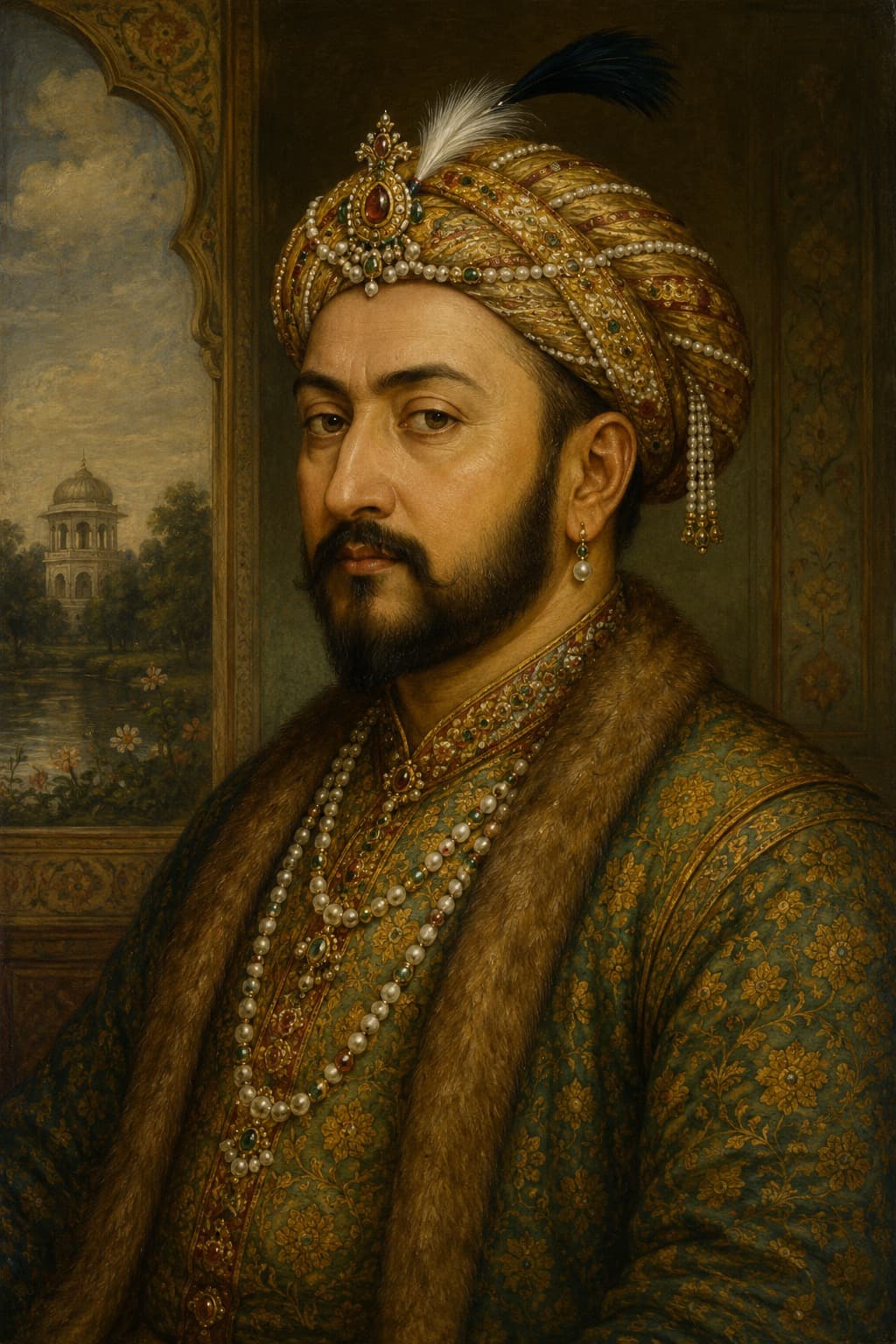
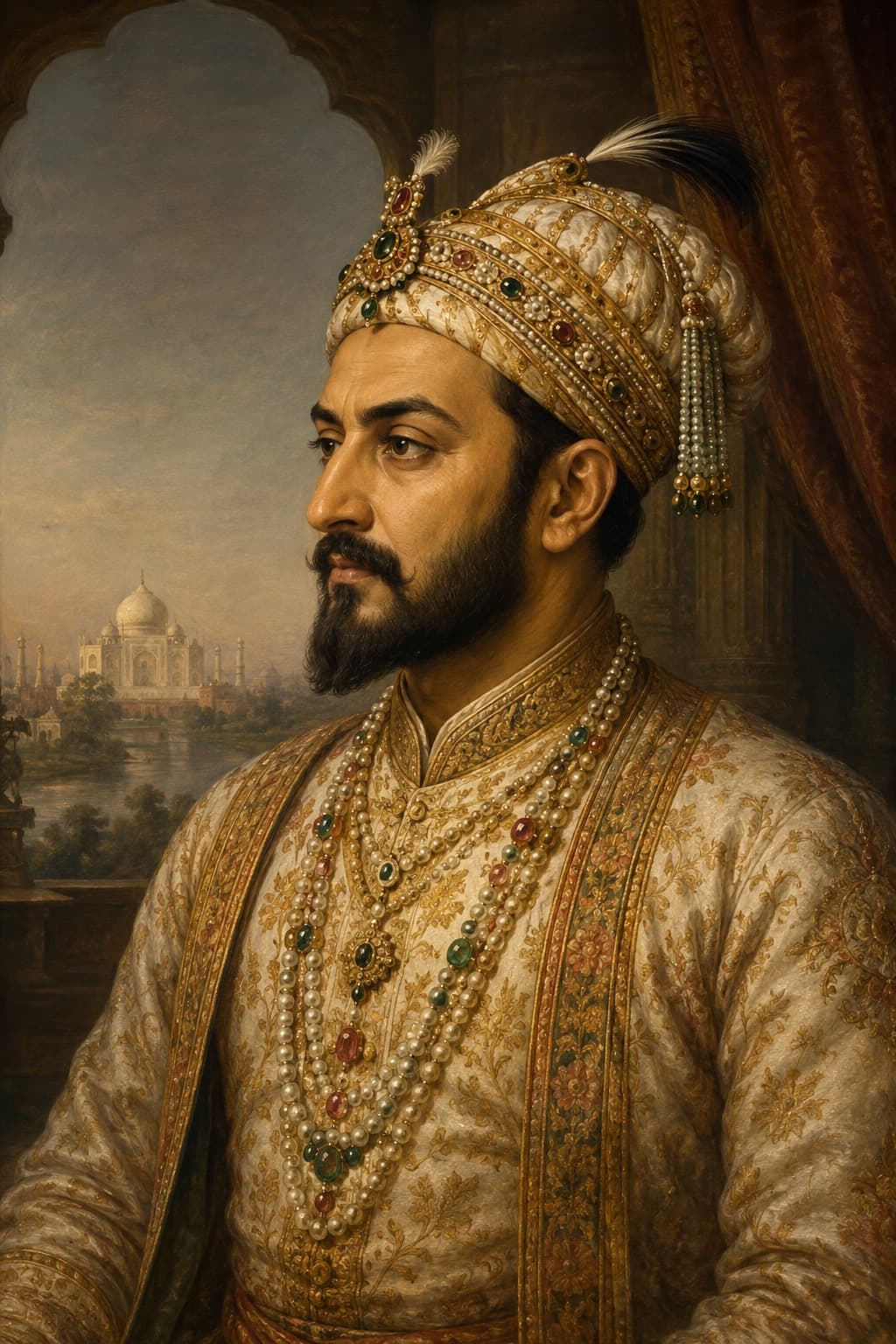
AI-generated portrait of Shah Jahan in Mughal imperial dress
AI-assisted historical reconstruction

An illustrative reconstruction based on historical context. It is not a photograph or documentary likeness. Image policy

Quick answer

Shah Jahan was Mughal emperor from 1628 to 1658. His reign is associated with the Taj Mahal, Shahjahanabad, monumental architecture and imperial splendour.

Born
1592 CE
Died
1666 CE
Role
Mughal emperor
Years
1592-1666 CE
Quick facts

Profile details

Additional identity and tagging details that are not already covered in the introduction.

Full name
Shihab al-Din Muhammad Shah Jahan
Also known as
Prince Khurram
Region
South Asia, Northern India, Mughal Empire, Mughal India
Facts

Shah Jahan timeline facts

Selected specifics from this profile's life story.

1592-1628
Prince Khurram

Born Prince Khurram, Shah Jahan rose inside Jahangir's court before claiming the Mughal throne.

1632
The Taj Mahal Begins

The beginning of the Taj Mahal's construction became the most famous symbol of Shah Jahan's reign.

1657-1658
Succession War

When Shah Jahan fell ill, his sons fought for succession and Aurangzeb emerged victorious.

1666 onward
Splendour Remembered

Shah Jahan died in 1666, remembered for the architectural peak of Mughal power.

Life Journey

Architecture, authority and imperial splendour

Follow Shah Jahan through Mughal magnificence, monumental building and dynastic crisis.

Complete chronology

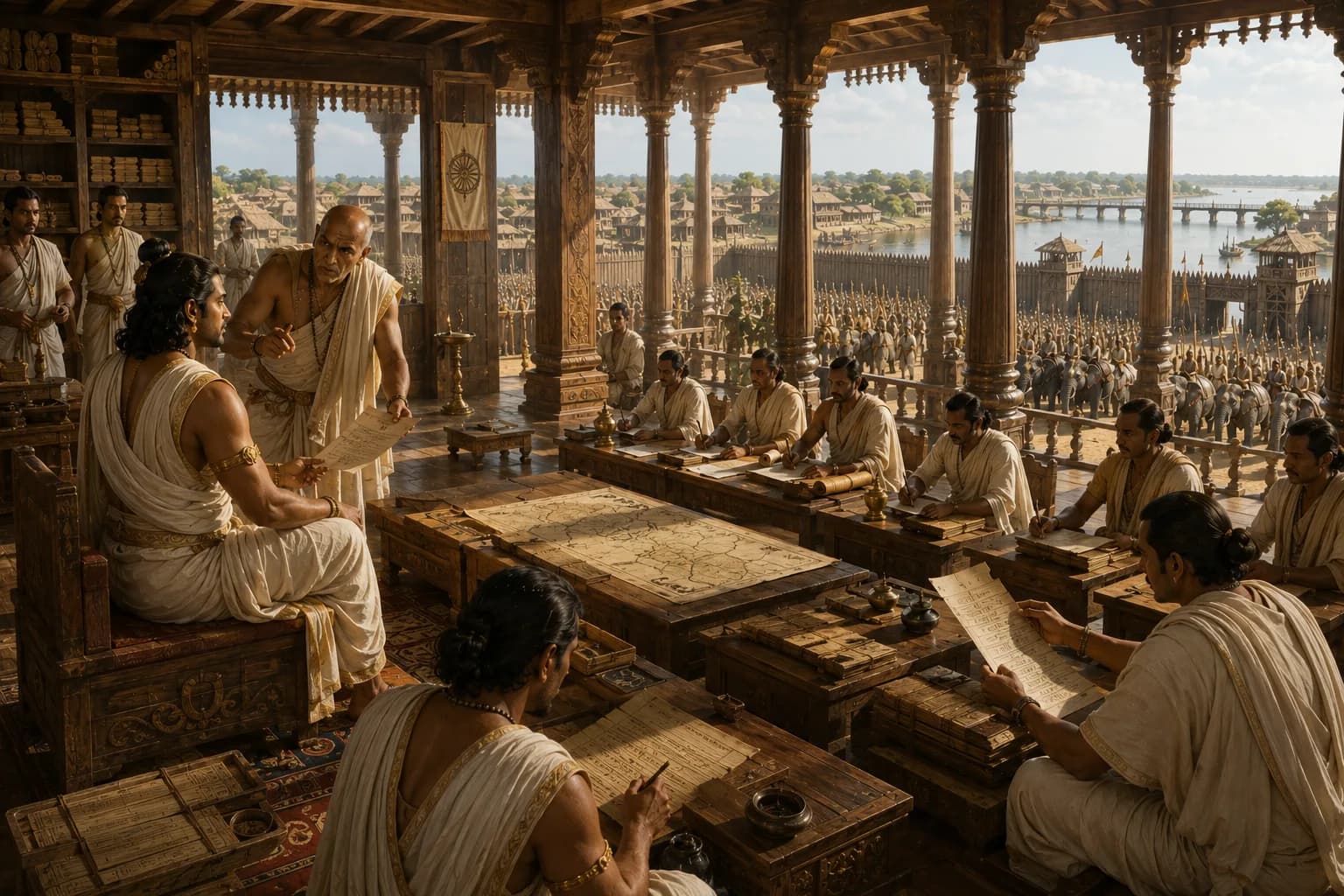
1592-1628

Prince Khurram

Shah Jahan grew up in an empire already rich, expansive and ceremonially sophisticated. His path to power involved court competition and military experience. By the time he became emperor, he understood that Mughal rule depended on both command and display.
1632

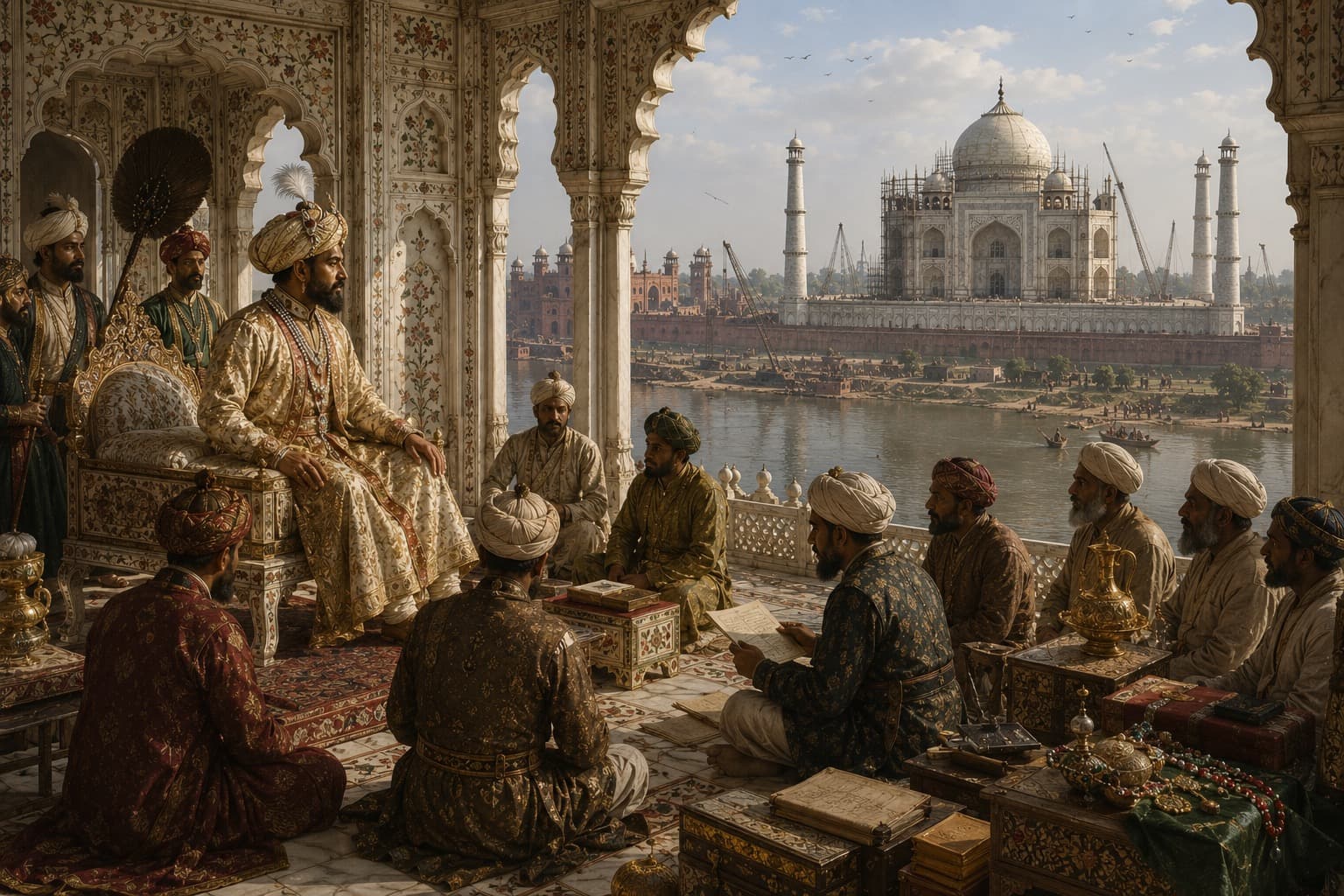
The Taj Mahal Begins

The Taj Mahal was a tomb, a work of mourning and a statement of imperial capacity. Its marble, gardens, calligraphy, labour and design expressed a world where architecture could organise memory and authority together. It made Mughal wealth visible in a form that outlasted the political system that funded it.

1630s-1640s

Building an Imperial World

Shah Jahan's patronage reshaped the visual language of Mughal authority. The Red Fort, the Jama Masjid and the planned imperial city of Shahjahanabad placed the emperor within an ordered urban and ceremonial landscape. Buildings were not decoration. They were tools of rule, staging obedience, wealth and hierarchy.

1657-1658

Succession War

Mughal succession had no stable rule of automatic inheritance. Shah Jahan's illness opened a violent contest among his sons, each backed by factions and military resources. Aurangzeb's victory placed Shah Jahan under confinement and redirected the empire toward a more militarised reign.

1666 onward

Splendour Remembered

Shah Jahan's legacy is inseparable from the Taj Mahal, but his reign was larger than one monument. It showed the empire's ability to mobilise labour, materials, artisans and symbolic language on an extraordinary scale. Later crises made that splendour look even more striking, because it marked a high point before the system began to strain more visibly.

Continue in context

Connected stories

Move from the profile into the wider events and settings this figure belongs to.

Tertiary paths

Content note

This profile is written for educational use and connects to related Stories of History pages. The main portrait is an AI-assisted historical reconstruction, included as an illustrative aid rather than documentary evidence. Image policy

References

Sources & Further Reading

Reliable reference works, archives and reading paths connected to this profile.

Further reading

  1. Encyclopaedia Britannica, Search results for Shah Jahan,” accessed June 2026.Open source
  2. WorldCat, Books and library holdings for Shah Jahan,” accessed June 2026.Open source

Primary sources

  1. Library of Congress, Search results for Shah Jahan,” accessed June 2026.Open source

Reviewed claim sources

Loading reviewed claim sources...

A weekly route through history

Find out first about the latest published stories, feature notes and occasional Premium offers in one weekly email.