People

Nader Shah

Nader Shah was the Afsharid ruler of Iran. In 1739 he invaded India, defeated the Mughals and sacked Delhi, carrying away immense treasure.

Born
1688 CE
Died
1747 CE
Role
Shah of Iran

Afsharid ruler of Iran (1688-1747)

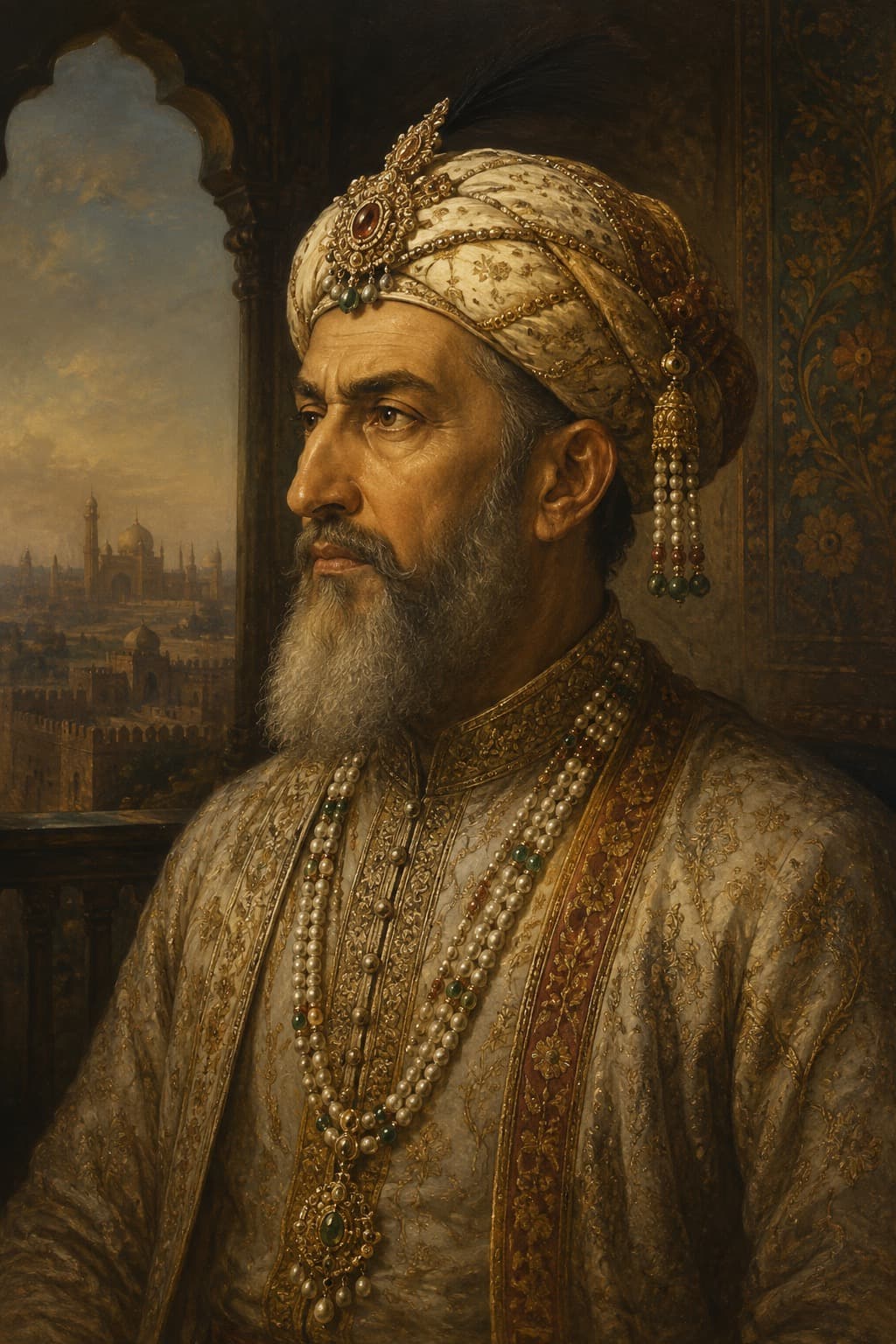
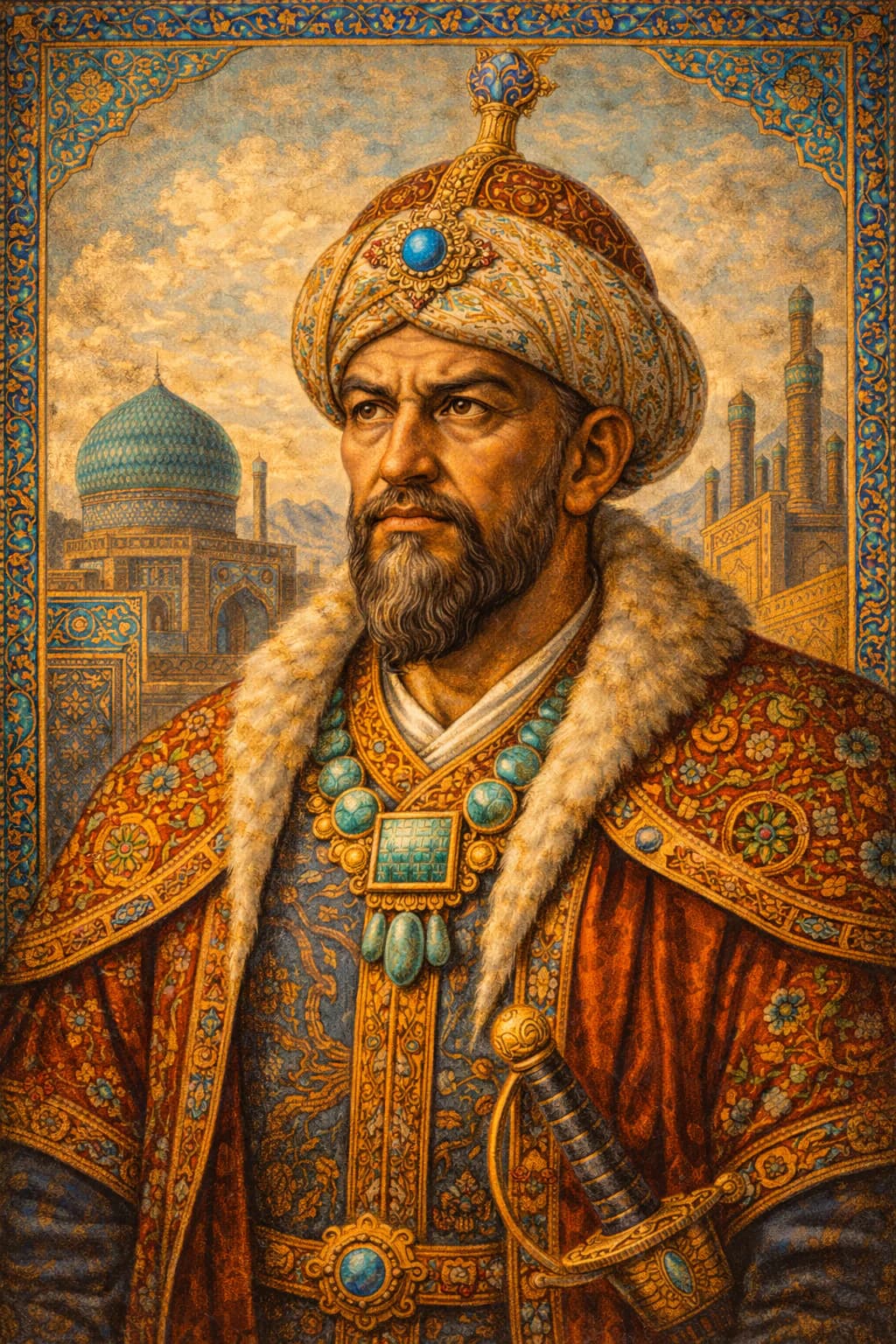
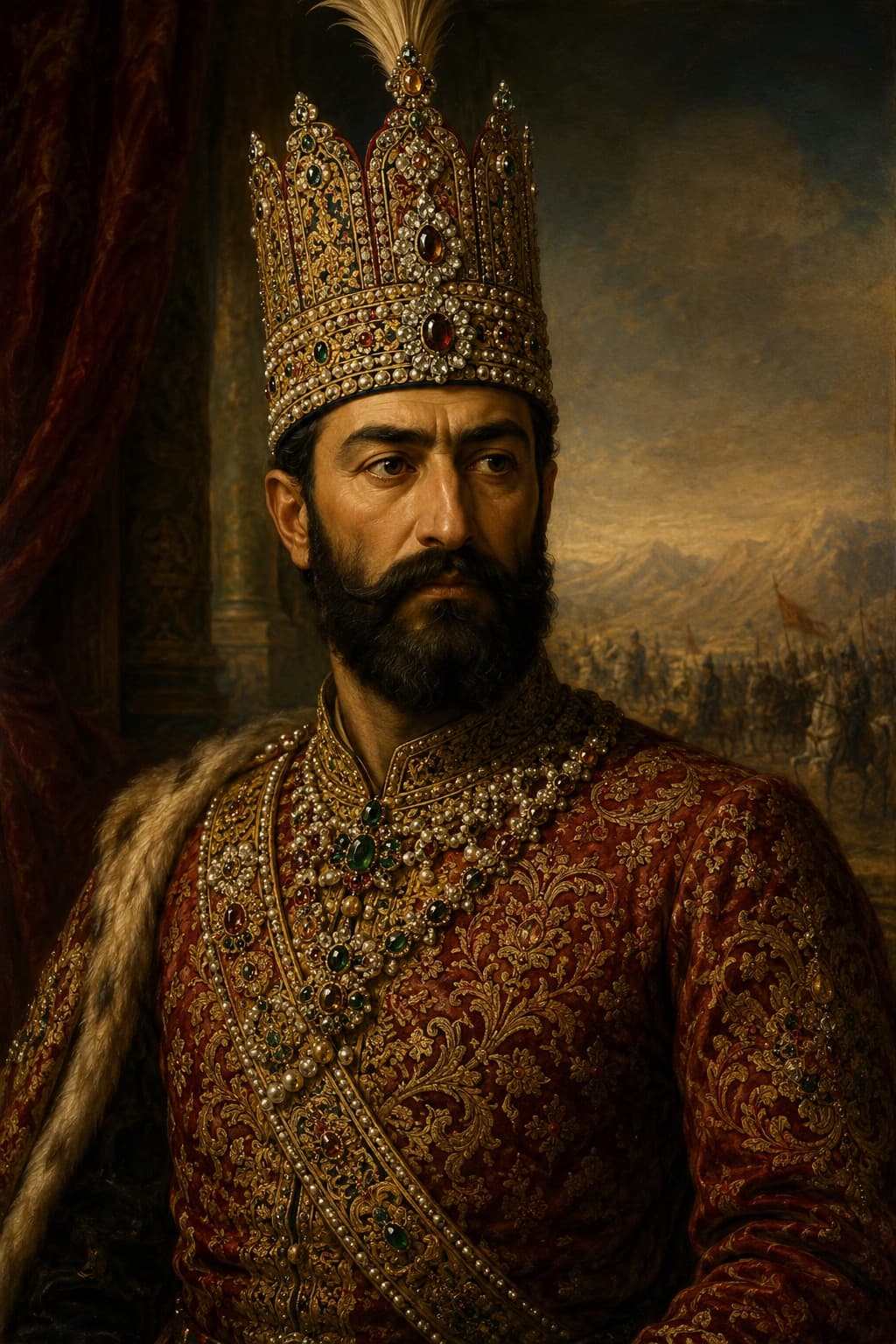
AI-generated portrait of Nader Shah in richly decorated Persian imperial dress
AI-assisted historical reconstruction

An illustrative reconstruction based on historical context. It is not a photograph or documentary likeness. Image policy

Quick answer

Nader Shah was the Afsharid ruler of Iran. In 1739 he invaded India, defeated the Mughals and sacked Delhi, carrying away immense treasure.

Born
1688 CE
Died
1747 CE
Role
Shah of Iran
Years
1688-1747 CE
Quick facts

Profile details

Additional identity and tagging details that are not already covered in the introduction.

Full name
Nader Shah Afshar
Also known as
Nadir Shah
Region
Persia, Iran, South Asia, Delhi, Iran and northern India
Facts

Nader Shah timeline facts

Selected specifics from this profile's life story.

1720s-1730s
Rise in Iran

Nader Shah rose through war in Iran, restoring military power after Safavid weakness.

1738-1739
Turning Toward India

Nader Shah moved into Mughal territory as the empire's frontier and central authority weakened.

1739
The Sack of Delhi

Nader Shah's capture and sack of Delhi caused enormous loss of life, treasure and Mughal prestige.

1739 onward
A Symbolic Break

After Nader Shah's invasion, Mughal emperors remained prestigious but increasingly depended on regional powers.

Life Journey

Conquest, Delhi and the collapse of Mughal prestige

Follow Nader Shah from Iranian warlord to the invader whose sack of Delhi marked a Mughal breaking point.

Complete chronology

1720s-1730s

Rise in Iran

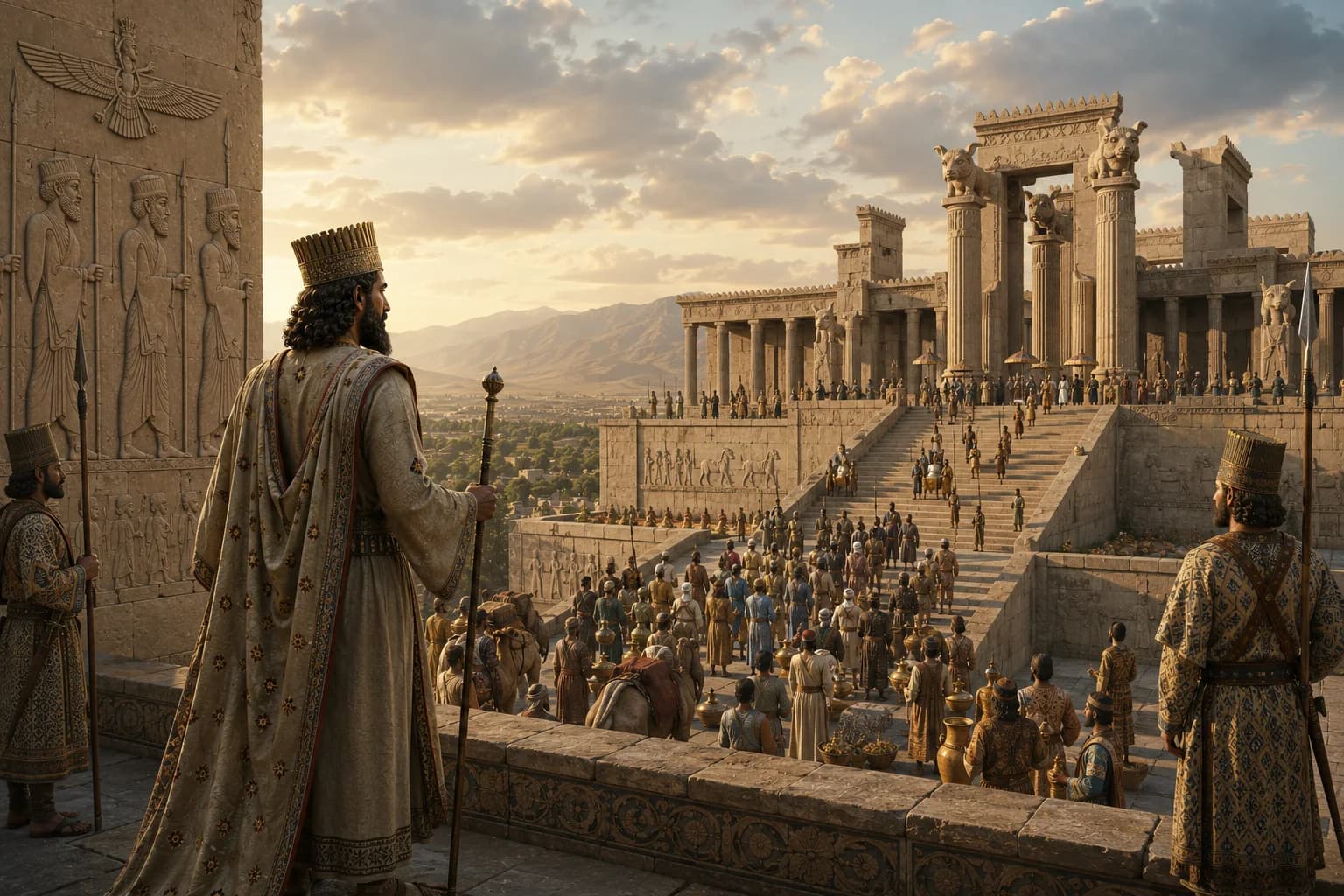
Nader's rise came from a world of crisis, invasion and military recovery. He built authority through battlefield success and ruthless discipline, eventually becoming the dominant force in Iran. His power depended on mobility, command and the ability to fund war through conquest.
1738-1739

Turning Toward India

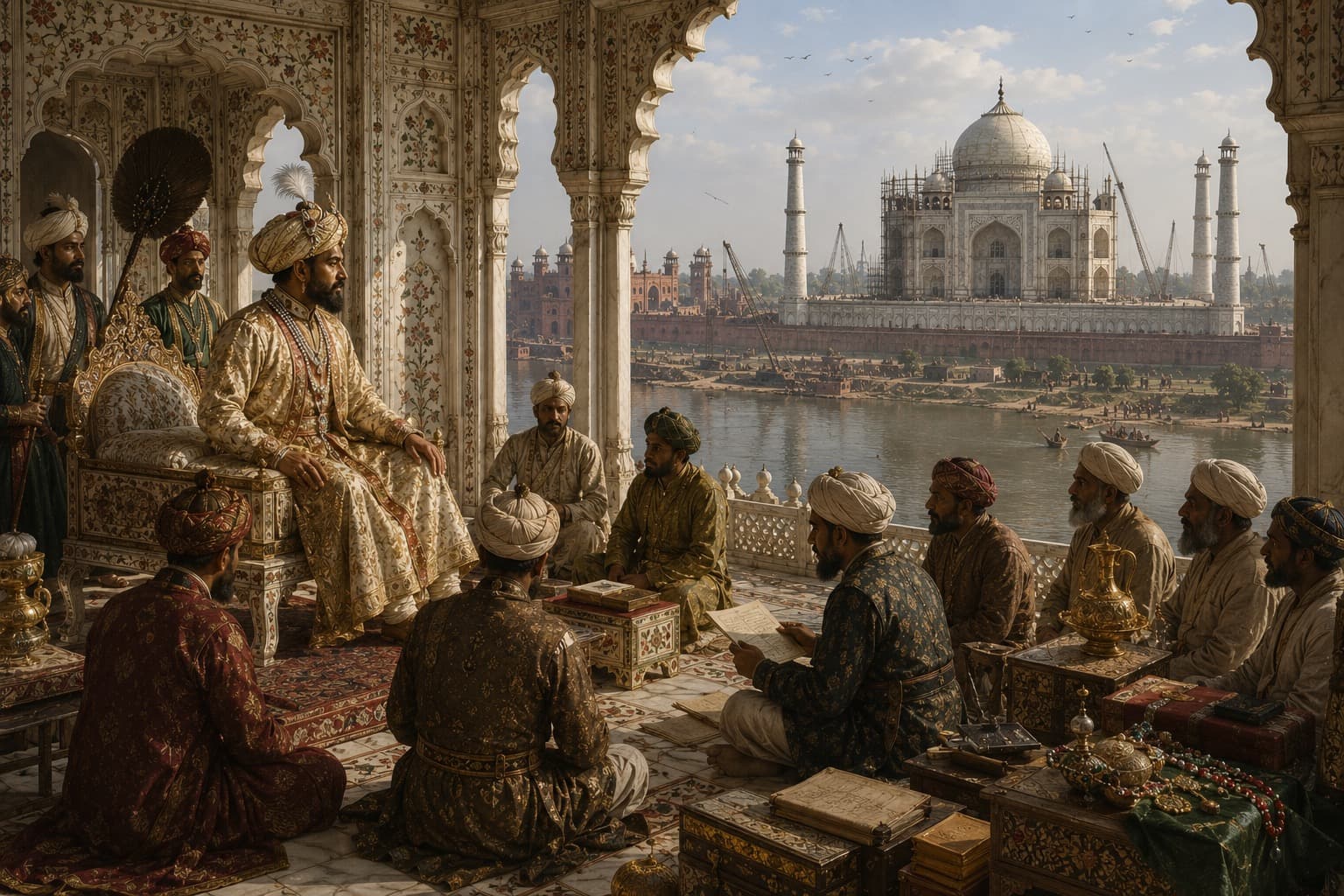
The Mughal Empire remained wealthy, but its ability to defend frontiers and coordinate power had declined. Provincial politics, fiscal strain and court weakness made northern India vulnerable to an aggressive ruler from the northwest. Nader Shah saw both strategic opportunity and immense treasure.

1739

Victory at Karnal

The Mughal defeat at Karnal revealed a gulf between imperial prestige and military effectiveness. The emperor could still command symbols, titles and ceremony, but the army failed against Nader's disciplined forces. Once the field army was broken, Delhi's vulnerability became impossible to hide.

1739

The Sack of Delhi

The sack of Delhi was a political catastrophe as well as a human disaster. Treasure, jewels and imperial symbols were carried away, while the violence made clear that the Mughal capital could no longer protect itself. The emperor survived, but the aura around Mughal power had been deeply damaged.

1739 onward

A Symbolic Break

Nader Shah did not destroy the Mughal Empire by himself, but he exposed its condition with devastating clarity. Regional states, Marathas and European trading companies operated in a world where the emperor's symbolic value remained high but effective central control was weaker. The sack of Delhi became one of the great signs of that shift.

Continue in context

Connected stories

Move from the profile into the wider events and settings this figure belongs to.

Tertiary paths

Content note

This profile is written for educational use and connects to related Stories of History pages. The main portrait is an AI-assisted historical reconstruction, included as an illustrative aid rather than documentary evidence. Image policy

References

Sources & Further Reading

Reliable reference works, archives and reading paths connected to this profile.

Further reading

  1. Encyclopaedia Britannica, Search results for Nader Shah,” accessed June 2026.Open source
  2. WorldCat, Books and library holdings for Nader Shah,” accessed June 2026.Open source

Primary sources

  1. Library of Congress, Search results for Nader Shah,” accessed June 2026.Open source

Reviewed claim sources

Loading reviewed claim sources...

A weekly route through history

Find out first about the latest published stories, feature notes and occasional Premium offers in one weekly email.