People

Babur

Babur was the Timurid founder of the Mughal Empire. In 1526 he defeated Ibrahim Lodi at the First Battle of Panipat and established Mughal power in Delhi and Agra.

Born
1483 CE
Died
1530 CE
Role
Mughal emperor

Founder of the Mughal Empire (1483-1530)

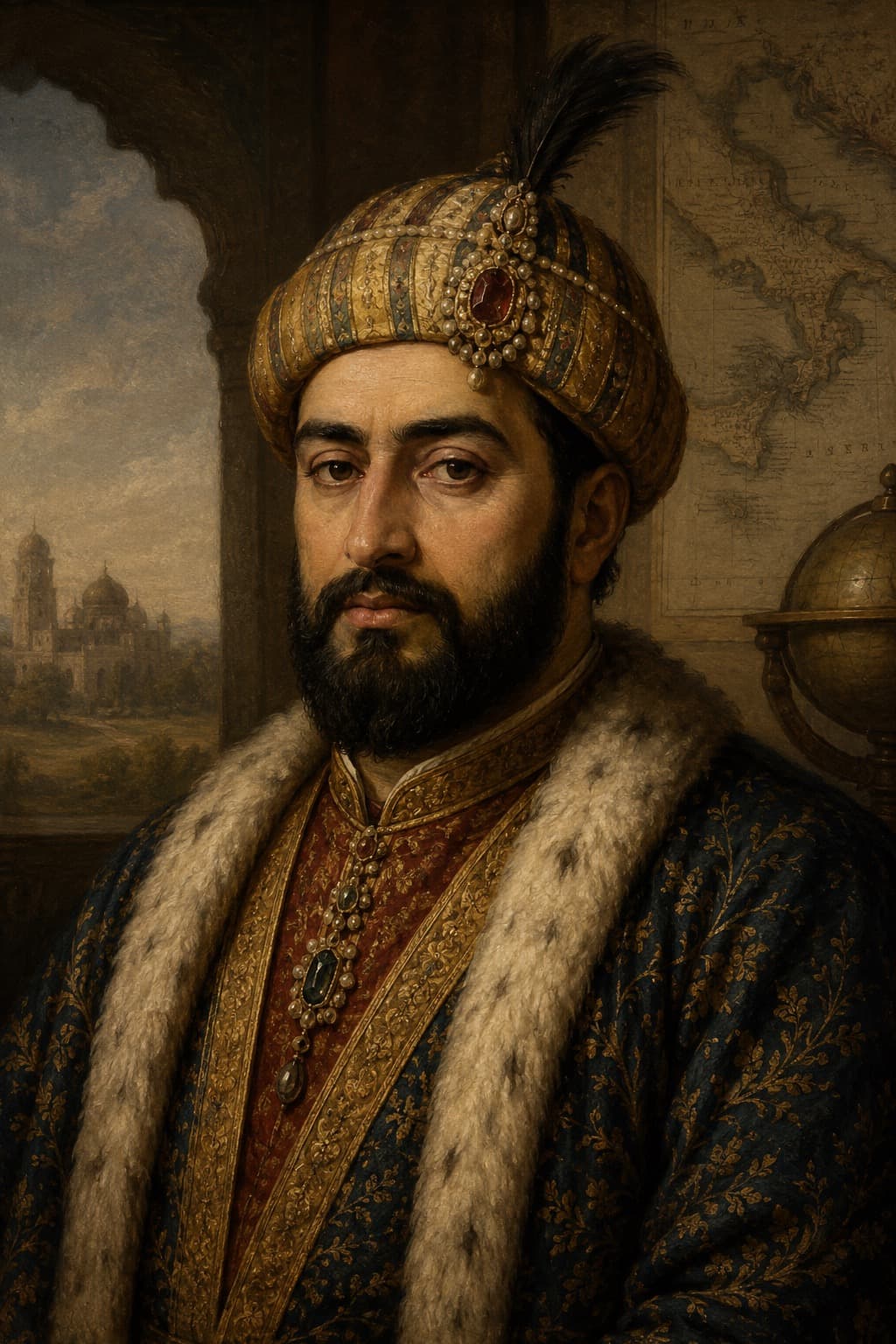
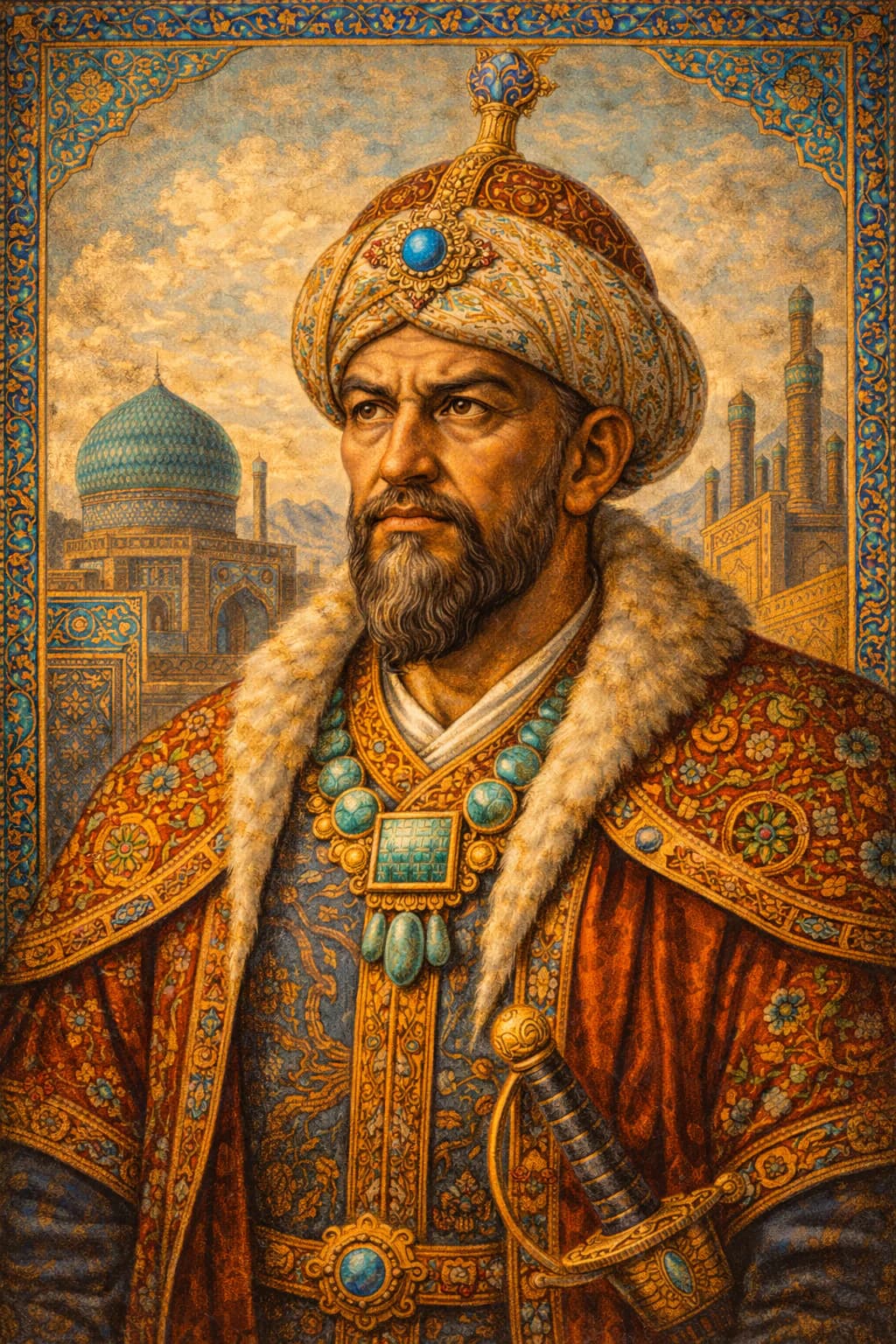
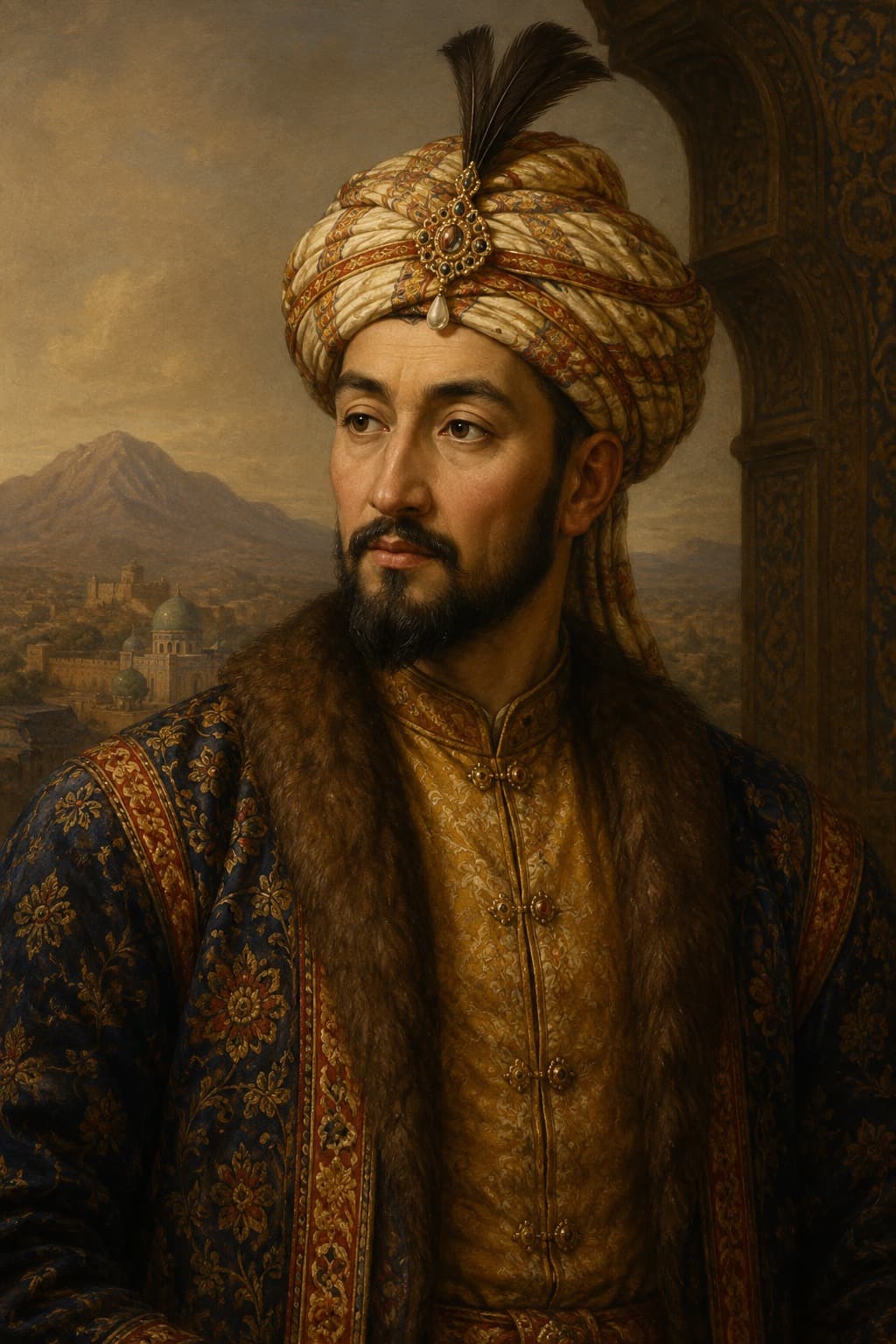
AI-generated portrait of Babur in Mughal imperial dress
AI-assisted historical reconstruction

An illustrative reconstruction based on historical context. It is not a photograph or documentary likeness. Image policy

Quick answer

Babur was the Timurid founder of the Mughal Empire. In 1526 he defeated Ibrahim Lodi at the First Battle of Panipat and established Mughal power in Delhi and Agra.

Born
1483 CE
Died
1530 CE
Role
Mughal emperor
Years
1483-1530 CE
Quick facts

Profile details

Additional identity and tagging details that are not already covered in the introduction.

Full name
Zahir al-Din Muhammad Babur
Region
South Asia, Northern India, Central Asia, Northern India and Central Asia
Facts

Babur timeline facts

Selected specifics from this profile's life story.

1483-1504
A Timurid Inheritance

Babur was born into the Timurid world of Central Asia, where royal prestige was real but power was unstable.

1504
Kabul Becomes a Base

After losing ground in Central Asia, Babur seized Kabul and made it the base for campaigns toward India.

1526-1530
Holding the Conquest

Babur had to turn victory into rule, defending his new position while distributing treasure and authority.

1530 onward
Founder Remembered

Babur died in 1530, leaving Humayun a promising but fragile empire that later rulers would rebuild and enlarge.

Life Journey

From lost kingdoms to a new empire in India

Follow Babur from Central Asian prince to founder of Mughal rule in northern India.

Complete chronology

1483-1504

A Timurid Inheritance

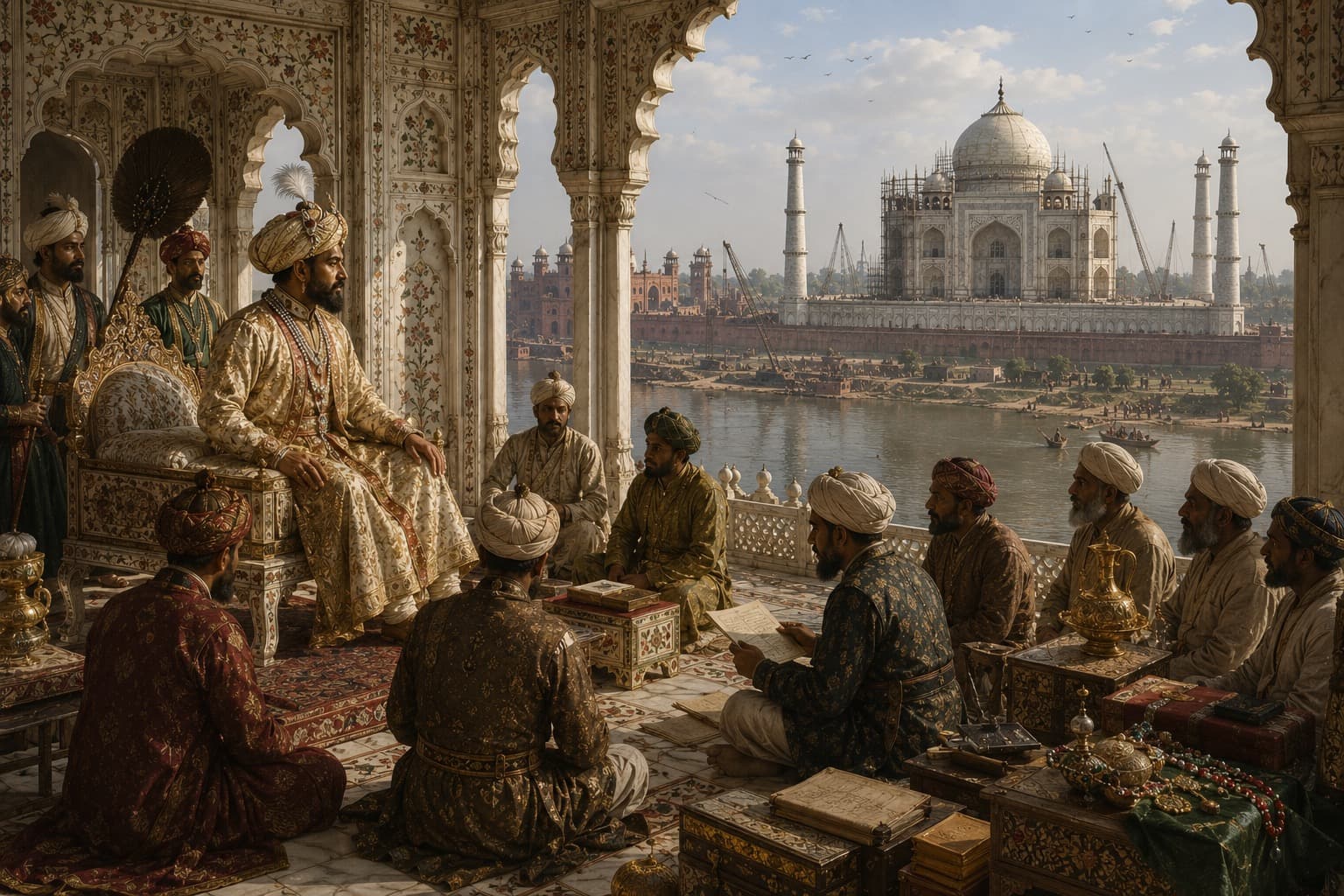
Babur inherited ambition before he inherited security. As a Timurid prince, he could claim descent from a tradition of conquest and court culture, but the politics around Fergana and Samarkand were unstable. His early failures mattered because they made him a ruler of movement: pushed from one base, searching for another, and learning that legitimacy had to be backed by military success.
1504

Kabul Becomes a Base

Kabul gave Babur what Central Asia had denied him: a defensible centre from which he could recover resources, attract followers and watch opportunities beyond the Hindu Kush. His rule there also placed him between Persianate, Turkic, Afghan and Indian worlds. The future Mughal Empire would grow from that borderland position rather than from a settled Indian dynasty.

1526

Victory at Panipat

Babur's army was smaller than Ibrahim Lodi's, but it fought with a sharper tactical system. Field artillery, firearms, carts arranged as defensive obstacles and cavalry manoeuvres helped break the Delhi Sultanate's larger force. Panipat gave Babur Delhi and Agra, the political and economic heartland that made an Indian empire possible.

1526-1530

Holding the Conquest

Winning northern India was easier than making it secure. Babur faced rival Afghan powers, Rajput resistance and the problem of persuading followers that India was worth staying in. His court brought Timurid memory into Indian politics, but the administrative structure remained young and vulnerable. The empire existed, yet it still depended heavily on the founder's command.

1530 onward

Founder Remembered

Babur's achievement was not that he left behind a finished empire. It was that he opened the political space in which one could be built. His descendants remembered him as founder, conqueror and cultivated Timurid prince. Humayun would nearly lose the inheritance, but Akbar would later give Babur's conquest the institutions it needed to last.

Continue in context

Connected stories

Move from the profile into the wider events and settings this figure belongs to.

Tertiary paths

Content note

This profile is written for educational use and connects to related Stories of History pages. The main portrait is an AI-assisted historical reconstruction, included as an illustrative aid rather than documentary evidence. Image policy

References

Sources & Further Reading

Reliable reference works, archives and reading paths connected to this profile.

Further reading

  1. Encyclopaedia Britannica, Search results for Babur,” accessed June 2026.Open source
  2. WorldCat, Books and library holdings for Babur,” accessed June 2026.Open source

Primary sources

  1. Library of Congress, Search results for Babur,” accessed June 2026.Open source

Reviewed claim sources

Loading reviewed claim sources...

A weekly route through history

Find out first about the latest published stories, feature notes and occasional Premium offers in one weekly email.