People

Akbar

Akbar was the Mughal emperor who consolidated the empire after 1556, expanded its territories, reformed revenue and service systems, and pursued broad political inclusion.

Born
1542 CE
Died
1605 CE
Role
Mughal emperor

Mughal emperor (1542-1605)

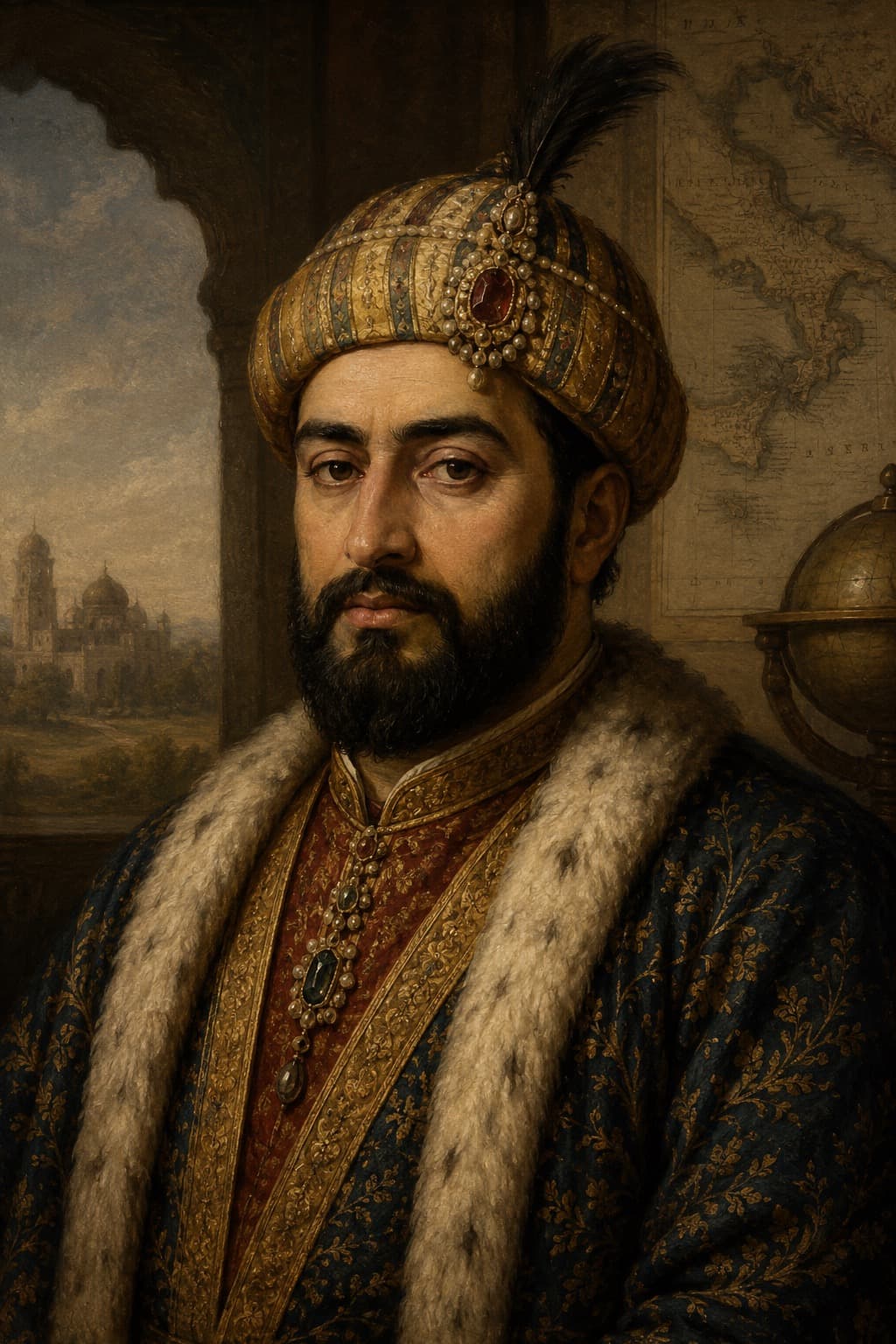
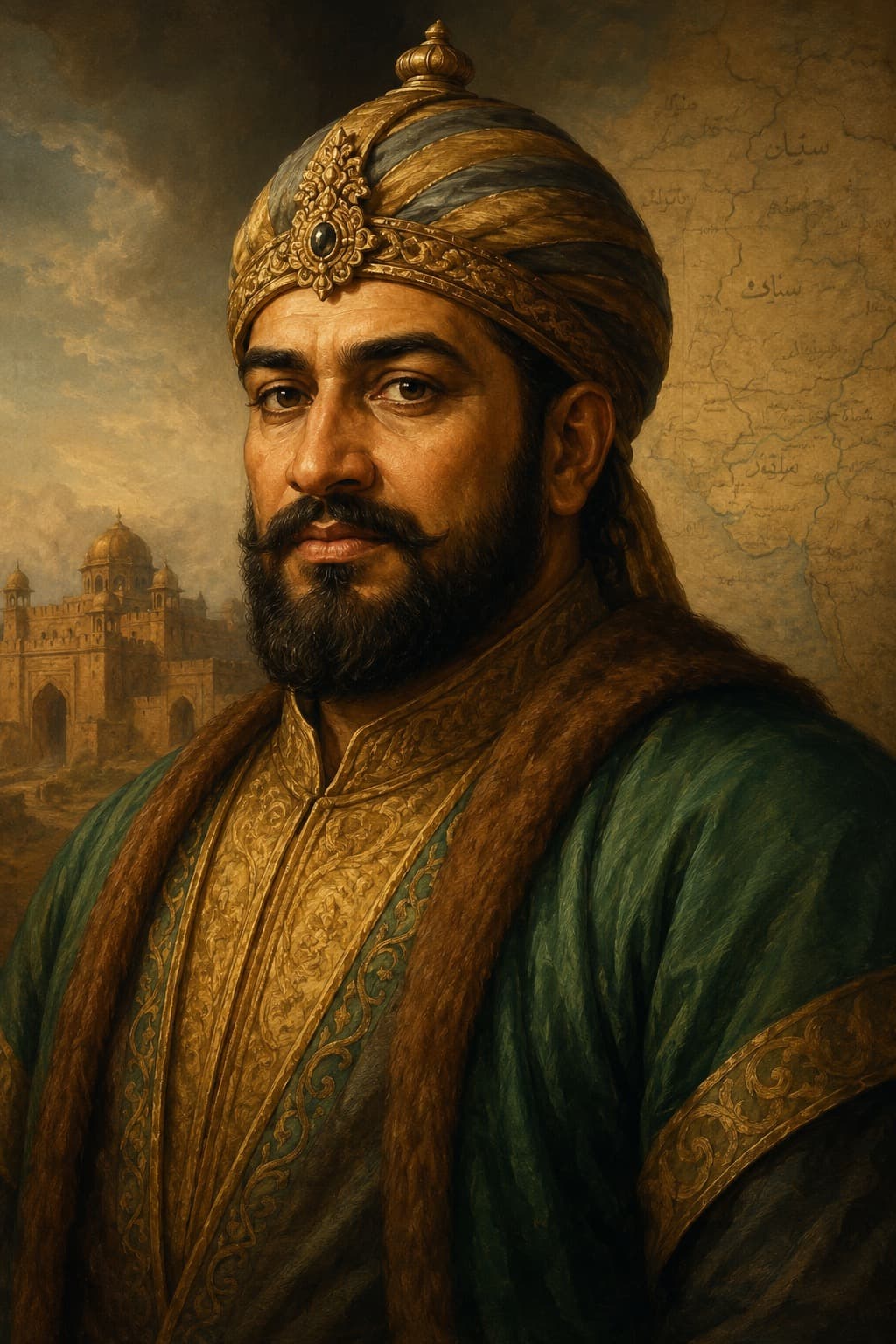
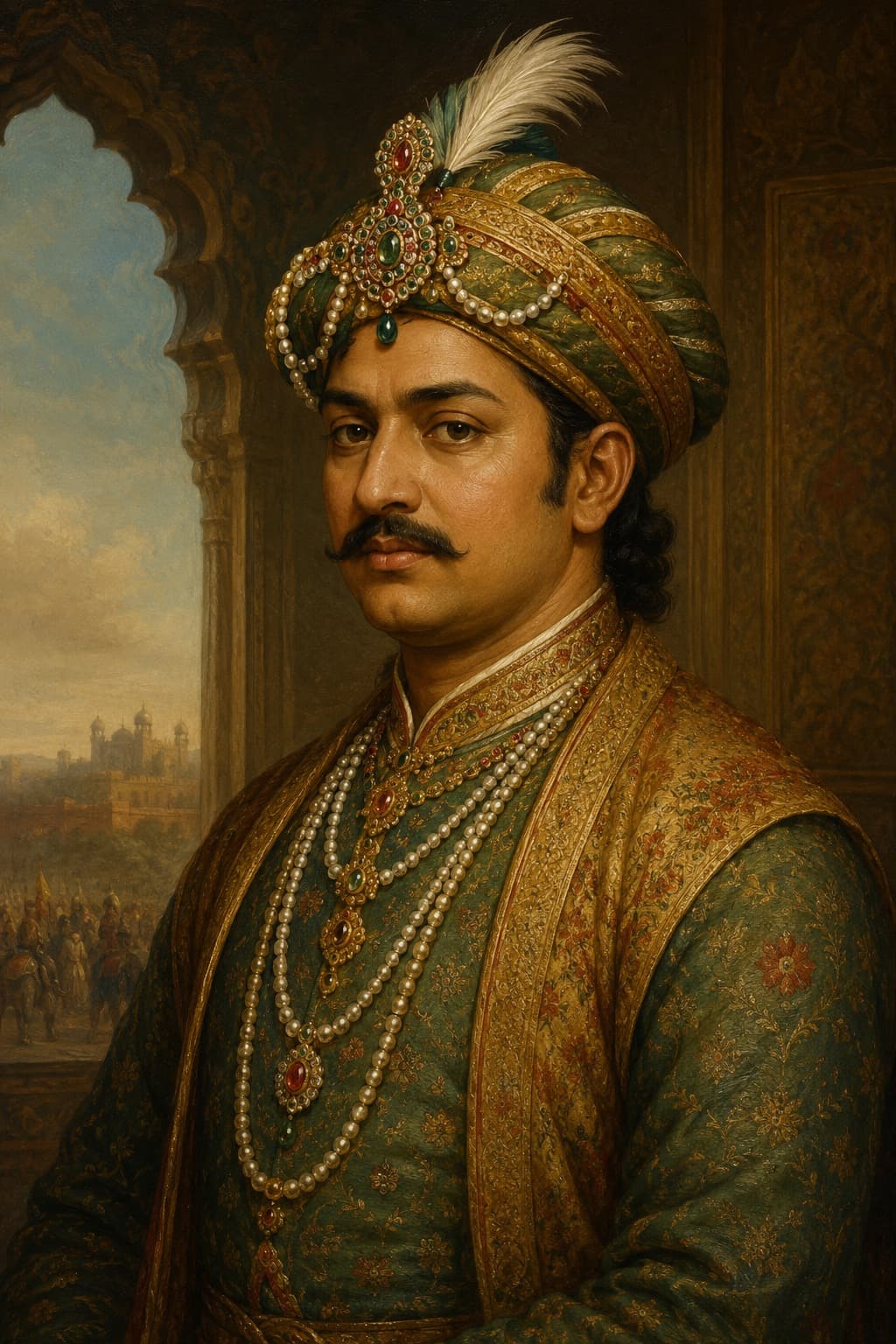
AI-generated portrait of Akbar in Mughal imperial dress
AI-assisted historical reconstruction

An illustrative reconstruction based on historical context. It is not a photograph or documentary likeness. Image policy

Quick answer

Akbar was the Mughal emperor who consolidated the empire after 1556, expanded its territories, reformed revenue and service systems, and pursued broad political inclusion.

Born
1542 CE
Died
1605 CE
Role
Mughal emperor
Years
1542-1605 CE
Quick facts

Profile details

Additional identity and tagging details that are not already covered in the introduction.

Full name
Jalal al-Din Muhammad Akbar
Also known as
Akbar the Great
Region
South Asia, Northern India, Mughal Empire, Mughal India
Facts

Akbar timeline facts

Selected specifics from this profile's life story.

1556
Child Emperor

Akbar became emperor as a teenager after Humayun's death, with Mughal rule still insecure.

1556
Second Panipat

Mughal forces defeated Hemu at the Second Battle of Panipat, restoring control over Delhi and Agra.

1560s-1580s
Rule Through Inclusion

Akbar integrated Rajput and other regional elites while reducing religious barriers to cooperation.

1605 onward
A Durable Empire

By Akbar's death in 1605, the Mughals ruled a strong empire that later rulers inherited and displayed through culture and architecture.

Life Journey

Conquest, administration and imperial legitimacy

Follow Akbar from vulnerable child emperor to architect of Mughal durability.

Complete chronology

1556

Child Emperor

Akbar inherited a restored but vulnerable state. His age made regency unavoidable, and enemies moved quickly to test Mughal control. The dynasty's future depended on whether its commanders could survive the first crisis after Humayun's death.
1556

Second Panipat

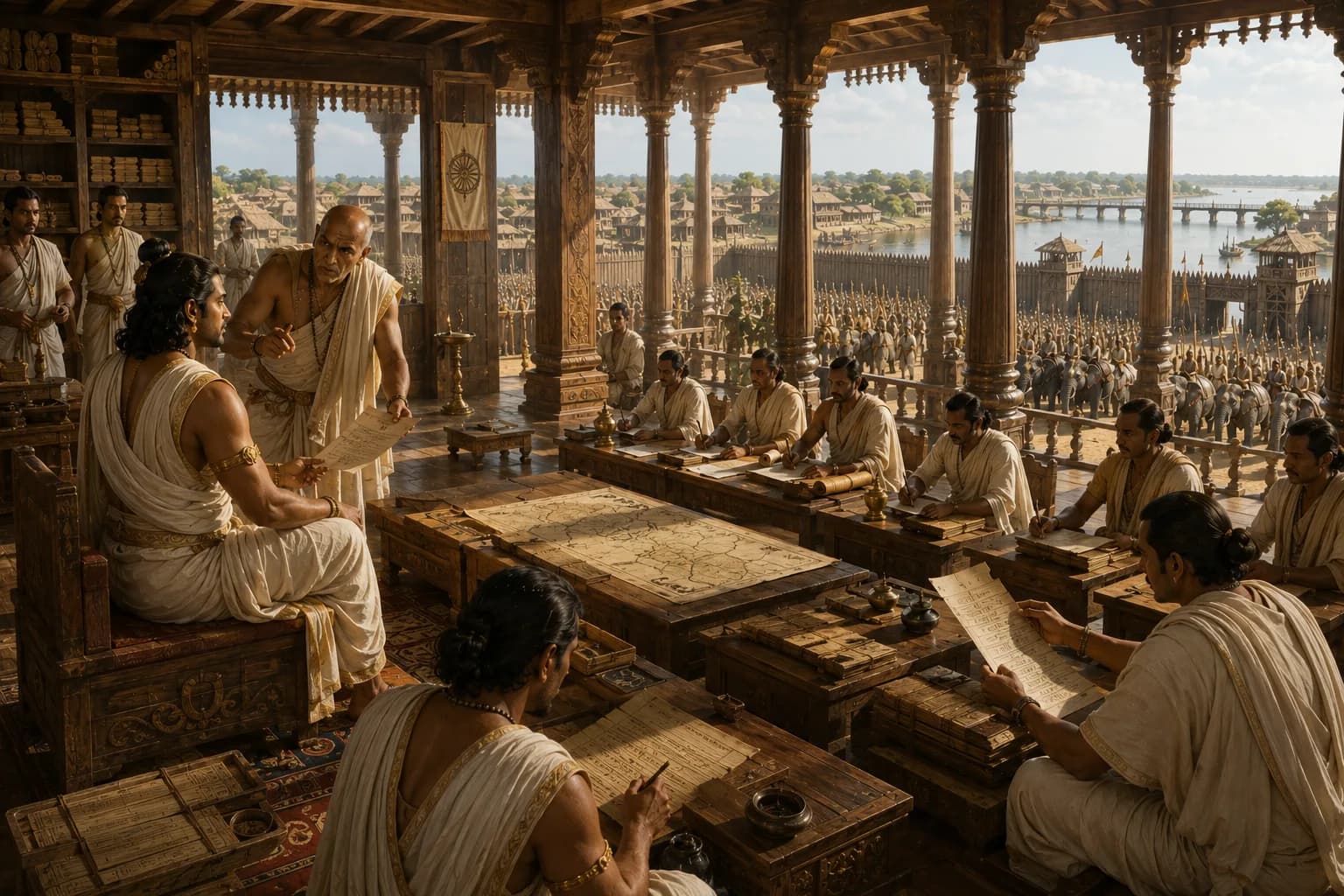
The victory at Panipat gave Akbar breathing space. It checked a powerful challenge to Mughal rule and made possible a second phase of empire-building. Without this military recovery, Akbar's later reforms would have had no secure base from which to operate.

1570s

Imperial Administration

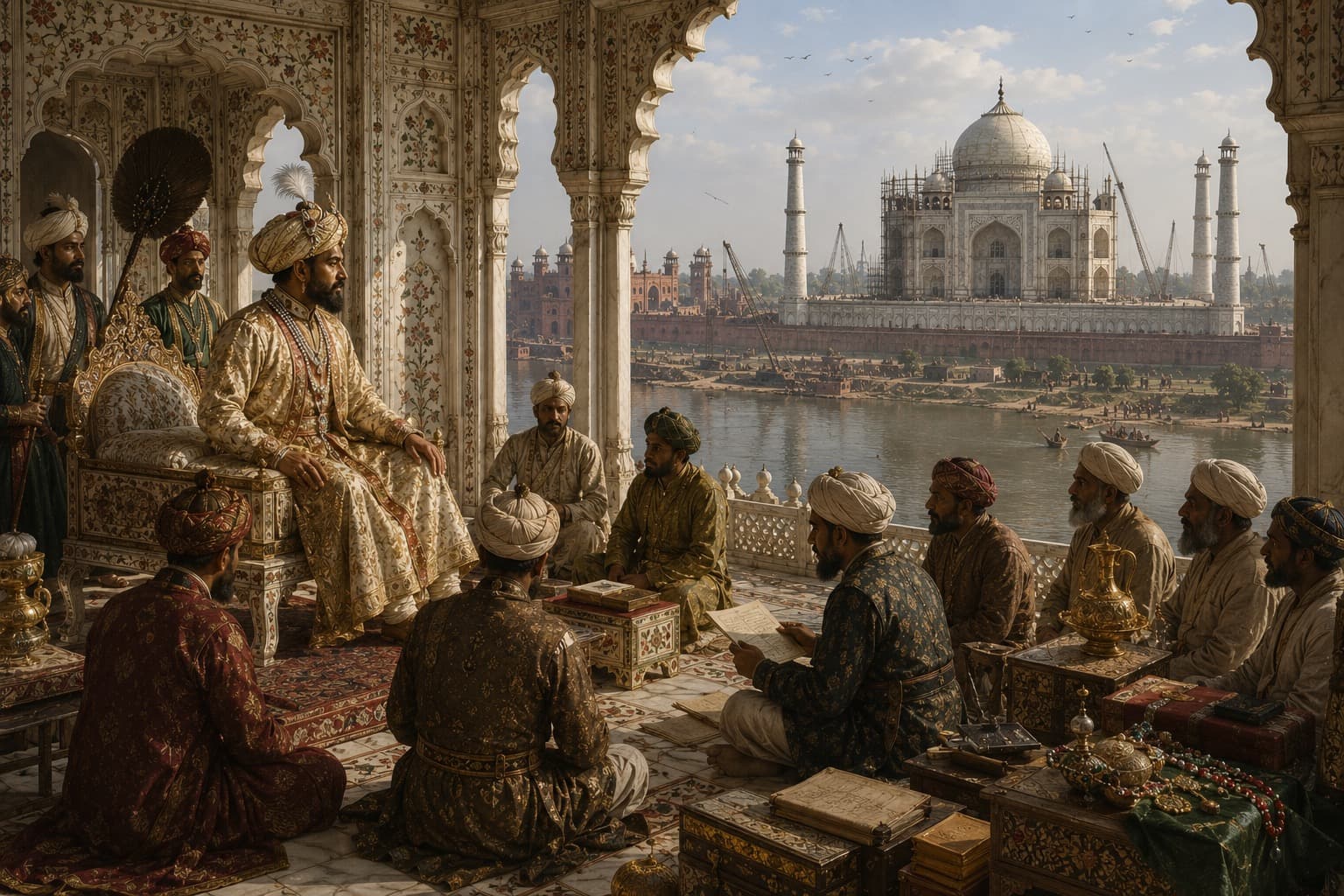
Akbar's greatness rested on administration as much as conquest. Revenue assessment helped convert agrarian production into imperial resources. The mansabdari system ranked nobles and linked military service to imperial reward. Provinces, officers and records made Mughal authority more regular across distance.

1560s-1580s

Rule Through Inclusion

Akbar understood that a Muslim dynasty ruling a religiously diverse population needed more than coercion. Rajput alliances, high office for non-Muslim elites, the removal of discriminatory taxes and debate at court helped turn diversity into political strength. These policies also created opposition from those who saw them as religiously dangerous.

1605 onward

A Durable Empire

Akbar did not solve every tension in Mughal rule, but he changed its scale and resilience. Jahangir and Shah Jahan inherited institutions capable of drawing immense wealth from the countryside and projecting authority through court culture. The empire's later splendour rested heavily on Akbar's political architecture.

Continue in context

Connected stories

Move from the profile into the wider events and settings this figure belongs to.

Tertiary paths

Content note

This profile is written for educational use and connects to related Stories of History pages. The main portrait is an AI-assisted historical reconstruction, included as an illustrative aid rather than documentary evidence. Image policy

References

Sources & Further Reading

Reliable reference works, archives and reading paths connected to this profile.

Further reading

  1. Encyclopaedia Britannica, Search results for Akbar,” accessed June 2026.Open source
  2. WorldCat, Books and library holdings for Akbar,” accessed June 2026.Open source

Primary sources

  1. Library of Congress, Search results for Akbar,” accessed June 2026.Open source

Reviewed claim sources

Loading reviewed claim sources...

A weekly route through history

Find out first about the latest published stories, feature notes and occasional Premium offers in one weekly email.