People

Humayun

Humayun was the second Mughal emperor. Defeated by Sher Shah Suri in 1540, he spent years in exile before recovering Delhi in 1555.

Born
1508 CE
Died
1556 CE
Role
Mughal emperor

Mughal emperor (1508-1556)

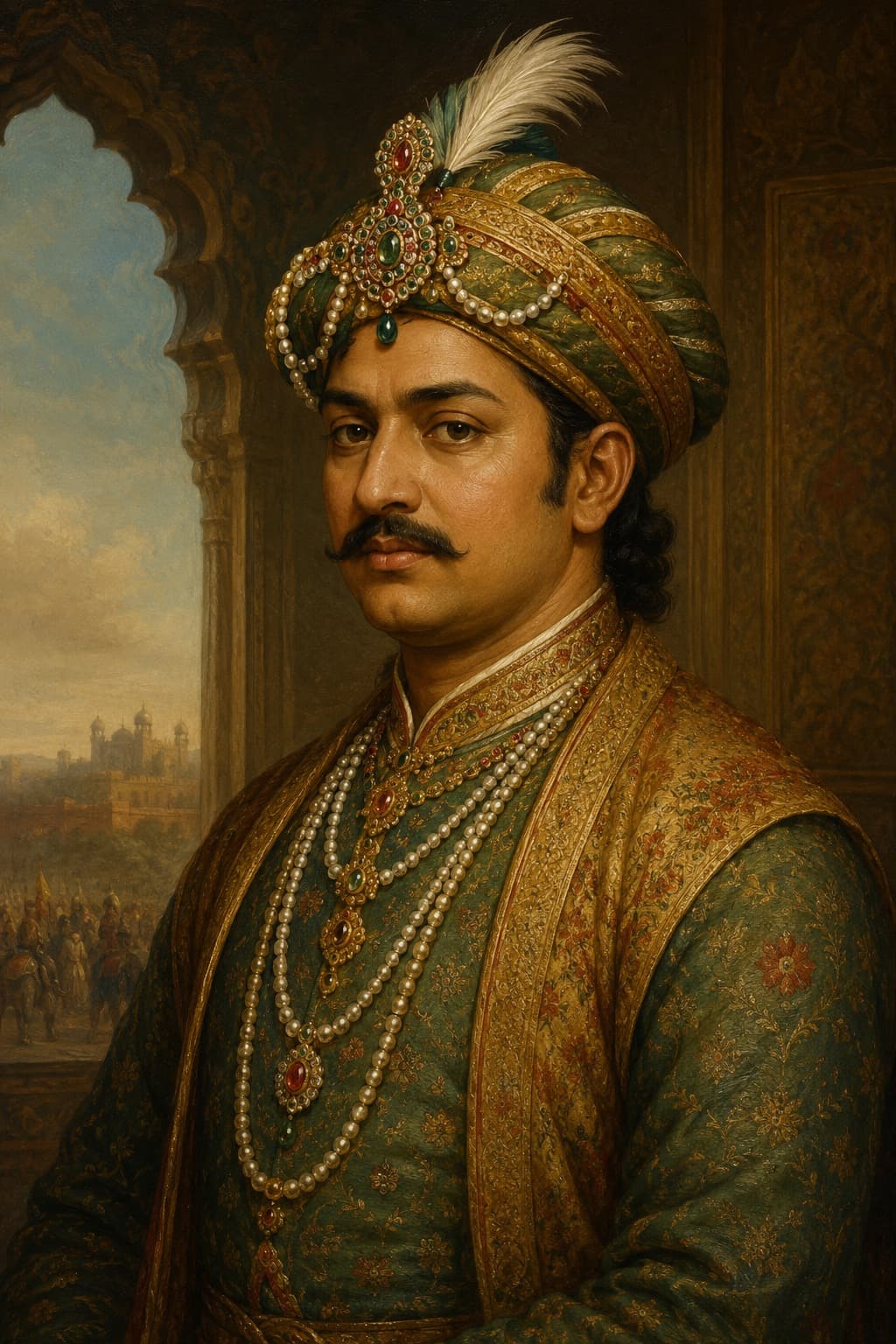
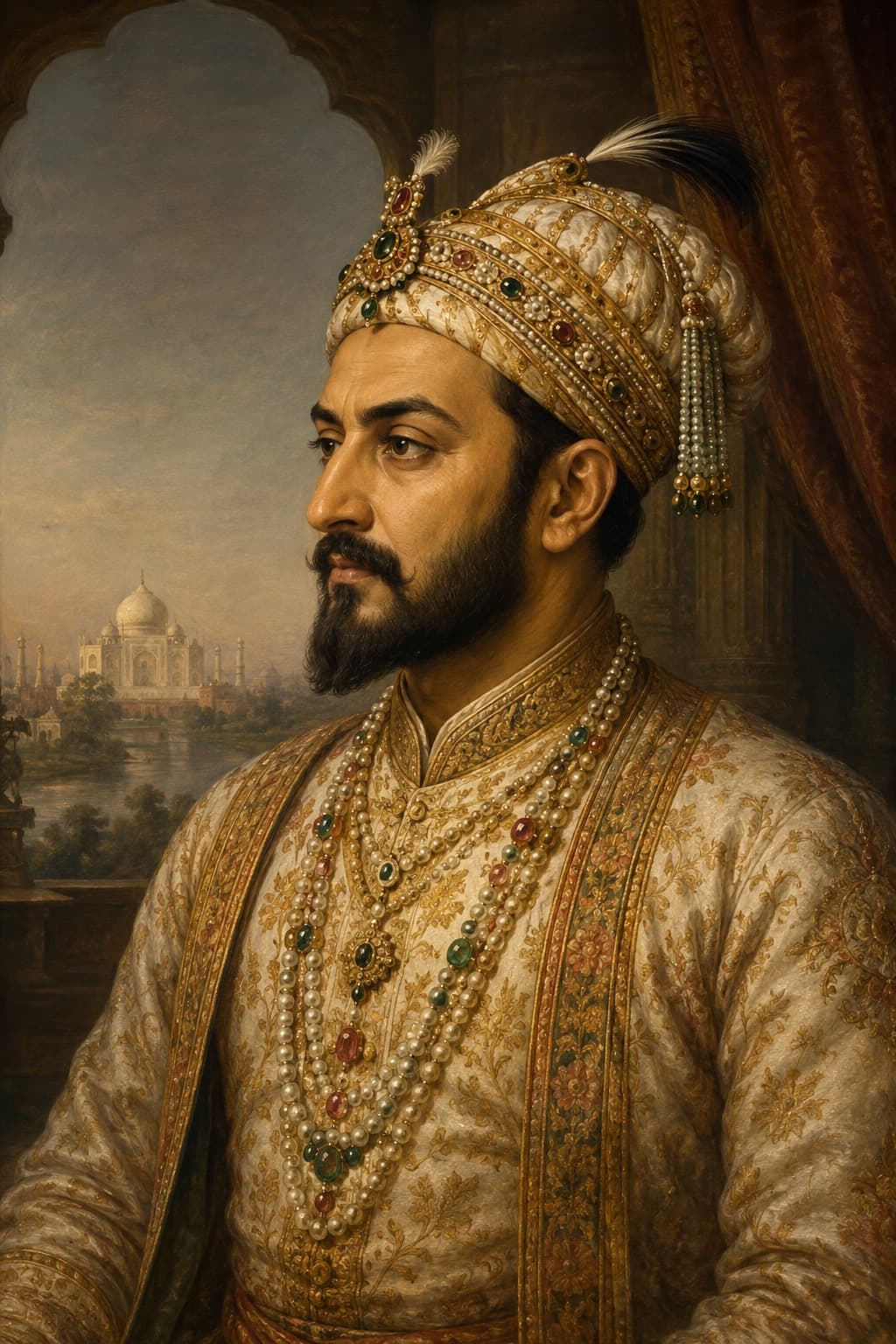
AI-generated portrait of Humayun in Mughal imperial dress
AI-assisted historical reconstruction

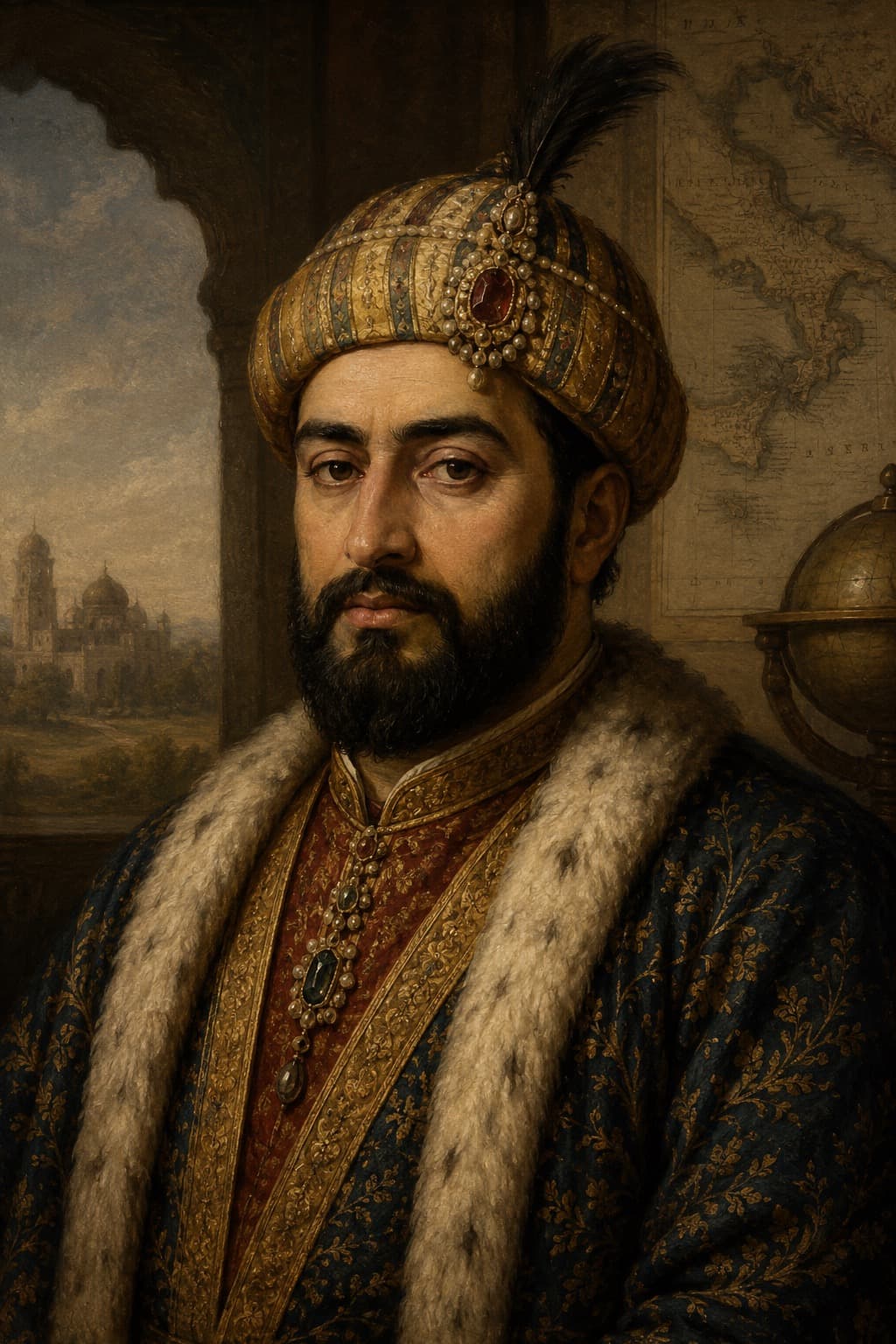
An illustrative reconstruction based on historical context. It is not a photograph or documentary likeness. Image policy

Quick answer

Humayun was the second Mughal emperor. Defeated by Sher Shah Suri in 1540, he spent years in exile before recovering Delhi in 1555.

Born
1508 CE
Died
1556 CE
Role
Mughal emperor
Years
1508-1556 CE
Quick facts

Profile details

Additional identity and tagging details that are not already covered in the introduction.

Full name
Nasir al-Din Muhammad Humayun
Region
South Asia, Northern India, Afghanistan, Persia, Northern India, Afghanistan and Persia
Facts

Humayun timeline facts

Selected specifics from this profile's life story.

1530
A Fragile Inheritance

Humayun inherited Babur's new empire in 1530, but Mughal control was still shallow and contested.

1539-1540
Sher Shah's Challenge

Sher Shah Suri defeated Humayun at Chausa and Kannauj, forcing the Mughals out of northern India.

1555
Restoration

Humayun recovered Delhi in 1555 after the Sur Empire weakened through internal conflict.

1556
A Sudden Death

Humayun died in 1556, leaving the throne to the young Akbar at another dangerous moment.

Life Journey

Loss, exile and the return of Mughal power

Follow Humayun through inheritance, collapse, Persian-backed return and the handoff to Akbar.

Complete chronology

1530

A Fragile Inheritance

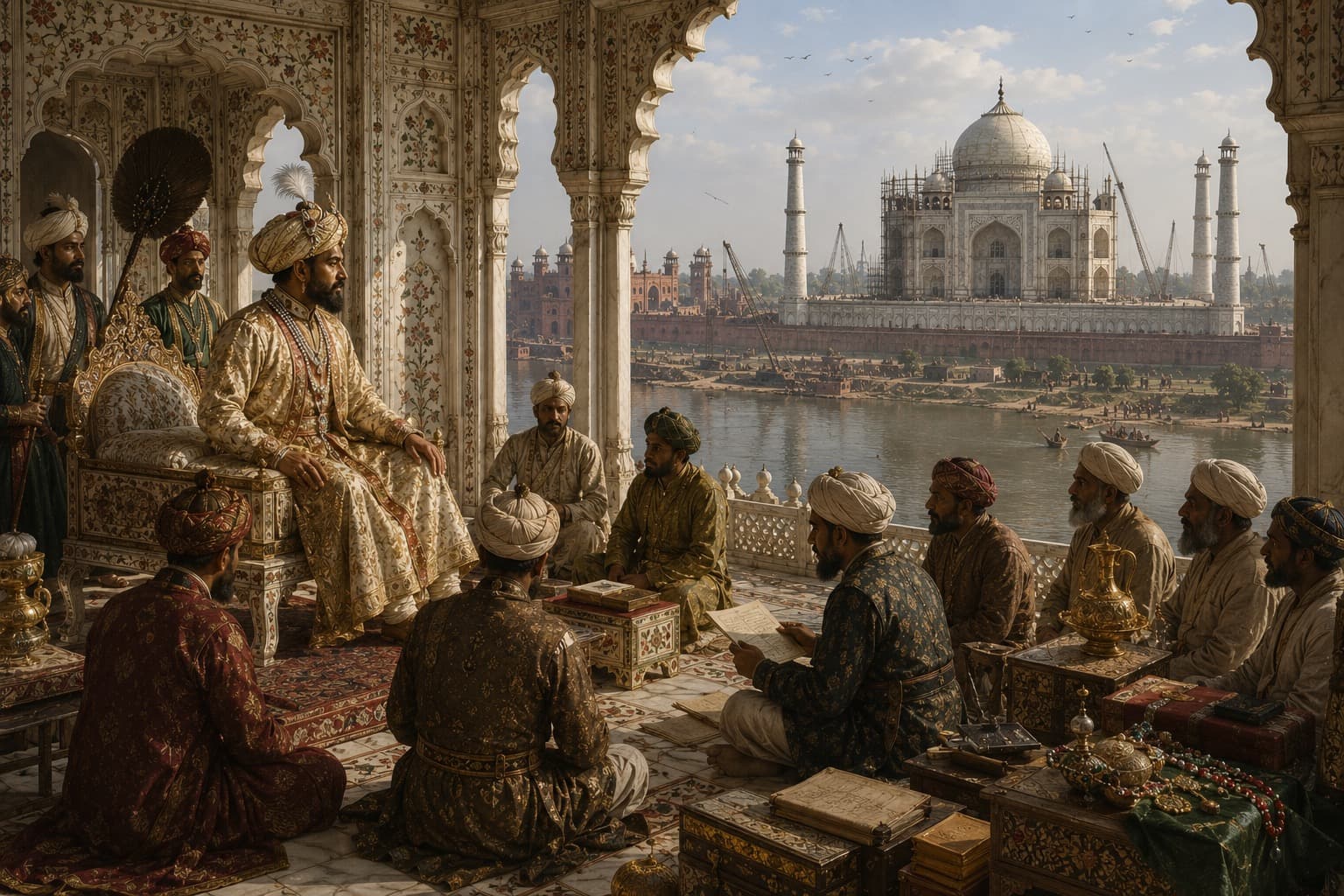
Humayun became emperor before the Mughal conquest had hardened into institutions. He inherited Delhi and Agra, but also rival brothers, Afghan opposition, unsettled nobles and territories that had only recently accepted Babur's authority. His reign began with opportunity and danger woven tightly together.

1539-1540

Sher Shah's Challenge

Sher Shah Suri exposed the weakness of the early Mughal state. Afghan power was not spent, and Humayun's resources were divided by court rivalry and poor strategic timing. The defeat at Kannauj in 1540 was more than a lost battle. It showed that Babur's conquest could still be reversed.

1540s

Years of Exile

Exile reduced Humayun from emperor to claimant, but it also connected the Mughals more deeply to Persianate court culture. Safavid support helped him recover a base in Afghanistan before he returned toward India. The later Mughal world would carry marks of this experience in its art, etiquette and political language.

1555

Restoration

Humayun's return depended on persistence and timing. Sher Shah's successors could not preserve the same level of control, and Mughal forces moved back into northern India. The restoration did not yet guarantee stability, but it reopened the imperial project that Akbar would inherit almost immediately.

1556

A Sudden Death

Humayun's death came soon after his restoration, before he could settle the empire he had recovered. The dynasty again faced the risk that a child ruler and powerful enemies could undo everything. Akbar's survival and victory at the Second Battle of Panipat made Humayun's restoration the bridge between Mughal collapse and Mughal durability.

Continue in context

Connected stories

Move from the profile into the wider events and settings this figure belongs to.

Tertiary paths

Content note

This profile is written for educational use and connects to related Stories of History pages. The main portrait is an AI-assisted historical reconstruction, included as an illustrative aid rather than documentary evidence. Image policy

References

Sources & Further Reading

Reliable reference works, archives and reading paths connected to this profile.

Further reading

  1. Encyclopaedia Britannica, Search results for Humayun,” accessed June 2026.Open source
  2. WorldCat, Books and library holdings for Humayun,” accessed June 2026.Open source

Primary sources

  1. Library of Congress, Search results for Humayun,” accessed June 2026.Open source

Reviewed claim sources

Loading reviewed claim sources...

A weekly route through history

Find out first about the latest published stories, feature notes and occasional Premium offers in one weekly email.