People

Aurangzeb

Aurangzeb was Mughal emperor from 1658 to 1707. He expanded the empire into the Deccan, fought long wars and intensified political and religious tensions.

Born
1618 CE
Died
1707 CE
Role
Mughal emperor

Mughal emperor (1618-1707)

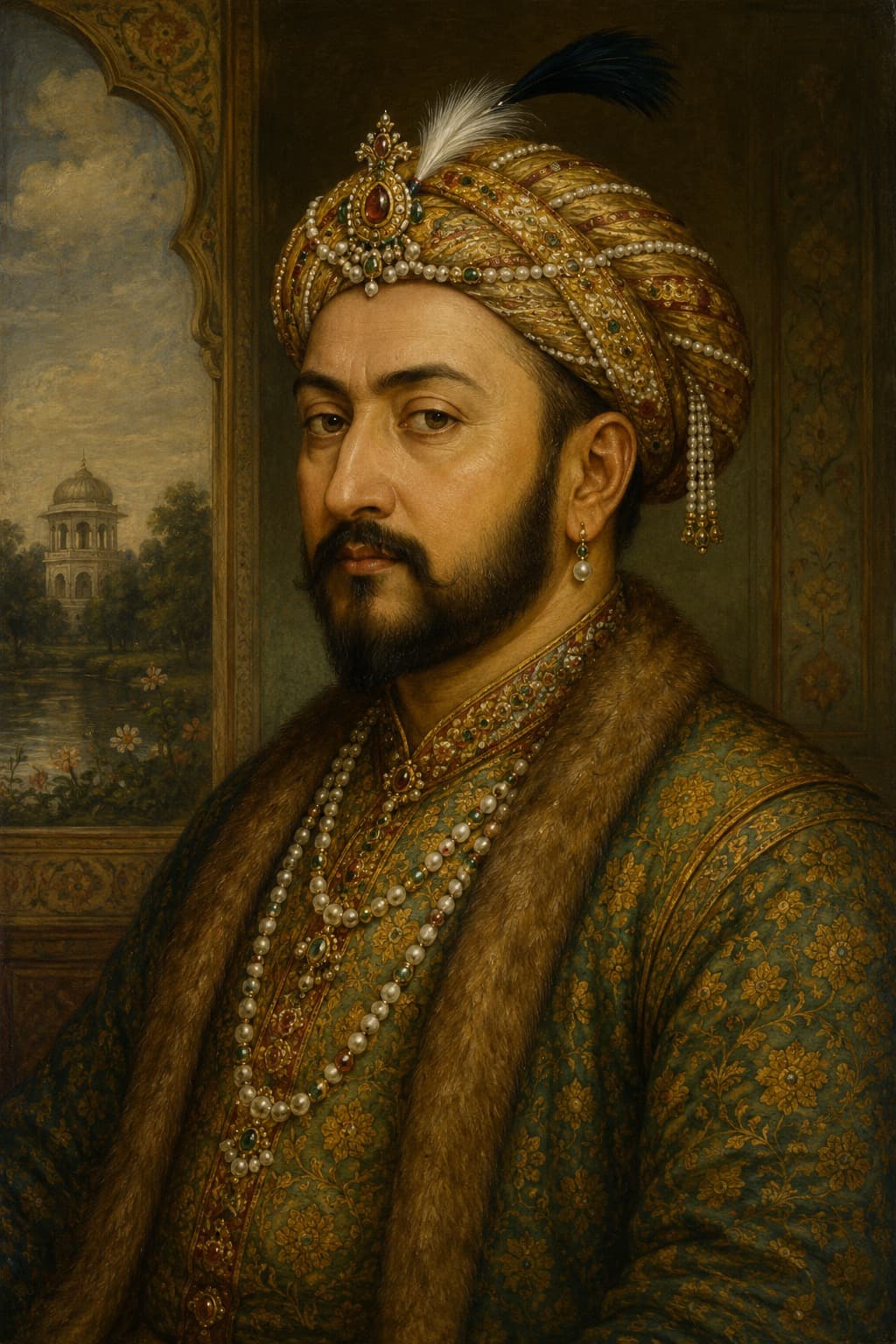
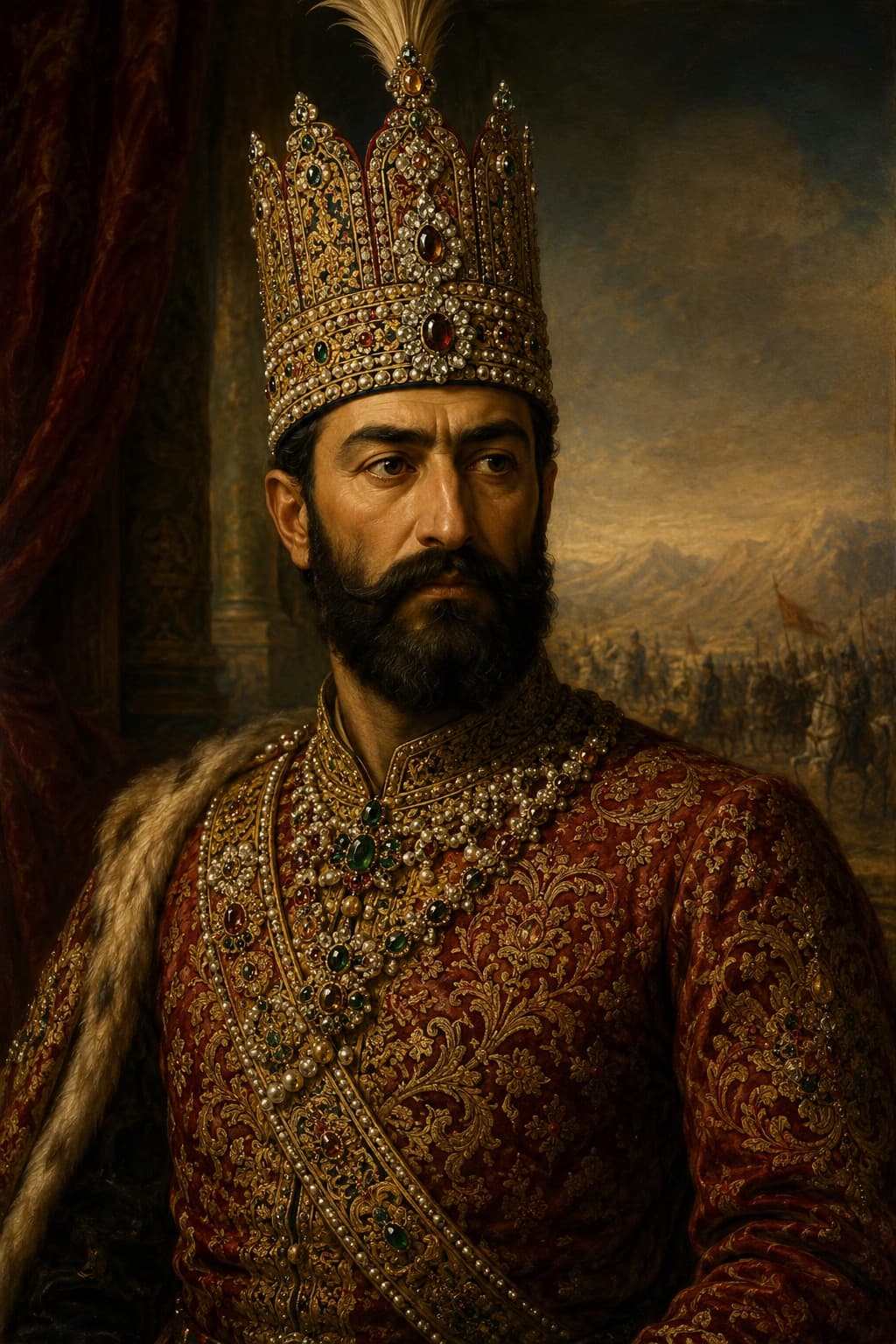
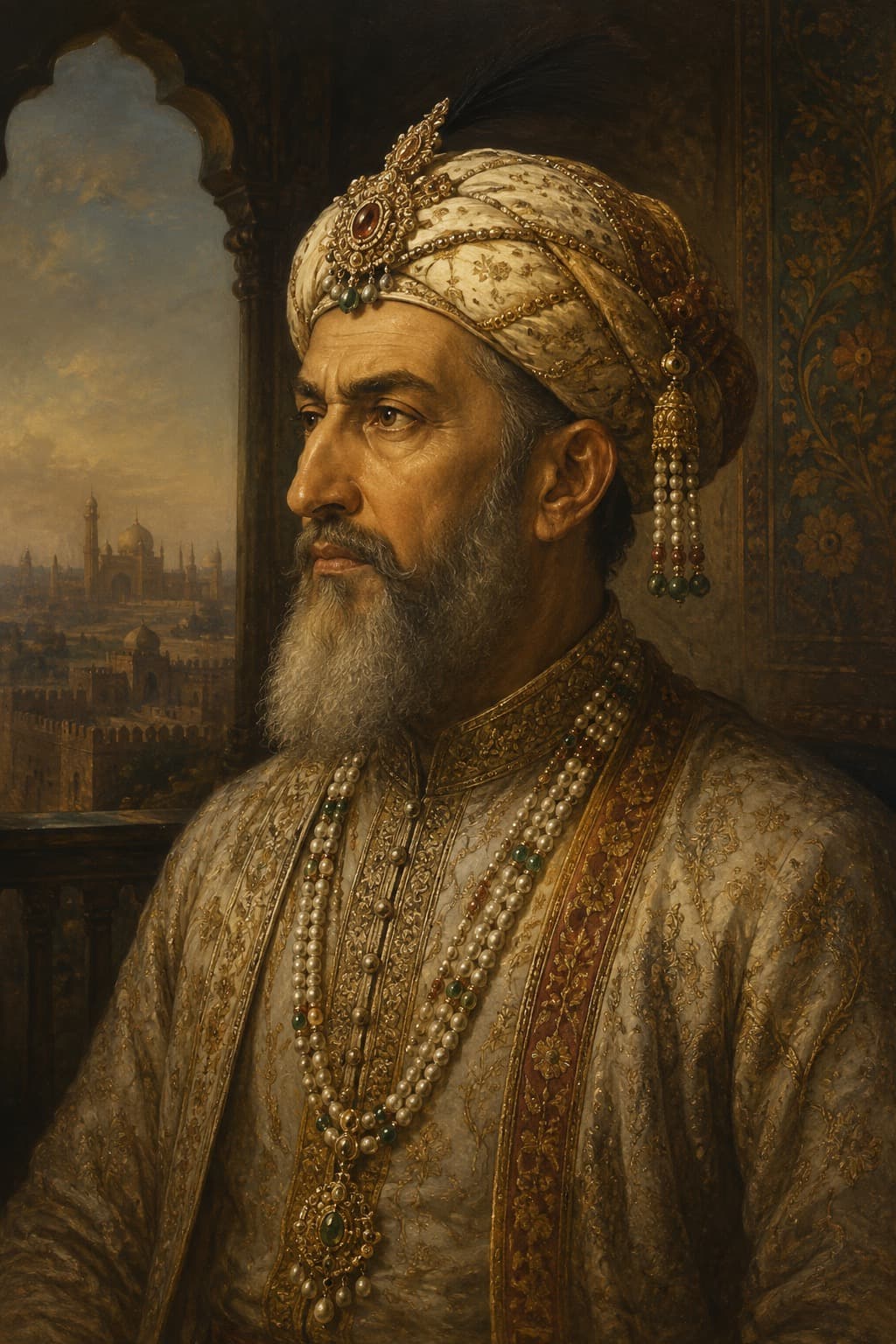
AI-generated portrait of Aurangzeb in Mughal imperial dress
AI-assisted historical reconstruction

An illustrative reconstruction based on historical context. It is not a photograph or documentary likeness. Image policy

Quick answer

Aurangzeb was Mughal emperor from 1658 to 1707. He expanded the empire into the Deccan, fought long wars and intensified political and religious tensions.

Born
1618 CE
Died
1707 CE
Role
Mughal emperor
Years
1618-1707 CE
Quick facts

Profile details

Additional identity and tagging details that are not already covered in the introduction.

Full name
Muhi al-Din Muhammad Aurangzeb
Also known as
Alamgir
Region
South Asia, Northern India, Deccan, Mughal Empire, Mughal India and the Deccan
Facts

Aurangzeb timeline facts

Selected specifics from this profile's life story.

1618-1657
Prince and Commander

Aurangzeb grew up as one of Shah Jahan's sons and gained experience as a military commander and provincial governor.

1658
Winning the Throne

Aurangzeb defeated his brothers in a succession war and confined Shah Jahan, becoming emperor in 1658.

1686-1687
Conquest of the Deccan

Aurangzeb conquered Bijapur and Golconda, pushing Mughal territory toward its greatest extent.

1707 onward
A Strained Legacy

Aurangzeb died in 1707, leaving an empire vast and prestigious but increasingly hard for the centre to control.

Life Journey

Expansion, orthodoxy and imperial overreach

Follow Aurangzeb through succession war, Deccan conquest and the tensions of late Mughal rule.

Complete chronology

1618-1657

Prince and Commander

Aurangzeb's early career prepared him for a hard, practical view of rule. He served in the Deccan and other provinces, learning the demands of campaigning, revenue and elite management. His politics were shaped by ambition, discipline and a stronger commitment to Islamic orthodoxy than many earlier Mughal rulers had displayed.
1658

Winning the Throne

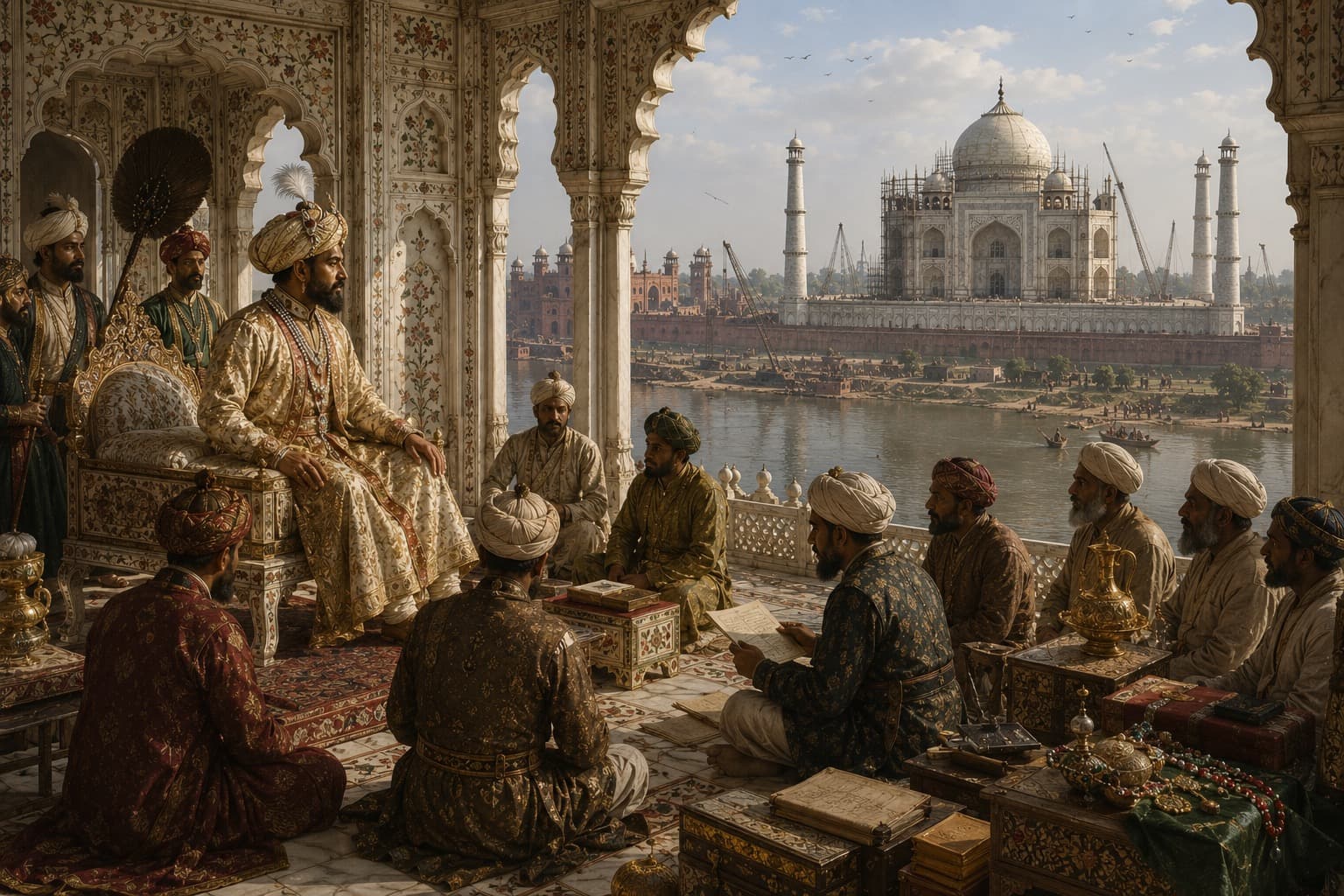
The Mughal throne was won, not simply inherited. Aurangzeb's victory over his brothers showed his military and political skill, but it also revealed the dynasty's structural weakness: every uncertain succession could become civil war. His rule began in triumph and family rupture.

1660s-1680s

Orthodox Rule

Aurangzeb did not govern a simple story of intolerance, but his religious policies mattered politically. Measures such as the reimposition of the jizya and stricter courtly norms narrowed the language of imperial legitimacy. For supporters, this could look like moral correction. For opponents, it made Mughal rule feel less inclusive.

1686-1687

Conquest of the Deccan

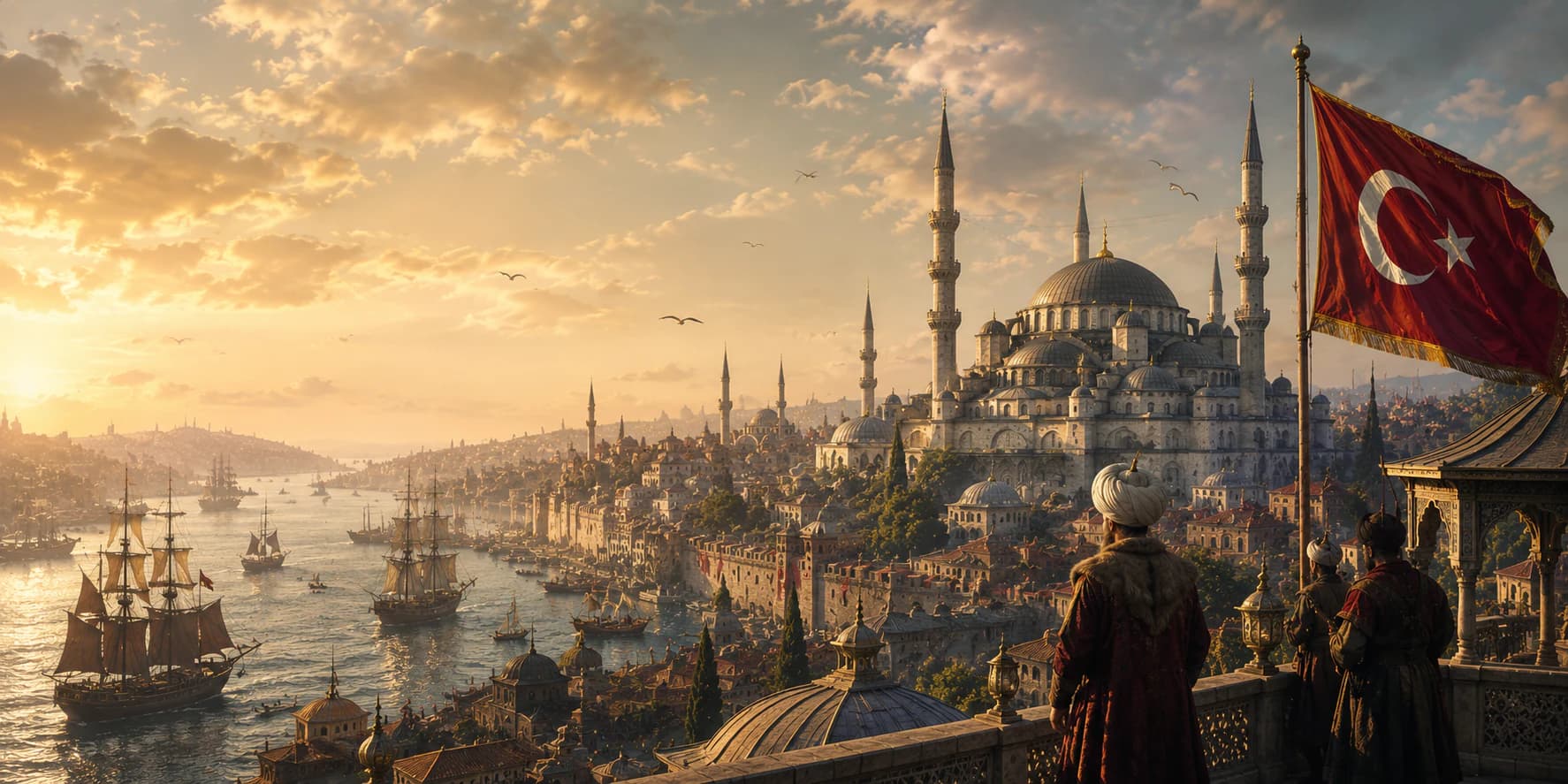
The fall of the Deccan sultanates expanded the map, but expansion came at enormous cost. Campaigns required money, troops, supply lines and constant attention from the emperor. The Marathas continued resisting in ways that made control harder than conquest. The empire grew larger while becoming more difficult to govern.

1707 onward

A Strained Legacy

Aurangzeb's death opened another succession struggle and exposed the cost of decades of war. The empire remained rich and symbolically powerful, but fiscal pressure, regional autonomy and military exhaustion weakened central authority. Later Mughal decline cannot be reduced to Aurangzeb alone, but his reign sharpened many tensions that successors struggled to contain.

Continue in context

Connected stories

Move from the profile into the wider events and settings this figure belongs to.

Tertiary paths

Content note

This profile is written for educational use and connects to related Stories of History pages. The main portrait is an AI-assisted historical reconstruction, included as an illustrative aid rather than documentary evidence. Image policy

References

Sources & Further Reading

Reliable reference works, archives and reading paths connected to this profile.

Further reading

  1. Encyclopaedia Britannica, Search results for Aurangzeb,” accessed June 2026.Open source
  2. WorldCat, Books and library holdings for Aurangzeb,” accessed June 2026.Open source

Primary sources

  1. Library of Congress, Search results for Aurangzeb,” accessed June 2026.Open source

Reviewed claim sources

Loading reviewed claim sources...

A weekly route through history

Find out first about the latest published stories, feature notes and occasional Premium offers in one weekly email.