People

Ramsay MacDonald

Ramsay MacDonald was Britain's first Labour Prime Minister, serving in 1924 and from 1929 to 1935. He helped make Labour a party of government, then split it by leading a National Government during the Great Depression.

Born
1866 CE
Died
1937 CE
Role
First Labour Prime Minister

First Labour Prime Minister (1866–1937)

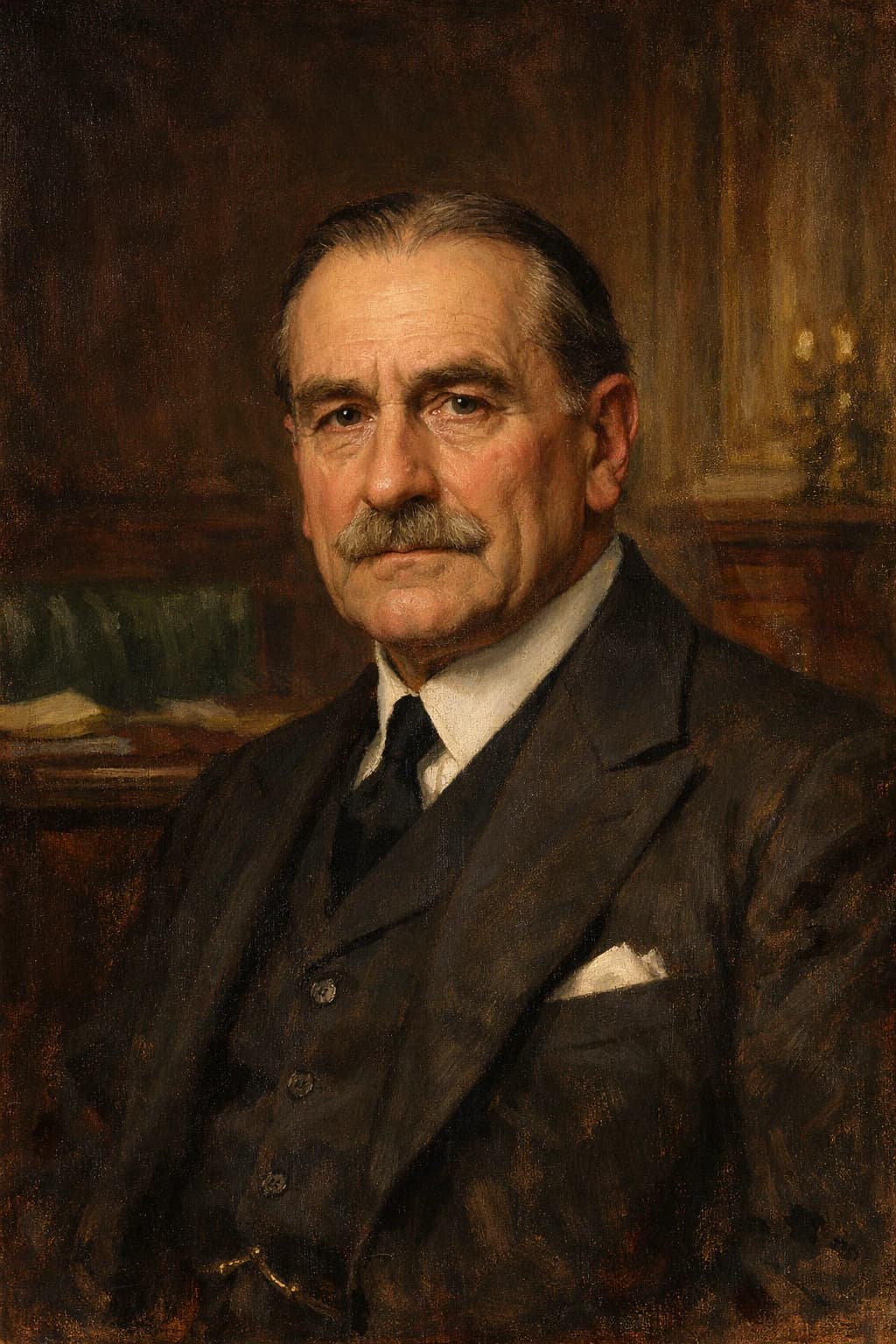
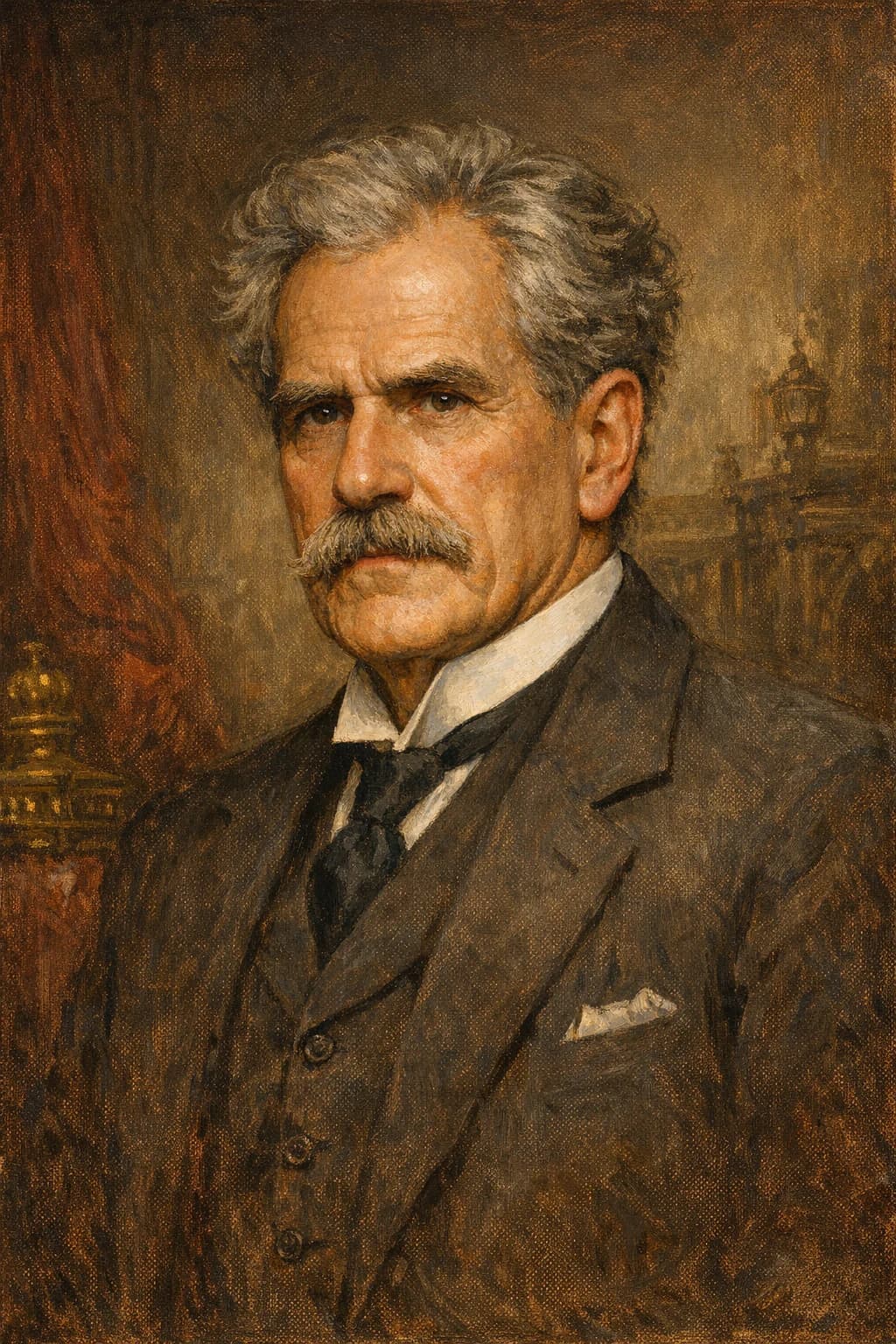
AI-generated portrait of Ramsay MacDonald in formal attire
AI-assisted historical reconstruction

An illustrative reconstruction based on historical context. It is not a photograph or documentary likeness. Image policy

Quick answer

Ramsay MacDonald was Britain's first Labour Prime Minister, serving in 1924 and from 1929 to 1935. He helped make Labour a party of government, then split it by leading a National Government during the Great Depression.

Born
1866 CE
Died
1937 CE
Role
First Labour Prime Minister
Years
1866-1937 CE
Quick facts

Profile details

Additional identity and tagging details that are not already covered in the introduction.

Full name
James Ramsay MacDonald
Also known as
MacDonald, First Labour Prime Minister
Facts

Ramsay MacDonald timeline facts

Selected specifics from this profile's life story.

1866
Humble beginnings

Ramsay MacDonald was born in Lossiemouth, Scotland, in 1866, the son of a single mother in a society where illegitimacy carried real stigma.

1924
First premiership

In 1924, MacDonald became Britain's first Labour prime minister, leading a minority government dependent on Liberal support.

1931–1935
Isolated leadership

MacDonald remained prime minister after 1931, but his authority faded inside a National Government increasingly shaped by Conservatives.

Post-1937
Complex legacy

MacDonald remains both Labour pioneer and Labour betrayer: the man who opened Downing Street to the party, then broke with it.

Life Journey

From outsider to uneasy leader

Follow the story in a more continuous narrative, with a reading mode that matches how much depth you want.

Complete chronology

1866

Humble beginnings

James Ramsay MacDonald was born in Lossiemouth, Moray, in 1866 to Anne Ramsay, a domestic servant. His birth outside marriage shaped both his social position and his fierce desire for respectability. Rural Scotland offered limited opportunities, but MacDonald was intelligent, disciplined and hungry for books. He worked as a pupil-teacher before moving south, carrying with him the insecurity and ambition of someone never allowed to forget his origins. This background mattered to his politics. MacDonald was not a trade union bruiser or aristocratic reformer. He was an outsider who believed education, moral seriousness and parliamentary respectability could bring working people into national power.
1880s–1890s

Political awakening

MacDonald's move to London opened the world of late Victorian radicalism: socialism, trade union politics, ethical reform, Irish Home Rule, anti-imperial debate and arguments over democracy. He joined the Independent Labour Party and became deeply involved in the Labour Representation Committee, the body that became the Labour Party. His socialism was moral and parliamentary rather than revolutionary. He wrote, organised, negotiated and presented Labour as a responsible national force rather than a sectional protest. Marriage to Margaret Gladstone brought emotional partnership and financial stability, helping his political work. MacDonald's gift was not mass oratory alone. It was making a new party look serious enough to enter the constitutional system.

1906

Labour leadership

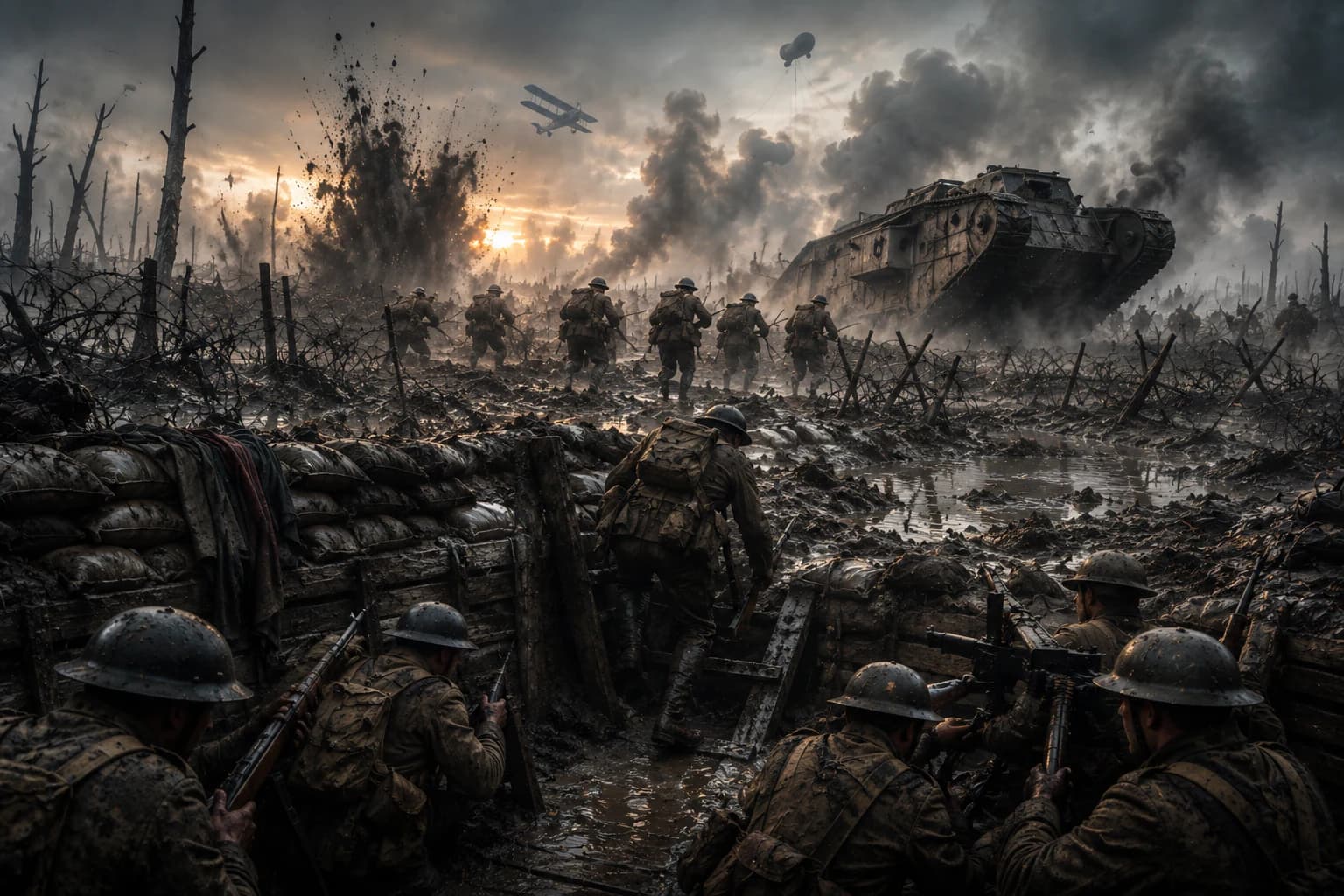
Elected to Parliament in 1906, MacDonald became one of Labour's key strategists. The party was still small, dependent on trade union support and uncertain how far it should cooperate with Liberals. MacDonald wanted Labour to be independent, constitutional and credible. As chairman and later leader, he worked to connect working-class organisation with middle-class reformist respectability. His opposition to the First World War cost him dearly. Many saw him as unpatriotic, and he lost his seat in 1918. Yet the war also broke the Liberal Party and opened space for Labour's rise. MacDonald's recovery after wartime disgrace showed both resilience and the changing structure of British politics.

1924

First premiership

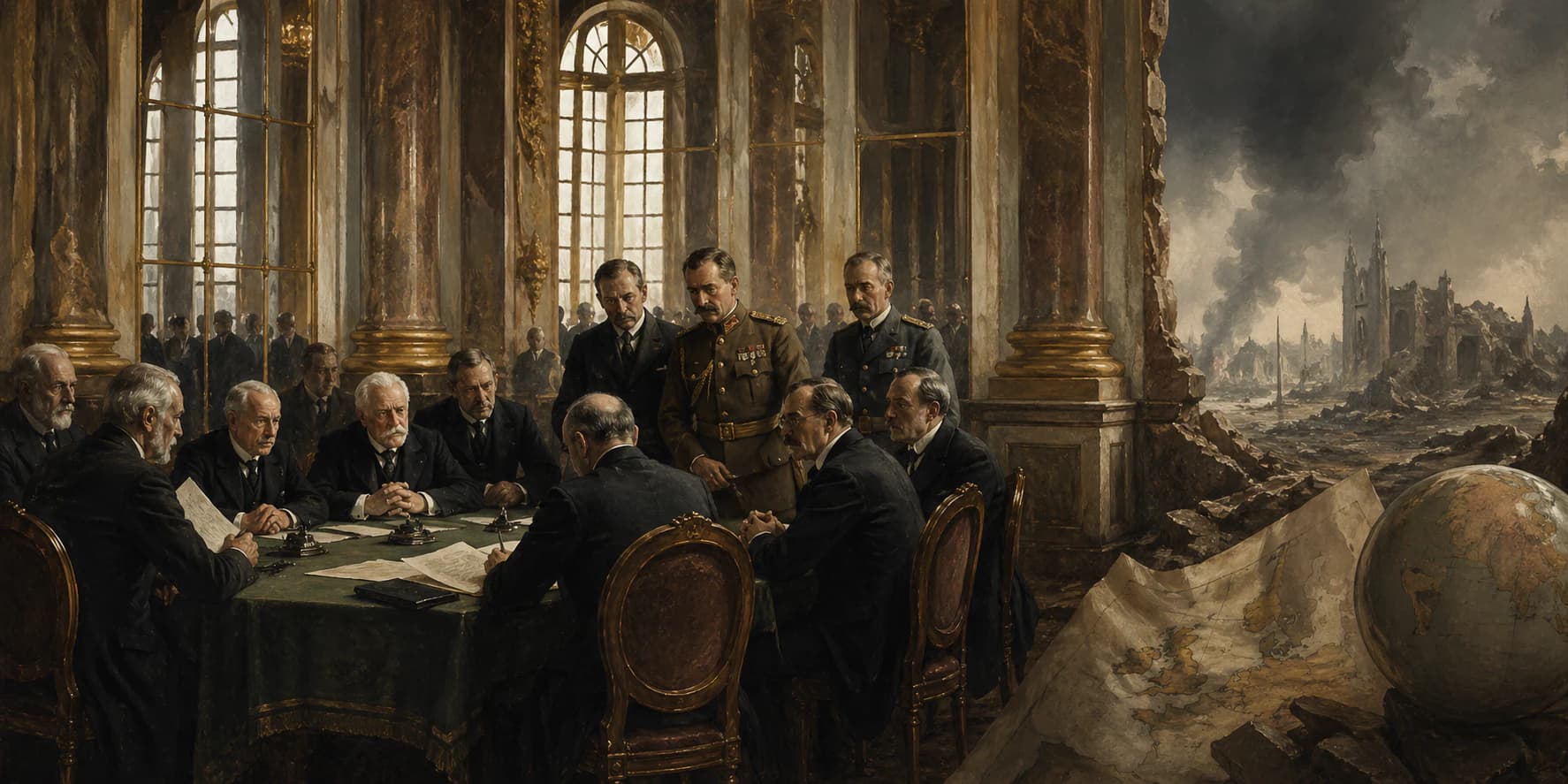
MacDonald's first government lasted less than a year, but its symbolic importance was enormous. A party founded to represent labour interests now occupied Downing Street. MacDonald understood that many in the establishment expected Labour to be reckless, so he governed cautiously. He also served as Foreign Secretary, seeking international stability after the First World War and supporting the Dawes Plan and recognition of the Soviet Union. Domestic reform was limited by minority status. The government fell after the Campbell Case and the election was poisoned by the forged Zinoviev Letter, which suggested communist influence over Labour. Even in defeat, MacDonald had normalised the idea that Labour could govern.

1929

Return to office

The 1929 election brought Labour back as the largest party, though still without a majority. Expectations were higher, and so were the dangers. Within months, the Wall Street Crash triggered a global depression. British unemployment rose sharply, export industries suffered and pressure mounted on the pound and government finances. Labour's moral purpose was to protect working people, but the Treasury, bankers and many economists demanded cuts to maintain confidence. The cabinet split over whether to reduce unemployment benefits. MacDonald found himself trapped between party principle, financial orthodoxy and fear that economic collapse would destroy the government altogether. The crisis exposed Labour's limited room for manoeuvre inside the existing economic order.

1931

Economic crisis

The crisis of August 1931 destroyed MacDonald's relationship with Labour. Unable to hold his cabinet together over spending cuts, he accepted King George V's encouragement to form a National Government with Conservatives and Liberals. MacDonald believed he was putting country before party to save the pound and restore confidence. Labour saw betrayal. He was expelled from the party he had helped build, and the 1931 election crushed Labour while giving the National Government a huge Conservative-dominated majority. Soon Britain left the gold standard anyway, complicating the claim that the painful cuts had been unavoidable in the exact form demanded. MacDonald's decision preserved his office, but at the cost of his political home.

1931–1935

Isolated leadership

MacDonald's later premiership was a strange survival. He still held the title of prime minister, but the National Government's parliamentary weight lay overwhelmingly with Conservatives, and figures such as Stanley Baldwin and Neville Chamberlain increasingly dominated policy. MacDonald's health and energy declined. To Labour supporters, he had become the face of betrayal; to Conservatives, he was useful as a national symbol but no longer the principal force. His foreign policy hopes for disarmament and peace faced the rise of Hitler and Japanese expansion. The man who had once embodied Labour's arrival in power now presided over a government his old party opposed. Office without belonging became its own punishment.

1935–1937

Withdrawal from politics

MacDonald resigned as prime minister in 1935, replaced by Baldwin, and moved to the less powerful post of Lord President of the Council. He lost his Seaham seat in the 1935 election and returned to Parliament only through a university seat. His health was failing, and so was his public authority. In 1937 he sailed for South America in the hope that travel would help him recover, but he died at sea. The ending was lonely for a man who had once carried the hopes of a movement. Labour's later leaders would inherit the path he opened while treating his 1931 decision as a warning. MacDonald's life had become both foundation story and cautionary tale.

Post-1937

Complex legacy

Ramsay MacDonald's legacy is unusually divided. Without him, Labour's transition from pressure group to party of government would have been slower and harder. He gave the movement respectability, foreign-policy seriousness and its first experience of office. Yet 1931 overwhelmed that achievement in Labour memory. For decades he was treated as the great traitor, the leader who chose bankers, king and Conservatives over the unemployed and his own party. Later historians have been more nuanced, recognising the genuine panic of the financial crisis and the limited options facing a minority Labour government. But nuance does not erase consequence. MacDonald's tragedy is that the qualities that lifted him - seriousness, respectability, responsibility - also led him into the decision that destroyed his reputation.

Continue in context

Connected stories

Move from the profile into the wider events and settings this figure belongs to.

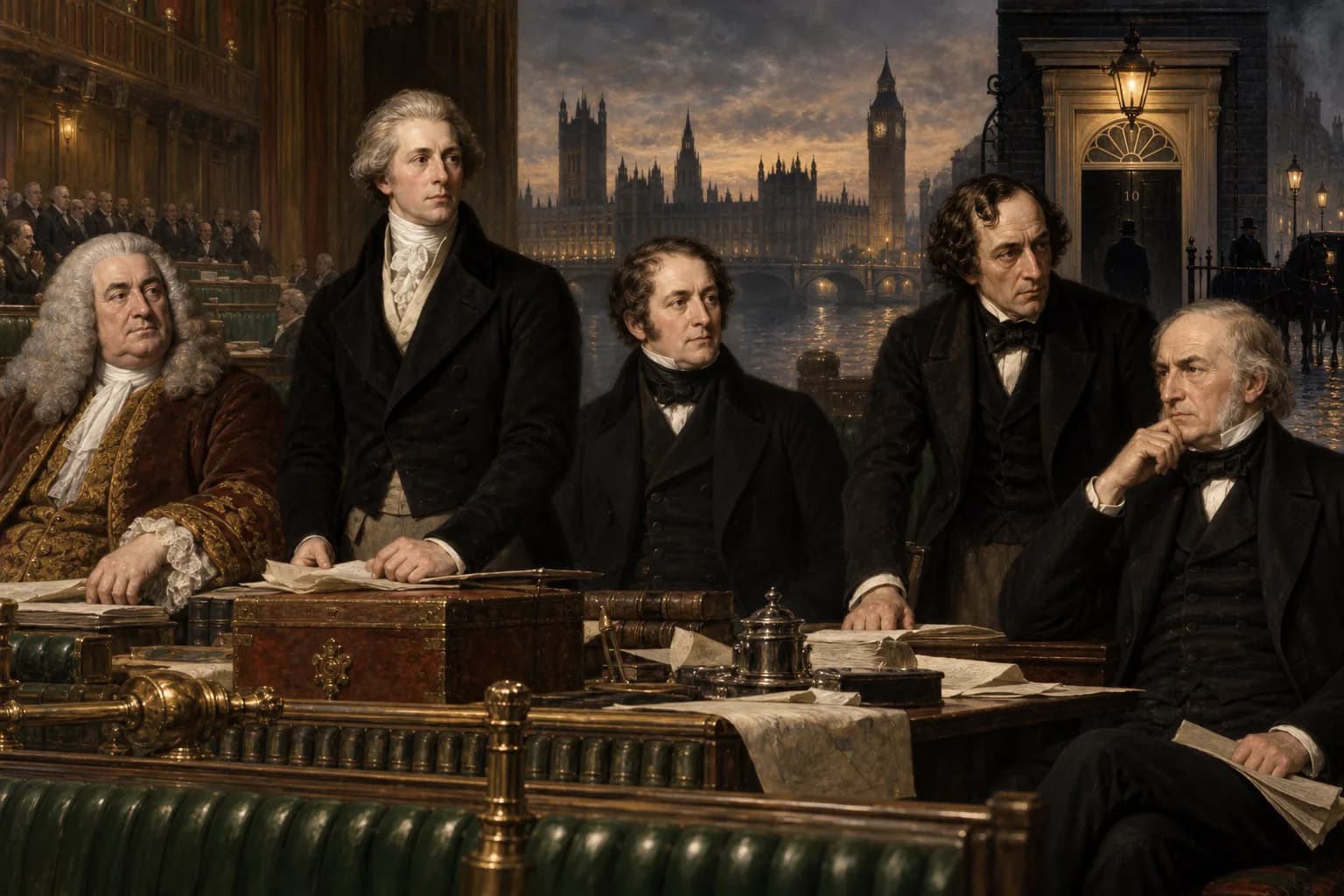
British Prime Ministers lineage
LineagePrime ministers in sequence
British Prime Ministers
1721 CE–present

Explore British prime ministers from Walpole to the present.

View lineage
Tertiary paths

Content note

This profile is written for educational use and connects to related Stories of History pages. The main portrait is an AI-assisted historical reconstruction, included as an illustrative aid rather than documentary evidence. Image policy

References

Sources & Further Reading

Reliable reference works, archives and reading paths connected to this profile.

Further reading

  1. Encyclopaedia Britannica, Search results for Ramsay MacDonald,” accessed June 2026.Open source
  2. WorldCat, Books and library holdings for Ramsay MacDonald,” accessed June 2026.Open source

Primary sources

  1. Library of Congress, Search results for Ramsay MacDonald,” accessed June 2026.Open source

Reviewed claim sources

Loading reviewed claim sources...

A weekly route through history

Find out first about the latest published stories, feature notes and occasional Premium offers in one weekly email.