People

Stanley Baldwin

Stanley Baldwin was a three-time Conservative Prime Minister of Britain between the world wars. He managed the 1936 Abdication Crisis, the General Strike and the early rearmament debate.

Born
1867 CE
Died
1947 CE
Role
Three-time Conservative Prime Minister

Three-time Conservative Prime Minister (1867–1947)

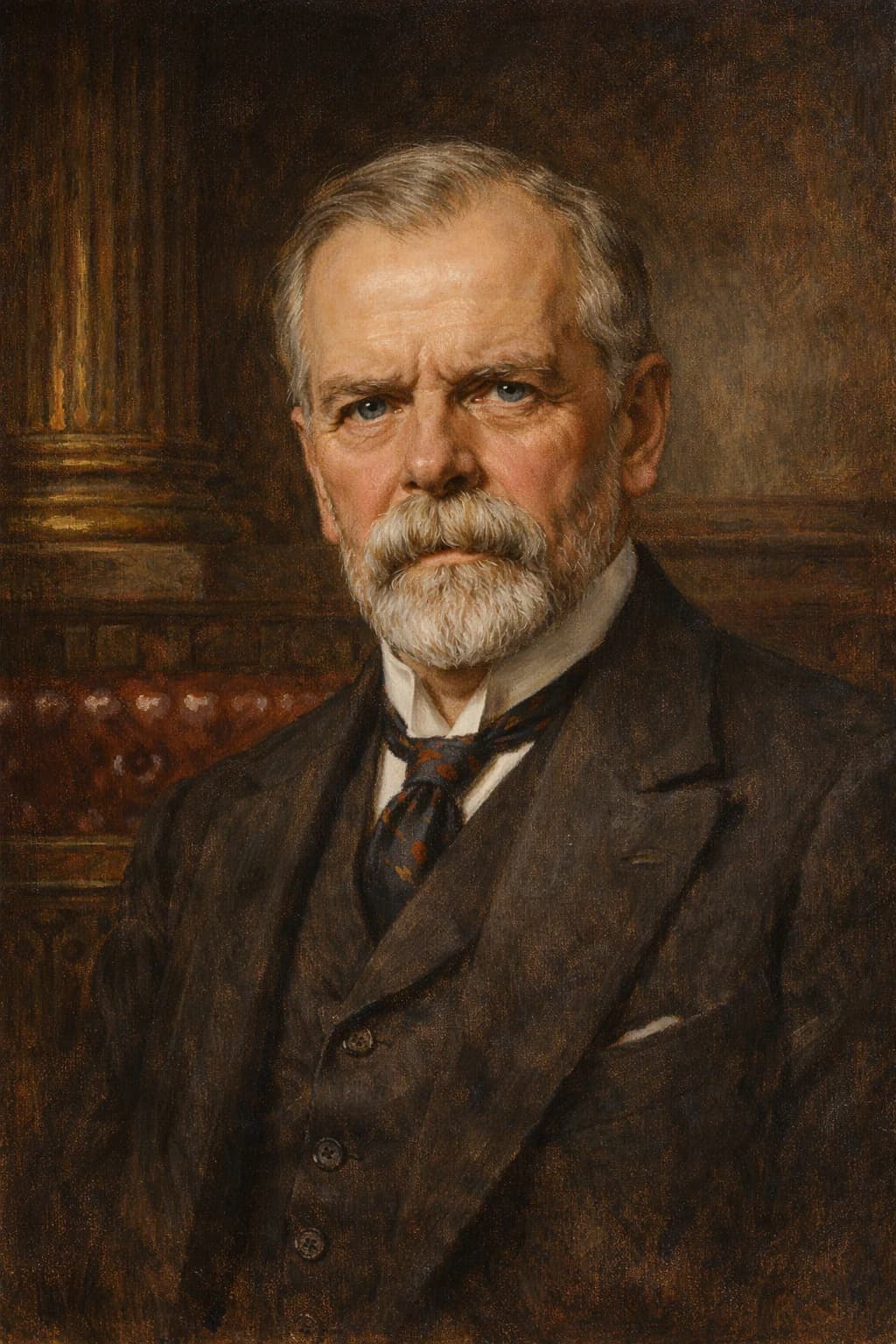
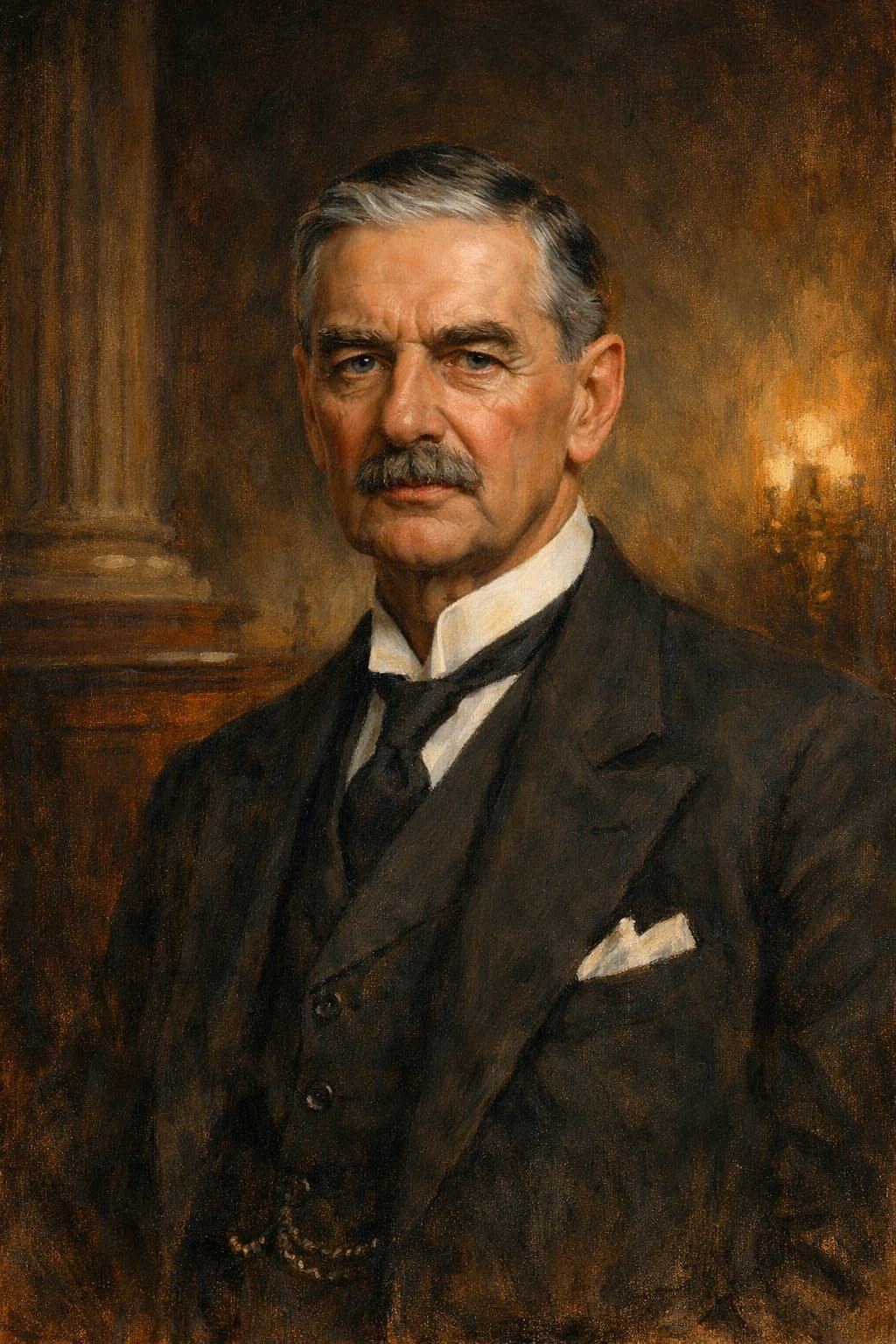
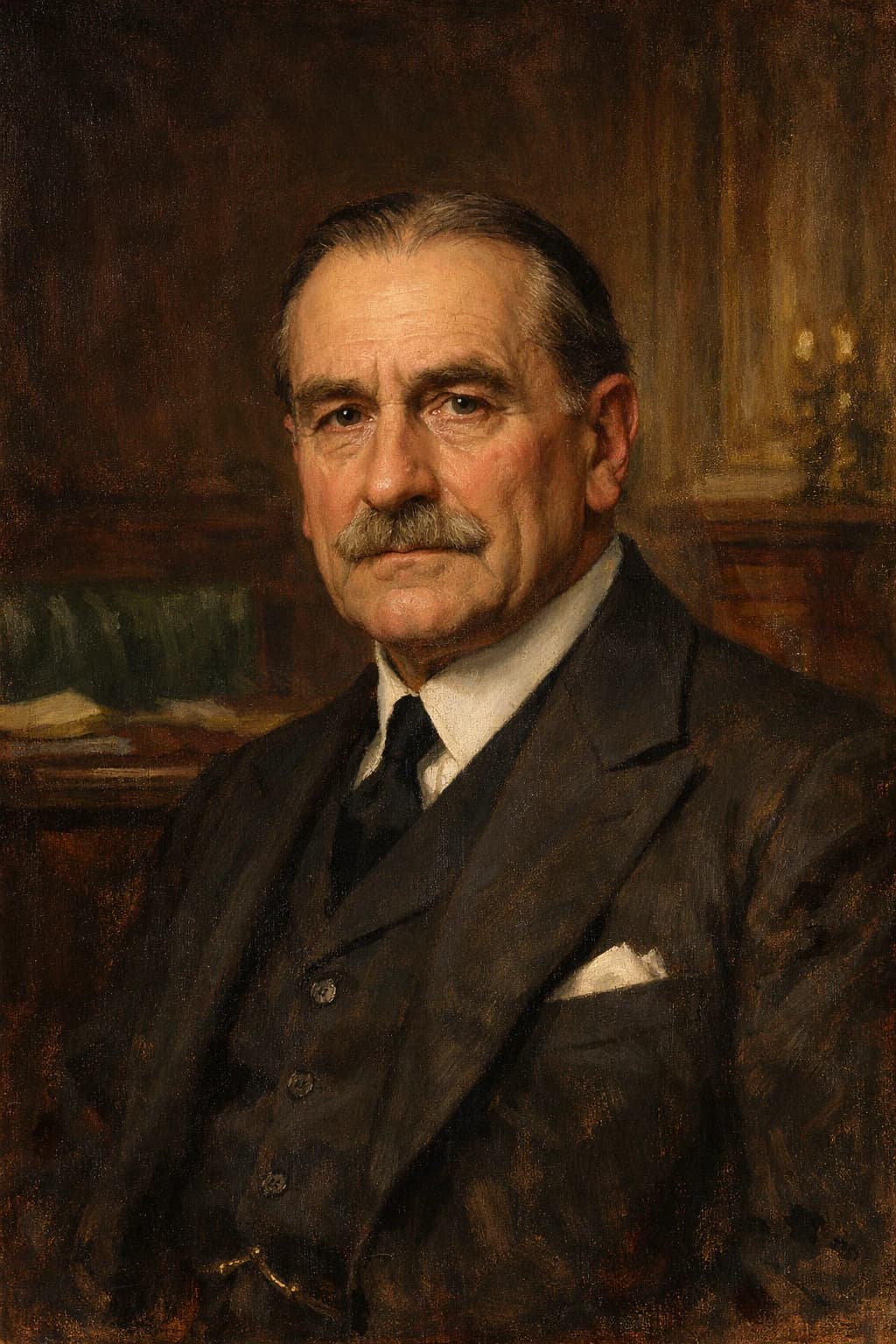
AI-generated portrait of Stanley Baldwin in formal ministerial attire
AI-assisted historical reconstruction

An illustrative reconstruction based on historical context. It is not a photograph or documentary likeness. Image policy

Quick answer

Stanley Baldwin was a three-time Conservative Prime Minister of Britain between the world wars. He managed the 1936 Abdication Crisis, the General Strike and the early rearmament debate.

Born
1867 CE
Died
1947 CE
Role
Three-time Conservative Prime Minister
Years
1867-1947 CE
Quick facts

Profile details

Additional identity and tagging details that are not already covered in the introduction.

Also known as
Prime Minister Baldwin
Facts

Stanley Baldwin timeline facts

Selected specifics from this profile's life story.

1867–1890s
Industrial beginnings

Stanley Baldwin was born in Worcestershire in 1867 into a prosperous iron and steel family, giving him roots in manufacturing rather than grand aristocracy.

1923–1924
First premiership challenges

Baldwin's first premiership stumbled when his 1923 election campaign for tariff reform cost the Conservatives their majority.

1935–1937
Third premiership

In the 1930s, Baldwin led again as Hitler's Germany grew more dangerous and Britain debated how quickly to rearm.

1937–1947
Final years and legacy

Baldwin retired in 1937 and died in 1947, praised for constitutional steadiness but criticised after war came for insufficient urgency in the 1930s.

Life Journey

Consensus, crisis management, and the limits of caution

Follow the story in a more continuous narrative, with a reading mode that matches how much depth you want.

Complete chronology

1867–1890s

Industrial beginnings

Baldwin's background shaped the image he later cultivated: plain-speaking, provincial, industrial and reassuring. He was born at Bewdley into a family connected to iron, steel and business, with enough wealth for elite education but not the effortless hauteur of old aristocracy. After Harrow and Trinity College, Cambridge, he entered the family firm and learned the culture of management, wages, production and local responsibility. This mattered in politics. Baldwin was a Conservative, but his conservatism was not simply a defence of inherited land. It drew on a belief in social peace, duty across classes and the moral value of work. He made modesty a public language, presenting himself as a man of hearth, chapel, factory and countryside at once.

1908

Entry into politics

Baldwin entered Parliament for Bewdley in 1908, initially without looking like a future national leader. His early Commons career was steady rather than spectacular. The First World War changed the scale of government and drew men of administrative reliability into greater responsibility. Baldwin served at the Treasury and became known for financial seriousness, including a striking personal gesture in 1919 when he anonymously donated a large part of his wealth to help reduce the national debt. The gesture was symbolic more than fiscally decisive, but it fitted his self-presentation: duty before display. By the early 1920s he had become a figure colleagues could trust in difficult institutional moments.

1922–1923

Rapid rise

Baldwin's rise was tied to the Conservative rebellion against David Lloyd George's postwar coalition. At the Carlton Club meeting in 1922, Conservatives chose independence over coalition, bringing down Lloyd George and elevating Andrew Bonar Law. Baldwin became Chancellor of the Exchequer and then, when Bonar Law resigned through illness in 1923, prime minister. His ascent was swift, but not accidental. He embodied what many Conservatives wanted after the drama of Lloyd George: steadiness, party unity and moral calm. He also understood that mass democracy required tone as much as programme. Baldwin's genius was making reassurance sound like leadership.

1923–1924

First premiership challenges

Baldwin's first great gamble was economic. He sought a mandate for tariff reform, arguing that protection could help employment and industry. The election of December 1923 did not give him what he wanted. The Conservatives remained the largest party but lost their majority, allowing Ramsay MacDonald to form the first Labour government with Liberal support. Baldwin's mistake was not simply policy; it was timing. Britain was still divided over free trade, prices and postwar recovery, and many voters were not ready to abandon established economic assumptions. The defeat might have ended a weaker leader. Baldwin survived by accepting responsibility without panic and waiting for Labour and the Liberals to expose their own tensions.

1924–1929

Return to power

The 1924 election restored Baldwin with a commanding majority. His second premiership showed the mature Baldwin method: avoid unnecessary drama, present Conservatism as national rather than sectional, and speak in a language of home, work, faith and moderation. Britain faced industrial decline, unemployment, imperial commitments and the emotional aftermath of war. Baldwin did not solve those structural problems. He tried to contain them. His government extended some social provision and presided over Neville Chamberlain's local government and rating reforms, but its deeper purpose was reassurance. To admirers, Baldwin gave democracy a calm centre. To critics, he used calm to avoid confronting decline.

1926

General strike response

The General Strike of May 1926 was Baldwin's defining domestic crisis. The dispute began with coal but became a national confrontation when the Trades Union Congress called workers out in support of miners facing wage cuts and longer hours. Some Conservatives wanted to treat the strike as near-rebellion; Baldwin was firm but careful. His government maintained emergency services and published the British Gazette, edited by Winston Churchill, while Baldwin himself avoided the most inflammatory language. The strike collapsed after nine days, though the miners continued their struggle alone. Baldwin's handling strengthened his reputation as a guardian of order, but it also left unresolved the hardship of declining industries. The peace he preserved was real, but partial.

1935–1937

Third premiership

Baldwin's third premiership unfolded under the shadow of fascist aggression, Japanese expansion and the memory of the First World War. He accepted the need for rearmament, especially in air defence, but moved cautiously because public opinion, economic constraint and party politics all mattered. His famous warning that the bomber would always get through captured the fear of modern air war, yet it could also sound fatalistic. Critics later accused him of appeasement and delay; defenders argue that he began rearmament while keeping democratic consent intact in a country deeply hostile to another war. The truth is uncomfortable: Baldwin neither ignored danger nor met it with the urgency later hindsight would demand.

1936

Abdication crisis

The Abdication Crisis was Baldwin's masterpiece of constitutional management. Edward VIII wished to marry Wallis Simpson, an American divorcee, while remaining king. Baldwin judged that the government, dominions and public institutions could not accept the marriage in the form Edward wanted, especially given the monarch's role as head of the Church of England. He refused to turn the issue into a popularity contest between king and ministers. Instead, he framed it as a constitutional question: the sovereign could not act against responsible government. Edward abdicated in December 1936, and George VI succeeded. Baldwin's handling was discreet, firm and devastatingly effective. It preserved the monarchy by limiting the monarch.

1937–1947

Final years and legacy

Baldwin left office after the coronation of George VI, handing the premiership to Neville Chamberlain. Retirement did not protect his reputation. Once the Second World War came, many Britons looked back on the 1930s with anger, searching for leaders who had failed to prepare. Baldwin became a target, especially for critics who saw him as complacent about Hitler. The judgment is still debated. He did begin rearmament, but slowly; he understood public pacifism, but sometimes followed it too closely; he preserved democratic unity, but unity may have dulled urgency. His achievements in domestic and constitutional politics were substantial. His failure, if that is the word, was that the virtues of reassurance were poorly suited to a revolutionary threat abroad.

Continue in context

Connected stories

Move from the profile into the wider events and settings this figure belongs to.

British Prime Ministers lineage
LineagePrime ministers in sequence
British Prime Ministers
1721 CE–present

Explore British prime ministers from Walpole to the present.

View lineage
Tertiary paths

Content note

This profile is written for educational use and connects to related Stories of History pages. The main portrait is an AI-assisted historical reconstruction, included as an illustrative aid rather than documentary evidence. Image policy

References

Sources & Further Reading

Reliable reference works, archives and reading paths connected to this profile.

Further reading

  1. Encyclopaedia Britannica, Search results for Stanley Baldwin,” accessed June 2026.Open source
  2. WorldCat, Books and library holdings for Stanley Baldwin,” accessed June 2026.Open source

Primary sources

  1. Library of Congress, Search results for Stanley Baldwin,” accessed June 2026.Open source

Reviewed claim sources

Loading reviewed claim sources...

A weekly route through history

Find out first about the latest published stories, feature notes and occasional Premium offers in one weekly email.