People

Pontius Pilate

Pontius Pilate was the Roman prefect of Judea from about 26 to 36 CE. He is best known for presiding over the trial of Jesus and authorising his crucifixion.

Role
Roman prefect of Judea

Roman prefect of Judea (c. 26-36 CE)

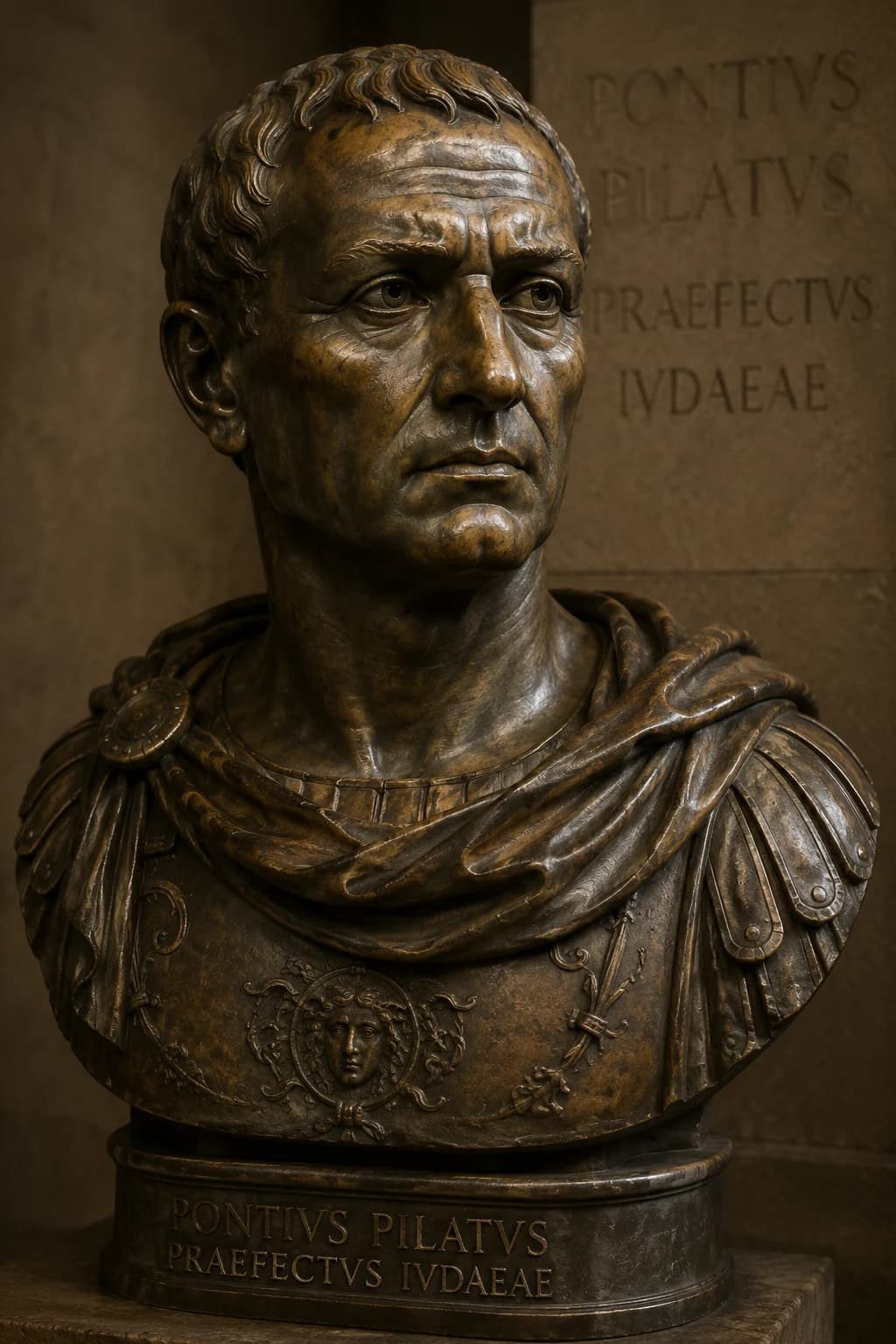
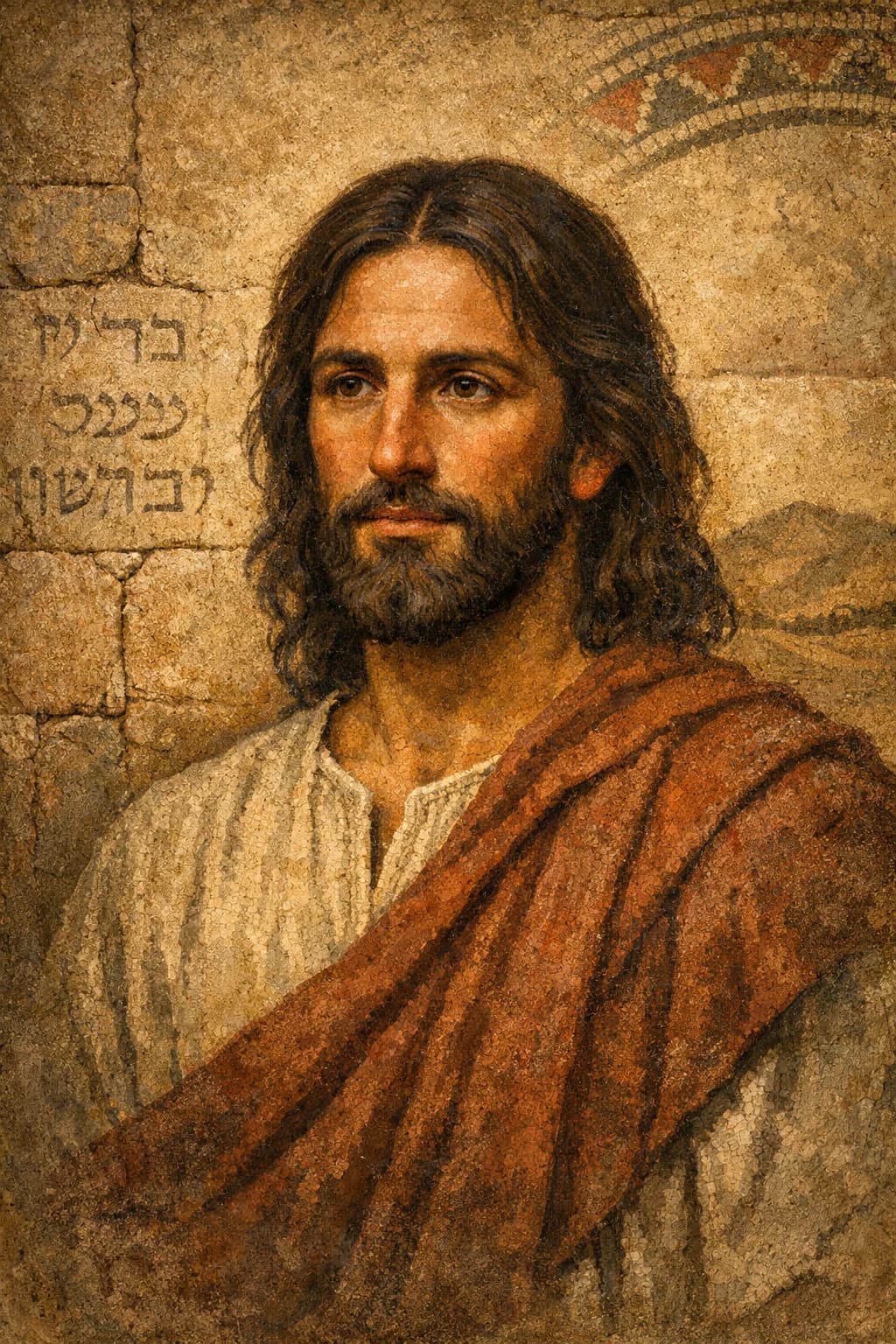
AI-generated portrait of Pontius Pilate as a Roman prefect
AI-assisted historical reconstruction

An illustrative reconstruction based on historical context. It is not a photograph or documentary likeness. Image policy

Quick answer

Pontius Pilate was the Roman prefect of Judea from about 26 to 36 CE. He is best known for presiding over the trial of Jesus and authorising his crucifixion.

Role
Roman prefect of Judea
Years
c. 26-36 CE
Quick facts

Profile details

Additional identity and tagging details that are not already covered in the introduction.

Also known as
Pilate
Facts

Pontius Pilate timeline facts

Selected specifics from this profile's life story.

c. 26 CE
Appointed to Judea

Pontius Pilate became Roman prefect of Judea, a province where imperial authority had to manage local law, temple politics and public unrest.

26-30 CE
Governing a tense province

Pilate's rule involved disputes over symbols, money, public works and the limits of Roman interference in Jewish life.

c. 36 CE
Removal from office

Pilate was removed after violence connected with a Samaritan gathering, ending his governorship of Judea.

after 36 CE
Enduring memory

Pilate's later life is obscure, but Christian tradition made his name known wherever the story of Jesus' crucifixion was told.

Life Journey

A Roman official remembered through a crucifixion

Follow the story in a more continuous narrative, with a reading mode that matches how much depth you want.

Complete chronology

c. 26 CE

Appointed to Judea

Pontius Pilate entered history as a Roman equestrian official appointed prefect of Judea under Emperor Tiberius. The province was small but sensitive. Roman governors had to collect revenue, maintain order, work with local elites and avoid provoking crowds around Jerusalem's temple and festivals. Pilate's authority rested on imperial backing and military force, but effective rule required judgement as well as command. Later sources remember him as harsh, impatient and willing to use violence, though they also reflect the tensions of a province where Roman power and Jewish religious life met at close quarters.
26-30 CE

Governing a tense province

Pilate governed through a combination of negotiation and coercion. Ancient Jewish writers describe conflicts over imperial standards, funds connected with the temple treasury and crowd protests that could become dangerous. These accounts portray a governor willing to test local boundaries and then use intimidation or violence when challenged. Judea was not an ordinary administrative posting. Jerusalem's festivals brought large crowds into a politically charged city, and messianic or prophetic movements could quickly look like threats to Roman order. Pilate's central task was not popularity. It was preventing disorder in a province where religious meaning and political danger were tightly linked.

c. 30 CE

The trial of Jesus

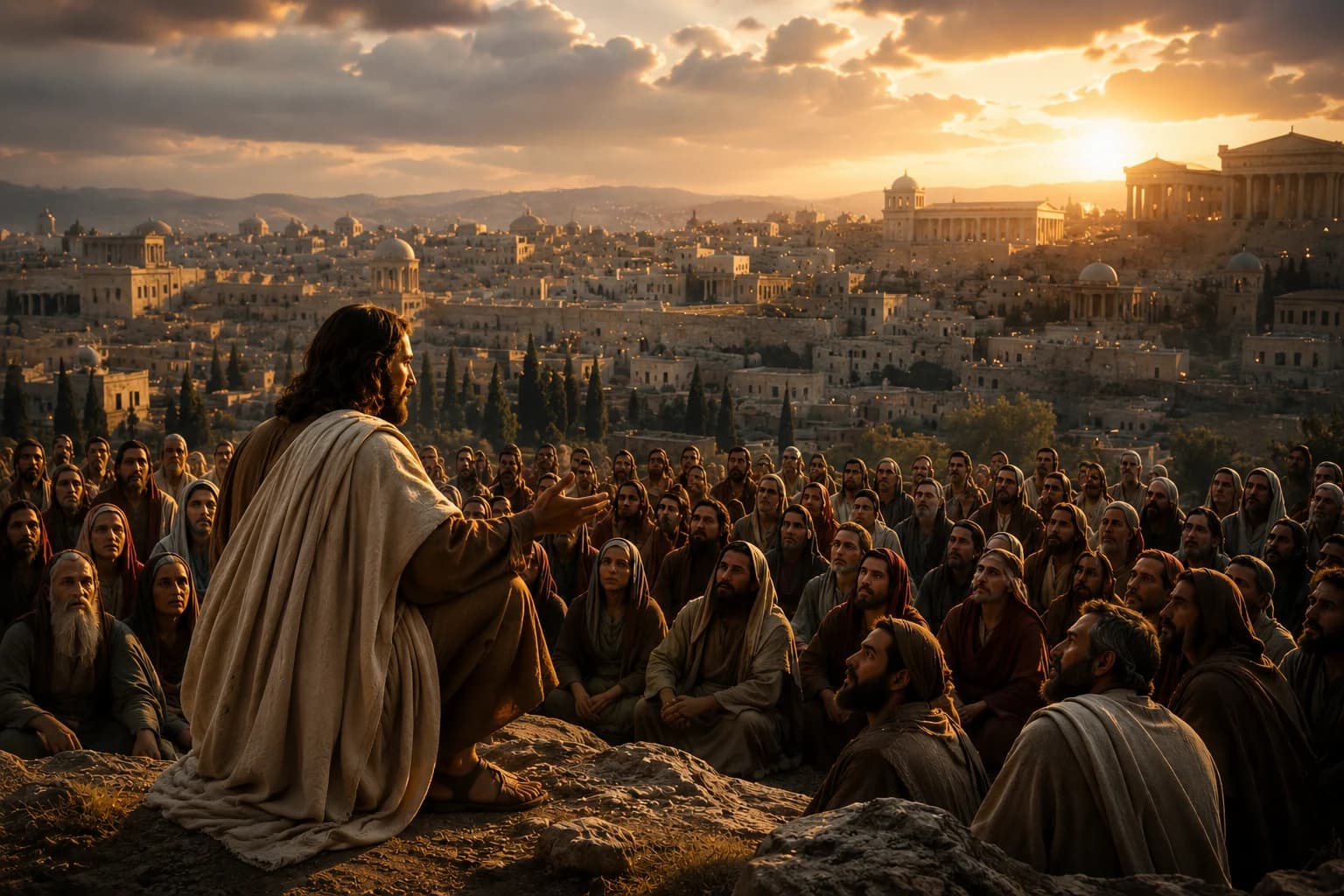
Pilate is best known because the Gospels place him at the trial of Jesus. Historians debate the precise legal process and the relationship between Roman and local authorities, but the core outcome is clear: Rome crucified Jesus. The charge remembered in the Gospel accounts, King of the Jews, explains why a provincial teacher could become a Roman matter. Crucifixion was a punishment used to display domination and deter rebellion. Whether Pilate saw Jesus as a serious revolutionary or as a small risk best removed before unrest spread, his decision placed Roman authority behind the execution that became central to Christian memory.

c. 36 CE

Removal from office

Pilate's governorship appears to have ended after troops suppressed a Samaritan gathering associated with hopes of sacred revelation on Mount Gerizim. Complaints reached the governor of Syria, who ordered Pilate to Rome to answer for his conduct. By the time Pilate arrived, Tiberius had died, and his later fate is uncertain. The episode fits the broader pattern remembered by ancient sources: a governor whose instinct for force could preserve order in the short term but damage legitimacy and invite higher-level intervention.

after 36 CE

Enduring memory

After his removal, Pilate disappears into uncertainty. His historical importance comes less from a long public career than from the event attached to his name. Christian creeds and liturgy remembered that Jesus suffered under Pontius Pilate, anchoring the crucifixion in Roman history and public authority. That memory made Pilate more famous than many greater governors and commanders. He became a symbol of compromised judgement, imperial power and the collision between political order and religious meaning. In that sense, Pilate's legacy was shaped by people he never intended to empower.

Continue in context

Connected stories

Move from the profile into the wider events and settings this figure belongs to.

Tertiary paths

Content note

This profile is written for educational use and connects to related Stories of History pages. The main portrait is an AI-assisted historical reconstruction, included as an illustrative aid rather than documentary evidence. Image policy

References

Sources & Further Reading

Reliable reference works, archives and reading paths connected to this profile.

Further reading

  1. Encyclopaedia Britannica, Search results for Pontius Pilate,” accessed June 2026.Open source
  2. WorldCat, Books and library holdings for Pontius Pilate,” accessed June 2026.Open source

Primary sources

  1. Library of Congress, Search results for Pontius Pilate,” accessed June 2026.Open source

Reviewed claim sources

Loading reviewed claim sources...

A weekly route through history

Find out first about the latest published stories, feature notes and occasional Premium offers in one weekly email.