People

Jesus of Nazareth

Jesus of Nazareth was a first-century Jewish teacher and the central figure of Christianity, whose life, crucifixion and reported resurrection transformed world history.

Born
4 BCE
Died
30 CE
Role
Central figure of Christianity

Central figure of Christianity (4 BC–30)

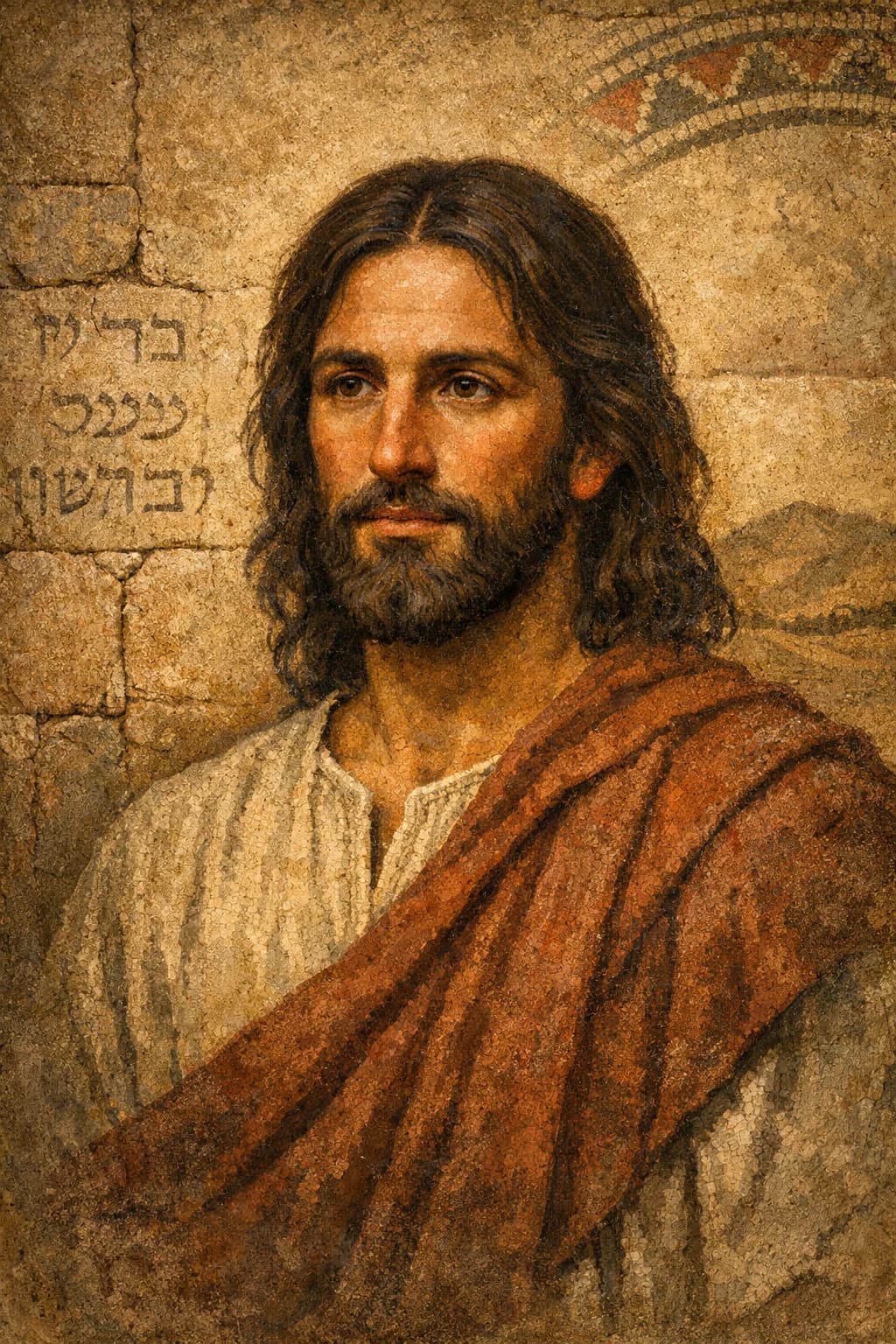
AI-generated portrait of Jesus of Nazareth in traditional first-century attire
AI-assisted historical reconstruction

An illustrative reconstruction based on historical context. It is not a photograph or documentary likeness. Image policy

Quick answer

Jesus of Nazareth was a first-century Jewish teacher and the central figure of Christianity, whose life, crucifixion and reported resurrection transformed world history.

Born
4 BCE
Died
30 CE
Role
Central figure of Christianity
Years
4 BCE-30 CE
Facts

Jesus of Nazareth timeline facts

Selected specifics from this profile's life story.

c. -4–12
Humble origins

Jesus was born near the end of Herod the Great's reign and grew up in Nazareth, a Jewish village in Galilee under Roman imperial power.

c. 27–29
Gathering followers

Jesus gathered disciples, including the Twelve, whose symbolic number pointed to the renewal of Israel.

c. 30
Arrest and execution

Jesus was arrested, handed to Roman authority and crucified under Pontius Pilate, probably around AD 30.

60 onward
Enduring legacy

Jesus' legacy shaped Christianity, world culture, ethics, art, politics and spiritual life on a scale unmatched by most figures in history.

Life Journey

A story of teaching, challenge and enduring spiritual impact

Follow the story in a more continuous narrative, with a reading mode that matches how much depth you want.

Complete chronology

c. -4–12

Humble origins

Jesus of Nazareth was born around the final years of Herod the Great, probably before the calendar date later assigned as year one. The Gospels place his birth in Bethlehem and his upbringing in Nazareth; historians debate details of the infancy narratives, but agree that Jesus emerged from first-century Jewish Galilee. His world was not abstractly spiritual. It was shaped by Roman power, Herodian client rulers, taxation, village labor, synagogue life, pilgrimage to Jerusalem and Israel's scriptures. He likely worked in a craft trade, traditionally identified as carpentry or building. That setting matters because Jesus spoke in the language of fields, debts, meals, seeds, households and kings. His message grew from ordinary life under extraordinary religious and political pressure.
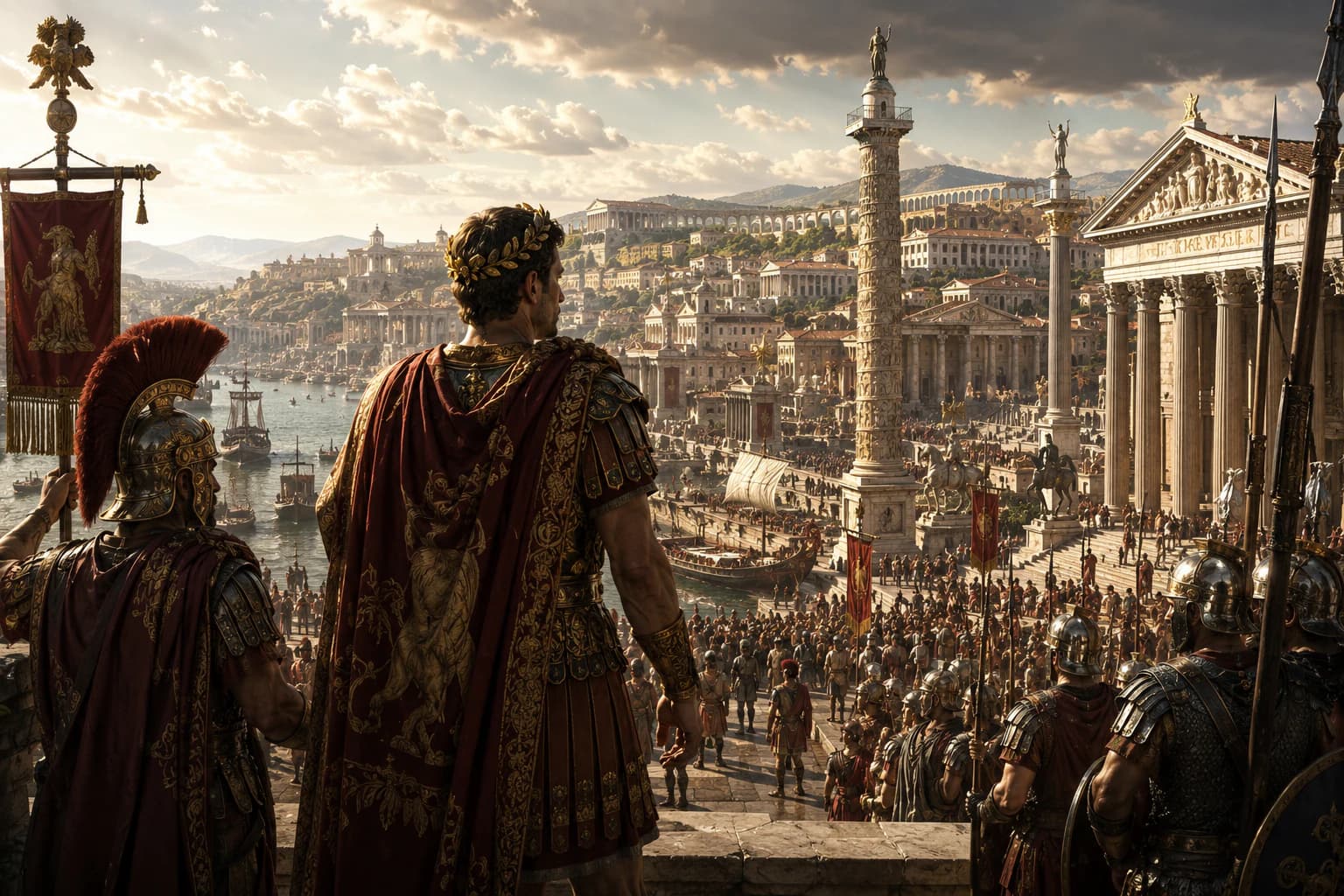
c. 20s

Spiritual awakening

All four canonical Gospels connect Jesus' public emergence with John the Baptist, an ascetic prophet who called Israel to repentance and baptized people in the Jordan. Jesus' baptism by John is one of the strongest historical memories in the tradition because it was potentially awkward for later Christians who saw Jesus as greater than John. The event places Jesus inside Jewish renewal movements that expected divine intervention and moral urgency. After John was arrested, Jesus' own proclamation came into focus: the kingdom of God was near. That phrase did not mean a vague improvement in private feeling. It announced God's rule breaking into history, demanding repentance, trust and a reordering of values.

c. 27

Public teaching begins

Jesus' ministry centered first on Galilee, where he travelled among villages and around the Sea of Galilee teaching, healing and gathering crowds. His parables were short, unsettling stories about debtors, farmers, laborers, fathers, sons, banquets and hidden treasure. They made divine judgment and mercy feel immediate. The Gospels also present healings and exorcisms as signs that God's reign was arriving against forces of sickness, exclusion and evil. Historians debate how to interpret miracle traditions, but their role in the sources is clear: they explain why Jesus drew attention from ordinary people and suspicion from authorities. His message was accessible, but not tame.

c. 27–29

Gathering followers

Jesus did not simply teach isolated listeners; he formed a movement. The Twelve disciples symbolized Israel's twelve tribes, suggesting renewal rather than the creation of a separate religion in Jesus' lifetime. His circle included fishermen, a tax collector in the Gospel tradition, women patrons and followers such as Mary Magdalene, and people whose status made respectable society uneasy. Table fellowship became one of his most provocative practices. Eating with sinners, tax collectors and outsiders was not casual friendliness only; it enacted his claim that God's mercy was reaching the wrong people according to conventional boundaries. That inclusiveness helped make him compelling and controversial.

c. 28–30

Challenging norms

The conflicts around Jesus must be handled carefully. He was not a Christian opposing Judaism; he was a Jew arguing within Jewish tradition about how Israel should respond to God's reign. He debated Sabbath practice, purity, divorce, wealth, forgiveness and the meaning of Torah. His criticisms of scribes, Pharisees, priests and elites belong to a prophetic style also found inside Jewish scripture. Still, his claims were dangerous. He spoke with unusual authority, pronounced forgiveness, challenged status hierarchies and warned that the first could become last. Supporters heard liberation and truth. Opponents could hear disorder, blasphemy or threat.

c. 30

Final journey

Jesus' final days unfolded in Jerusalem at Passover, when the city was crowded with pilgrims remembering liberation from empire while living under Roman rule. The Gospels describe his entry into the city in royal and prophetic imagery, followed by a dramatic action in the Temple. Whether called cleansing, protest or symbolic judgment, the Temple incident likely mattered in the decision to arrest him. The Temple was not only a religious site; it was also a center of authority, money, sacrifice and public order under Rome's watchful eye. Jesus' kingdom message, harmless to neither collaborators nor revolutionaries, now stood in the open where unrest could not be ignored.

c. 30

Arrest and execution

Jesus was arrested after a final meal with his disciples and brought before Jewish authorities, then before Pontius Pilate, the Roman prefect of Judea. The exact legal sequence is debated because the Gospel accounts are theological narratives as well as historical sources. The core fact is firm: Rome crucified Jesus. Crucifixion was a public punishment for rebels, slaves and the politically dangerous. The charge attached to him, King of the Jews, suggests Roman concern about kingship and order, even if Jesus' kingdom was not a conventional military revolt. To his followers, the execution was catastrophic. A crucified messiah seemed, by ordinary expectation, a failed messiah.

c. 30–60

Early movement

The first Christians did not remember Jesus merely as a teacher whose wisdom survived death. They proclaimed that he had been raised from the dead. Historians cannot verify resurrection as they verify ordinary events, but they can observe its historical effect: something convinced Jesus' followers that the crucified one had been vindicated by God. Peter, James, Mary Magdalene and Paul became central figures in spreading that claim. The movement remained Jewish at first, then moved increasingly into Gentile communities across the Roman world. Debates over circumcision, food, law and identity turned Jesus' memory into a new and expanding religious tradition.

60 onward

Enduring legacy

The legacy of Jesus of Nazareth is vast because it is both historical and living. The New Testament, creeds, churches, monastic movements, reformations, missions, art, music, law, moral philosophy and political struggles all carry arguments about who he was and what his life means. Christians worship him as Son of God and risen Lord; Muslims honor him as a prophet; many non-Christians regard him as a moral teacher; historians study him as a Jewish figure in Roman Palestine whose followers transformed his memory into a world religion. That range requires nuance. Jesus did not found a medieval church, write a political constitution or command an empire. Yet the movement centered on him reshaped empires, languages, calendars, identities and ideas of suffering, mercy, justice and hope. To ask why Jesus of Nazareth was important is to ask how a crucified provincial teacher became one of the central reference points of human history.

Continue in context

Connected stories

Move from the profile into the wider events and settings this figure belongs to.

Tertiary paths

Content note

This profile is written for educational use and connects to related Stories of History pages. The main portrait is an AI-assisted historical reconstruction, included as an illustrative aid rather than documentary evidence. Image policy

References

Sources & Further Reading

Reliable reference works, archives and reading paths connected to this profile.

Further reading

  1. Encyclopaedia Britannica, Search results for Jesus of Nazareth,” accessed June 2026.Open source
  2. WorldCat, Books and library holdings for Jesus of Nazareth,” accessed June 2026.Open source

Primary sources

  1. Library of Congress, Search results for Jesus of Nazareth,” accessed June 2026.Open source

Reviewed claim sources

Loading reviewed claim sources...

A weekly route through history

Find out first about the latest published stories, feature notes and occasional Premium offers in one weekly email.