People

Herbert Hoover

Herbert Hoover was the 31st President of the United States from 1929 to 1933. An engineer, humanitarian, and Secretary of Commerce, he is best known for his presidency during the Great Depression, the Reconstruction Finance Corporation, and his defeat by Franklin D. Roosevelt.

Born
1874 CE
Died
1964 CE
Role
31st President of the United States

31st President of the United States (1874–1964)

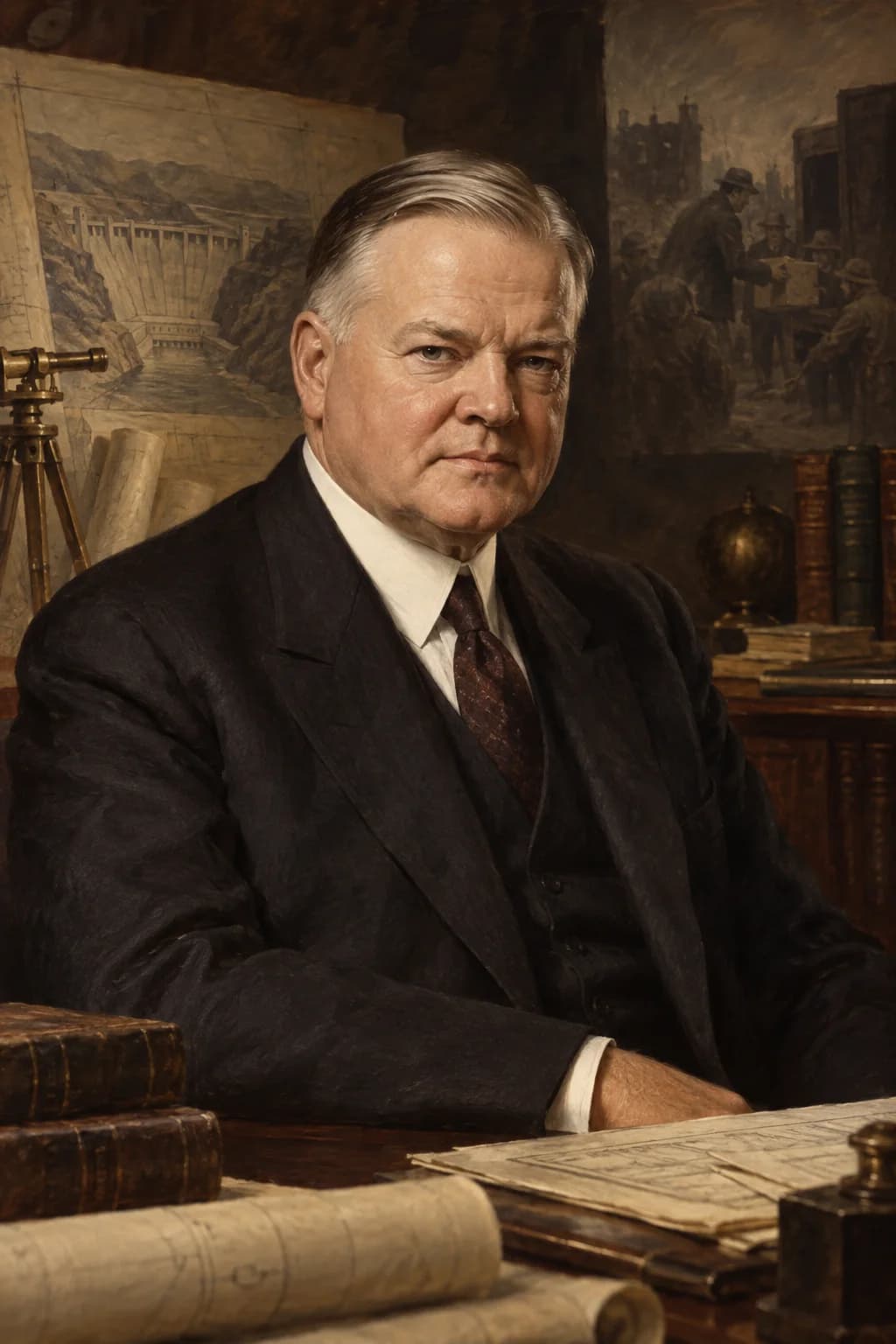
AI-generated portrait of Herbert Hoover in formal presidential attire
AI-assisted historical reconstruction

An illustrative reconstruction based on historical context. It is not a photograph or documentary likeness. Image policy Attribution

Quick answer

Herbert Hoover was the 31st President of the United States from 1929 to 1933. An engineer, humanitarian, and Secretary of Commerce, he is best known for his presidency during the Great Depression, the Reconstruction Finance Corporation, and his defeat by Franklin D. Roosevelt.

Born
1874 CE
Died
1964 CE
Role
31st President of the United States
Years
1874-1964 CE
Facts

Herbert Hoover timeline facts

Selected specifics from this profile's life story.

1874–1884
Humble beginnings

Herbert Hoover was born in West Branch, Iowa, in 1874 and was orphaned before adolescence, a beginning that shaped his faith in self-reliance.

1914–1918
War relief leader

During World War I, Hoover organised food relief for Belgium and later Europe, becoming famous as a humanitarian administrator.

1929–1933
Great Depression

The 1929 crash became the Great Depression, and Hoover's responses proved too limited for mass unemployment, bank failures, and public despair.

1933–1964
Later years

Hoover lived until 1964, advising later presidents, leading government reform commissions, and slowly recovering part of his pre-presidential reputation.

Life Journey

From orphaned youth to crisis-era president

Follow the story in a more continuous narrative, with a reading mode that matches how much depth you want.

Complete chronology

1874–1884

Humble beginnings

Hoover's early life was marked by loss and movement. His father, a Quaker blacksmith and farm implement dealer, died when Herbert was six; his mother died a few years later. The orphaned boy was sent west to live with relatives in Oregon, leaving behind the small Iowa community of his birth. This background became central to Hoover's self-understanding. He learned discipline, silence, work, and independence, but also a suspicion of dependence that would later shape his politics. The future president's strengths and weaknesses grew from the same soil. He believed people could organise themselves, endure hardship, and solve problems through character and cooperation. In prosperity, that belief looked admirable. In depression, it looked painfully insufficient.
1891–1895

Stanford student

Stanford gave Hoover both profession and identity. He studied geology, managed student enterprises, and met Lou Henry, who would become his wife and intellectual partner. Engineering trained him to see problems as systems: locate the fault, gather data, coordinate labour, and make the mechanism work. That method later made him a brilliant administrator of relief and commerce. It also created a limitation. Political suffering does not always behave like a mine, a supply chain, or a broken machine. Hoover's mind was precise, energetic, and practical, but he often struggled to communicate empathy in a language ordinary Americans could feel.

1895–1914

Global engineer

Hoover's engineering career was global. He worked in Western Australia, China during the Boxer Rebellion era, and across mining ventures that required technical judgement, financial nerve, and command of multinational teams. He became rich before middle age, not through inherited privilege but through expertise, risk, and relentless work. This success reinforced his belief in efficiency and expert management. It also gave him an international outlook unusual for an American politician of his generation. Hoover had seen empires, markets, famine, and war from close range. When crisis came in Europe in 1914, he was not a provincial businessman learning the world. He was a global organiser waiting for a public mission.

1914–1918

War relief leader

Hoover's reputation before the presidency rested above all on relief. The Commission for Relief in Belgium fed civilians trapped between German occupation and Allied blockade, requiring diplomacy with enemies, shipping logistics, fundraising, and moral authority. Later, as U.S. Food Administrator and head of postwar relief efforts, Hoover helped move food across a shattered Europe. He showed that private organisation, public authority, and expert logistics could save lives on a massive scale. This was the best version of Hooverism: voluntary cooperation mobilised with discipline and purpose. It made him one of the most admired Americans in the world and created the aura of competence that carried him toward politics.

1919–1928

National prominence

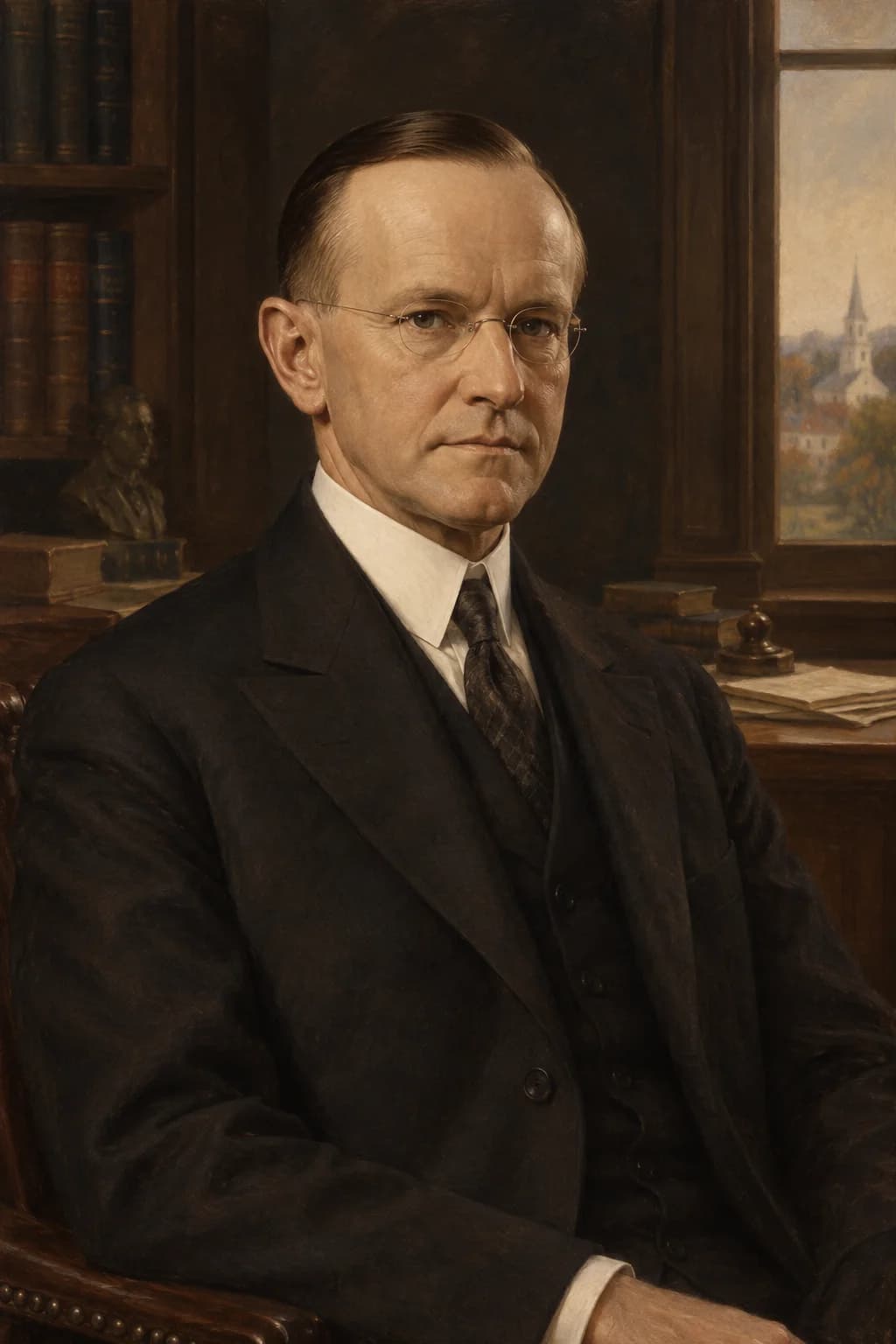
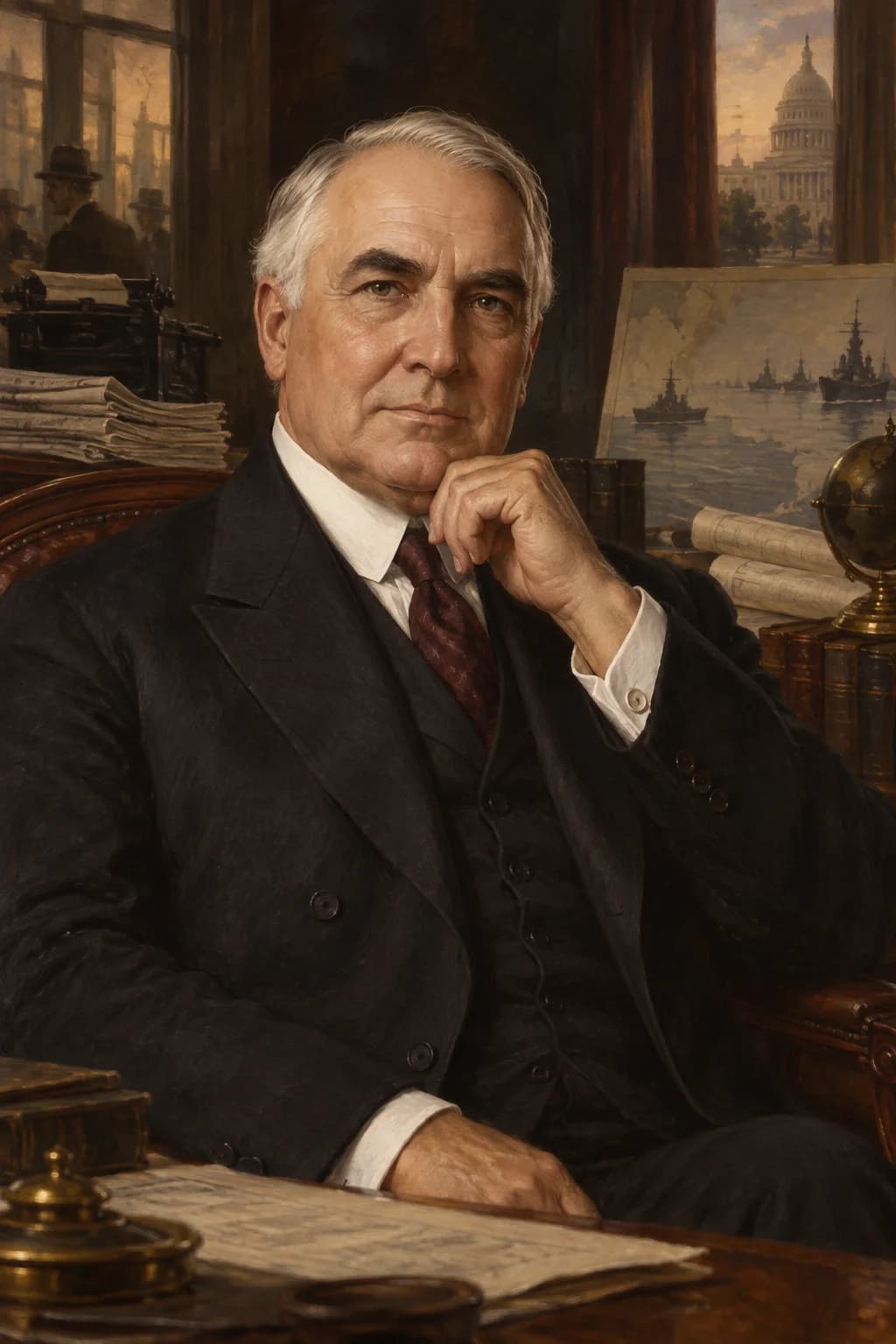
Hoover made the Department of Commerce unusually important. Under Presidents Harding and Coolidge, he encouraged industrial standards, trade associations, research, aviation development, radio regulation, and disaster response. He did not favour laissez-faire in the simplest sense. He believed government should convene, guide, inform, and coordinate, while avoiding direct coercion where voluntary action could work. The 1927 Mississippi flood further displayed his command of emergency administration. By 1928 he looked like the perfect modern Republican: self-made, scientific, humanitarian, international, and prosperous. The problem was that the system he trusted worked best when business confidence, credit, and employment were already functioning.

1928

Elected president

Hoover entered the White House with extraordinary expectations. The 1920s had produced consumer expansion, stock-market enthusiasm, and a public faith in business civilisation that seemed to vindicate his worldview. He defeated Democrat Al Smith decisively and appeared to embody modern competence. Yet beneath the optimism were weaknesses: uneven income distribution, agricultural distress, speculative finance, fragile banking, and international debt problems left over from World War I. Hoover did not create those conditions, but he inherited them at exactly the wrong moment. The presidency would test whether his belief in cooperation and confidence could survive a crisis of collapse rather than coordination.

1929–1933

Great Depression

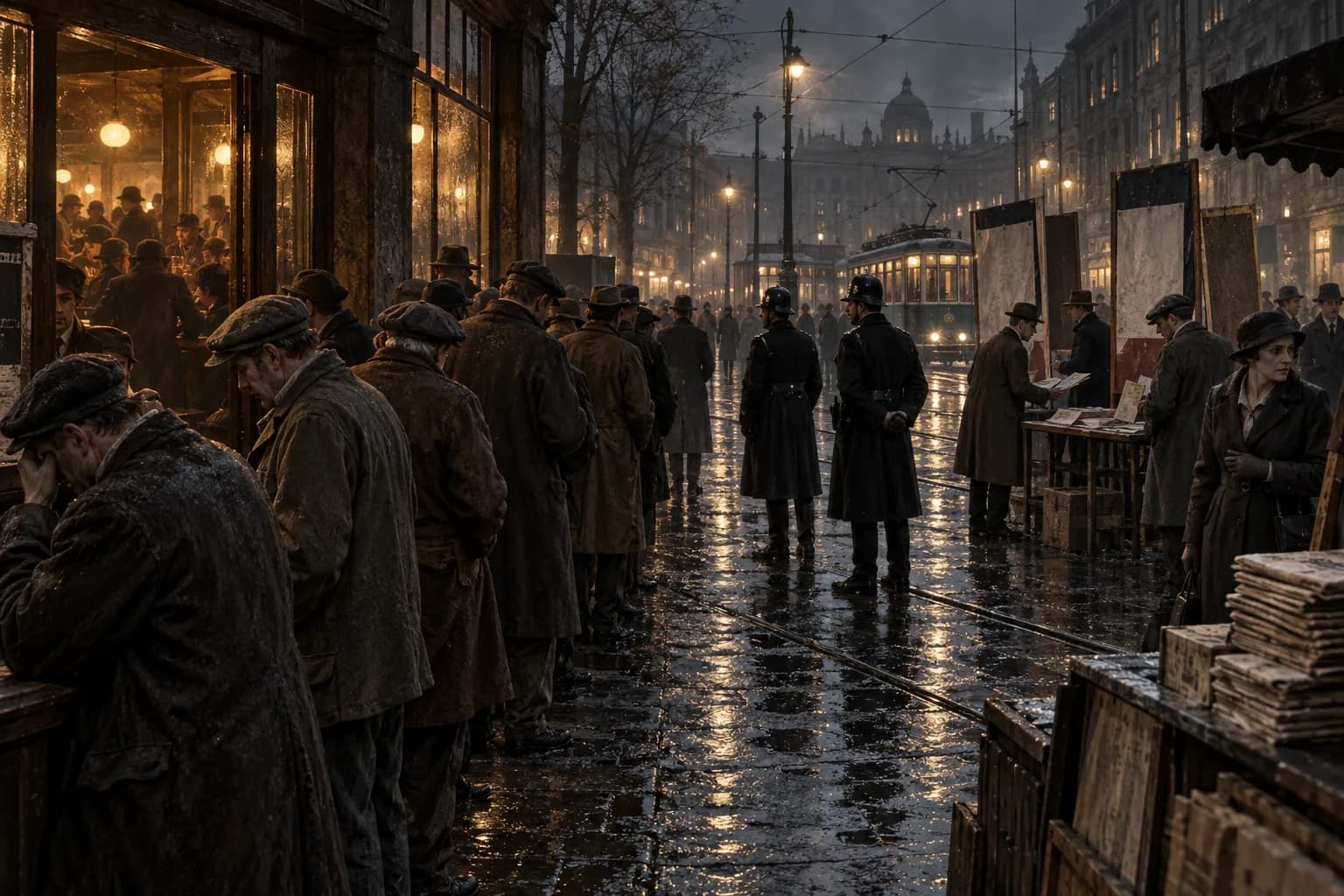
Hoover was not inactive, despite the later myth of total passivity. He urged businesses to maintain wages, supported public works, signed the Reconstruction Finance Corporation to lend to banks and businesses, backed the Federal Home Loan Bank system, and eventually accepted some federal relief through loans to states. But his instincts set limits. He resisted direct federal cash relief to individuals, feared undermining local responsibility, supported a balanced-budget logic that led to tax increases in 1932, and signed the Smoot-Hawley Tariff, which worsened international trade tensions. As unemployment soared and shantytowns became 'Hoovervilles' in popular language, his technical seriousness could not overcome the impression that he did not grasp the human emergency.

1932

Election loss

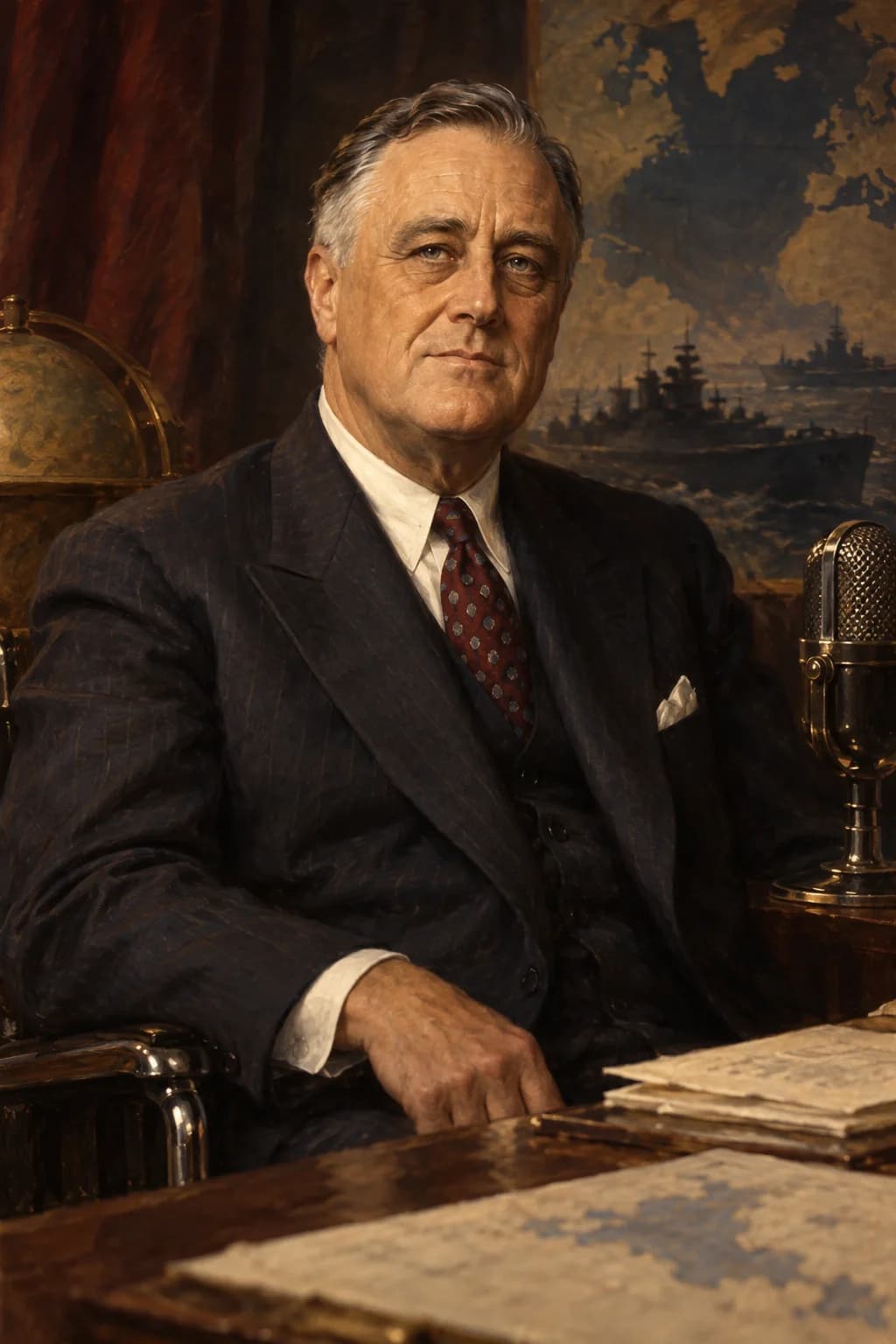
By 1932 Hoover had become the face of national suffering. The Bonus Army episode, in which veterans demanding early payment were driven from Washington after clashes and military intervention, deepened the image of a government distant from distress. Franklin D. Roosevelt campaigned on energy, experimentation, and a New Deal, even if many details remained vague. Hoover warned against dangerous centralisation and believed Roosevelt was promising more than the Constitution or sound economics should allow. The electorate chose action over caution. The defeat was not merely personal. It marked a major turning point in American expectations of the federal government.

1933–1964

Later years

Hoover spent more than three decades as an ex-president, longer than he had spent as a national politician. He became a fierce critic of the New Deal, warning that it betrayed American individualism, yet later presidents still used his administrative gifts. The Hoover Commissions under Truman and Eisenhower recommended reforms to federal organisation. He also returned to humanitarian concerns after World War II, helping assess food needs in devastated countries. Over time, historians have separated Hoover the failed Depression president from Hoover the engineer, organiser, and relief leader. The separation should not excuse his failures in office, but it makes the biography richer. Hoover was a capable man defeated by a crisis that demanded a political imagination he did not possess.

Continue in context

Connected stories

Move from the profile into the wider events and settings this figure belongs to.

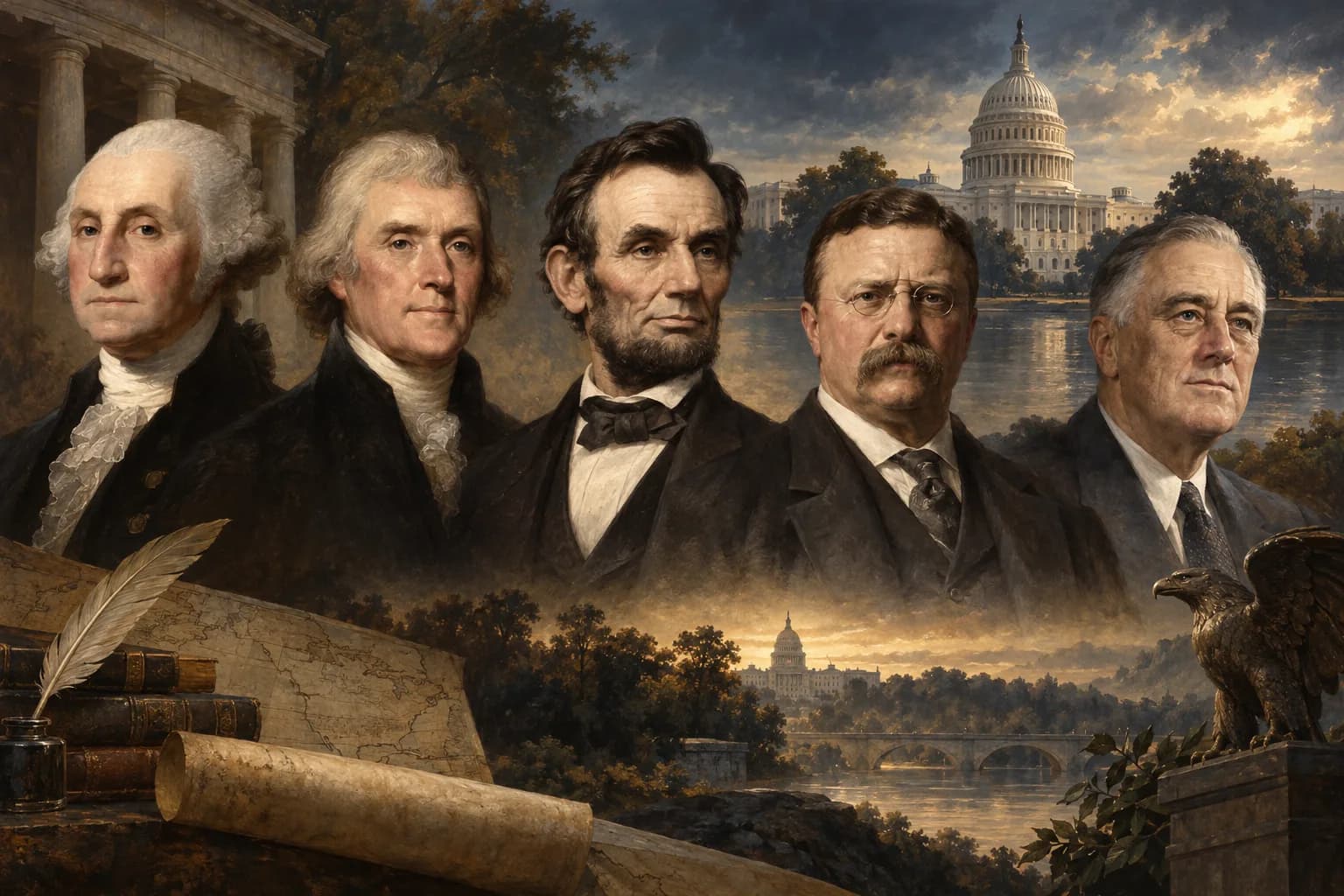
American Presidents lineage
Lineage47 presidents
American Presidents
1789 CE–present

The succession of American presidents from George Washington to today.

View lineage
Tertiary paths

Content note

This profile is written for educational use and connects to related Stories of History pages. The main portrait is an AI-assisted historical reconstruction, included as an illustrative aid rather than documentary evidence. Image policy Image attribution

References

Sources & Further Reading

Reliable reference works, archives and reading paths connected to this profile.

Further reading

  1. Encyclopaedia Britannica, Search results for Herbert Hoover,” accessed June 2026.Open source
  2. WorldCat, Books and library holdings for Herbert Hoover,” accessed June 2026.Open source

Primary sources

  1. Library of Congress, Search results for Herbert Hoover,” accessed June 2026.Open source

Reviewed claim sources

Loading reviewed claim sources...

A weekly route through history

Find out first about the latest published stories, feature notes and occasional Premium offers in one weekly email.