People

Harold Wilson

Harold Wilson was Labour Prime Minister of the United Kingdom from 1964 to 1970 and 1974 to 1976. He won four general elections, promoted social reform, kept Britain out of the Vietnam War, devalued the pound, and held the 1975 Europe referendum.

Born
1916 CE
Died
1995 CE
Role
Labour Prime Minister

Labour Prime Minister (1916–1995)

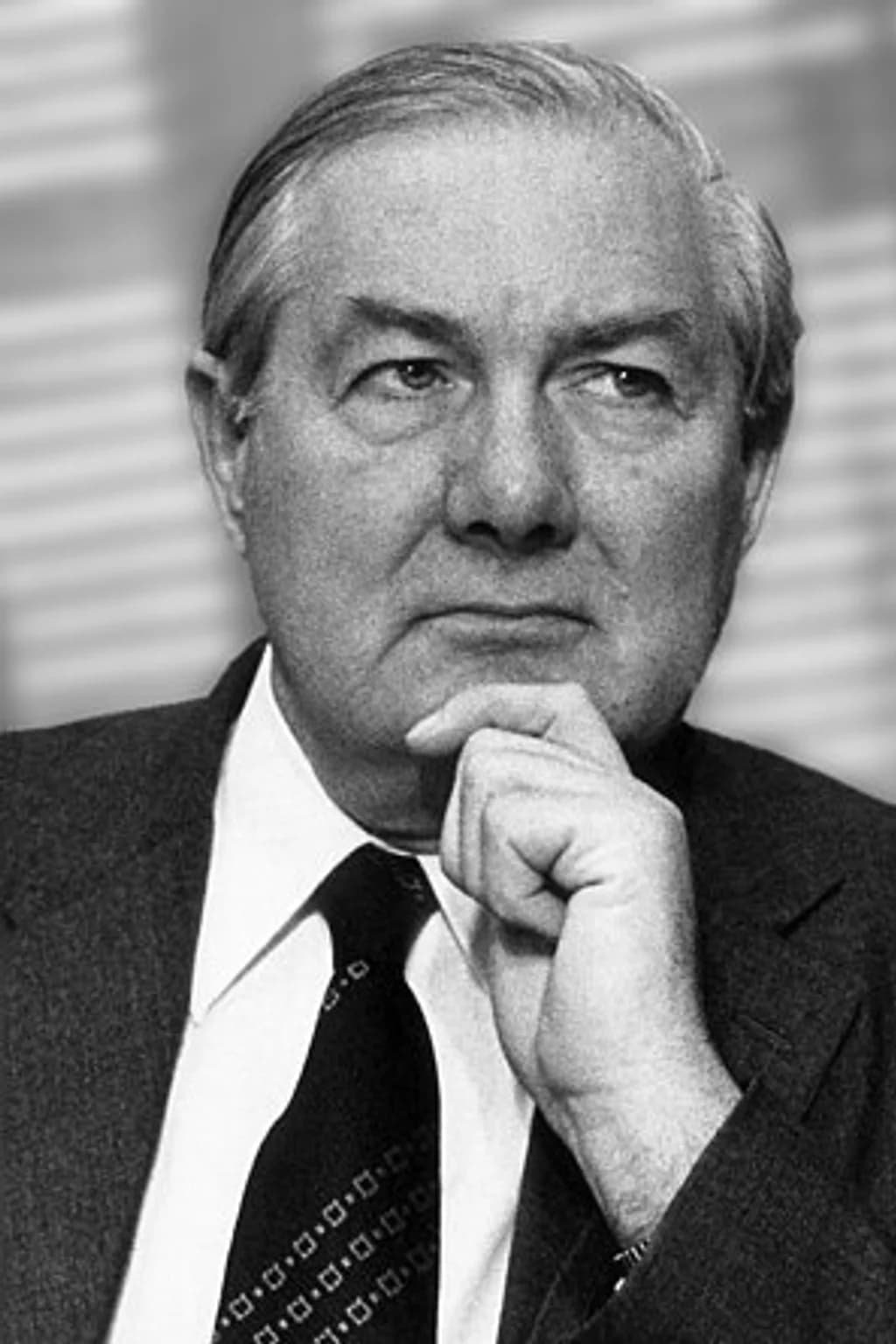
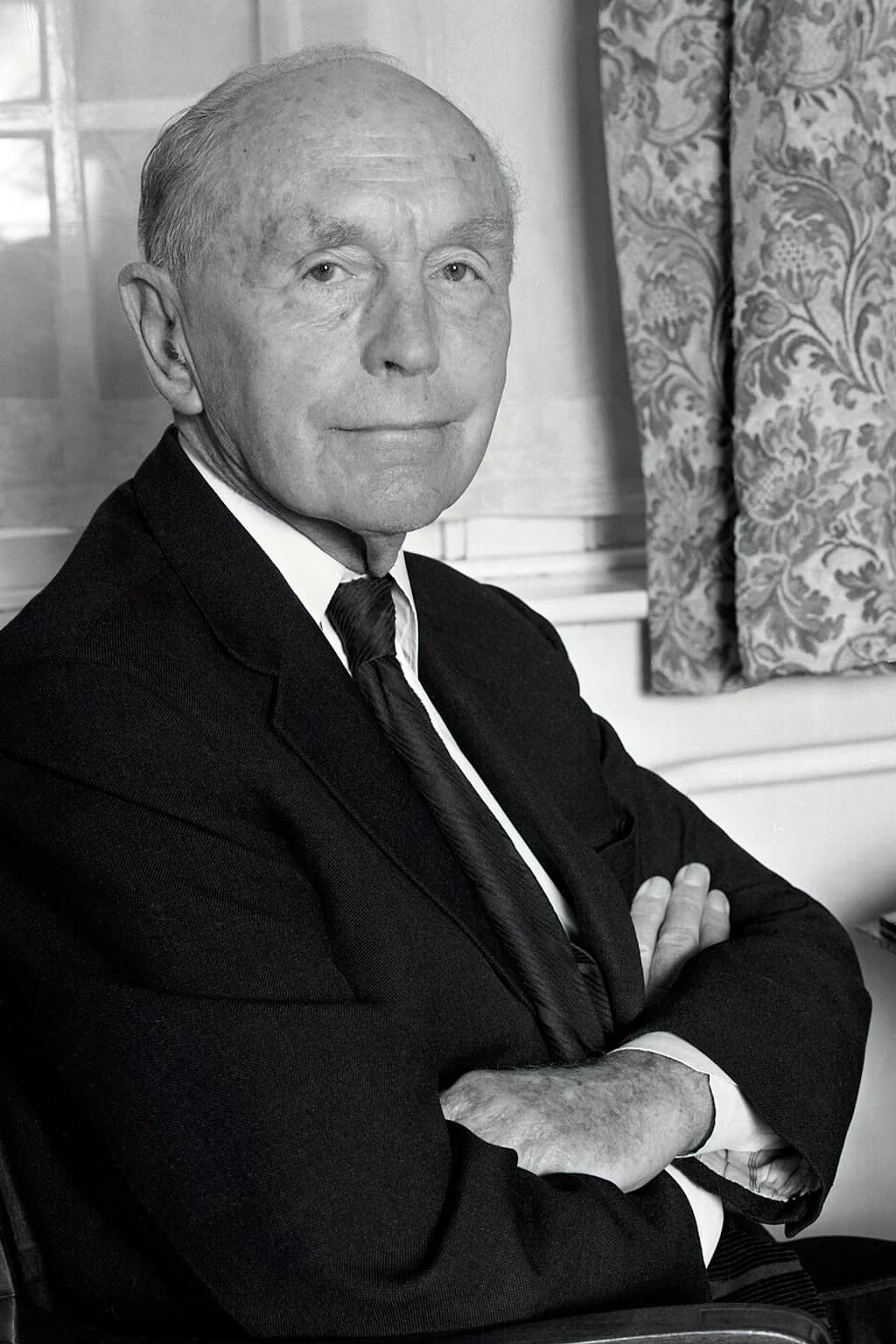
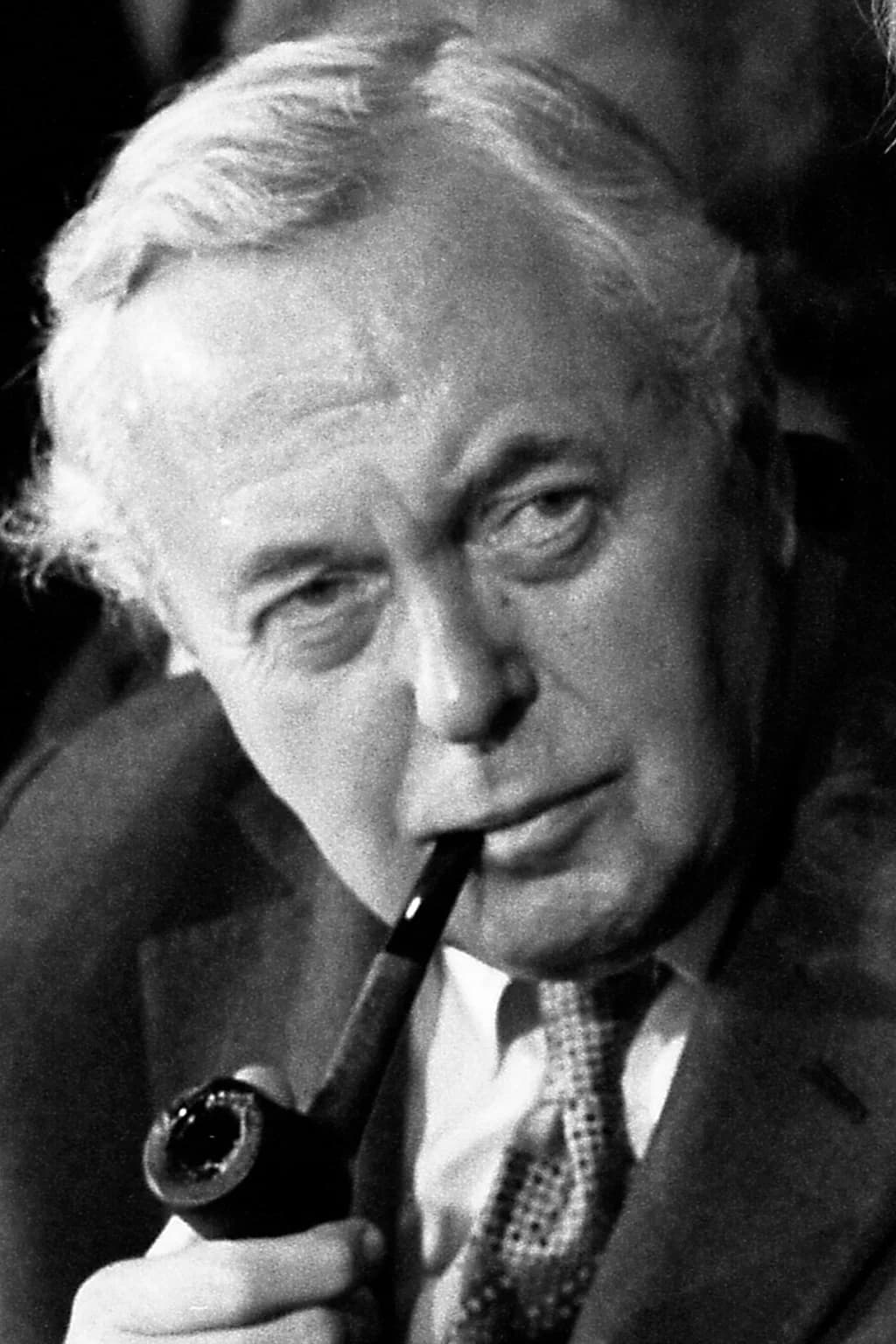
Portrait photograph of Harold Wilson
Historical photograph

A real historical or editorial image is used here. Source, licence and transformation details are publicly recorded. Image policy Attribution

Quick answer

Harold Wilson was Labour Prime Minister of the United Kingdom from 1964 to 1970 and 1974 to 1976. He won four general elections, promoted social reform, kept Britain out of the Vietnam War, devalued the pound, and held the 1975 Europe referendum.

Born
1916 CE
Died
1995 CE
Role
Labour Prime Minister
Years
1916-1995 CE
Quick facts

Profile details

Additional identity and tagging details that are not already covered in the introduction.

Also known as
Harold Wilson Prime Minister, Labour Prime Minister Wilson
Facts

Harold Wilson timeline facts

Selected specifics from this profile's life story.

1916
Humble beginnings

Harold Wilson was born in Huddersfield in 1916 into a lower-middle-class family that prized education, discipline, and the possibility of advancement through talent.

1947–1951
Cabinet advancement

As President of the Board of Trade, Wilson became one of the youngest Cabinet ministers of the century and built a reputation for energy and detail.

1970–1974
Years in opposition

After losing the 1970 election to Edward Heath, Wilson held Labour together through arguments over Europe, unions, inflation, and Britain's economic direction.

1976–1995
Resignation and legacy

Wilson resigned in 1976, surprising the country, and left a legacy of electoral skill, social reform, economic frustration, and careful crisis management.

Life Journey

A strategist navigating power and pressure

Follow the story in a more continuous narrative, with a reading mode that matches how much depth you want.

Complete chronology

1916

Humble beginnings

James Harold Wilson grew up far from the aristocratic world that had produced many earlier British prime ministers. His family was respectable but not wealthy; education mattered because it offered movement. That background shaped his political personality. Wilson learned to value intelligence as practical power, not ornament. He was quick with figures, quick with words, and alert to the social meanings of class. His childhood also unfolded in the shadow of interwar economic insecurity, giving Labour politics more than theoretical appeal. Wilson's later image, pipe in hand and Yorkshire vowels carefully retained, was partly crafted, but it rested on something real. He understood the aspirations of families who wanted security, opportunity, and respect without deference to old elites.

1930s

Academic rise

Wilson's academic rise was astonishingly fast. At Oxford he studied modern history and then economics, became a don, and developed the fluency with statistics, planning, and policy that later defined his public style. He did not treat economics as distant theory. For his generation, unemployment, trade, production, and welfare were the central questions of national survival. During the Second World War he worked in the civil service on economic and statistical matters, gaining experience in the machinery of the state before he had a parliamentary career. This technocratic formation mattered. Wilson would later speak of the 'white heat' of technological revolution because he believed modern government needed knowledge, planning, and scientific confidence. His limitation was that the economy often proved less obedient than the models and speeches suggested.

1945

Entry into politics

Wilson entered the House of Commons in 1945 as part of Clement Attlee's transformative Labour majority. The timing could hardly have suited him better. Postwar Britain needed ministers who could discuss rationing, production, trade, exports, fuel, and reconstruction with confidence. Wilson's command of detail marked him out quickly. He became one of the young technocrats of the Labour project, comfortable with the idea that government could organise a fairer and more efficient society. His early parliamentary success also revealed a lifelong trait: he could translate technical issues into political language. That skill made him valuable, but it also encouraged suspicion among colleagues who saw calculation behind every phrase. Wilson rose because he was brilliant; he survived because he learned how to make brilliance useful to factions that did not always trust him.

1947–1951

Cabinet advancement

Wilson's Cabinet rise was rapid. As President of the Board of Trade, he dealt with commerce, exports, and the difficult transition from wartime controls to peacetime recovery. He was energetic, ambitious, and sometimes abrasive. In 1951 he resigned with Aneurin Bevan and John Freeman over the introduction of NHS charges linked to defence spending, a decision that placed him within Labour's internal arguments about socialism, austerity, and Cold War priorities. Wilson was not a simple Bevanite rebel, but the resignation gave him credibility with the left without permanently excluding him from the centre. This balancing act became a pattern. He learned to move between principle and positioning, policy and party management, conviction and survival. Critics called it slippery. Supporters saw political intelligence under pressure.

1963

Becoming leader

When Hugh Gaitskell died in 1963, Wilson won the Labour leadership by offering something unusually flexible: enough left-wing credibility to reassure activists, enough moderation to appeal to voters, and enough modern language to make Labour seem like the future rather than the past. His famous speech about the 'white heat' of technological revolution gave him a powerful identity. Britain, he argued, needed science, industry, education, and planning if it was to avoid decline. The message landed because the Conservative government looked tired after Suez, economic problems, and scandal. Wilson was a master of contrast. He made himself appear meritocratic, northern, clever, and contemporary. Yet the promise of modernisation created expectations that a narrow parliamentary majority and weak economic position would soon make difficult to meet.

1964–1970

First term in power

Wilson's first premiership began with a tiny majority and a large promise of renewal. His government supported or enabled some of the most important social changes of modern Britain, including reforms connected to abortion, homosexuality, divorce, capital punishment, race relations, and education, though many came through private members' bills with government time and support rather than as a single Wilson programme. He also created the Open University, one of his most enduring achievements. But the economy dominated the centre of government. Sterling crises forced pressure on spending and policy, and in 1967 the pound was devalued after repeated attempts to avoid it. Wilson's broadcast insisting that the pound in people's pockets had not been devalued became a symbol of his defensive cleverness. He modernised, but constantly under financial siege.

1970–1974

Years in opposition

Wilson expected to win in 1970 and did not. Defeat was a shock, but he remained Labour leader and navigated one of the party's most difficult periods. Edward Heath took Britain into the European Economic Community in 1973, while Labour divided over whether membership protected Britain's future or threatened parliamentary sovereignty and socialist planning. Industrial conflict, inflation, and the miners' strike weakened the Conservative government and created an opening. Wilson's skill in opposition was not ideological purity. It was party management. He allowed Labour's different wings enough space to stay inside the tent, promised renegotiation of EEC terms, and presented himself as the experienced alternative to confrontation. By 1974, Britain needed someone who could bargain. That was Wilson's strongest language.

1974–1976

Return to power

Wilson's second premiership was more about containment than transformation. The February 1974 election produced a hung parliament after Heath asked who governed Britain during the miners' strike. Wilson formed a minority Labour government, then won a narrow majority in October. He faced high inflation, wage pressure, energy problems, and a party divided over Europe and economic strategy. His major constitutional-political achievement was the 1975 referendum on continued EEC membership. By renegotiating terms and allowing ministers to campaign on different sides, he contained a conflict that might otherwise have split Labour more violently. The public voted to remain. This was Wilson at his most characteristic: not resolving every argument intellectually, but designing a political process that kept government moving. It was unglamorous and highly effective.

1976–1995

Resignation and legacy

Wilson resigned in March 1976, earlier than many expected, handing power to James Callaghan. His reasons have been debated, including exhaustion, age, health concerns, and a desire to leave before decline overtook him. Later years were shadowed by illness and by speculation, some of it exaggerated, about plots and surveillance. His historical legacy is contested but substantial. He won four general elections, more than any other Labour leader, and kept Britain out of direct military involvement in Vietnam despite intense American pressure. He presided over liberal social change and educational expansion, but failed to overcome Britain's productivity problems, currency weakness, and industrial tensions. To ask why Harold Wilson was important is to see the promise and limits of postwar social democracy: intelligent, reforming, tactically brilliant, but hemmed in by economic forces stronger than any speech about modernity.

Continue in context

Connected stories

Move from the profile into the wider events and settings this figure belongs to.

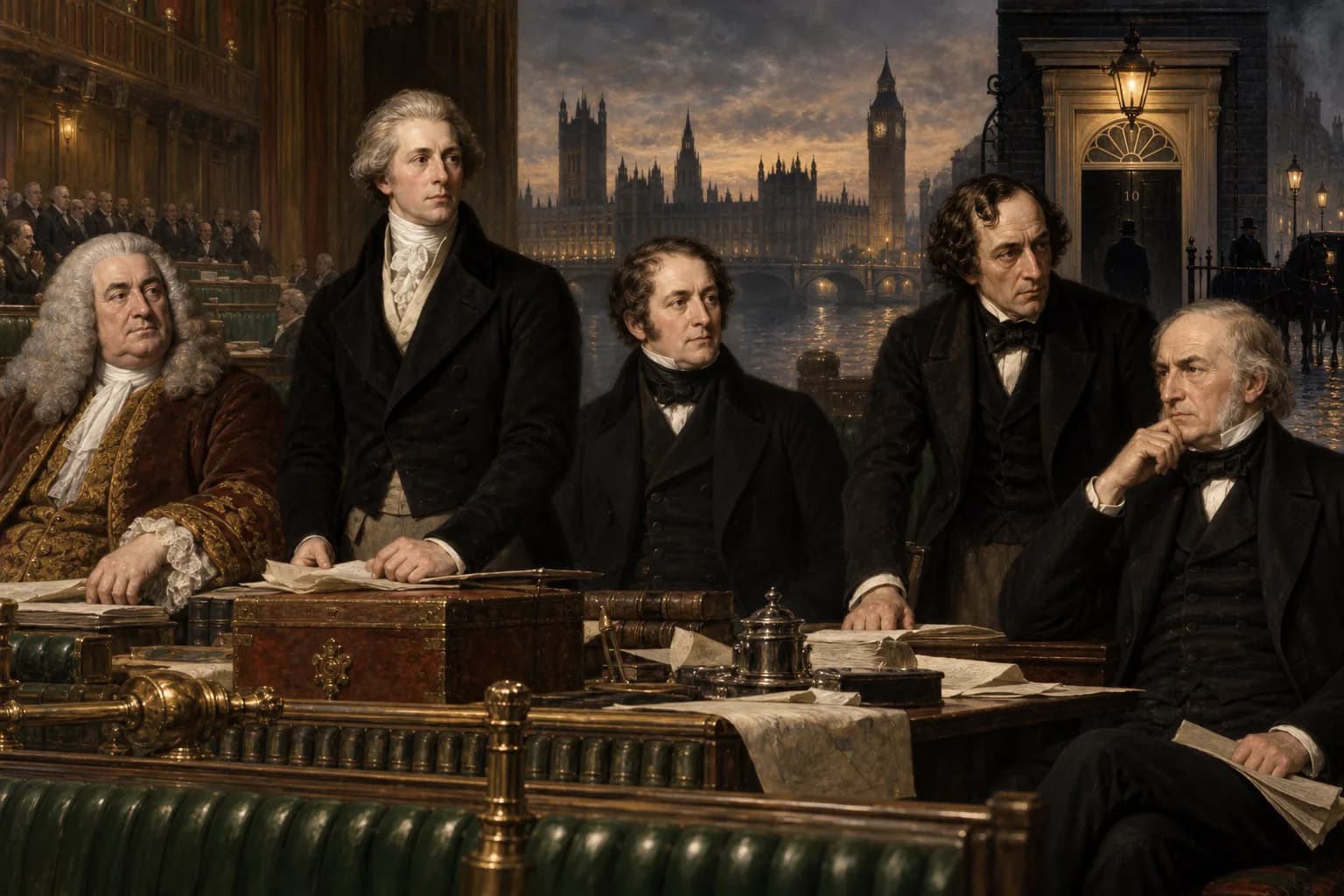
British Prime Ministers lineage
LineagePrime ministers in sequence
British Prime Ministers
1721 CE–present

Explore British prime ministers from Walpole to the present.

View lineage
Tertiary paths

Content note

This profile is written for educational use and connects to related Stories of History pages. The main portrait uses a real historical or editorial image, with source and licence details recorded for attribution review. Image policy Image attribution

References

Sources & Further Reading

Reliable reference works, archives and reading paths connected to this profile.

Further reading

  1. Encyclopaedia Britannica, Search results for Harold Wilson,” accessed June 2026.Open source
  2. WorldCat, Books and library holdings for Harold Wilson,” accessed June 2026.Open source

Primary sources

  1. Library of Congress, Search results for Harold Wilson,” accessed June 2026.Open source

Reviewed claim sources

Loading reviewed claim sources...

A weekly route through history

Find out first about the latest published stories, feature notes and occasional Premium offers in one weekly email.