People

Edward Heath

Sir Edward Heath was Conservative Prime Minister from 1970 to 1974. He took Britain into the European Economic Community, confronted inflation and trade union power, and lost office during the miners' strike and three-day week.

Born
1916 CE
Died
2005 CE
Role
Conservative Prime Minister

Conservative Prime Minister (1916–2005)

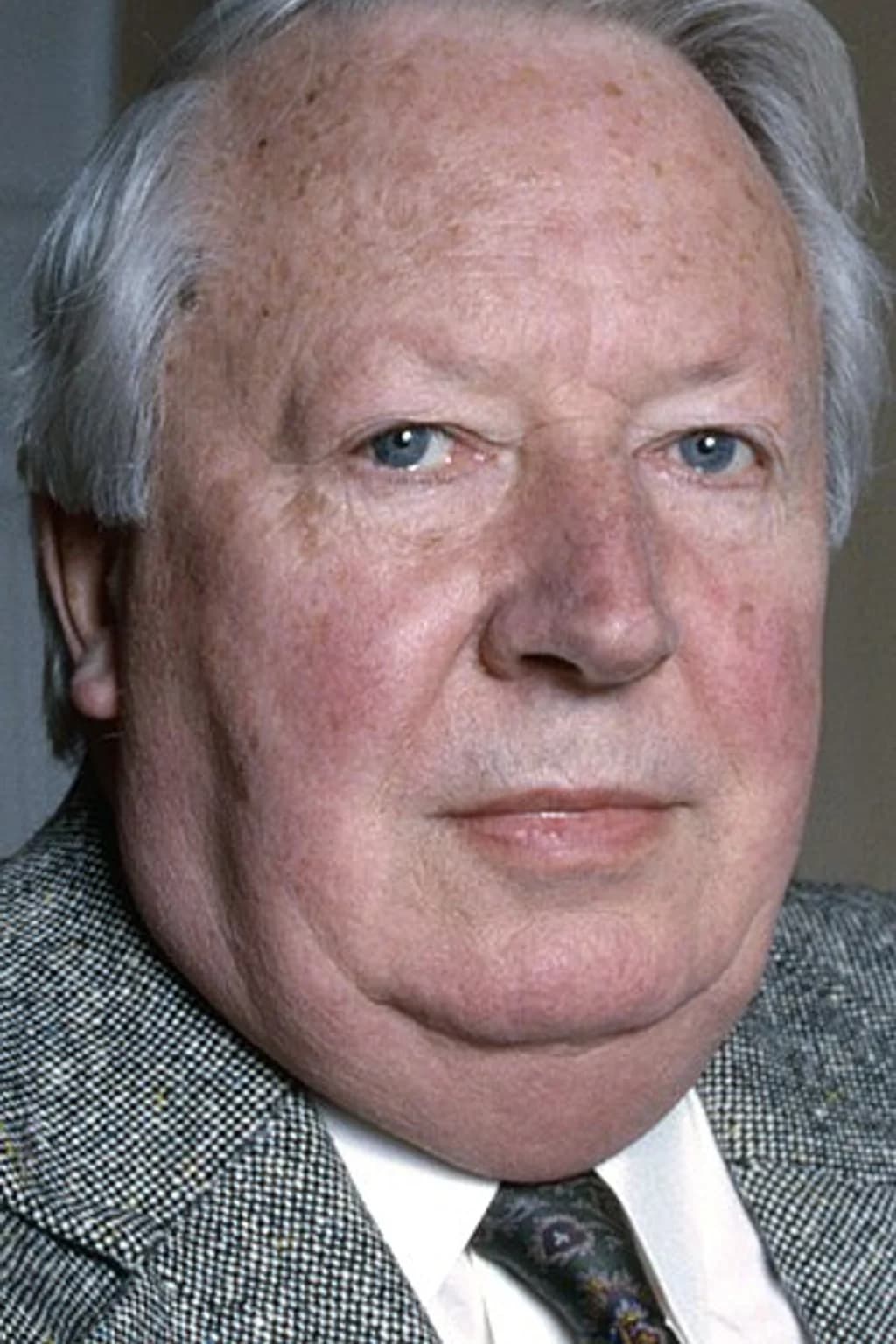
Portrait photograph of Sir Edward Heath
Licensed archival image

A real historical or editorial image is used here. Source, licence and transformation details are publicly recorded. Image policy Attribution

Quick answer

Sir Edward Heath was Conservative Prime Minister from 1970 to 1974. He took Britain into the European Economic Community, confronted inflation and trade union power, and lost office during the miners' strike and three-day week.

Born
1916 CE
Died
2005 CE
Role
Conservative Prime Minister
Years
1916-2005 CE
Quick facts

Profile details

Additional identity and tagging details that are not already covered in the introduction.

Also known as
Sir Edward Heath, Ted Heath
Facts

Edward Heath timeline facts

Selected specifics from this profile's life story.

1916
Modest beginnings

Edward Heath was born in Broadstairs, Kent, the son of a carpenter and maid, and rose through grammar school and Oxford into a political world still marked by class.

1950
Entry to Parliament

Elected Conservative MP for Bexley in 1950, Heath became a party organiser, Chief Whip, and skilled parliamentary operator.

1973
Europe achieved

In 1973 Heath secured Britain's entry into the European Economic Community, fulfilling the central ambition of his public life.

1975–2005
After power

After Margaret Thatcher defeated him for the Conservative leadership in 1975, Heath remained an outspoken pro-European critic from the back benches.

Life Journey

A career shaped by Europe, conflict, and political upheaval

Follow the story in a more continuous narrative, with a reading mode that matches how much depth you want.

Complete chronology

1916

Modest beginnings

Edward Heath's importance begins with social movement. He was not born into the old Conservative establishment, but into a lower-middle-class household that valued work, music, discipline, and education. Winning a place at Chatham House Grammar School and then Balliol College, Oxford, gave him access to elite networks without making him feel fully at home in them. That outsider quality never entirely left him. It fed his seriousness, his impatience with clubby politics, and his belief that Britain had to modernise if it was to avoid genteel decline.
1930s

Oxford and formation

The 1930s gave Heath his political compass. As an Oxford student politician he watched Europe move toward catastrophe and became hostile to appeasement of fascist powers. He visited Nazi Germany and Republican Spain, experiences that strengthened his belief that nationalism and isolation could become deadly. For Heath, European cooperation was never merely a trade arrangement. It was a lesson drawn from war's approach: states that treated each other only as rivals could destroy themselves. That conviction would later make him unusually committed, and unusually stubborn, on Britain's European future.

1939–1945

War service

Heath's war service was substantial rather than decorative. He served in the Royal Artillery, took part in the Normandy campaign, and gained experience of command, logistics, and continental warfare. The war confirmed what the 1930s had taught him: Britain's security could not be separated from Europe's political order. It also reinforced his managerial style. Heath admired planning, competence, and institutional seriousness. He was not a natural populist and rarely pretended to be one. His authority came from preparation and command rather than warmth.

1950

Entry to Parliament

Heath entered Parliament during the postwar settlement, when Conservatives had to adapt to the welfare state, decolonisation, and Labour's new social reforms. His early rise came through organisation. As Chief Whip under Anthony Eden he mastered party management, discipline, and the unglamorous arithmetic of parliamentary power. This work suited his temperament. He valued order and loyalty, but it also encouraged a command style that later colleagues could find rigid. By the early 1960s, as Lord Privy Seal, he led Britain's first attempt to join the European Economic Community, blocked by Charles de Gaulle in 1963.

1965

Rise to leadership

Heath's leadership marked a change in Conservative politics. The old magic circle of aristocratic succession had been weakened, and MPs now chose their leader by ballot. Heath defeated Reginald Maudling and presented himself as a moderniser: technically competent, socially mobile, and committed to economic efficiency. Yet his leadership exposed a problem that never disappeared. He could analyse Britain's weaknesses, but he struggled to make voters feel emotionally included in his answer. His reserve was dignified to admirers and cold to critics. In a television age, that mattered.

1970

Becoming prime minister

The 1970 election brought Heath to power against expectations. He entered Downing Street determined to shift Britain away from what Conservatives saw as corporatist stagnation: government bargaining with unions, propping up weak industries, and managing decline through compromise. His early programme sought market discipline and industrial reform. But the realities of office were harsher than the manifesto. Rising unemployment, pressure on major firms, and union confrontation forced retreats, including the rescue of Rolls-Royce. Heath's government began as a project of firmness and became a lesson in how difficult it was to govern Britain's troubled economy.

1973

Europe achieved

Britain's entry into the European Economic Community was Heath's defining achievement. After earlier French vetoes, he negotiated membership and carried the legislation through Parliament despite opposition inside both major parties. For Heath, joining Europe was about economic scale, political influence, and a postwar settlement that would bind former rivals together. Critics saw a loss of sovereignty and a decision made without sufficient popular consent, though a referendum in 1975 later endorsed continued membership. The argument did not end. Heath's victory opened a European debate that shaped British politics for half a century and culminated, long after his death, in Brexit.

1973–1974

Strikes and crisis

Heath's premiership collapsed under a combination of domestic and global shocks. The 1973 oil crisis intensified inflation and economic strain. Conflict with the National Union of Mineworkers led to energy shortages and the three-day week, a dramatic symbol of a country rationing electricity and confidence. Heath called the February 1974 election around the question of who governed Britain: elected ministers or union power. Voters did not give him the answer he wanted. The Conservatives won more votes than Labour but fewer seats, and Heath could not form a stable government. Harold Wilson returned to office.

1975–2005

After power

Heath never reconciled himself to Margaret Thatcher's leadership. Her victory in 1975 was personal, ideological, and generational: a rejection of his authority and eventually of much of his economic method. He remained in Parliament until 2001, defending European integration and criticising Conservative Euroscepticism with increasing bitterness. His later reputation is therefore divided. He was the prime minister who achieved EEC entry and represented a serious, internationalist Conservatism. He was also the leader defeated by industrial conflict and unable to command the emotional politics of the 1970s. To ask why Edward Heath was important is to see Britain at a hinge point: postwar consensus failing, Thatcherism not yet born, and Europe becoming the question that would not go away.

Continue in context

Connected stories

Move from the profile into the wider events and settings this figure belongs to.

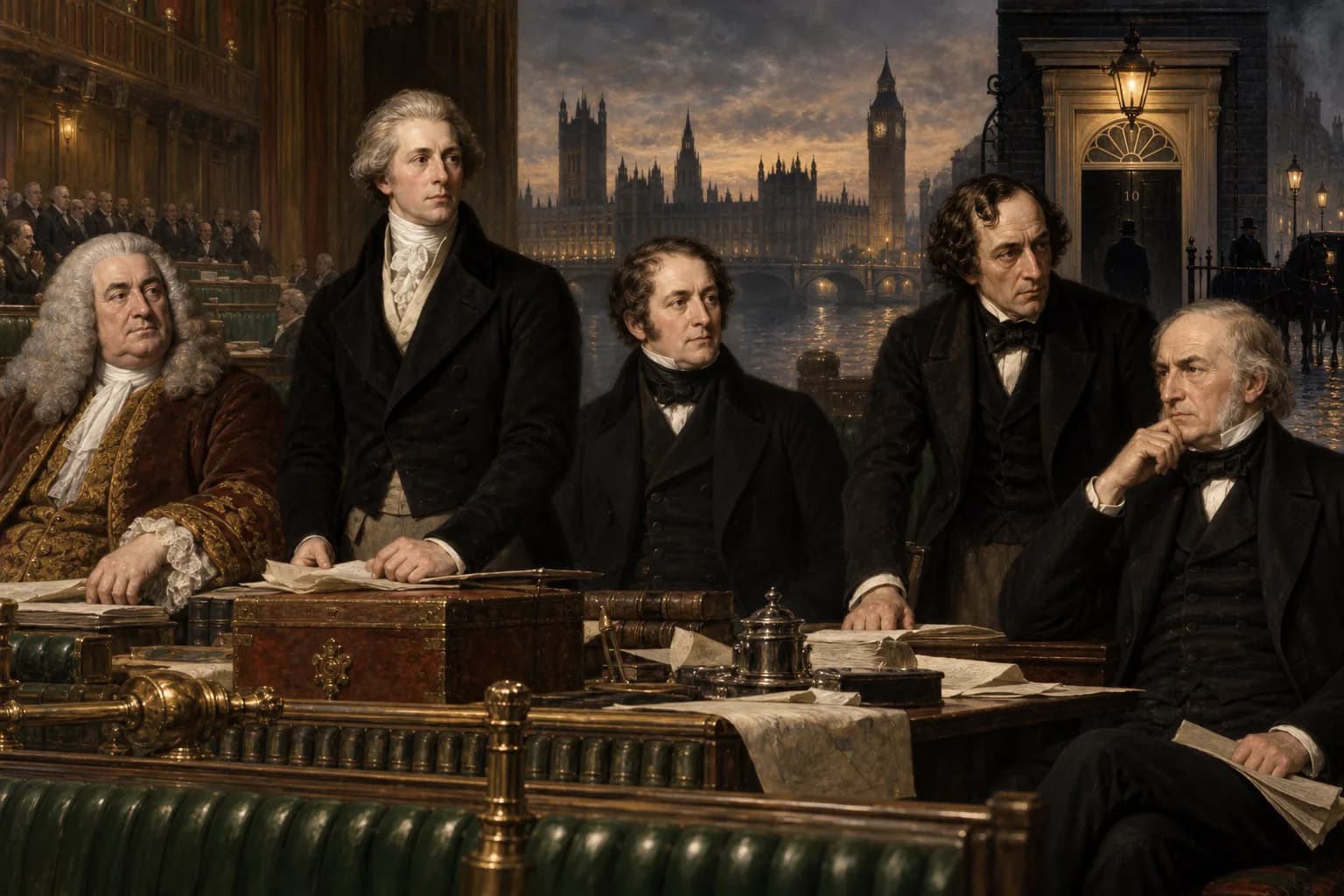
British Prime Ministers lineage
LineagePrime ministers in sequence
British Prime Ministers
1721 CE–present

Explore British prime ministers from Walpole to the present.

View lineage
Tertiary paths

Content note

This profile is written for educational use and connects to related Stories of History pages. The main portrait uses a real historical or editorial image, with source and licence details recorded for attribution review. Image policy Image attribution

References

Sources & Further Reading

Reliable reference works, archives and reading paths connected to this profile.

Further reading

  1. Encyclopaedia Britannica, Search results for Edward Heath,” accessed June 2026.Open source
  2. WorldCat, Books and library holdings for Edward Heath,” accessed June 2026.Open source

Primary sources

  1. Library of Congress, Search results for Edward Heath,” accessed June 2026.Open source

Reviewed claim sources

Loading reviewed claim sources...

A weekly route through history

Find out first about the latest published stories, feature notes and occasional Premium offers in one weekly email.