People

James Callaghan

James Callaghan was Labour Prime Minister of the United Kingdom from 1976 to 1979 and the only person to hold all four great offices of state.

Born
1912 CE
Died
2005 CE
Role
Labour Prime Minister

Labour Prime Minister (1912–2005)

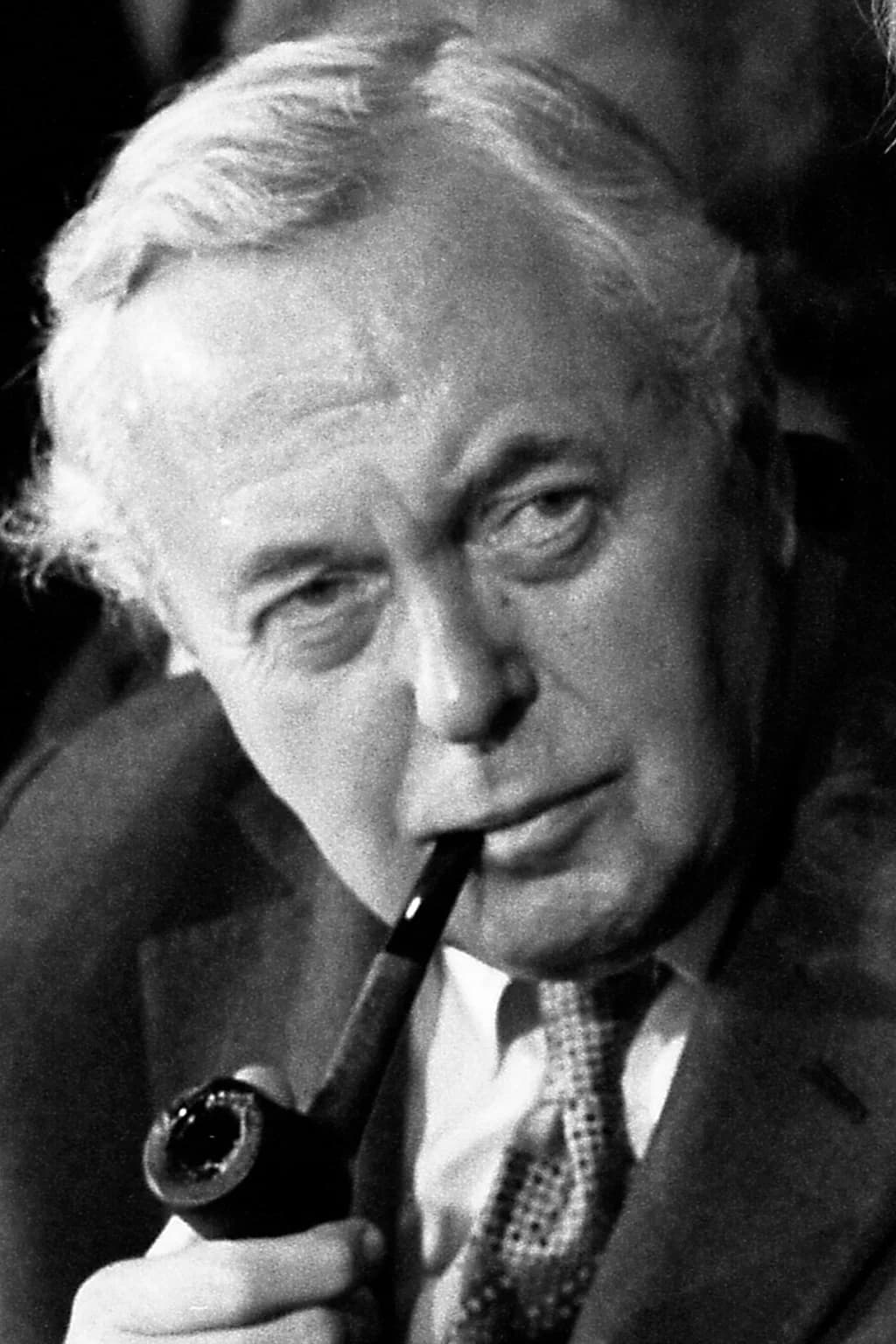
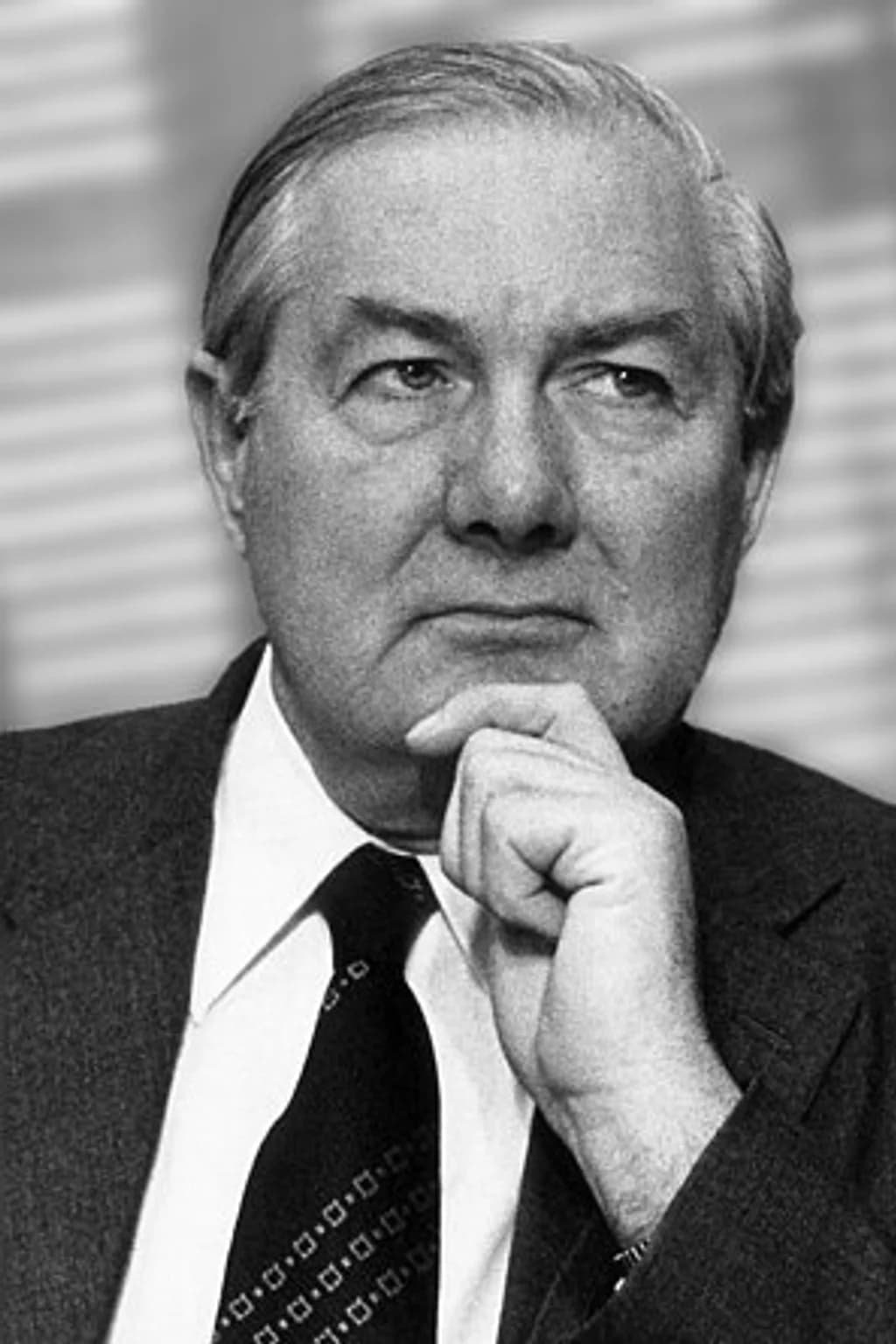
Portrait photograph of James Callaghan
Licensed archival image

A real historical or editorial image is used here. Source, licence and transformation details are publicly recorded. Image policy Attribution

Quick answer

James Callaghan was Labour Prime Minister of the United Kingdom from 1976 to 1979 and the only person to hold all four great offices of state.

Born
1912 CE
Died
2005 CE
Role
Labour Prime Minister
Years
1912-2005 CE
Quick facts

Profile details

Additional identity and tagging details that are not already covered in the introduction.

Also known as
Jim Callaghan, Prime Minister Callaghan
Facts

James Callaghan timeline facts

Selected specifics from this profile's life story.

1912–1930
Working-class beginnings

James Callaghan was born in Portsmouth in 1912 and grew up with the insecurity of a naval family after his father's early death.

1945
Entering Parliament

Elected for Cardiff South in Labour's 1945 landslide, Callaghan entered Parliament as Britain built the welfare state and postwar settlement.

1976
Becoming Prime Minister

Becoming Prime Minister in 1976, Callaghan faced inflation, an IMF loan, a tiny majority and the limits of postwar economic management.

1979–2005
Defeat and legacy

After losing to Margaret Thatcher in 1979, Callaghan remained respected, but his defeat marked the end of Labour's postwar governing model.

Life Journey

From naval service to crisis-era leadership

Follow the story in a more continuous narrative, with a reading mode that matches how much depth you want.

Complete chronology

1912–1930

Working-class beginnings

Leonard James Callaghan was born on 27 March 1912 in Portsmouth, a city shaped by the Royal Navy, dockyards and the uncertainties of working life. His father, a chief petty officer, died when Callaghan was still young, leaving the family dependent on limited support. That childhood gave Callaghan a political instinct different from leaders formed by elite schools or inherited security. He understood wages, pensions and job stability not as abstractions but as the conditions that kept families from falling. His later politics would be pragmatic rather than romantic: Labour, for him, was about dignity, bargaining power and the everyday architecture of economic security.
1930–1936

Service at sea

Callaghan left school at fourteen and became a civil servant in the Inland Revenue, an unglamorous route that taught him how the state actually touched citizens' lives. He became active in the tax officers' union, developing the negotiating habits that later defined him. During the Second World War he joined the Royal Navy, serving in a conflict that reinforced his respect for discipline, institutions and collective effort. He was never a doctrinaire revolutionary. His early adult life joined bureaucracy, union organisation and wartime service, giving him a faith in steady machinery rather than sweeping gestures.

1936–1945

Trade union rise

Before Callaghan became a national politician, he was a union organiser. That mattered enormously. He learned to count votes, listen to grievances, bargain over practical demands and keep movements together when impatience threatened to split them. He was not built like a platform prophet. His power came from patience, personal warmth and a capacity to make people feel heard even when he could not give them everything. This style carried him far in Labour politics, but it had a hidden risk. A politician trained to believe in negotiated settlement can be badly exposed when economic conditions make settlement impossible.

1945

Entering Parliament

Callaghan won Cardiff South in the 1945 general election, arriving with the Labour generation that created the National Health Service, expanded social security and accepted a larger role for the state in managing economic life. He represented a Welsh industrial constituency while remaining personally rooted in southern England, an unusual combination that broadened his political range. In Parliament he built a reputation for reliability and detail. He was not the most dazzling speaker, but he understood committees, departments and party management. Postwar Britain rewarded that kind of seriousness, especially inside a Labour Party trying to turn moral purpose into governing machinery.

1960s

Climbing the Cabinet

Callaghan became Chancellor of the Exchequer in 1964, taking office in a Britain caught between welfare-state ambition, trade deficits and the symbolic burden of maintaining sterling's value. The pound was more than a currency; it was tied to Britain's image as a great power. Callaghan resisted devaluation for years, fearing economic and political humiliation, but in November 1967 the government was forced to cut the pound's value. He resigned as Chancellor and moved to the Home Office. The episode marked him deeply. It taught him that governments could be trapped by markets, expectations and inherited promises, however disciplined their intentions.

1960s–1970s

Holding all offices

Callaghan's later offices gave him a range unmatched in modern British politics. As Home Secretary he handled immigration, policing, Northern Ireland's worsening crisis and the politics of social order. As Foreign Secretary from 1974, he helped renegotiate Britain's European Economic Community terms before the 1975 referendum and dealt with Cold War diplomacy, Rhodesia and Britain's reduced global role. This breadth made him look like the safest possible successor when Harold Wilson suddenly resigned in 1976. Yet experience is not the same as freedom of action. By the time Callaghan reached the top, Britain was already deep in inflation, industrial tension and fiscal strain.

1976

Becoming Prime Minister

Callaghan became Prime Minister in April 1976 after Wilson's resignation. Almost immediately, his government confronted a sterling crisis and negotiations with the International Monetary Fund. The conditions attached to the loan forced spending restraint and signalled a major shift in Labour thinking. At the 1976 party conference, Callaghan told Labour that the old option of spending out of recession no longer existed in the same way. It was a remarkable admission from a Labour prime minister and a sign that the postwar settlement was cracking. He governed without a secure majority, relying at times on arrangements with smaller parties, while trying to preserve cooperation with trade unions through the Social Contract.

1978–1979

Winter of Discontent

The Winter of Discontent was not simply a series of strikes; it was a public drama about whether Britain could still be governed by consensus. Callaghan's government tried to hold pay rises to control inflation, but workers who had endured restraint wanted compensation for rising prices. Strikes spread through public services, transport, local government and health work. Images of uncollected rubbish and disrupted funerals became politically devastating, even when some coverage simplified a more complex reality. Callaghan's calm manner, once reassuring, now looked detached. His alleged phrase 'Crisis? What crisis?' was a newspaper headline rather than his exact words, but it stuck because it captured a mood. The government appeared unable to command events.

1979–2005

Defeat and legacy

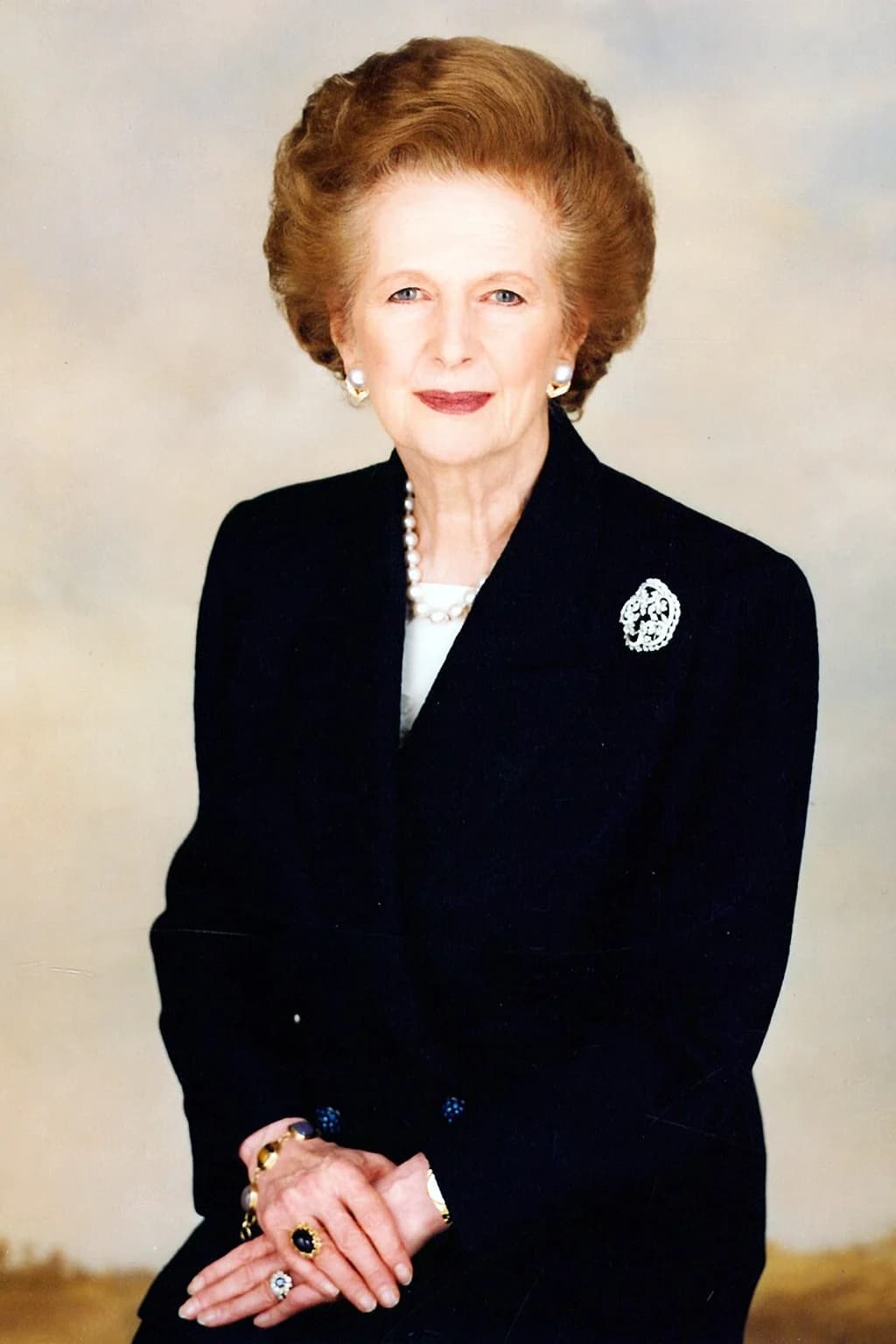
Callaghan lost a confidence vote by one vote in March 1979 and was defeated by Margaret Thatcher's Conservatives in the general election that followed. The result did more than remove one government. It marked a turning point from postwar corporatist bargaining toward a sharper politics of markets, monetarism and confrontation with union power. Callaghan stayed on as Labour leader until 1980 and remained in public life for many years, dying in 2005 at the age of ninety-two. His legacy is therefore double-edged. He was experienced, decent, resilient and unusually broad in office. But his premiership became the closing chapter of a political order that no longer had the tools to solve Britain's economic crisis. To ask why James Callaghan was important is to see the moment when old Labour pragmatism met conditions it could no longer contain.

Continue in context

Connected stories

Move from the profile into the wider events and settings this figure belongs to.

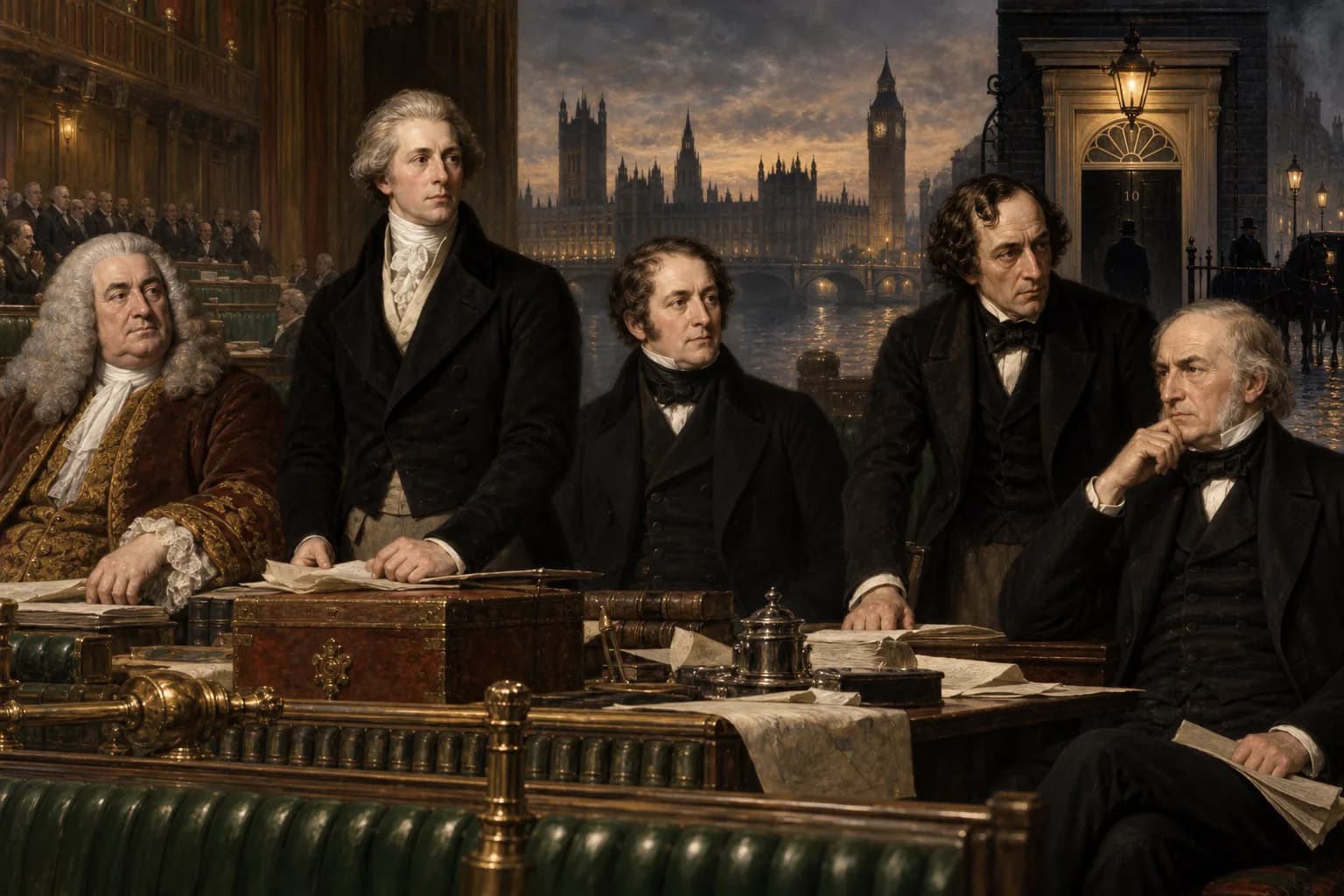
British Prime Ministers lineage
LineagePrime ministers in sequence
British Prime Ministers
1721 CE–present

Explore British prime ministers from Walpole to the present.

View lineage
Tertiary paths

Content note

This profile is written for educational use and connects to related Stories of History pages. The main portrait uses a real historical or editorial image, with source and licence details recorded for attribution review. Image policy Image attribution

References

Sources & Further Reading

Reliable reference works, archives and reading paths connected to this profile.

Further reading

  1. Encyclopaedia Britannica, Search results for James Callaghan,” accessed June 2026.Open source
  2. WorldCat, Books and library holdings for James Callaghan,” accessed June 2026.Open source

Primary sources

  1. Library of Congress, Search results for James Callaghan,” accessed June 2026.Open source

Reviewed claim sources

Loading reviewed claim sources...

A weekly route through history

Find out first about the latest published stories, feature notes and occasional Premium offers in one weekly email.