People

Alec Douglas-Home

Sir Alec Douglas-Home was Conservative Prime Minister of the United Kingdom from 1963 to 1964. He renounced his peerage, lost narrowly to Harold Wilson, and later served again as Foreign Secretary.

Born
1903 CE
Died
1995 CE
Role
Conservative Prime Minister for one year

Conservative Prime Minister for one year (1903–1995)

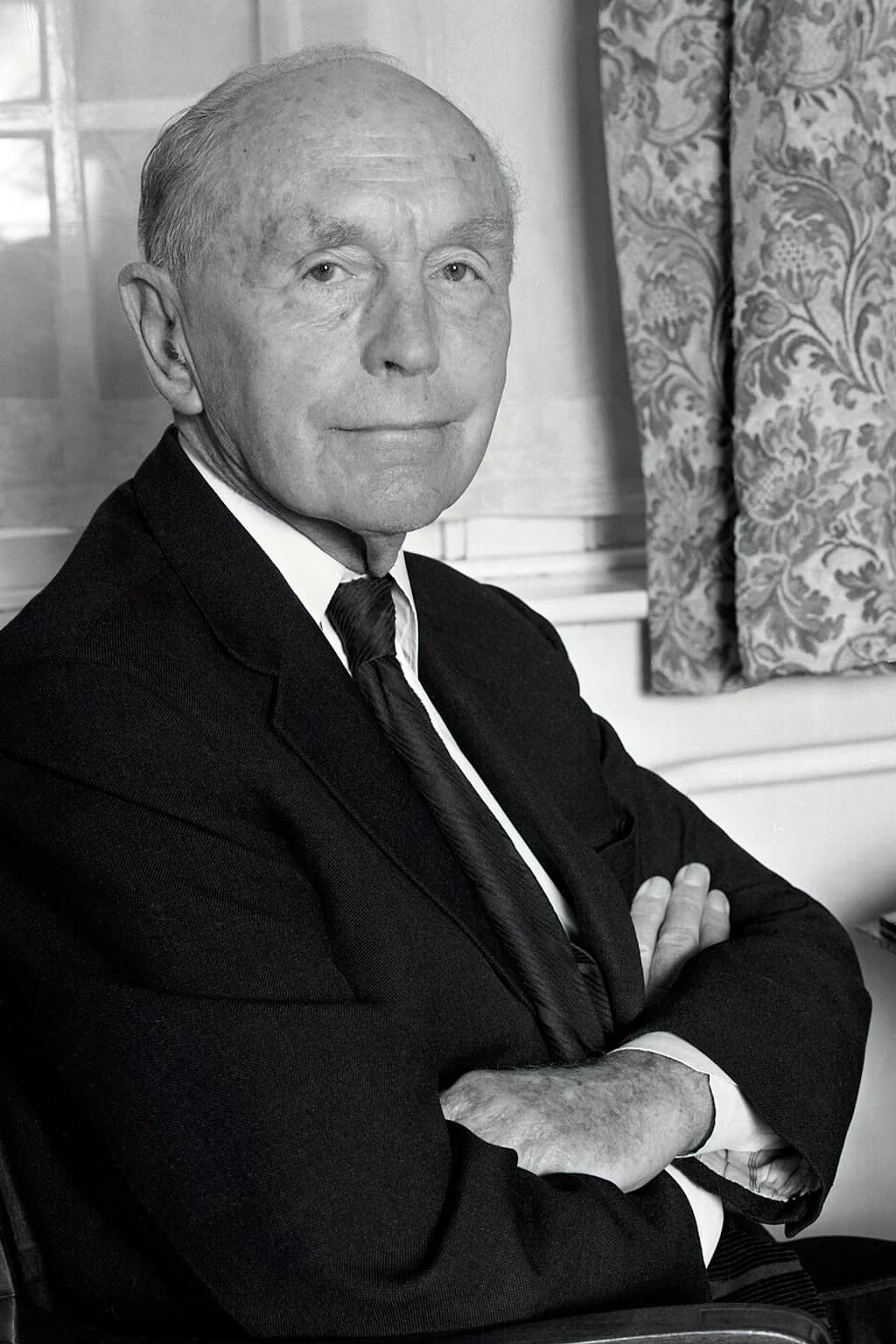
Portrait photograph of Sir Alec Douglas-Home
Licensed archival image

A real historical or editorial image is used here. Source, licence and transformation details are publicly recorded. Image policy Attribution

Quick answer

Sir Alec Douglas-Home was Conservative Prime Minister of the United Kingdom from 1963 to 1964. He renounced his peerage, lost narrowly to Harold Wilson, and later served again as Foreign Secretary.

Born
1903 CE
Died
1995 CE
Role
Conservative Prime Minister for one year
Years
1903-1995 CE
Quick facts

Profile details

Additional identity and tagging details that are not already covered in the introduction.

Also known as
Sir Alec Douglas-Home, 14th Earl of Home, Prime Minister Douglas-Home
Facts

Alec Douglas-Home timeline facts

Selected specifics from this profile's life story.

1903
Aristocratic beginnings

Alec Douglas-Home was born in 1903 into a Scottish aristocratic family, growing up inside a world of land, service, and inherited political connection.

1939–1945
War service

Illness limited his wartime role, but the Second World War reshaped the political world in which Douglas-Home would later operate.

1963
Renouncing his title

To sit in the House of Commons as prime minister, he disclaimed his hereditary peerage under the Peerage Act 1963 and won a by-election at Kinross and West Perthshire.

1965–1995
Later influence

Douglas-Home later served again as Foreign Secretary under Edward Heath and is remembered as a brief premier but serious diplomatic figure.

Life Journey

From aristocratic roots to reluctant premiership

Follow the story in a more continuous narrative, with a reading mode that matches how much depth you want.

Complete chronology

1903

Aristocratic beginnings

Alec Douglas-Home's biography begins in the late afterglow of aristocratic Britain. Born into the Douglas-Home family, he inherited assumptions about duty, restraint, and public office that belonged to an older political order. He was not a natural mass politician, and he never pretended to be. His manner was dry, courteous, and understated, closer to a country gentleman-diplomat than a modern campaigner. That background would later become both asset and liability. It gave him confidence in institutions and personal networks, but it also made him look increasingly out of time in a Britain of television, satire, class mobility, and technocratic ambition.


1920s

Elite education

Douglas-Home followed the classic elite route through Eton and Christ Church, Oxford. He was athletic, socially assured, and connected to people who would later populate government, diplomacy, and Parliament. He did not build his reputation on intellectual fireworks. His strength was trust: the sense that he would not panic, grandstand, or betray a confidence. In mid-twentieth-century Conservative politics, that mattered. Cabinets still operated through personal knowledge and informal judgement as much as public ideology. Douglas-Home learned how power moved quietly through conversation, loyalty, and restraint. The same qualities that made him trusted by colleagues would later make it hard for him to electrify voters.

1930s

Entry into politics

Douglas-Home entered the House of Commons in the National Government era, when economic crisis and European instability dominated politics. He served as parliamentary private secretary to Neville Chamberlain, which later associated him with the appeasement years, though he was not one of their principal architects. The experience taught him the importance and danger of diplomacy under pressure. It also placed him near the machinery of government at a time when Britain's old assumptions about European security were collapsing. His early political career was not spectacular, but it was close to consequential decisions, and it strengthened his instinct for caution in foreign affairs.

1939–1945

War service

Unlike some contemporaries, Douglas-Home did not build a heroic wartime military identity. Spinal tuberculosis severely affected his health and kept him from the kind of active service that might have defined another career. Yet the war still transformed his political universe. It discredited appeasement, accelerated Britain's dependence on the United States, and opened the way for Labour's 1945 victory and the welfare state. Douglas-Home's later politics must be read against that changed landscape. He belonged temperamentally to prewar Conservatism, but he had to operate in a postwar settlement where mass democracy, decolonisation, NATO, and economic management set the agenda.

1950s

Climbing government ranks

Douglas-Home inherited the earldom of Home in 1951, moving from the Commons to the Lords just as Conservative government returned under Winston Churchill. He served in Commonwealth relations and became a senior figure in foreign policy during the Cold War and decolonisation. As Foreign Secretary from 1960, he dealt with Berlin, nuclear diplomacy, European questions, and the management of Britain's reduced but still global role. His style was quiet and personal, not visionary. Supporters valued his steadiness; critics thought him too patrician for a world of rapid change. By 1963, however, his calm reputation made him a plausible compromise when Harold Macmillan's succession became chaotic.

1963

Becoming prime minister

Douglas-Home's rise to the premiership was unexpected even by the standards of Conservative succession. Macmillan resigned amid illness and political damage from the Profumo affair, and the party still lacked a transparent modern leadership election. Senior figures manoeuvred, soundings were taken, and Douglas-Home emerged as a compromise over rivals such as Rab Butler and Quintin Hogg. The process looked opaque and aristocratic at exactly the moment British politics was becoming more media-conscious and impatient with old arrangements. Douglas-Home brought experience and decency, but he began as a symbol of a system under strain.

1963

Renouncing his title

The renunciation of his peerage was both constitutional necessity and political theatre. The Peerage Act 1963 allowed hereditary peers to disclaim titles, and Douglas-Home used it to leave the Lords and return to the Commons as Sir Alec Douglas-Home. The act acknowledged that a modern prime minister needed democratic footing in the elected chamber. Yet the symbolism cut both ways. Admirers saw duty and adaptability; opponents saw proof that Conservative leadership still emerged from hereditary privilege before being retrofitted for democracy. Few prime ministers have had to change legal identity so visibly on the way into office. It captured the oddity of his moment.

1964

Election loss

The 1964 election set two political styles against each other. Douglas-Home represented continuity, courtesy, and traditional authority; Harold Wilson presented Labour as modern, technological, meritocratic, and in tune with a changing Britain. The Conservative government had been in power since 1951 and carried fatigue from economic difficulty, scandal, and social change. Douglas-Home performed better than many expected and lost only narrowly, but the result ended his premiership after 363 days. His defeat was not personal humiliation on the scale of later landslides. It was a signal that the old Conservative idiom could no longer command the future by default.

1965–1995

Later influence

After stepping down as Conservative leader in 1965, Douglas-Home did not vanish into ceremonial afterlife. Edward Heath brought him back as Foreign Secretary in 1970, where he dealt with Europe, Rhodesia, Cold War diplomacy, and Britain's search for a realistic post-imperial role. His later service suited him better than the premiership: careful, discreet, and grounded in personal diplomacy. His legacy is modest but revealing. He was the last prime minister to be chosen from the Lords, the last to have to renounce a peerage to govern from the Commons, and one of the final embodiments of aristocratic Conservatism in executive office. His career bridges two Britains, one fading and one arriving.

Continue in context

Connected stories

Move from the profile into the wider events and settings this figure belongs to.

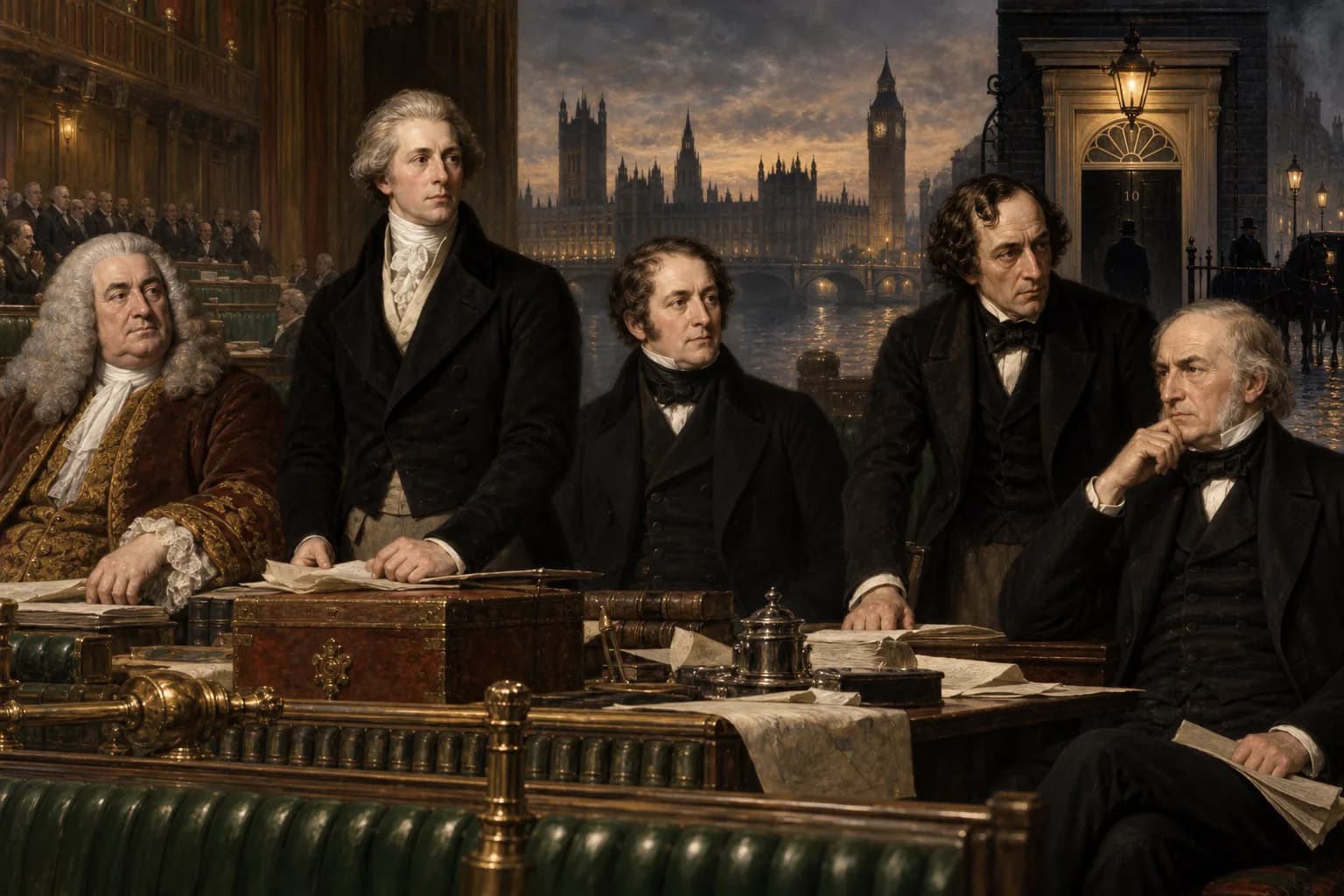
British Prime Ministers lineage
LineagePrime ministers in sequence
British Prime Ministers
1721 CE–present

Explore British prime ministers from Walpole to the present.

View lineage
Tertiary paths

Content note

This profile is written for educational use and connects to related Stories of History pages. The main portrait uses a real historical or editorial image, with source and licence details recorded for attribution review. Image policy Image attribution

References

Sources & Further Reading

Reliable reference works, archives and reading paths connected to this profile.

Further reading

  1. Encyclopaedia Britannica, Search results for Alec Douglas-Home,” accessed June 2026.Open source
  2. WorldCat, Books and library holdings for Alec Douglas-Home,” accessed June 2026.Open source

Primary sources

  1. Library of Congress, Search results for Alec Douglas-Home,” accessed June 2026.Open source

Reviewed claim sources

Loading reviewed claim sources...

A weekly route through history

Find out first about the latest published stories, feature notes and occasional Premium offers in one weekly email.