People

Cyrus the Younger

Cyrus the Younger was a Persian prince, son of Darius II, who rebelled against his brother Artaxerxes II. He died at the Battle of Cunaxa in 401 BC, after hiring Greek mercenaries later described by Xenophon.

Born
c. 423 BCE
Died
401 BCE
Role
Achaemenid prince

Achaemenid prince and satrap (d. 401 BC)

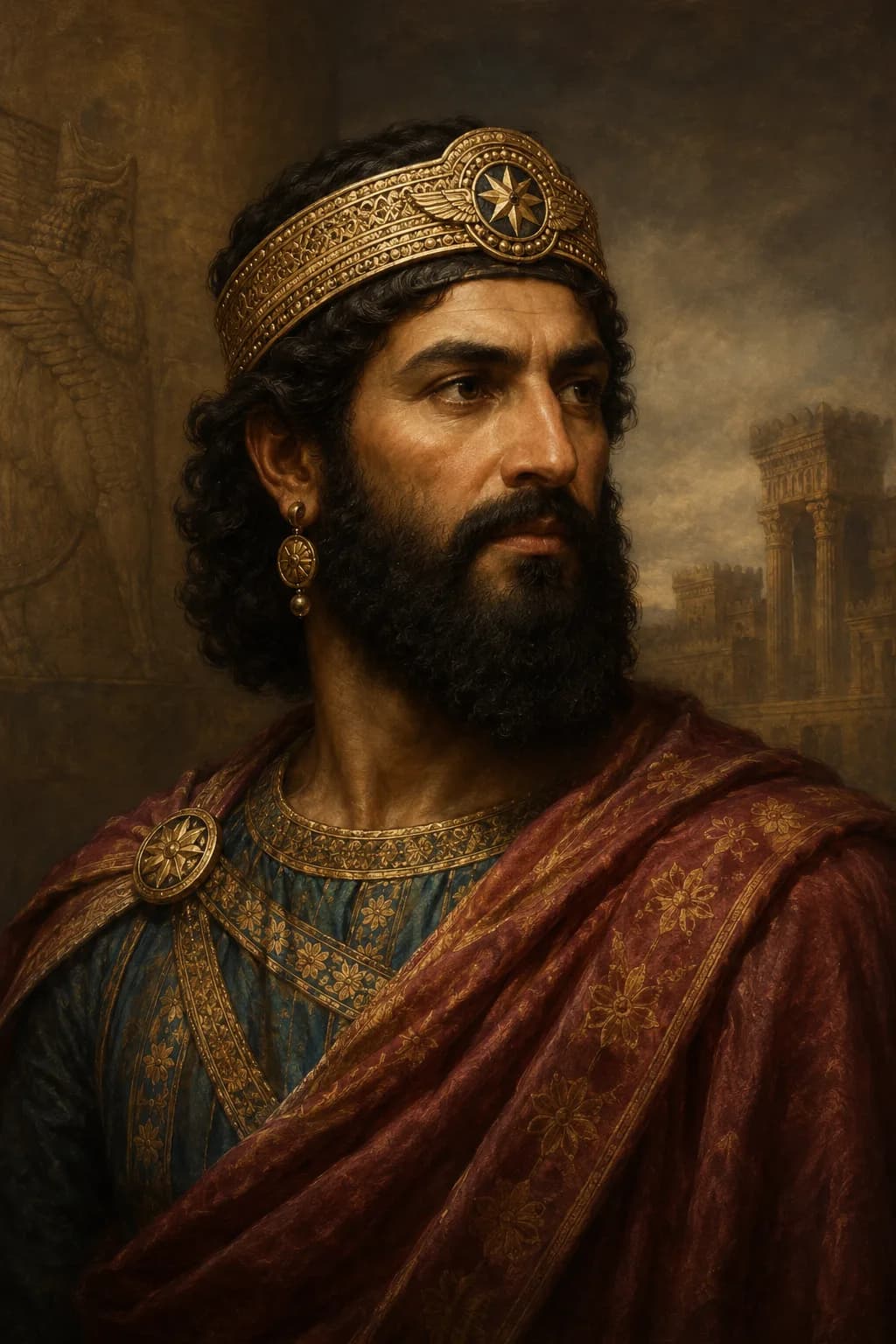
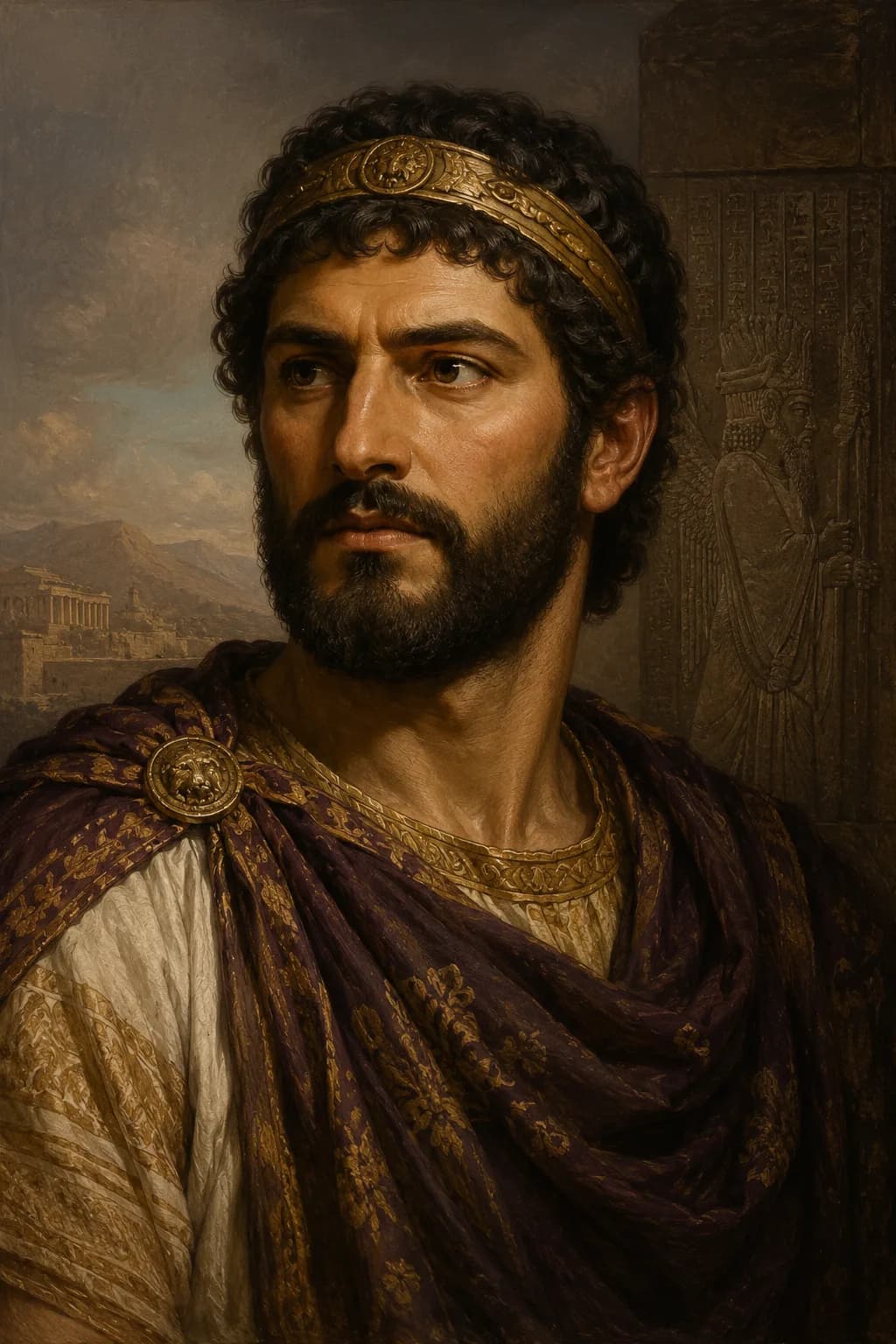
AI-generated portrait of Cyrus the Younger in Persian royal dress
AI-assisted historical reconstruction

An illustrative reconstruction based on historical context. It is not a photograph or documentary likeness. Image policy

Quick answer

Cyrus the Younger was a Persian prince, son of Darius II, who rebelled against his brother Artaxerxes II. He died at the Battle of Cunaxa in 401 BC, after hiring Greek mercenaries later described by Xenophon.

Born
c. 423 BCE
Died
401 BCE
Role
Achaemenid prince
Years
c. 423-401 BCE
Quick facts

Profile details

Additional identity and tagging details that are not already covered in the introduction.

Also known as
Cyrus, Cyrus the Younger of Persia
Region
Persia, Anatolia, Mesopotamia, Persia and Anatolia
Facts

Cyrus the Younger timeline facts

Selected specifics from this profile's life story.

late 5th century BC
Royal prince

Cyrus the Younger was born into the Achaemenid royal family, a son of Darius II and brother of Artaxerxes II.

late 5th century BC
Power in the west

Cyrus held authority in western Anatolia, where Persian satrapal power met Greek military and political networks.

401 BC
Cunaxa

Cyrus died at the Battle of Cunaxa near Babylon, ending his bid for the throne even though his Greek soldiers survived.

After 401 BC
The Anabasis legacy

Cyrus's revolt became famous through Xenophon's account of the Greek mercenaries who marched home through Persian territory.

Life Journey

The prince whose revolt exposed the empire

Follow Cyrus the Younger from western satrap to failed claimant and catalyst for a Greek march through Persia.

Complete chronology

late 5th century BC

Royal prince

Cyrus the Younger belonged to the highest level of Achaemenid politics. As a royal prince, he had access to court prestige, provincial command, and the dangerous ambitions that surrounded succession. His name itself evoked Cyrus the Great, the founder of the empire. But a famous name did not guarantee the throne. In the Achaemenid world, royal brothers could become rivals when armies, nobles, and provincial resources gathered behind different futures.
late 5th century BC

Power in the west

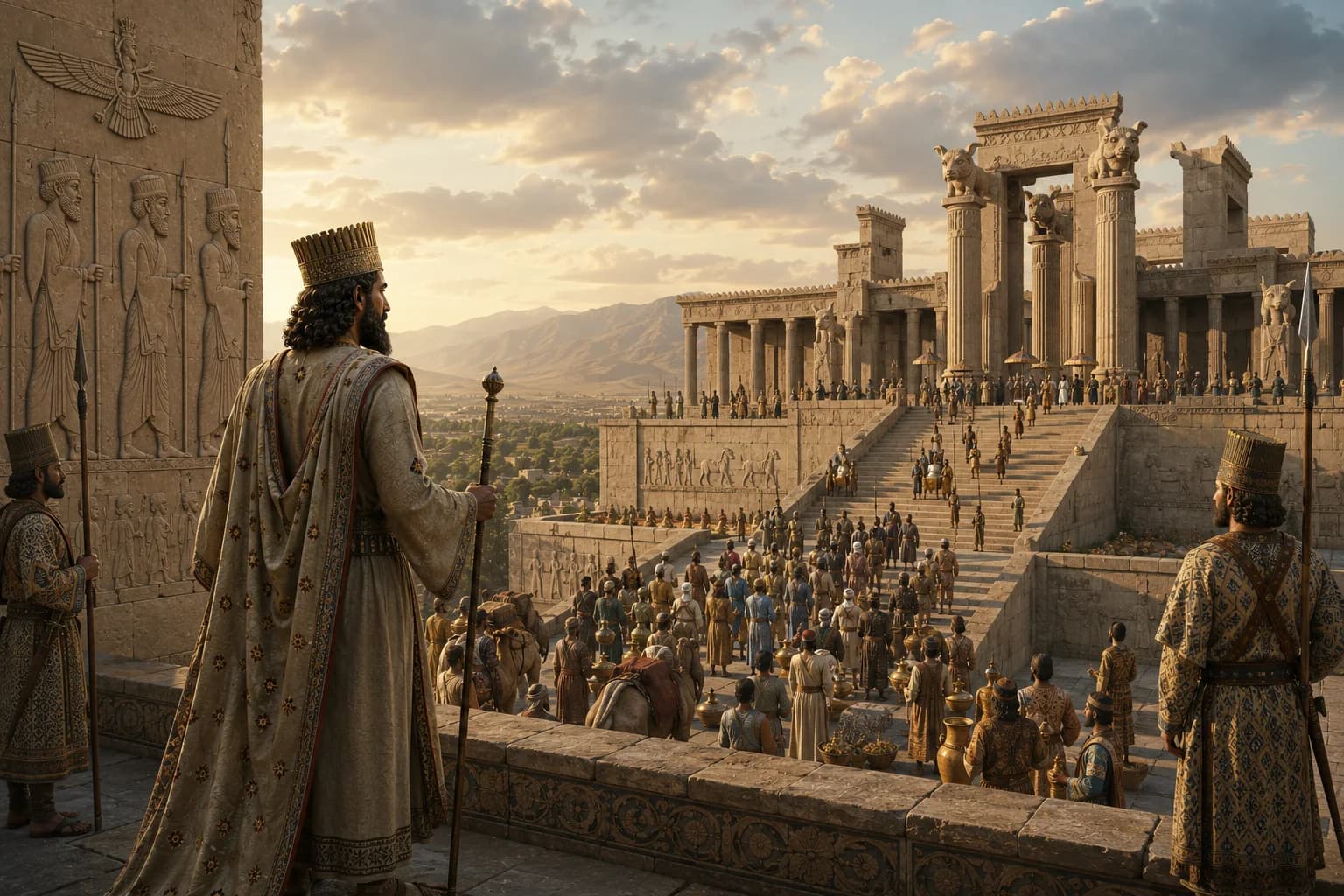
Cyrus's western base mattered because Anatolia sat between Persian administration and the Greek world. Satraps in this region could command wealth, troops, diplomacy, and relationships with Greek cities and soldiers. Cyrus cultivated connections that later helped him hire Greek mercenaries. His position shows both the strength and risk of the Persian system: powerful provincial figures could defend royal interests, but they could also gather the means to challenge the king.

401 BC

Challenge to Artaxerxes

In 401 BC, Cyrus moved from ambition to rebellion. He marched from western Anatolia toward the imperial heartland with a mixed force that included Greek mercenaries. The campaign depended on secrecy, money, loyalty, and speed. It was not a small local revolt. It was a direct challenge by a royal prince to the Great King, made possible by the empire's own provincial structures.

401 BC

Cunaxa

At Cunaxa, Cyrus confronted the army of Artaxerxes II. The battle became famous because Cyrus was killed while the Greek mercenaries on his side remained undefeated in their part of the field. His death decided the political outcome. A living claimant might have transformed victory into kingship; a dead prince left his army stranded deep inside the empire. The failed rebellion became a different story: the long retreat of the Greeks.

After 401 BC

The Anabasis legacy

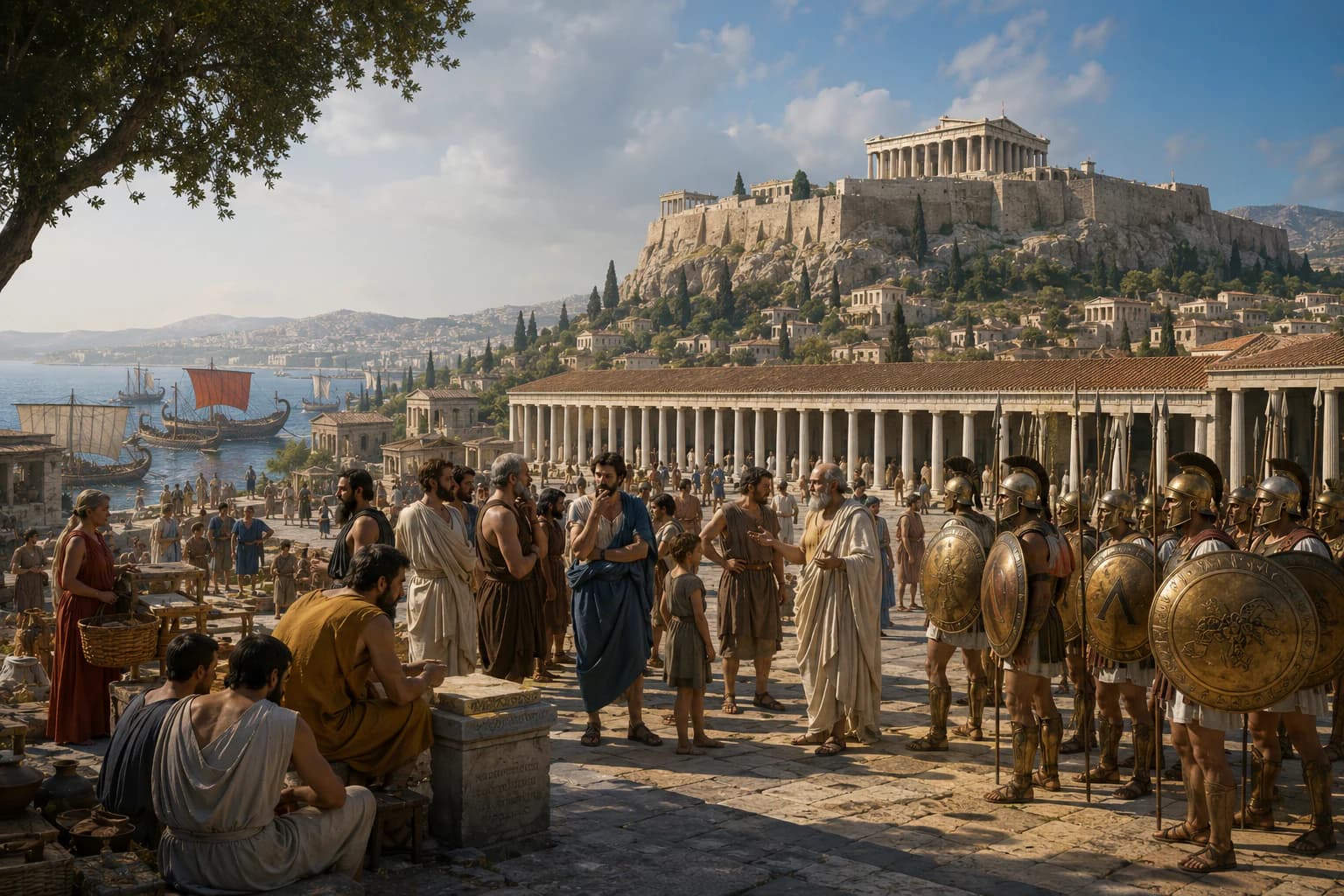
Cyrus the Younger is remembered partly because Xenophon turned the aftermath into one of the most influential Greek accounts of Persian space and military endurance. The march of the Ten Thousand did not prove that Persia was defenseless, but it did shape Greek perceptions of imperial vulnerability. Cyrus's failed bid for power therefore had consequences beyond his own death. It gave later Greek and Macedonian readers a story about moving through the empire and surviving.

Continue in context

Connected stories

Move from the profile into the wider events and settings this figure belongs to.

Tertiary paths

Content note

This profile is written for educational use and connects to related Stories of History pages. The main portrait is an AI-assisted historical reconstruction, included as an illustrative aid rather than documentary evidence. Image policy

References

Sources & Further Reading

Reliable reference works, archives and reading paths connected to this profile.

Further reading

  1. Encyclopaedia Britannica, Search results for Cyrus the Younger,” accessed June 2026.Open source
  2. WorldCat, Books and library holdings for Cyrus the Younger,” accessed June 2026.Open source

Primary sources

  1. Library of Congress, Search results for Cyrus the Younger,” accessed June 2026.Open source

Reviewed claim sources

Loading reviewed claim sources...

A weekly route through history

Find out first about the latest published stories, feature notes and occasional Premium offers in one weekly email.