People

Artaxerxes II

Artaxerxes II, also known as Artaxerxes Mnemon, ruled the Achaemenid Persian Empire from 404 to 359 or 358 BC. He defeated Cyrus the Younger at Cunaxa and governed during a period of Greek and provincial pressure.

Born
c. 436 BCE
Died
c. 358 BCE
Role
Achaemenid king

Achaemenid king of Persia (404-358 BC)

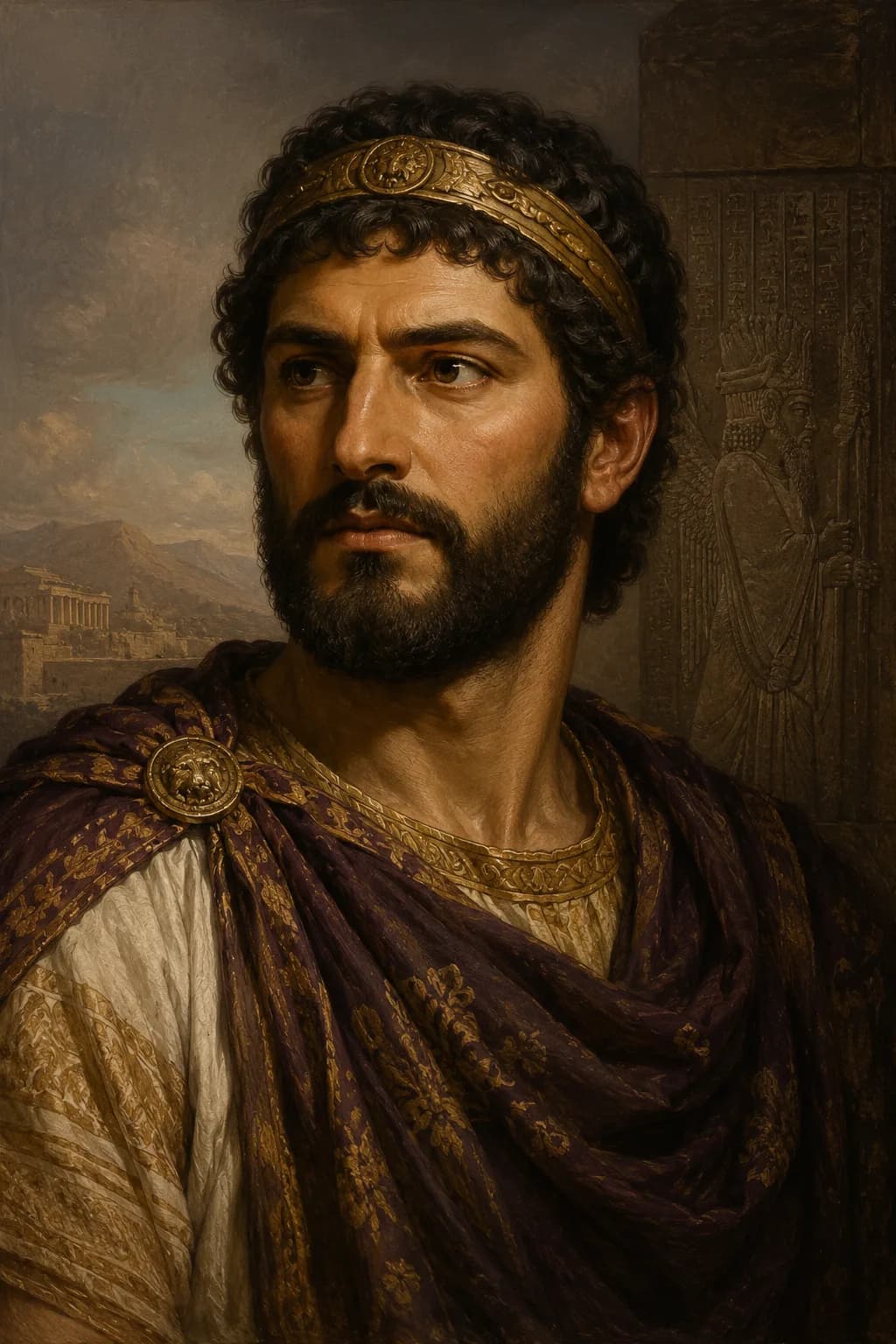
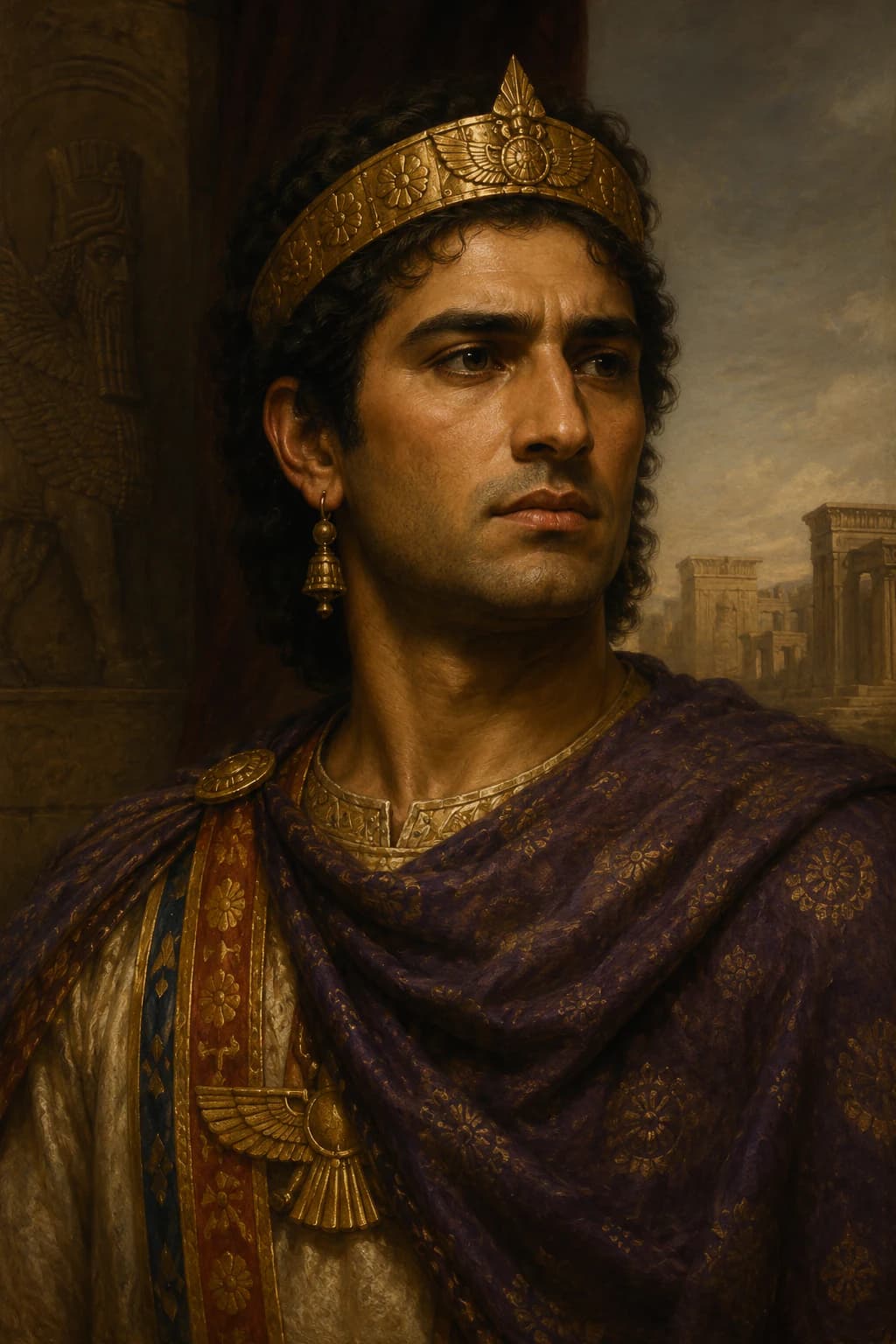
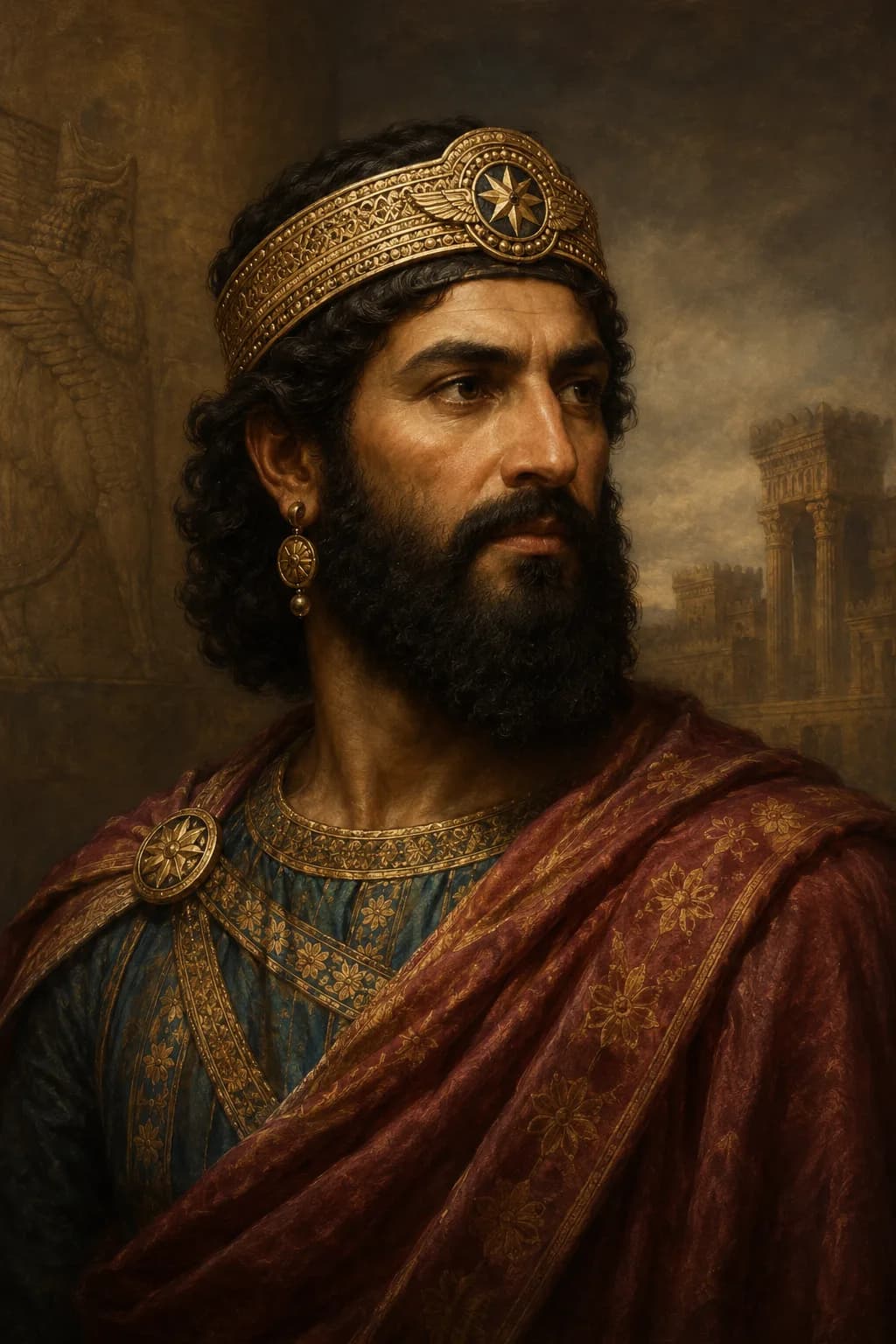
AI-generated portrait of Artaxerxes II in Achaemenid royal dress
AI-assisted historical reconstruction

An illustrative reconstruction based on historical context. It is not a photograph or documentary likeness. Image policy

Quick answer

Artaxerxes II, also known as Artaxerxes Mnemon, ruled the Achaemenid Persian Empire from 404 to 359 or 358 BC. He defeated Cyrus the Younger at Cunaxa and governed during a period of Greek and provincial pressure.

Born
c. 436 BCE
Died
c. 358 BCE
Role
Achaemenid king
Years
c. 436-c. 358 BCE
Quick facts

Profile details

Additional identity and tagging details that are not already covered in the introduction.

Also known as
Artaxerxes, Artaxerxes Mnemon
Region
Persia, Mesopotamia, Anatolia, Persia
Facts

Artaxerxes II timeline facts

Selected specifics from this profile's life story.

404 BC
Taking the throne

Artaxerxes II became king after Darius II, inheriting a large empire and a dangerous royal family.

401 BC
Cunaxa

Artaxerxes survived Cyrus the Younger's challenge at Cunaxa, where Cyrus was killed and the rebellion failed.

4th century BC
Imperial strain

Artaxerxes faced revolts, Egyptian resistance, powerful satraps, and the constant challenge of holding a vast empire together.

After 358 BC
Long reign, mixed legacy

Artaxerxes II left a long reign that preserved Achaemenid power while revealing the strains that later rulers faced.

Life Journey

The king who survived a brother's revolt

Follow Artaxerxes II through Cunaxa, imperial endurance, Greek diplomacy, and late Achaemenid strain.

Complete chronology

404 BC

Taking the throne

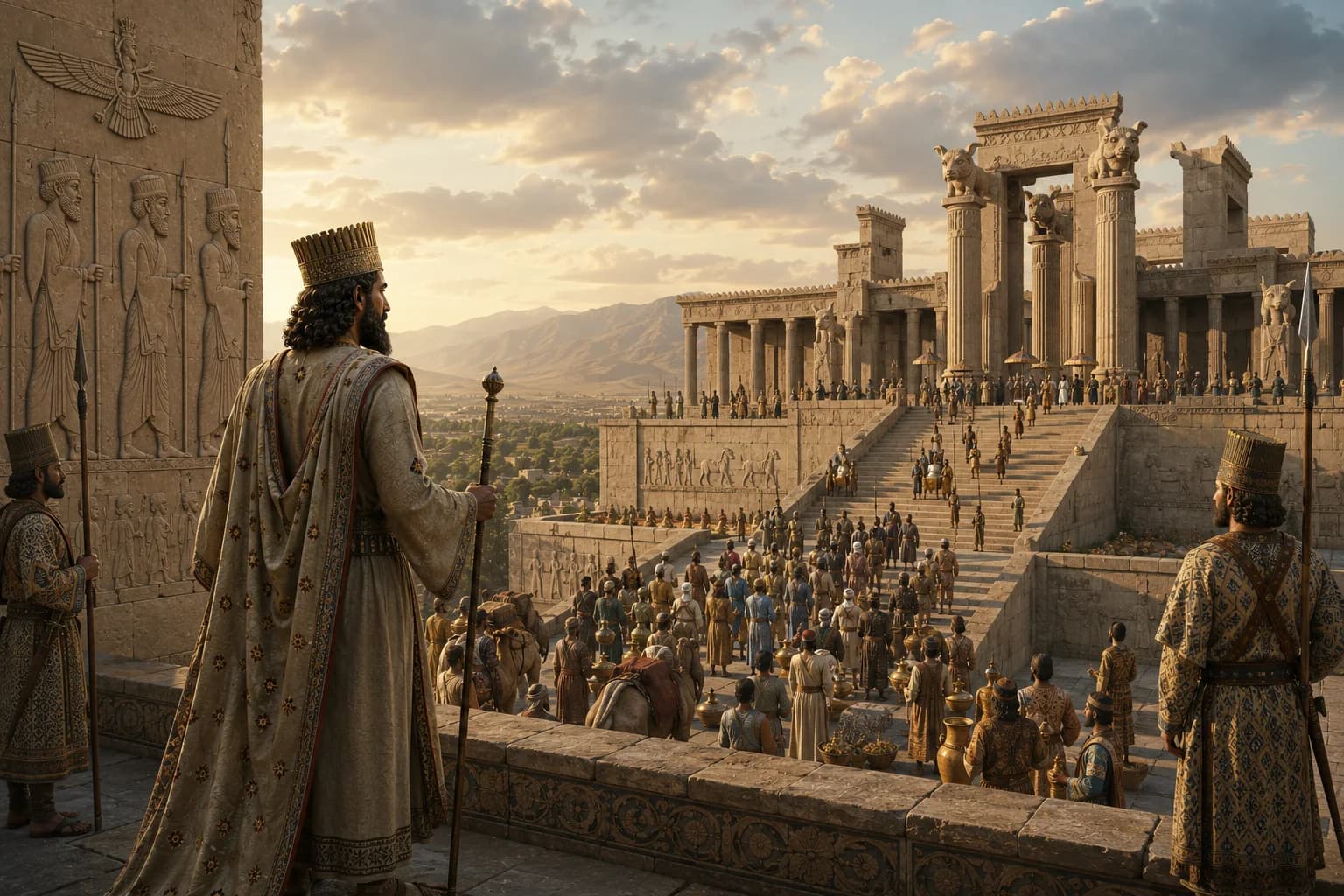
Artaxerxes II came to power at a moment when the Achaemenid Empire remained wealthy and prestigious but politically tense. Royal succession was never merely ceremonial. Brothers, court factions, satraps, and armies could become part of the struggle. His younger brother Cyrus held power in the west and would soon become the most serious threat to the new king.
401 BC

Cunaxa

The Battle of Cunaxa was decisive because Cyrus died. Artaxerxes did not simply defeat a provincial rebel; he survived a royal challenge that could have replaced him at the center of the empire. The Greek mercenaries in Cyrus's army became famous for their retreat, but Artaxerxes achieved the essential political result. The throne remained his, and the empire did not fracture around Cyrus's claim.

4th century BC

Greek politics

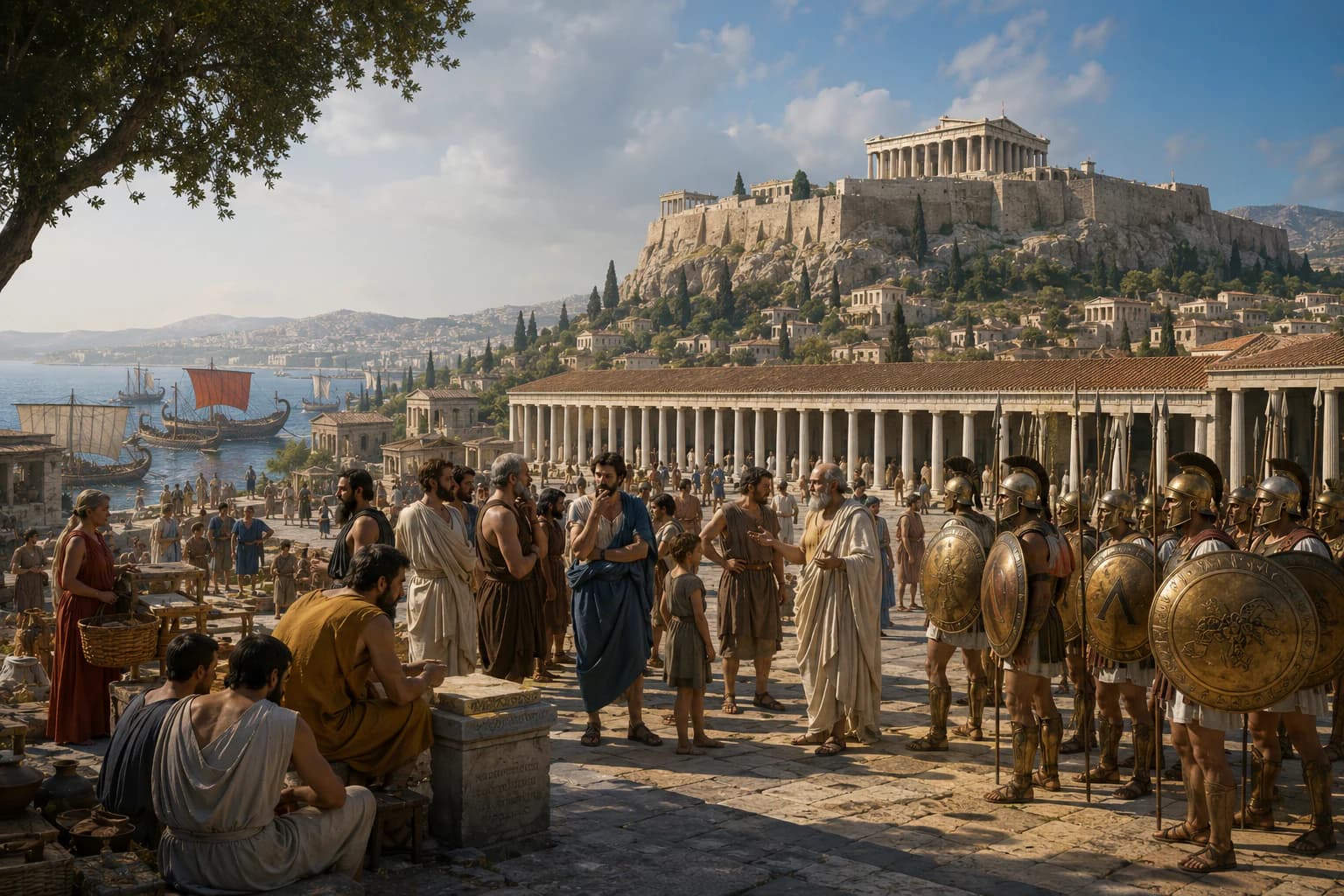
Artaxerxes II's reign shows that Persian influence in the Greek world did not end after the failed invasion of Xerxes. Persian money and diplomacy could shape rivalries among Greek city-states. The King could support one side, pressure another, and use Greek divisions to protect Persian interests in western Anatolia. This was not the spectacular invasion of 480 BC. It was quieter but often effective imperial politics.

4th century BC

Imperial strain

The empire under Artaxerxes II was still formidable, but its pressures were visible. Egypt resisted Persian control for long periods, western satraps could become dangerously autonomous, and court politics remained intense. These problems did not mean immediate collapse. The Achaemenid state could still recover, negotiate, and project power. But the margin between imperial flexibility and imperial fragmentation was narrowing.

After 358 BC

Long reign, mixed legacy

Artaxerxes II ruled for decades, an achievement in itself within a courtly world of rivalry and violence. He outlived Cyrus's revolt and kept the empire intact. Yet his reign also belongs to the story of gradual Achaemenid vulnerability: Greek military confidence, Egyptian resistance, satrapal power, and succession politics all mattered. His importance lies in that tension between endurance and strain.

Continue in context

Connected stories

Move from the profile into the wider events and settings this figure belongs to.

Tertiary paths

Content note

This profile is written for educational use and connects to related Stories of History pages. The main portrait is an AI-assisted historical reconstruction, included as an illustrative aid rather than documentary evidence. Image policy

References

Sources & Further Reading

Reliable reference works, archives and reading paths connected to this profile.

Further reading

  1. Encyclopaedia Britannica, Search results for Artaxerxes II,” accessed June 2026.Open source
  2. WorldCat, Books and library holdings for Artaxerxes II,” accessed June 2026.Open source

Primary sources

  1. Library of Congress, Search results for Artaxerxes II,” accessed June 2026.Open source

Reviewed claim sources

Loading reviewed claim sources...

A weekly route through history

Find out first about the latest published stories, feature notes and occasional Premium offers in one weekly email.