People

Darius I

Darius I, known as Darius the Great, ruled the Achaemenid Persian Empire from 522 to 486 BC. He restored control after revolt, strengthened imperial administration, and fought the Greeks at Marathon.

Born
c. 550 BCE
Died
486 BCE
Role
Achaemenid king

Achaemenid king of Persia (522-486 BC)

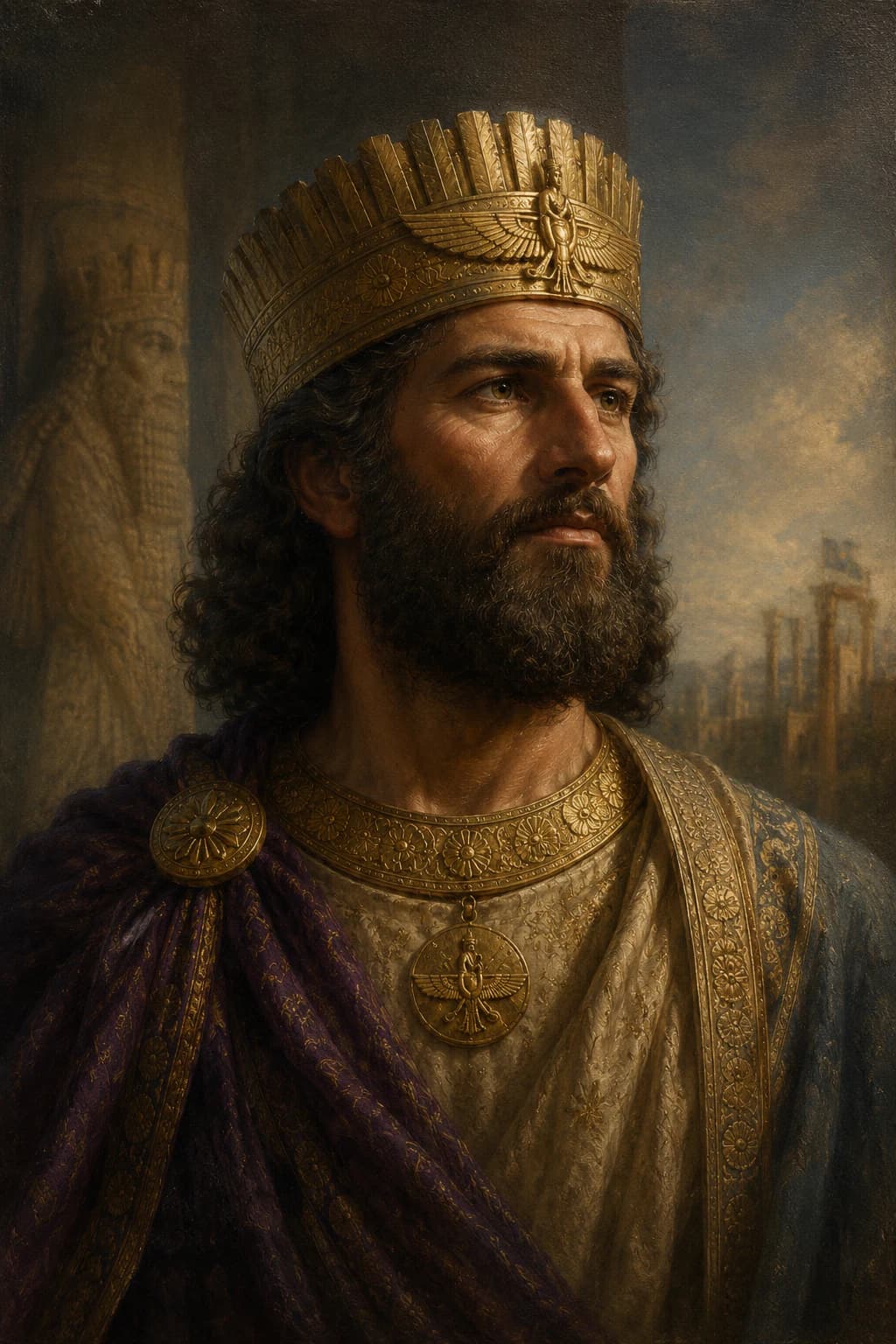
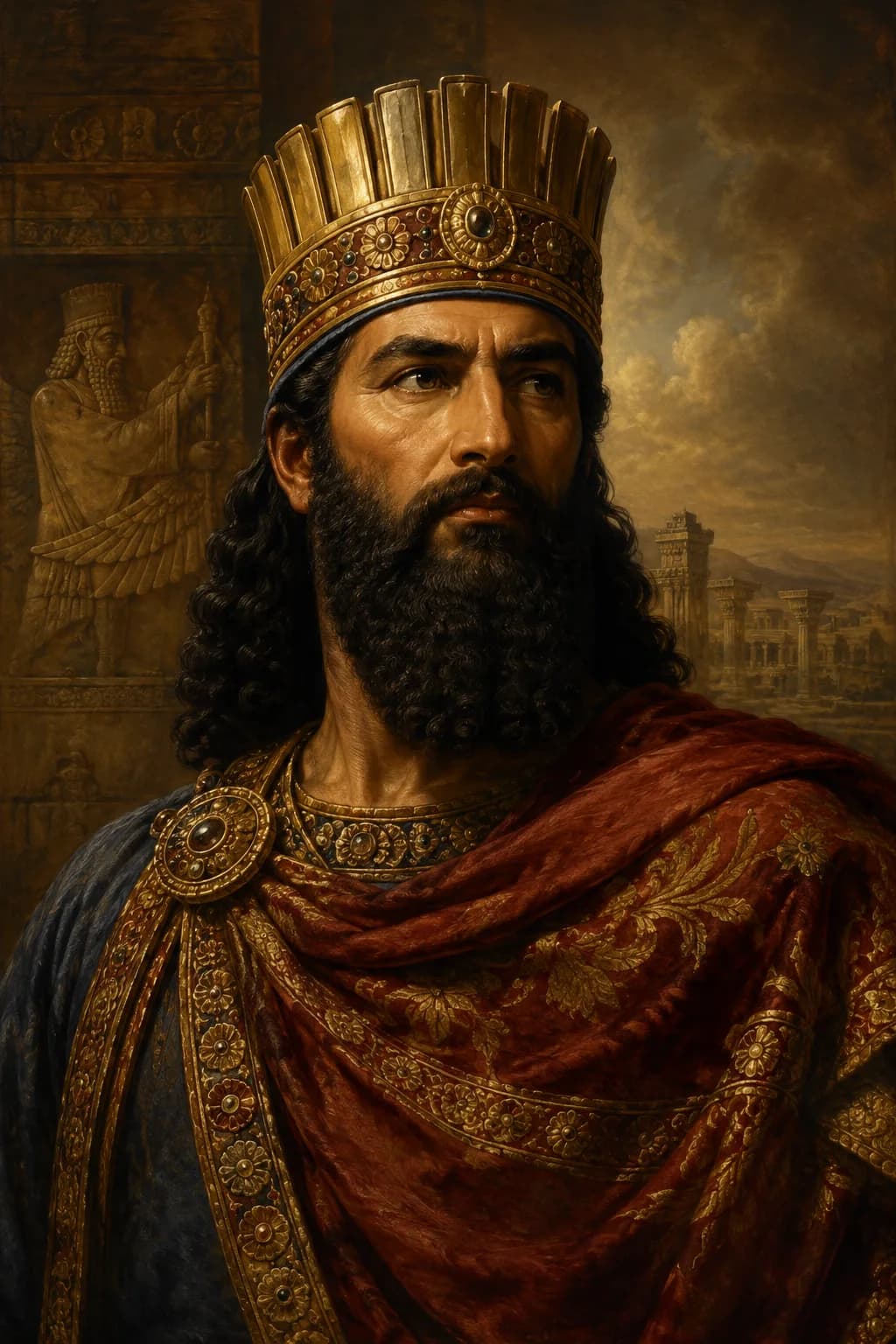
AI-generated portrait of Darius I in Achaemenid royal dress
AI-assisted historical reconstruction

An illustrative reconstruction based on historical context. It is not a photograph or documentary likeness. Image policy

Quick answer

Darius I, known as Darius the Great, ruled the Achaemenid Persian Empire from 522 to 486 BC. He restored control after revolt, strengthened imperial administration, and fought the Greeks at Marathon.

Born
c. 550 BCE
Died
486 BCE
Role
Achaemenid king
Years
c. 550-486 BCE
Quick facts

Profile details

Additional identity and tagging details that are not already covered in the introduction.

Also known as
Darius, Darius the Great, Darius of Persia
Region
Persia, Mesopotamia, Egypt, Persia
Facts

Darius I timeline facts

Selected specifics from this profile's life story.

522 BC
Seizing the throne

Darius took power during a crisis after Cambyses II, killing the ruler he called Gaumata and claiming to restore rightful order.

522-521 BC
Crushing revolts

After taking the throne, Darius fought revolts across the empire and presented victory as the restoration of order.

499-490 BC
Greek frontier

The Ionian Revolt and the defeat at Marathon drew Darius into the conflict between Persia and mainland Greek cities.

After 486 BC
A lasting imperial model

Darius left an empire that was larger, more organized, and more ideologically confident than the one he seized.

Life Journey

The king who made Persian rule systematic

Follow Darius from contested accession to imperial reform, royal roads, and the Greek frontier.

Complete chronology

522 BC

Seizing the throne

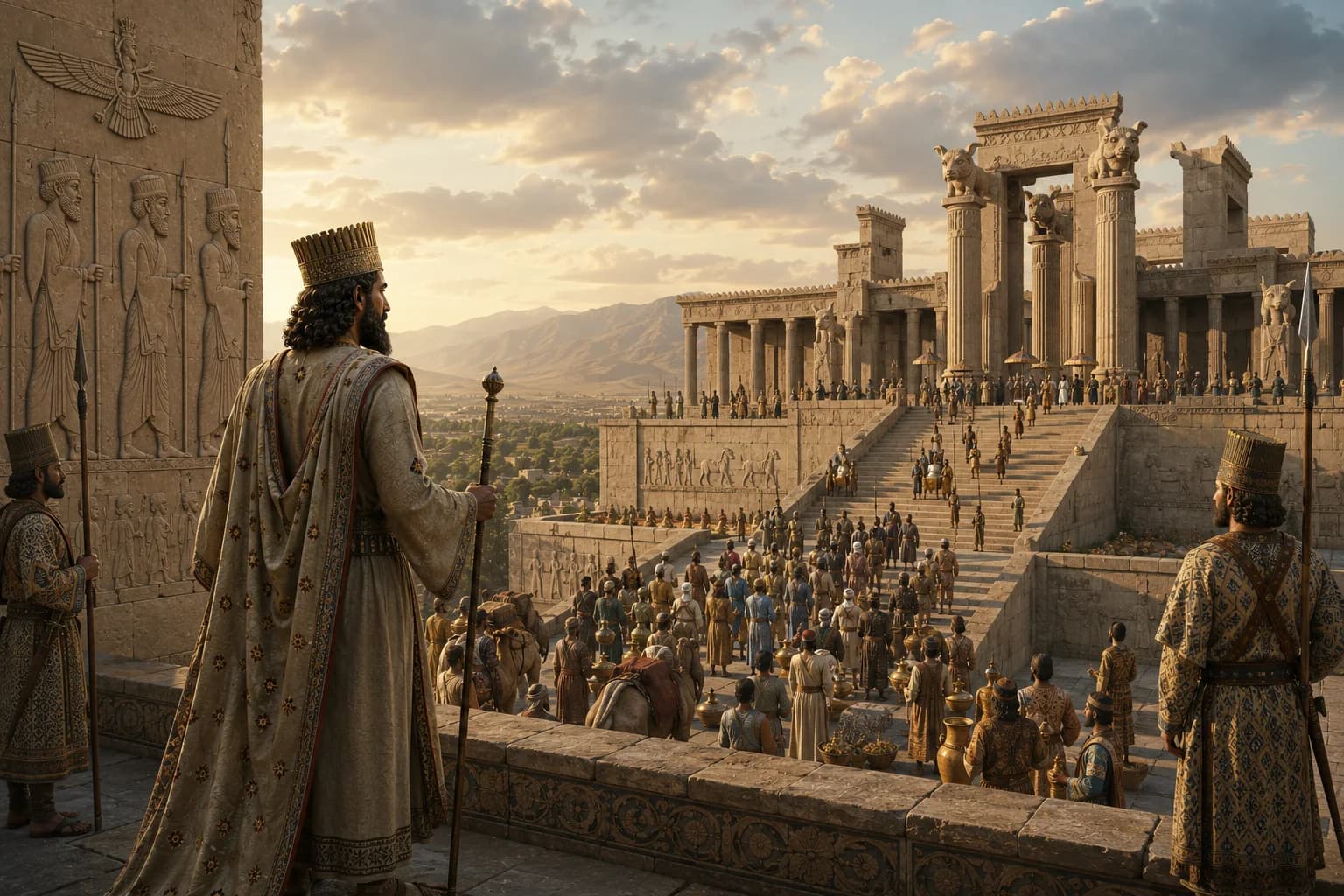
Darius I came to power in a storm of legitimacy. His own Behistun Inscription says that Cambyses had killed Bardiya, that a Magian named Gaumata then impersonated him, and that Darius restored truth by killing the impostor. The account is invaluable but political. It explains why Darius deserved the throne. Modern historians therefore treat the details carefully, while accepting the larger reality of crisis, revolt, and violent accession.
522-521 BC

Crushing revolts

Darius's first year was not a peaceful coronation. Revolts broke out in Babylonia, Media, Elam, and other regions as local leaders tested whether the Achaemenid centre would hold. Darius responded with repeated military campaigns and a careful royal message. At Behistun, he described rebels as liars and himself as the defender of truth. That language mattered because rebellion was not only military disobedience. It was a rival claim to legitimacy.

late 6th century BC

Imperial administration

Darius is remembered as one of antiquity's great organizers of empire. He did not invent every Persian institution from nothing, but he gave Achaemenid rule stronger shape. Satrapies, tribute assessments, royal roads, seals, records, garrisons, and court hierarchy made power repeatable. The goal was not cultural uniformity. It was command: information, revenue, soldiers, and obedience moving toward the Great King from many different lands.

499-490 BC

Greek frontier

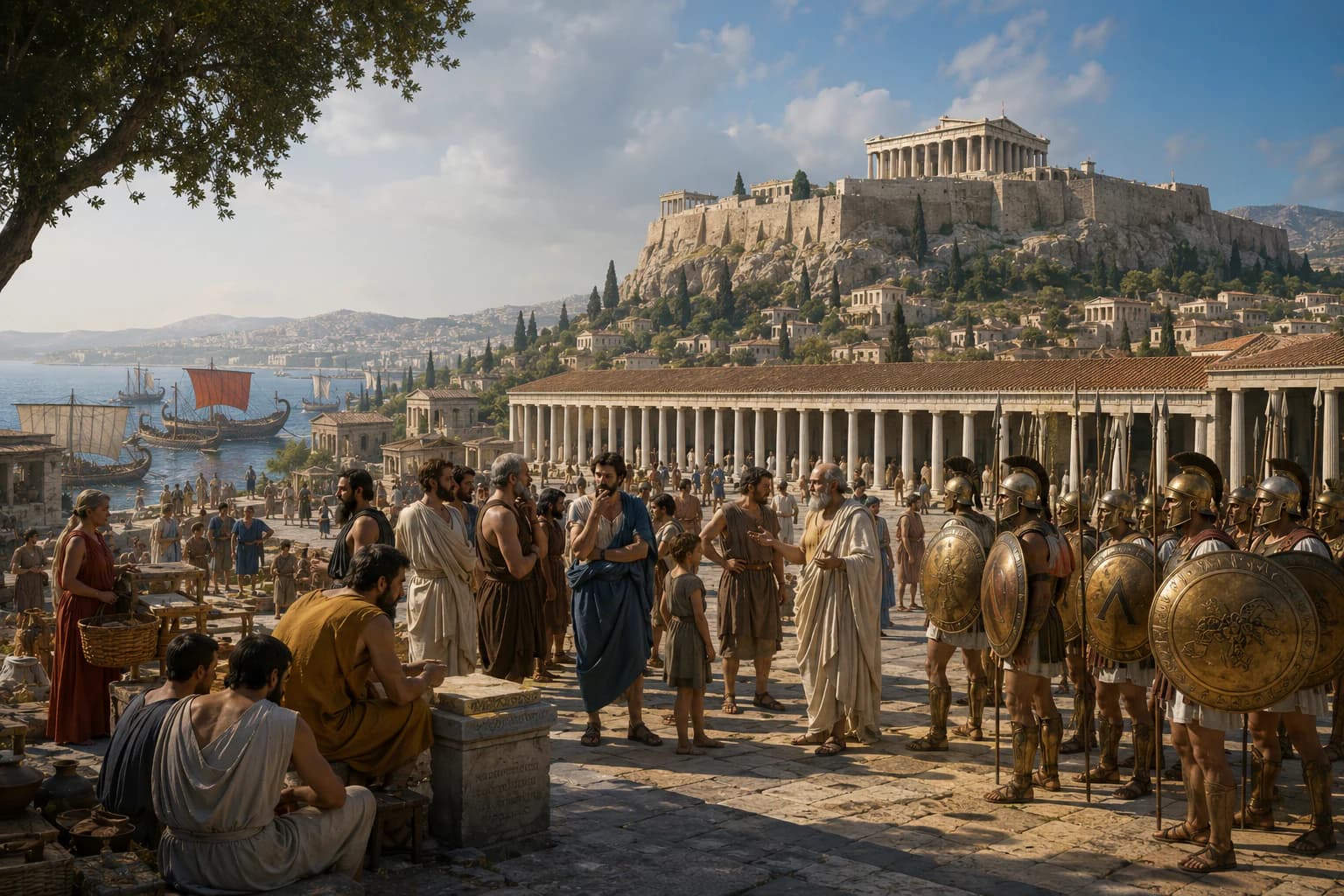
Darius's western frontier became unstable when Ionian Greek cities under Persian authority rebelled in 499 BC and received help from Athens and Eretria. Persia crushed the revolt, but the involvement of mainland Greeks changed the issue. Darius sent forces across the Aegean, punishing Eretria before the Persian defeat at Marathon in 490 BC. Marathon did not destroy Persia, but it gave Greek memory a powerful story and left the western problem unresolved for Xerxes.

After 486 BC

A lasting imperial model

Darius I matters because he made Achaemenid kingship durable. Cyrus founded the empire, but Darius stabilized and articulated it. His inscriptions, building projects, administrative systems, and provincial order helped define what Persian imperial rule looked like for generations. His legacy is double-edged: he was a usurper who wrote his own justification, and a ruler of extraordinary administrative consequence.

Continue in context

Connected stories

Move from the profile into the wider events and settings this figure belongs to.

Tertiary paths

Content note

This profile is written for educational use and connects to related Stories of History pages. The main portrait is an AI-assisted historical reconstruction, included as an illustrative aid rather than documentary evidence. Image policy

References

Sources & Further Reading

Reliable reference works, archives and reading paths connected to this profile.

Further reading

  1. Encyclopaedia Britannica, Search results for Darius I,” accessed June 2026.Open source
  2. WorldCat, Books and library holdings for Darius I,” accessed June 2026.Open source

Primary sources

  1. Library of Congress, Search results for Darius I,” accessed June 2026.Open source

Reviewed claim sources

Loading reviewed claim sources...

A weekly route through history

Find out first about the latest published stories, feature notes and occasional Premium offers in one weekly email.