People

Bardiya

Bardiya, also known in Greek sources as Smerdis, was a son of Cyrus the Great and brother of Cambyses II. The disputed events around his name shaped Darius I's seizure of power in 522 BC.

Died
c. 522 BCE
Role
Achaemenid prince

Achaemenid prince and disputed king (522 BC)

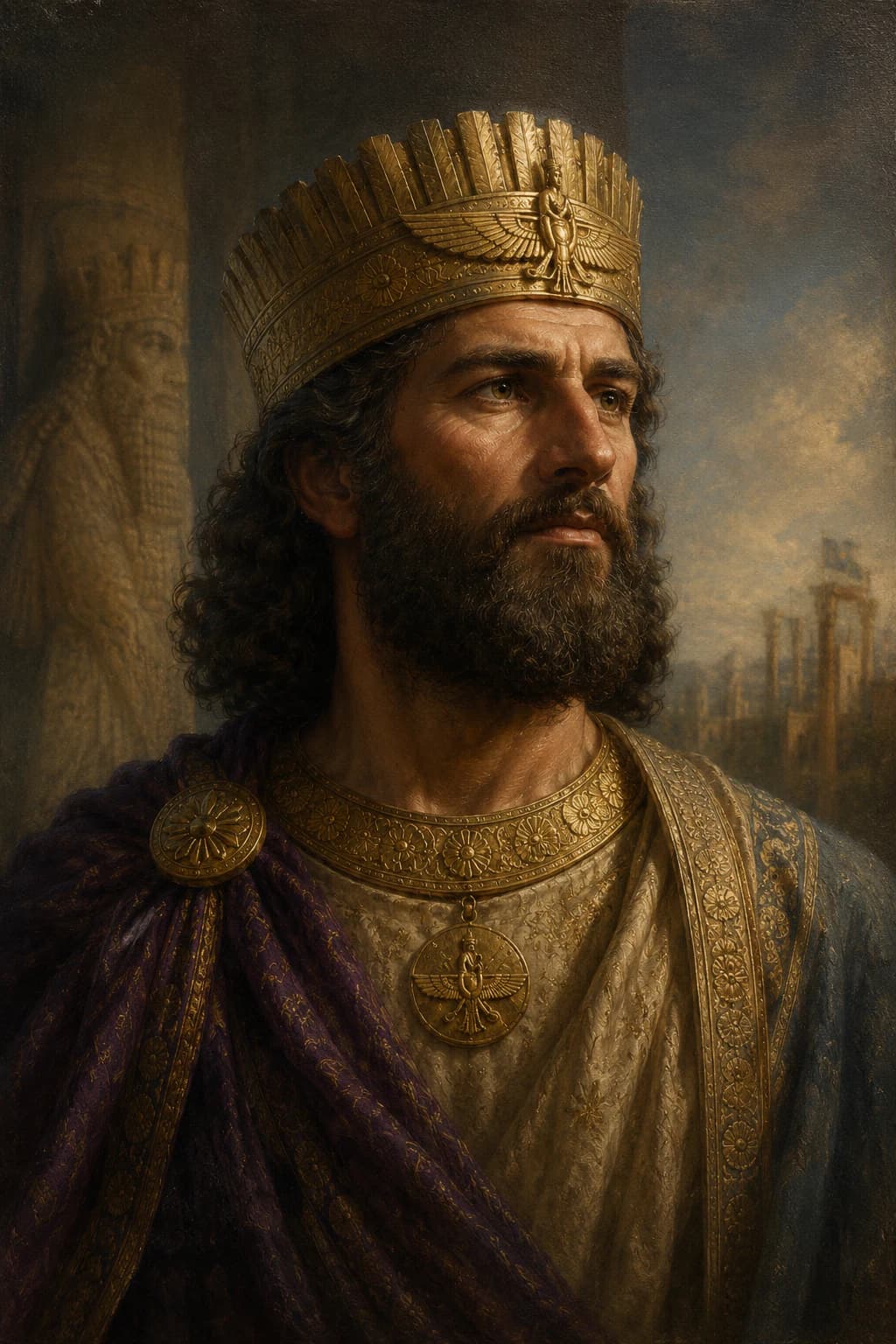
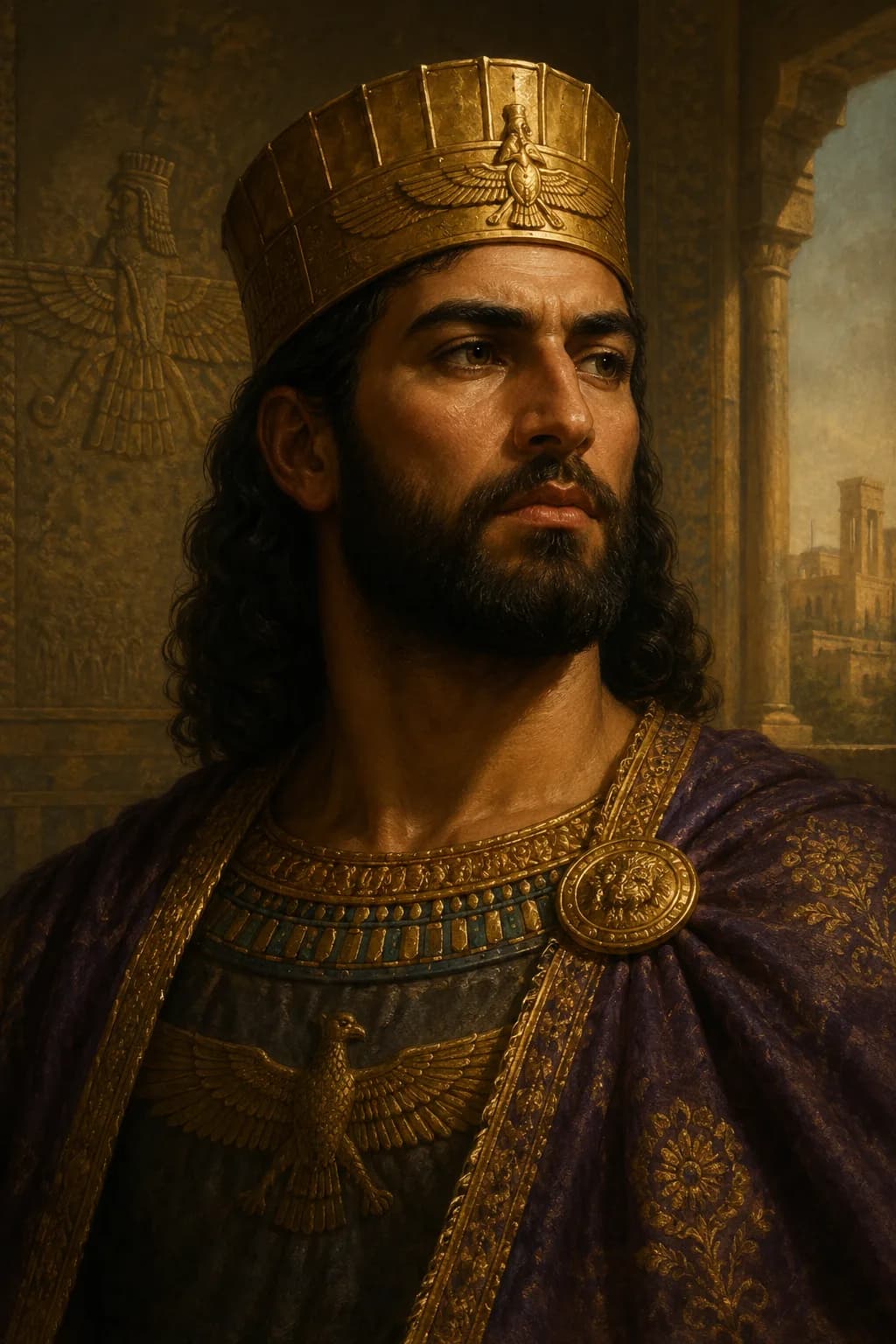
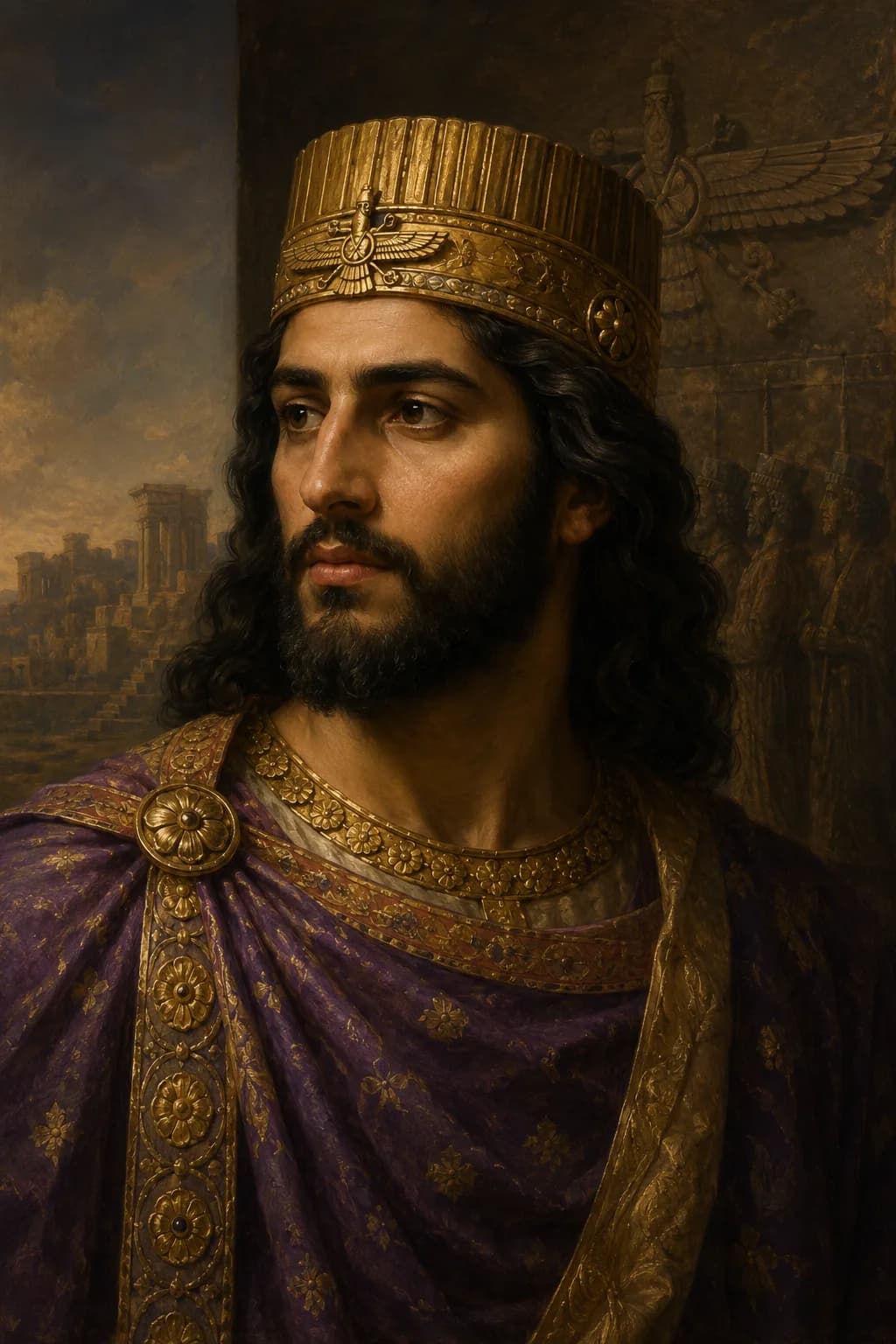
AI-generated portrait of Bardiya in Achaemenid royal dress
AI-assisted historical reconstruction

An illustrative reconstruction based on historical context. It is not a photograph or documentary likeness. Image policy

Quick answer

Bardiya, also known in Greek sources as Smerdis, was a son of Cyrus the Great and brother of Cambyses II. The disputed events around his name shaped Darius I's seizure of power in 522 BC.

Died
c. 522 BCE
Role
Achaemenid prince
Years
Died c. 522 BCE
Quick facts

Profile details

Additional identity and tagging details that are not already covered in the introduction.

Also known as
Smerdis, Bardia
Region
Persia, Persia
Facts

Bardiya timeline facts

Selected specifics from this profile's life story.

6th century BC
Son of Cyrus

Bardiya was remembered as a son of Cyrus the Great and brother of Cambyses II, placing him close to the Achaemenid throne.

before 522 BC?
A disputed death

Darius later claimed Cambyses had secretly killed Bardiya before a usurper took his name, but the story remains debated.

522 BC
The throne in his name

In 522 BC, the empire was ruled by a figure known as Bardiya, or by someone claiming to be him.

522-521 BC
Darius's account

Darius killed the ruler he identified as Gaumata and carved his version of the crisis into the Behistun Inscription.

Life Journey

The prince behind Persia's most contested succession

Follow Bardiya through dynasty, disappearance, disputed kingship, and Darius's version of legitimacy.

Complete chronology

6th century BC

Son of Cyrus

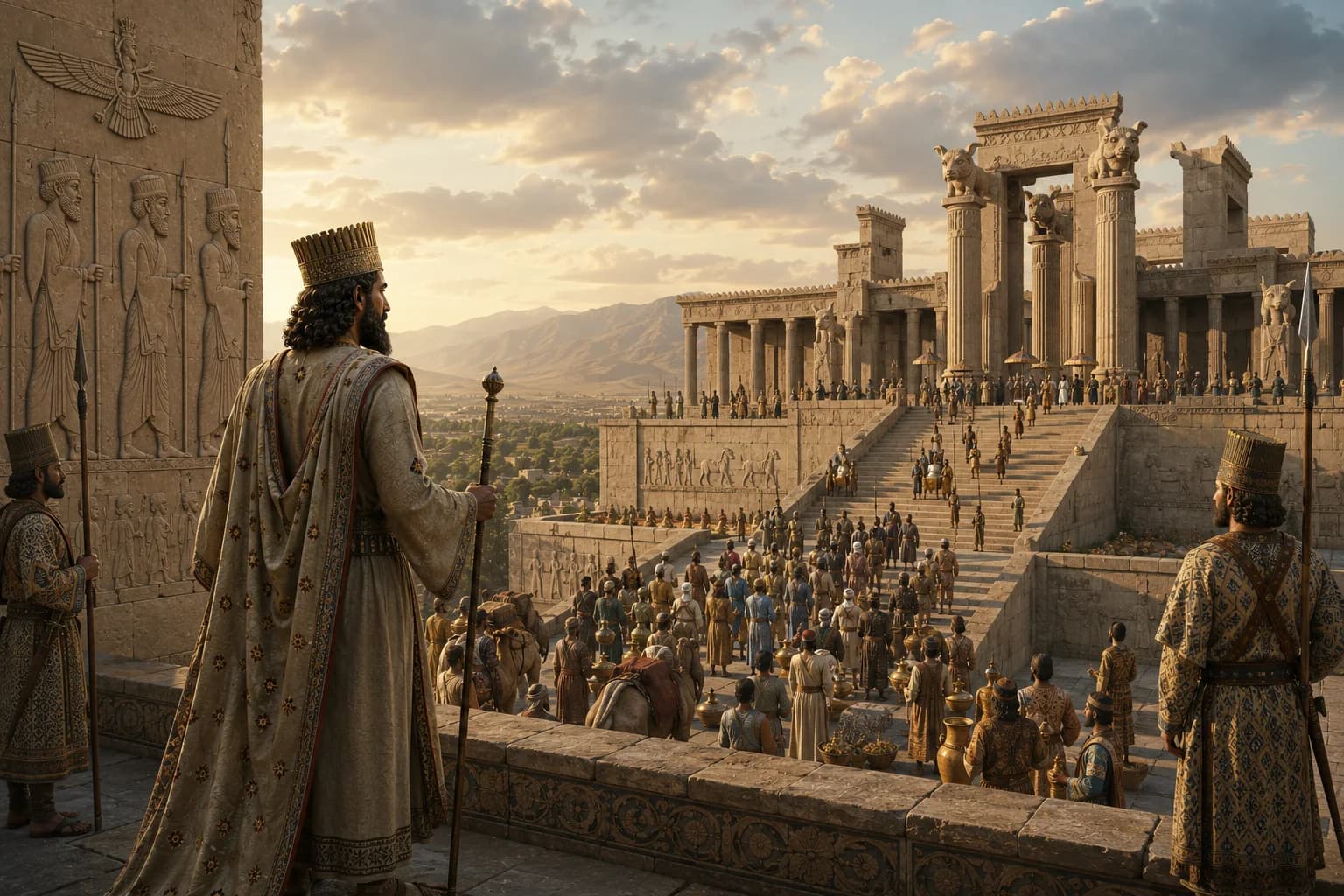
Bardiya belonged to the founding family of the Persian Empire. As a son of Cyrus the Great, he carried a claim that mattered deeply after Cyrus's death. Later Greek sources call him Smerdis, while Old Persian evidence preserves Bardiya. The differences in names are less important than his dynastic position. He stood inside the narrow circle where royal succession could either stabilize the empire or tear it open.
before 522 BC?

A disputed death

According to Darius's Behistun account, Cambyses killed Bardiya in secret before leaving the empire vulnerable to deception. That claim is central to Darius's legitimacy, which is exactly why historians treat it cautiously. If Bardiya had truly been dead, Darius defeated an impostor. If the man on the throne was the real Bardiya, Darius overthrew Cyrus's rightful heir. The surviving evidence does not remove all uncertainty.

522 BC

The throne in his name

The succession crisis of 522 BC turned Bardiya's name into a political force. Whether the ruler was the real Bardiya or a successful impersonator, many people accepted the new authority for a time. This is historically important. Achaemenid rule was still young, and legitimacy depended on recognition across far-flung elites, provinces, soldiers, and court circles. The name Bardiya was powerful enough to hold the empire briefly.

522-521 BC

Darius's account

Darius's response shaped how Bardiya would be remembered. By identifying the ruler as Gaumata, a deceiver, Darius made his own coup look like restoration. The Behistun Inscription presents a world divided between truth and lies, rightful kingship and rebellion. It is both a source and an argument. Bardiya's profile must therefore remain open to uncertainty, because the most famous account of him was written by the man who benefited from his removal.

Continue in context

Connected stories

Move from the profile into the wider events and settings this figure belongs to.

Tertiary paths

Content note

This profile is written for educational use and connects to related Stories of History pages. The main portrait is an AI-assisted historical reconstruction, included as an illustrative aid rather than documentary evidence. Image policy

References

Sources & Further Reading

Reliable reference works, archives and reading paths connected to this profile.

Further reading

  1. Encyclopaedia Britannica, Search results for Bardiya,” accessed June 2026.Open source
  2. WorldCat, Books and library holdings for Bardiya,” accessed June 2026.Open source

Primary sources

  1. Library of Congress, Search results for Bardiya,” accessed June 2026.Open source

Reviewed claim sources

Loading reviewed claim sources...

A weekly route through history

Find out first about the latest published stories, feature notes and occasional Premium offers in one weekly email.