People

Cambyses II

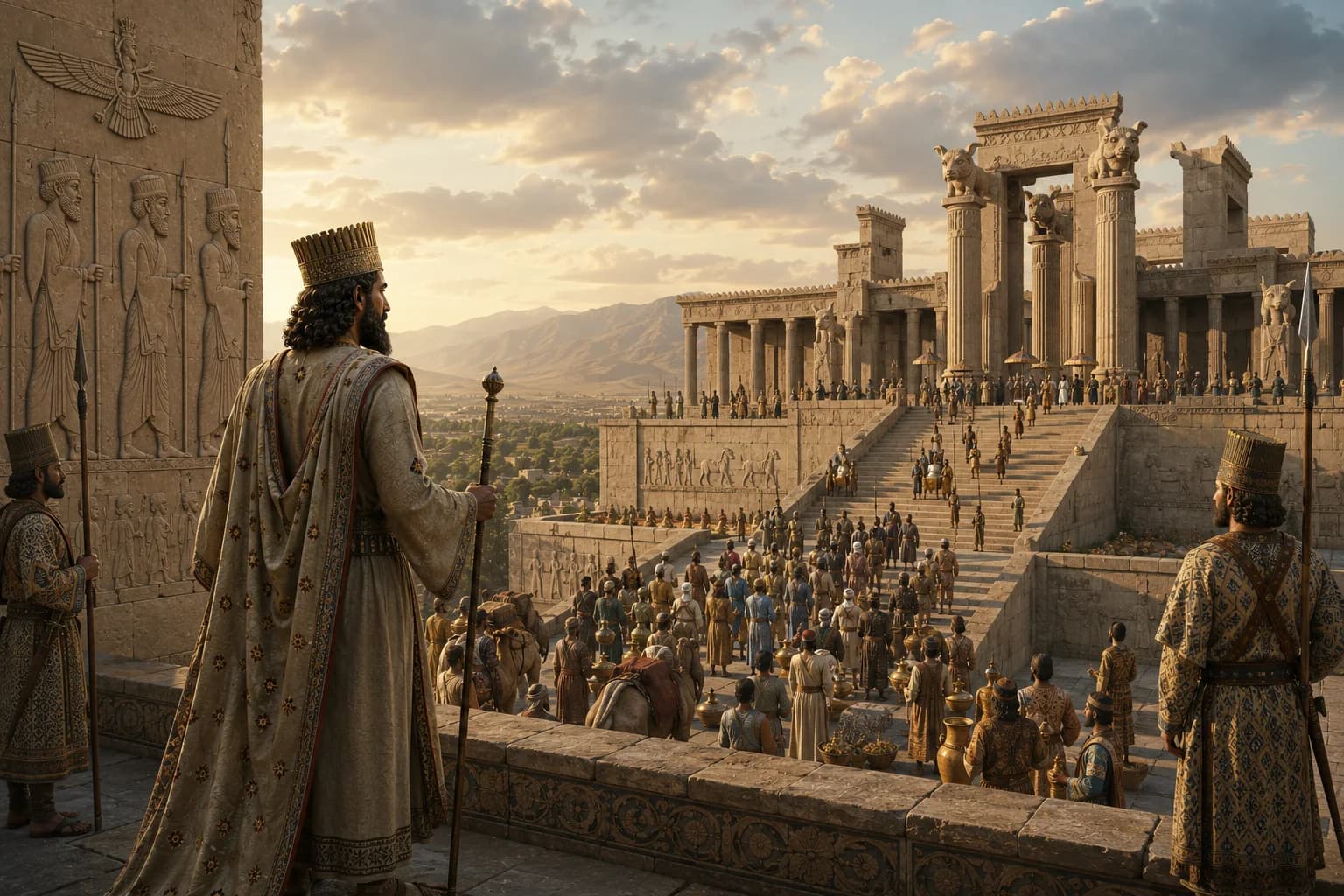
Cambyses II was the second Achaemenid king of Persia, ruling from 530 to 522 BC. He conquered Egypt in 525 BC, but his death during a succession crisis destabilized the empire.

Born
c. 558 BCE
Died
522 BCE
Role
Achaemenid king

Achaemenid king of Persia (530-522 BC)

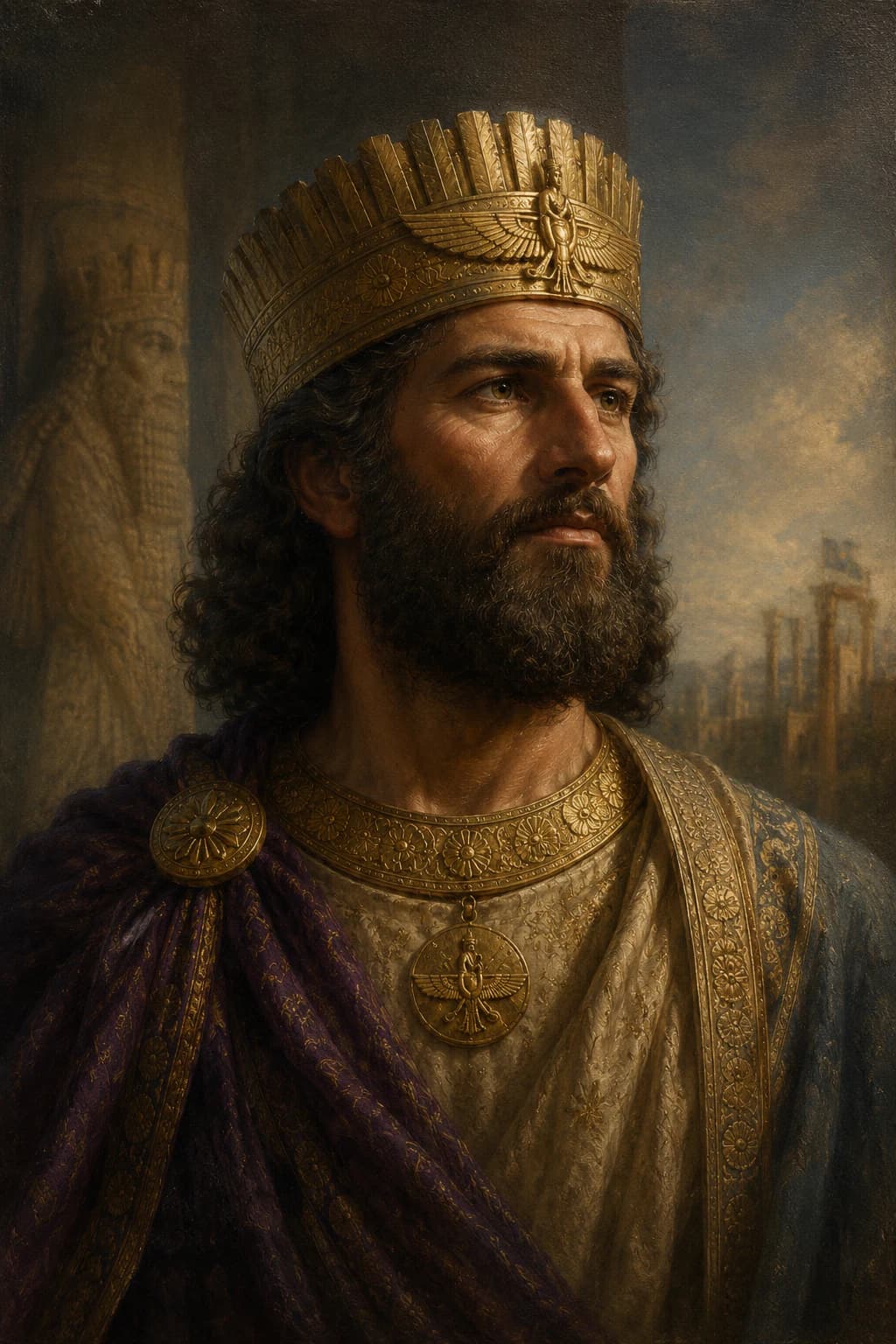
AI-generated portrait of Cambyses II in Achaemenid royal dress
AI-assisted historical reconstruction

An illustrative reconstruction based on historical context. It is not a photograph or documentary likeness. Image policy

Quick answer

Cambyses II was the second Achaemenid king of Persia, ruling from 530 to 522 BC. He conquered Egypt in 525 BC, but his death during a succession crisis destabilized the empire.

Born
c. 558 BCE
Died
522 BCE
Role
Achaemenid king
Years
c. 558-522 BCE
Quick facts

Profile details

Additional identity and tagging details that are not already covered in the introduction.

Also known as
Cambyses, Cambyses of Persia
Region
Persia, Egypt, Persia and Egypt
Facts

Cambyses II timeline facts

Selected specifics from this profile's life story.

530 BC
Imperial inheritance

Cambyses succeeded Cyrus the Great in 530 BC, inheriting a large but still young Achaemenid Empire.

525 BC
Conquest of Egypt

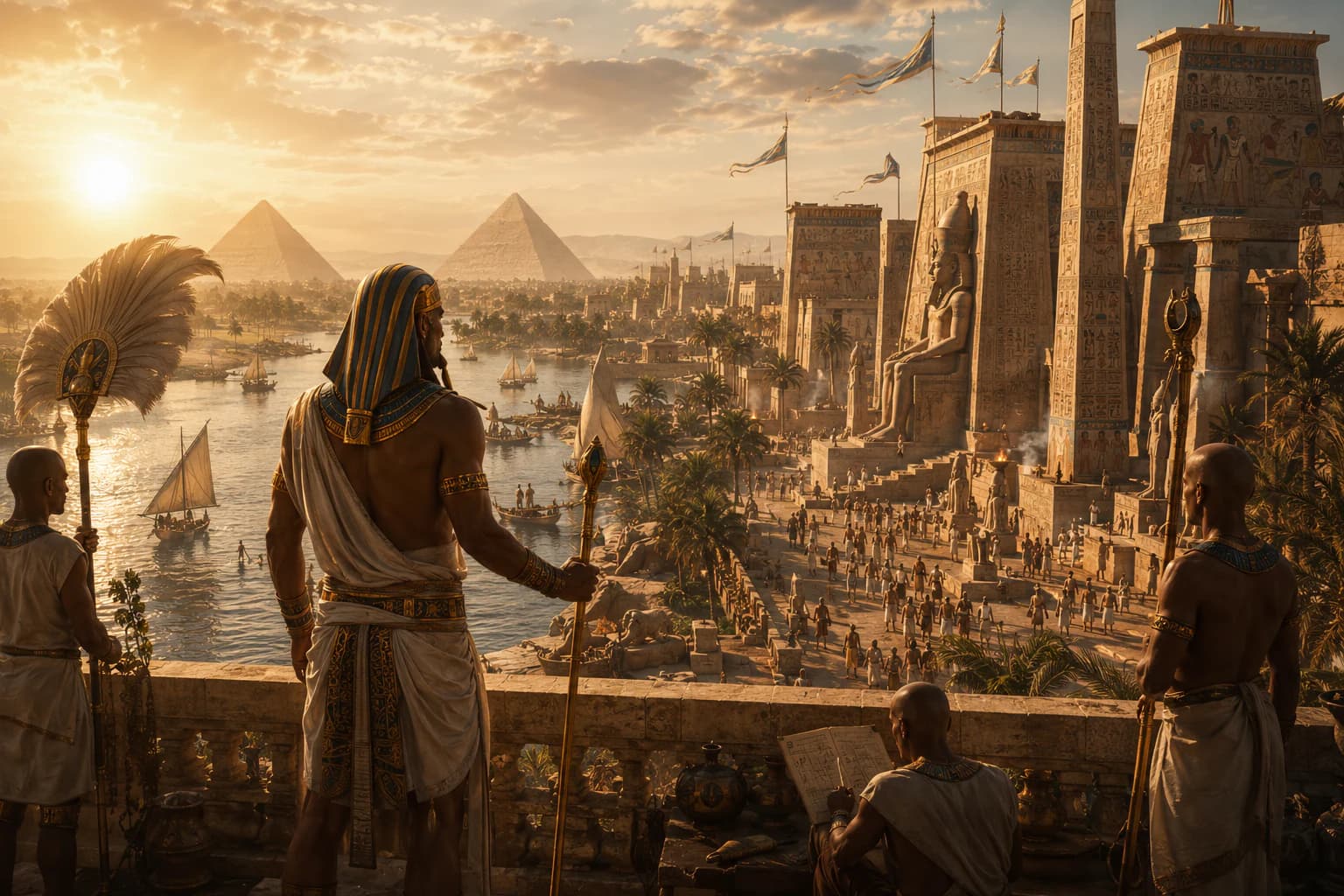
Cambyses defeated Egypt in 525 BC, adding one of the oldest and richest kingdoms of the ancient world to Persian rule.

522 BC
Succession crisis

Cambyses died in 522 BC while the empire was shaken by a throne crisis involving Bardiya and the figure Darius called Gaumata.

After 522 BC
A difficult legacy

Cambyses expanded the empire dramatically, but his memory is overshadowed by Egypt, instability, and Darius's version of events.

Life Journey

The heir who pushed Persia into Egypt

Follow Cambyses from Cyrus's succession to Egypt, crisis, and the contested road to Darius.

Complete chronology

530 BC

Imperial inheritance

Cambyses II inherited one of the most impressive political creations of the ancient Near East. Cyrus had conquered Media, Lydia, and Babylon, but the empire was still new. Its survival depended on whether royal authority could pass from founder to heir without breaking. Cambyses's accession showed that Cyrus had built more than a personal war machine, but the new king still had to prove that expansion and obedience would continue.
525 BC

Conquest of Egypt

Cambyses's conquest of Egypt was his defining achievement. Egypt brought the empire immense prestige, grain, wealth, temples, scribes, and a royal tradition thousands of years old. Persian victory required military preparation and careful use of routes through the eastern Mediterranean world. Once Egypt fell, Cambyses had to appear not only as conqueror but as pharaoh, because Egyptian legitimacy had its own religious and political language.

525-522 BC

Ruling another royal world

Ancient Greek and Egyptian traditions often remember Cambyses harshly, accusing him of violence against Egyptian customs and sacred institutions. Those stories need careful handling because hostile memory gathered around foreign rule. Still, Persian control of Egypt was a severe test. Egypt was not a small province that could be folded quietly into Persian routines. It required garrisons, officials, temple negotiation, and the ability to translate Achaemenid kingship into Egyptian forms.

522 BC

Succession crisis

Cambyses's reign ended in one of the most contested episodes of Achaemenid history. Darius later claimed that Cambyses had secretly killed his brother Bardiya and that an impostor named Gaumata seized the throne by pretending to be him. Other interpretations treat the matter with more caution, because Darius's account justified his own seizure of power. What is certain is that Cambyses died in 522 BC and the empire entered a dangerous crisis.

After 522 BC

A difficult legacy

Cambyses II is easy to reduce to a troubled successor, especially because later traditions often made him unstable or impious. A balanced view is more complicated. He preserved Cyrus's empire long enough to expand it into Egypt, a huge achievement. Yet his sudden death and the opaque events around Bardiya left the empire exposed. Cambyses matters because he shows both sides of early Achaemenid power: astonishing reach and dangerous dependence on royal succession.

Continue in context

Connected stories

Move from the profile into the wider events and settings this figure belongs to.

Tertiary paths

Content note

This profile is written for educational use and connects to related Stories of History pages. The main portrait is an AI-assisted historical reconstruction, included as an illustrative aid rather than documentary evidence. Image policy

References

Sources & Further Reading

Reliable reference works, archives and reading paths connected to this profile.

Further reading

  1. Encyclopaedia Britannica, Search results for Cambyses II,” accessed June 2026.Open source
  2. WorldCat, Books and library holdings for Cambyses II,” accessed June 2026.Open source

Primary sources

  1. Library of Congress, Search results for Cambyses II,” accessed June 2026.Open source

Reviewed claim sources

Loading reviewed claim sources...

A weekly route through history

Find out first about the latest published stories, feature notes and occasional Premium offers in one weekly email.