People

Xerxes I

Xerxes I ruled the Achaemenid Persian Empire from 486 to 465 BC. He is best known for the invasion of Greece in 480 BC, including Thermopylae, Salamis, and Plataea.

Born
c. 518 BCE
Died
465 BCE
Role
Achaemenid king

Achaemenid king of Persia (486-465 BC)

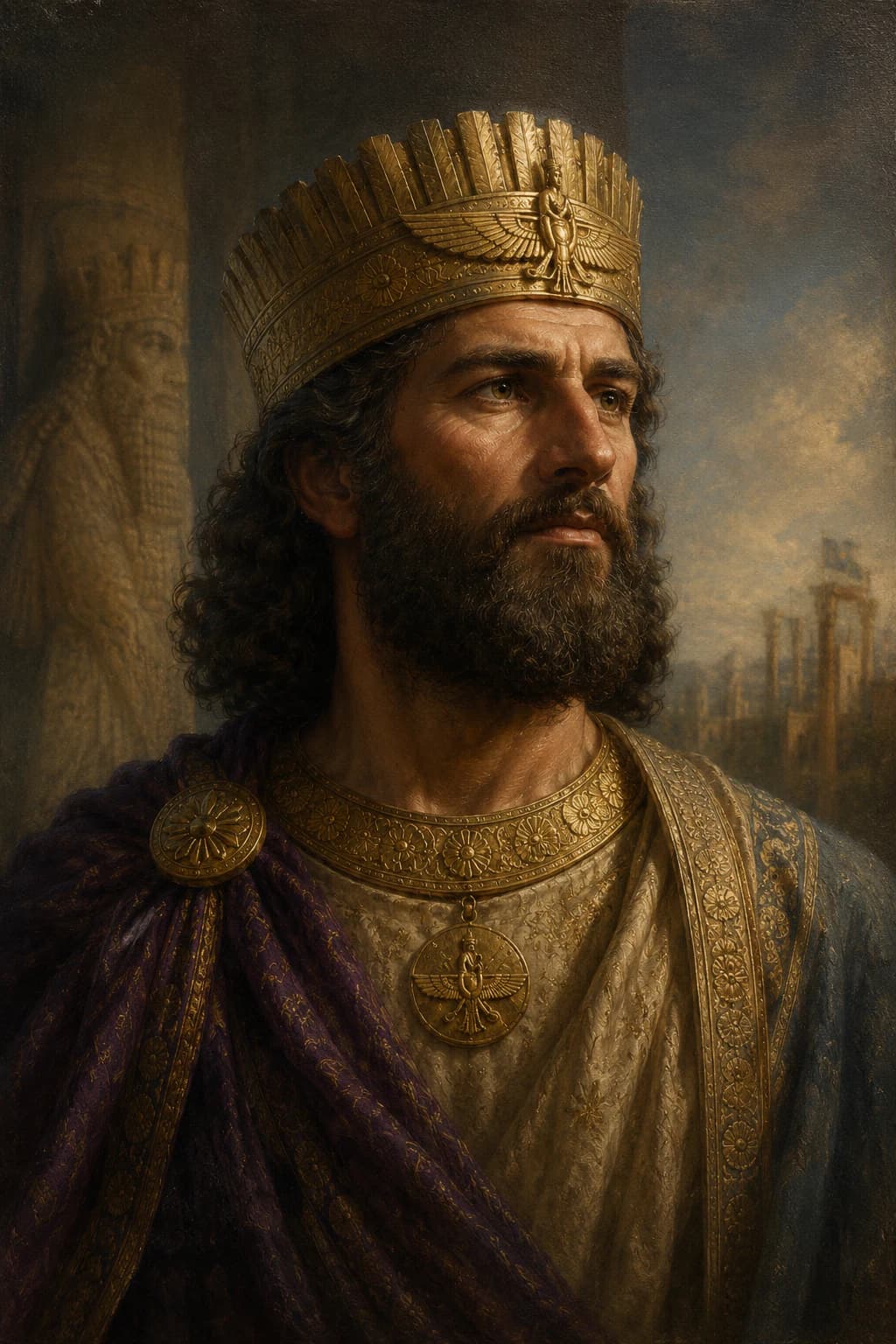
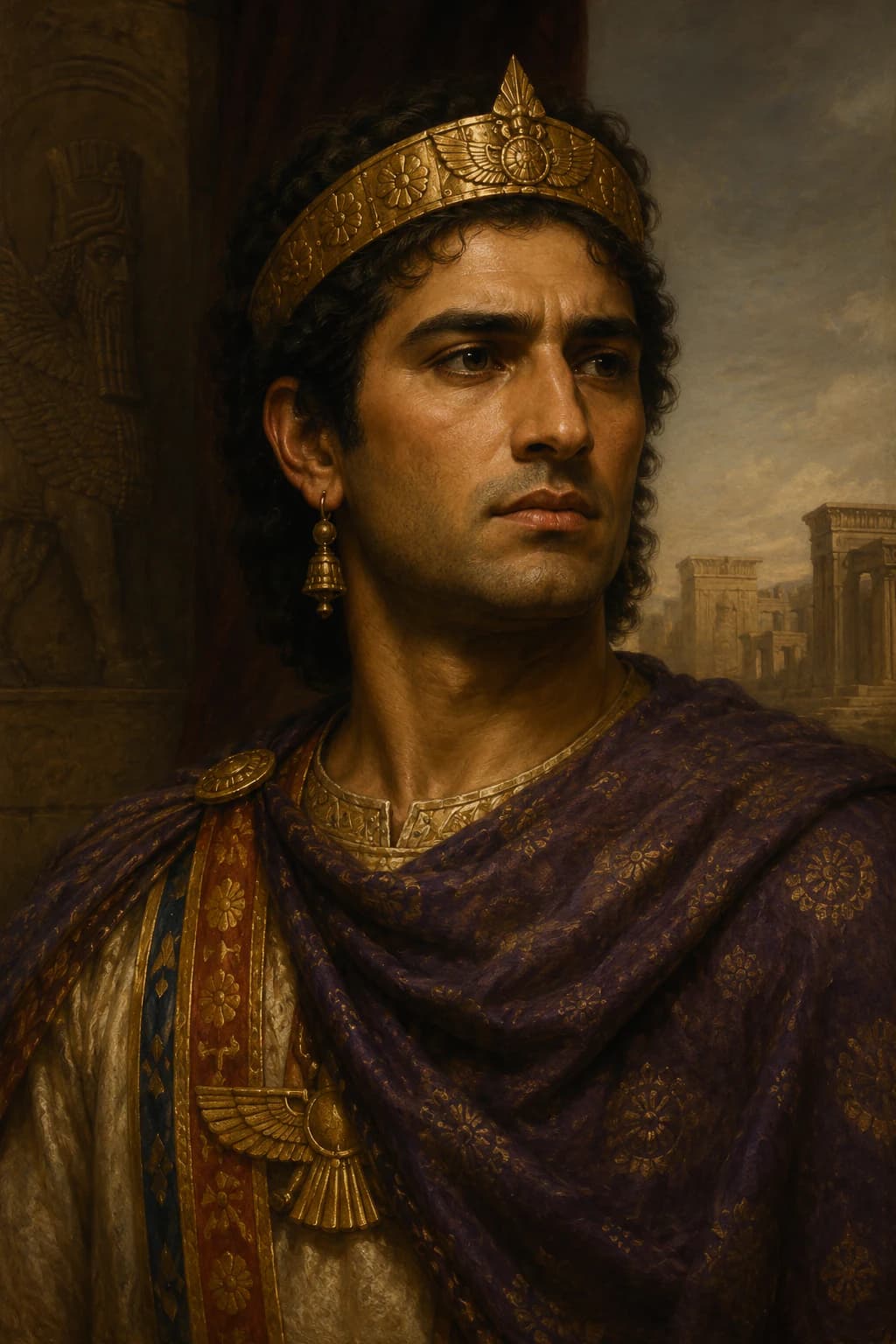
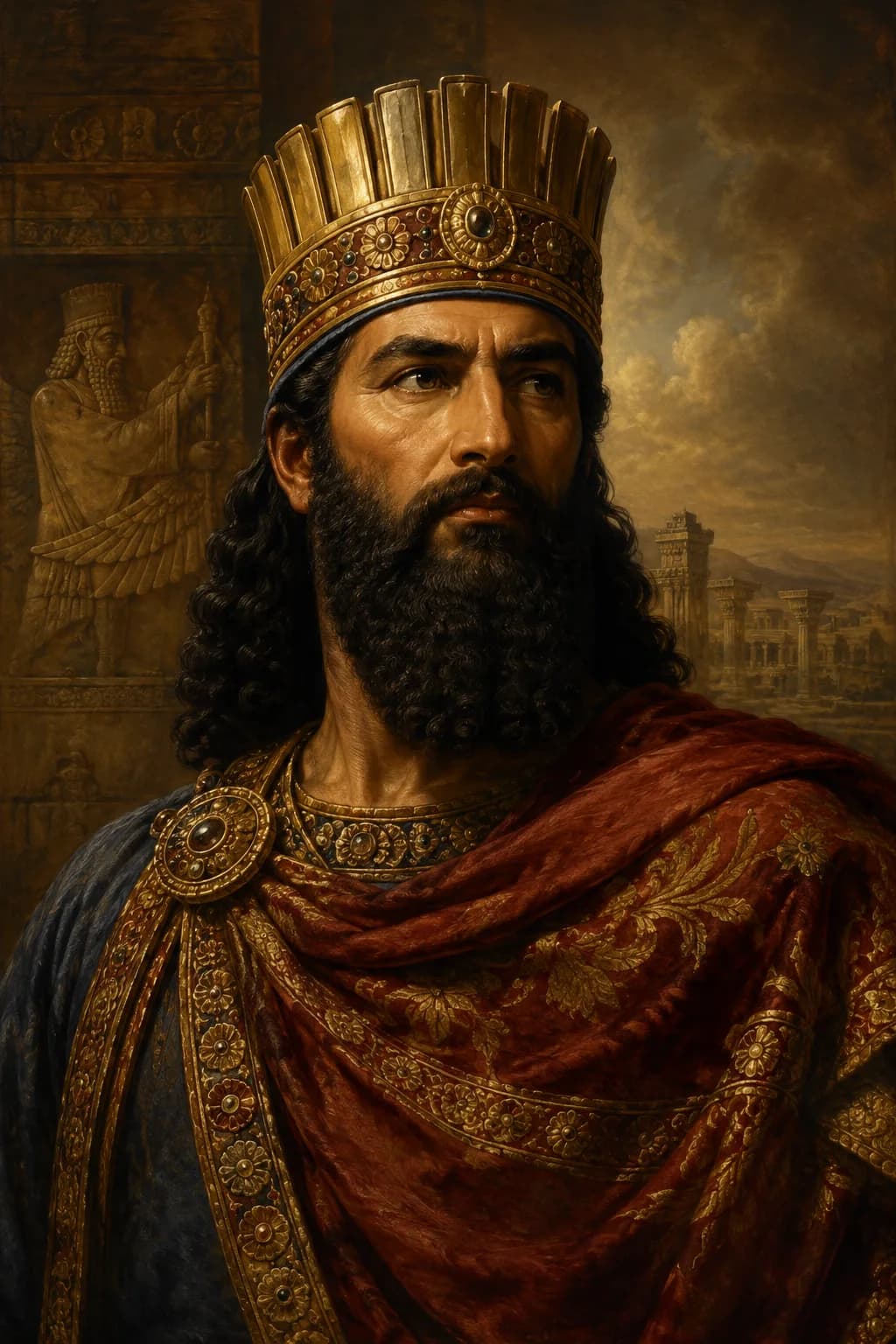
AI-generated portrait of Xerxes I in Achaemenid royal dress
AI-assisted historical reconstruction

An illustrative reconstruction based on historical context. It is not a photograph or documentary likeness. Image policy

Quick answer

Xerxes I ruled the Achaemenid Persian Empire from 486 to 465 BC. He is best known for the invasion of Greece in 480 BC, including Thermopylae, Salamis, and Plataea.

Born
c. 518 BCE
Died
465 BCE
Role
Achaemenid king
Years
c. 518-465 BCE
Quick facts

Profile details

Additional identity and tagging details that are not already covered in the introduction.

Also known as
Xerxes, Xerxes the Great, Khshayarsha
Region
Persia, Greece, Persia and Greece
Facts

Xerxes I timeline facts

Selected specifics from this profile's life story.

486 BC
Imperial succession

Xerxes succeeded Darius I in 486 BC, inheriting a vast empire and an unresolved western frontier.

486-484 BC
Securing the empire

Early in his reign, Xerxes faced unrest in parts of the empire, including Egypt and Babylonia.

479-465 BC
Ruling after Greece

After the failed invasion, Xerxes continued to rule a rich and powerful empire whose influence in Greek politics did not disappear.

465 BC
Death and memory

Xerxes was killed in 465 BC and became one of the most powerful symbols of Persian monarchy in Greek writing.

Life Journey

The king who brought Persia to Greece

Follow Xerxes from imperial succession to revolt, invasion, and the long memory of the Persian Wars.

Complete chronology

486 BC

Imperial succession

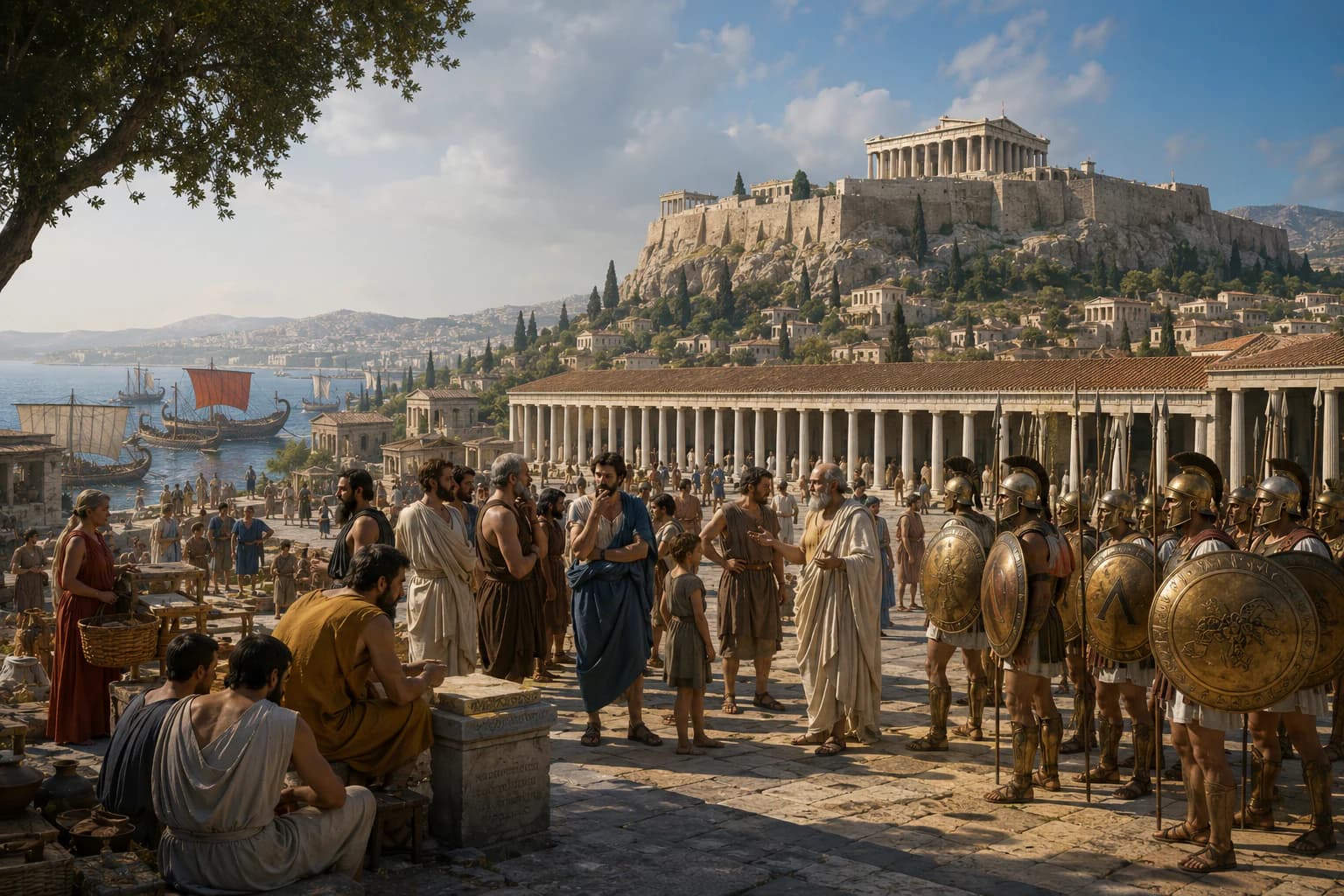
Xerxes I inherited the Achaemenid Empire at enormous scale. Darius had organized the empire and pushed Persian power into conflict with mainland Greece. Xerxes also inherited the prestige of Cyrus through his mother Atossa, a daughter of Cyrus the Great. That dynastic connection mattered because succession in a royal family was never only a private matter. It shaped how the empire imagined legitimacy.

486-484 BC

Securing the empire

Xerxes's reign did not begin simply with a Greek campaign. Like other Achaemenid kings, he first had to secure obedience across a huge realm. Egypt and Babylonia both posed challenges in the early years of his rule. Suppressing unrest mattered because a king who planned major western operations could not afford a fragile rear. The invasion of Greece came from a state still powerful enough to gather resources from across many peoples.

480 BC

Invasion of Greece

Xerxes prepared the invasion of Greece on an imperial scale, drawing troops, ships, engineers, and supplies from across Achaemenid lands. Thermopylae became famous for Spartan resistance under Leonidas, while the capture of Athens showed the campaign's reach. Yet the naval defeat at Salamis damaged Persian momentum, and the following year's defeat at Plataea ended the attempt to subdue mainland Greece. The campaign failed, but it did not end Persian power.

479-465 BC

Ruling after Greece

Greek memory often lets the Persian Wars dominate Xerxes's life, but the empire continued after 480 and 479 BC. Persia remained wealthy, administratively capable, and deeply involved in the Aegean through diplomacy, money, and alliances. Xerxes's later reign also belonged to the courtly and monumental world of Persepolis, where royal power was presented through ceremony, architecture, and tribute imagery.

465 BC

Death and memory

Xerxes died in 465 BC in a court setting marked by intrigue and violence. His afterlife was even more dramatic. In Greek literature, he became the image of imperial excess, vast armies, royal pride, and the contrast between monarchy and Greek freedom. That memory is important, but it is not neutral. Xerxes was not merely a character in a Greek morality tale. He was an Achaemenid king ruling a complex empire with its own political logic.

Continue in context

Connected stories

Move from the profile into the wider events and settings this figure belongs to.

Tertiary paths

Content note

This profile is written for educational use and connects to related Stories of History pages. The main portrait is an AI-assisted historical reconstruction, included as an illustrative aid rather than documentary evidence. Image policy

References

Sources & Further Reading

Reliable reference works, archives and reading paths connected to this profile.

Further reading

  1. Encyclopaedia Britannica, Search results for Xerxes I,” accessed June 2026.Open source
  2. WorldCat, Books and library holdings for Xerxes I,” accessed June 2026.Open source

Primary sources

  1. Library of Congress, Search results for Xerxes I,” accessed June 2026.Open source

Reviewed claim sources

Loading reviewed claim sources...

A weekly route through history

Find out first about the latest published stories, feature notes and occasional Premium offers in one weekly email.