Context
Introduction
Overview
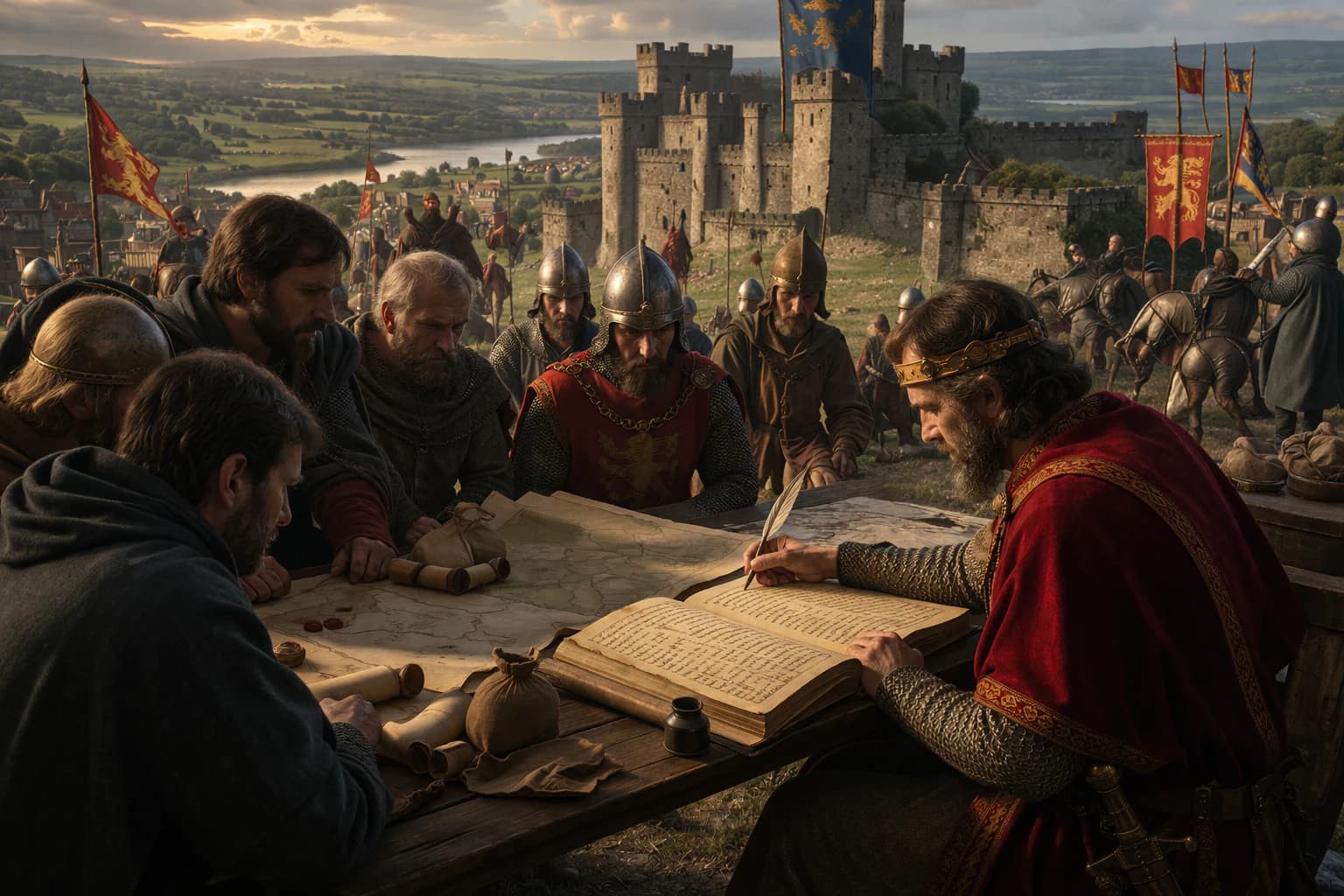
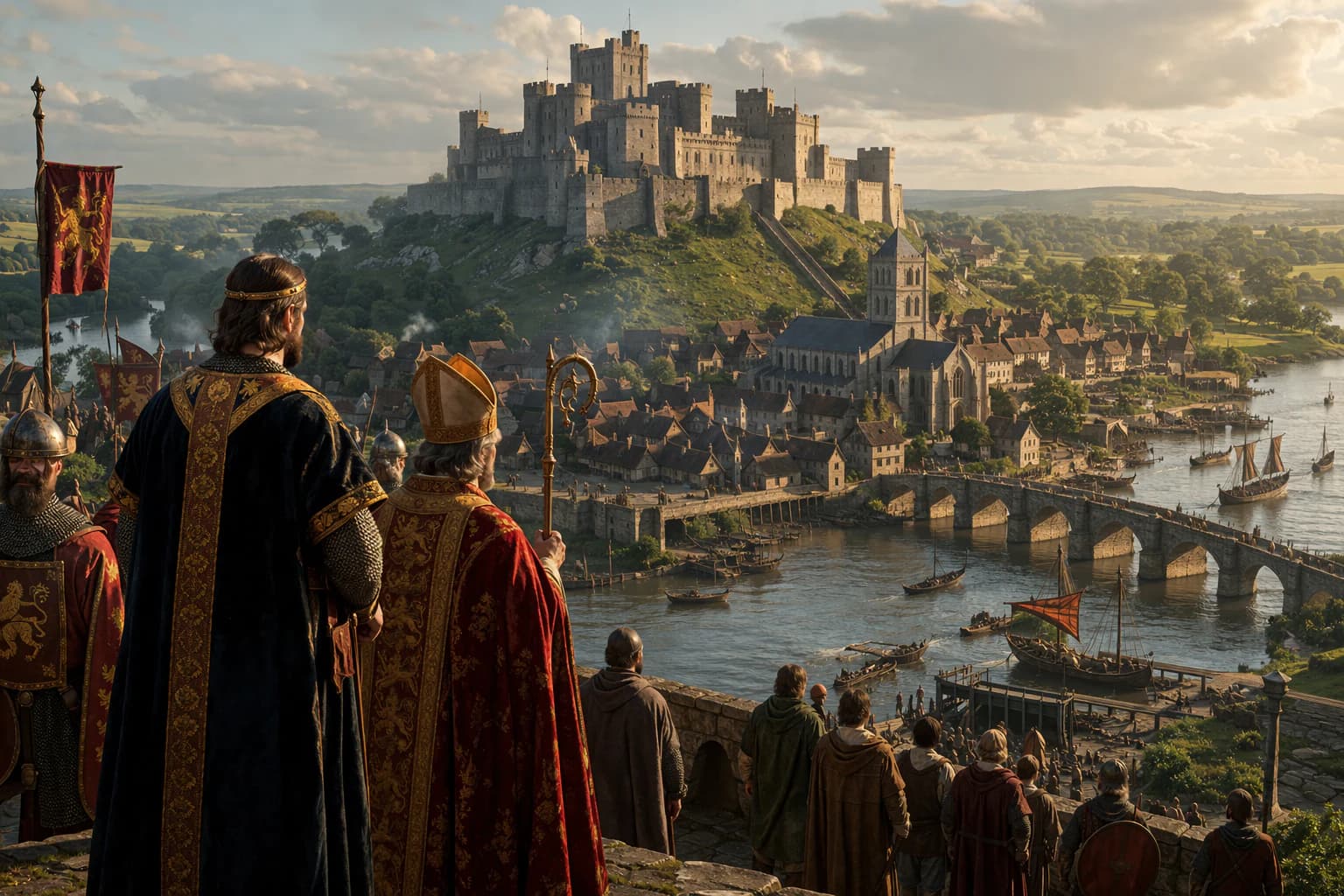
The Norman Conquest of England was the takeover of the kingdom by William, Duke of , after his victory at the Battle of in 1066. Often shortened to the Norman Conquest, it replaced much of the Anglo-Saxon ruling elite, reshaped landholding, strengthened royal power, and tied England more closely to continental Europe. Castles, the Domesday Book, Norman French influence, and new forms of government made 1066 one of the most important turning points in English history.
Key forces
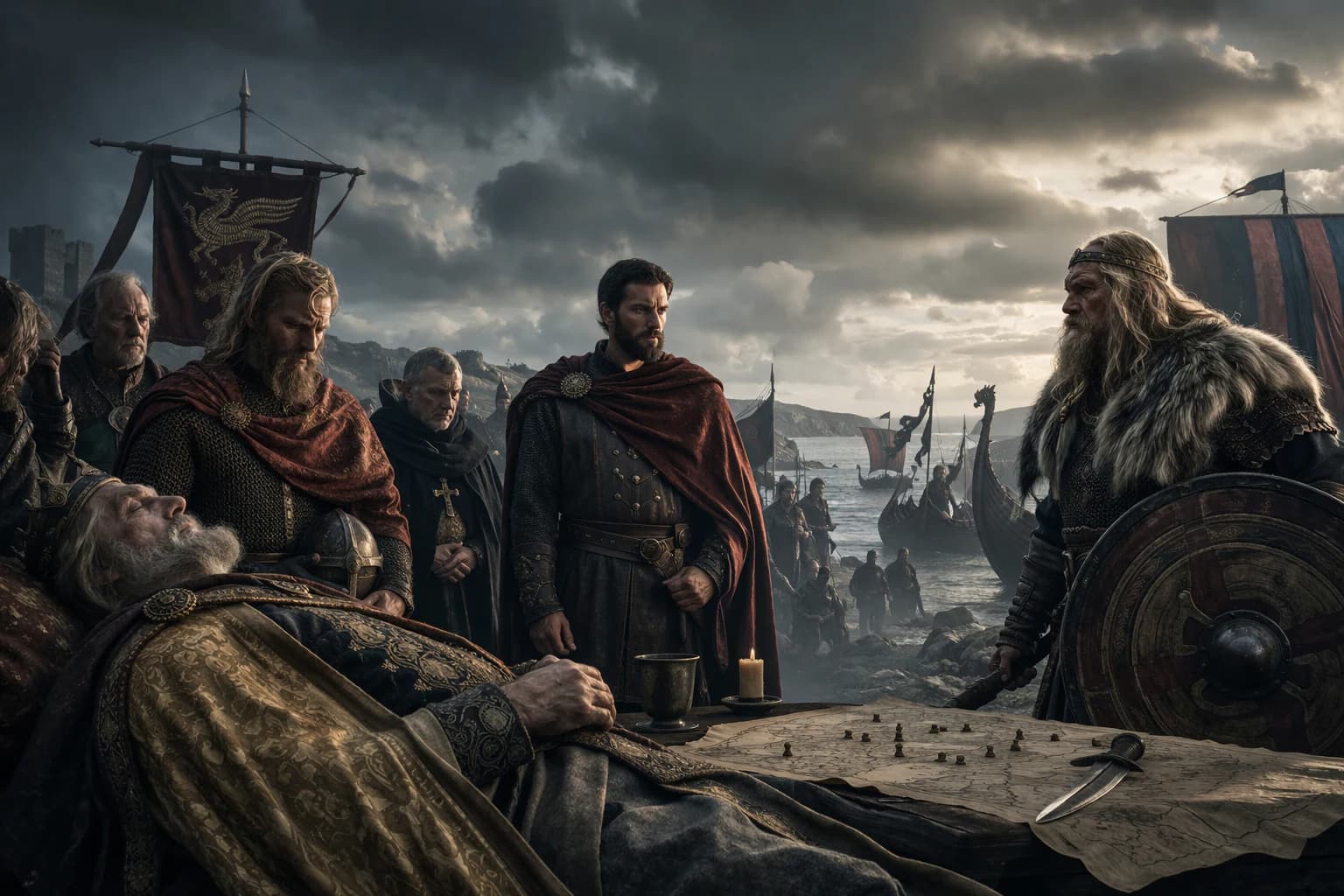
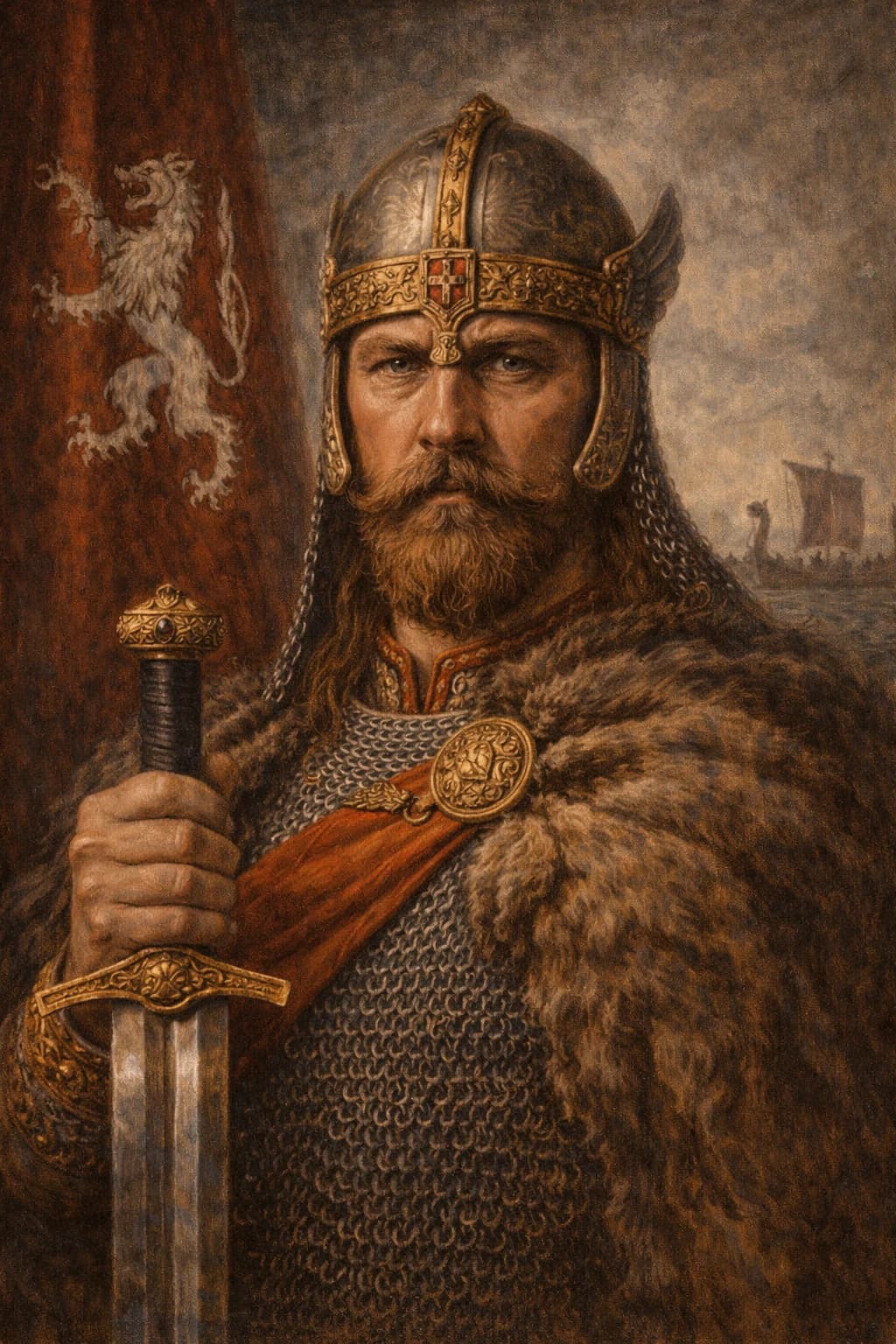
- The Normans rose from Viking settlers in France into a disciplined warrior elite with continental ambitions.
- William’s victory in 1066 transformed England’s monarchy, land ownership, and ruling class.
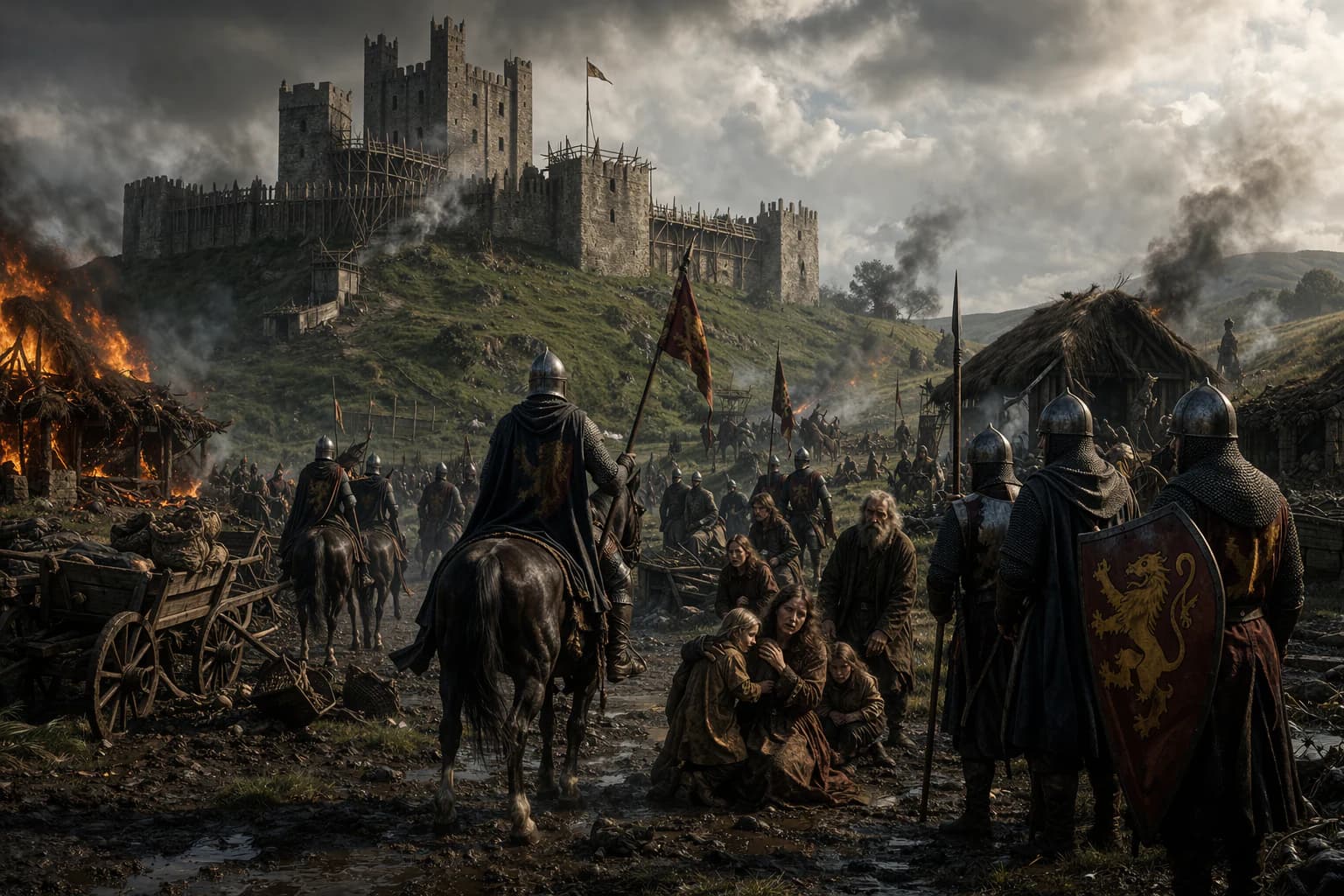
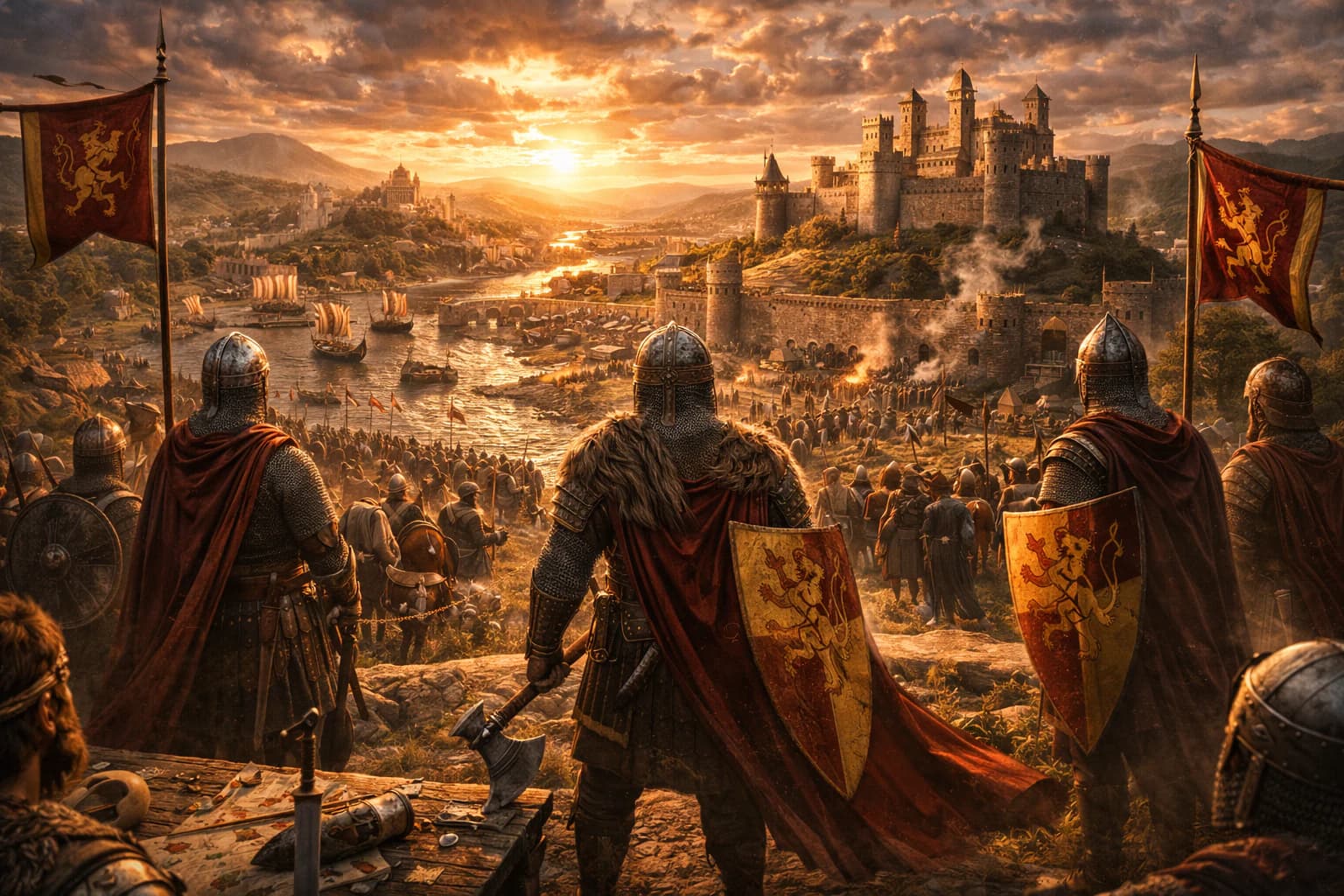
- Castle-building was central to Norman control, helping them dominate territory and suppress resistance.
- Norman expansion connected England to a wider world stretching from northern France to the Mediterranean.