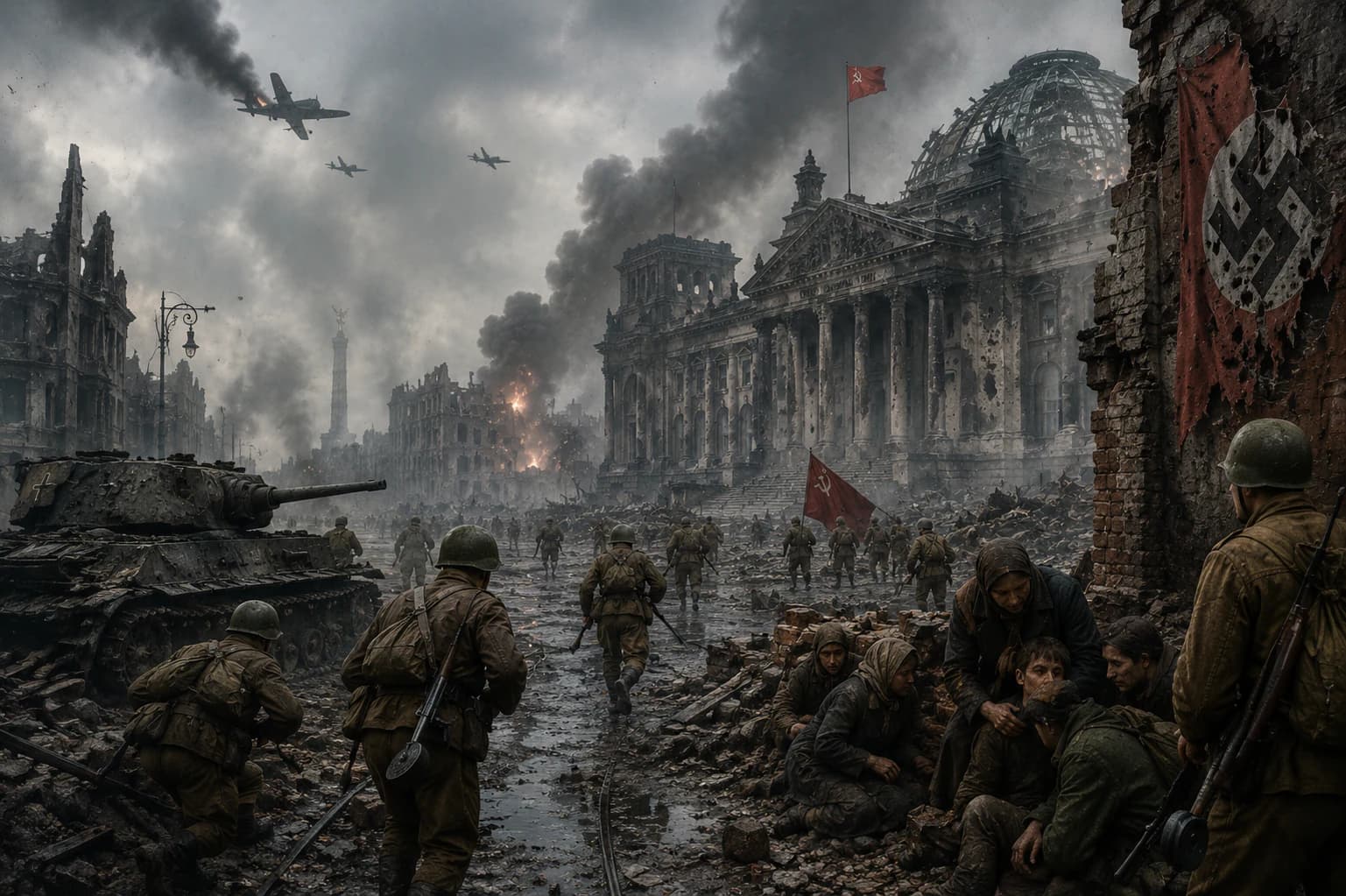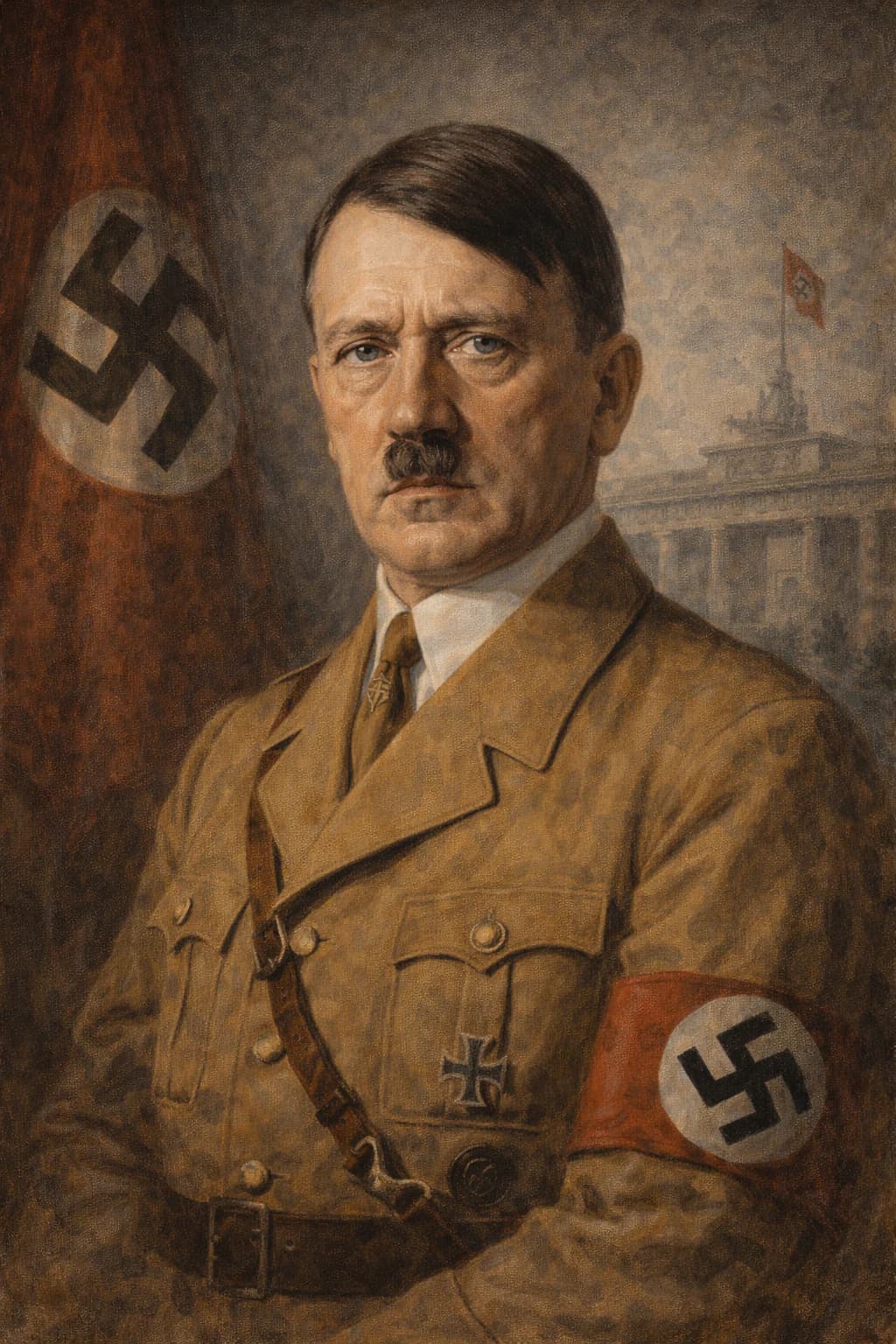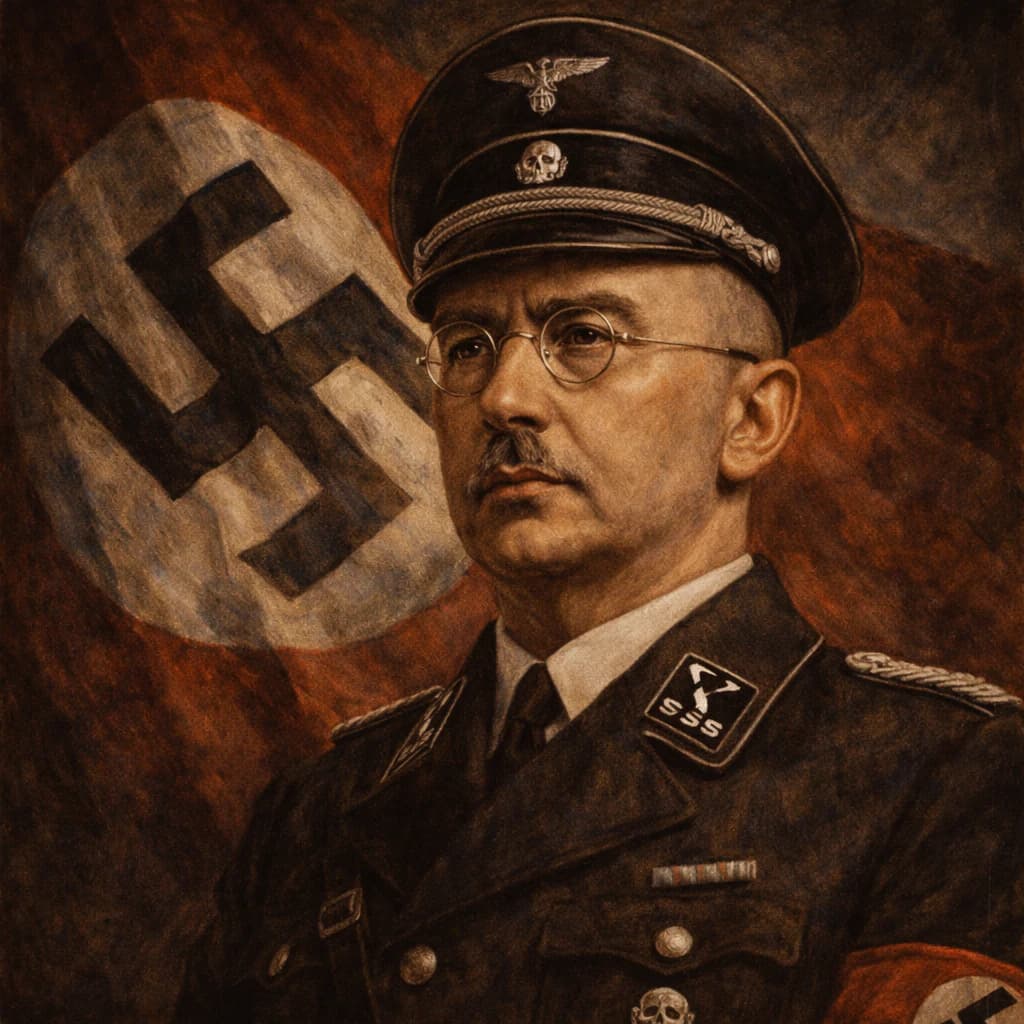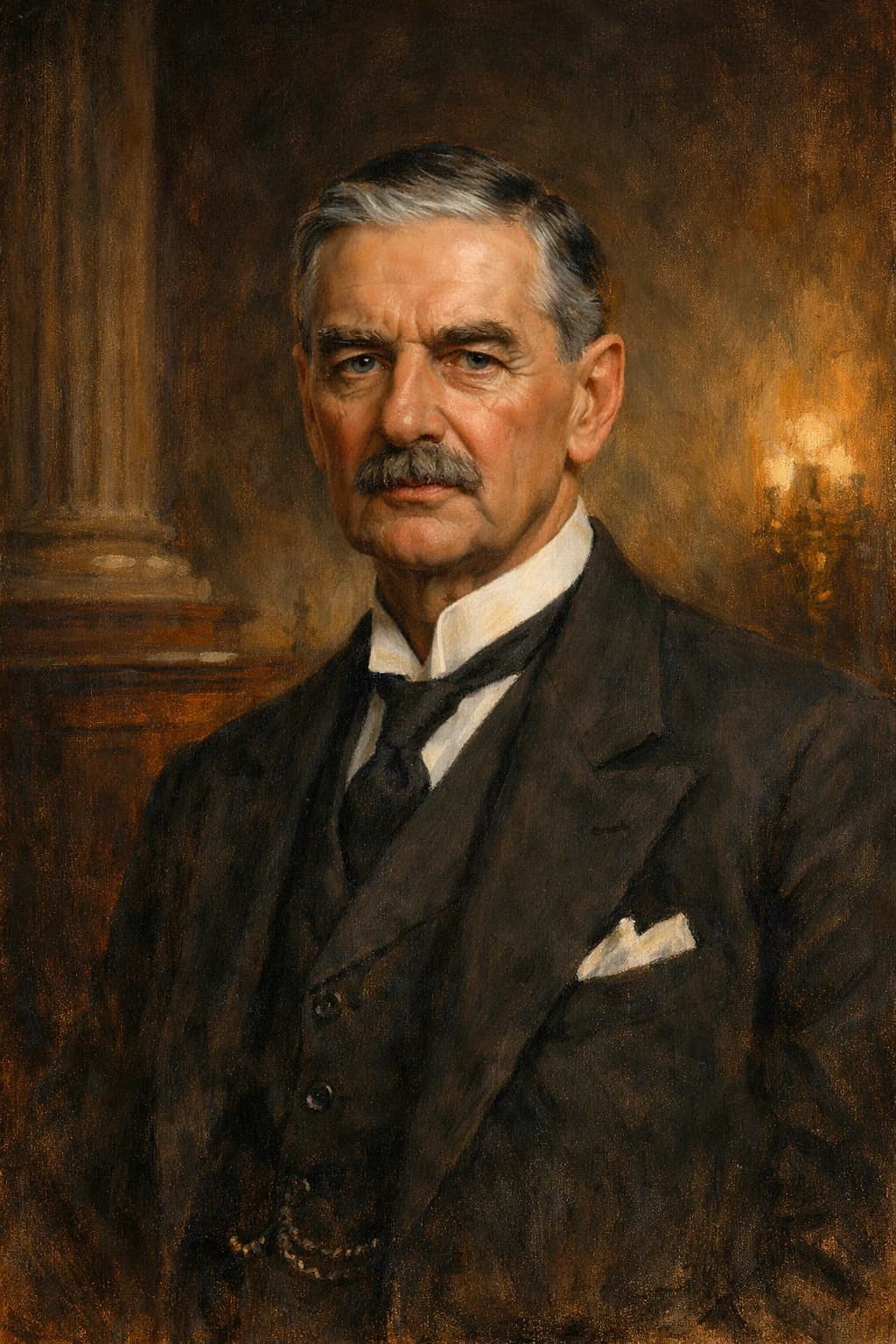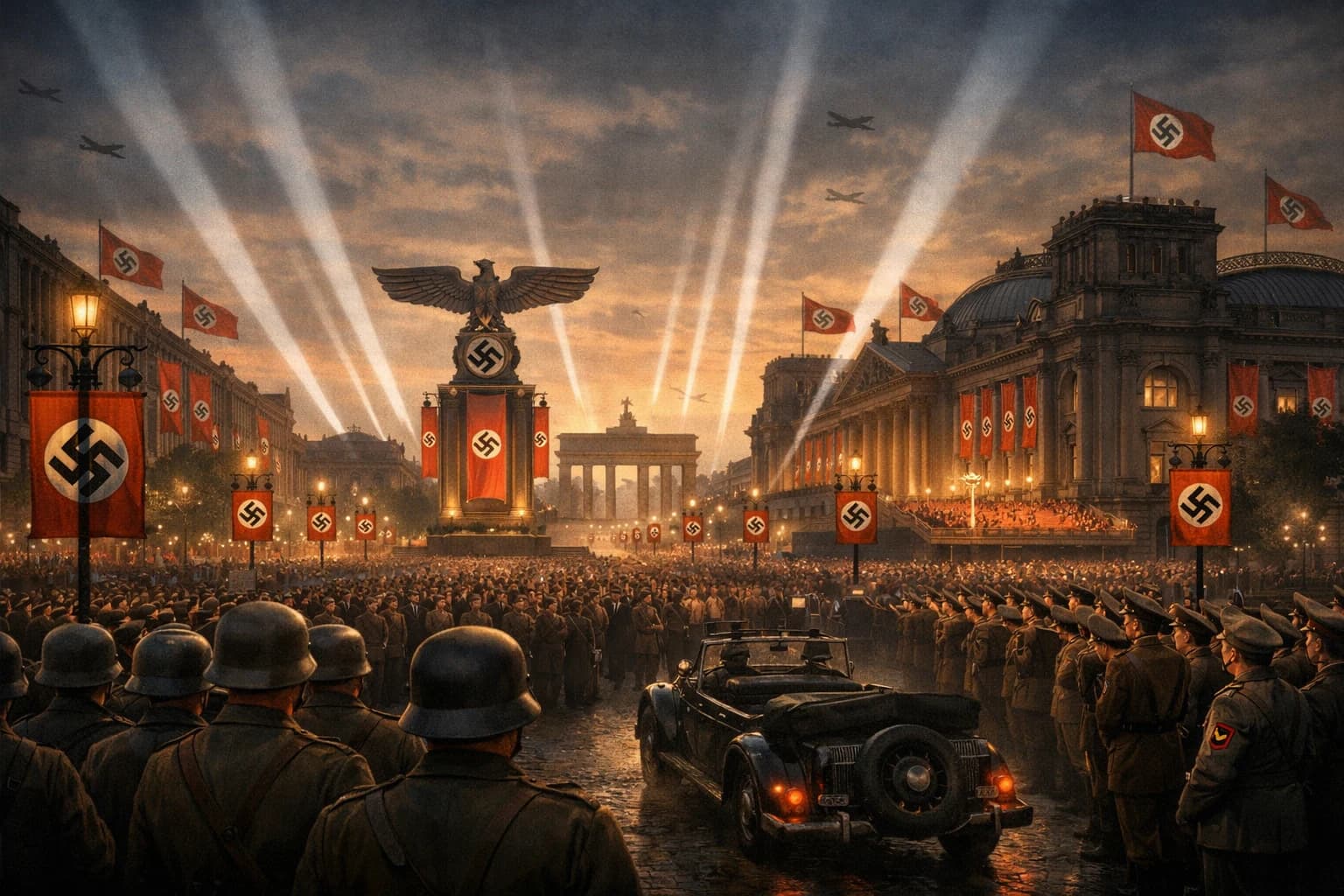
Berlin in the 1930s beneath Nazi banners and mass rallies
Premium Story

Nazi Germany

See how Nazi Germany turned crisis into dictatorship, war, genocide, and national ruin.

11 chapters

Next

Content note

This story discusses genocide, persecution, mass killing, and crimes against humanity in an educational historical context.

Context

Introduction

What you'll learn: You'll understand how Hitler converted a democratic appointment into absolute power, how the regime reshaped everyday life through propaganda and fear, why racial ideology became law, and how dictatorship and militarisation converged to produce the Second World War and the Holocaust.

Key forces

Hitler Becomes Chancellor
1933 CE
Step 1 of 101933 CEAccessible mode

Hitler Becomes Chancellor

By January 1933, Germany's democracy was failing. Hitler was not swept into power by revolution — he was handed it by politicians who thought they could keep him under control.

Germany's Weimar Republic had been struggling for years. Economic collapse, street violence between rival political groups, and a parliament unable to form stable coalitions had left the country close to breaking point.

Conservative politicians around President Hindenburg believed Hitler could be used. By making him chancellor — with conservatives filling most of the cabinet — they expected to win his popular support while keeping him in check.

They underestimated him in every possible way.

On 30 January 1933, Hindenburg appointed Hitler as chancellor. It was a legal, constitutional act — not a coup. But it gave power to a man who intended to destroy the very system that had placed him there.

The conservatives' plan collapsed almost immediately. Within weeks, Hitler had begun dismantling everything they thought would contain him.

The Reichstag Fire Decree
1933 CE
Step 2 of 101933 CEAccessible mode

The Reichstag Fire Decree

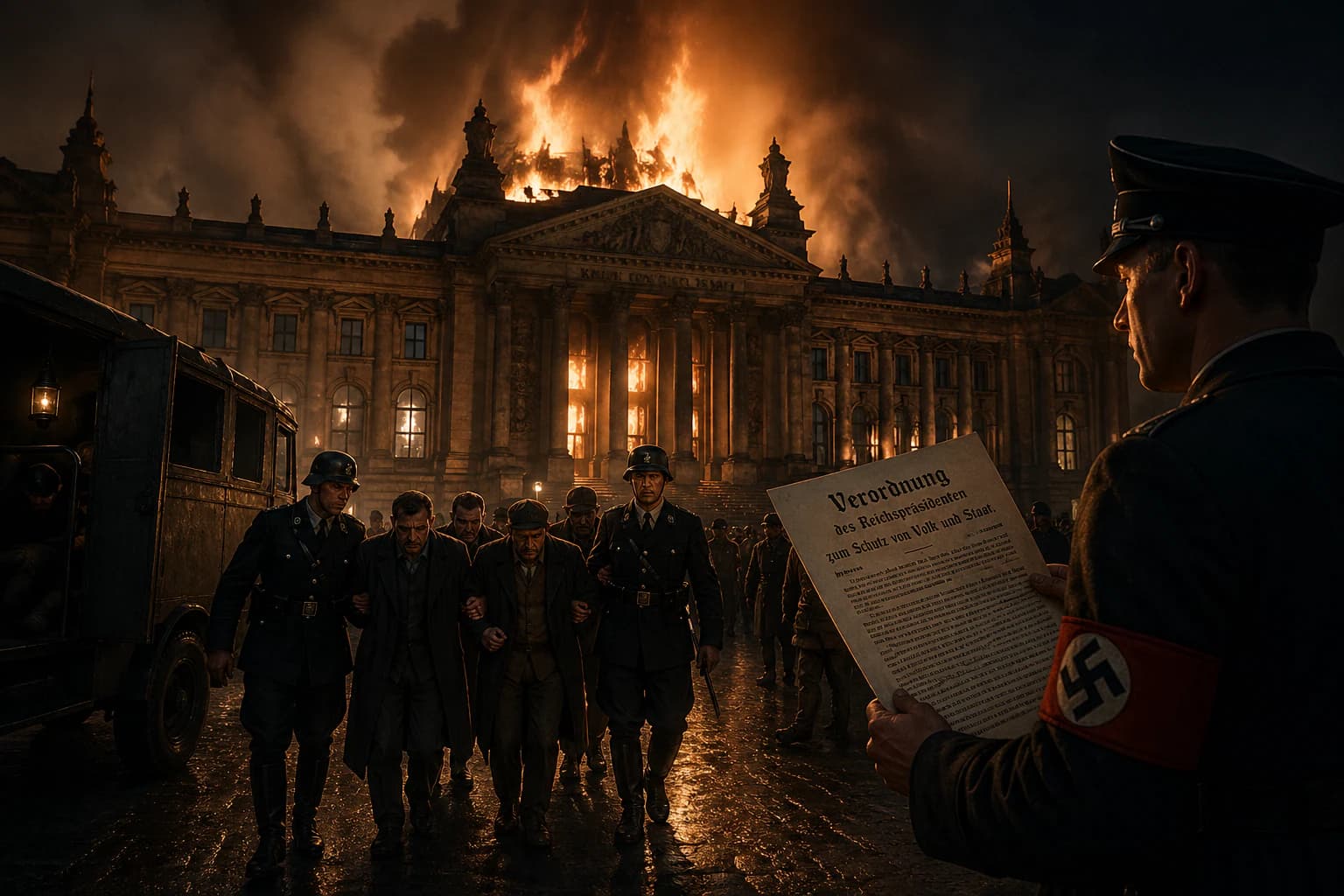
On the night of 27 February 1933, the German parliament building caught fire. The Nazis used it as the excuse they needed to destroy civil liberties almost overnight.

A young Dutch communist was arrested at the scene. The Nazis blamed a vast communist conspiracy — though the fire was almost certainly the act of one individual acting alone. The truth barely mattered. The regime had its emergency.

The following morning, Hitler persuaded President Hindenburg to sign an emergency decree. At a stroke, it suspended freedom of speech, freedom of the press, and protection from arrest without warrant.

Rights that took decades to build were suspended in a single morning.

Communist politicians were arrested immediately. Thousands of opponents — trade unionists, journalists, lawyers, Social Democrats — were detained in the weeks that followed. The first concentration camps opened to hold them.

Germany had entered a state of emergency that would never be lifted.

The Enabling Act
1933 CE
Step 3 of 101933 CEAccessible mode

The Enabling Act

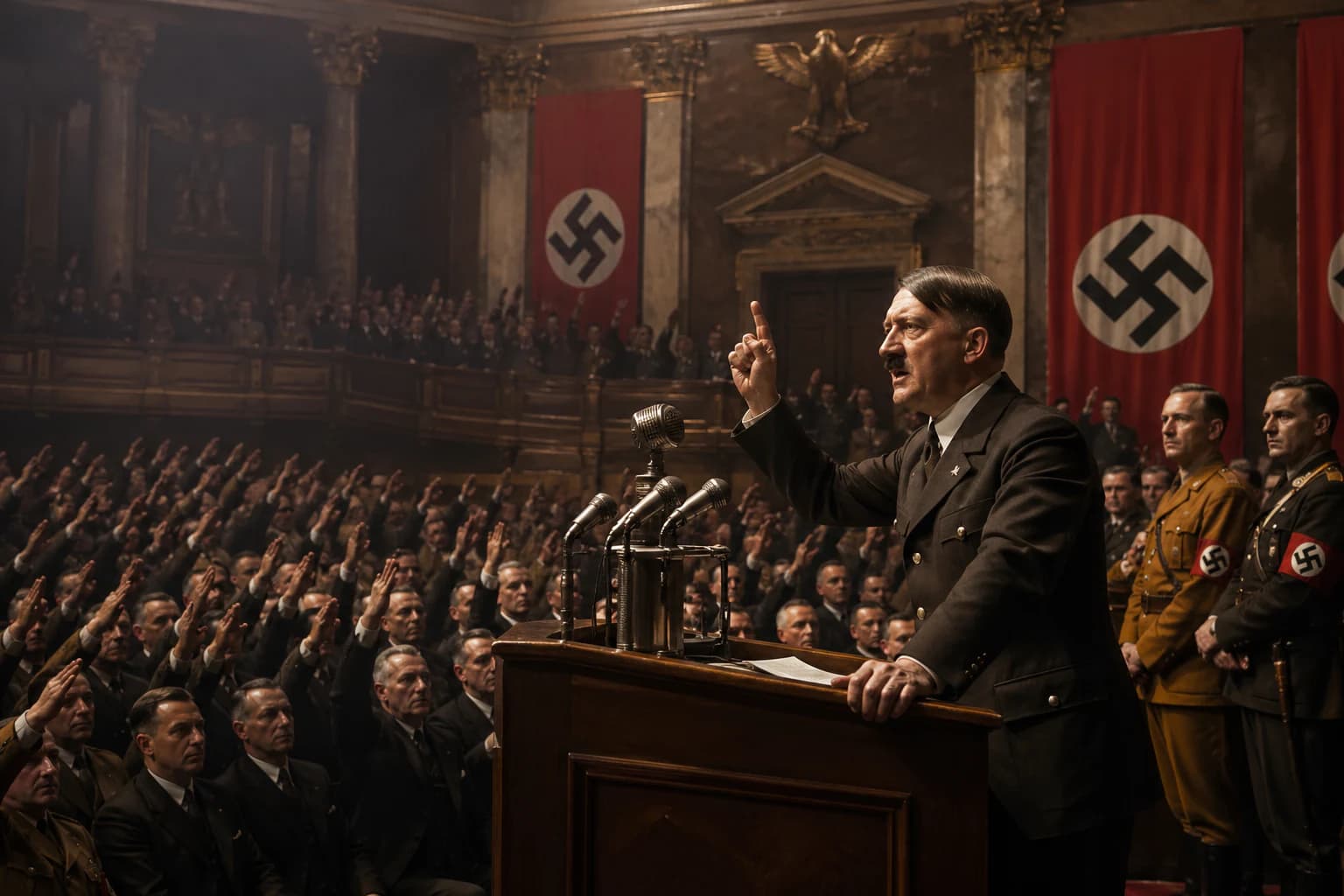
In March 1933, the German parliament voted itself out of existence — handing Hitler the power to make law without any parliamentary approval.

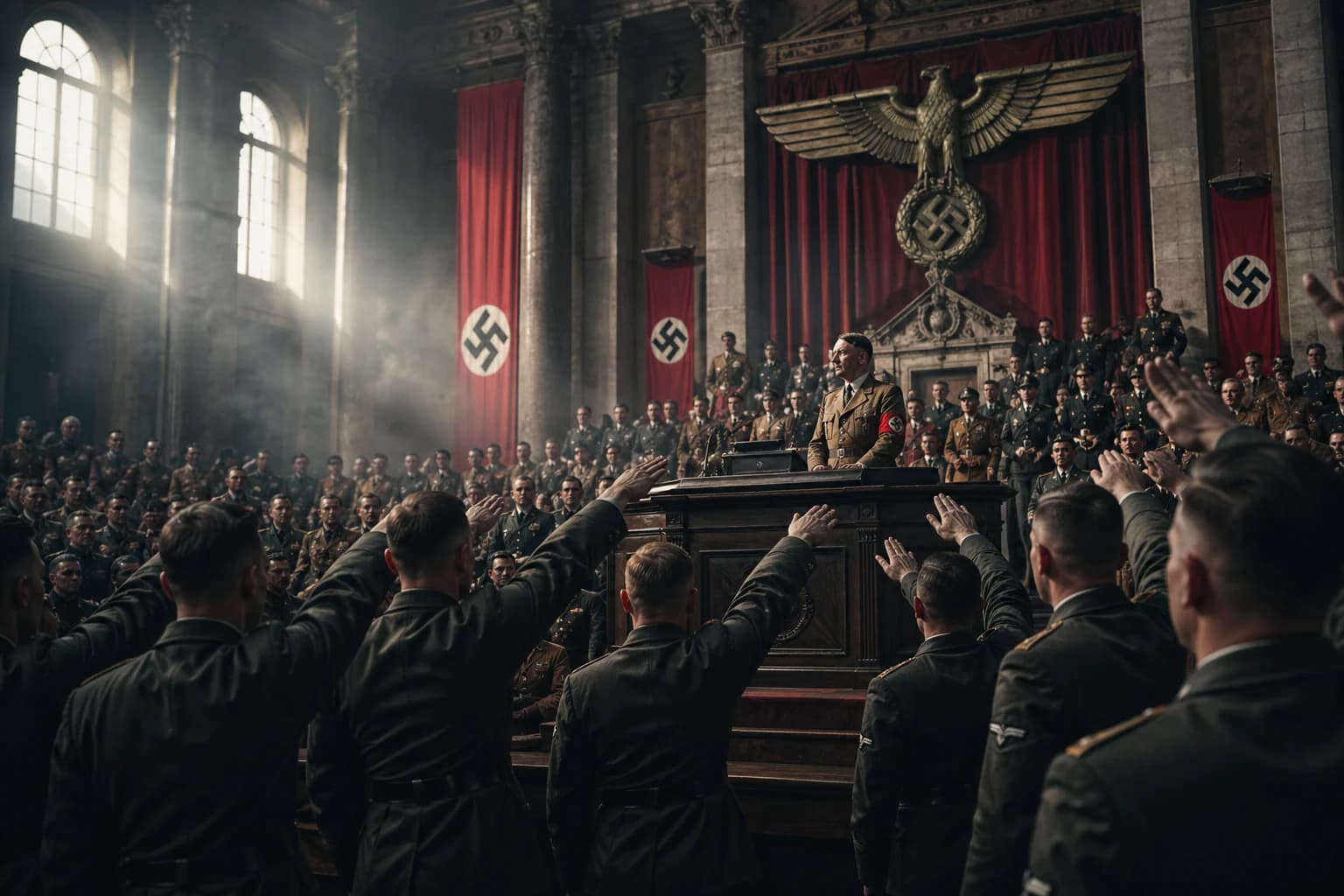
The Enabling Act required a two-thirds majority, so the Nazis needed other parties to vote with them. They achieved this through a combination of physical intimidation and political persuasion. SA stormtroopers surrounded the parliament building on the day of the vote.

Communist members had already been arrested. Most other parties either voted in favour or were too frightened to resist. Only the Social Democrats voted against — and they did so knowing they faced arrest.

Democracy ended not with tanks in the streets but with a vote in a parliament surrounded by armed men.

The Enabling Act gave Hitler's government the power to pass laws — including unconstitutional ones — without the Reichstag. The legal framework for dictatorship was now complete.

Premium

You've reached the turning point

The opening chapters show a shattered democracy giving extremists room to grow. Premium follows the more disturbing transformation: politics becomes obedience, propaganda enters everyday life, and a state built on fear and racial ideology prepares Germany for persecution, violence and war.

Continue into the reversals, crises and human stakes that make the story matter.

Unlock full story

What Premium unlocks next

  1. 4Gleichschaltung
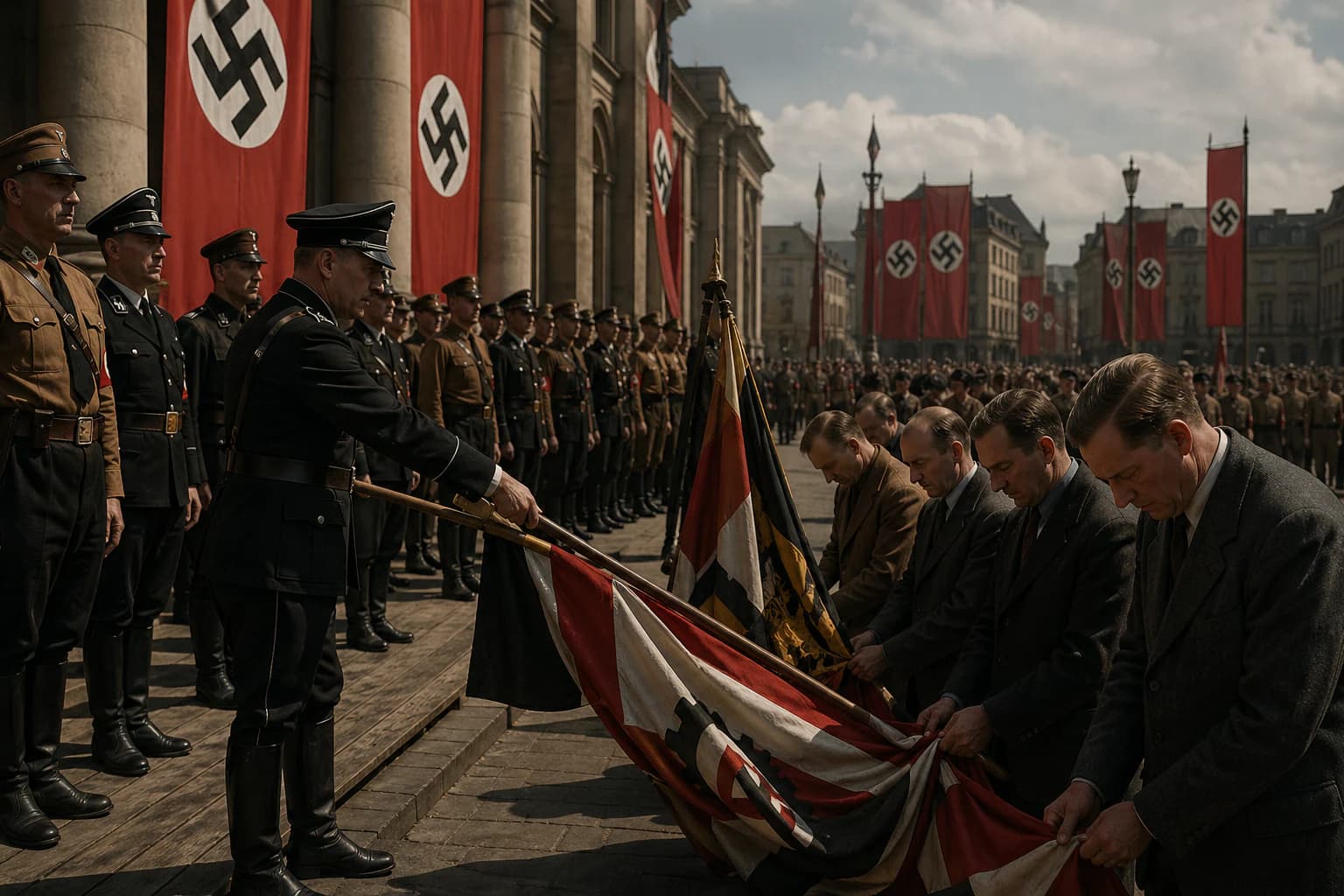
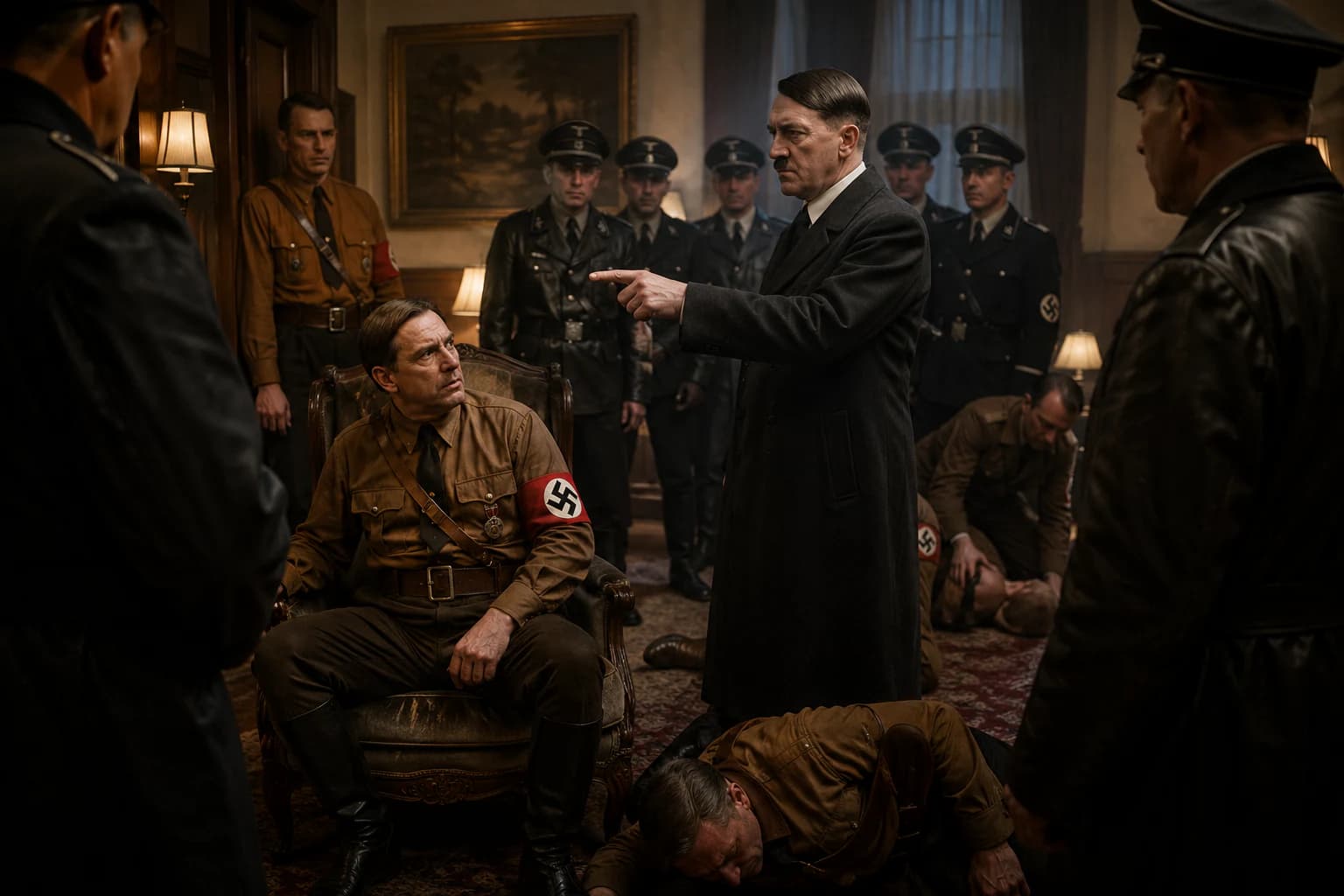
  2. 5The Night of the Long Knives
  3. 6The Führer State
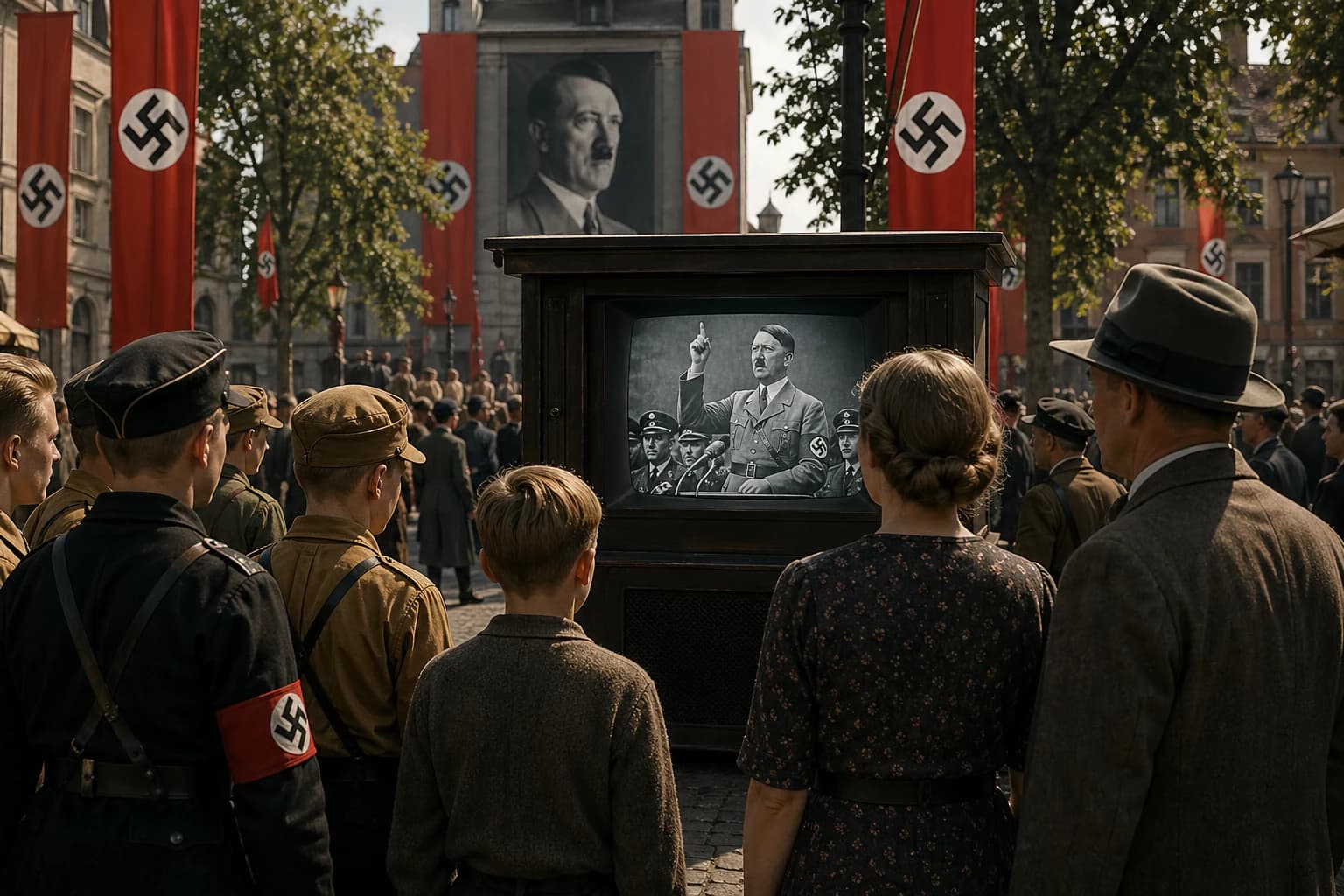
  4. 7Propaganda and Daily Life
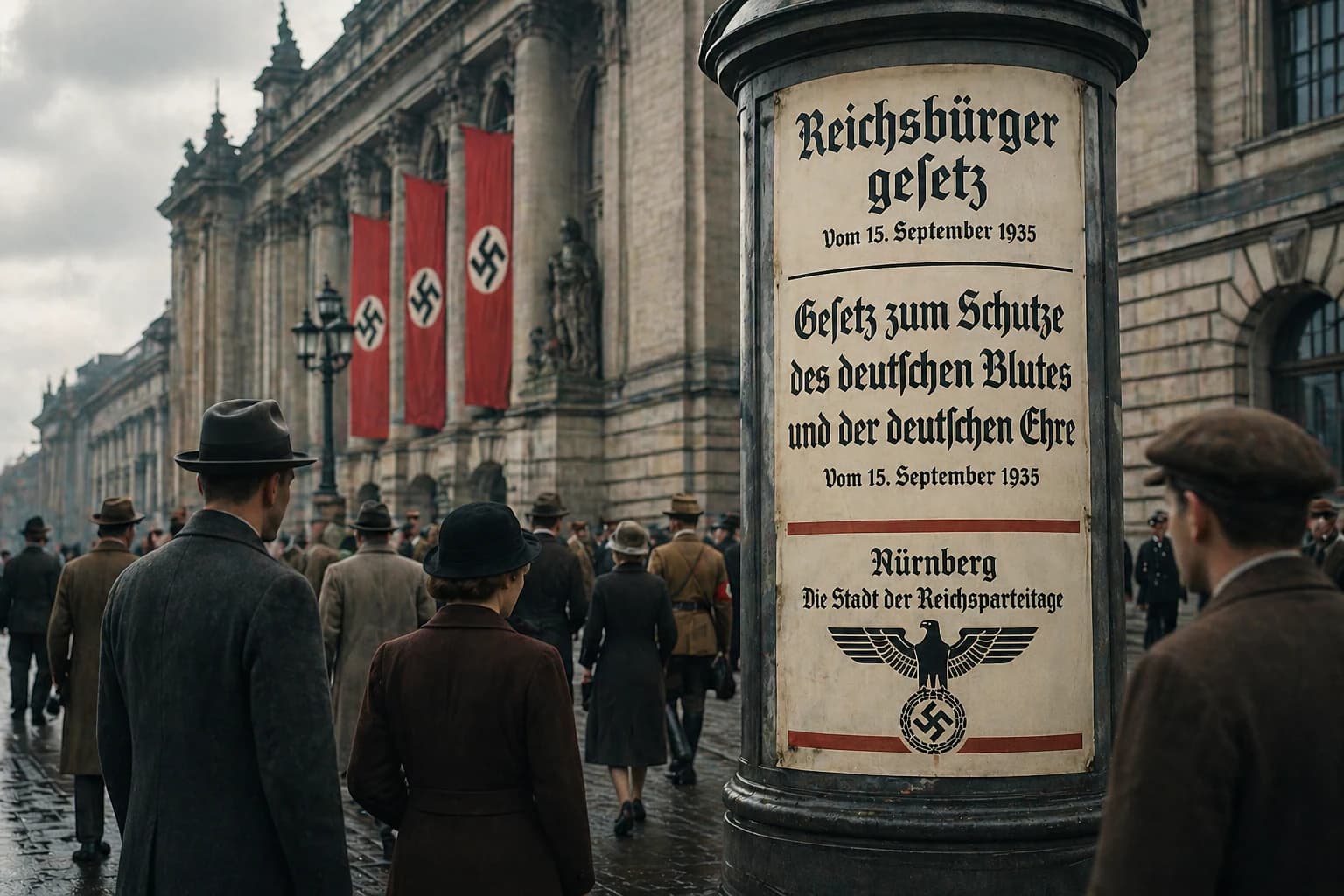
  5. 8The Nuremberg Laws
  6. 9Militarisation of Society
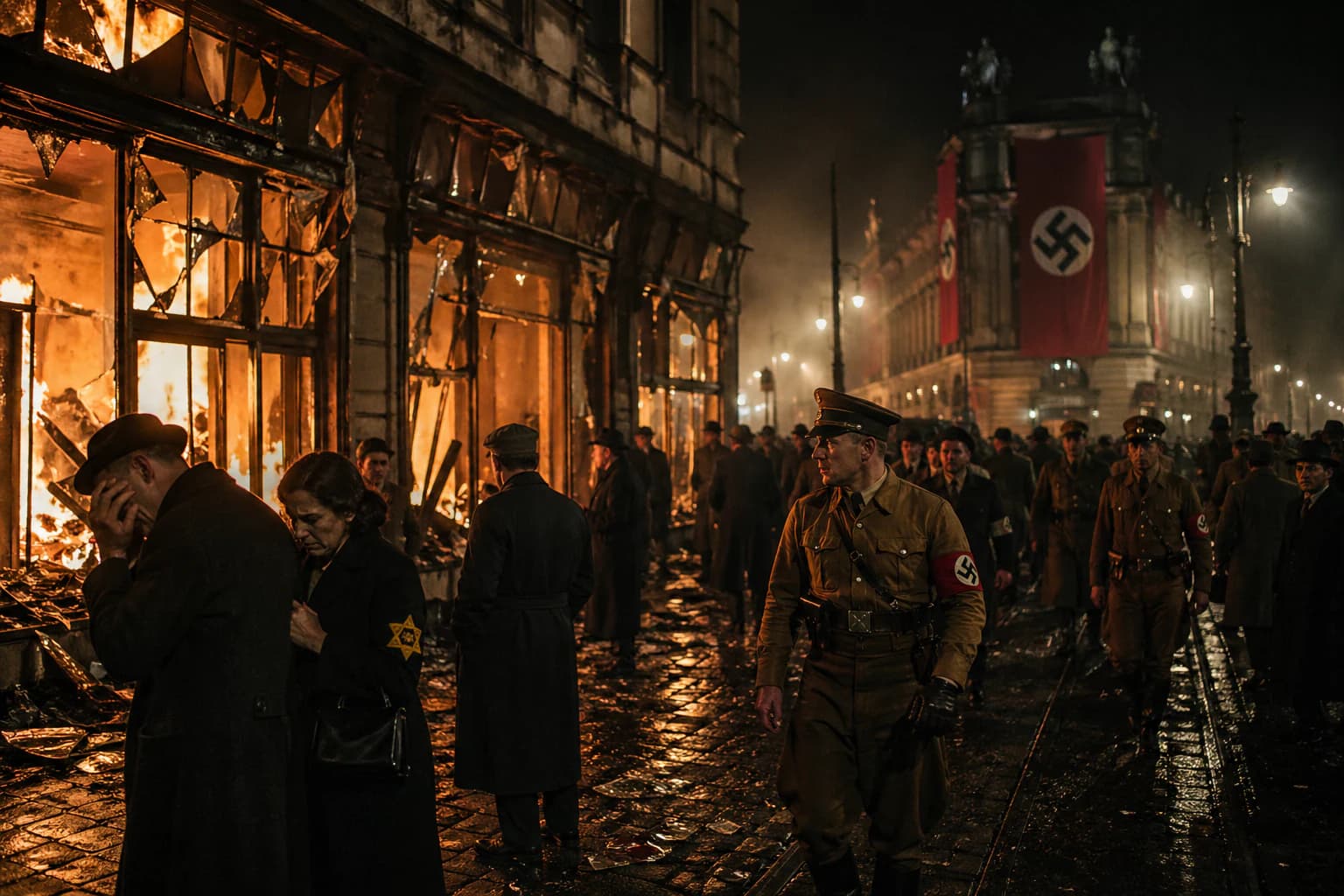
  7. 10Kristallnacht and the Road to War

Browse stories

Browse stories for free

Explore the people connected to this turning point or enjoy one of our free stories.

Unlock full storyBrowse stories

References

Sources & Further Reading

Reliable sources, primary-source collections and reading paths connected to this page.

Sources used

  1. United States Holocaust Memorial Museum, The Third Reich: An Overview,” Open source
  2. German History in Documents and Images, Nazi Germany, 1933-1945,” Open source

Further reading

  1. Richard J. Evans, The Third Reich in Power, Penguin.

Primary sources

  1. Yale Law School, Avalon Project: Nuremberg Trial Proceedings,” Open source

A weekly route through history

Find out first about the latest published stories, feature notes and occasional Premium offers in one weekly email.